This lesson provides critical training on managing emergencies and urgent incidents while operating passenger vehicles. As part of our comprehensive Category D curriculum, you will learn how to maintain safety for yourself and your passengers during breakdowns, fires, or medical crises to ensure full compliance with RSA standards.

Lesson content overview
A Category D professional driver in Ireland carries a profound responsibility. When operating a passenger transport vehicle, such as an urban bus or an intercity coach, you are responsible not only for navigating a large, heavy vehicle through complex traffic but also for the direct safety and lives of up to dozens of passengers.
In the event of an emergency—whether a mechanical breakdown, a fire, or a sudden passenger medical crisis—there is no room for hesitation or panic. Structured, immediate, and legally compliant action is required. This lesson details the exact protocols required to manage emergency situations safely, secure the scene, protect passenger welfare, and satisfy your legal obligations under the Irish Road Traffic Acts and Road Safety Authority (RSA) guidelines.
A professional driver's "Duty of Care" is a legal obligation to take all reasonable steps to avoid acts or omissions that could foreseeably injure passengers, other road users, or pedestrians. In emergency situations, this duty of care is put to the ultimate test.
┌──────────────────────────────────────────────────────────┐
│                   DRIVER'S DUTY OF CARE                  │
├──────────────────────────────────────────────────────────┤
│ 1. Secure the Vehicle & Scene                            │
│ 2. Protect and Reassure Passengers                       │
│ 3. Administer Immediate, Competent First Aid             │
│ 4. Coordinate with Emergency Services (112 / 999)        │
└──────────────────────────────────────────────────────────┘
Failing to act promptly or ignoring established safety protocols during an emergency can result in severe legal penalties, the loss of your Certificate of Professional Competence (CPC), and, most critically, the preventable loss of human life. Managing an emergency systematically minimizes risk, prevents the escalation of dangerous situations, and facilitates rapid rescue efforts.
A roadside breakdown occurs when a mechanical failure, electrical loss of power, or a severe tyre puncture forces a vehicle to stop on a public road, rendering it inoperable. For large Category D vehicles, a breakdown presents a major hazard due to the physical size of the vehicle and the difficulty other road users face when trying to bypass it.
If you detect a progressive mechanical failure (such as a loss of engine power, unusual steering resistance, or pressure drops in the pneumatic braking system), you must take immediate steps to secure the vehicle:
Never leave a broken-down passenger vehicle unsecured. Even on seemingly flat ground, a heavy coach can roll if the air pressure in the secondary braking systems bleeds off. Always apply the physical handbrake completely before leaving the cab.
Hazard warning lights—which flash all turn signals simultaneously—must be activated the moment you realize your vehicle is forced to decelerate or stop due to an emergency.
Once your passenger vehicle is stationary and secured, your immediate priority is to establish a safe perimeter around the vehicle. This prevents secondary collisions—which occur when approaching drivers fail to see a stationary vehicle in time and crash into it.
In Ireland, drivers of heavy passenger vehicles are legally required to carry and deploy reflective warning triangles during a breakdown or accident. The distance at which these triangles must be placed varies significantly depending on the speed limit and design of the road:
These specific distances are calculated based on the physics of stopping distances and driver reaction times.
For instance, on an Irish motorway with a speed limit of 120 km/h, a car travels approximately 33 metres every single second. A warning triangle placed 45 metres back gives an oncoming driver roughly 1.3 seconds of advance notice before they reach the point of the hazard. If the triangle is placed too close (e.g., only 5 metres behind the bus), the oncoming driver will have zero time to react, virtually guaranteeing a high-speed rear-end collision.
┌────────────────────────────────────────────────────────────────────────┐
│                      WARNING TRIANGLE DISTANCES                         │
├───────────────────────────────┬────────────────────────────────────────┤
│ Motorways (120 km/h)          │ 45 metres minimum                      │
├───────────────────────────────┼────────────────────────────────────────┤
│ Dual Carriageways (100 km/h)   │ 30 metres minimum                      │
├───────────────────────────────┼────────────────────────────────────────┤
│ Other Public Roads            │ 15 metres minimum                      │
└───────────────────────────────┴────────────────────────────────────────┘
Put on high-visibility clothing: Before stepping out of the driver's cab, put on an RSA-approved high-visibility vest or jacket.
Face oncoming traffic: As you walk back along the road or hard shoulder, keep your eyes on the oncoming vehicles at all times. Hold the open triangle in front of you so its reflective surface is visible to drivers.
Position the triangle securely: Place the triangle firmly on the ground, ensuring its stand is stable against wind or the draft created by passing heavy vehicles.
Return safely: Walk back to your vehicle while remaining alert to the traffic around you.
Engine fires in Category D vehicles are highly destructive events. Because buses and coaches carry large quantities of diesel fuel, hydraulic fluids, and extensive electrical wiring networks (often routed directly beneath the passenger cabin), an unmanaged engine compartment fire can engulf the entire vehicle within minutes.
Fire requires three elements to survive: fuel, oxygen, and heat (known as the fire triangle). Engine fire isolation is the process of cutting off the supply of fuel and electrical current to the engine bay, effectively removing two legs of the fire triangle. This starves the fire and prevents it from spreading to the passenger saloon.
If you suspect an engine fire (indicated by smoke, fire alarms, thermal sensors in the cab, or warnings from passing motorists), follow this structured protocol:
Stop the vehicle immediately in a safe location: Pull over as far to the left as possible. Avoid stopping under bridges, near overhanging trees, or next to flammable structures.
Isolate systems: Switch off the ignition. If your vehicle is equipped with a primary fuel shut-off valve or an electrical master isolation switch, activate it immediately. This cuts off power to high-amperage cables and stops fuel pumps from continuing to spray pressurized fuel onto hot engine components.
Evacuate the passengers: Direct passengers to exit the vehicle calmly and quickly, moving them to a safe location at least 50 metres away and upwind of the smoke.
Assess and act: Assess the size of the fire. If smoke is coming from the engine bay, do not open the engine cover fully. Opening the cover introduces a sudden rush of oxygen, which can cause a backdraft or flashover, severely injuring you.
Use the extinguisher correctly: If your coach is equipped with fire access ports in the engine cover, insert the nozzle of your dry powder or CO2 fire extinguisher through the port and discharge it. If you must open the cover, open it only a fraction, insert the nozzle, and release the extinguishing agent.
Do not use water on an engine fire. Engine compartment fires are almost always Class B (flammable liquids) or Class C (electrical) fires. Applying water to a fuel fire will cause the burning fuel to float and spread, expanding the fire. Applying water to electrical systems risks severe electric shock and short-circuits.
A professional driver must be prepared to handle sudden, severe medical crises among passengers. Common acute events include cardiovascular issues (heart attacks), neurological events (strokes or seizures), and airway obstructions (choking).
Your primary objective during a medical emergency is to ensure passenger welfare without compromising the safety of the vehicle or other road users.
An easy-to-remember acronym used to identify a potential stroke victim:
Under the General Data Protection Regulation (GDPR) and general privacy laws in Ireland, a passenger’s medical status is considered highly sensitive personal data.
While your primary focus must be saving lives, you must also manage the scene professionally:
In Ireland, emergency services (Gardaí, Ambulance, Fire Brigade) can be contacted by dialling either 112 (the European emergency number) or 999. Both numbers are free of charge and can be dialled from any active mobile phone, even if there is no credit or local network coverage.
When you contact the emergency operator, you must provide clear, concise, and highly accurate information. Professional transport operations often utilize the METHANE framework to structure emergency calls, ensuring emergency services can dispatch the appropriate resources without delay.
 M - Major Incident: Declare if it is a major incident (e.g., multi-vehicle crash, coach roll-over).
 E - Exact Location: Provide GPS coordinates, motorway junction numbers, or precise local landmarks.
 T - Type of Incident: Explain what happened (e.g., bus breakdown, engine fire, medical emergency).
 H - Hazards: Identify present dangers (e.g., fuel spills, live traffic, low visibility).
 A - Access: Best routes for emergency vehicles to access the scene.
 N - Number of Casualties: Provide a realistic estimate of the number of injured or affected passengers.
 E - Emergency Services: Detail which services are already present or required (fire, ambulance, police).
Under the Irish Road Traffic Acts, you have strict statutory duties if you are involved in a traffic collision:
Emergency response procedures must adapt dynamically to surrounding conditions. A protocol that is safe on a dry, sunny afternoon can be extremely dangerous in adverse conditions.
In heavy rain, thick fog, or falling snow, your visibility is drastically reduced, as is the ability of other drivers to stop.
A fully loaded 53-seater coach behaves differently during an emergency than an empty one.
To pass your Category D Theory Test and operate safely on Irish roads, you must understand the most common mistakes drivers make during emergencies:
Explore all units and lessons included in this driving theory course.
Lesson content overview
Explore all units and lessons included in this driving theory course.
Explore search topics learners often look for when studying Emergency Situations and Immediate Response. These topics reflect common questions about road rules, driving situations, safety guidance, and lesson level theory preparation for learners in Ireland.
Browse additional driving theory lessons that cover connected traffic rules, road signs, and common driving situations related to this topic. Improve your understanding of how different rules interact across everyday traffic scenarios.
Learn the legal requirements for managing passenger well-being and maintaining professional conduct in passenger transport. This guide details your responsibilities regarding passenger comfort, accessibility, and safe interaction with children and vulnerable users as outlined in the Rules of the Road.

Maintaining high levels of passenger satisfaction requires proactive management of the vehicle internal environment and driving style. This lesson teaches drivers how to control internal heating and ventilation systems, minimize harsh vibrations, and communicate route updates professionally. By optimizing passenger comfort, drivers prevent travel anxiety, reduce motion sickness, and deliver high-quality public service.

This lesson delivers a detailed analysis of the legal and moral duty of care that passenger vehicle operators hold in Ireland. Drivers will learn to manage risk effectively, establishing a proactive safety culture that prioritizes vulnerable occupants and external road users. It covers practical methods for protecting passengers during transit, accelerating smoothly, and maneuvering safely in high-risk zones.

Maintaining cabin discipline is critical for preventing driver distractions and ensuring passenger transit remains completely safe and comfortable. This lesson teaches conflict resolution, proactive de-escalation techniques, and the roles of specialized escorts on school or medical transport. Drivers will learn to assess security threats on board and apply the appropriate response protocols under Irish laws.
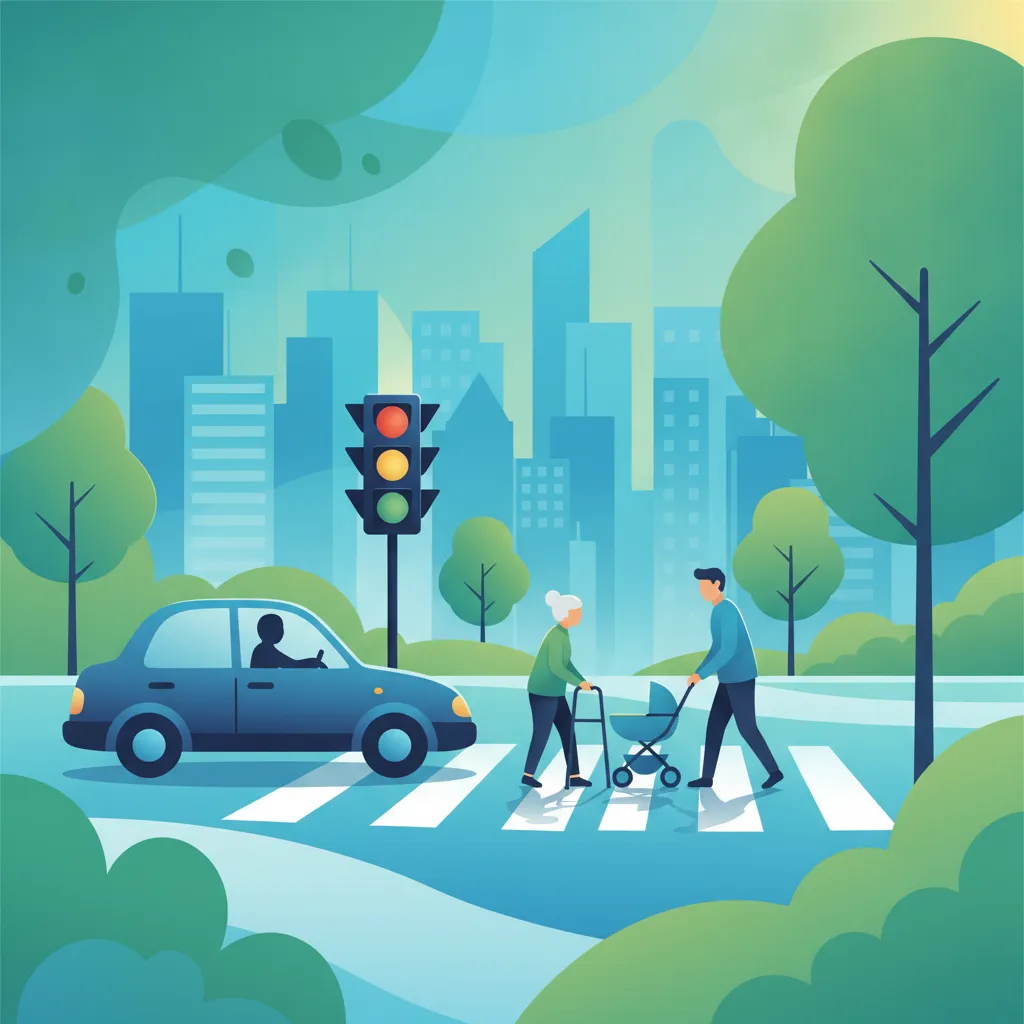
Transporting passengers with mobility impairments, children, or elderly citizens requires specialised communication skills and physical driving adjustments. This lesson reviews safe boarding techniques, wheelchair-accessible vehicle setups, and best practices for supporting passengers with hidden disabilities. It highlights the importance of empathy, patience, and maintaining professional dignity during passenger transport.
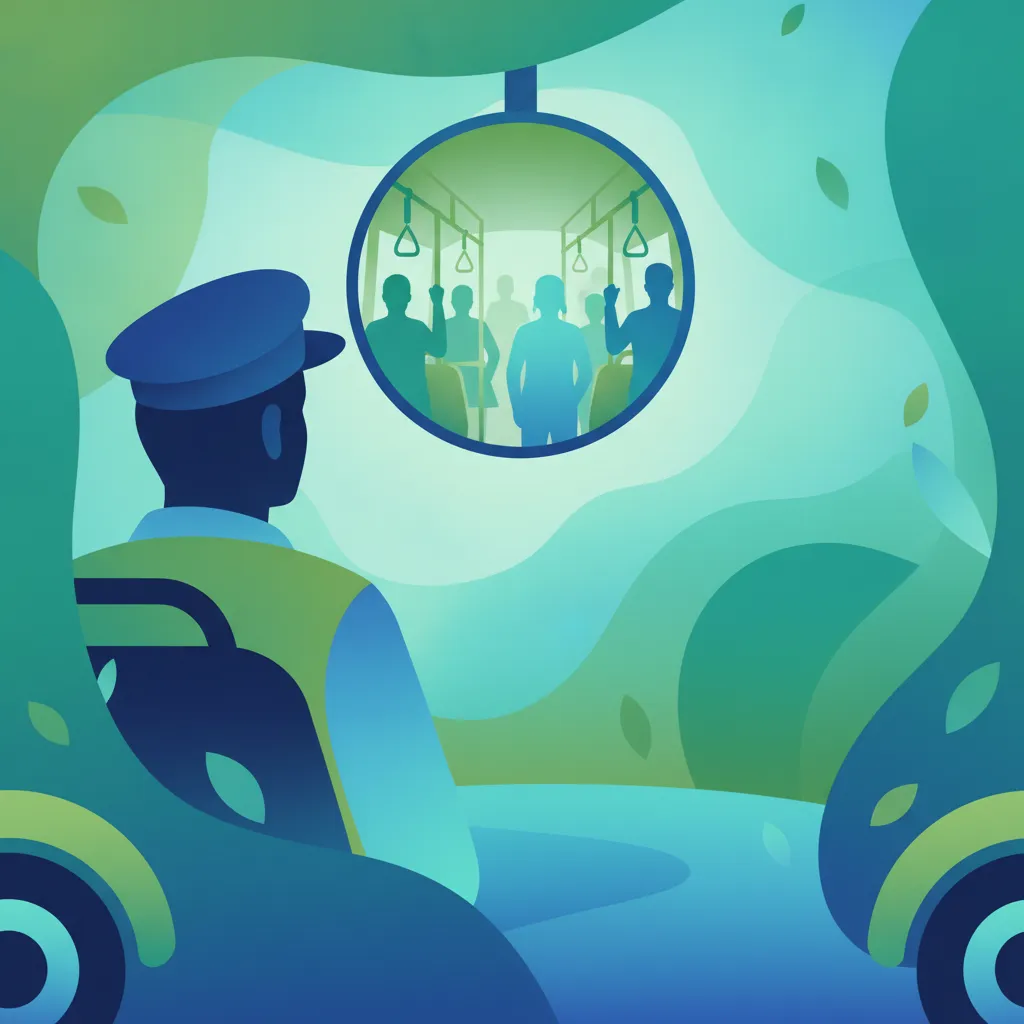
Standing passengers face heightened safety risks due to sudden changes in bus velocity, turning forces, or abrupt stops. This lesson covers maximum standing capacity regulations, correct passenger distribution, and the importance of active handrail utilization. Drivers will learn how to adjust their braking and acceleration patterns to prevent slips, trips, and falls among standing occupants.

A driver's daily actions directly impact the safety, customer experience, and overall reputation of the public passenger transport sector. This lesson covers key elements of service quality, including punctuality, polite passenger interactions, and supporting disabled individuals. Drivers will learn to maintain a professional, calm demeanor during challenging shifts, ensuring high service standards.

Operating long-distance intercity services requires meticulous journey planning to satisfy passenger comfort and comply with driver rest regulations. This lesson covers schedule coordination, planning convenient rest stop locations, and managing driver alertness over extended periods. Drivers will learn to perform intermediate safety checks on passenger comfort systems during journey breaks.
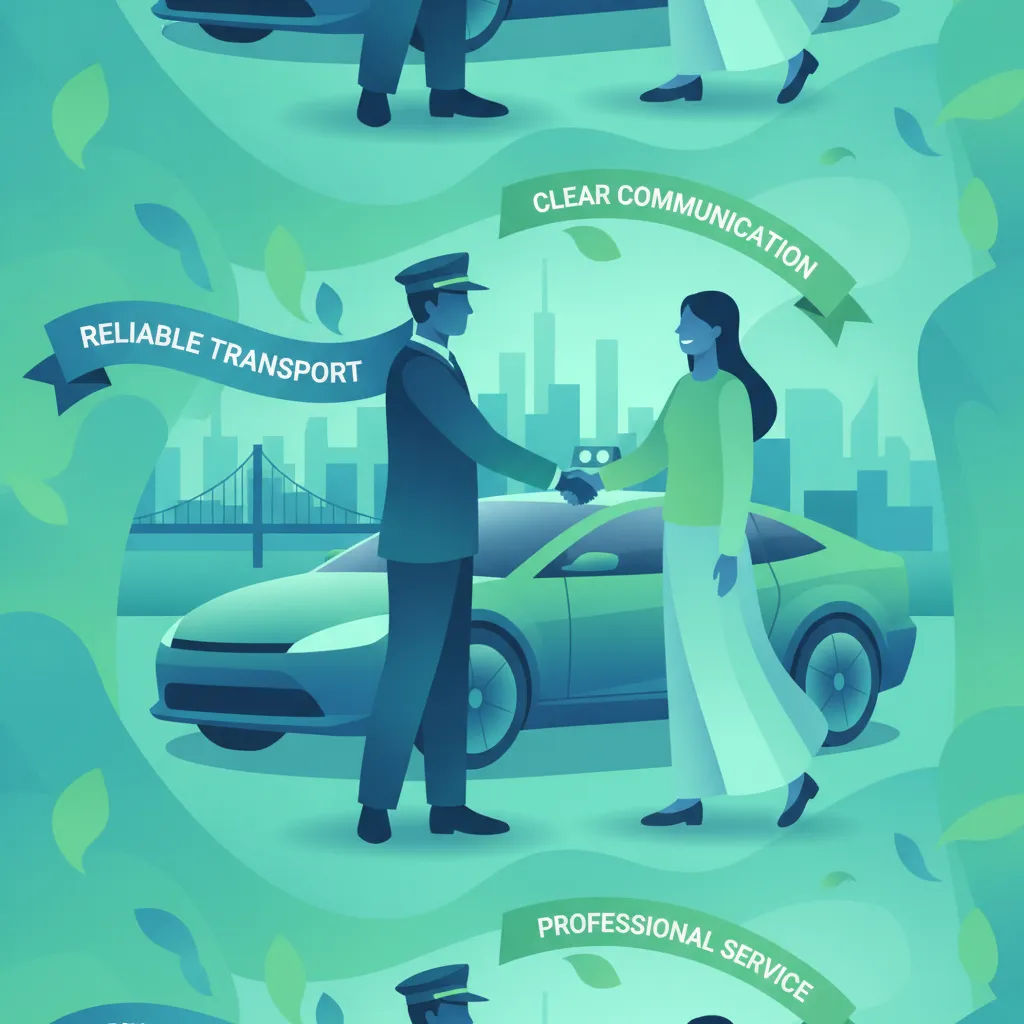
Professionalism in passenger transport is vital for maintaining public confidence and representing the service industry positively on Irish roads. This lesson addresses the high standard of driver behavior, customer relations, and ethical obligations expected of coach and bus operators. It helps drivers develop a professional mindset, focusing on safe driving practices that preserve passenger comfort and ensure public trust.

Passenger boarding and exiting periods represent a highly critical operational window where slip and fall injuries frequently occur. This lesson outlines safe door opening procedures, the deployment of mechanical boarding steps, and proper handrail holding instructions. Drivers will learn to supervise passenger flow, ensuring passengers clear the immediate exit area before the bus begins moving.

Driver fatigue and visual distractions are major contributors to commercial passenger vehicle accidents on national transport networks. This lesson explores the physiological indicators of drowsiness, the benefits of healthy sleep habits, and strategies for avoiding digital distractions. It emphasizes strict compliance with professional driver hours to maintain alertness and safe operations.
Understand how vehicle weight and passenger load distribution affect stopping distances and steering dynamics. This lesson provides theory on maintaining smooth control, managing braking efficiency, and adapting your driving technique when operating large passenger vehicles under varying load conditions.
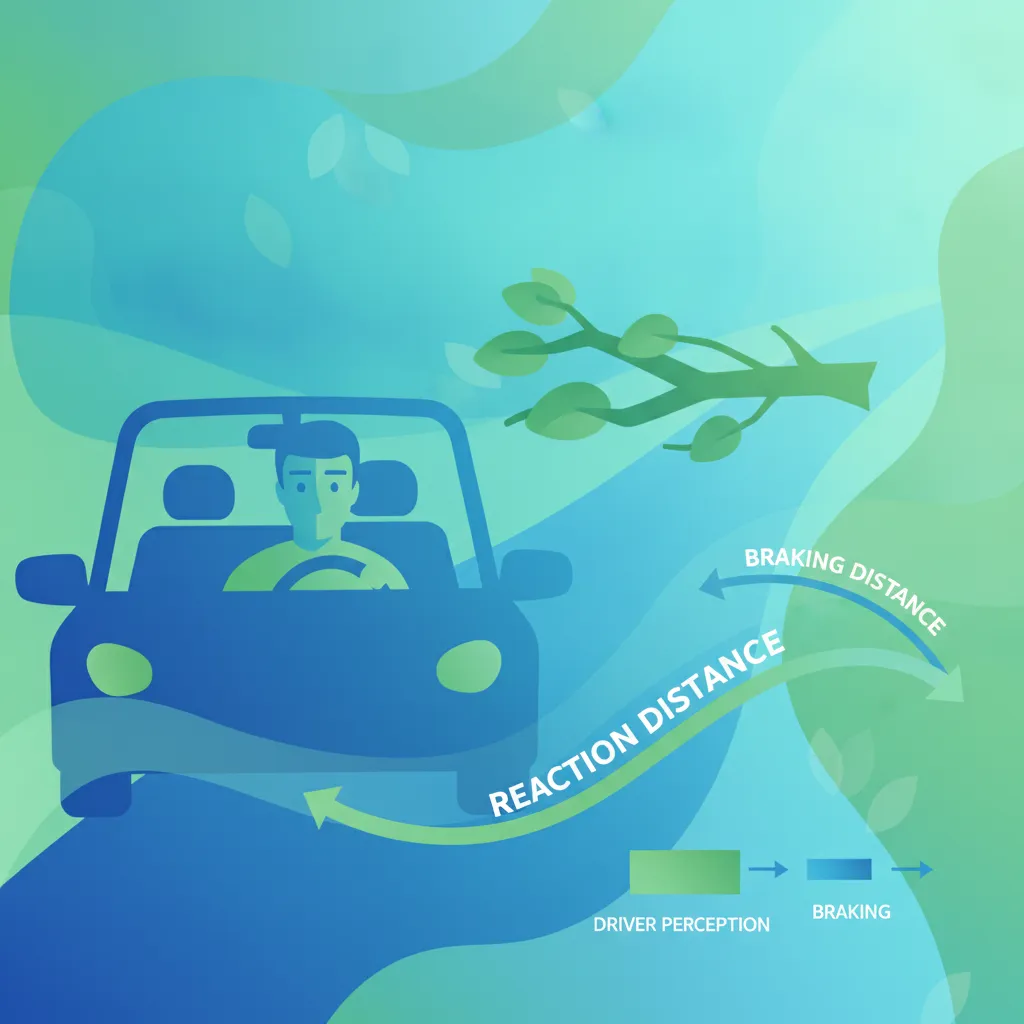
This lesson details how total stopping distance scales with vehicle mass, explaining the critical combination of perception-reaction delay and mechanical braking time. It covers the operation of main air-brake systems, auxiliary engine retarders, and trailer-coupling brake setups. Drivers will learn to maintain safe following distances and apply progressive braking patterns to avoid dangerous brake fade.
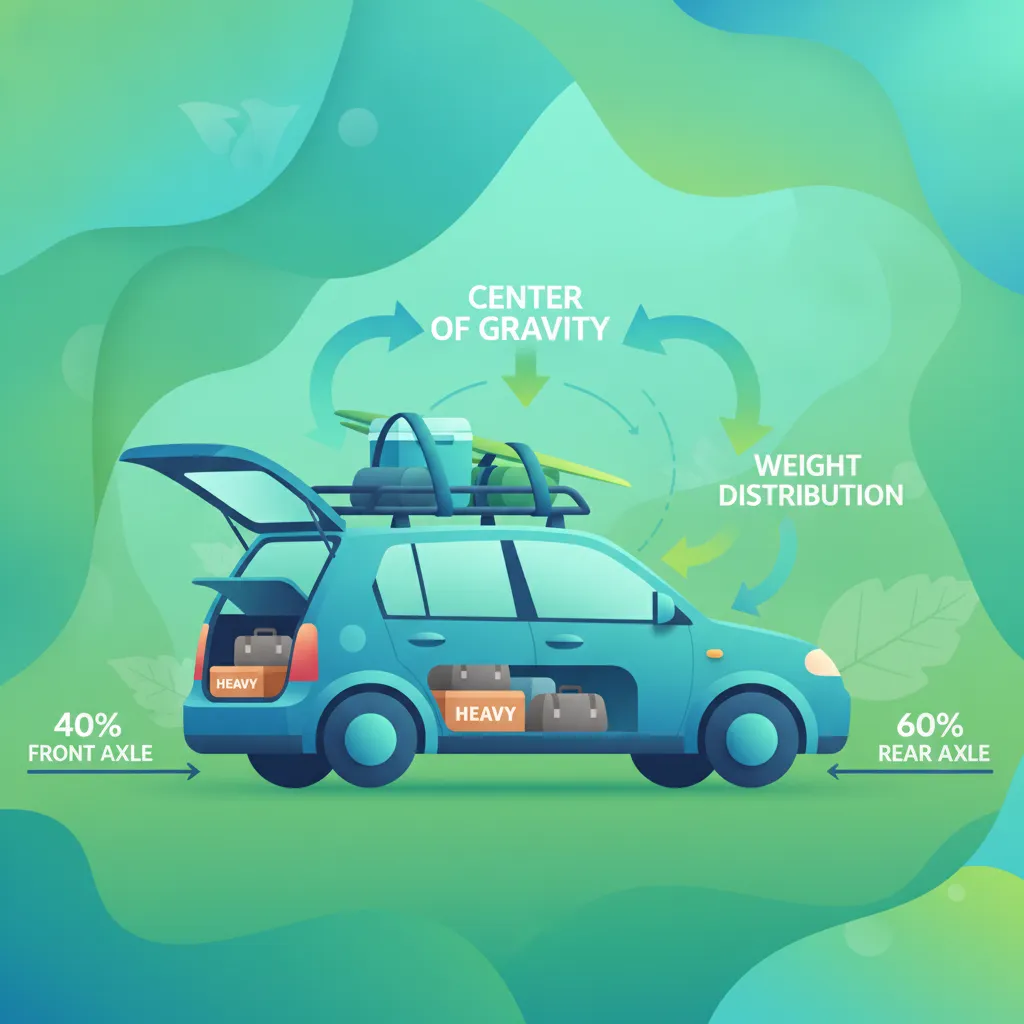
This lesson explains the physical principles of weight distribution and axle overloading on heavy commercial vehicles. It examines how a high centre of gravity increases tipping risks during cornering and alters overall braking effectiveness. Drivers will discover methods for positioning cargo to distribute weight evenly, ensuring optimal steering control and stable vehicle dynamics.
The physical scale of a coach or bus generates significant momentum that demands extensive space to bring the vehicle to a safe stop. This lesson explains vehicle weight mechanics, the physics of kinetic energy, and how center of gravity affects chassis stability during stops. Drivers will learn to assess braking capacity, accounting for wet road conditions and high passenger counts.
Find clear answers to common questions learners have about Emergency Situations and Immediate Response. Learn how the lesson is structured, which driving theory objectives it supports, and how it fits into the overall learning path of units and curriculum progression in Ireland. These explanations help you understand key concepts, lesson flow, and exam focused study goals.
You must immediately pull over to a safe location, stop the engine, and activate the hazard warning lights. Once stationary, evacuate all passengers through the safest exits before attempting to use the onboard fire extinguisher if it is safe to do so.
While minor mechanical issues may be handled via your operator's recovery service, any incident involving passenger safety, road obstruction, or damage to property must be documented and, if severe or involving injury, reported to An Garda Síochána.
You must ensure that wheelchair users and those with limited mobility are prioritized for safe exit using accessible equipment like ramps or lifts, provided the vehicle is in a stable state. Always follow the specific emergency instructions provided by your operator's safety manual.
Hazard lights are essential, but you must also use high-visibility clothing and place warning triangles at an appropriate distance behind the vehicle to alert approaching traffic, following RSA guidelines for large passenger vehicles.
Use the practice question search tool to pinpoint specific topics, road signs, or rules you need to master for your official Driver Theory Test. Refine your study strategy and ensure comprehensive preparation for all aspects of the Irish driving exam. Start your focused revision now and build confidence for your learner permit test.