
Welcome to the essential unit on Helmet, Visibility, and Protective Behaviour for Category AM riders in Great Britain. This section delves into the legal and safety requirements for your moped or light quadricycle, ensuring you understand the critical role of protective gear and how to make yourself seen on UK roads. Prepare to learn about helmet standards, appropriate clothing, and strategies for maximum visibility, all vital for passing your theory test and riding safely.
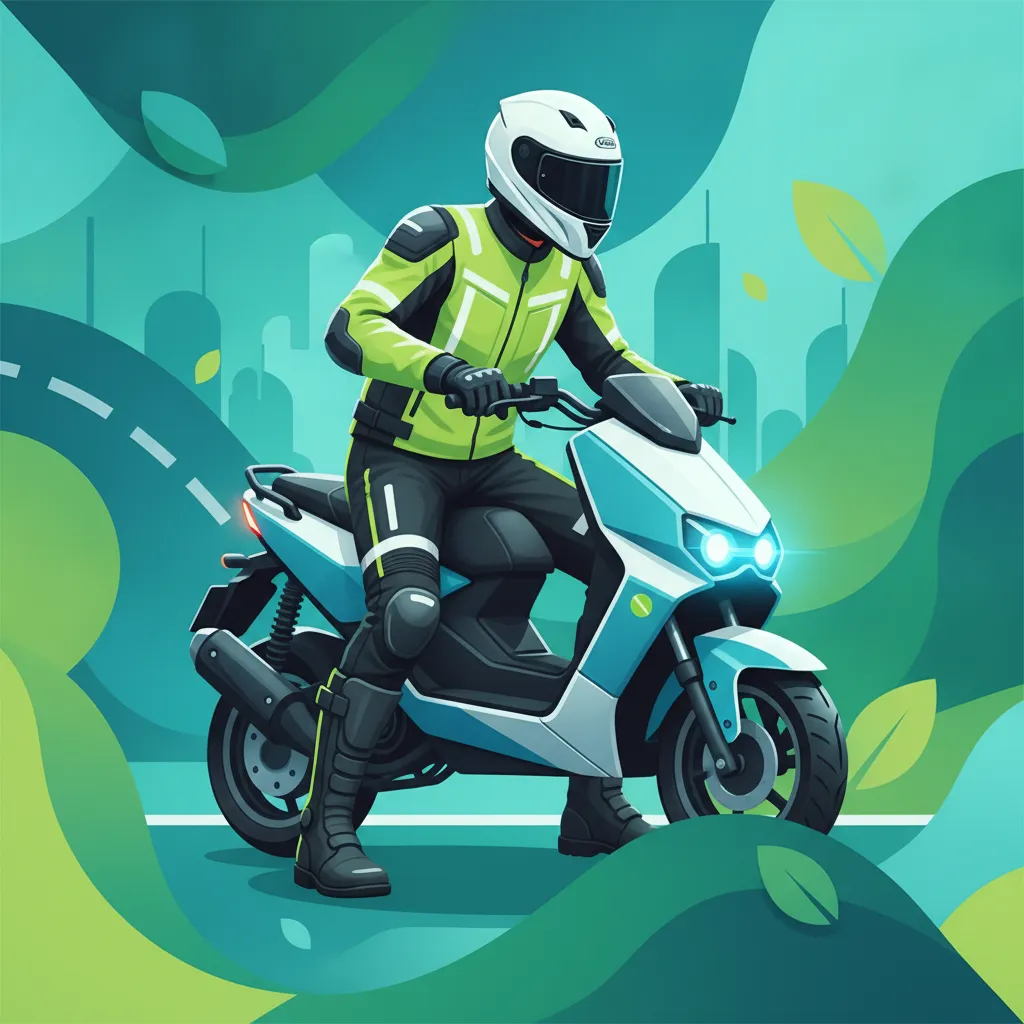
Browse all lessons that make up Helmet, Visibility and Protective Behaviour. Each lesson focuses on specific topics, learning objectives, and core concepts, helping you build essential knowledge and follow a clear, structured progression toward your study goals in Great Britain.
This lesson details the mandatory helmet safety standards in Great Britain, focusing on ECE certification marks and the functional differences between full-face and open-face designs. It provides practical guidance on how to select the correct size and achieve a proper fit, ensuring the chin strap and internal padding provide optimal protection. You will also learn about crucial maintenance, including regular inspection and knowing when to replace your helmet to ensure continued safety and legal compliance.
This lesson explains the range of protective clothing recommended for AM riders to minimize injury in the event of a fall. It covers the benefits of abrasion-resistant materials, armour inserts for jackets, and the importance of sturdy gloves and boots. You will learn how to select gear that offers a balance of protection, comfort, and weather resistance, as well as best practices for maintaining your equipment to ensure its long-term effectiveness and adherence to safety standards.
This lesson details the legal requirements and best practices for using lights and reflectors on your moped or light quadricycle. It covers the correct operation of headlamps, daytime running lights, brake lights, and indicators to communicate your intentions clearly to other road users. You will also learn how to enhance your visibility further with strategically placed reflectors and reflective tape, ensuring you remain conspicuous in low-light conditions and compliant with British lighting regulations.
This lesson teaches strategic road positioning techniques to maximize your visibility and safety in traffic. You will learn how to choose the correct lane position to avoid the blind spots of larger vehicles and how to communicate your intentions through predictable riding. Key skills covered include effective use of shoulder checks, making eye contact with drivers, and maintaining a safe following distance, all of which are crucial for defensive riding on British roads.
This lesson provides essential techniques for safe riding during nighttime and in poor visibility conditions like dawn or dusk. It covers the correct use of your headlamp's main and dipped beams, strategies for reducing glare from oncoming traffic, and the critical role of reflective clothing. You will also learn how to identify common nighttime hazards and manage fatigue, ensuring you can navigate British roads safely after dark while complying with all relevant road rules.
Explore high-intent keywords and long-tail search topics learners use when researching Helmet, Visibility and Protective Behaviour. These terms reflect how people search for reliable study materials, structured explanations, and unit-level theory preparation support in Great Britain.
Find clear answers to the most common questions learners ask about Helmet, Visibility and Protective Behaviour. Understand how the unit is organized, what learning goals it supports, and how it contributes to your study progression with structured explanations and practical guidance tailored for learners in Great Britain.
In Great Britain, all riders of mopeds (Category AM licence) must wear a properly fitted helmet that complies with specific safety standards. This typically means it must meet either British Standard BS 6883, European Standard ECE 22.05, or ECE 22.06. Ensure your helmet is securely fastened before every ride. The DVSA theory test will assess your knowledge of these requirements.
While specific legal mandates for full protective clothing (like jackets, trousers, gloves, and boots) beyond a helmet are less stringent for AM riders compared to higher motorcycle categories, it is strongly recommended for safety. Wearing appropriate gear significantly reduces the risk of serious injury in case of a fall or accident on UK roads. The theory test emphasizes safety awareness and best practices.
To enhance your daytime visibility, ensure your moped's lights are on, even during daylight hours, as this is often a legal requirement. Use reflective elements on your clothing and helmet. Clearly display your L-plates if you are a learner rider. Positioning yourself strategically on the road, where you are more likely to be seen by other drivers, is also crucial.
Visibility is critically reduced at night or in fog. Ensure all your vehicle lights (headlight, taillight, indicators) are clean and functioning correctly. Wear bright, fluorescent, and reflective clothing. Ride at a speed that allows you to stop within the distance you can see clearly, and be extra cautious at junctions and bends where visibility is further compromised.
Yes, L-plates (or D-plates in Wales) are mandatory for learner riders of Category AM vehicles in Great Britain. They clearly indicate to other road users that you are a learner, encouraging them to give you appropriate space and patience. Proper display of L-plates is a key topic covered in the theory test and essential for legal riding.
The Great Britain theory test for Category AM does include questions related to safety equipment and rider behaviour. You will be tested on your knowledge of helmet standards, the importance of protective clothing, and how to maximize visibility to ensure you understand how to ride safely and legally on UK roads.
All included lessons
Lessons in Helmet, Visibility and Protective Behaviour
See who benefits most from studying Helmet, Visibility and Protective Behaviour. This overview explains how the unit supports different learning needs, what level of knowledge is helpful before starting, and how it fits into the overall study path in Great Britain.
This unit is specifically designed for individuals pursuing their Category AM moped or light quadricycle licence in Great Britain. It's particularly beneficial for new riders who need a clear understanding of safety equipment requirements and visibility strategies to pass their theory test and ride with confidence.

Ready to prepare effectively for your DVSA driving theory test? Explore our structured courses and guided study paths. They cover every topic of the Great Britain Highway Code and official exam requirements, ensuring systematic learning and success.
Explore Driving Theory CoursesExplore all units and lessons included in this driving theory course.
Ready to prepare effectively for your DVSA driving theory test? Explore our structured courses and guided study paths. They cover every topic of the Great Britain Highway Code and official exam requirements, ensuring systematic learning and success.
Explore Driving Theory Courses