
This group of signs, often appearing with brown panels, is designed to guide you to various points of interest and visitor facilities. They are incredibly useful for planning journeys and finding attractions, but it's crucial to remember they don't override established traffic rules like speed limits or parking regulations. Understanding these signs will not only help you find your way to scenic spots and historical sites but is also important for your theory test and safe driving.
An explanation of how Great Britain Tourist Signs road signs apply in real traffic situations in Great Britain. Learn where these signs are typically placed, what drivers are expected to do when they appear, and how correct reactions help you stay safe, avoid fines, and succeed in your British driving theory exam.
You'll encounter these brown tourist signs frequently when driving in areas with significant visitor attractions. They appear on various types of roads, from major routes and motorways to quieter country lanes. Signs indicating directions to tourist attractions, historic sites like castles, or picnic areas will often show distances or specific symbols to help you plan your route. For instance, you might see a sign directing you to a campsite or a steam railway, or one indicating a picnic spot. On motorways, specific exit slip road signs might point towards tourist areas. It is vital to only follow these signs when it is safe and lawful to do so, paying particular attention near junctions, especially in rural or unfamiliar surroundings. These signs are about convenience and discovery, not about overriding the fundamental rules of the road.
An overview of the key learning outcomes when studying the Great Britain Tourist Signs road sign category. Understand the main concepts, sign meanings, and traffic situations covered here so you can recognise patterns, answer theory questions more confidently, and build a solid foundation for safe driving in Great Britain.
Study Great Britain's brown tourist signs together to understand their role in guiding you to attractions, heritage sites, and visitor facilities. These road signs help with journey planning but do not alter fundamental traffic rules or speed limits, so prioritise safe and lawful navigation. Master these for your theory test revision and confident driving.
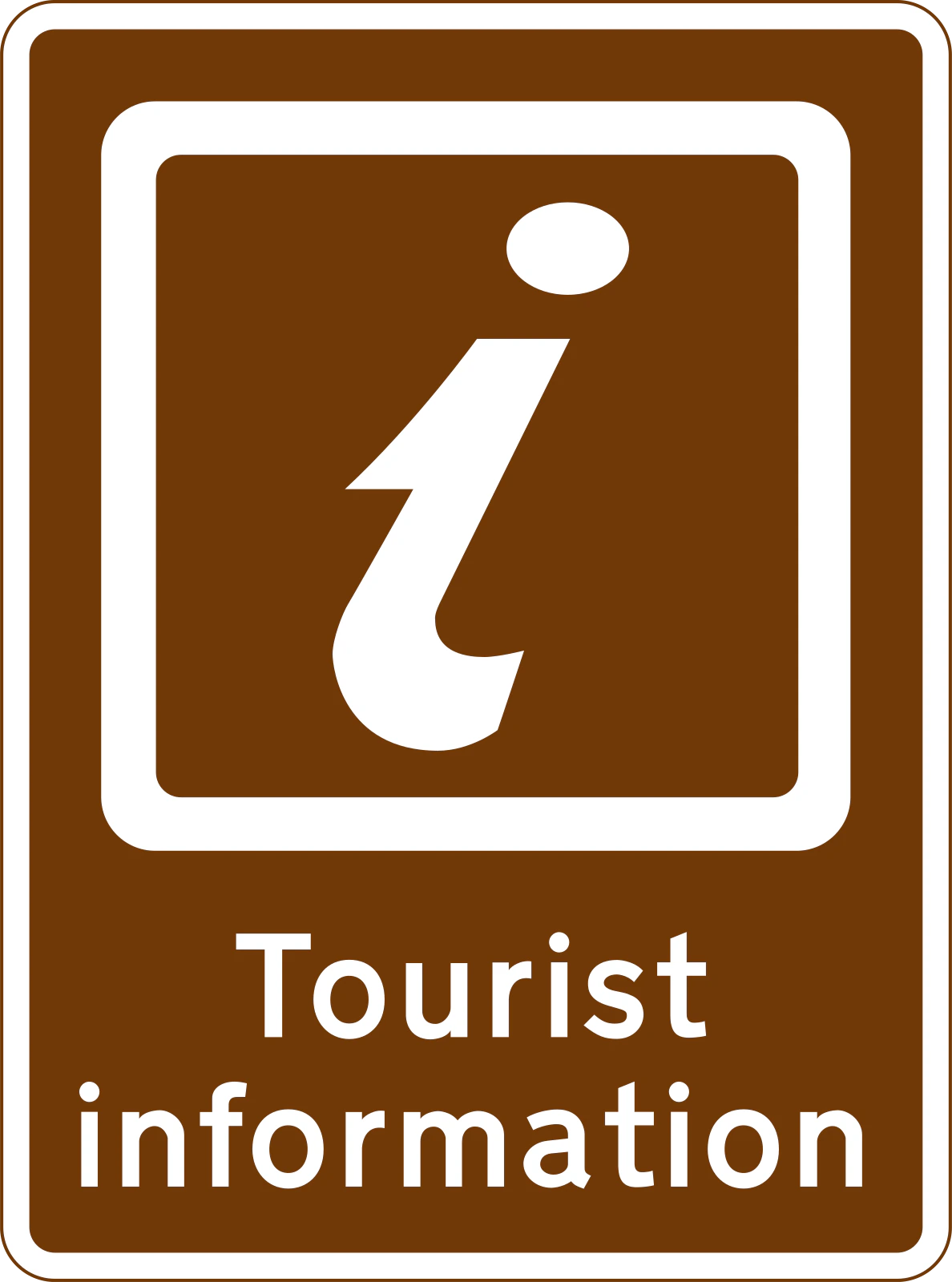
What does the Tourist Information road sign mean for your drive?
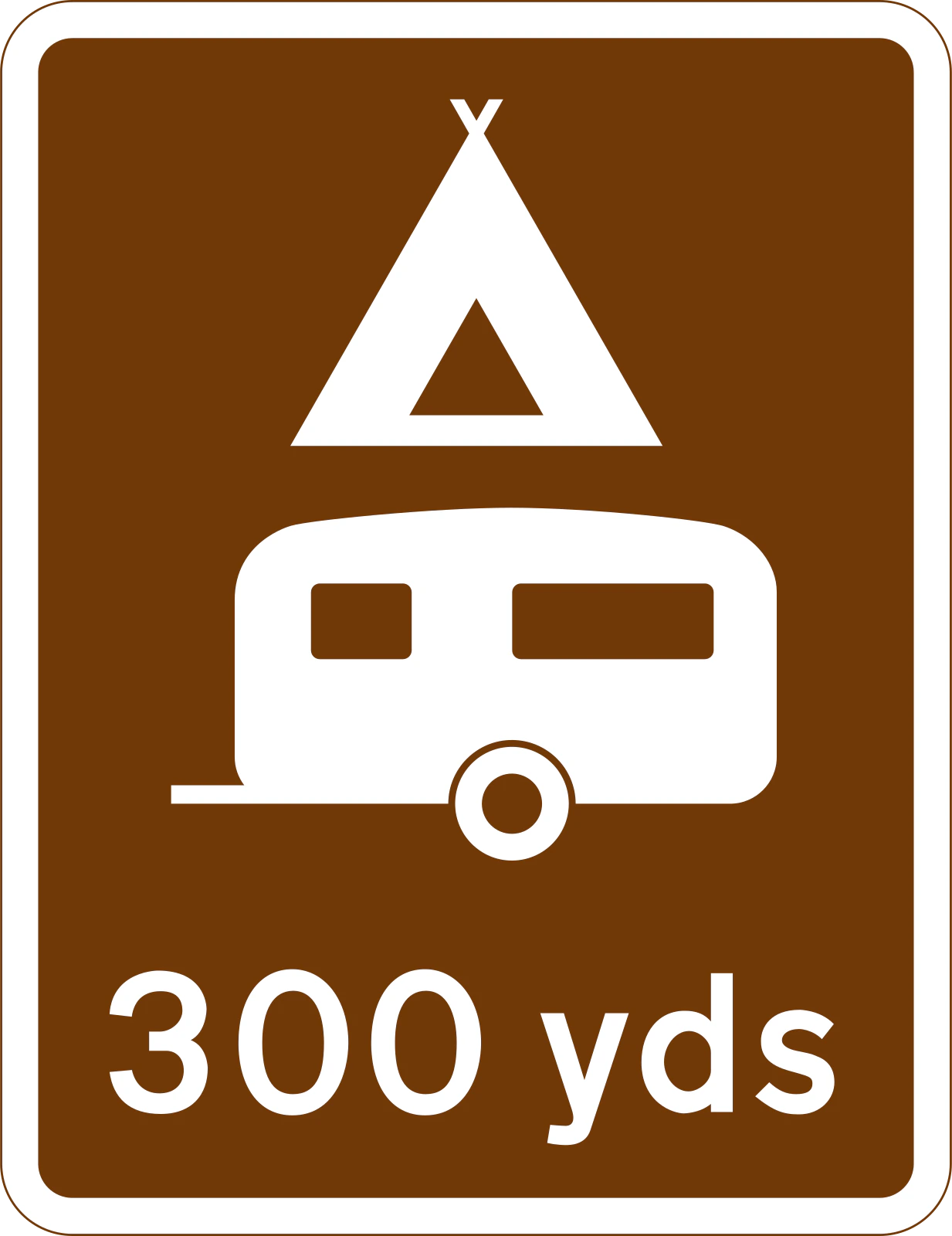
Find Camping and Caravan Sites with This Tourist Information Sign
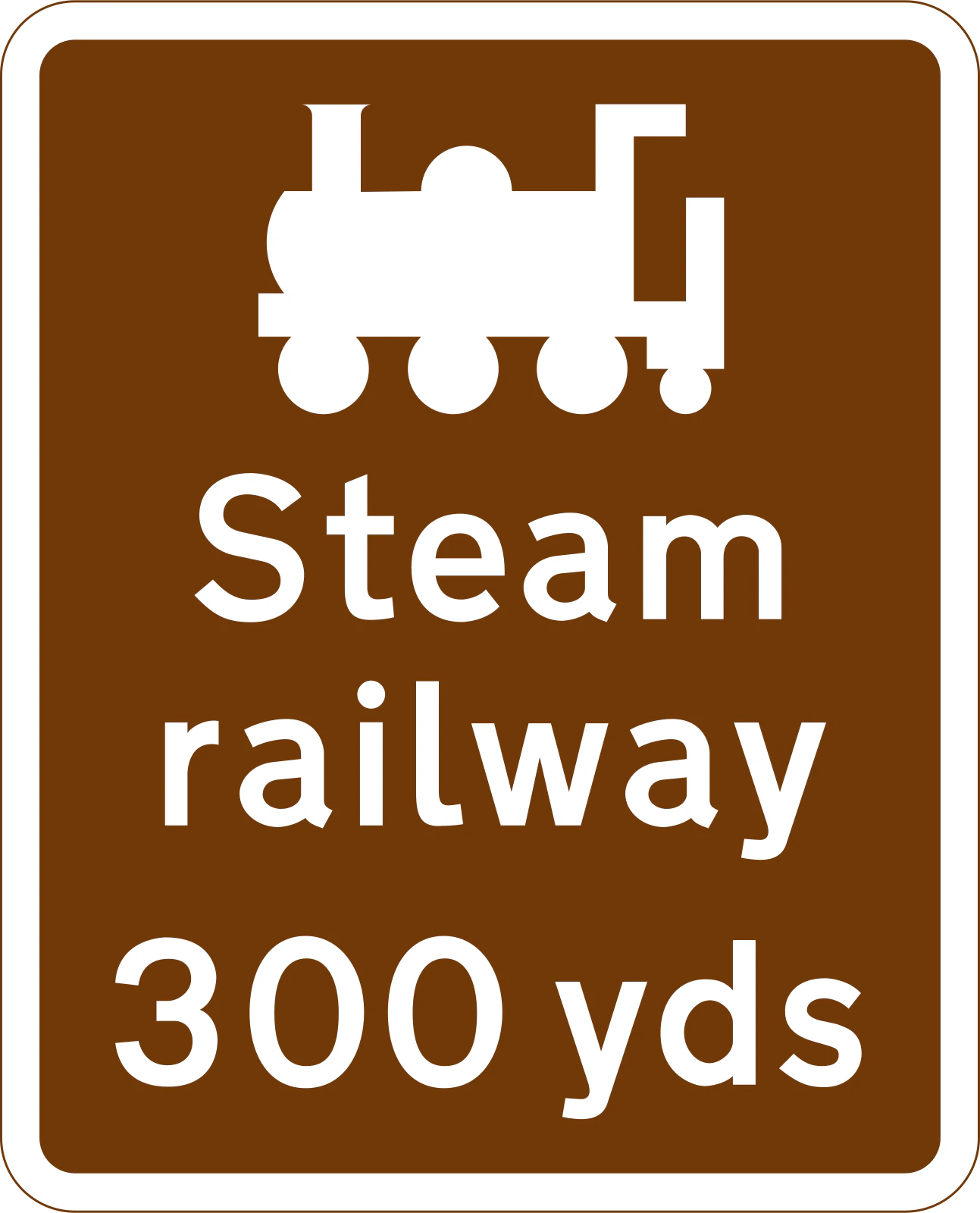
Know the 'Steam Railway Tourist Attraction 300 yd Ahead' Sign
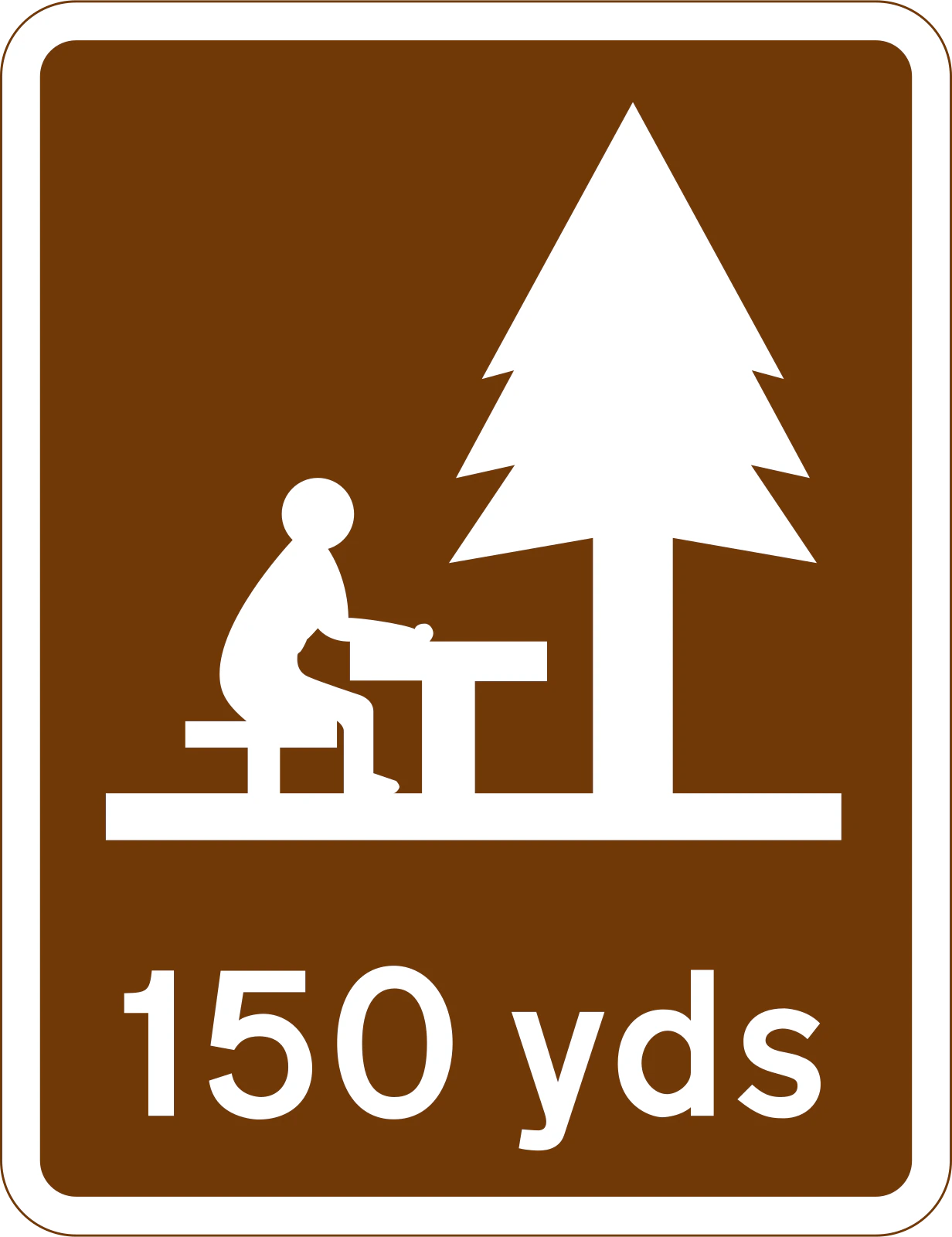
Picnic Area Ahead Sign: Your Guide to Tourist Destinations
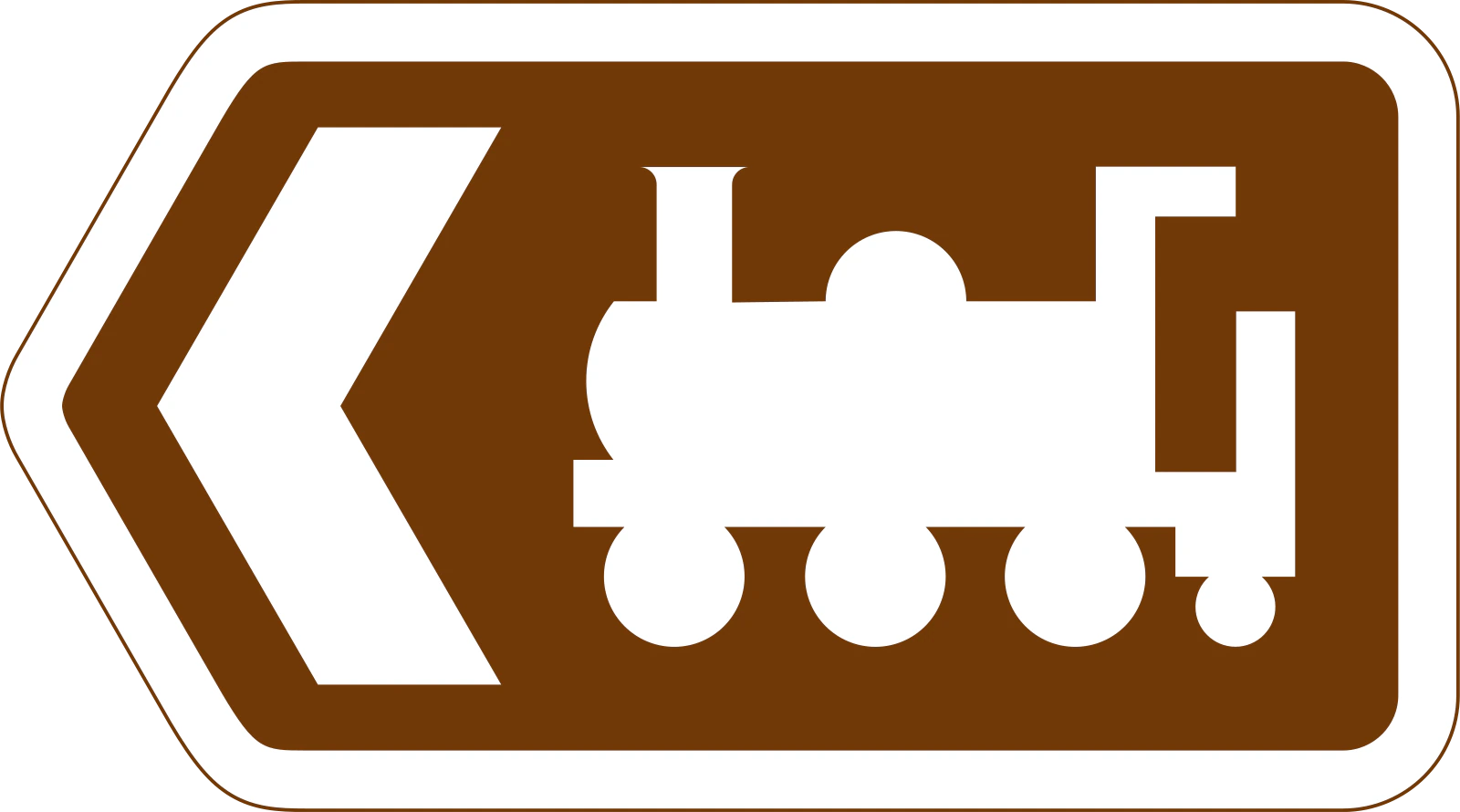
Follow the brown tourist attraction symbol sign to find points of interest.
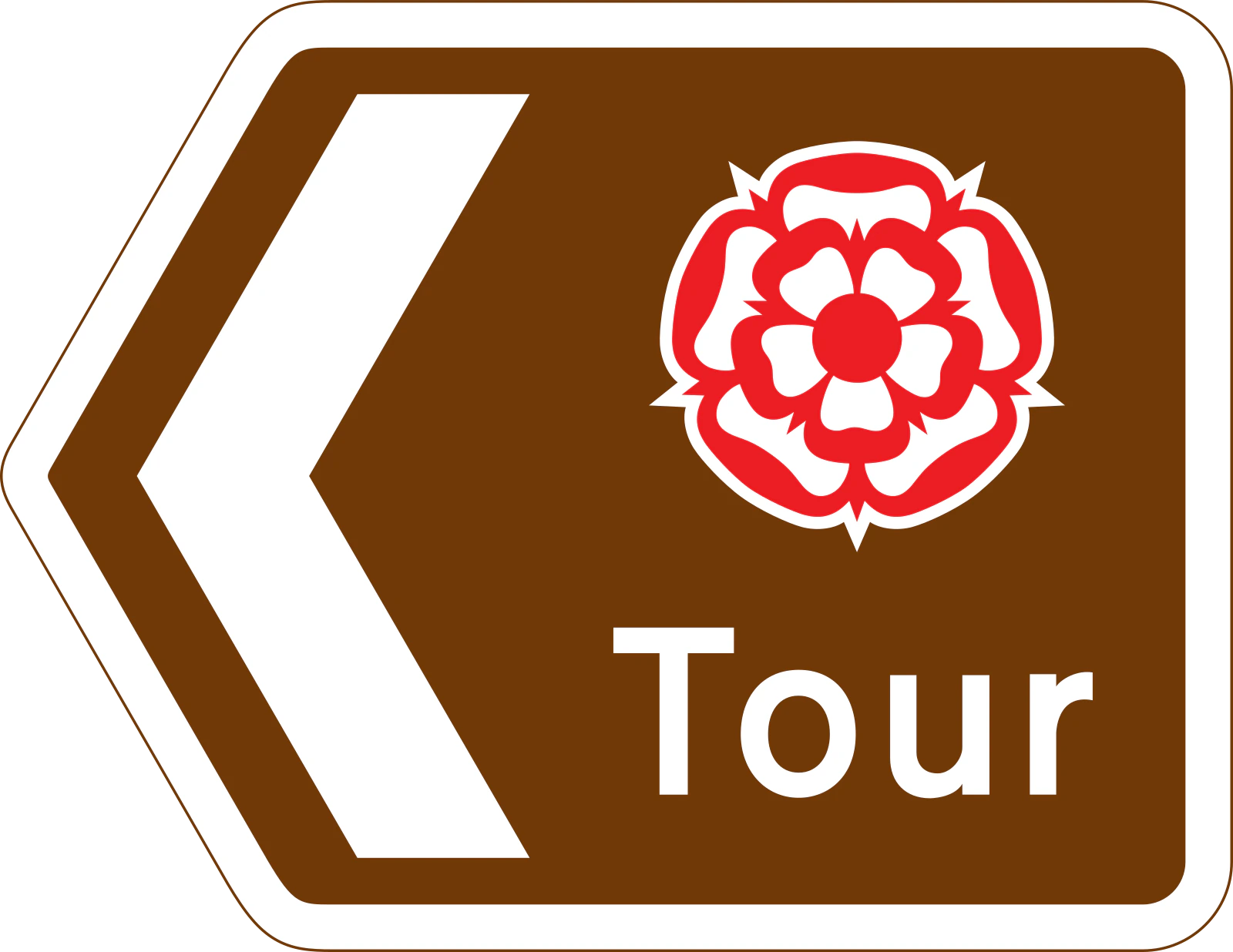
Follow the Brown Tourist Route Sign to Places of Interest
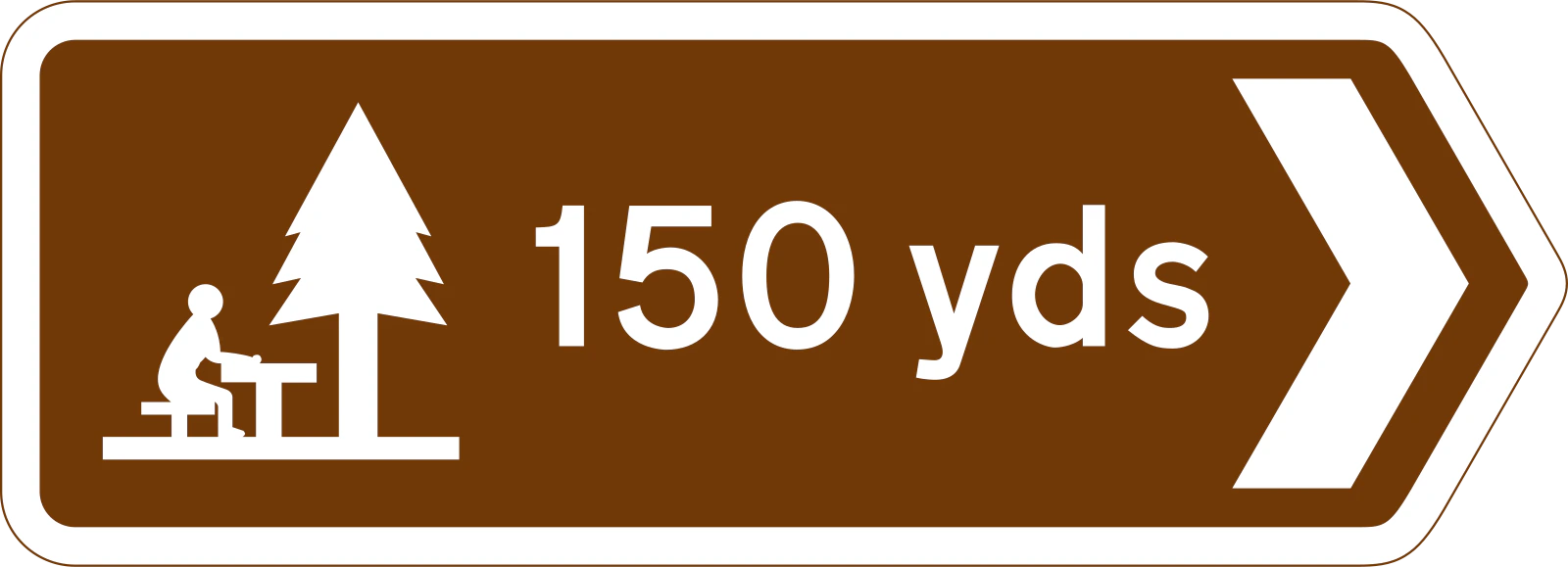
Picnic Area Direction Sign: Guiding You to Visitor Attractions
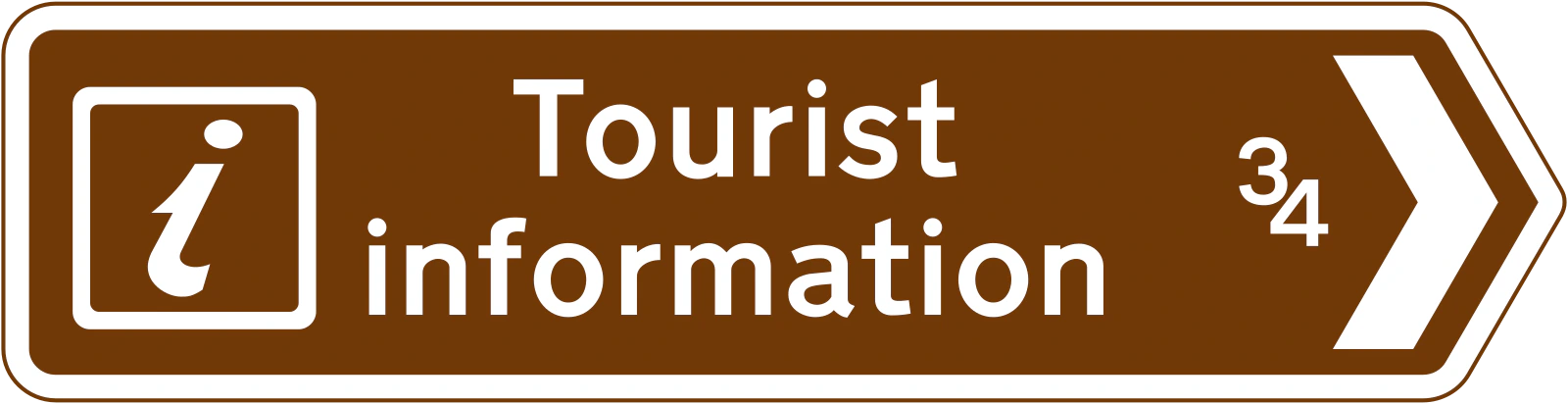
This brown sign indicates the direction and distance to tourist information points.
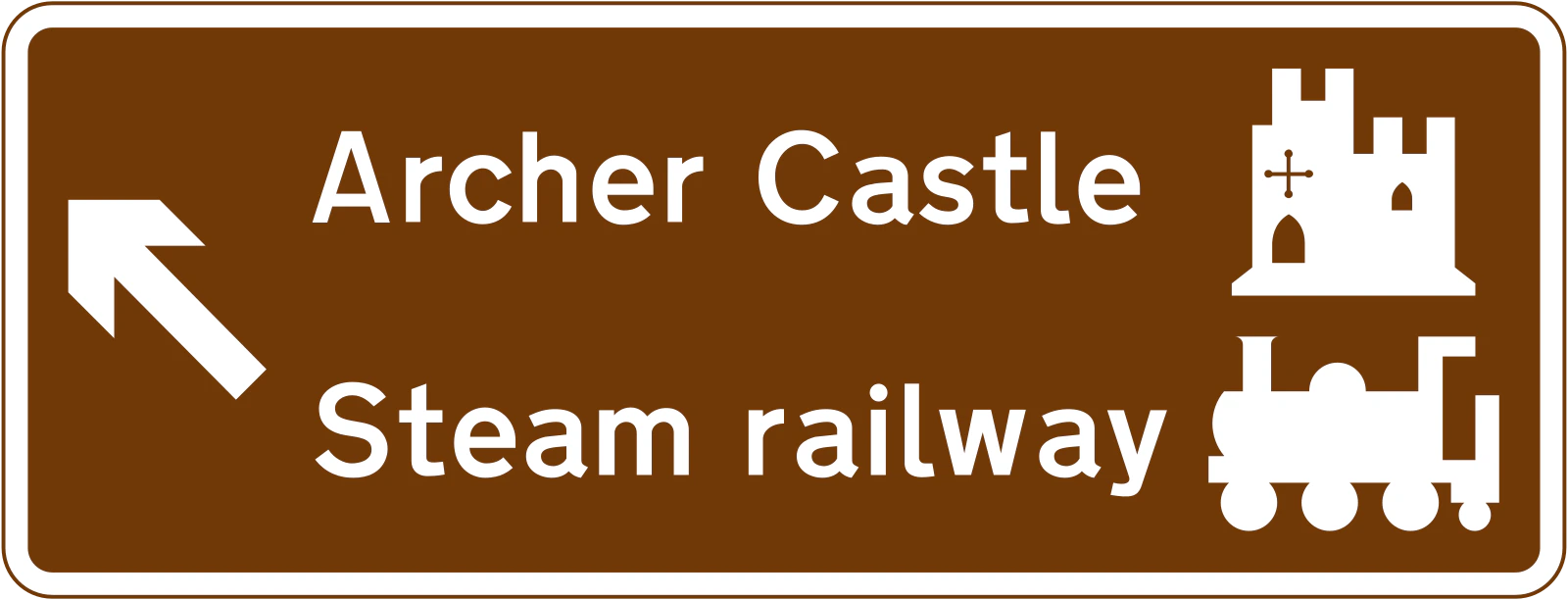
Understand the 2926 sign guiding you to tourist attractions from a motorway exit slip road.
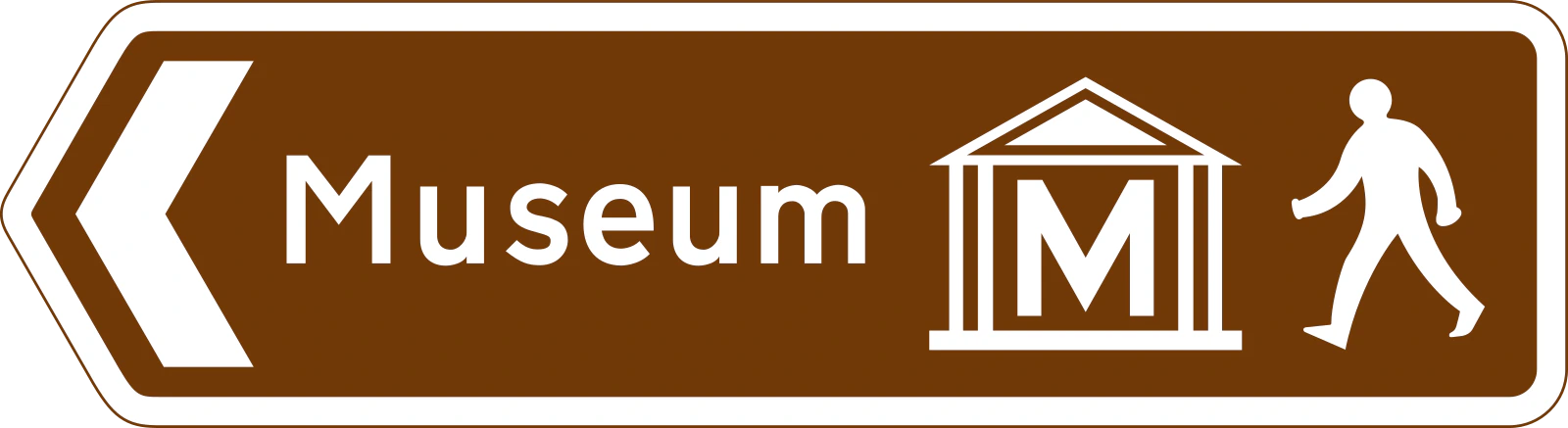
Follow Tourist Signs Directing Pedestrians to Attractions
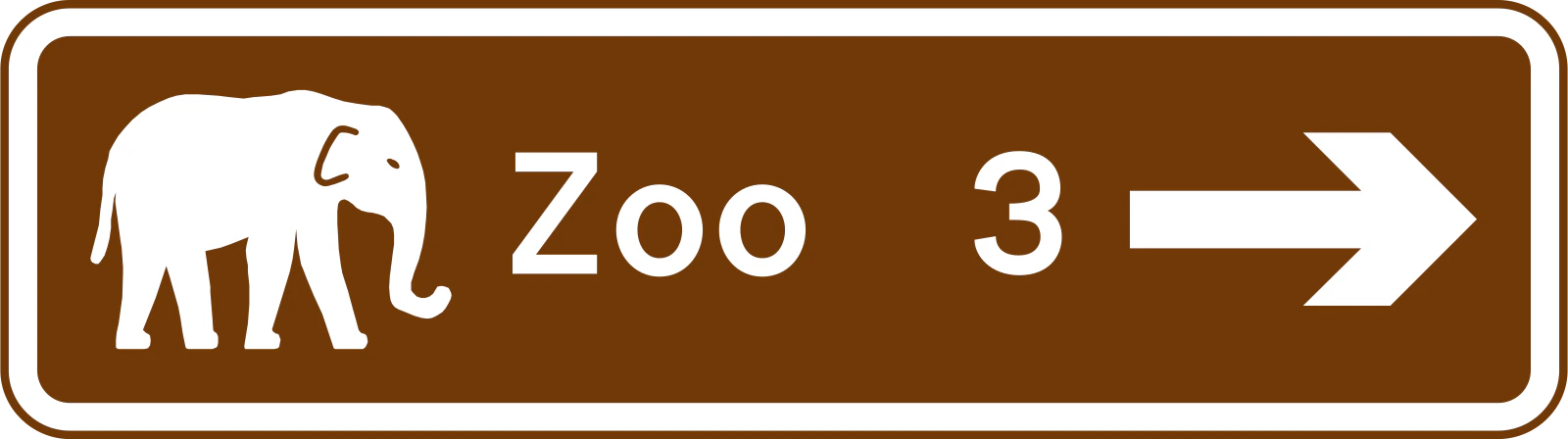
This sign indicates a junction leading to a tourist attraction ahead.
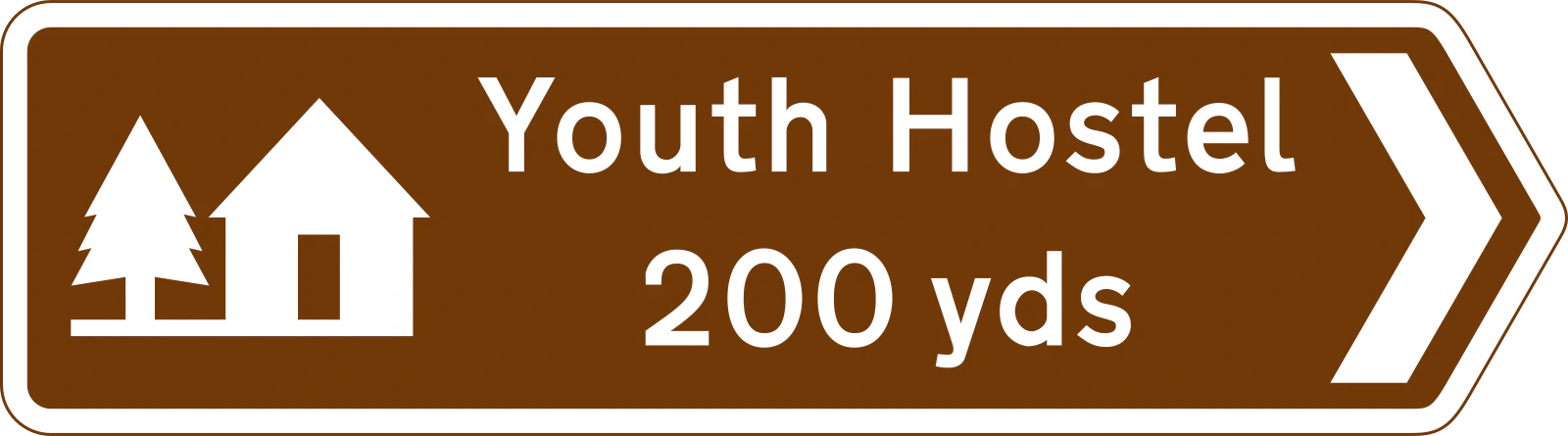
Find the Youth Hostel: Information Sign at 200 yards
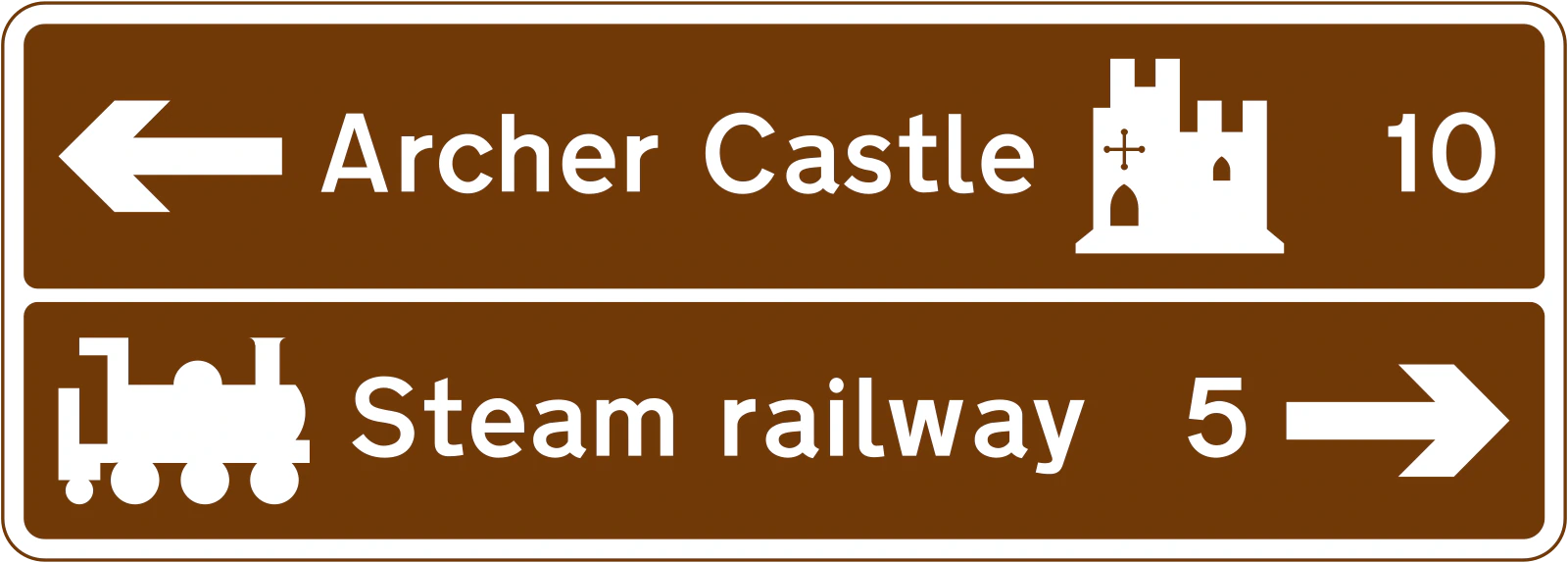
Sign 2924: Junction Ahead from Motorway Exit to Tourist Attractions
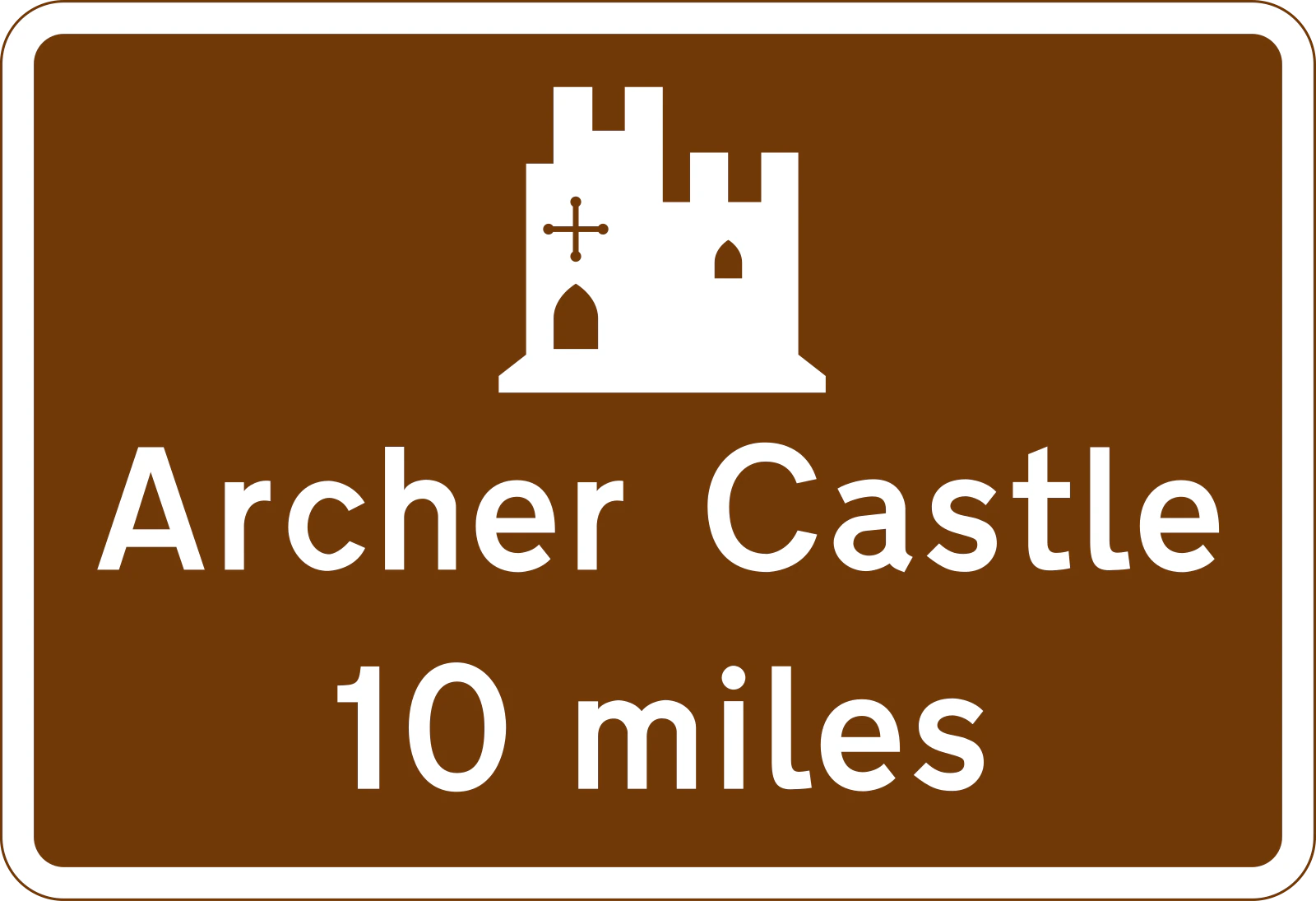
Follow the Sign to a Historic Castle Tourist Attraction 10 Miles Ahead
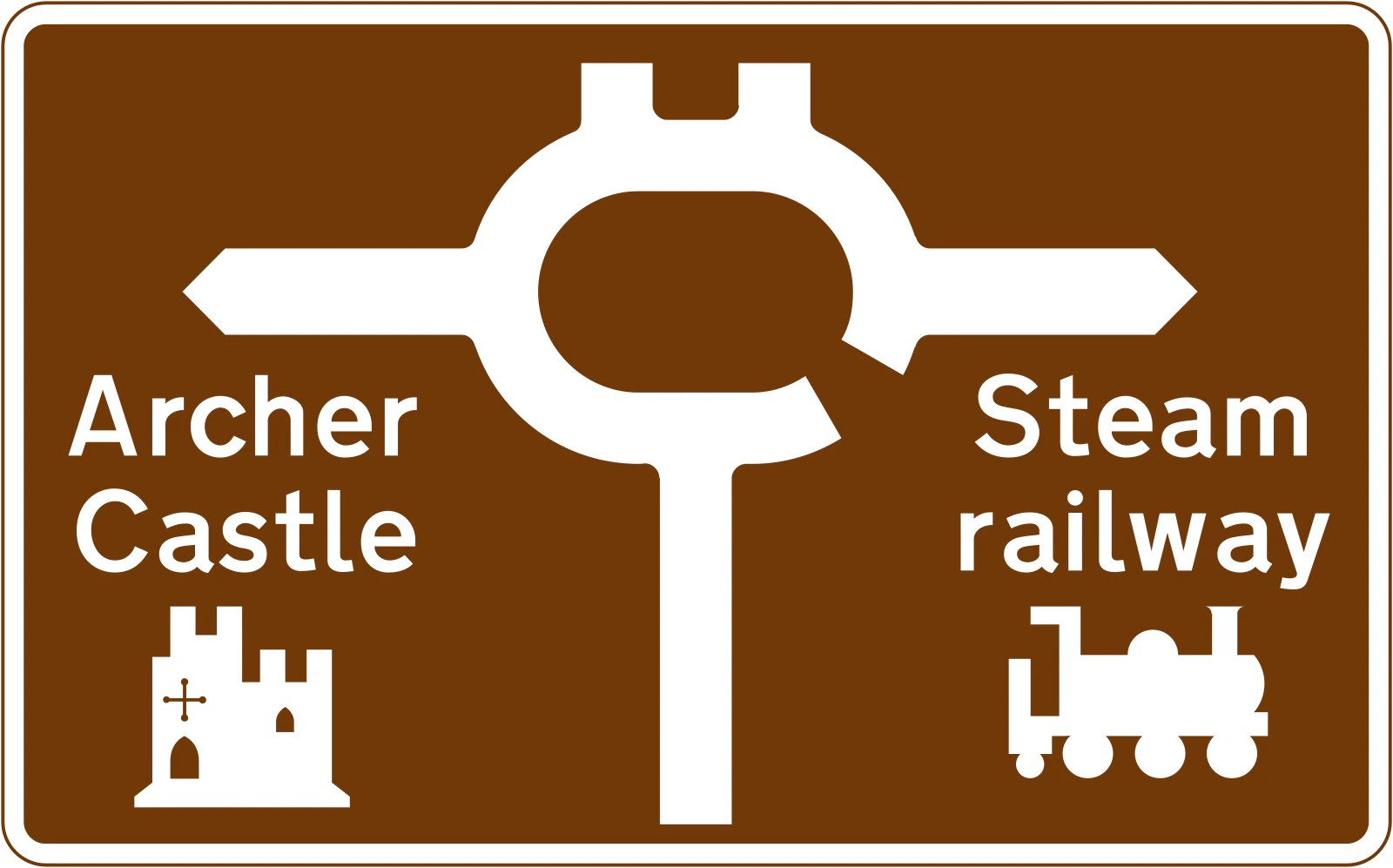
What does the Tourist Information sign mean?
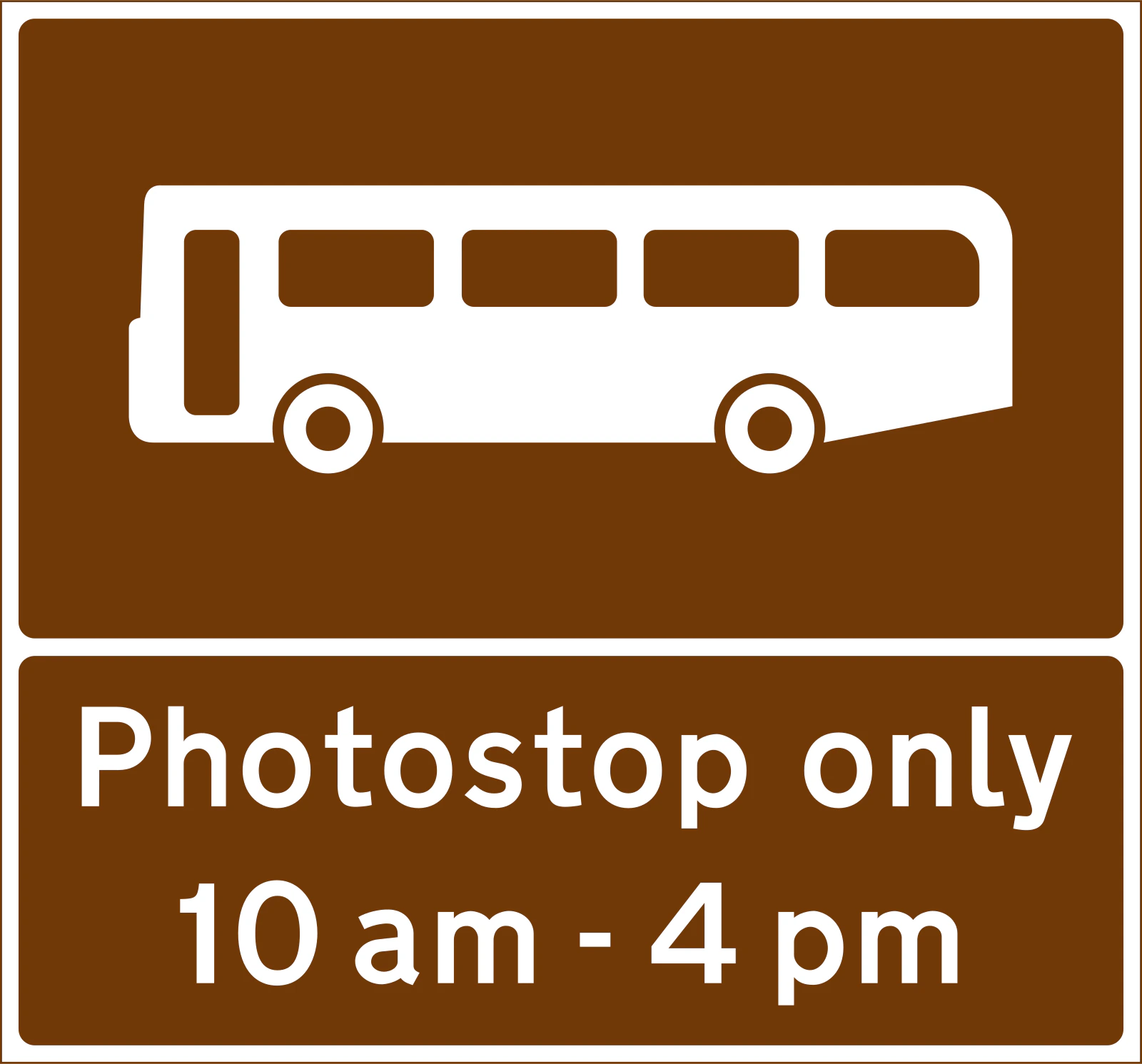
The Tourist Coach Photo Stop sign guides you to attractions but doesn't override traffic rules.
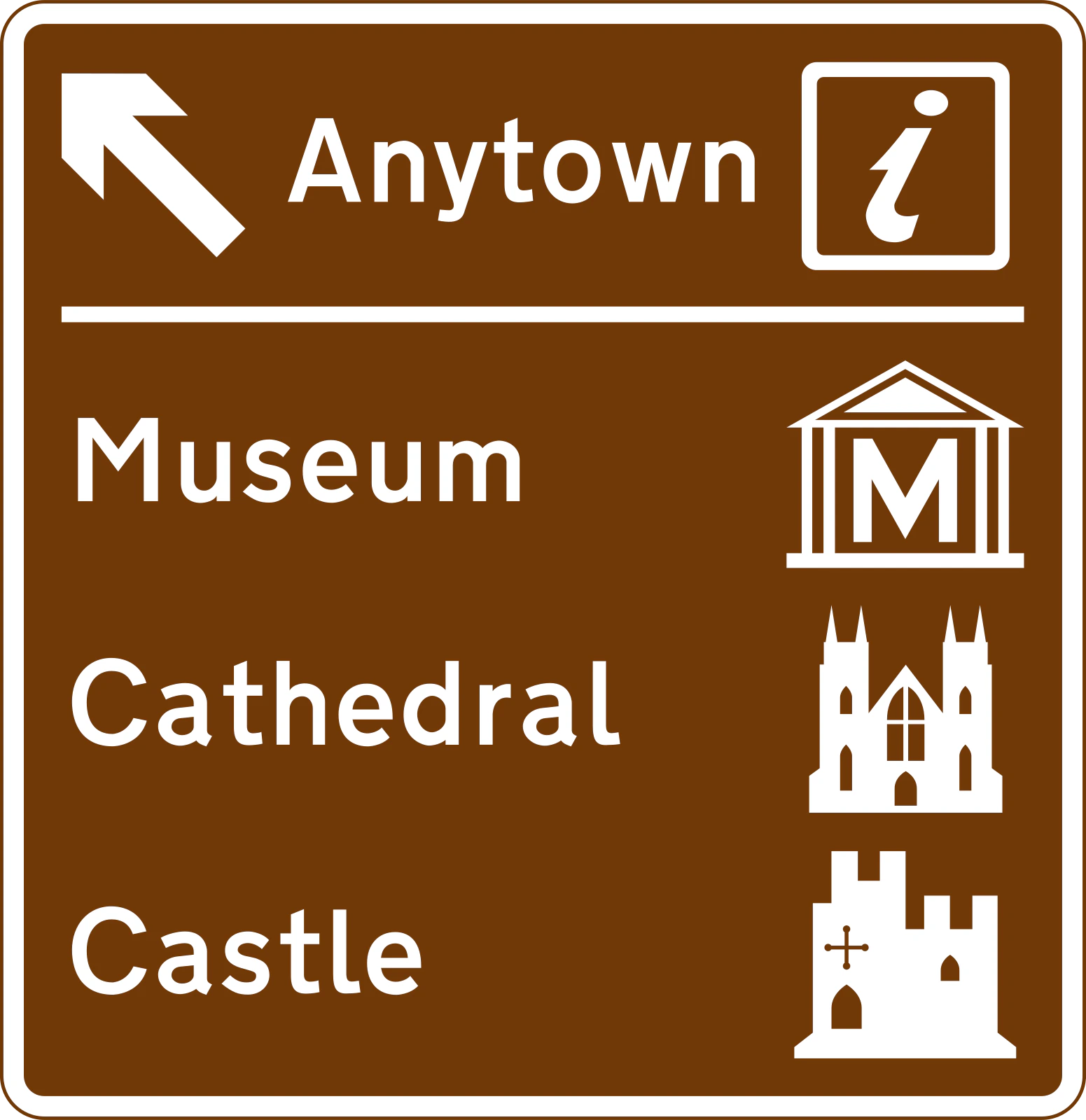
Motorway Junction Ahead for a Tourist Area
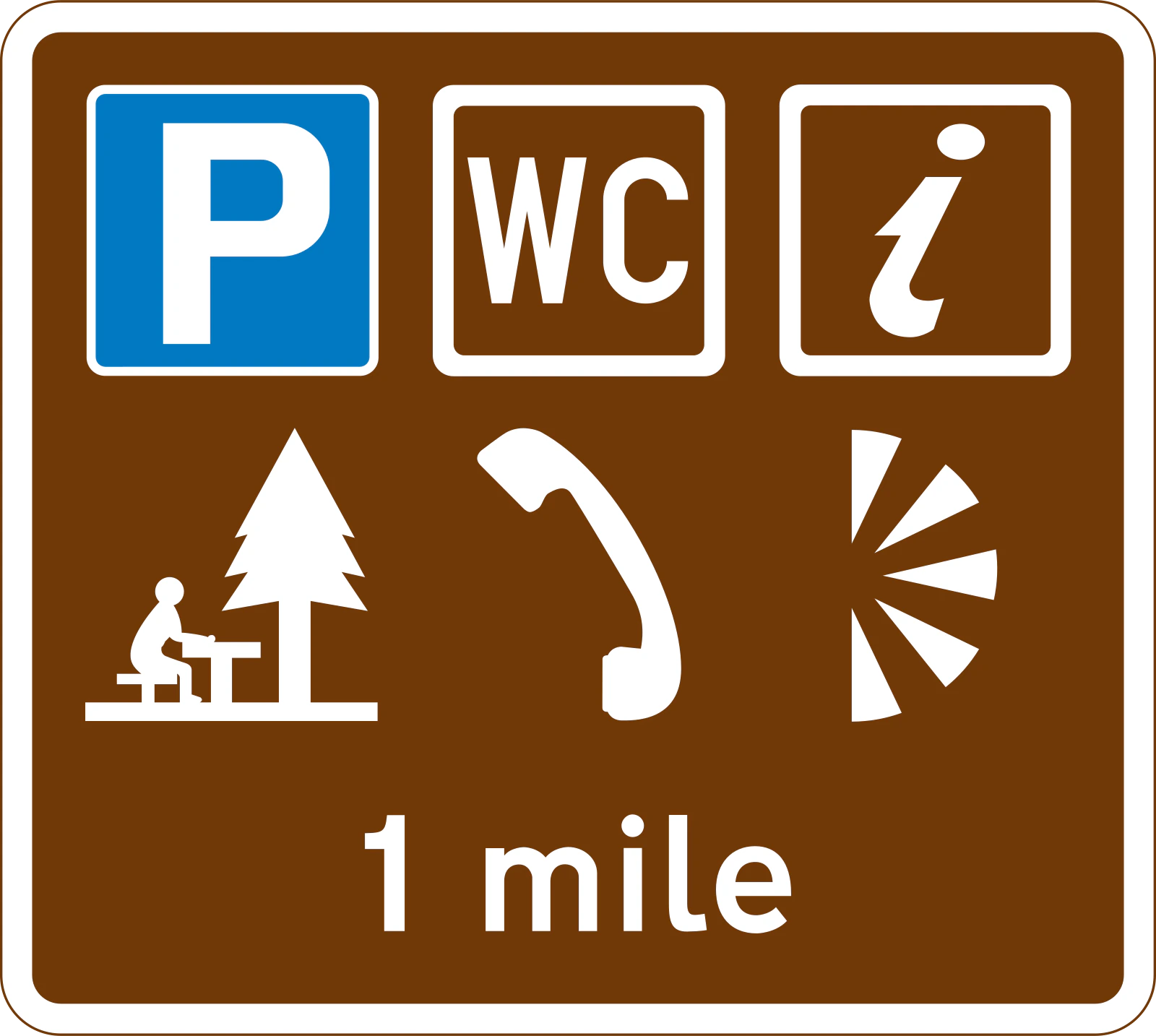
Navigate to Tourist Attractions with the 'Tourist Parking and Facilities Ahead' Sign
Clear answers to common questions about the Great Britain Tourist Signs road sign category. Use this FAQ to review tricky rules, understand how these signs appear in exam scenarios, and remove confusion that often leads to mistakes in the British driving theory exam in Great Britain.
Brown tourist signs are primarily for guidance. They direct drivers towards points of interest, visitor attractions, heritage sites, picnic areas, campsites, and tourist information centres. Their aim is to help visitors find these places easily, enhancing the tourism experience.
You should only follow tourist signs when it is safe and lawful to do so. These signs provide suggestions and directions but do not override existing traffic regulations, such as speed limits, priority rules at junctions, or parking restrictions. Always check your surroundings and ensure it's safe before making any manoeuvres indicated by a tourist sign.
While brown panels are the most common colour for tourist destination signs in many countries, indicating attractions and facilities, other colours can be used for specific types of tourist information or routes. However, the principle remains the same: they offer guidance to places of interest rather than regulating traffic flow directly.
When a tourist sign is placed near a junction, especially a rural or unfamiliar one, you need to be extra cautious. Slow down, check your mirrors and surroundings for other traffic, and ensure you can safely change your course if you decide to follow the sign. Never make a sudden manoeuvre or ignore other traffic signals or priority rules just because a tourist sign is present.
No, tourist signs are not warning signs. They are informational and directional. They guide you to attractions, facilities, or routes but do not alert you to any potential hazards on the road ahead. You should rely on standard warning signs for danger information.
Ready to master Great Britain road signs? Explore organized categories and groups for structured learning. Understanding signs by type improves recall and comprehension, ensuring thorough preparation for your DVSA theory test.
Great Britain Road Sign Groups