
Prepare for the official DVSA theory test by practicing essential Great Britain vehicle roadworthiness and MOT basics. This set features practical scenarios focusing on tyres, lights, brakes, and other critical safety components, helping you understand your driver responsibilities. Master the rules to ensure your vehicle is always safe and legal on UK roads, boosting your confidence for the exam.

Deepen your understanding of vehicle roadworthiness and MOT requirements with this focused practice set. Covering critical checks for tyres, lights, and brakes, you'll learn to identify issues and meet your legal obligations. Ideal for DVSA theory test revision and exam preparation, this set helps you master driving theory for safer roads.
Master the basics of vehicle roadworthiness and MOT requirements. This set includes scenarios covering critical checks for tyres, lights, and brakes, helping you identify potential issues and understand your legal obligations to keep your vehicle compliant with the Highway Code and DVSA standards. Prepare for the DVSA theory test by avoiding common pitfalls related to vehicle condition.
Preview sample questions from the Vehicle MOT & Roadworthiness practice set to see how they help you prepare for the driving theory exam in Great Britain.
Learners choose Vehicle MOT & Roadworthiness to improve accuracy and understanding of key exam themes in Great Britain. It offers realistic driving theory questions and targeted revision for effective preparation.
Find answers to the most common queries learners have when practising Vehicle MOT & Roadworthiness, including how questions match the official theory exam in Great Britain, how scoring works, and how this practice improves exam readiness.
The primary purpose of an MOT test is to ensure your vehicle is roadworthy and meets environmental and road safety standards set by the DVSA. It checks key components like brakes, lights, and steering.
Even as a learner, you are responsible for ensuring the vehicle you drive is roadworthy, taxed, and insured. This includes checking basic items like tyre condition, lights, and mirrors before each journey, as outlined in the Highway Code.
Generally, no. You must not drive a vehicle that has failed its MOT test unless you are taking it to a pre-booked appointment for repairs or a retest. Driving a vehicle with dangerous faults is illegal and unsafe.
Before driving, you should check your tyres for correct pressure, sufficient tread depth (minimum 1.6mm across the central three-quarters of the tread), and any cuts or bulges. These checks are vital for safety and legality.
Most vehicles in Great Britain need their first MOT test when they are three years old. After that, they must be tested annually to ensure they remain roadworthy.
Regularly checking your vehicle's lights ensures you can see and be seen by other road users, which is crucial for safety. It also ensures your vehicle complies with legal requirements outlined in the Highway Code, preventing fines and penalty points.
By completing Vehicle MOT & Roadworthiness, you will gain stronger rule knowledge, faster recognition of signs and situations, better decision making in traffic scenarios, and increased accuracy on exam style questions used in Great Britain. These outcomes directly support higher scoring exam performance.
Explore similar sets to reinforce concepts on vehicle roadworthiness and MOT essentials. Practicing related questions aids your exam preparation and ensures a thorough grasp of Great Britain's driving regulations.
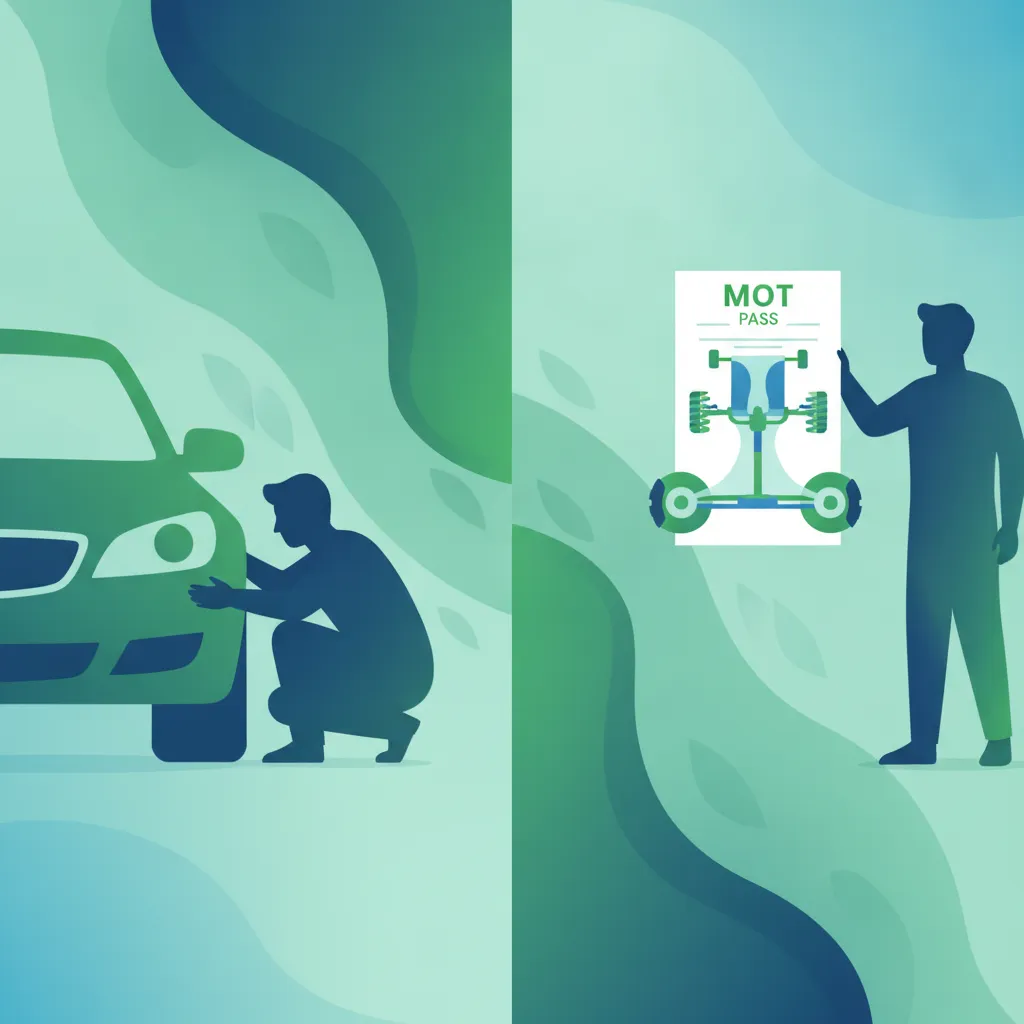
Master Vehicle Safety and MOT Rules: Avoid Common DVSA Theory Test Traps

Ensure Your Vehicle is Roadworthy: Essential Knowledge for Great Britain Drivers

Master the essential legal requirements for driving in Great Britain.

Master the UK's complex legal duties for vehicles and drivers on the road.
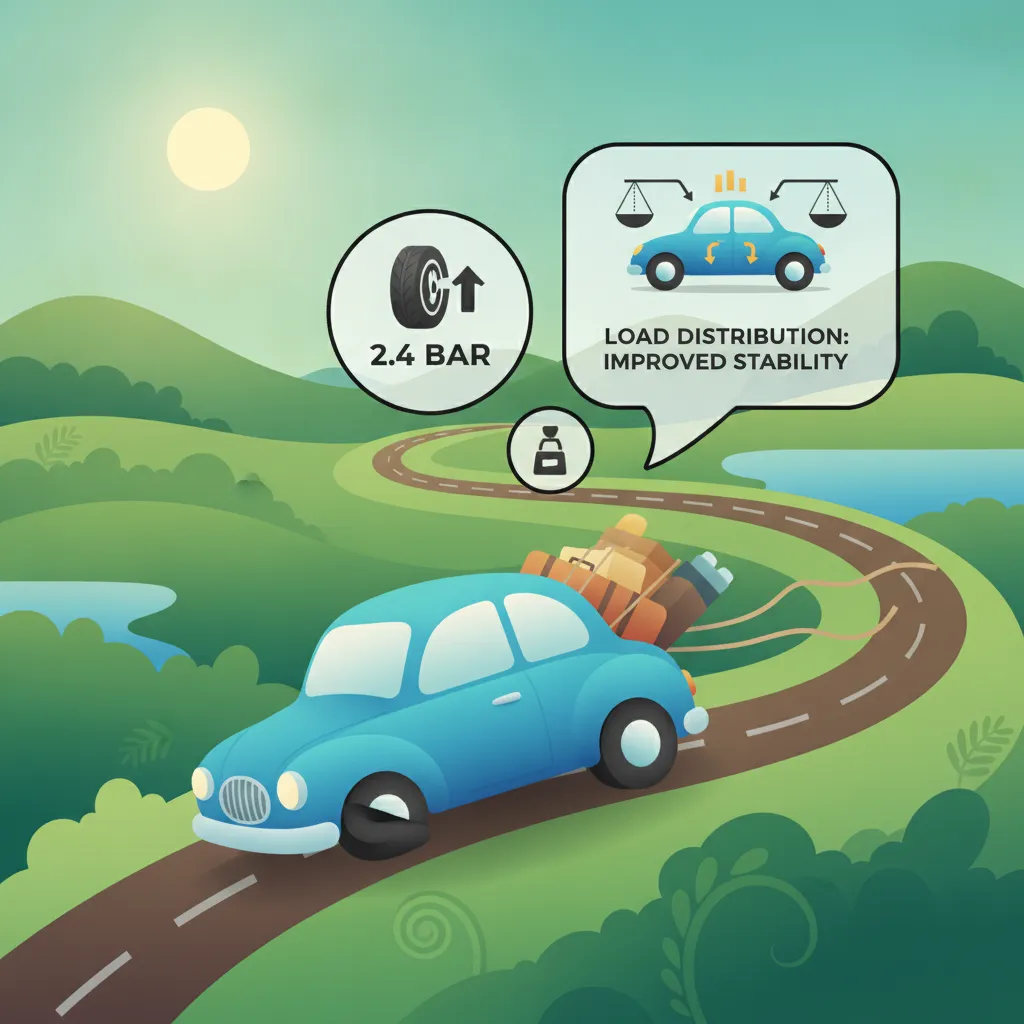
Master critical rules on tyres and vehicle loading to pass your DVSA Theory Test.

Master Essential Rules for Tyres and Loading to Drive Safely and Pass Your Test
Questions in Vehicle MOT & Roadworthiness
Exam focused questionss
Vehicle MOT & Roadworthiness offers quick, focused exam style practice to boost your British knowledge for the driving theory exam in Great Britain.
Vehicle MOT & Roadworthiness helps learners in Great Britain with clear explanations and targeted British practice to improve essential driving theory topics.
This practice set is perfect for new learner drivers in Great Britain who need to grasp the fundamental aspects of vehicle roadworthiness and MOT requirements for the DVSA theory test. It addresses common misunderstandings about vehicle maintenance and driver responsibilities, ensuring you build a solid foundation for safe driving and pass your theory exam with confidence.
Explore more topics for the British driving theory exam in Great Britain.
Explore specific Great Britain driving theory practice categories to master key subjects. Identify your weak areas and focus your revision on road signs, hazard perception, or traffic laws. Begin your targeted preparation now and build confidence for your official DVSA exam.
Browse Practice Categories