
Begin your comprehensive preparation for the Great Britain driving theory test by exploring fundamental topics, essential road rules, and vital driving concepts. This hub provides detailed explanations of the Highway Code, vehicle safety, hazard awareness, and legal responsibilities, ensuring a solid foundation for your upcoming DVSA exam in England, Scotland, or Wales. Master the knowledge required to navigate roads safely and confidently.
Strengthen your understanding of essential Great Britain driving theory by focusing on specific topics like traffic rules, road signs, and vehicle safety. These modules are aligned with DVSA standards to help you prepare effectively for your exam.
9 topics
7 topics
6 topics
5 topics
4 topics
3 topics
2 topics
1 topic
1 topic
1 topic
1 topic
1 topic
Find detailed explanations for all driving theory topics relevant to your UK theory test preparation. Whether you're searching for specific traffic rules or browsing key exam study areas, this section helps you build comprehensive driving knowledge for your Great Britain licence.
Filter by category
50 theory topics found
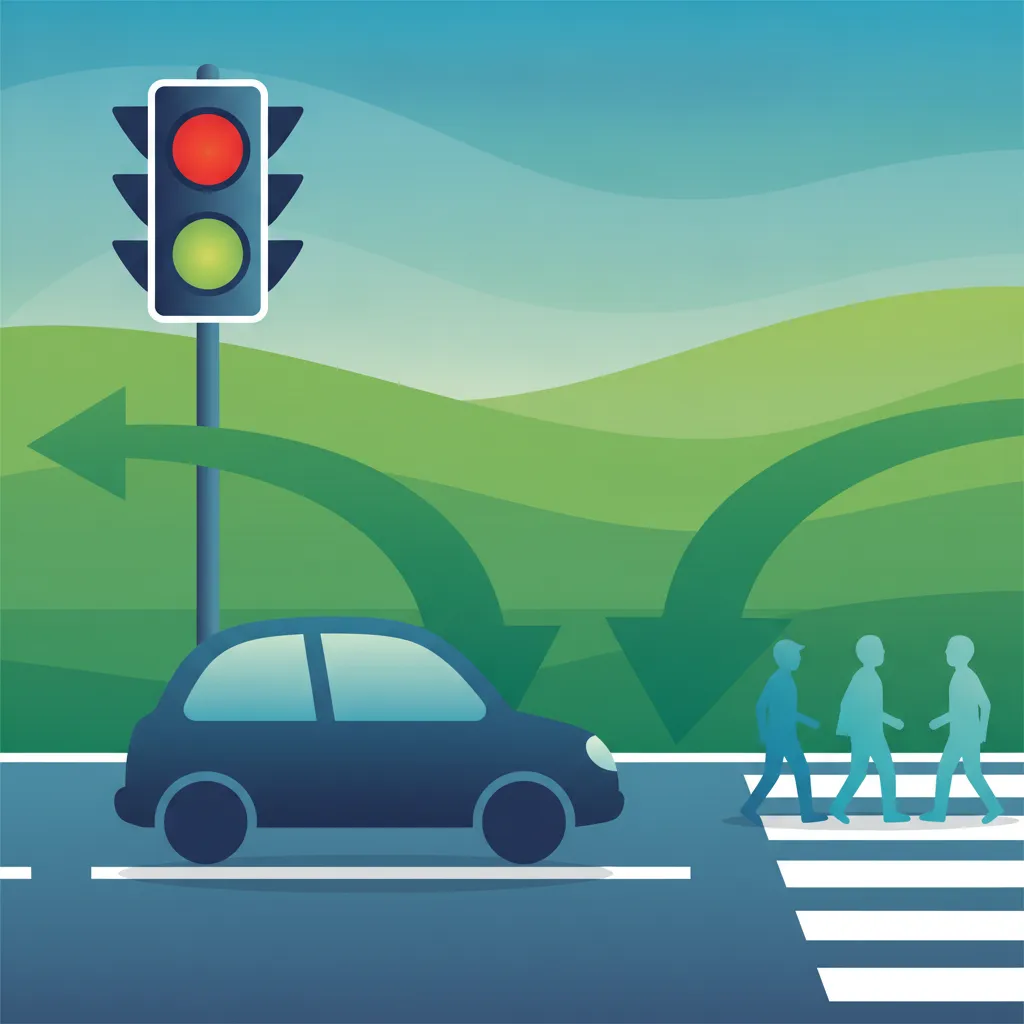
Traffic lights are critical for maintaining orderly flow and preventing collisions at intersections throughout Great Britain. This page details the specific meaning of each signal phase – red, red and amber, green, and amber – along with special signals like green filter arrows. Learn how to respond correctly to ensure safety and compliance with the Highway Code.

This page explains the physics behind why even a small increase in speed can significantly lengthen your total stopping distance, comprising both reaction and braking distances. Understanding this relationship is vital for hazard perception, maintaining safe following distances, and adjusting to varying road conditions across Great Britain.

When an emergency vehicle with flashing blue, red, or green lights and/or sirens approaches, you have a critical responsibility to allow it to pass safely and without delay. This page outlines the specific rules and best practices for drivers in Great Britain, helping you understand your obligations under the Highway Code.

Right of way dictates which road user has priority to proceed first, preventing collisions and ensuring smooth traffic flow. In Great Britain, these rules are governed by the Highway Code, incorporating principles like the Hierarchy of Road Users. It's vital for all drivers to understand how signs, signals, and general rules dictate priority at every junction and interaction.
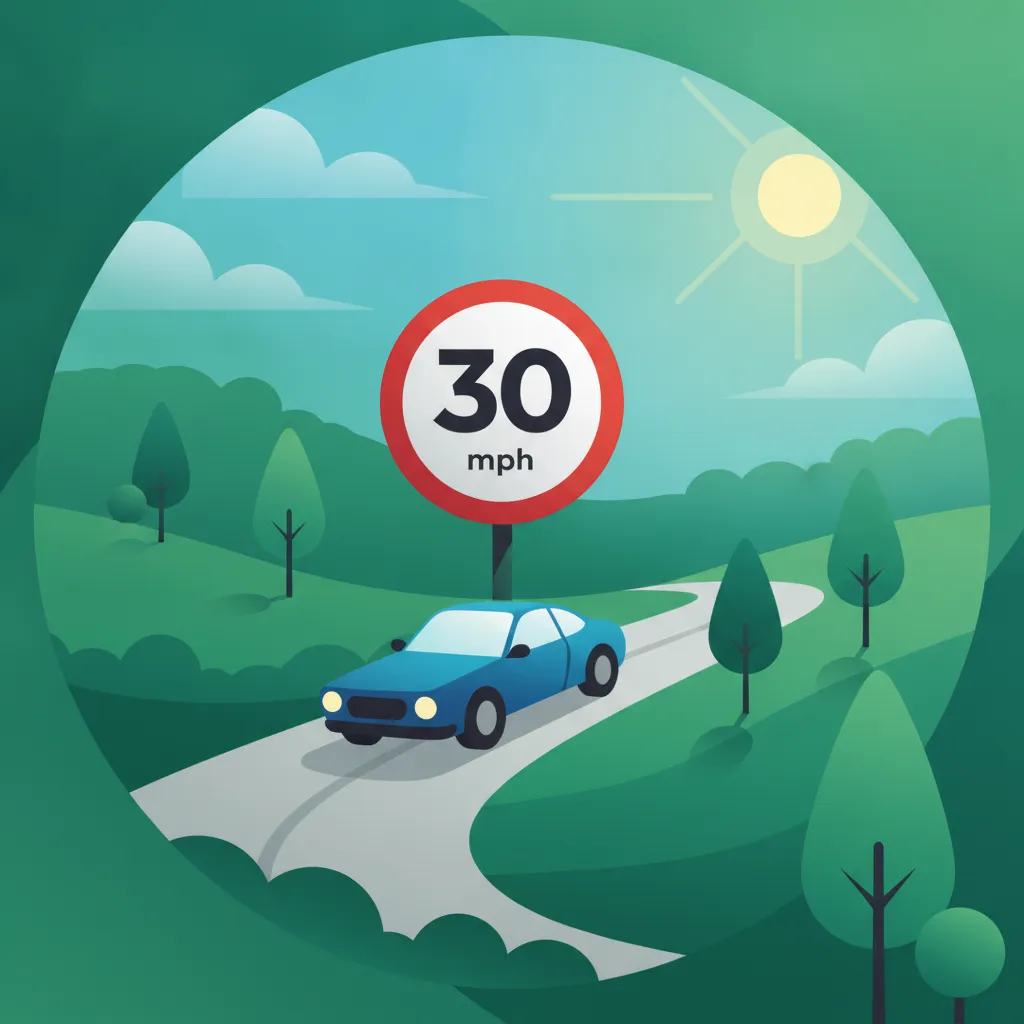
Speed limits are fundamental to road safety and traffic management across England, Scotland, and Wales. They define the legal maximum speed for different road types and environments. However, simply adhering to the posted limit isn't enough; the Highway Code explicitly states you must always drive at a safe speed for the prevailing conditions, which is often significantly lower than the legal maximum.

Seat belts are a critical safety feature designed to protect vehicle occupants during sudden braking or collisions. In Great Britain, specific rules outlined in the Highway Code dictate when and how seat belts must be worn by drivers and passengers. This page explains these regulations, the science behind seat belt effectiveness, and the consequences of non-compliance, ensuring you understand this vital aspect of road safety.
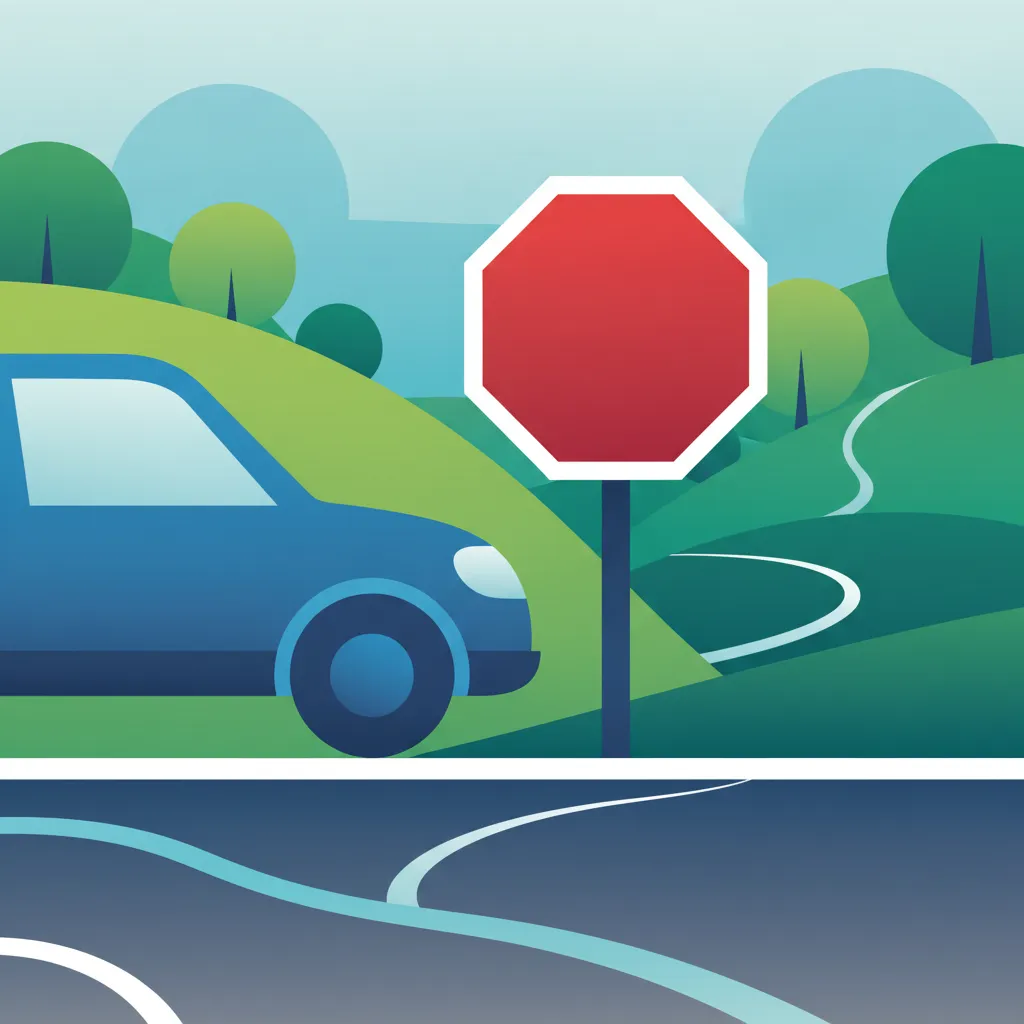
A stop sign is one of the most critical regulatory road signs in Great Britain, requiring drivers to bring their vehicle to a complete standstill before entering a junction. This rule, enshrined in the Highway Code (Rule 171), ensures you have ample time to assess traffic conditions and give way to all other road users, preventing collisions at high-risk points.

In Great Britain, effectively using your vehicle's lights is a fundamental aspect of safe driving, especially at night or when visibility is poor. This page clarifies the mandatory rules from the Highway Code regarding when and how to use different types of lights, including headlights, dipped beam, main beam, and fog lights, to enhance safety and prevent collisions.
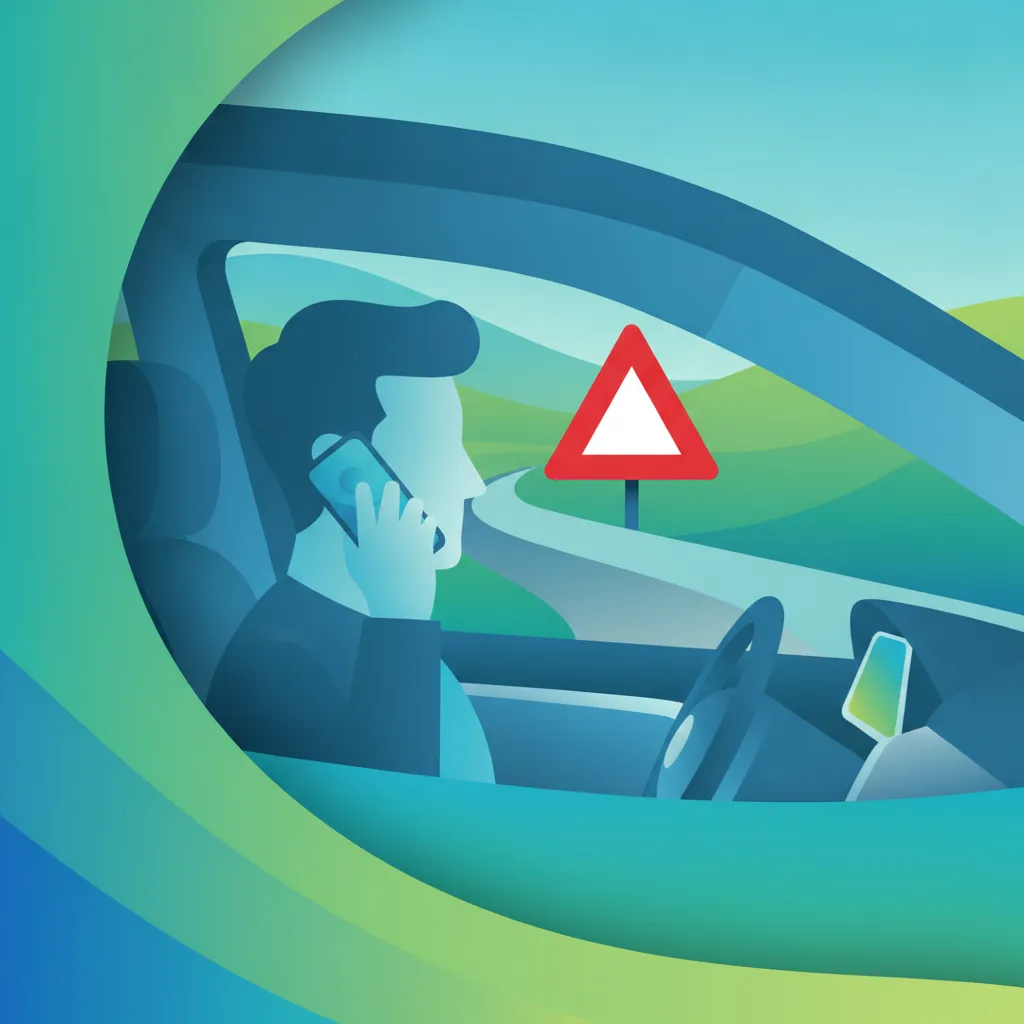
In Great Britain, the law is clear: using a hand-held mobile phone or similar device while driving or supervising a learner is strictly prohibited. This rule, outlined in Highway Code Rule 149, addresses the serious safety risks posed by driver distraction. Understanding the types of distraction and their impact on your ability to control a vehicle is vital for both your theory test and real-world road safety.

Emergency braking is the critical action taken to stop your vehicle as quickly as possible when an unexpected hazard appears, demanding an immediate response. This technique differs significantly from routine braking and is essential for all drivers in Great Britain. Understanding the correct procedure, especially with modern systems like ABS, can be the difference between avoiding an accident and being involved in a collision.

Safe speed is a crucial concept for all drivers in Great Britain, as it dictates how you should adjust your driving to current circumstances. Unlike a fixed speed limit, safe speed requires continuous assessment of road conditions, traffic density, and environmental factors. Mastering this principle, outlined in The Highway Code, is vital for hazard perception and overall road safety.

Pedestrian priority establishes crucial moments when drivers must yield to those on foot, protecting the most vulnerable road users. In Great Britain, the Highway Code clearly defines these situations, including specific types of crossings and junctions. This guide details your obligations as a driver to ensure pedestrian safety and help you master this vital theory topic.
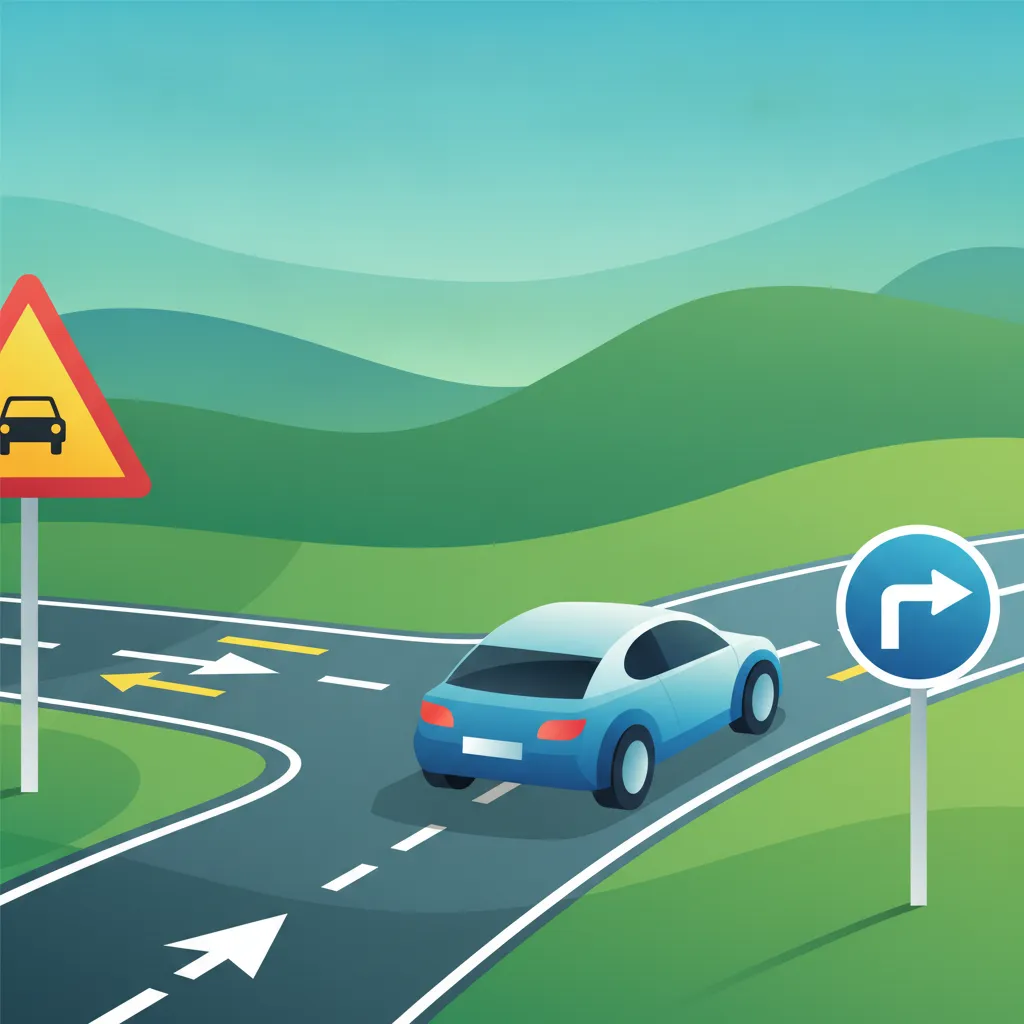
Turning safely involves more than just steering; it's a sequence of critical actions to avoid hazards. This page explains the key steps, from early observation and correct signalling to precise lane positioning and judging gaps, as required by the Highway Code. Pay close attention to interactions with pedestrians and cyclists, who are most vulnerable during these manoeuvres.

Consuming alcohol, even in small amounts, severely impairs your ability to drive safely. This page details how alcohol affects essential driving skills like judgment, coordination, and reaction time, increasing the risk of accidents. It is vital for all drivers and learners in Great Britain to understand and adhere to the strict rules against drink driving.
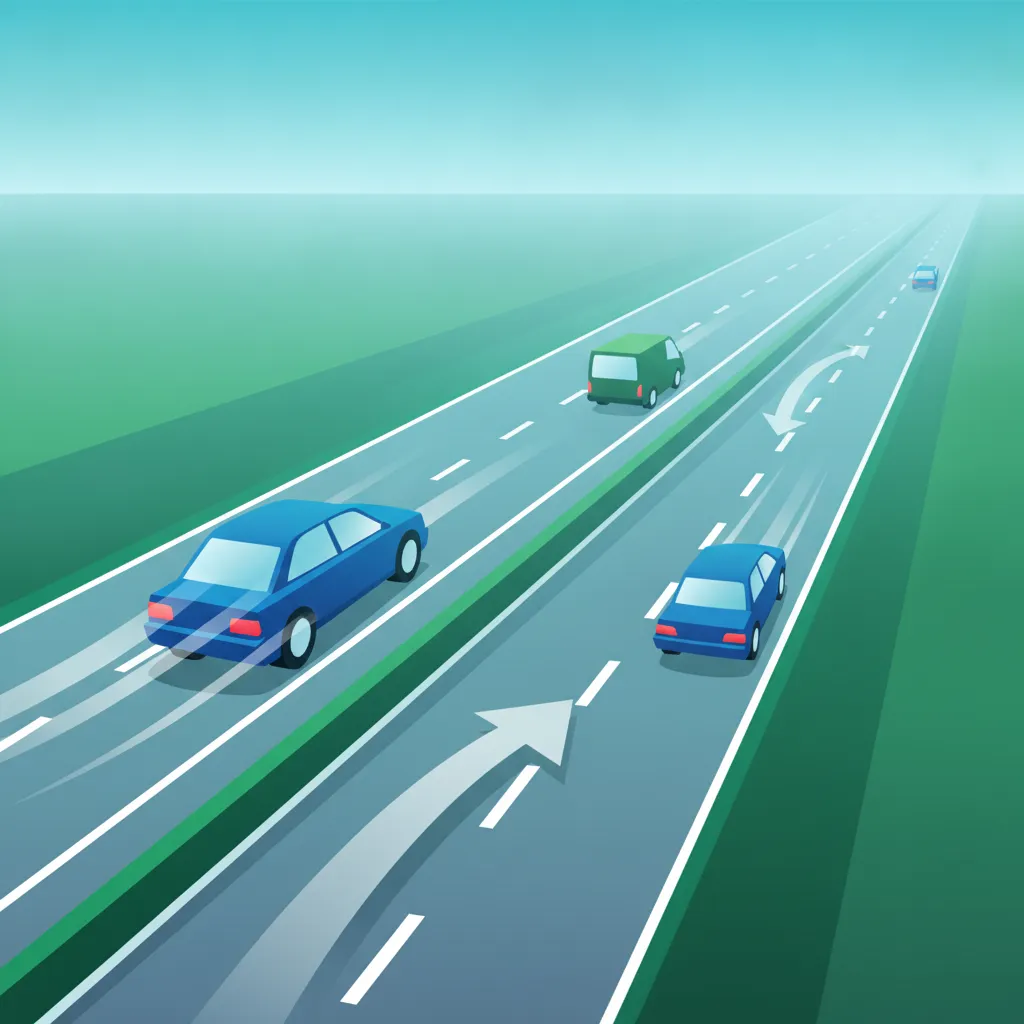
On multi-lane roads like motorways, how you use the lanes directly impacts safety and congestion. In Great Britain, the primary rule is to keep to the left-hand lane unless you are overtaking. This page details the principles of lane discipline, proper overtaking procedures, and specific restrictions for certain vehicles, all based on the Highway Code.
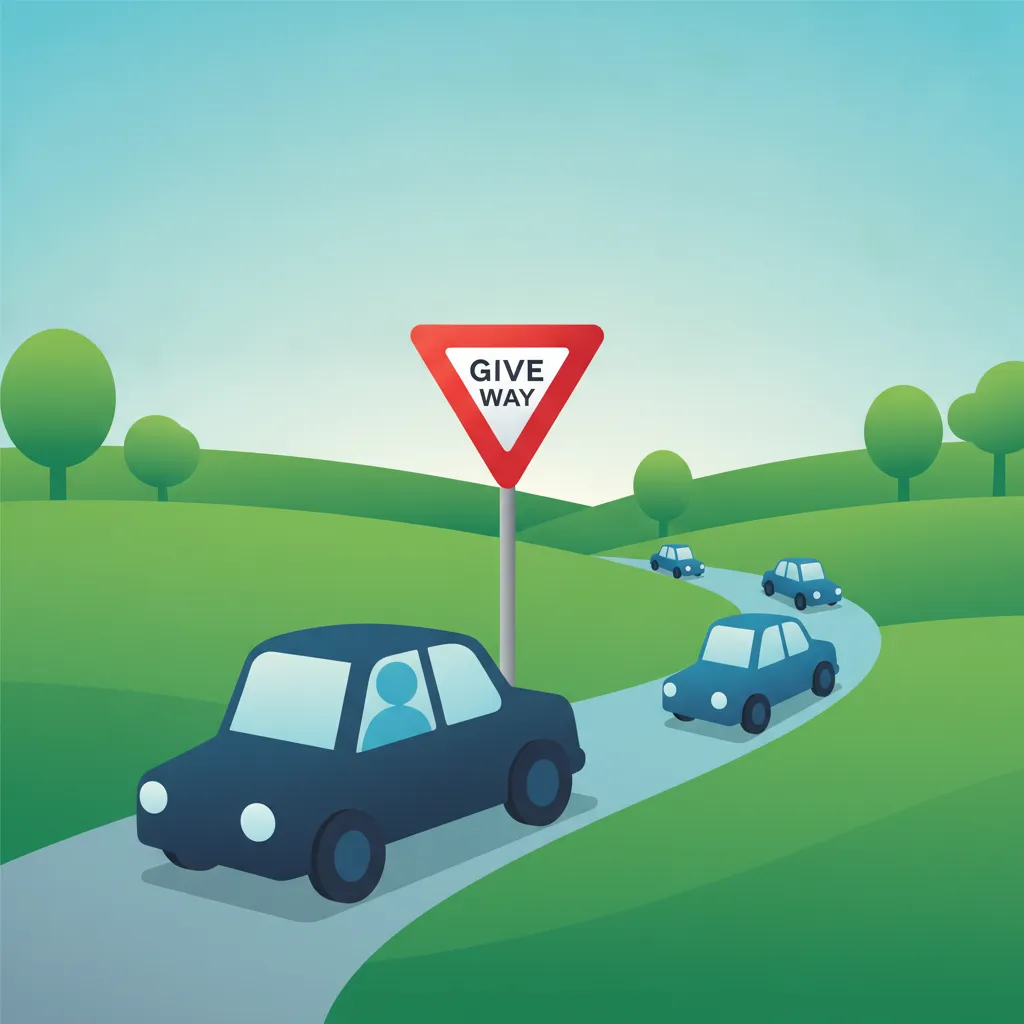
The Give Way sign is an inverted triangular sign that indicates you must give priority to traffic on the road you are joining or crossing. Unlike a Stop sign, you don't always need to stop completely, but you must slow down and be ready to stop if necessary. Your primary responsibility is to ensure that vehicles on the priority road do not have to slow down or change direction because of your actions.
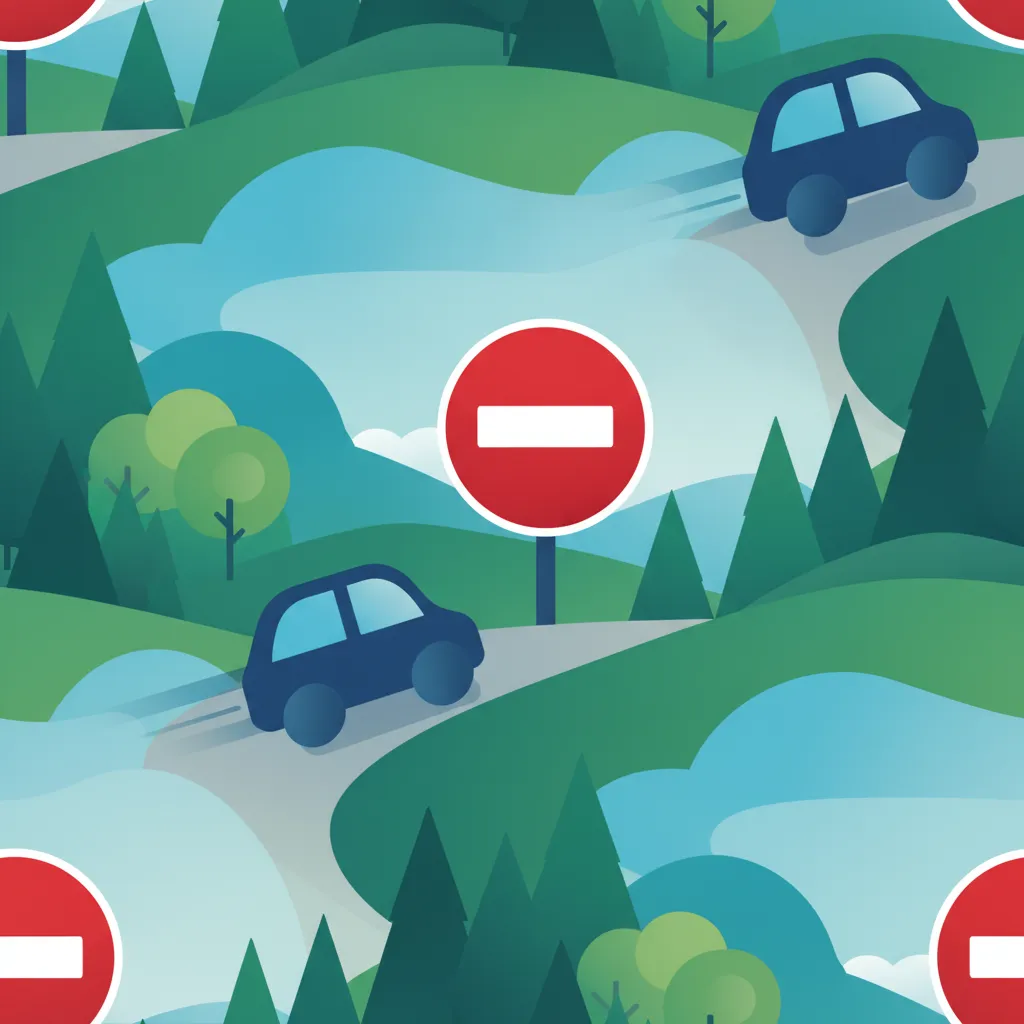
Prohibition signs inform drivers of specific actions they are not permitted to take on the road, such as 'No Entry' or 'No Overtaking'. Recognising these signs instantly and obeying them is vital for the safety of all road users and is a key component of the Great Britain driving theory test. These signs typically feature a red circle, clearly communicating a restriction or a definite 'no'.

Driving in fog is one of the most challenging conditions you'll encounter, as it severely limits your ability to see and be seen. This page outlines the key rules from the Great Britain Highway Code, focusing on how to adjust your speed, use your vehicle's lighting correctly, and maintain safe distances to navigate foggy roads safely.

Driving in snow and ice presents some of the most challenging conditions on British roads due to severely reduced traction. The Highway Code provides clear guidelines for safe driving in these circumstances, focusing on careful control, increased stopping distances, and specific techniques to avoid loss of grip. Mastering these rules is vital for your safety and success in the DVSA theory test.
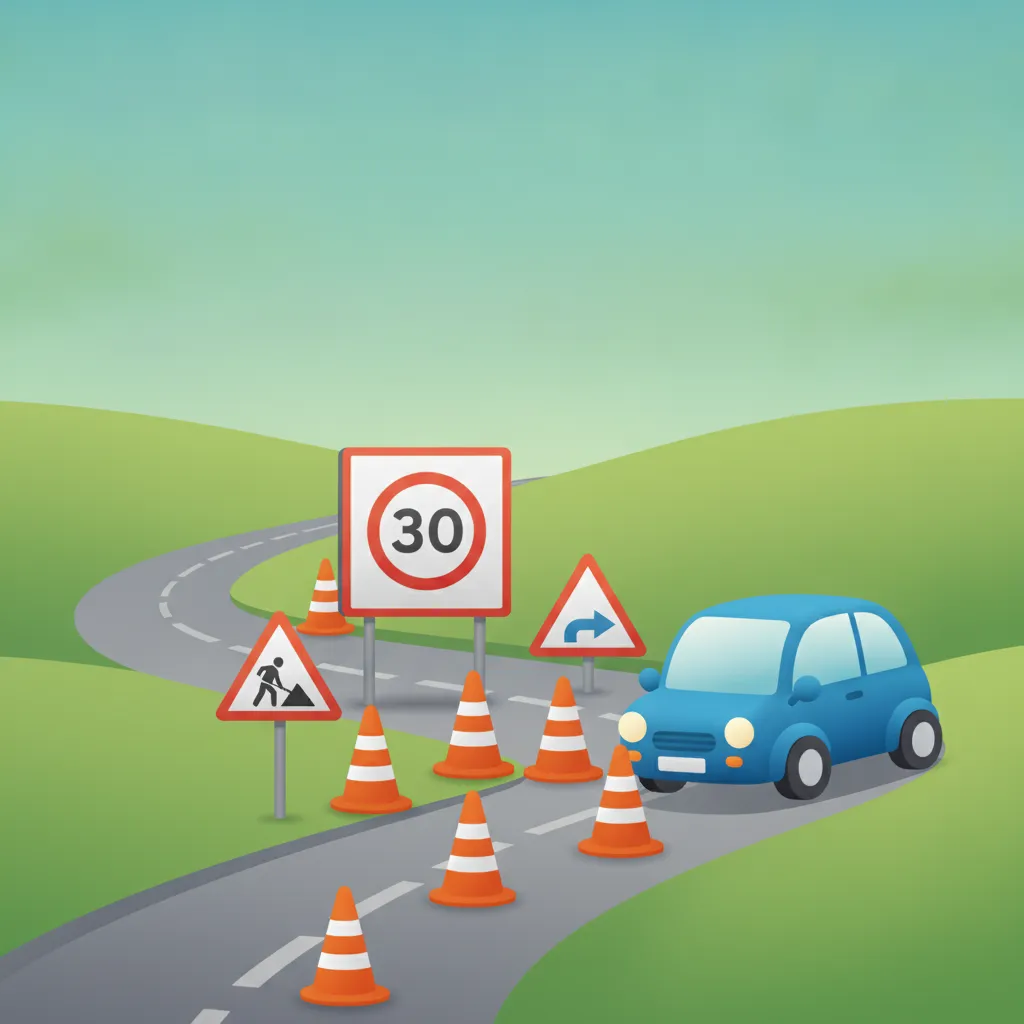
Road work zones are areas on Great Britain's roads where construction, maintenance, or repairs are taking place. These dynamic environments introduce temporary changes to traffic flow, signage, and road conditions, demanding heightened awareness from drivers. It's essential to understand the specific rules and increased risks outlined in the Highway Code to drive safely through these areas.
Page 1 of 3
Deepen your understanding of essential road rules, hazard perception, and UK traffic signs by exploring more expert-written guides. Prepare confidently for your DVSA theory test and develop safer driving habits by navigating our complete article hub.
Explore Driving Theory Articles