
Navigate UK roads confidently by understanding the legal speed limits for cars on all types of roads. Learn about the penalty points system, fixed penalties, and how to drive safely and legally, preparing you thoroughly for your driving theory exam and practical test.
This section details the national speed limits for various road types in England, Scotland, and Wales to ensure you drive safely and legally at all times. Master the complexities of the DVLA penalty point system and understand how fixed penalty notices impact both new and experienced drivers.
Learners often mistake the posted speed limit for a mandatory target speed, but the Highway Code makes it clear that safety must always come first. This article explains how you must adapt your speed based on road layout, traffic, and environmental conditions to remain in control and anticipate potential hazards. Mastering this principle is a key requirement for success in both the DVSA theory exam and your future as a safe, responsible driver.
Understanding that towing a trailer or caravan triggers lower mandatory speed limits is a fundamental requirement for the Great Britain theory test. This guide clarifies the specific speed restrictions you must follow on single carriageways, dual carriageways, and motorways when pulling a load. Learning these rules will help you correctly answer Highway Code questions and ensure you are fully prepared for your test.
Navigate the complexities of speed limits in England, Scotland, and Wales with this essential guide based on Highway Code Rule 124. Learn the correct speed for your car or motorcycle on built-up roads, single and dual carriageways, and motorways. Understanding these limits is fundamental for safe driving and a critical component of the Great Britain driving theory test.
Master the essential driving theory regarding speed limits across England, Scotland, and Wales, including detailed explanations of the penalty points system and associated fines. Our comprehensive articles provide the legal requirements and practical guidance needed for your driving licence process.
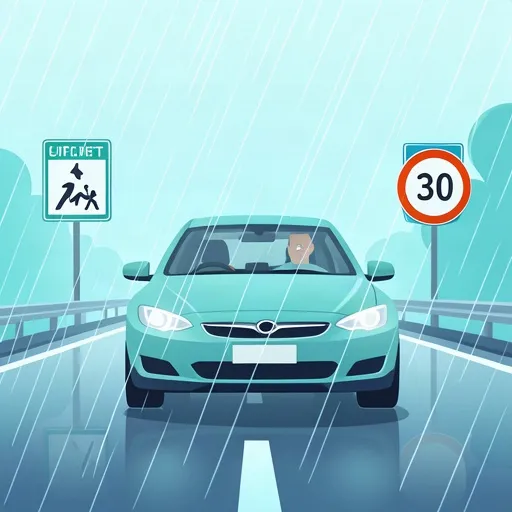
Learners often mistake the posted speed limit for a mandatory target speed, but the Highway Code makes it clear that safety must always come first. This article explains how you must adapt your speed based on road layout, traffic, and environmental conditions to remain in control and anticipate potential hazards. Mastering this principle is a key requirement for success in both the DVSA theory exam and your future as a safe, responsible driver.
Updated on Sep 19, 2026

Understanding that towing a trailer or caravan triggers lower mandatory speed limits is a fundamental requirement for the Great Britain theory test. This guide clarifies the specific speed restrictions you must follow on single carriageways, dual carriageways, and motorways when pulling a load. Learning these rules will help you correctly answer Highway Code questions and ensure you are fully prepared for your test.
Updated on Jul 28, 2026
Navigate the complexities of speed limits in England, Scotland, and Wales with this essential guide based on Highway Code Rule 124. Learn the correct speed for your car or motorcycle on built-up roads, single and dual carriageways, and motorways. Understanding these limits is fundamental for safe driving and a critical component of the Great Britain driving theory test.
Updated on Jul 8, 2026

Demystifying speed limits is essential for all learner drivers in Great Britain. This article breaks down the standard national speed limits, including the prevalent 30 mph for built-up areas in England and Scotland, the distinct 20 mph in Wales, and the 70 mph maximum for cars on motorways. Knowing these rules ensures you comply with the Highway Code and prepare effectively for your theory test.
Updated on Jul 8, 2026

Prepare for your Great Britain driving theory test by understanding the role of speed cameras, the consequences of speeding, and the process of attending a speed awareness course. This guide clarifies these essential road safety topics to help you drive responsibly and pass your exam.
Updated on Jul 8, 2026

To pass your Great Britain driving theory test, you must understand how your speed directly influences your vehicle's stopping distance. This article clarifies the two components of stopping distance – thinking distance and braking distance – and demonstrates the exponential increase in total distance required to stop as speed rises, a crucial factor for hazard perception and safe driving.
Updated on Jul 8, 2026

Prepare for your Great Britain driving theory test by understanding how speed cameras operate and the consequences of speeding, including fixed penalty notices. This article covers the essential knowledge learners need to adhere to speed limits, avoid fines and penalty points, and drive responsibly across England, Scotland, and Wales.
Updated on Jul 8, 2026

Navigating speed limits on UK roads can be tricky, with national defaults often superseded by local signage. This article breaks down the different types of speed limits you'll encounter in Great Britain, explaining how the DVSA theory test assesses your understanding of both general limits and specific road signs. Understanding these distinctions is vital for both your exam success and safe driving.
Updated on Jul 8, 2026
Discover other categories connected to Speed Limits & Penalty Points GB. These sections help you explore additional topics, expand your understanding of driving theory in British, and build a more complete picture of the rules and situations tested during the exam.
Find answers to common questions learners ask about Speed Limits & Penalty Points GB. This section helps clarify difficult concepts, highlight critical exam information, and support your preparation for the British driving theory exam in Great Britain.
In Great Britain, the standard speed limit for cars is 30 mph in built-up areas with street lighting, 60 mph on single carriageways, and 70 mph on dual carriageways and motorways, unless otherwise indicated by signs.
Speeding offences typically result in 3 to 6 penalty points on your licence, along with a fine. Accumulating 6 or more penalty points within the first two years of passing your test can lead to your licence being revoked.
Yes, speed limits can vary based on vehicle type. For example, vehicles towing trailers or caravans generally have lower speed limits than standard cars on single and dual carriageways.
The 'National Speed Limit' sign on a single carriageway means 60 mph for cars, and on a dual carriageway it means 70 mph for cars, unless there are other signs indicating a different speed limit.
Even if you are within the legal speed limit, driving too fast for adverse weather conditions like rain, fog, or ice is dangerous and can lead to accidents and prosecution for careless driving.
Continue your Great Britain driving theory revision by selecting a category above to access detailed articles, practice questions, and expert explanations. Build your knowledge systematically across all official DVSA topics to ensure you're fully prepared for your licence examination.
Browse Theory Article Categories