
When roads are closed due to incidents, roadworks, or emergencies, diversion signs guide you safely around the affected area. This group of signs uses a system of symbols, arrows, and trigger signs to direct traffic along a planned alternative route. Understanding these signs is crucial not only for navigating disruptions smoothly but also for passing your theory test and avoiding confusion or dangerous manoeuvres.
An explanation of how Great Britain Diversion Signs road signs apply in real traffic situations in Great Britain. Learn where these signs are typically placed, what drivers are expected to do when they appear, and how correct reactions help you stay safe, avoid fines, and succeed in your British driving theory exam.
You'll encounter diversion signs whenever a road is impassable or closed, such as during roadworks, accidents, or special events. These signs often appear on main roads, motorways, and even smaller local routes. They might be placed at junctions to guide you onto a specific alternative path, indicated by distinctive symbols like a solid circle, triangle, hollow square, or hollow diamond, often accompanied by temporary arrows. It’s important to stay patient and follow the sequence of signs provided, as they form a planned alternative route. Avoid improvising or attempting to reverse if you miss a sign, as this can be dangerous. These signs are designed to keep traffic flowing efficiently around obstacles.
An overview of the key learning outcomes when studying the Great Britain Diversion Signs road sign category. Understand the main concepts, sign meanings, and traffic situations covered here so you can recognise patterns, answer theory questions more confidently, and build a solid foundation for safe driving in Great Britain.
Studying Great Britain diversion signs is key for theory test revision, helping you navigate road closures and traffic management effectively. These signs, including route symbols and temporary arrows, guide drivers around incidents and roadworks. Recognizing these traffic signs ensures safe and compliant driving on alternative routes, crucial for your driving knowledge.

Follow the Solid Circle emergency diversion route sign to stay on track.
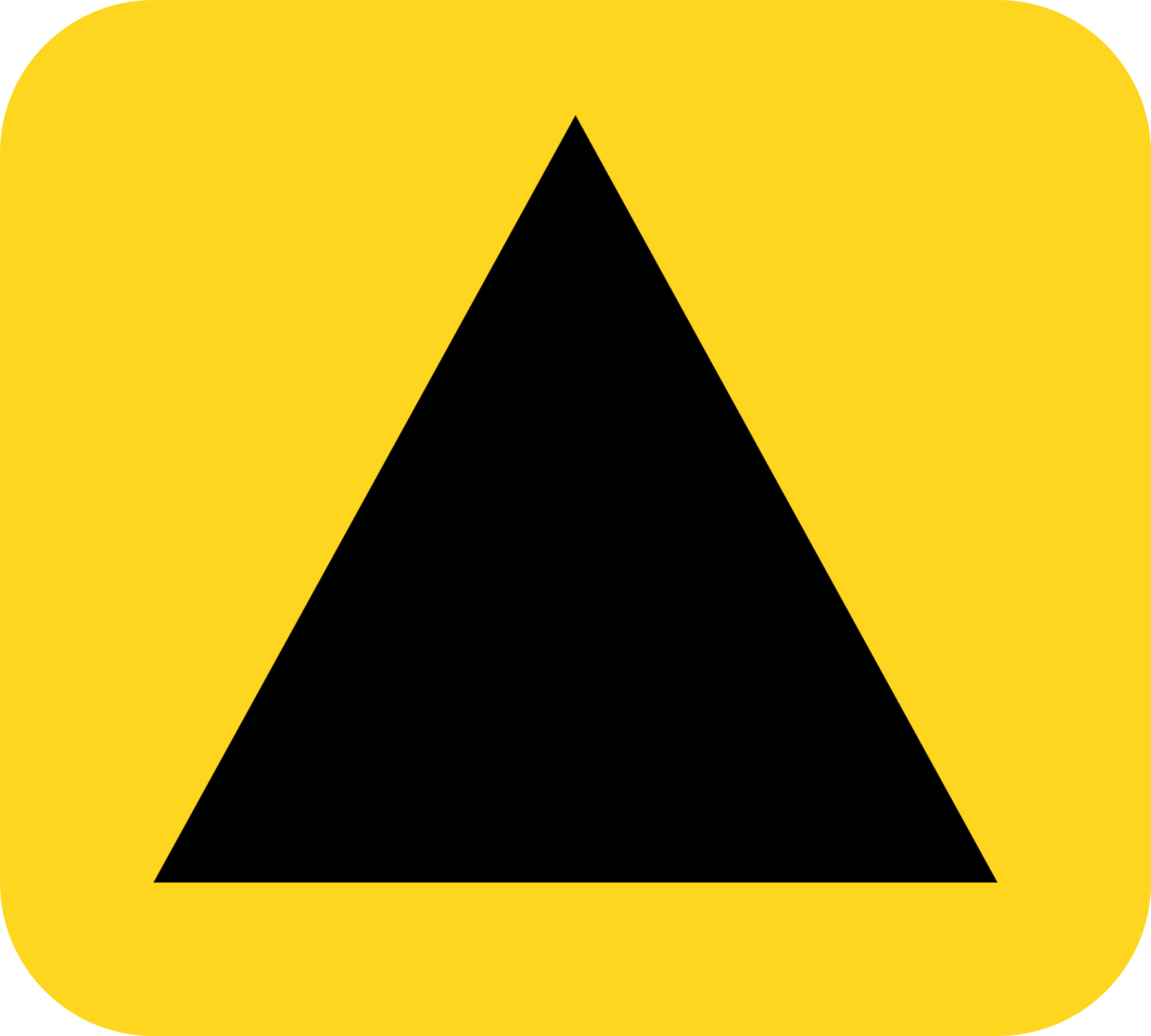
Follow the Solid Triangle diversion route when your usual way is blocked.

Follow the Hollow Square for emergency diversion routes on UK roads.

Follow the Hollow Diamond for Emergency Diversions
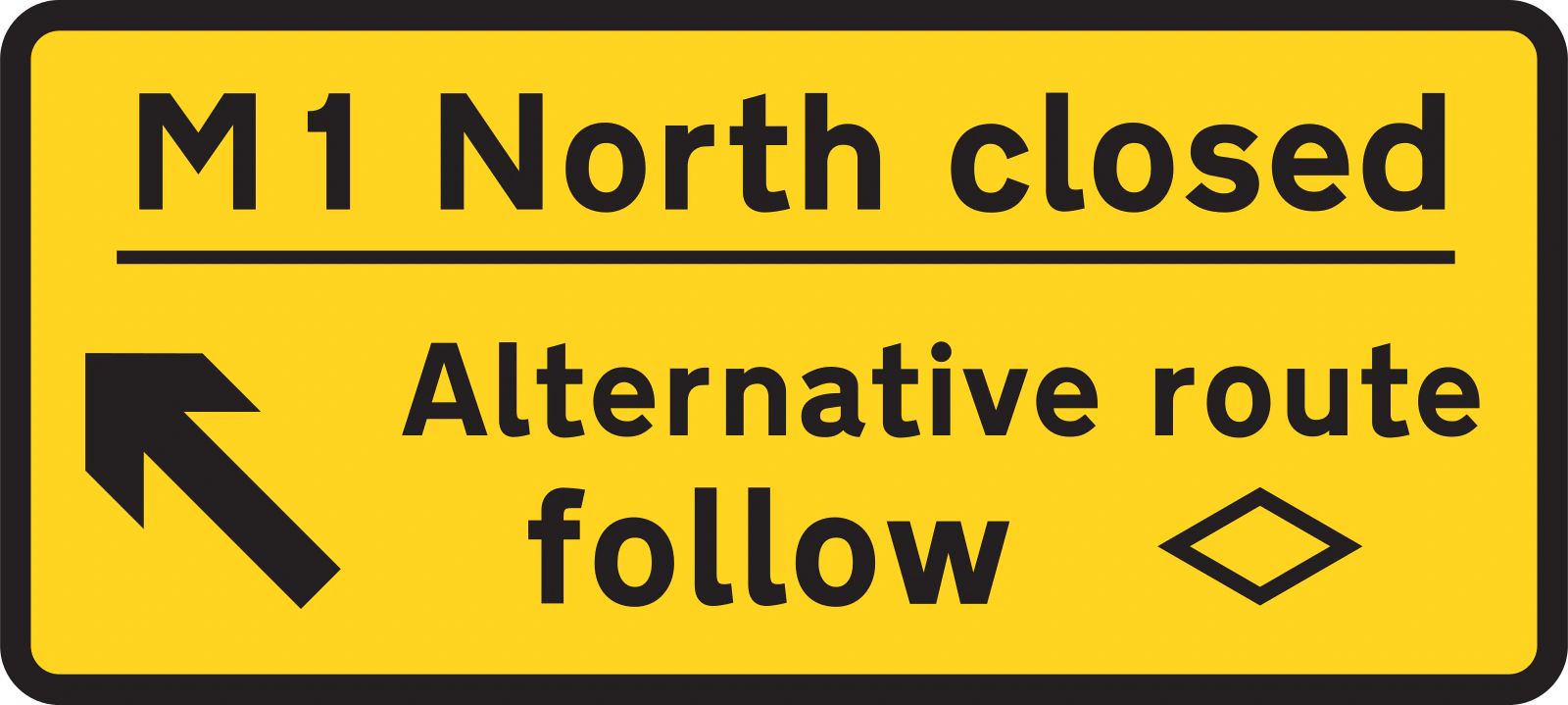
Follow the Diversion: Sign 2716 Explains Temporary Route Changes
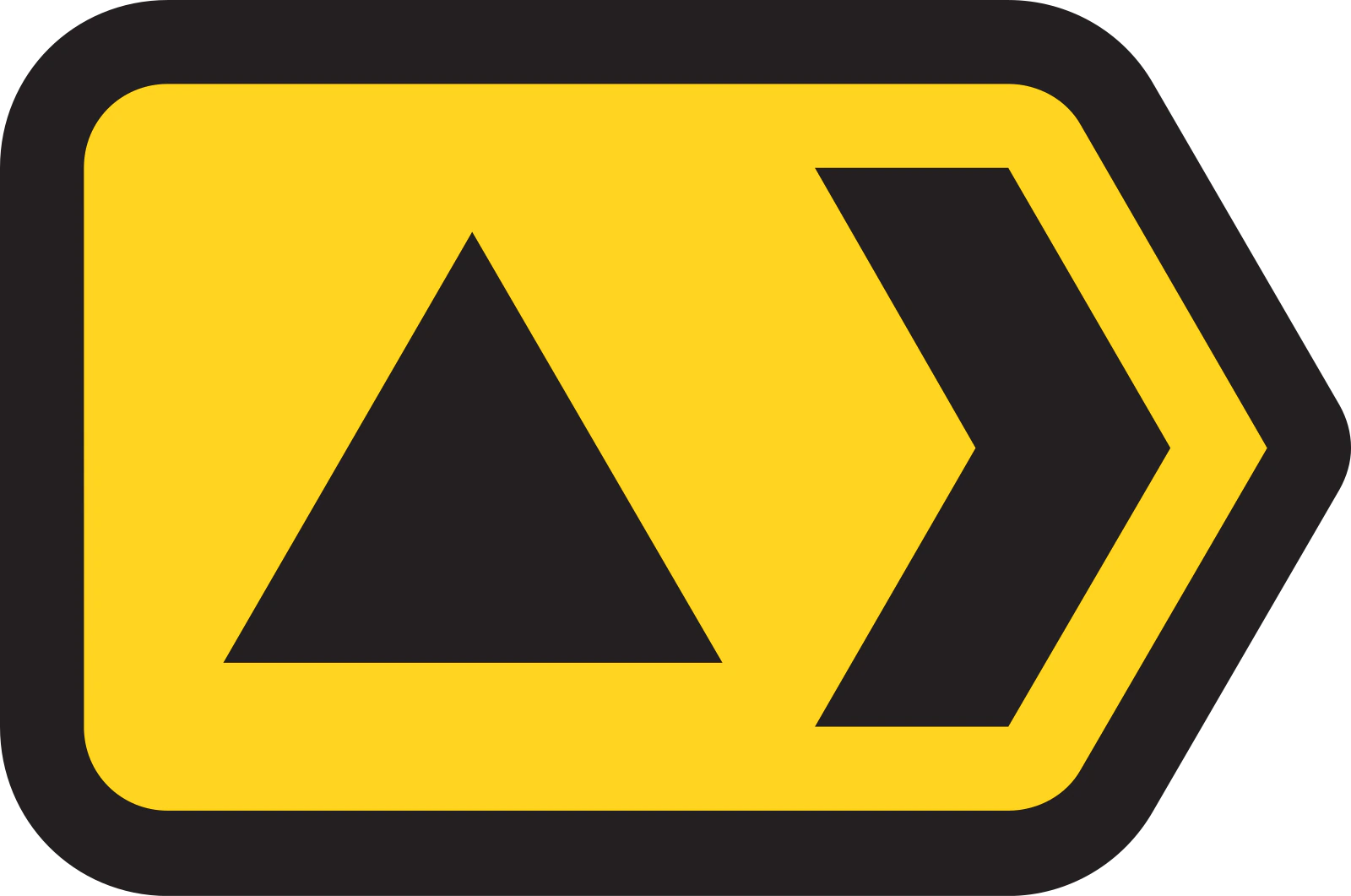
Follow the diversion route when this sign directs you to turn right.
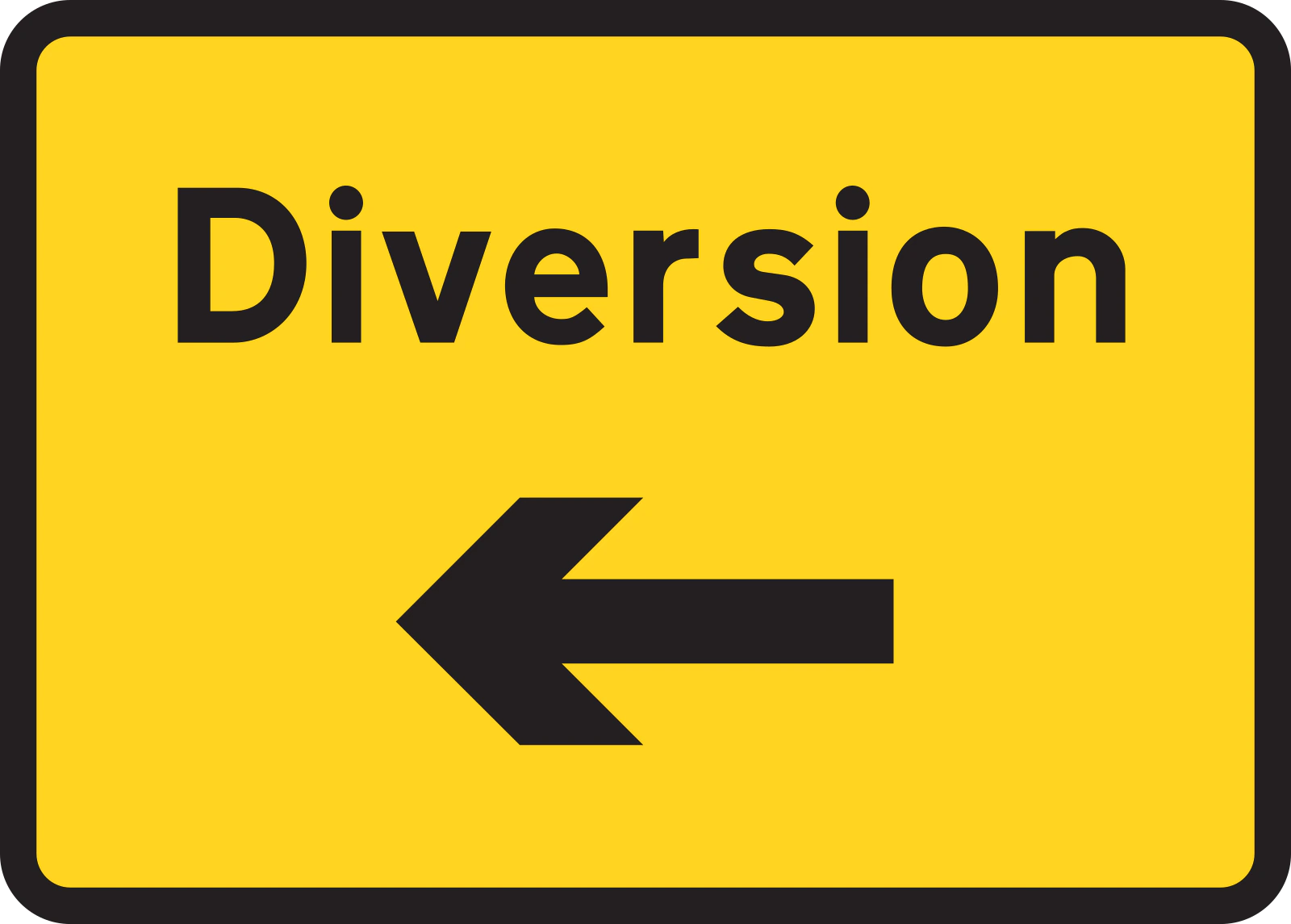
Follow this Diversion sign when road works start to your left on minor roads.
Clear answers to common questions about the Great Britain Diversion Signs road sign category. Use this FAQ to review tricky rules, understand how these signs appear in exam scenarios, and remove confusion that often leads to mistakes in the British driving theory exam in Great Britain.
The different shapes – solid circle, solid triangle, hollow square, and hollow diamond – are used to denote specific diversion routes. Often, these symbols are used in conjunction with each other or on sequential signs to guide you along the designated alternative path. Familiarise yourself with these markers, as they are the primary way to follow the diversion.
If you miss a diversion sign, the safest course of action is to continue to the next sign that provides guidance. Avoid sudden braking, turning into unknown roads, or attempting to reverse. If you find yourself completely lost, look for a safe place to pull over and consult a map or navigation system if possible. Trying to turn back or improvise can lead to dangerous situations for yourself and other road users.
Diversion signs are typically used for temporary situations like roadworks, accidents, or special events. However, they can sometimes be used for longer-term closures or significant changes to traffic flow. Always treat them as instructions to follow a specific, designated alternative route.
Normal directional signs indicate destinations or points of interest on the usual road network. Diversion signs, on the other hand, are specifically put in place to guide traffic away from a closure onto a pre-determined alternative route. They often use specific symbols and temporary arrows and are usually positioned at points where the main road is obstructed.
Ready to master Great Britain road signs? Explore organized categories and groups for structured learning. Understanding signs by type improves recall and comprehension, ensuring thorough preparation for your DVSA theory test.
Great Britain Road Sign Groups