

This unit examines the safe and efficient processes for passenger boarding and alighting at bus stops within urban environments. Learners will discover the importance of proper stop positioning, passenger flow management, and interaction with pedestrians. The content includes techniques for safely navigating congested city streets, managing right-of-way, and using signals to coordinate boarding and alighting while minimizing disruption to traffic, ensuring passenger safety at every stop.
Prepare for your Category D, D1, D1E, or DE licence with our comprehensive theory course. Covering the full scope of the Highway Code, DVSA requirements, and professional driver responsibilities, this curriculum is essential for anyone aiming to operate passenger vehicles in England, Scotland, and Wales. Learn about vehicle safety, passenger management, and the unique challenges of driving large vehicles on UK roads to ensure you are fully prepared for your theory test and professional career.
The Boarding, Alighting, Bus Stops and Urban Traffic unit is a key part of the GB Passenger Vehicle Theory curriculum and helps learners in Great Britain understand essential theory topics in a clear and practical way. Each lesson breaks down a specific theme that often appears in the British driving theory exam. With structured explanations and examples taken from real traffic situations, this unit helps learners study smarter, fix common misunderstandings, and build the knowledge required for confident exam performance.
Upon completing this unit, you will possess a comprehensive understanding of the procedures and considerations necessary for safe and efficient passenger boarding and alighting at urban bus stops. This includes mastering vehicle positioning, managing passenger movement, and safely interacting with pedestrians and other traffic in busy city environments. You will be equipped to handle the unique challenges of serving stops in congested areas, minimizing disruption while prioritising passenger safety. This knowledge is directly applicable to real-world driving and crucial for demonstrating competence in the passenger vehicle theory test, ensuring you can operate professionally and responsibly on Great Britain's roads.

This unit is essential for all drivers preparing for their Category D, D1, D1E, or DE licence theory tests in Great Britain. It is particularly crucial for those who will be operating passenger vehicles in urban environments and need to master the specific rules and practical considerations for serving bus stops safely and efficiently, ensuring compliance with the Highway Code.
See all lessonsExplore key lessons that shape the Boarding, Alighting, Bus Stops and Urban Traffic unit in the GB Passenger Vehicle Theory curriculum. These lessons focus on exam related topics, important rules, and practical skills that help you progress faster and prepare effectively for the driving theory exam in Great Britain.

This lesson covers the essential protocols for safe passenger boarding, alighting, and mobility assistance. You will learn the correct techniques for door operation, wheelchair securement, and managing passenger movement to ensure safety and comfort for all passengers while preparing for your Category D/D1 theory exam.

Master the essential techniques for safe passenger alighting and precise bus stop positioning to ensure passenger welfare and exam success. This lesson covers mirror discipline, kerb alignment, and managing vulnerable road users during the stop process.

This lesson covers the operational nuances of urban bus stops, teaching you how to optimize passenger flow, minimize dwell time, and maintain safety standards. It is a critical component for your Category D theory preparation and real-world professional driving success.

Learn how to safely manage pedestrian interactions and bus stop positioning to protect vulnerable road users. This lesson prepares you for both the DVSA theory exam and real-world safety requirements for professional passenger vehicle drivers in Great Britain.

Learn essential strategies for managing urban congestion, using bus lanes correctly, and maintaining service efficiency in dense city traffic. This lesson ensures you can navigate complex urban environments while adhering to DVSA safety regulations for Category D/D1 drivers.
Get answers to common questions about the Boarding, Alighting, Bus Stops and Urban Traffic unit and how it fits within the GB Passenger Vehicle Theory curriculum. Learn how long the unit takes, how the lessons are structured, and how this unit supports your preparation for the driving theory exam in Great Britain.

The Boarding, Alighting, Bus Stops and Urban Traffic unit stands out because it teaches essential topics in a way that is simple, clear, and focused on exam success. All content is aligned with real requirements in Great Britain and designed to help learners build practical understanding, not just memorise facts. Whether you are revising or learning the material for the first time, this unit provides reliable guidance that supports measurable progress inside the GB Passenger Vehicle Theory curriculum.
Discover additional units that form the complete GB Passenger Vehicle Theory curriculum. These units cover a wide range of essential topics that help learners in Great Britain strengthen their understanding of road rules, traffic behaviour, and exam relevant theory. Exploring the other units gives you a broader view of the full learning path and helps you continue your progress with confidence.

Understand Great Britain's passenger vehicle licence categories (D1, D, D1E, DE), legal obligations, and the professional responsibilities crucial for a safe and trusted driving career.
3 lessons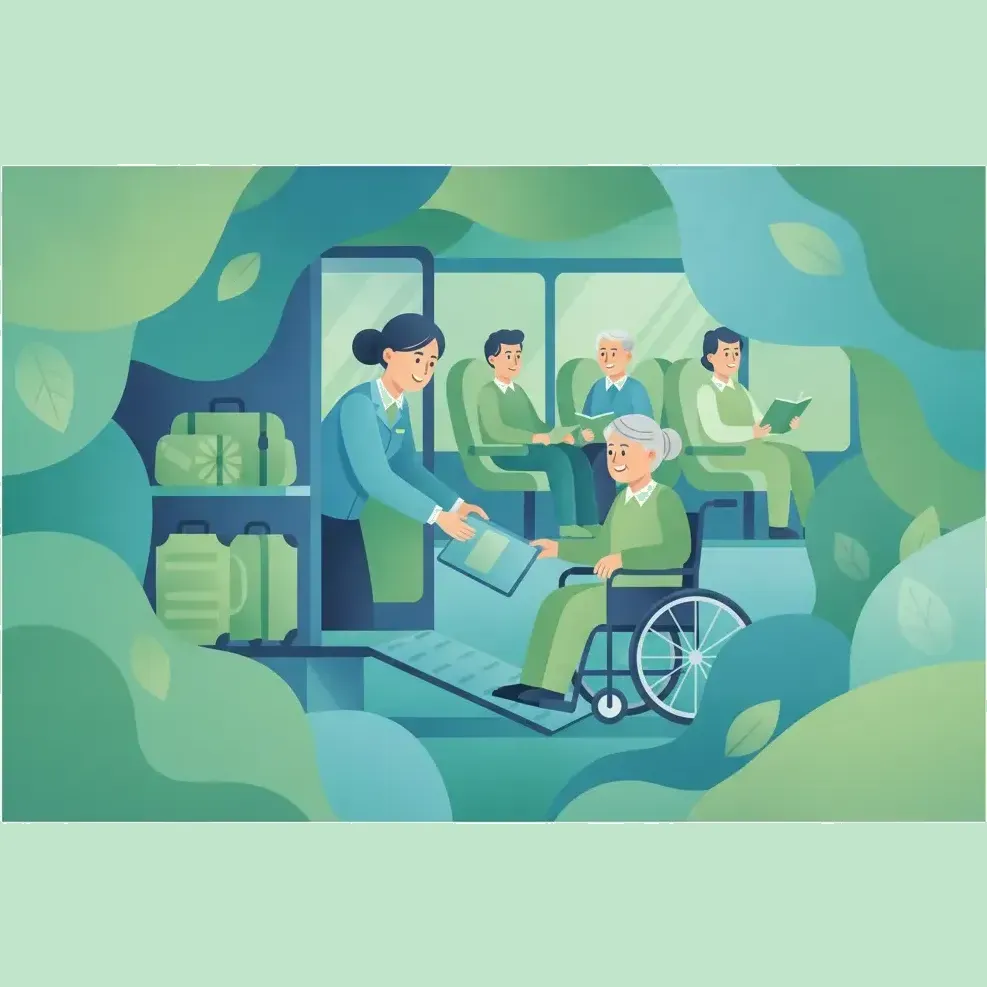
Learn to ensure passenger safety, comfort, and accessibility in buses and coaches. This unit covers secure loading, managing special needs, and the impact of driver conduct on the passenger experience.
4 lessons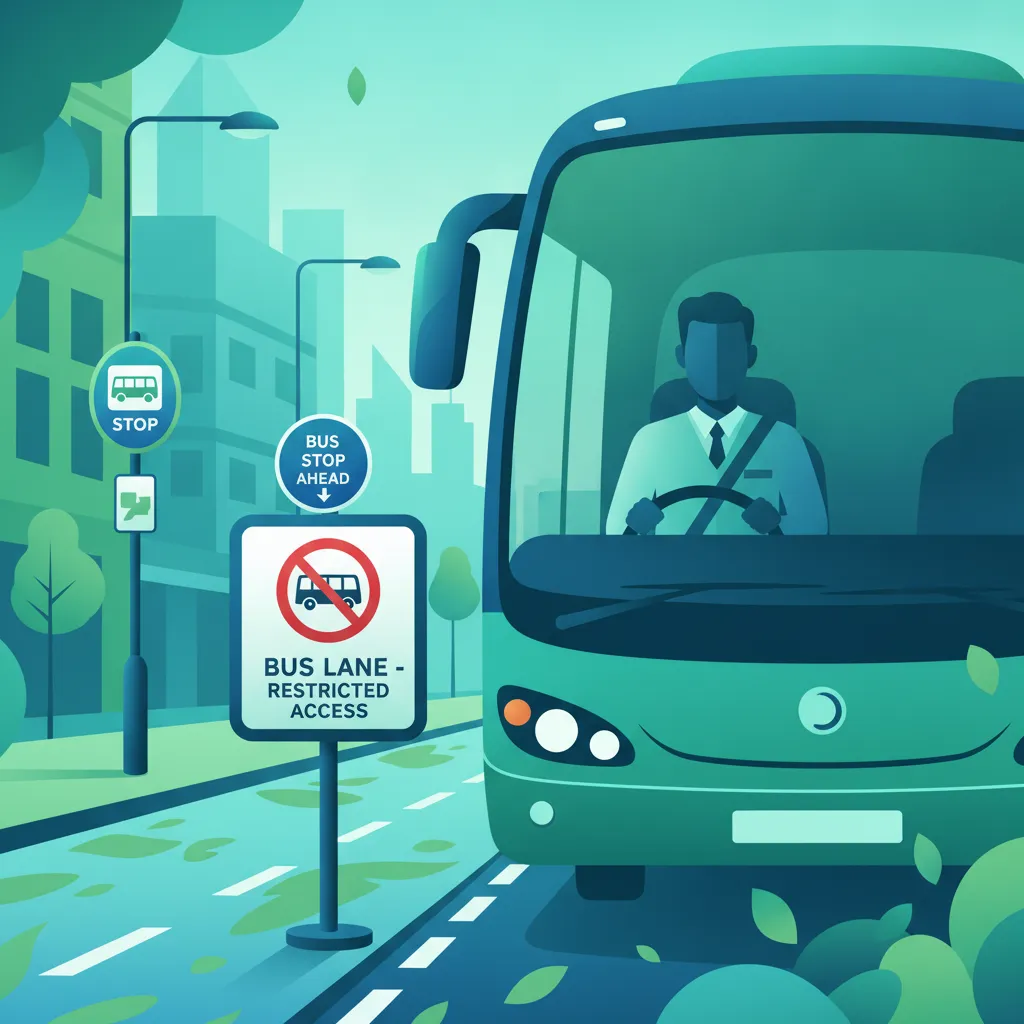
Master UK road signs, bus rules, restrictions, and stop locations. Essential knowledge for passenger vehicle drivers preparing for their theory test in Great Britain. Pass with confidence!
5 lessons
Master how your vehicle's size affects driving, speed, and braking. Learn smooth control and safe following distances for passenger vehicles to ace your theory test.
5 lessons
Learn to protect vulnerable road users, including pedestrians, cyclists, and children in school areas, ensuring safe interactions and compliance with UK driving laws for your Category D licence.
5 lessons
Master essential driving skills for large passenger vehicles: lane discipline, turning, managing blind spots, and safe reversing and manoeuvring for your UK theory test.
5 lessons
Master driving large passenger vehicles in diverse UK conditions, including bad weather, motorways, rural roads, and service areas. Essential for professional driver theory tests.
5 lessons
Prepare for driving emergencies, manage fatigue, and understand legal penalties. This unit is vital for bus and coach drivers to ensure safety and compliance on UK roads, covering accident response and driver hour rules.
5 lessonsDive into specific topic areas, take a simulated mock test, or focus on questions related to hazard perception. Our practice hub offers diverse ways to challenge your knowledge and ensure you are fully prepared for every section of the official DVSA driving theory examination in Great Britain.