
Driving Theory
Collisions & First Aid

Great Britain Driving Theory: Collision & First Aid Mistakes Practice

This practice set is essential for Great Britain learner drivers preparing for their DVSA theory test. You will practice vital knowledge on how to manage the scene of a collision, understand your legal obligations, and apply basic first aid principles according to the Highway Code. Focusing on common pitfalls and complex scenarios, this set will build your confidence in handling emergencies safely and correctly.
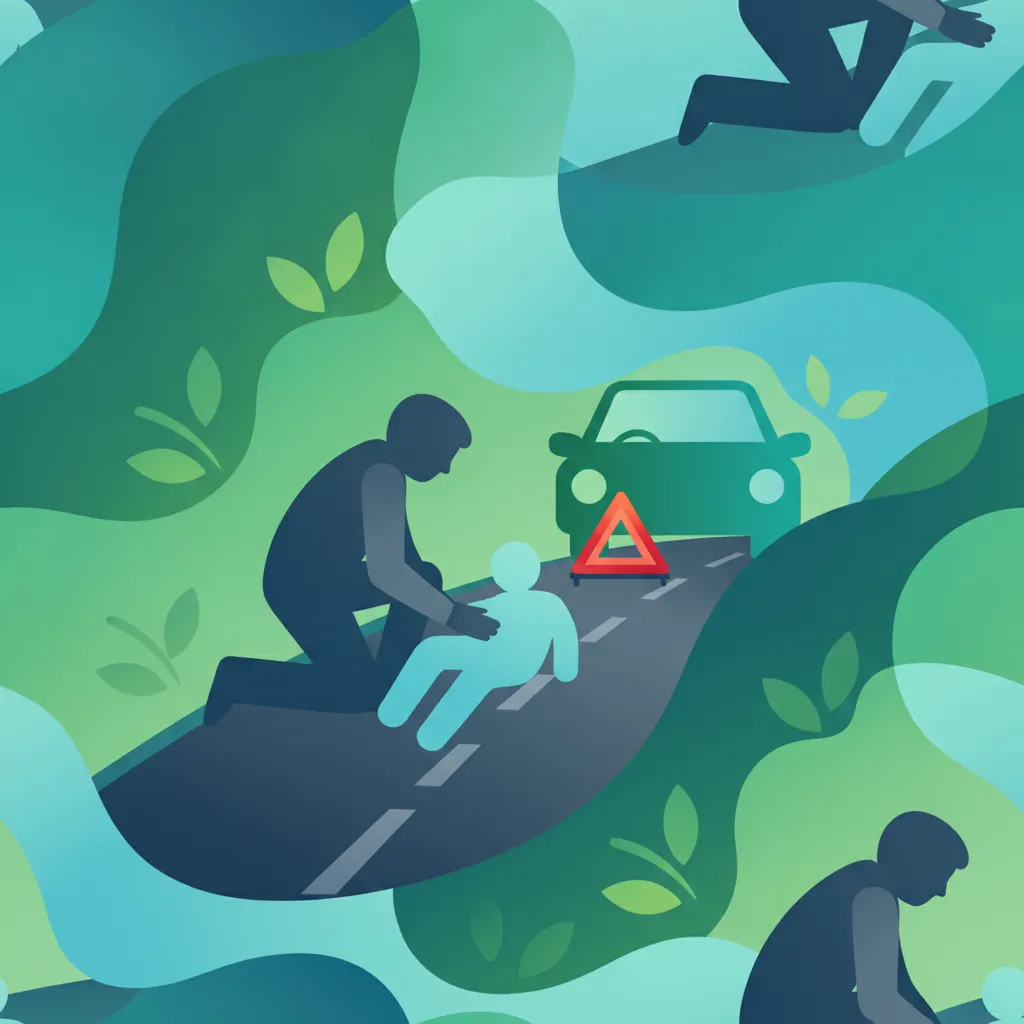
collisionsfirst aidemergenciesincident managementDVSA theory testHighway Coderoad safetylegal obligations
Great Britain Driving Theory: Collision & First Aid Mistakes Practice

Master Collisions and First Aid for Your GB Theory Test

Prepare for real-world incidents and the DVSA theory test with this focused practice set. It covers immediate steps after a collision, legal requirements, and basic first aid, tackling common mistakes made by learner drivers in Great Britain for safe and compliant actions. This is essential theory test revision.

Prepare for real-world incidents and the DVSA theory test with this focused practice set. It delves into the immediate steps after a collision, legal requirements for exchanging details, warning other traffic, protecting those involved, and basic first aid. We tackle edge cases and common mistakes made by learner drivers in Great Britain, ensuring you understand the safest and most compliant actions.

Example Questions in Collisions & First Aid

Preview sample questions from the Collisions & First Aid practice set to see how they help you prepare for the driving theory exam in Great Britain.

Food and Drink to InjuredWhen Police Report is MandatoryStopping After Urban CollisionRemoving Motorcyclist HelmetConsequences of Hit-and-RunStopping in Foggy Rural CollisionMoving Injured CasualtiesProtecting Casualties at SceneWarning Triangle on MotorwayInjured Person on Busy RoadEmergency Call for DangerDamaging Parked Car DetailsWarning Traffic on MotorwayKeeping Casualties WarmHelping Someone in Shock

Why Learners Search for Collisions & First Aid When Preparing for the Theory Exam

Learners choose Collisions & First Aid to improve accuracy and understanding of key exam themes in Great Britain. It offers realistic driving theory questions and targeted revision for effective preparation.

DVSA theory test collision rules GBfirst aid at road accident UK questionswhat to do after car crash Great Britain theorywarning traffic at incident practice questionsexchanging details after collision theory testemergency response driving theory quiz UK

Questions Learners Have About Collisions & First Aid

Find answers to the most common queries learners have when practising Collisions & First Aid, including how questions match the official theory exam in Great Britain, how scoring works, and how this practice improves exam readiness.

What is the first priority when arriving at the scene of a road incident in Great Britain?

The absolute first priority is to prevent further collisions by warning other traffic. This can be done using hazard warning lights or an advance warning triangle, ensuring your own safety first.

What details am I legally required to exchange after a minor collision?

You must exchange your name, address, and vehicle registration number with anyone else involved. If the collision caused damage to property and the owner isn't present, you must report it to the police within 24 hours.

What basic first aid should I provide to an injured person at an incident?

Without expert training, you should keep them warm and comfortable, reassure them, and ensure the area is safe. Do not give them anything to eat or drink, and do not move them unless there's an immediate risk of further danger.

When should I call 999 or 112 after a road collision in the UK?

You should call 999 or 112 immediately if someone is injured, if the road is blocked, if there's a risk of fire, or if the police are required for any other reason, such as if a driver fails to stop or exchange details.

Is it always safe to move an injured person from a busy road?

No, you should generally not move an injured person unless there is an immediate and unavoidable risk of further danger, such as a fire or imminent collision. Moving them can worsen their injuries. Your first action should be to warn other traffic.

Skills You Will Build for the Driving Theory Exam

By completing Collisions & First Aid, you will gain stronger rule knowledge, faster recognition of signs and situations, better decision making in traffic scenarios, and increased accuracy on exam style questions used in Great Britain. These outcomes directly support higher scoring exam performance.

Understand the immediate legal and safety actions required after a road collision in Great Britain.
Learn how to safely warn other traffic and protect the scene of an incident.
Identify correct procedures for assisting injured persons, including basic first aid principles.
Recognise the details that must be exchanged with other parties following an incident.
Know when and how to report a collision to the police or emergency services (999/112).

Expand Your Knowledge with Related Practice Sets

Dive deeper into your theory test preparation by exploring similar collision and first aid scenarios. Practicing related topics helps reinforce your understanding of critical Highway Code rules and ensures you're ready for exam preparation.
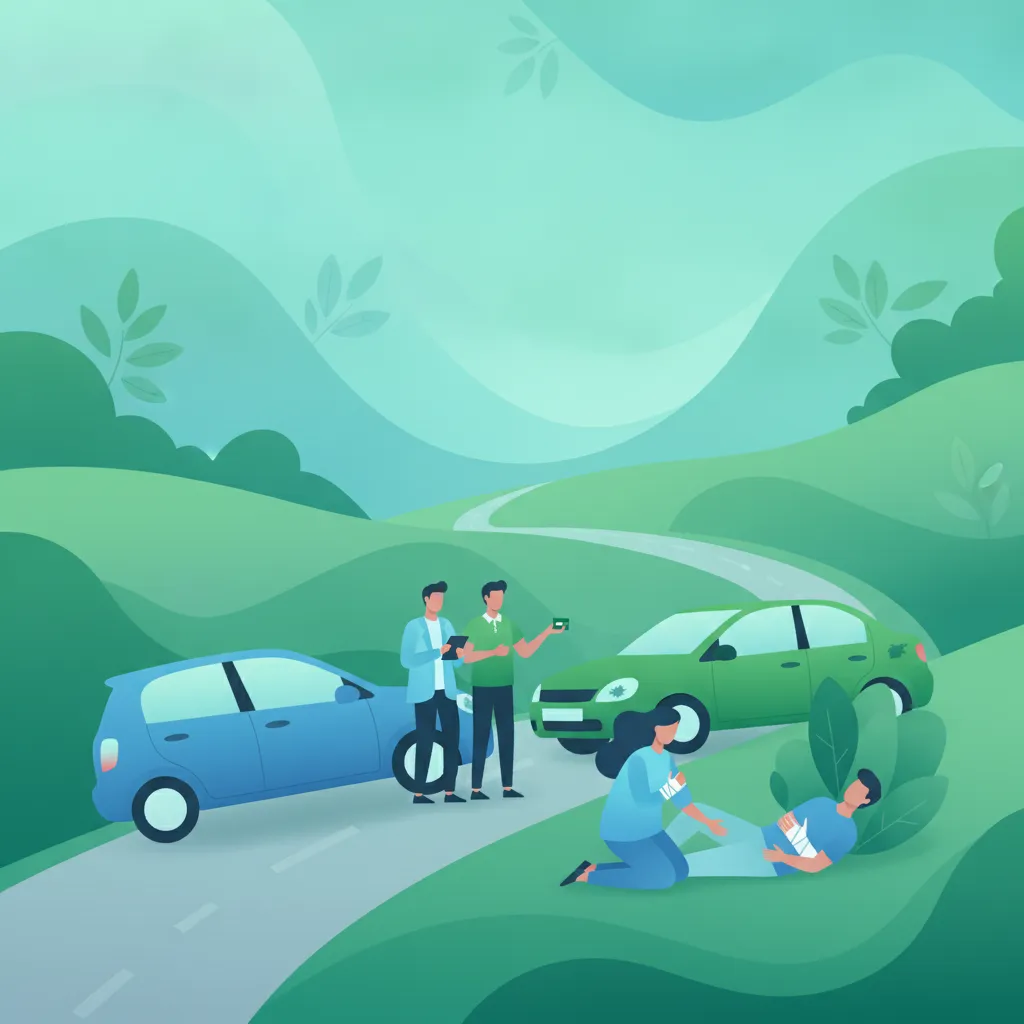
Collisions and First Aid Basics for the Great Britain Theory Test

Collisions & First Aid

Master critical collision and first aid procedures to stay safe and compliant on UK roads.
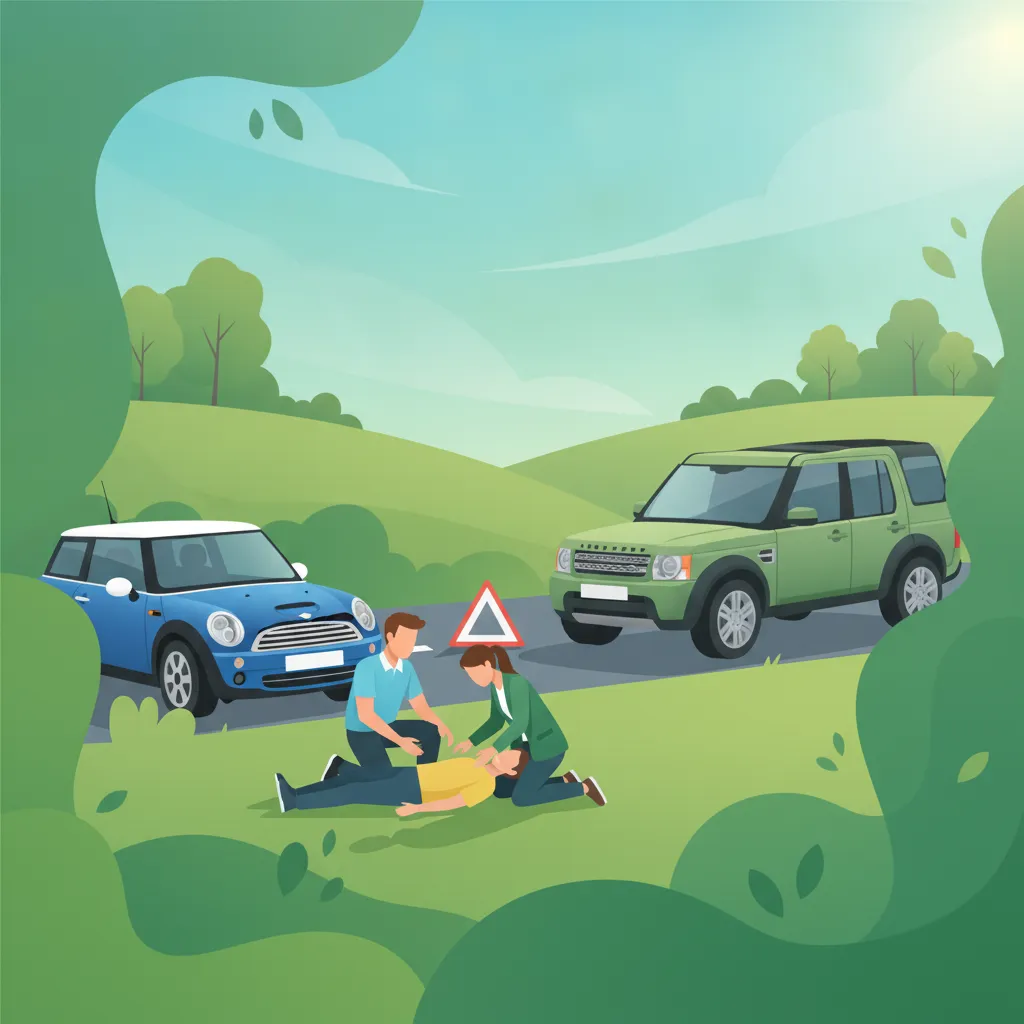
collisionsfirst aidaccidents
12 questionsView details
Collisions and First Aid Basics for Great Britain Drivers

Collisions & First Aid

Master your responsibilities and reactions in unexpected road incidents.

collisionsfirst aidemergency
15 questionsView details
Level Crossings and Railway Safety in Great Britain

Level Crossings Safety

Avoid Common Mistakes and Stay Safe at British Level Crossings
level crossingsrailway safetybarriers
31 questionsView details
Breakdowns and Motorway Emergencies for Great Britain Drivers

GB Breakdown Emergencies

Navigate Unexpected Road Incidents and Motorway Breakdowns with Confidence.
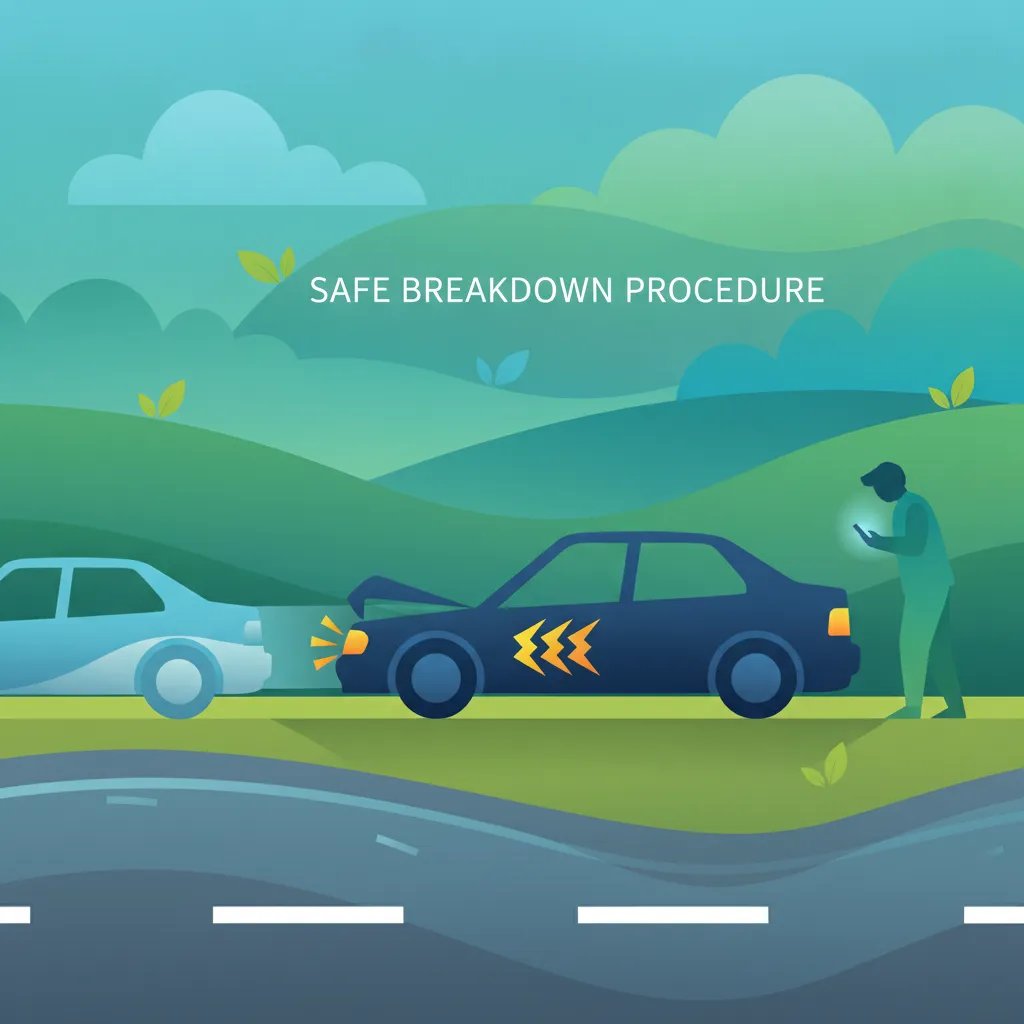
breakdownemergencymotorway
12 questionsView details
Handling Breakdowns and Motorway Emergencies in Great Britain

Breakdowns & Motorways

Master Critical Emergency Procedures and Avoid Test Traps on GB Roads.
breakdownsemergenciesmotorway rules
33 questionsView details
Level Crossings and Railway Safety Rules in Great Britain

Level Crossing Safety

Master critical level crossing rules to ensure safety and pass your DVSA theory test.

Level crossingsRailway safetyHazard perception
22 questionsView details

Questions in Collisions & First Aid

Exam focused questionss

0

Difficulty Level

How This Driving Theory Practice Helps You Pass Faster

Collisions & First Aid offers quick, focused exam style practice to boost your British knowledge for the driving theory exam in Great Britain.

Reduce the likelihood of making critical errors in collision and first aid questions on your DVSA theory test.
Gain confidence in knowing the correct, safe, and legal actions to take after an incident.
Improve your understanding of essential first aid principles relevant to road incidents in Great Britain.
Avoid common pitfalls and unsafe advice often encountered by new drivers.
Be better prepared for real-world emergencies on Great Britain roads.

Who Should Practise Collisions & First Aid?

Collisions & First Aid helps learners in Great Britain with clear explanations and targeted British practice to improve essential driving theory topics.

This set is designed for learner drivers across England, Scotland, and Wales who are preparing for the DVSA theory test. It's particularly useful for those who struggle with distinguishing between best practices and legal requirements in emergency situations, or who often misinterpret complex scenarios related to collisions and first aid.

Start Practice

Start Targeted Practice for Your Theory Test

Explore specific Great Britain driving theory practice categories to master key subjects. Identify your weak areas and focus your revision on road signs, hazard perception, or traffic laws. Begin your targeted preparation now and build confidence for your official DVSA exam.

Browse Practice Categories

CTA Decorative Squares

Practice British driving theory questions

British road signsBritish article topicsGB AM Moped Theory courseSearch British road signsMotorcycle Theory GB courseGB Category B Theory courseBritish driving theory homeBritish road sign categoriesBritish driving theory topicsGB Goods Vehicle Theory courseSearch British theory articlesBritish driving theory coursesBritish driving theory articlesBritish driving theory practiceBritish practice set categoriesGB Passenger Vehicle Theory courseBritish driving licence proceduresSearch British driving theory practiceBritish driving theory terminology A–ZBritish driving theory terms and glossaryGreat Britain Sign Symbols British road sign categoryGreat Britain Warning Signs British road sign categoryGreat Britain Hazard Plates British road sign categoryGreat Britain Tourist Signs British road sign categoryGreat Britain Motorway Signs British road sign categoryGreat Britain Direction Signs British road sign categoryGreat Britain Diversion Signs British road sign categoryGreat Britain Regulatory Signs British road sign categoryGreat Britain Low Bridge Signs British road sign categoryGreat Britain Motorway Signals British road sign categoryGreat Britain Speed Limit Signs British road sign categoryGreat Britain Information Signs British road sign categoryGreat Britain Bus and Cycle Signs British road sign categoryGreat Britain Level Crossing Signs British road sign categoryGreat Britain Pedestrian Zone Signs British road sign categoryGreat Britain Traffic Light Signals British road sign categoryGreat Britain Parking and Loading Signs British road sign categoryGreat Britain Roadworks and Temporary Signs British road sign category