Prepare for your DVSA theory test with 18 medium-level questions focusing on lorries, buses, and large goods vehicles. Learn to navigate yellow box junctions, narrow rural lanes, and motorways safely when sharing space with long vehicles, and master the exact Highway Code rules required to pass your Great Britain driving theory exam.

Strengthen your driving theory practice by mastering how to interact safely with large vehicles on British roads. This session helps you pass your theory test with confidence by focusing on the unique hazards of blind spots and wide turns, ensuring you are fully prepared for critical exam questions.
This practice set tests your understanding of large vehicles like lorries and buses on British roads. Learn to recognize safe stopping distances, anticipate tail swing, and avoid classic theory test traps when overtaking HGVs.
Preview sample questions from the Lorries & Wide Turns practice set to see how they help you prepare for the driving theory exam in Great Britain.
Learners choose Lorries & Wide Turns to improve accuracy and understanding of key exam themes in Great Britain. It offers realistic driving theory questions and targeted revision for effective preparation.
Find answers to the most common queries learners have when practising Lorries & Wide Turns, including how questions match the official theory exam in Great Britain, how scoring works, and how this practice improves exam readiness.
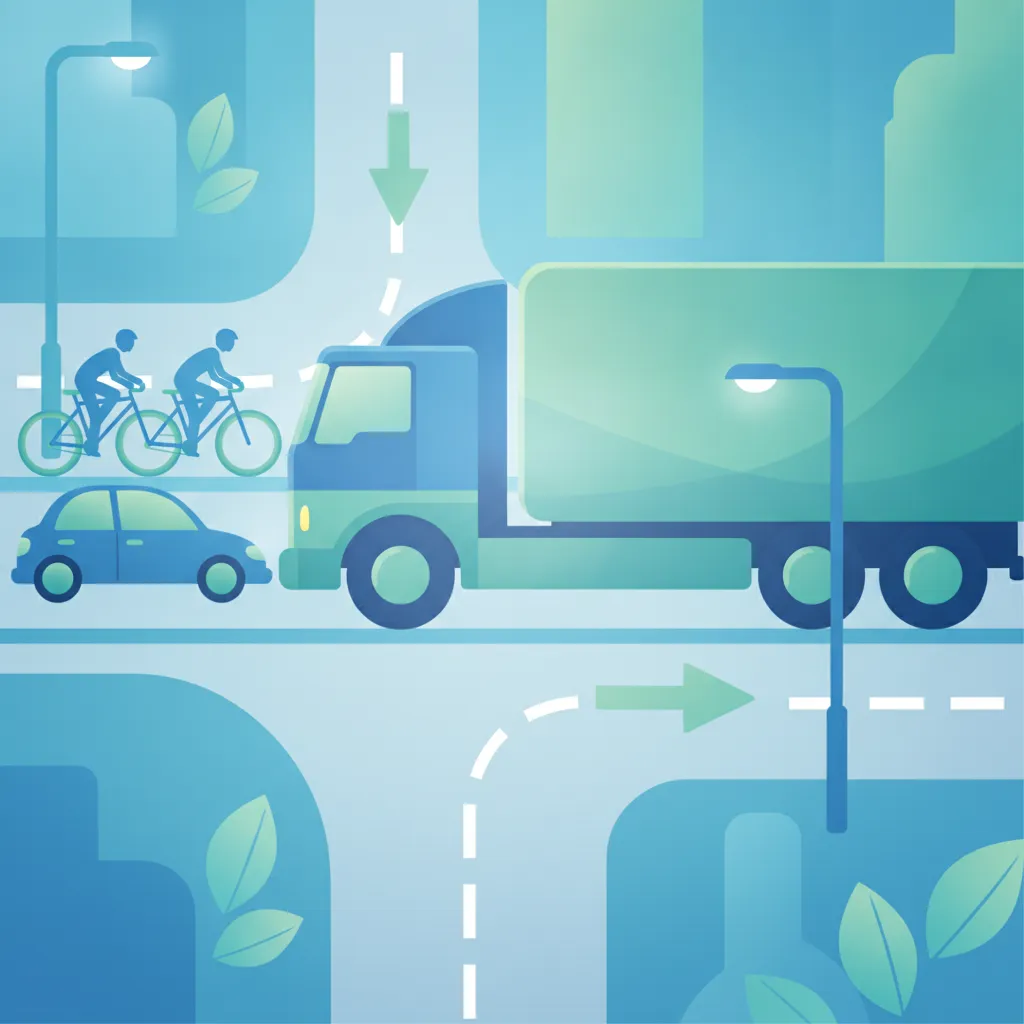
Large vehicles like lorries and buses need extra road space to navigate tight corners without mounting the kerb or hitting street furniture. They may swing left before turning right, or vice versa. Always stay back and do not try to squeeze past them.
Lorries have major blind spots directly behind them, directly in front of the cab, and down both sides—especially on the left (passenger) side. If you cannot see the driver's face in their mirrors, they cannot see you.
Tail swing is the extra space the rear overhang of a long vehicle takes up when it turns a corner. The rear of the lorry can swing out into adjacent lanes or onto the pavement, posing a hazard to nearby cars and pedestrians.
An HGV is significantly heavier than a passenger car and requires up to twice the stopping distance under normal dry conditions, and even longer in wet or icy weather. Always maintain a generous gap when driving in front of or behind a lorry.
By completing Lorries & Wide Turns, you will gain stronger rule knowledge, faster recognition of signs and situations, better decision making in traffic scenarios, and increased accuracy on exam style questions used in Great Britain. These outcomes directly support higher scoring exam performance.
Strengthening your understanding of HGV interactions through related practice questions ensures you are fully prepared for critical road safety scenarios. These additional sets help bridge gaps in your topic revision to ensure you are ready for your official DVSA exam preparation.
Master Safe Driving Around Large Vehicles for Your DVSA Theory Test

Master the Complexities of Driving Safely Around Large Vehicles

Master Tricky Junction Scenarios and Avoid Common DVSA Theory Test Traps
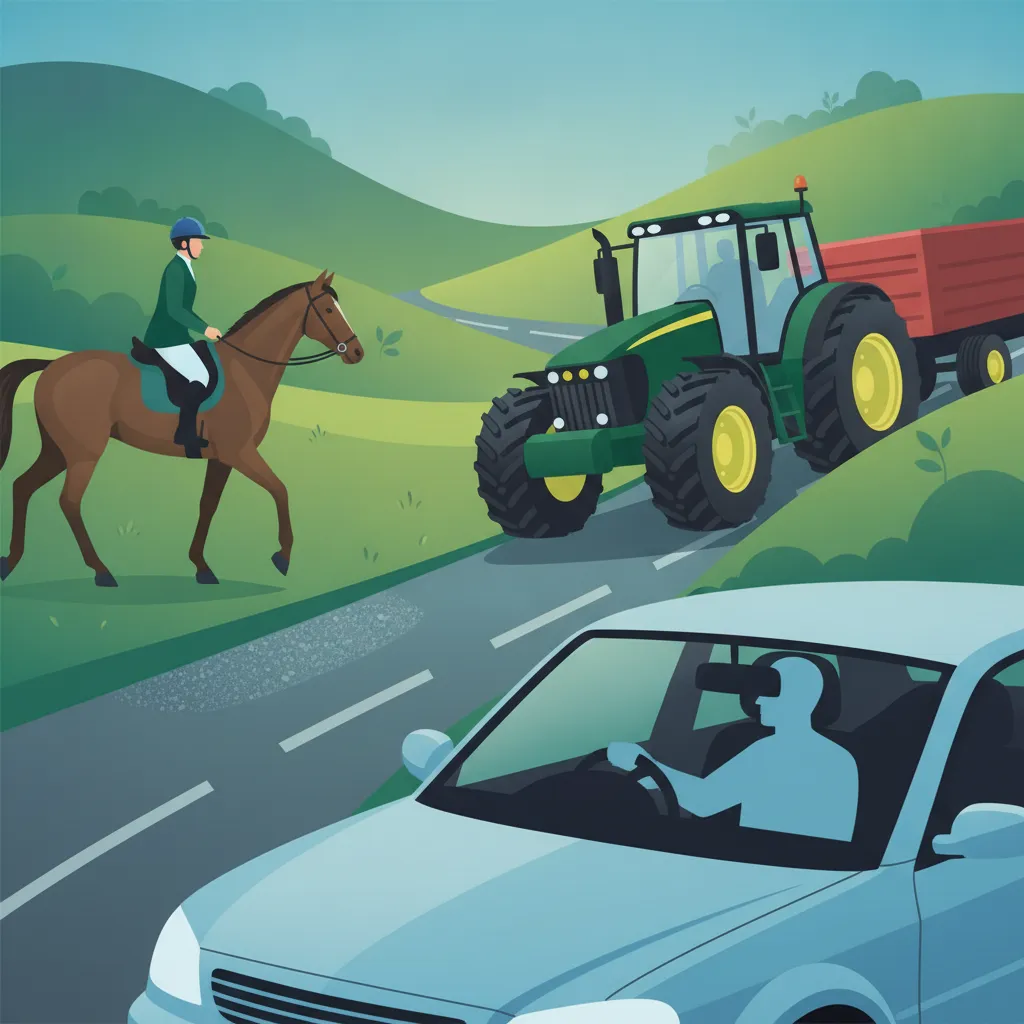
Navigate narrow lanes, pass horses safely, and conquer tricky country road exam questions.
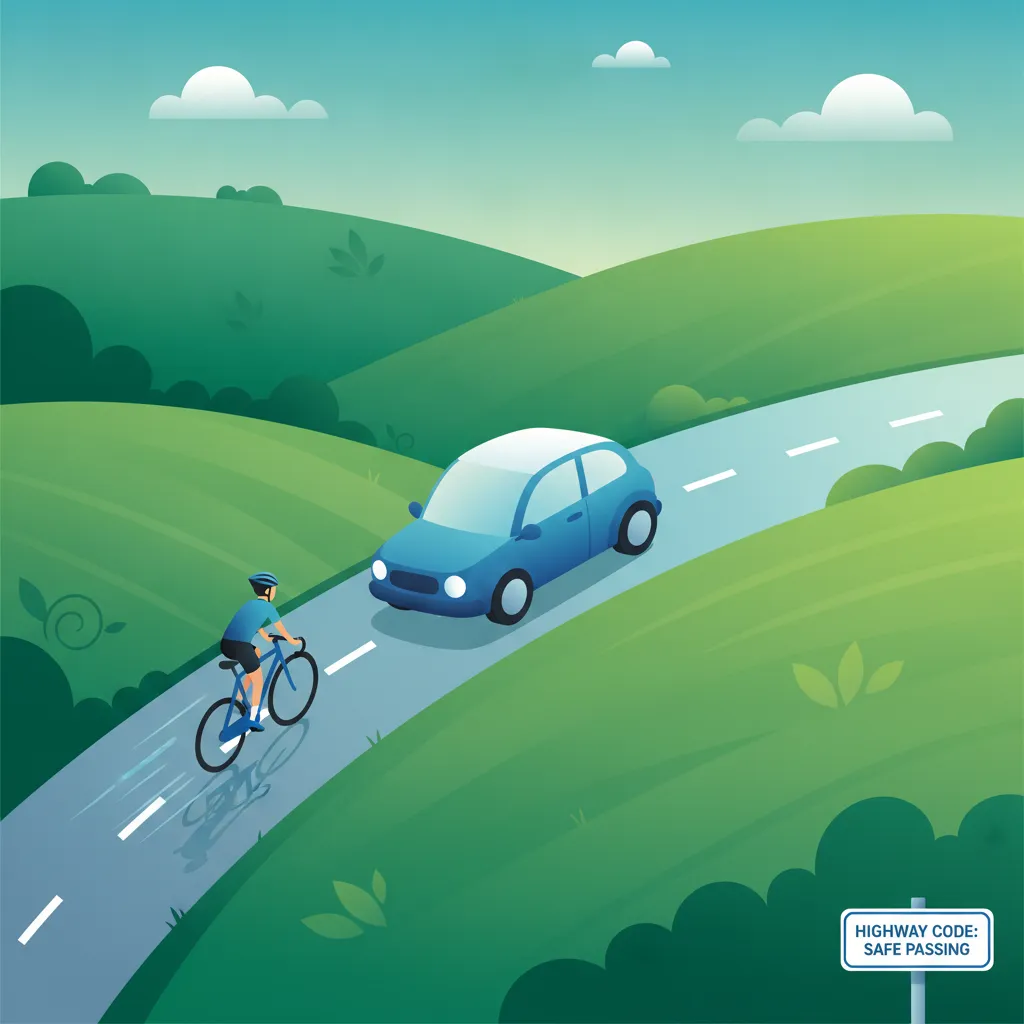
Master Complex Cyclist Interactions for the Great Britain Theory Test

Mastering GB Country Lanes: Navigate with Confidence and Skill.
Questions in Lorries & Wide Turns
Exam focused questionss
Lorries & Wide Turns offers quick, focused exam style practice to boost your British knowledge for the driving theory exam in Great Britain.
Lorries & Wide Turns helps learners in Great Britain with clear explanations and targeted British practice to improve essential driving theory topics.
Perfect for learner drivers in England, Scotland, and Wales preparing for their DVSA theory test. If you find it challenging to anticipate lorry movements, judge tail swing, or know where HGV blind spots are on motorways, this set will help you avoid costly mistakes on your exam.
Explore more topics for the British driving theory exam in Great Britain.
Explore specific Great Britain driving theory practice categories to master key subjects. Identify your weak areas and focus your revision on road signs, hazard perception, or traffic laws. Begin your targeted preparation now and build confidence for your official DVSA exam.
Browse Practice Categories