
Prepare for your DVSA theory test by practicing questions on collisions and first aid basics in Great Britain. This set covers crucial topics like legal requirements after an accident, warning other road users, protecting casualties, and fundamental first aid actions. Understand your responsibilities and test traps to ensure you respond correctly to incidents on British roads and pass your exam with confidence.
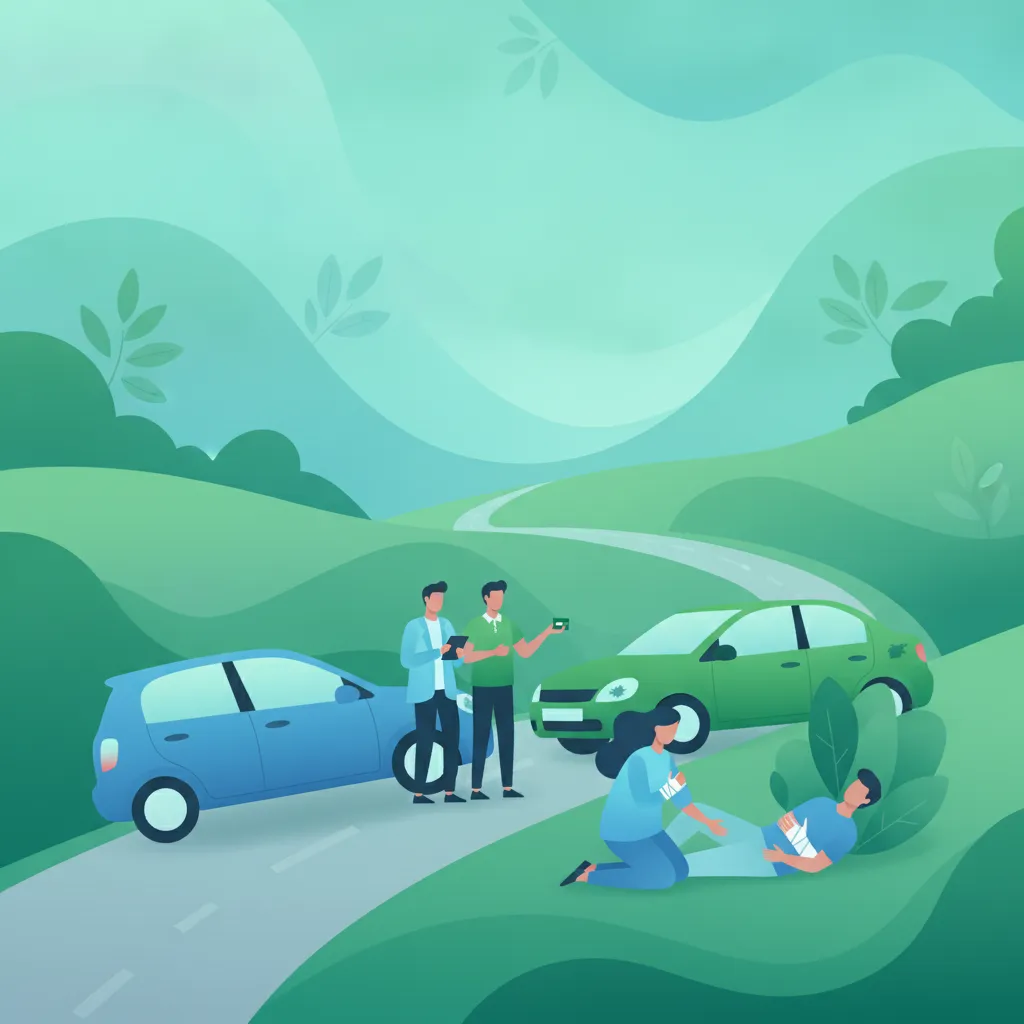
Strengthen your driving knowledge with this targeted practice set on collision procedures and essential first aid. Master immediate actions after an incident, learn how to warn other road users, and gain confidence in providing basic casualty care. Essential preparation for DVSA theory test questions on road safety and emergencies.
This practice set focuses on the immediate actions required after a road incident, including exchanging details and warning other traffic. You'll also learn vital first aid basics, such as protecting casualties and providing initial care, ensuring you're ready for relevant questions on your DVSA theory test.
Preview sample questions from the Collisions & First Aid practice set to see how they help you prepare for the driving theory exam in Great Britain.
Learners choose Collisions & First Aid to improve accuracy and understanding of key exam themes in Great Britain. It offers realistic driving theory questions and targeted revision for effective preparation.
Find answers to the most common queries learners have when practising Collisions & First Aid, including how questions match the official theory exam in Great Britain, how scoring works, and how this practice improves exam readiness.
After a collision, you must stop, provide your details to anyone with reasonable grounds to ask, and report it to the police within 24 hours if certain conditions are met, such as injury to a person or damage to property.
Your first priority is to prevent further danger by warning traffic. Then, keep injured people warm and comfortable, reassure them, and do not move them unless there is further immediate danger. Do not give them food or drink.
You should call 999 or 112 immediately if someone is injured, the road is blocked, or there is a risk of fire or other immediate danger. Provide clear details of the location and situation.
You must exchange your name, address, and vehicle registration number with anyone involved who has reasonable grounds to ask. If you don't own the vehicle, you must also provide the owner's name and address.
Generally, you should not move an injured person unless they are in immediate danger, such as from further traffic or fire. The primary action is to warn other traffic and call for professional help.
For severe burns, your priority is to cool the burn with clean, cool water for at least 20 minutes. Do not apply lotions, burst blisters, or attempt to remove anything sticking to the burn.
By completing Collisions & First Aid, you will gain stronger rule knowledge, faster recognition of signs and situations, better decision making in traffic scenarios, and increased accuracy on exam style questions used in Great Britain. These outcomes directly support higher scoring exam performance.
Explore similar practice sets to deepen your understanding of crucial collision and first aid procedures. This related practice offers further theory test preparation and topic revision, reinforcing key Highway Code elements for your Great Britain driving licence.
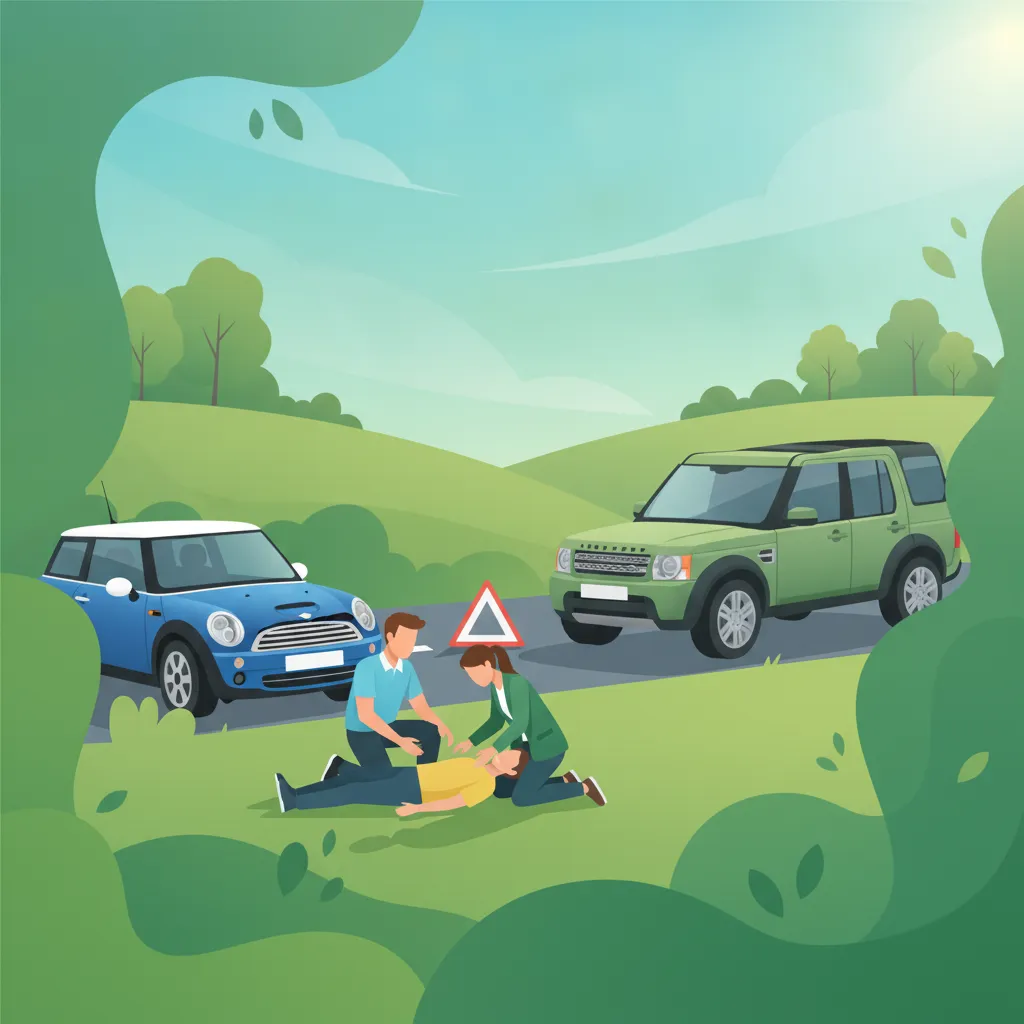
Master your responsibilities and reactions in unexpected road incidents.
Master Post-Collision Protocol and Essential First Aid for Your GB Theory Test
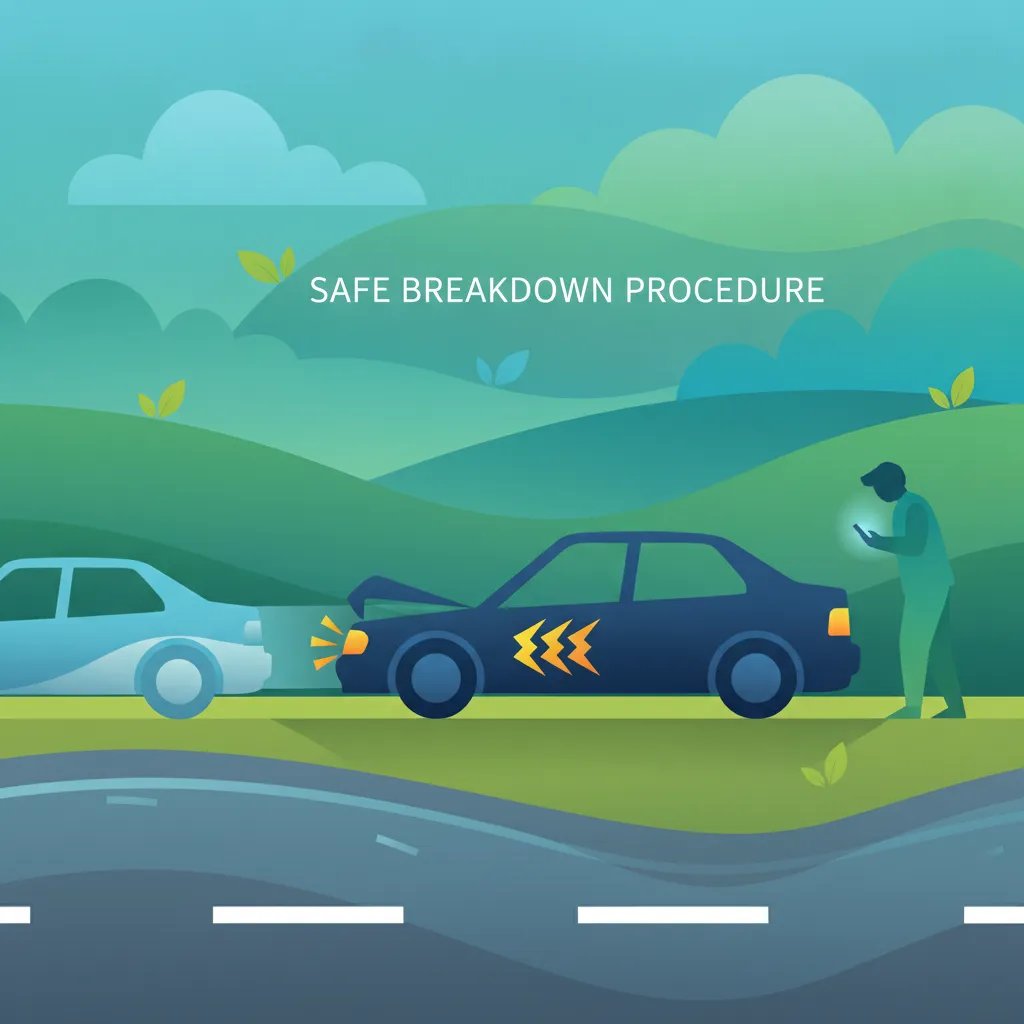
Master Critical Emergency Procedures and Avoid Test Traps on GB Roads.

Avoid Common Mistakes and Stay Safe at British Level Crossings
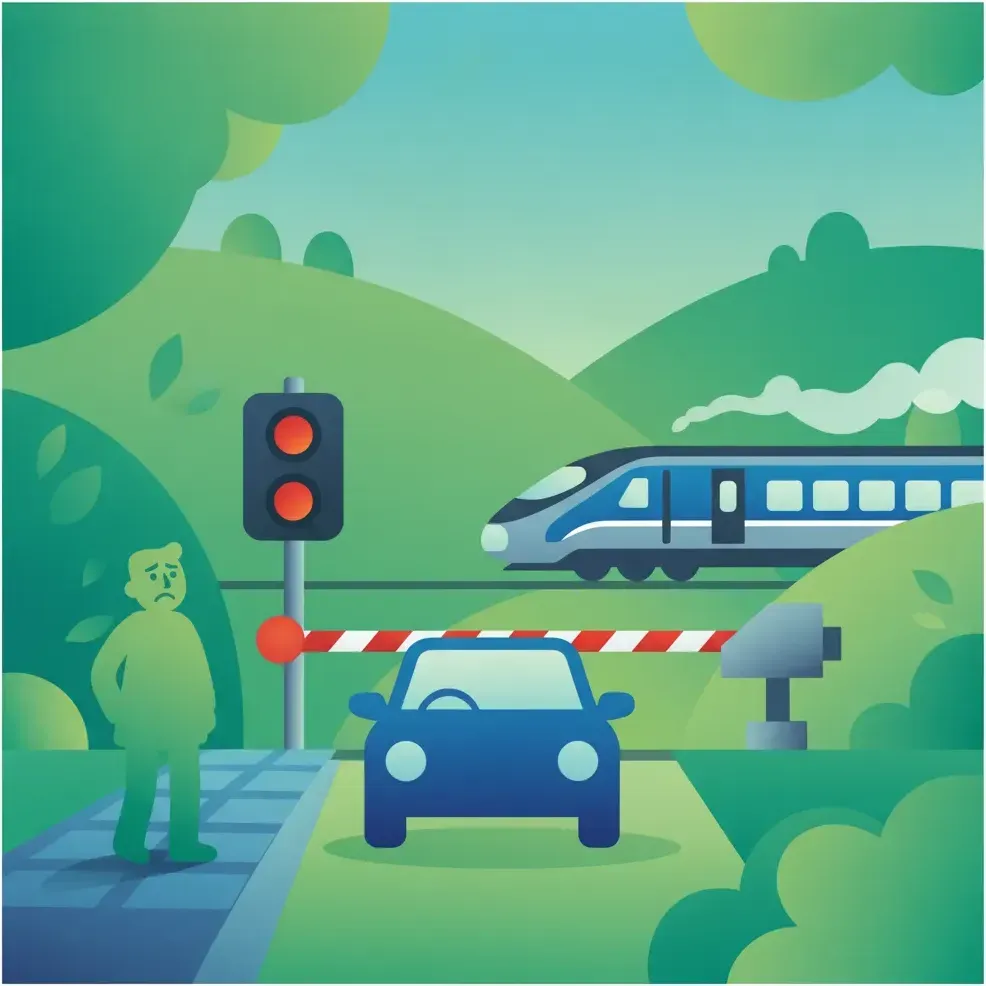
Master critical level crossing rules to ensure safety and pass your DVSA theory test.
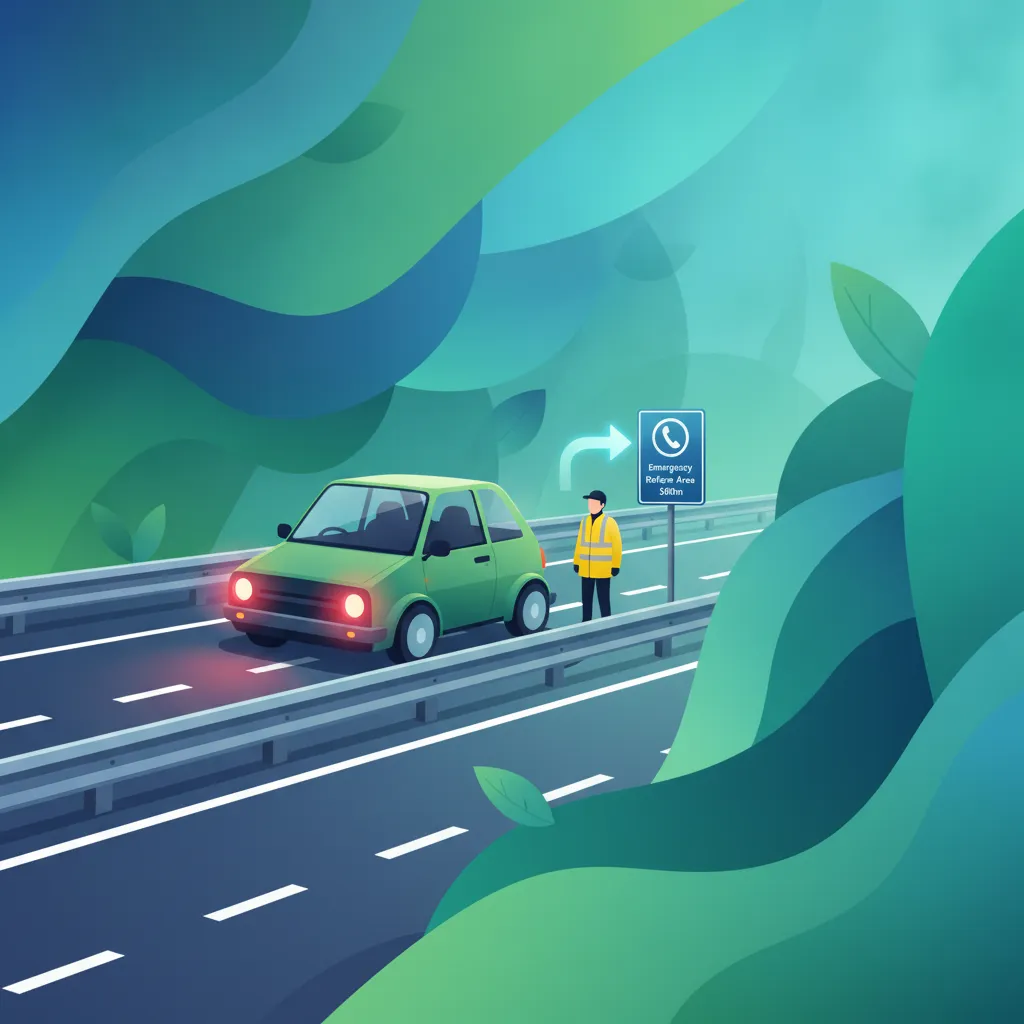
Navigate Unexpected Road Incidents and Motorway Breakdowns with Confidence.
Questions in Collisions & First Aid
Exam focused questionss
Collisions & First Aid offers quick, focused exam style practice to boost your British knowledge for the driving theory exam in Great Britain.
Collisions & First Aid helps learners in Great Britain with clear explanations and targeted British practice to improve essential driving theory topics.
This practice set is ideal for learner drivers in Great Britain preparing for their DVSA theory test. If you're unsure about the correct actions following a collision or basic first aid on the road, this set will clarify key Highway Code rules. It helps beginners avoid common mistakes and confidently tackle questions on incident management and emergency procedures.
Explore more topics for the British driving theory exam in Great Britain.
Explore specific Great Britain driving theory practice categories to master key subjects. Identify your weak areas and focus your revision on road signs, hazard perception, or traffic laws. Begin your targeted preparation now and build confidence for your official DVSA exam.
Browse Practice Categories