
Driving Theory
Stopping Distances

Stopping Distances & Wet Roads: Essential DVSA Theory Test Practice

Prepare for your Great Britain Driving License Theory test by mastering stopping distances and safe driving on wet roads. This set provides realistic scenarios, covering thinking distance, braking distance, and the critical adjustments needed for reduced grip. You'll learn to recognize common test traps and apply Highway Code rules for safer driving in Great Britain.
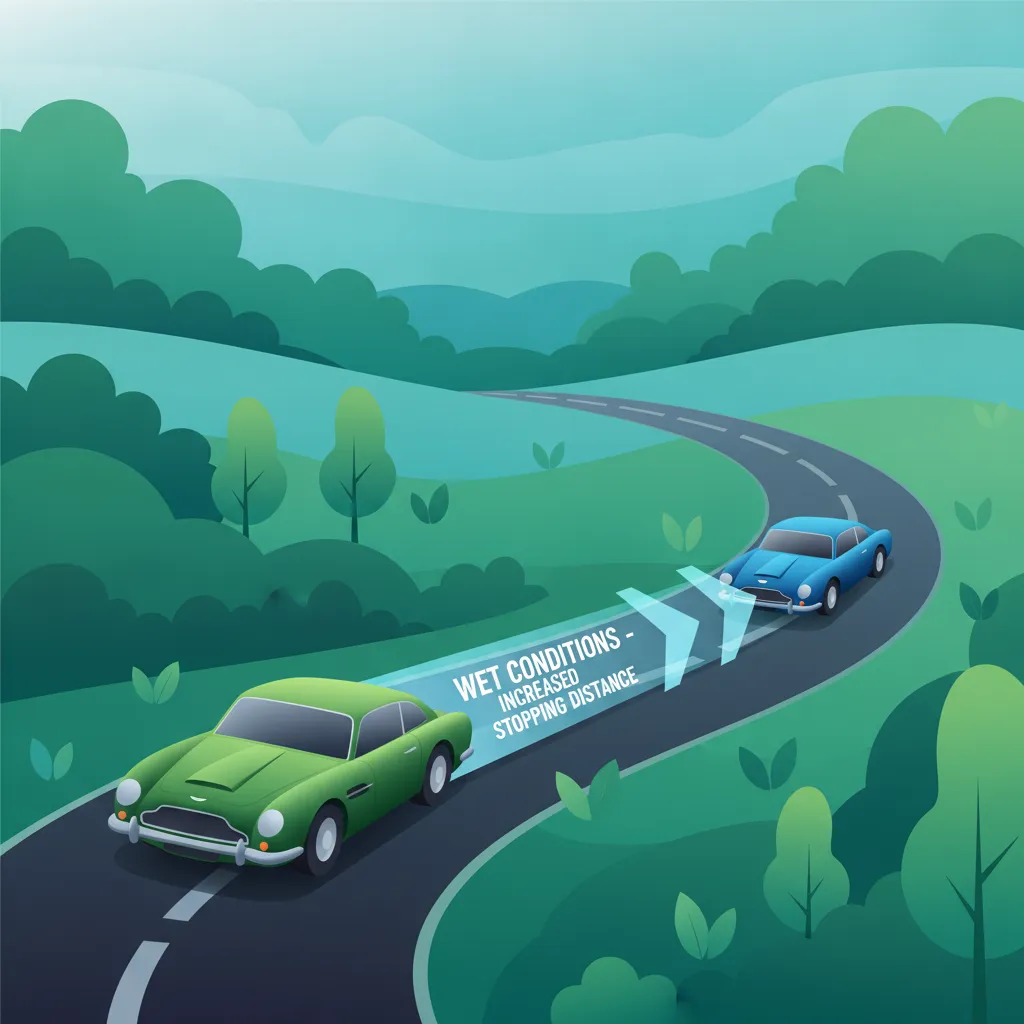
stopping distanceswet roadsbrakingtyre gripfollowing distancehazard perceptionHighway CodeDVSA theory testsafety marginsadverse weather
Stopping Distances & Wet Roads: Essential DVSA Theory Test Practice

Master Stopping Distances on Wet Roads

This set focuses on crucial stopping distance rules, detailing how wet roads and other conditions affect your reaction times and braking. Prepare effectively for your DVSA theory test by practicing scenarios specific to Great Britain's driving conditions and mastering safe following distances.

This set helps you grasp the essential rules for stopping distances, including how factors like road conditions, especially wet or icy surfaces, dramatically impact them. Practice identifying safe following distances and correct reactions in various everyday British road scenes to prepare for your DVSA theory test.

Example Questions in Stopping Distances & Wet Roads

Preview sample questions from the Stopping Distances & Wet Roads practice set to see how they help you prepare for the driving theory exam in Great Britain.

Tyre Grip and Stopping DistanceABS and Wet Road StoppingComponents of Stopping DistanceHandling AquaplaningBraking Downhill on Wet RoadsImpact of Light Rain on StoppingSlow Speed on Icy RoadsBraking for a Wet JunctionWhat is Thinking Distance?Following Distance Wet RoadsWet Weather Stopping DistancesMotorway Rain Following DistanceIcy Road Stopping DistancesFactors Affecting Braking DistanceDriving Through Deep Water

Why Learners Search for Stopping Distances & Wet Roads When Preparing for the Theory Exam

Learners choose Stopping Distances & Wet Roads to improve accuracy and understanding of key exam themes in Great Britain. It offers realistic driving theory questions and targeted revision for effective preparation.

stopping distance wet roads theory test questionsbraking distance UK driving test practicehow much longer is stopping distance in rain UKsafe following distance wet weather Great Britainaquaplaning driving theory questions DVSAthinking and braking distance explained for learners

Questions Learners Have About Stopping Distances & Wet Roads

Find answers to the most common queries learners have when practising Stopping Distances & Wet Roads, including how questions match the official theory exam in Great Britain, how scoring works, and how this practice improves exam readiness.

How much does wet weather increase my stopping distance in Great Britain?

In wet weather conditions, your overall stopping distance will be at least double what it would be on dry roads. This is due to reduced tyre grip, as stated in the Highway Code.

What is the difference between thinking distance and braking distance?

Thinking distance is the distance your vehicle travels from when you first spot a hazard until you start to apply the brakes. Braking distance is the distance your vehicle travels from when you start braking until it stops. The sum of these two is the overall stopping distance.

What should I do if my steering becomes unresponsive on a wet road?

If your steering feels unresponsive, it likely means water is preventing your tyres from gripping the road (aquaplaning). You should ease off the accelerator and slow down gradually, without harsh braking or sudden steering movements, until grip returns.

Why is understanding stopping distances important for the DVSA theory test?

Understanding stopping distances is crucial for the DVSA theory test because it assesses your knowledge of vehicle control, hazard perception, and safe driving principles. These questions often feature in the multiple-choice section and are vital for real-world road safety.

What factors influence overall stopping distance?

Overall stopping distance is influenced by your speed, reaction time (thinking distance), the condition of your brakes and tyres, the road surface (e.g., dry, wet, icy), and the gradient of the road.

Skills You Will Build for the Driving Theory Exam

By completing Stopping Distances & Wet Roads, you will gain stronger rule knowledge, faster recognition of signs and situations, better decision making in traffic scenarios, and increased accuracy on exam style questions used in Great Britain. These outcomes directly support higher scoring exam performance.

Understand how thinking distance and braking distance contribute to overall stopping distance.
Recognise how wet and icy road conditions significantly affect stopping distances.
Identify safe following distances required in various weather conditions in Great Britain.
Learn to react appropriately when steering becomes unresponsive due to water on the road (aquaplaning).
Avoid common misconceptions and 'test traps' related to stopping distances on your DVSA theory test.

Explore Related Revision Sets

Reinforce your understanding of crucial driving rules by exploring similar practice sets. Comparing different scenarios helps solidify your knowledge for comprehensive theory test preparation and exam success.
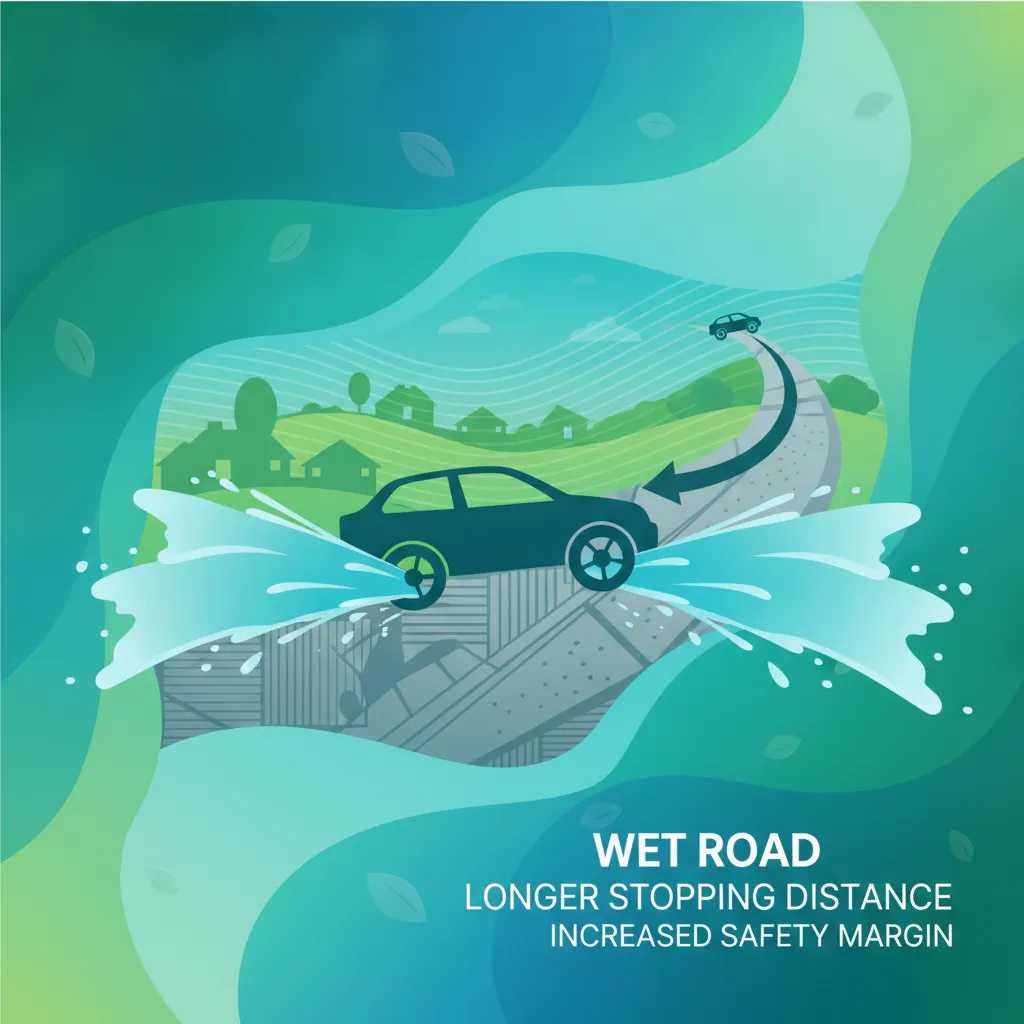
Stopping Distances and Wet Road Judgement for Great Britain Drivers

Stopping Distances & Wet Roads

Master Safe Stopping Distances and Tackle Tricky Wet Weather Conditions.
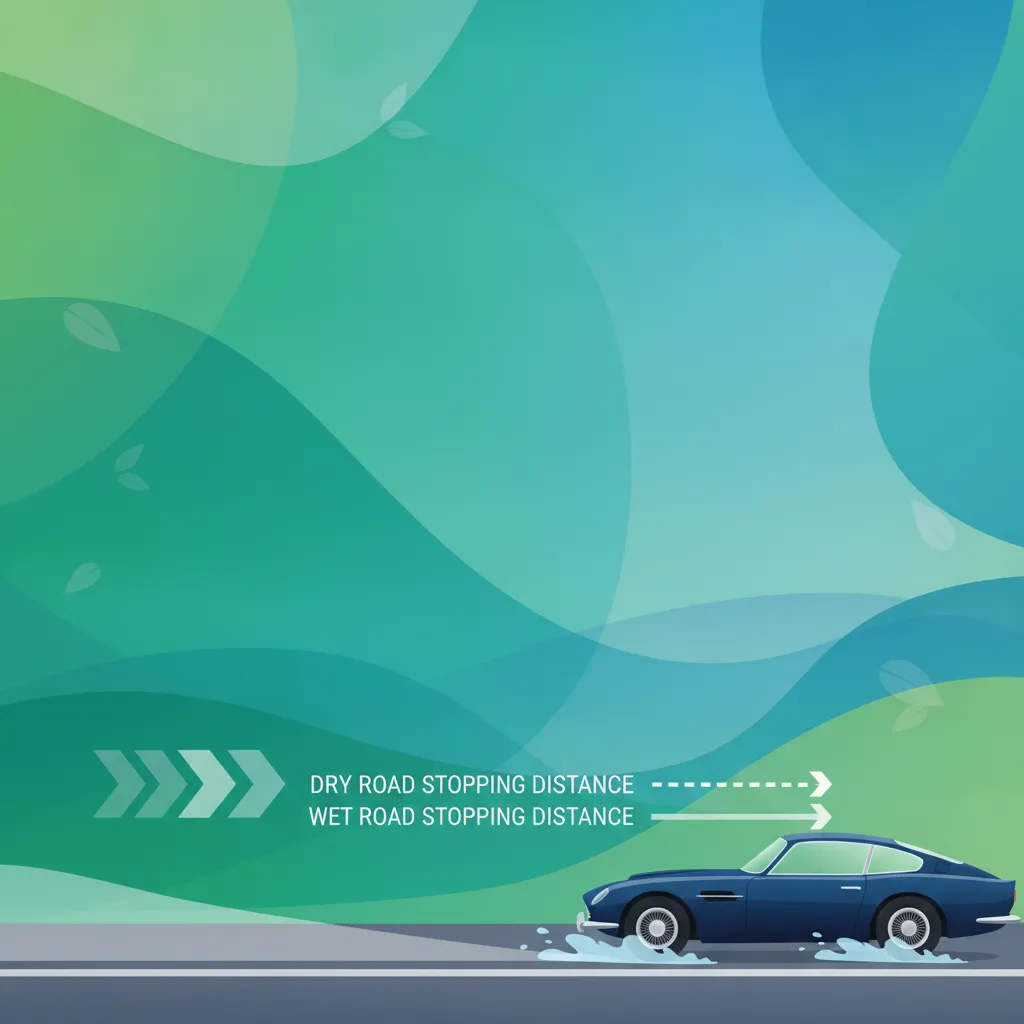
stopping distancewet roadsbraking
20 questionsView details
Stopping Distances and Wet Roads for Great Britain Drivers

Stopping Distances & Wet Roads

Master the Complexities of Stopping Distances and Adverse Weather Conditions.

stopping distancebrakingwet roads
28 questionsView details
Weather, Fog, Ice, and Night Driving Rules for Great Britain

Weather & Night Driving

Navigate Britain's Toughest Driving Conditions and Highway Code Traps.

weatherfogice
38 questionsView details
Driving Safely in Adverse Weather and at Night in Great Britain

Weather & Night Driving GB

Navigate Tricky British Weather and Night Driving Scenarios with Confidence.

weatherfogice
12 questionsView details
Adverse Weather and Night Driving Judgement for Great Britain

Weather & Night Driving GB

Drive Safely in All Conditions: Prepare for the Unexpected on UK Roads.
weather drivingfogice
34 questionsView details
Common Mistakes in Great Britain Theory and Hazard Perception Test

Theory & Hazard Mistakes

Master the UK Theory Test's Tricky Questions and Avoid Common Pitfalls.

DVSA Theory TestHazard PerceptionCommon Mistakes
22 questionsView details

Questions in Stopping Distances & Wet Roads

Exam focused questionss

0

Difficulty Level

How This Driving Theory Practice Helps You Pass Faster

Stopping Distances & Wet Roads offers quick, focused exam style practice to boost your British knowledge for the driving theory exam in Great Britain.

Improve your understanding of crucial stopping distance calculations for the DVSA theory test.
Gain confidence in identifying appropriate following distances in different road and weather conditions.
Reduce mistakes related to wet and icy road hazards in your driving theory exam.
Develop a stronger grasp of Highway Code rules concerning vehicle control and safety margins.

Who Should Practise Stopping Distances & Wet Roads?

Stopping Distances & Wet Roads helps learners in Great Britain with clear explanations and targeted British practice to improve essential driving theory topics.

This practice set is ideal for learner drivers in England, Scotland, and Wales who are preparing for their DVSA theory test. If you struggle with calculating or estimating stopping distances, or often confuse rules for adverse weather conditions, this set will clarify key concepts and help you confidently tackle relevant exam questions.

Start Practice

Start Targeted Practice for Your Theory Test

Explore specific Great Britain driving theory practice categories to master key subjects. Identify your weak areas and focus your revision on road signs, hazard perception, or traffic laws. Begin your targeted preparation now and build confidence for your official DVSA exam.

Browse Practice Categories

CTA Decorative Squares

Practice British driving theory questions

British road signsBritish article topicsGB AM Moped Theory courseSearch British road signsMotorcycle Theory GB courseGB Category B Theory courseBritish driving theory homeBritish road sign categoriesBritish driving theory topicsGB Goods Vehicle Theory courseSearch British theory articlesBritish driving theory coursesBritish driving theory articlesBritish driving theory practiceBritish practice set categoriesGB Passenger Vehicle Theory courseBritish driving licence proceduresSearch British driving theory practiceBritish driving theory terminology A–ZBritish driving theory terms and glossaryGreat Britain Sign Symbols British road sign categoryGreat Britain Warning Signs British road sign categoryGreat Britain Hazard Plates British road sign categoryGreat Britain Tourist Signs British road sign categoryGreat Britain Motorway Signs British road sign categoryGreat Britain Direction Signs British road sign categoryGreat Britain Diversion Signs British road sign categoryGreat Britain Regulatory Signs British road sign categoryGreat Britain Low Bridge Signs British road sign categoryGreat Britain Motorway Signals British road sign categoryGreat Britain Speed Limit Signs British road sign categoryGreat Britain Information Signs British road sign categoryGreat Britain Bus and Cycle Signs British road sign categoryGreat Britain Level Crossing Signs British road sign categoryGreat Britain Pedestrian Zone Signs British road sign categoryGreat Britain Traffic Light Signals British road sign categoryGreat Britain Parking and Loading Signs British road sign categoryGreat Britain Roadworks and Temporary Signs British road sign category