
This comprehensive practice set targets advanced learners preparing for the Great Britain driving licence theory test. It delves into the precise Highway Code rules for driving in rain, fog, ice, high winds, and at night, including how to use lights correctly and adjust to reduced visibility. Master the complexities to confidently pass your DVSA theory test.

This practice set helps you revise crucial driving theory for challenging Great Britain conditions. Master rules for fog, ice, and night driving to identify hazards and safe responses, boosting your exam preparation for England, Scotland, and Wales. Build confidence for your theory test with focused driving theory practice.
Prepare for the DVSA theory test by mastering complex scenarios involving reduced visibility and challenging road surfaces. This set focuses on identifying governing rules, spotting misleading clues, and choosing the safest legal responses in situations like heavy rain, thick fog, black ice, and night driving, relevant to roads across England, Scotland, and Wales.
Preview sample questions from the Weather & Night Driving practice set to see how they help you prepare for the driving theory exam in Great Britain.
Learners choose Weather & Night Driving to improve accuracy and understanding of key exam themes in Great Britain. It offers realistic driving theory questions and targeted revision for effective preparation.
Find answers to the most common queries learners have when practising Weather & Night Driving, including how questions match the official theory exam in Great Britain, how scoring works, and how this practice improves exam readiness.
According to the Highway Code (Rule 226), you MUST use headlights when visibility is seriously reduced, generally when you cannot see for more than 100 metres. You MAY also use front or rear fog lights in these conditions, but you MUST switch them off when visibility improves.
In wet weather, your overall stopping distance could be double that in dry conditions, as stated in the Highway Code (Rule 227). It is crucial to allow significantly more space between your vehicle and the one in front.
Black ice is a thin, transparent layer of ice that forms on roads, often making the surface appear wet rather than frozen. If you encounter it, avoid sudden steering, braking, or acceleration. Ease off the accelerator gently and maintain control of your steering to let your vehicle slow down naturally.
No, the Highway Code (Rule 235) advises against accelerating to get away from a vehicle that is too close behind you in fog. Instead, maintain a safe speed that allows you to stop within the distance you can see clearly and use your brake lights to warn drivers behind you as you slow down.
Driving at night on unlit roads presents several dangers, including reduced visibility of hazards, pedestrians, and cyclists, the risk of dazzling oncoming drivers with full-beam headlights, and increased fatigue. Always adjust your speed, use appropriate lighting (dipped headlights when meeting or following other vehicles), and be extra vigilant for unseen hazards.
By completing Weather & Night Driving, you will gain stronger rule knowledge, faster recognition of signs and situations, better decision making in traffic scenarios, and increased accuracy on exam style questions used in Great Britain. These outcomes directly support higher scoring exam performance.
Explore similar practice sets to solidify your understanding of weather-related driving rules and night conditions. Consistent theory test practice across related topics helps you prepare effectively for potential exam traps and real-world driving challenges.

Navigate Tricky British Weather and Night Driving Scenarios with Confidence.
Drive Safely in All Conditions: Prepare for the Unexpected on UK Roads.
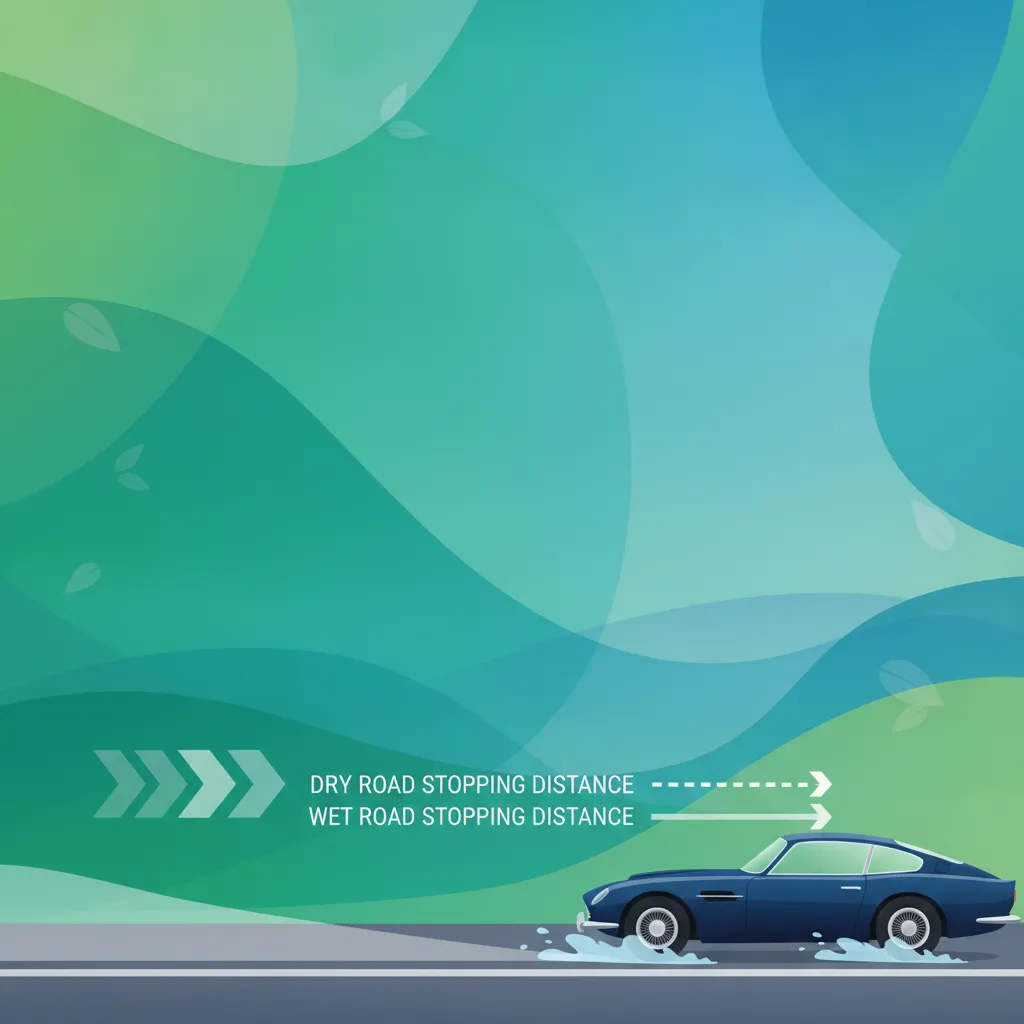
Master the Complexities of Stopping Distances and Adverse Weather Conditions.

Master the DVSA Theory Test: Spot Traps and Sharpen Your Hazard Perception.
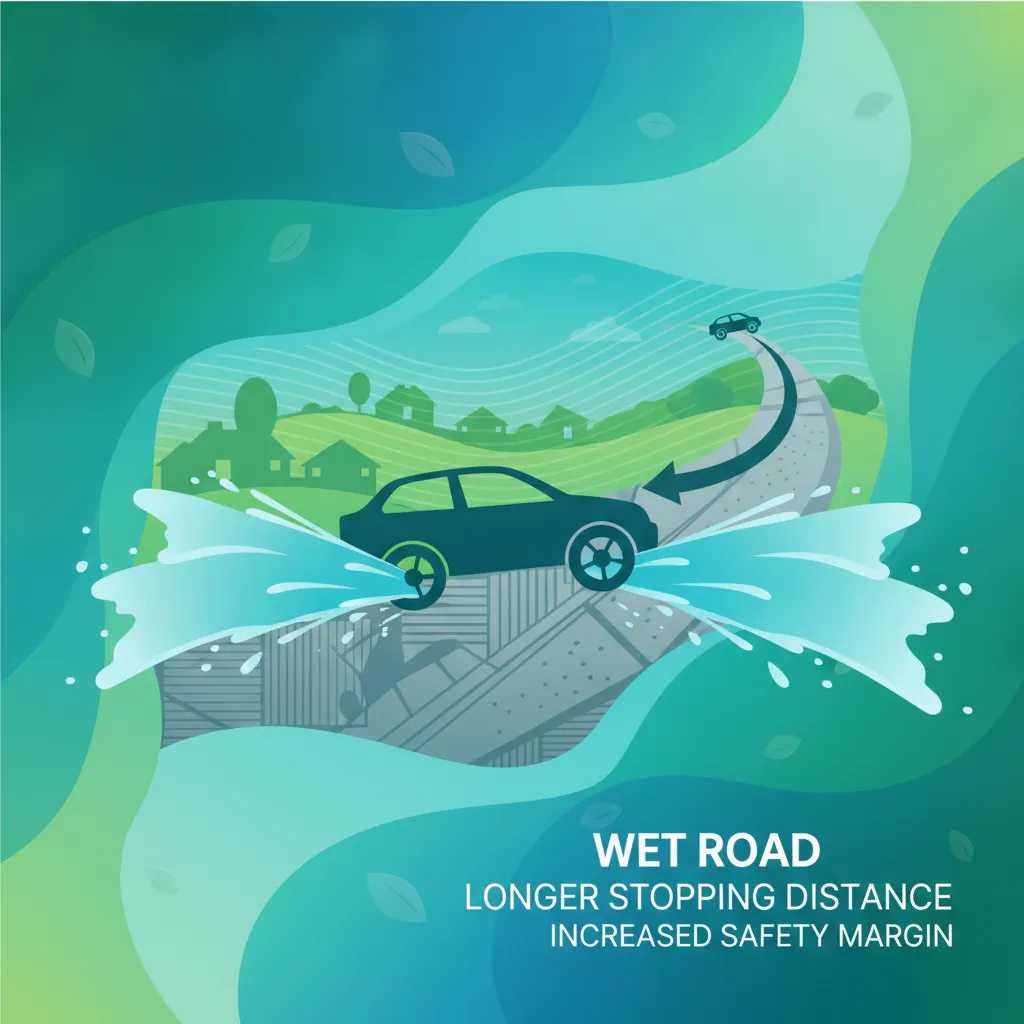
Master Safe Stopping Distances and Tackle Tricky Wet Weather Conditions.
Sharpen Your Instincts: Navigate Everyday British Road Hazards with Confidence
Questions in Weather & Night Driving
Exam focused questionss
Weather & Night Driving offers quick, focused exam style practice to boost your British knowledge for the driving theory exam in Great Britain.
Weather & Night Driving helps learners in Great Britain with clear explanations and targeted British practice to improve essential driving theory topics.
This set is designed for learner drivers in Great Britain who are seeking to master advanced topics and tricky edge cases for the DVSA theory test. It's ideal for those who understand basic rules but struggle with applying them correctly in complex or adverse weather and night driving scenarios, helping to prevent common exam mistakes.
Explore more topics for the British driving theory exam in Great Britain.
Explore specific Great Britain driving theory practice categories to master key subjects. Identify your weak areas and focus your revision on road signs, hazard perception, or traffic laws. Begin your targeted preparation now and build confidence for your official DVSA exam.
Browse Practice Categories