
Navigating the Austrian driving licence system for two-wheelers can be confusing. This guide breaks down the specific rules for the AM licence (for mopeds up to 45 km/h) and the A1 licence (for light motorcycles up to 125cc). Learn about minimum ages, required training, and vehicle restrictions to prepare effectively for your theory and practical tests, and for safe riding on Austrian roads.
Article content overview
Navigating the Austrian driving licence system for two-wheelers can be confusing, particularly distinguishing between the licences for mopeds and light motorcycles. The Austrian driving theory test places significant emphasis on understanding these distinctions, as incorrect assumptions can lead to infringements and exam failures. This article will clarify the specific requirements, vehicle classifications, and age limits associated with the AM and A1 licence categories in Austria, ensuring you are well-prepared for both your theory exams and for safe riding on Austrian roads. Understanding these rules is not just about passing a test; it's about ensuring you operate the correct vehicle with the appropriate authorisation, adhering strictly to Austrian traffic legislation.
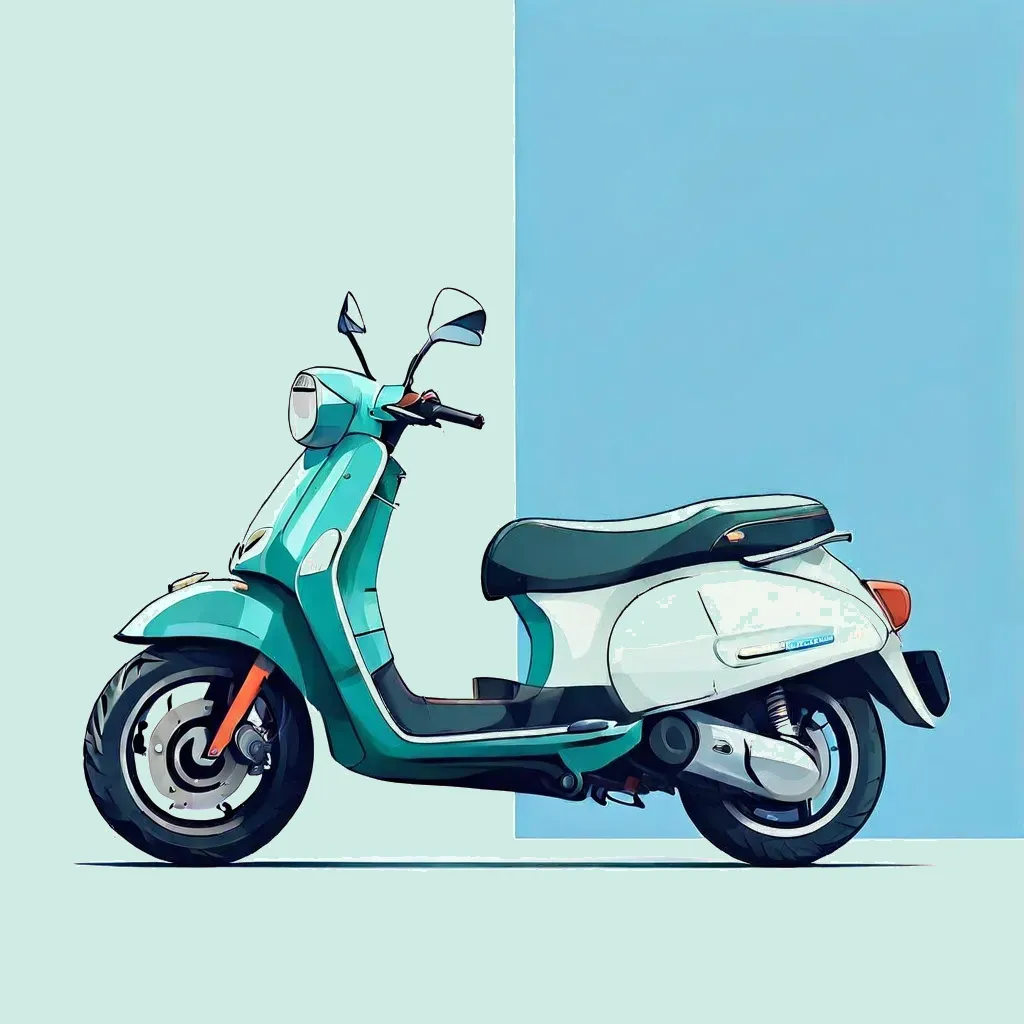
The Category AM licence, often colloquially referred to as the "Mopedführerschein," is your gateway to operating specific types of two-wheeled and four-wheeled light vehicles in Austria. Legally, a moped is defined as a motor-driven bicycle with an engine capacity of up to 50 cubic centimetres (cc) and a maximum design speed of 45 km/h. This licence category encompasses not only traditional mopeds but also certain light quadricycles, often referred to as "Mopedautos," and invalid vehicles, provided they meet the specific technical criteria. It's crucial to understand that the AM licence is the minimum requirement for operating these vehicles, and possessing higher-category licences like A1, A2, A, B, or any of the C or D categories will automatically grant you the rights of the AM category.
The path to obtaining an AM licence begins with meeting the minimum age requirement, which is 15 years old. However, the training for this licence can commence as early as two months before your 15th birthday. The formal training consists of a theory course comprising six 50-minute lessons, followed by a theory examination, commonly known as the "Mopedprüfung." Alongside the theoretical component, a practical training course, also lasting six 50-minute lessons and conducted on a designated practice ground, is mandatory. Upon successful completion of both the theory and practical training and examinations, you will be issued a credit card-style driver's licence (Scheckkartenführerschein) indicating your AM entitlement. It is important to note that older "Mopedausweise" remain valid but must be exchanged for the new credit card format by January 19, 2033.
The scope of what you can legally drive with an AM licence can be further specified by additional codes on your driver's licence. A standard AM licence without any specific codes permits the operation of mopeds and "Mopedautos." However, additional codes are used to delineate specific vehicle types: Code 79.01 is associated with mopeds, while Code 79.02 covers four-wheeled light vehicles ("Mopedautos"), quads with a design speed of 45 km/h and up to 50 cc, and invalid vehicles. It is important to recognise that an "old" moped permit without restrictions might only cover traditional mopeds. For instance, to operate a "Mopedauto," a specific six-hour practical training session on a practice ground is a prerequisite, after which a credit card-style AM licence without a code, valid for both vehicle types, is issued by the authorities.
The Category A1 licence is specifically for riding light motorcycles, often referred to as "Leichtkrafträder" in Austrian German. Unlike the AM licence which is limited to 45 km/h, the A1 category allows for more capable two-wheeled vehicles. This licence permits the operation of motorcycles with or without a sidecar, featuring an engine capacity of up to 125 cubic centimetres (cc) and a maximum engine output of 11 kilowatts (kW), which equates to approximately 15 horsepower (PS). Furthermore, there is a power-to-weight ratio restriction, meaning the vehicle’s power output relative to its weight should not exceed 0.1 kW/kg. This category also includes three-wheeled motor vehicles with a motor output of no more than 15 kW (20 PS).
The minimum age to commence training for the A1 licence is 16 years, with training eligibility beginning six months prior to your 16th birthday. The acquisition of an A1 licence involves a more rigorous training and examination process compared to the AM licence. This typically includes a mandatory theory course and a theory examination, followed by practical driving lessons and a practical test. It is crucial to understand that holding a Category B licence (for cars) for at least five years in Austria does not automatically grant you the right to ride a 125cc motorcycle. Unlike some other European countries, Austria does not have a direct equivalent to the "B196" provision allowing experienced car drivers to ride 125cc motorcycles without a specific motorcycle licence. Therefore, if you wish to ride a vehicle falling under the A1 category, you must obtain the specific A1 licence.
The distinction between the AM and A1 licences is fundamental and hinges on the type of vehicle permitted and the associated age and training requirements. The AM licence is designed for younger riders and lower-powered vehicles, with a strict speed limit of 45 km/h for mopeds and "Mopedautos." The A1 licence, on the other hand, opens the door to more powerful light motorcycles, allowing speeds significantly beyond the 45 km/h limit, up to the vehicle's maximum capabilities and applicable speed limits on different road types.
Crucially, while a Category B car licence includes the entitlements of an AM licence, it does not automatically include the entitlements of an A1 licence. This is a common point of confusion for learners. Therefore, if your ambition is to ride a 125cc motorcycle, you must pursue the A1 licence specifically. Furthermore, it is essential to remember that mopeds (Category AM) are prohibited from using Austrian motorways (Autobahnen) and expressways (Schnellstraßen), whereas vehicles ridden with an A1 licence can use these roads, provided they meet the minimum speed requirements and other general traffic regulations.
Here is a summary of the key differences:
| Feature | Category AM Licence | Category A1 Licence |
|---|---|---|
| Minimum Age | 15 years (training can start 2 months prior) | 16 years (training can start 6 months prior) |
| Vehicle Type | Mopeds, Mopedautos, Light Quads (max 45 km/h, 50 cc) | Light Motorcycles (up to 125 cc, 11 kW / 15 PS), Trikes (up to 15 kW) |
| Max Speed | 45 km/h | Vehicle's capability, subject to road speed limits |
| Training Focus | Theory course (6 lessons), Theory test, Practice (6 lessons) | Theory course, Theory test, Practical driving lessons, Practical test |
| Category B Link | Included automatically with Category B | Not included; requires separate A1 licence acquisition |
| Motorway Use | Prohibited | Permitted (subject to general rules) |
Regardless of whether you hold an AM or A1 licence, adherence to Austrian traffic regulations is paramount for safety and legal compliance. For both categories, a valid driver's licence must be carried at all times while riding, along with the vehicle's registration documents. The law mandates a helmet for all riders and passengers. In Austria, courts have consistently ruled that even wearing a helmet but not fastening the chin strap properly constitutes a violation, equivalent to not wearing a helmet at all, underscoring the importance of correct helmet usage.
For Category AM licence holders, there's a strict zero-tolerance alcohol policy for those under 20 years old, with a permissible limit of 0.1 permille. Beyond 20, the general alcohol limit of 0.5 permille applies, but riders are strongly advised to always ride sober. Mopeds have a passenger limit of one additional person, and if this passenger is under 8 years old, a suitable child seat is legally required. Additionally, AM vehicle operators must always ride with dipped headlights (Abblendlicht) and carry a first-aid kit (Verbandszeug).
Riders in the A1 category, while benefiting from higher speeds and more powerful vehicles, must still observe all traffic laws, including speed limits specific to road types like rural roads (Landstraßen) or urban areas. They are also subject to the general alcohol limit of 0.5 permille. The difference in permitted speeds and vehicle capabilities means that A1 riders must be particularly mindful of their environment, anticipating potential hazards and adjusting their speed accordingly.
The Austrian driving theory test often probes the nuances between different licence categories. Learners frequently make mistakes concerning the speed limits and vehicle types permitted under AM and A1. For instance, a question might present a scenario with a vehicle capable of exceeding 45 km/h and ask which licence is required. The correct answer will always point to the A1 licence, not AM, even if the engine capacity is within the AM limits, due to the speed difference.
Another common trap involves the implications of holding a Category B licence. Learners may incorrectly assume that their car licence allows them to ride a 125cc motorcycle without a separate A1 licence. The theory exam will test this knowledge by posing questions about riding motorcycles with a car licence, where the correct answer will indicate the need for a specific motorcycle licence (A1, A2, or A). Remember, the Category B licence only grants AM entitlements, not A1.
Pay close attention to questions that specify road types. Mopeds are explicitly banned from Autobahnen and Schnellstraßen. If a question describes a scenario on such a road, and the vehicle is a moped, the correct response will involve a prohibition, not a permitted action. Understanding the precise definitions and legal boundaries of each licence category is key to successfully navigating the theory exam and becoming a responsible rider.
This article distinguishes between Austria's AM licence for mopeds (max 45 km/h, 50cc) and A1 licence for light motorcycles (up to 125cc, 11kW), with different minimum ages and training requirements. Key distinctions include that a car licence includes AM but not A1 entitlements, mopeds cannot use motorways, and both categories require proper helmet use with fastened chin straps. The most common exam traps involve confusing speed-based licence requirements and incorrectly assuming car licence holders can automatically ride 125cc motorcycles.
A short set of high-value points that capture the most important ideas from this article.
The AM licence covers mopeds up to 45 km/h and 50cc engine capacity, while the A1 licence covers light motorcycles up to 125cc and 11 kW (15 PS)
Minimum age for AM is 15 years (training 2 months prior), and for A1 is 16 years (training 6 months prior)
A Category B car licence automatically includes AM entitlements but NOT A1 entitlements - a separate A1 licence is required for 125cc motorcycles
Mopeds (AM) are prohibited from Austrian motorways (Autobahnen) and expressways (Schnellstraßen), while A1 vehicles may use them subject to general rules
Both licence categories require mandatory helmet use, but the helmet must be properly fastened - not just worn
Moped definition: engine up to 50cc, maximum design speed 45 km/h
A1 motorcycle limits: up to 125cc, maximum 11 kW, power-to-weight ratio not exceeding 0.1 kW/kg
AM training: 6 theory lessons + 6 practical lessons; A1 requires theory plus practical driving lessons and test
Alcohol limits for AM riders under 20: zero tolerance (0.0 permille); 0.5 permille applies at 20 and older
Mopeds must ride with dipped headlights (Abblendlicht) and carry a first-aid kit (Verbandszeug)
Assuming a Category B car licence allows riding a 125cc motorcycle - Austria does not have a B196 equivalent for A1 vehicles
Confusing speed limits: a vehicle capable of exceeding 45 km/h requires A1, not AM, regardless of engine capacity being within limits
Incorrectly believing mopeds can use motorways - AM vehicles are explicitly banned from Autobahnen and Schnellstraßen
Thinking helmet wearing alone is sufficient - courts have ruled that an unfastened chin strap constitutes a violation equivalent to not wearing a helmet
Assuming older 'Mopedausweise' permits automatically cover all AM vehicles including 'Mopedautos' - exchange by January 19, 2033 is required
Article content overview
A short set of high-value points that capture the most important ideas from this article.
The AM licence covers mopeds up to 45 km/h and 50cc engine capacity, while the A1 licence covers light motorcycles up to 125cc and 11 kW (15 PS)
Minimum age for AM is 15 years (training 2 months prior), and for A1 is 16 years (training 6 months prior)
A Category B car licence automatically includes AM entitlements but NOT A1 entitlements - a separate A1 licence is required for 125cc motorcycles
Mopeds (AM) are prohibited from Austrian motorways (Autobahnen) and expressways (Schnellstraßen), while A1 vehicles may use them subject to general rules
Both licence categories require mandatory helmet use, but the helmet must be properly fastened - not just worn
Moped definition: engine up to 50cc, maximum design speed 45 km/h
A1 motorcycle limits: up to 125cc, maximum 11 kW, power-to-weight ratio not exceeding 0.1 kW/kg
AM training: 6 theory lessons + 6 practical lessons; A1 requires theory plus practical driving lessons and test
Alcohol limits for AM riders under 20: zero tolerance (0.0 permille); 0.5 permille applies at 20 and older
Mopeds must ride with dipped headlights (Abblendlicht) and carry a first-aid kit (Verbandszeug)
Assuming a Category B car licence allows riding a 125cc motorcycle - Austria does not have a B196 equivalent for A1 vehicles
Confusing speed limits: a vehicle capable of exceeding 45 km/h requires A1, not AM, regardless of engine capacity being within limits
Incorrectly believing mopeds can use motorways - AM vehicles are explicitly banned from Autobahnen and Schnellstraßen
Thinking helmet wearing alone is sufficient - courts have ruled that an unfastened chin strap constitutes a violation equivalent to not wearing a helmet
Assuming older 'Mopedausweise' permits automatically cover all AM vehicles including 'Mopedautos' - exchange by January 19, 2033 is required
Explore related topics, search based questions, and concepts that learners often look up when studying Austria AM vs A1 Licence. These themes reflect real search intent and help you understand how this topic connects to wider driving theory knowledge in Austria.
Find clear and practical answers to common questions learners often have about Austria AM vs A1 Licence. This section helps explain difficult points, remove confusion, and reinforce the key driving theory concepts that matter for learners in Austria.
In Austria, you can begin training for an AM licence at 15 years old, and the licence can be issued from your 15th birthday. This licence covers mopeds and light quadricycles up to 45 km/h.
The A1 licence in Austria allows you to ride motorcycles up to 125cc and with a maximum power of 11 kW (15 PS). The minimum age for an A1 licence is 16 years.
Yes, in Austria, holders of a Category B (car) licence can ride vehicles in Category A1 (motorcycles up to 125cc) without needing a separate A1 licence, provided they have held their Category B licence for a specified period (this is often referred to as the B196 equivalent provision in European context, though specific Austrian rules should be confirmed for the exact conditions). If you hold a Class B licence, it includes entitlement for Class AM.
To obtain an AM licence in Austria, you typically need to complete a theory course of six teaching units (50 minutes each) and pass a theory test, along with a practical skills course of six teaching units on a training ground.
No, mopeds are prohibited from Austrian motorways (Autobahnen) and expressways (Schnellstraßen).
Use the search bar above to delve deeper into any Austrian road rule, traffic sign, or specific driving procedure. Refine your understanding of complex theory concepts and fully prepare for your official driving licence examination. Start your targeted study now.