
Prepare for the Austrian driving theory exam by tackling advanced questions on trailer speed limits, load balance, and stability challenges. This practice set from Austrian Driving License Theory helps you understand complex legal requirements and the physics of towing, ensuring you're ready for situations like crosswinds and emergency braking with a trailer on Freiland, Autostraße, and Autobahn.
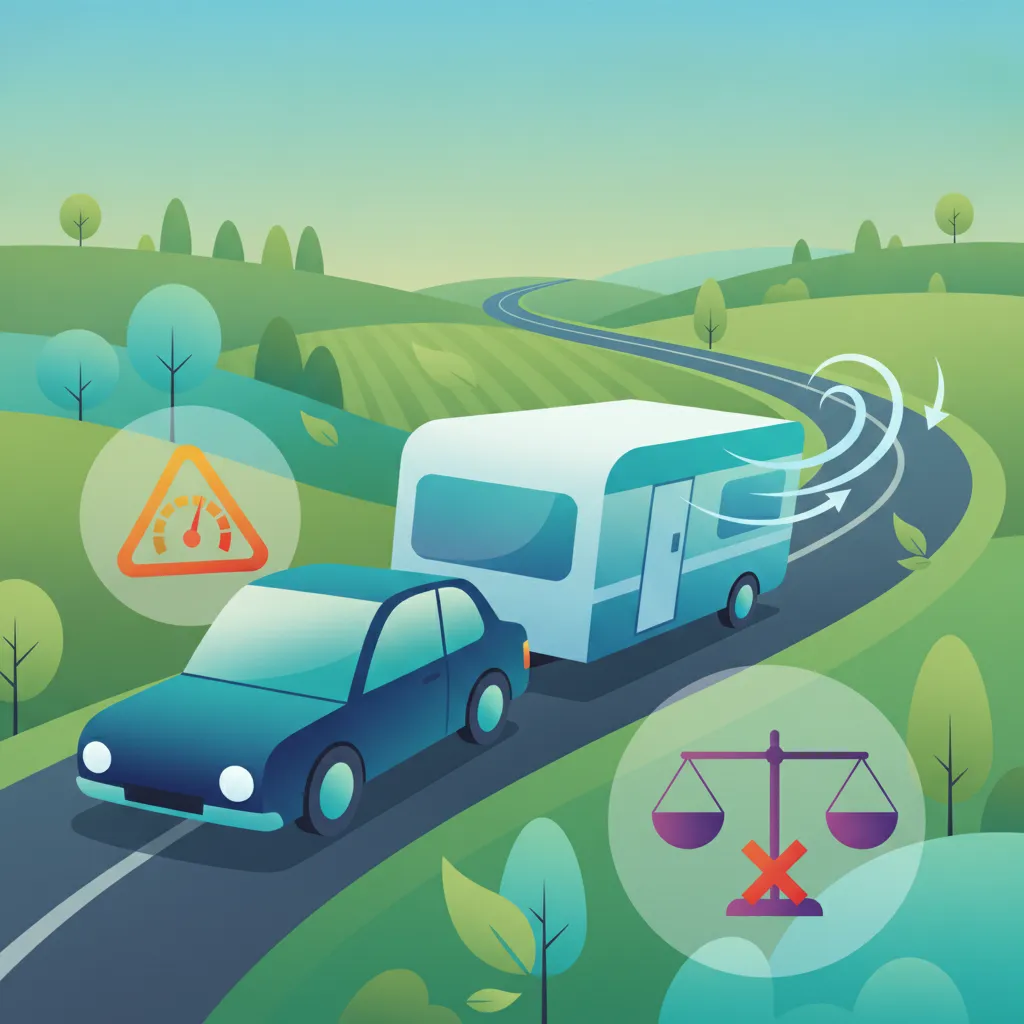
Revise specific Austrian regulations for various trailer types, including crosswind effects and load distribution. This practice set explains how these factors impact braking and vehicle control, preparing you for tricky theory test questions on towing safety and legal requirements.
Navigate the demanding world of trailer driving theory. This set focuses on the specific Austrian regulations for various trailer types, advanced concepts like crosswind effects and load distribution, and how they impact braking and vehicle control. Prepare for tricky exam questions on towing safety and legal requirements.
Preview sample questions from the Trailer Speed & Stability practice set to see how they help you prepare for the driving theory exam in Austria.
Learners choose Trailer Speed & Stability to improve accuracy and understanding of key exam themes in Austria. It offers realistic driving theory questions and targeted revision for effective preparation.
Find answers to the most common queries learners have when practising Trailer Speed & Stability, including how questions match the official theory exam in Austria, how scoring works, and how this practice improves exam readiness.
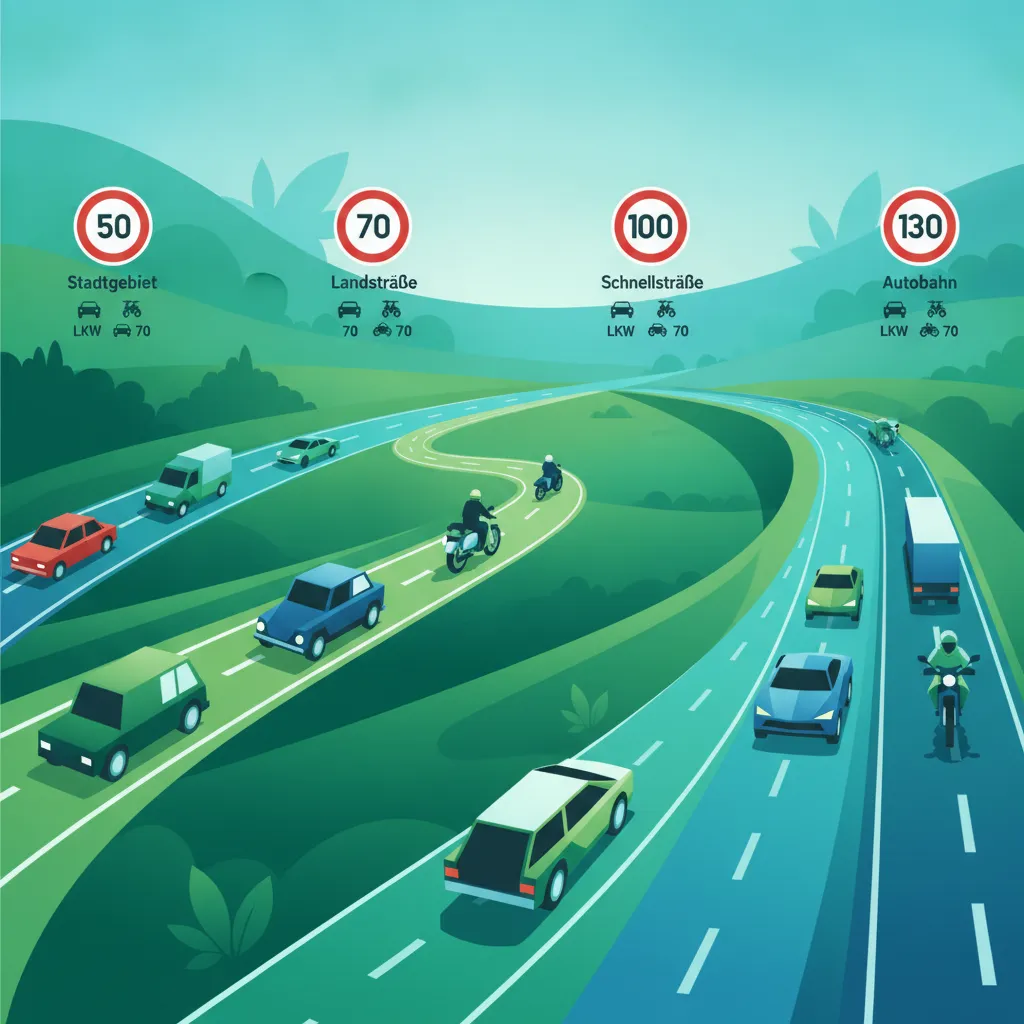
In Austria, the speed limits for towing a trailer vary significantly based on the combined weight of the vehicle and trailer, and the type of road. For example, a car with a light trailer (up to 750 kg) generally has a limit of 100 km/h on Autobahns, while a heavy trailer with a combined weight over 3.5 t might be limited to 80 km/h on Autobahns and Autostraßen, and 70 km/h on Freiland (rural roads).
Proper load distribution is crucial for trailer stability. A load that is too far back can cause the trailer to sway excessively (snaking), making it difficult to control. A load that is too far forward can put too much weight on the tow vehicle's rear axle, affecting steering and braking. The heaviest items should generally be placed over or slightly forward of the trailer's axle.
If your trailer starts to sway (fish-tailing), you should immediately ease off the accelerator and, if safe, gently apply the brakes of the tow vehicle to regain control. Avoid harsh steering inputs or sudden braking, as this can worsen the sway. Gradually reduce speed until stability is restored and consider stopping to check your load distribution.
Yes, Austrian traffic regulations differentiate between light and heavy trailers. A light trailer is generally defined as one with a maximum permissible total mass up to 750 kg. Heavier trailers, especially when the combined vehicle and trailer total mass exceeds 3.5 t, have lower speed limits on certain road types compared to light trailers, reflecting the increased challenges in handling and braking.
Crosswinds can significantly impact driving with a trailer by pushing the trailer sideways, which can destabilize the entire combination and lead to sway or loss of control, especially at higher speeds. Larger, taller trailers are more susceptible. Drivers should reduce speed and maintain a firm grip on the steering wheel when driving in strong crosswinds, particularly on bridges or open sections of road.
Towing a trailer significantly increases the overall mass of your vehicle combination, which in turn increases the kinetic energy that needs to be dissipated during braking. This results in a considerably longer stopping distance compared to driving without a trailer. Drivers must account for this by maintaining greater following distances and anticipating braking earlier, especially in emergency situations.
By completing Trailer Speed & Stability, you will gain stronger rule knowledge, faster recognition of signs and situations, better decision making in traffic scenarios, and increased accuracy on exam style questions used in Austria. These outcomes directly support higher scoring exam performance.
Explore similar practice sets focusing on trailer speed and stability to solidify your Austrian theory test preparation. Comparing these related topics enhances your understanding of complex driving scenarios and ensures comprehensive exam readiness.

Don't Get Weighted Down: Conquer Austria's Toughest Trailer & Load Questions!

Navigate Complex Trailer Scenarios and Austria's Specific Rules Like a Pro.

Navigate Austria's roads with your recreational vehicle safely and confidently.

Master the Critical Rules for Towing and Breakdown Recovery in Austria.
Master Austrian Speed Limits: Drive Safely, Pass Your Theory Exam!
Navigate Austria's Complex Speed Limits with Confidence and Precision.
Questions in Trailer Speed & Stability
Exam focused questionss
Trailer Speed & Stability offers quick, focused exam style practice to boost your Austrian knowledge for the driving theory exam in Austria.
Trailer Speed & Stability helps learners in Austria with clear explanations and targeted Austrian practice to improve essential driving theory topics.
This practice set is designed for advanced learners and those aiming for a B or BE driving license in Austria, particularly if you find trailer dynamics challenging. It's perfect for drivers who need to master the intricate legal speed limits and physical principles behind safe towing to confidently pass the official Austrian driving theory exam.
Explore more topics for the Austrian driving theory exam in Austria.
Begin your focused revision by selecting a driving theory practice category that aligns with your study needs. Dive deep into specific Austrian road rules, signs, or procedures to ensure you're fully prepared and confident for every section of your official driving license theory exam.
Browse Practice Categories