
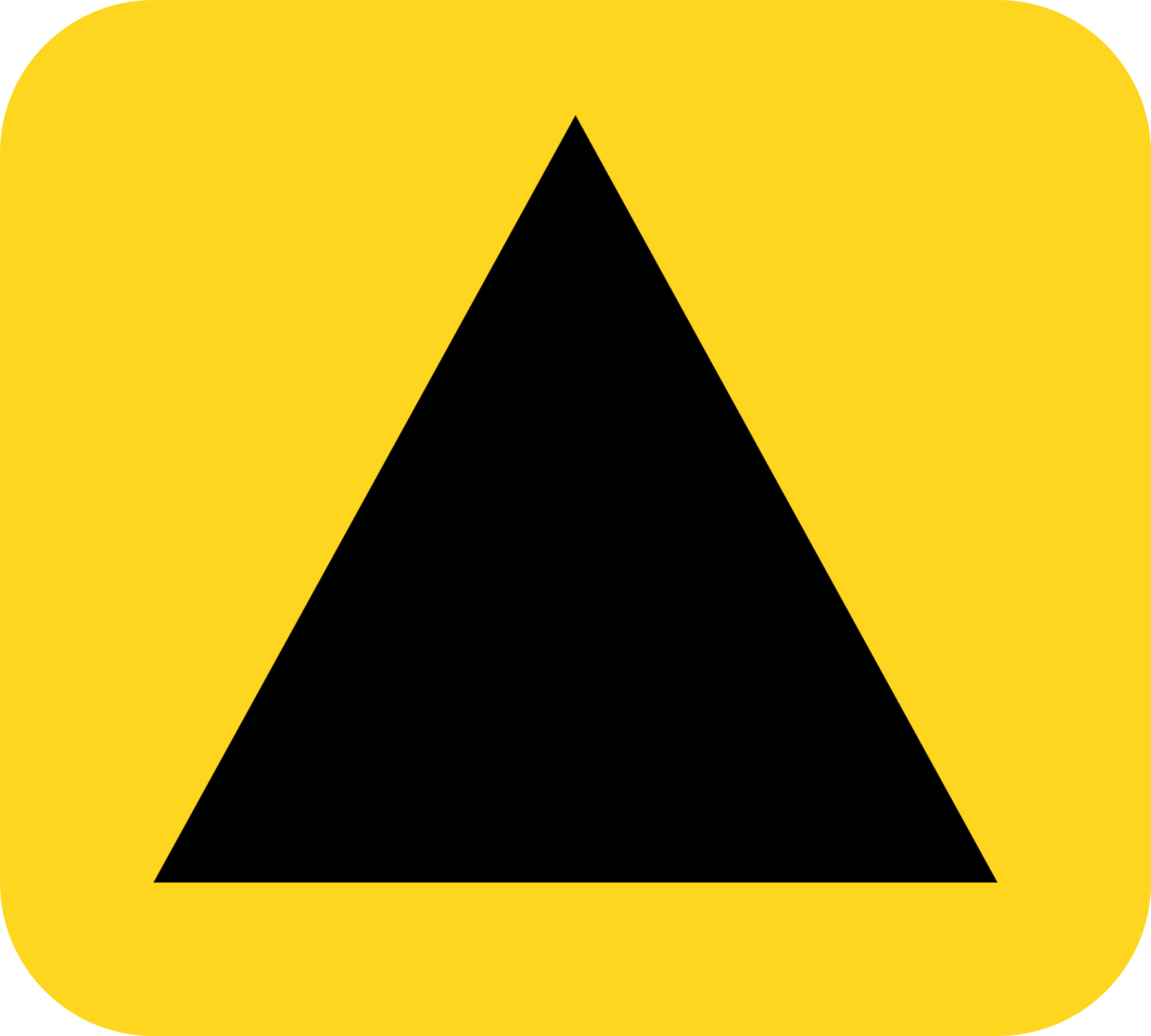
The Solid Triangle sign indicates an emergency diversion route, typically used when the normal road is closed due to an incident or roadworks. You must follow the direction indicated by this sign and subsequent route markers until the diversion ends. These routes are planned to keep traffic moving safely, so remain patient and use your normal observation and signalling at junctions.
This sign guides you on emergency diversion routes, crucial for navigating unexpected road closures. Master its meaning for effective theory test revision and safe driving practice on Great Britain's roads.
Diversion signs are used when the normal route is closed, unsuitable, or temporarily changed by works or an incident. This sign helps drivers stay on a planned alternative route rather than making unsafe improvised turns. The practical response is to slow where needed, follow each marker in sequence, and keep normal observation and signalling at every junction. It is listed in the catalogue as code Solid-Triangle.
"Solid triangle emergency diversion route" marks or explains a temporary or emergency diversion route. Drivers should follow the indicated route symbol, arrow, or destination until later signs change or end the diversion.
Get clear, practical answers to the most common questions about the Solid-Triangle - Solid triangle emergency diversion route road sign. Learn how the sign works, what rules it represents, and how it affects real driving situations. This FAQ strengthens your understanding and supports accurate decision making for the British driving theory exam in Great Britain.
The Solid Triangle sign, also known as the 'Solid Triangle emergency diversion route', is used to guide drivers along a temporary, alternative route when the main road ahead is closed or impassable. You should follow the direction or destination shown by these signs and associated markers until the diversion is officially ended by other signage.
Upon seeing the Solid Triangle sign, you must follow the diversion route indicated. This means paying attention to any arrows or destination panels accompanying the sign and continuing to follow all subsequent diversion markers. Always use correct observation and signalling when navigating the diversion, especially at junctions.
You must not drive past closure signs into a closed area. If you miss a turn on the diversion, do not reverse or make an unsafe U-turn. Also, avoid assuming any improvised shortcuts you might see are suitable for your vehicle or safe to use; always stick to the official diversion route.
Yes, diversion routes are often longer than the usual way. They are carefully chosen to manage traffic flow safely around obstructions. Stay patient, leave extra space for other drivers, and do not attempt to find your own shortcuts, as this can cause further disruption or danger.
Yes, you will see a series of signs, often featuring the same Solid Triangle symbol and an arrow or destination, to guide you along the diversion. Continue following these markers until you see a sign indicating the end of the diversion or directing you back onto your original route.
Yes, understanding and correctly responding to diversion signs like the Solid Triangle is important for the Great Britain driving theory test. You may be asked questions about how to interpret these signs and what actions you should take when a diversion is in place, particularly concerning safe route following and hazard awareness.
A clear reference image of the Solid-Triangle - Solid triangle emergency diversion route road sign used in Great Britain.
The Solid-Triangle - Solid triangle emergency diversion route road sign may also be known by these alternative names or terms.
The Solid-Triangle - Solid triangle emergency diversion route road sign is part of the Great Britain Diversion Signs category, which groups together signs with similar rules and functions.
Comparing similar road signs, like the Solid triangle emergency diversion route, sharpens your theory test revision and improves sign recognition. Understanding the distinctions between related traffic signs aids in accurate decision-making and confident navigation, crucial for passing your exam.
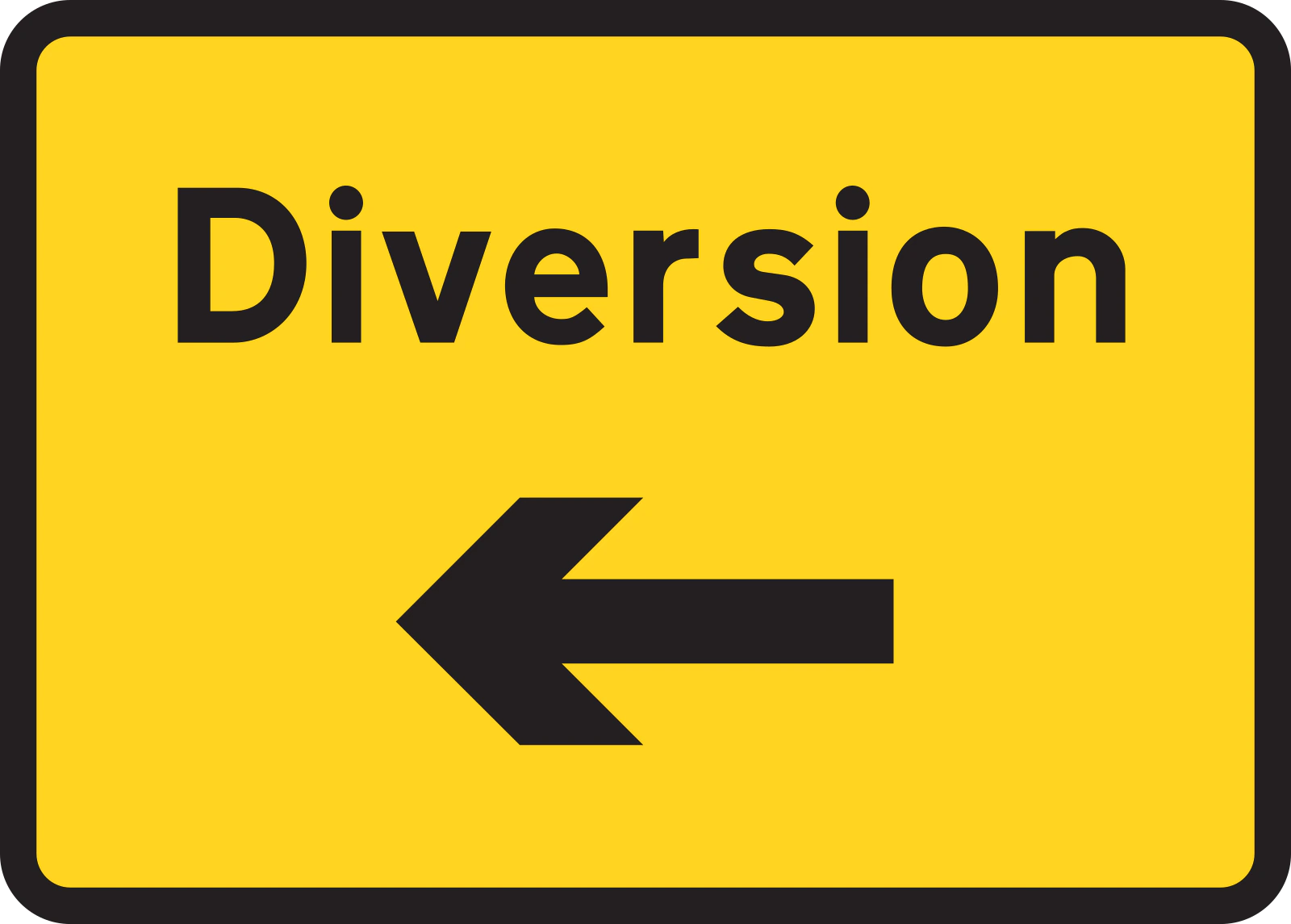
Follow this Diversion sign when road works start to your left on minor roads.
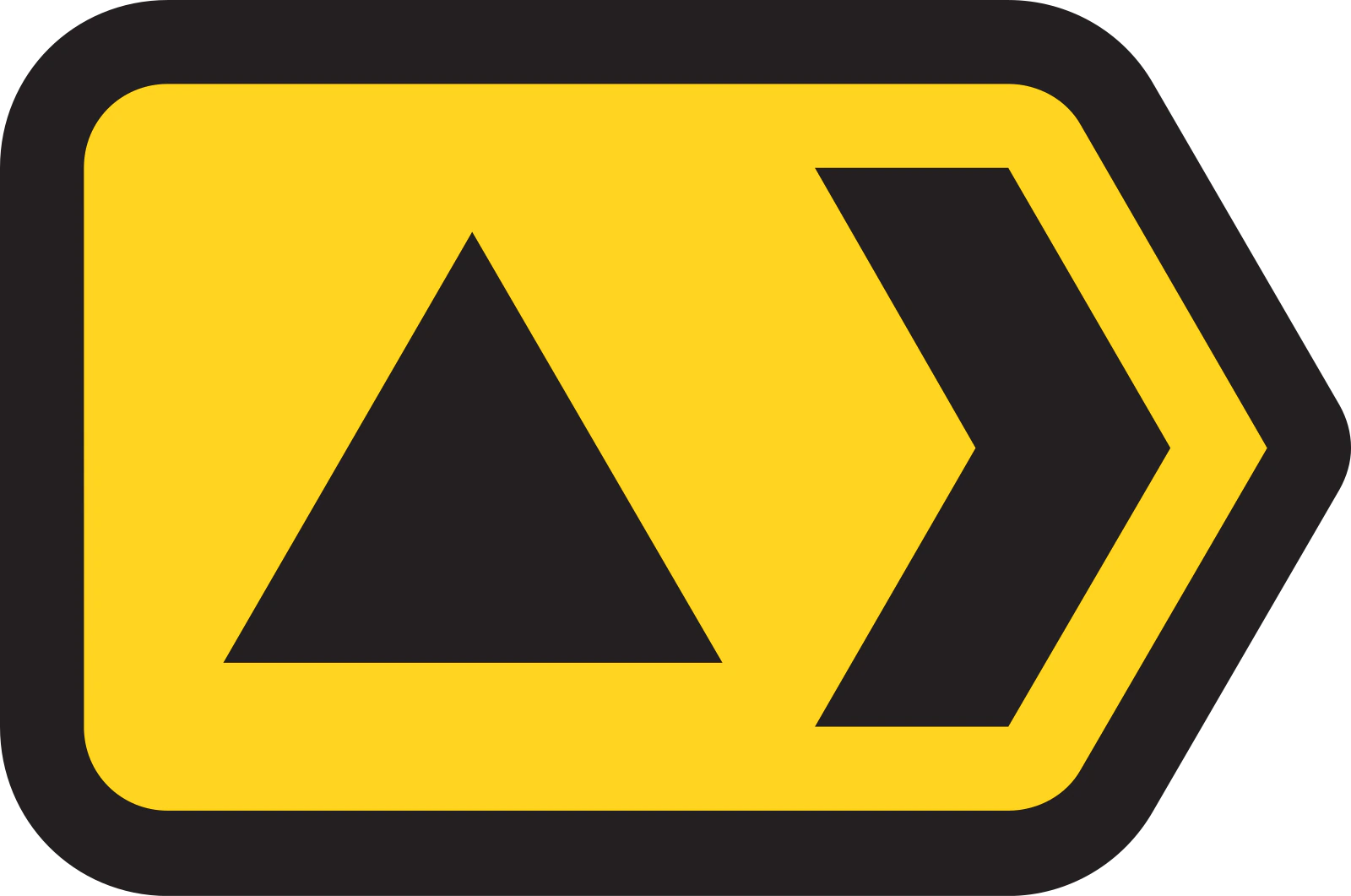
Follow the diversion route when this sign directs you to turn right.
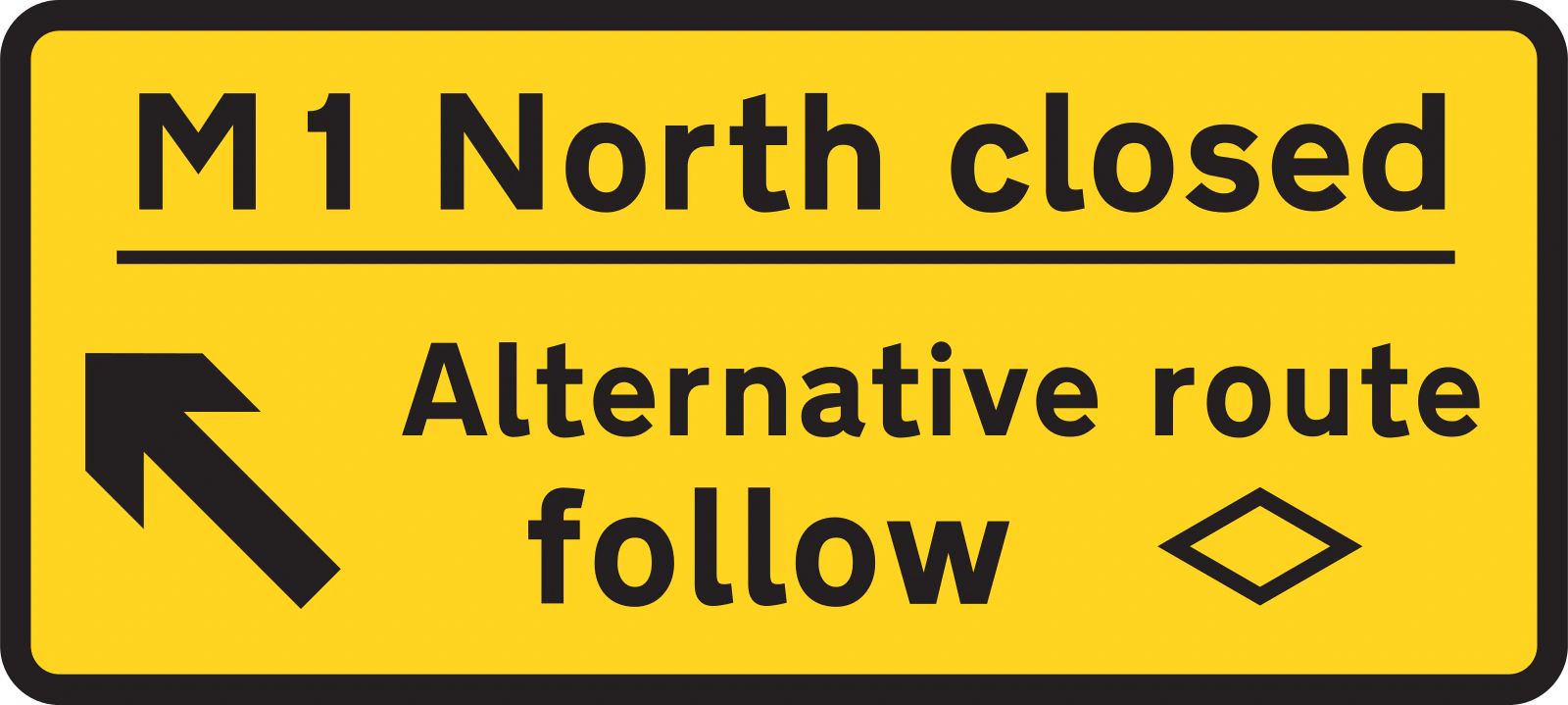
Follow the Diversion: Sign 2716 Explains Temporary Route Changes

Follow the Hollow Diamond for Emergency Diversions

Follow the Hollow Square for emergency diversion routes on UK roads.

Follow the Solid Circle emergency diversion route sign to stay on track.
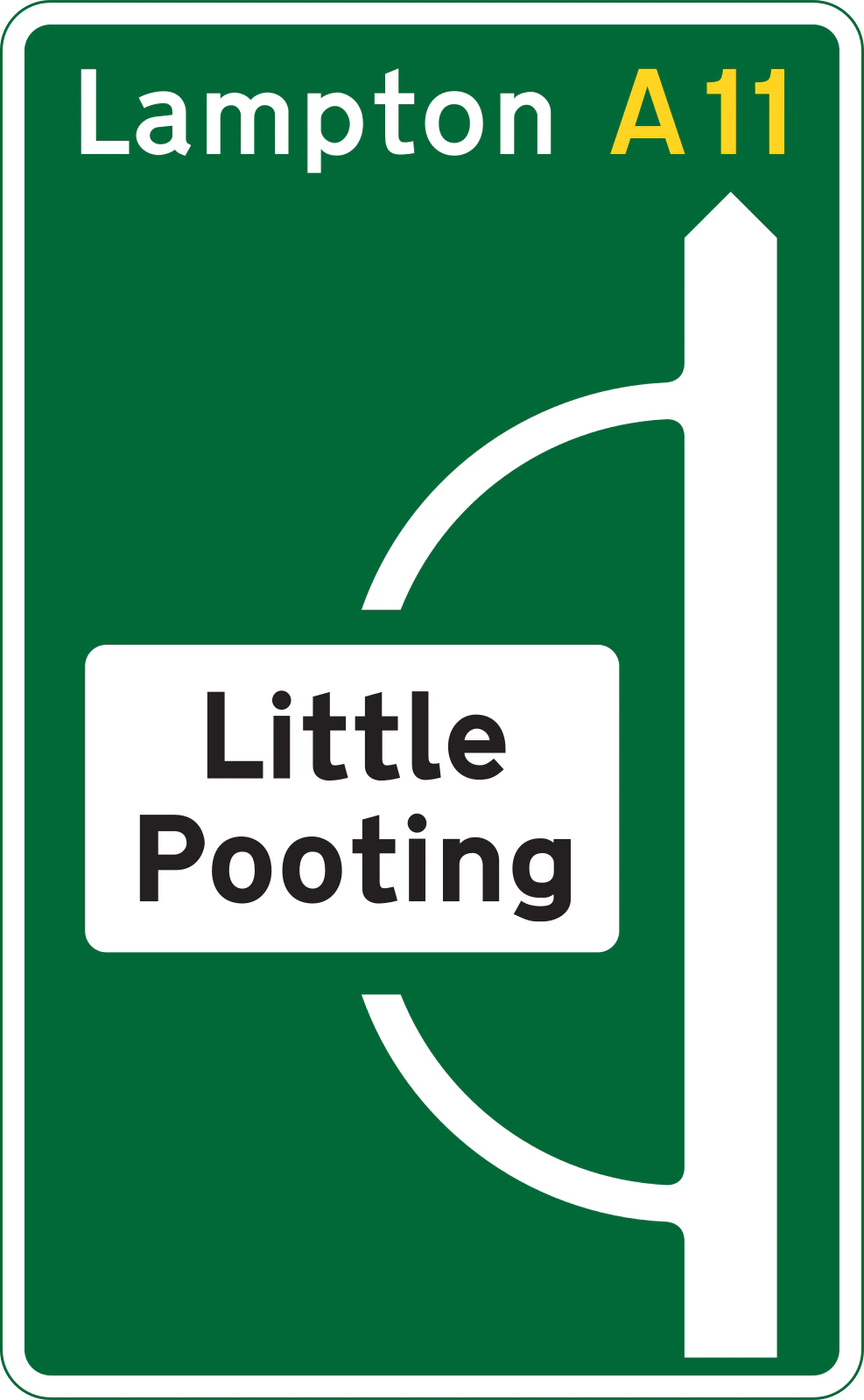
Navigate junctions near bypassed towns with the Primary Route Junction sign.
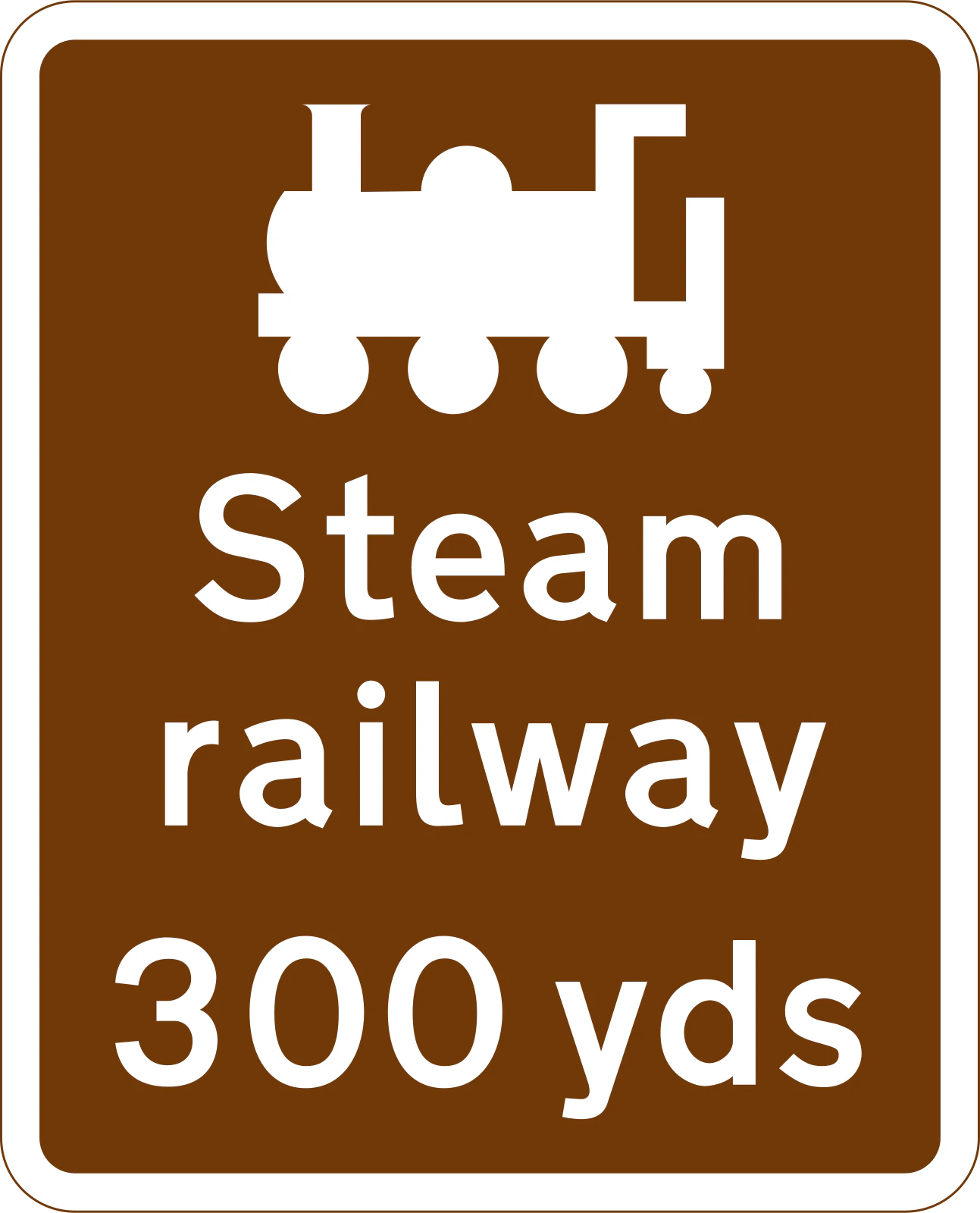
Know the 'Steam Railway Tourist Attraction 300 yd Ahead' Sign
Explore curated explanations and practical examples to strengthen your visual recognition of essential Great Britain road signs. These supplementary materials provide the context needed to navigate junctions safely and pass your official DVSA theory test.
When you get behind the wheel of another person's car, the law holds you strictly accountable for ensuring the vehicle is safe, taxed, and properly insured. This guide explains the checks you must perform to remain compliant with UK traffic laws and avoid common pitfalls often tested in the DVSA theory exam. Mastery of these rules ensures you are prepared to act as a responsible and legal road user.
Mastering the shapes and colours of Great Britain's road signs is a key component of passing your driving theory test. This guide breaks down the essential visual language of traffic signs, from urgent warning triangles to commanding circular signs and directional rectangular indicators, empowering you to drive more safely and confidently on UK roads.
Understand your responsibility for a safe and legal vehicle on Great Britain's roads.
Navigate Tricky British Weather and Night Driving Scenarios with Confidence.
Diversion signs are used when the normal route is closed, unsuitable, or temporarily changed by works or an incident. This sign helps drivers stay on a planned alternative route rather than making unsafe improvised turns. The practical response is to slow where needed, follow each marker in sequence, and keep normal observation and signalling at every junction. It is listed in the catalogue as code 2702L.
Diversion signs are used when the normal route is closed, unsuitable, or temporarily changed by works or an incident. This sign helps drivers stay on a planned alternative route rather than making unsafe improvised turns. The practical response is to slow where needed, follow each marker in sequence, and keep normal observation and signalling at every junction. It is listed in the catalogue as code 2704V.
After reviewing the full list of road signs, challenge yourself with practice questions focused specifically on sign recognition. Reinforce your learning and ensure you're fully prepared to identify and understand all traffic signs on the DVSA theory test.
Browse All GB Road Signs List