
The 'Tourist Information' sign (code 2925) uses a brown panel to guide you towards local attractions, visitor facilities, viewpoints, or tourist routes. While helpful for planning leisure journeys in Great Britain, it does not grant any priority. Always remember to check for other traffic, pedestrians, and any specific access or parking restrictions at your destination before following its guidance.
This sign (code 2925) guides you to attractions and facilities, crucial for planning your route and understanding UK road signs. Mastering its meaning aids your theory test revision and real-world driving.
Tourist signs are commonly shown on brown panels and help drivers find attractions and visitor services without relying only on local knowledge. This sign may point to information, heritage sites, picnic areas, viewpoints, parking, or tourist routes. Drivers should use it calmly, check for other traffic and pedestrians, and follow separate access or parking restrictions at the destination. It is listed in the catalogue as code 2925.
"Tourist information" guides traffic towards a tourist attraction, visitor facility, viewpoint, route, or place of interest. It supports journey planning but does not override normal traffic rules.
Get clear, practical answers to the most common questions about the 2925 - Tourist information road sign. Learn how the sign works, what rules it represents, and how it affects real driving situations. This FAQ strengthens your understanding and supports accurate decision making for the British driving theory exam in Great Britain.
The 2925 Tourist Information sign is used in Great Britain to direct drivers towards tourist attractions, visitor centres, picnic areas, viewpoints, or designated tourist routes. Its brown colour signifies an area of interest or visitor facility, helping you find places of interest without relying solely on local knowledge.
No, the Tourist Information sign does not give you any priority over other traffic. It simply indicates a point of interest or a route to a visitor facility. You must continue to obey all normal traffic rules, including speed limits, priority signs, and traffic signals.
When following a Tourist Information sign, be prepared for potentially slower traffic, pedestrians, cyclists, or large vehicles like coaches near attractions. Rural accesses or entrances to visitor sites can sometimes be narrow or involve sharp turns. Always plan your manoeuvre early and check for any specific access or parking signs at the destination.
Yes, you should avoid slowing down suddenly or turning late to follow the sign, as this can be dangerous. Never stop on the main road to read the sign. Crucially, do not follow the sign if it leads to a road that is unsuitable for your vehicle, or ignore any other traffic regulations in place.
A common trap in the theory test is assuming the Tourist Information sign implies priority or allows you to deviate from normal road rules. Learners may also forget to check for other road users like pedestrians and cyclists, or fail to notice that the destination might have its own specific parking or access restrictions.
A clear reference image of the 2925 - Tourist information road sign used in Great Britain.
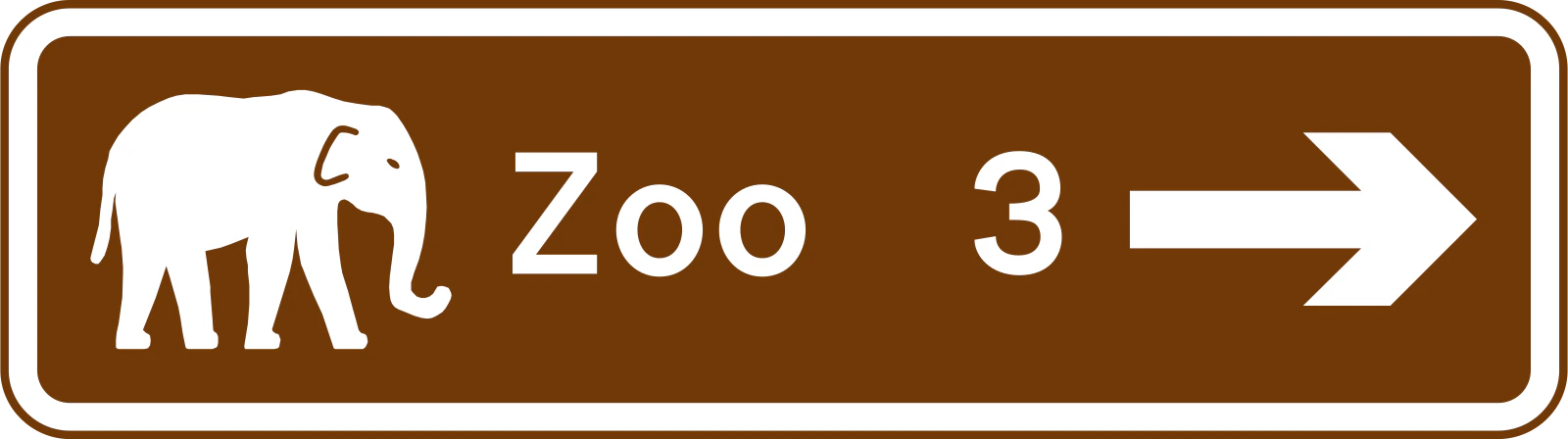
The 2925 - Tourist information road sign may also be known by these alternative names or terms.
The 2925 - Tourist information road sign is part of the Great Britain Tourist Signs category, which groups together signs with similar rules and functions.
Understanding how similar road signs look and function is key to accurate theory test revision. Comparing these signs helps sharpen your traffic sign recognition and reduces mistakes, ensuring you master the UK's road rules for your driving test.
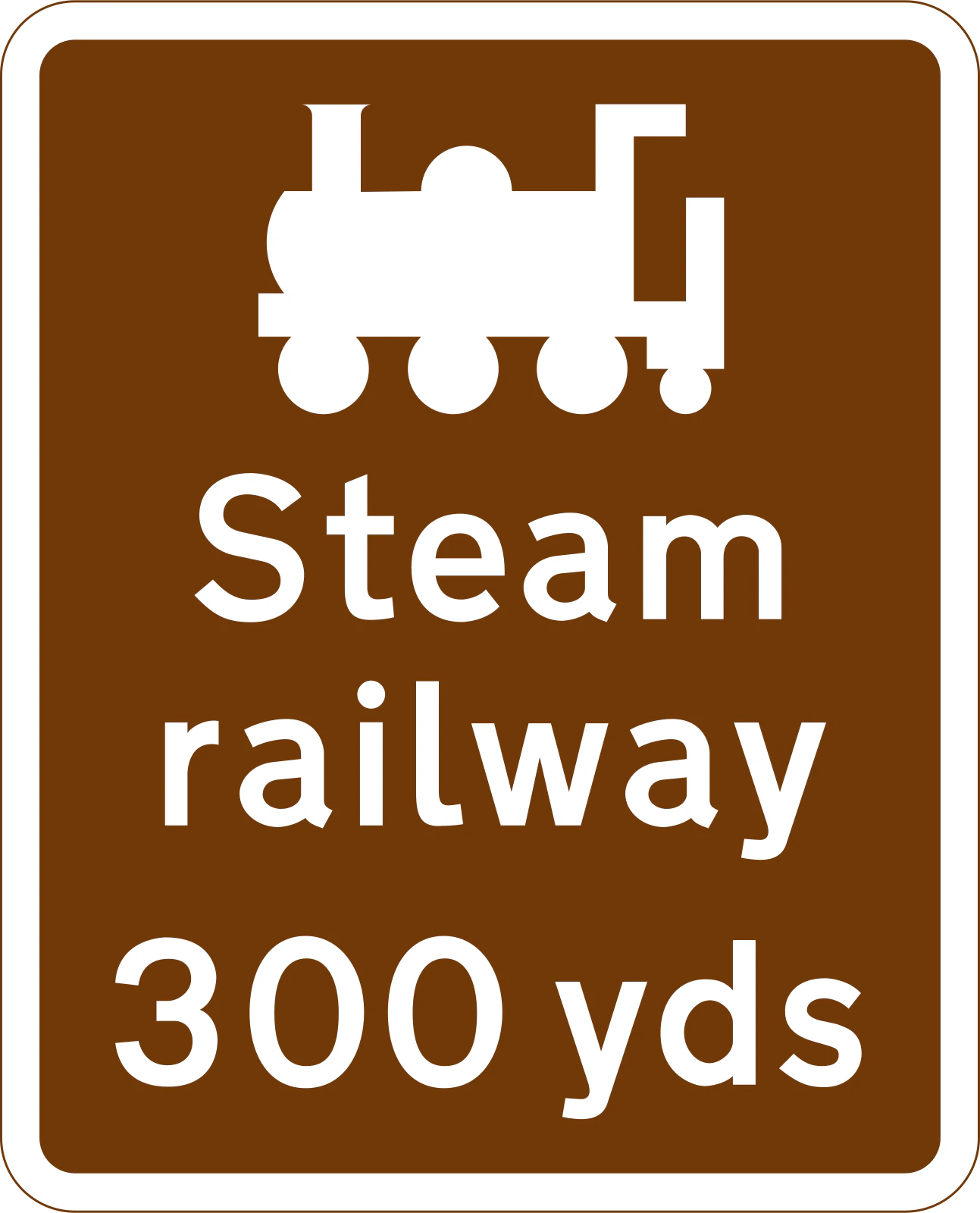
Know the 'Steam Railway Tourist Attraction 300 yd Ahead' Sign
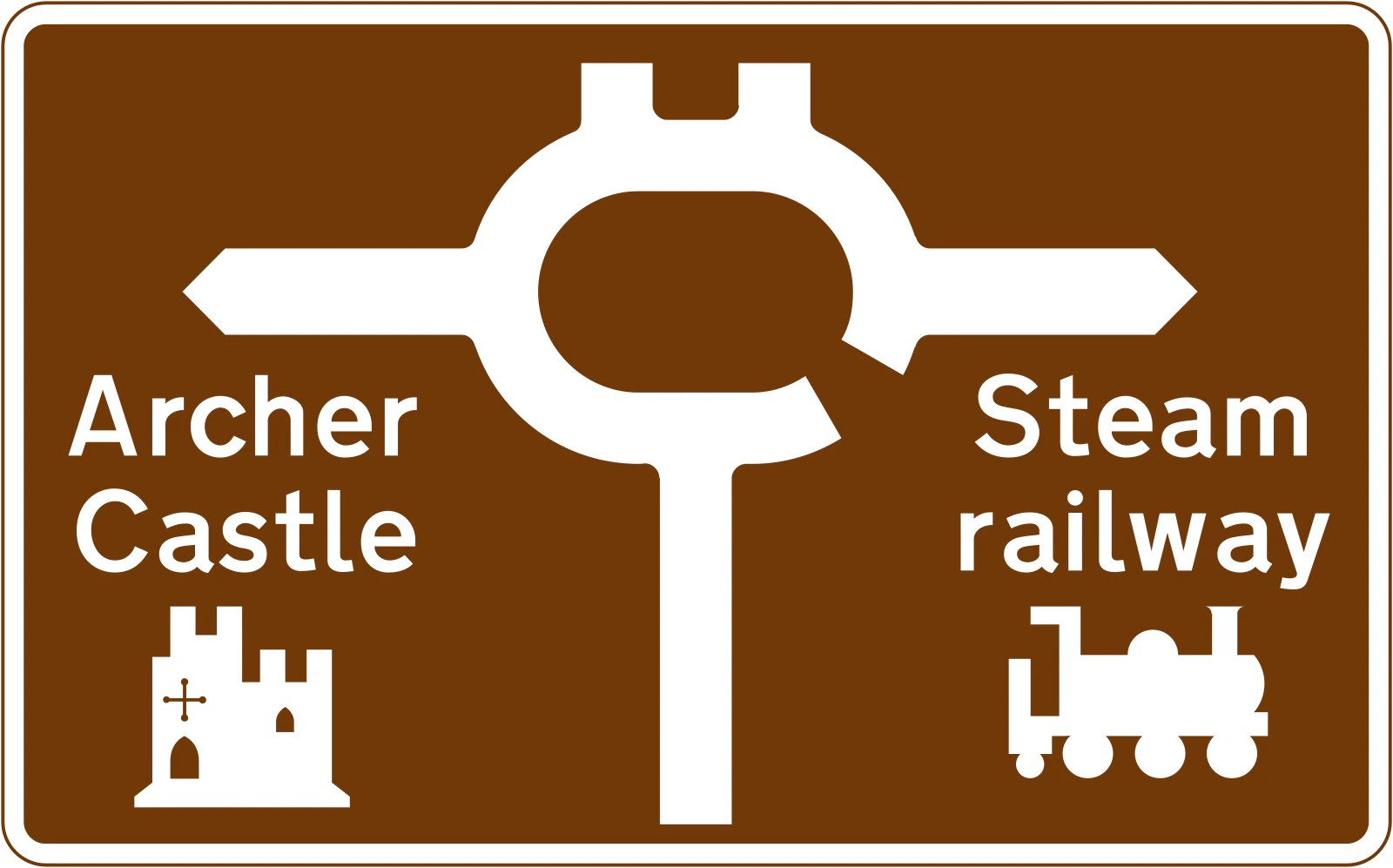
This sign indicates a junction leading to a tourist attraction ahead.
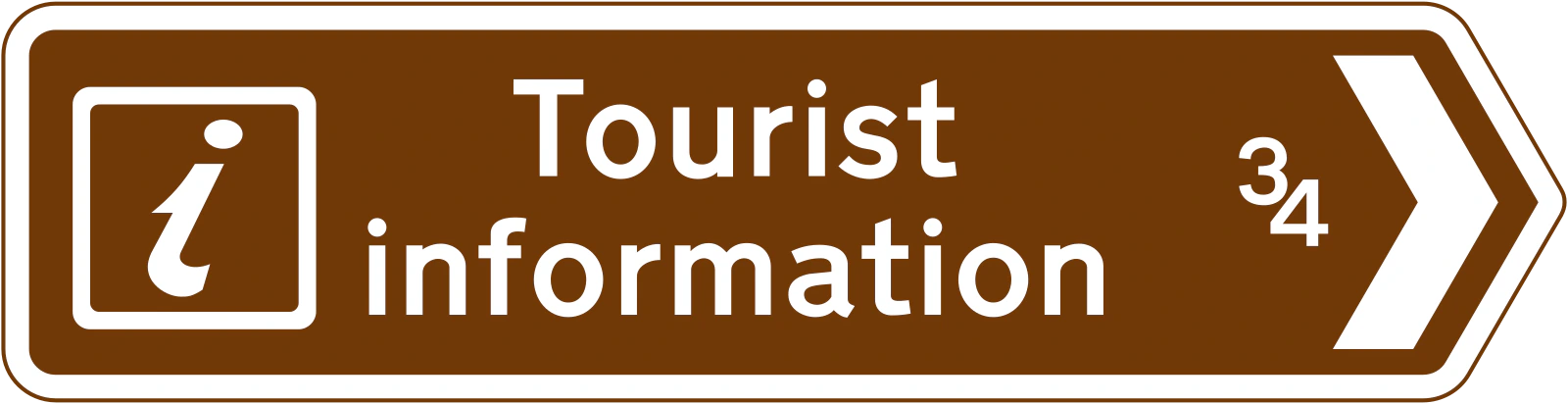
This brown sign indicates the direction and distance to tourist information points.
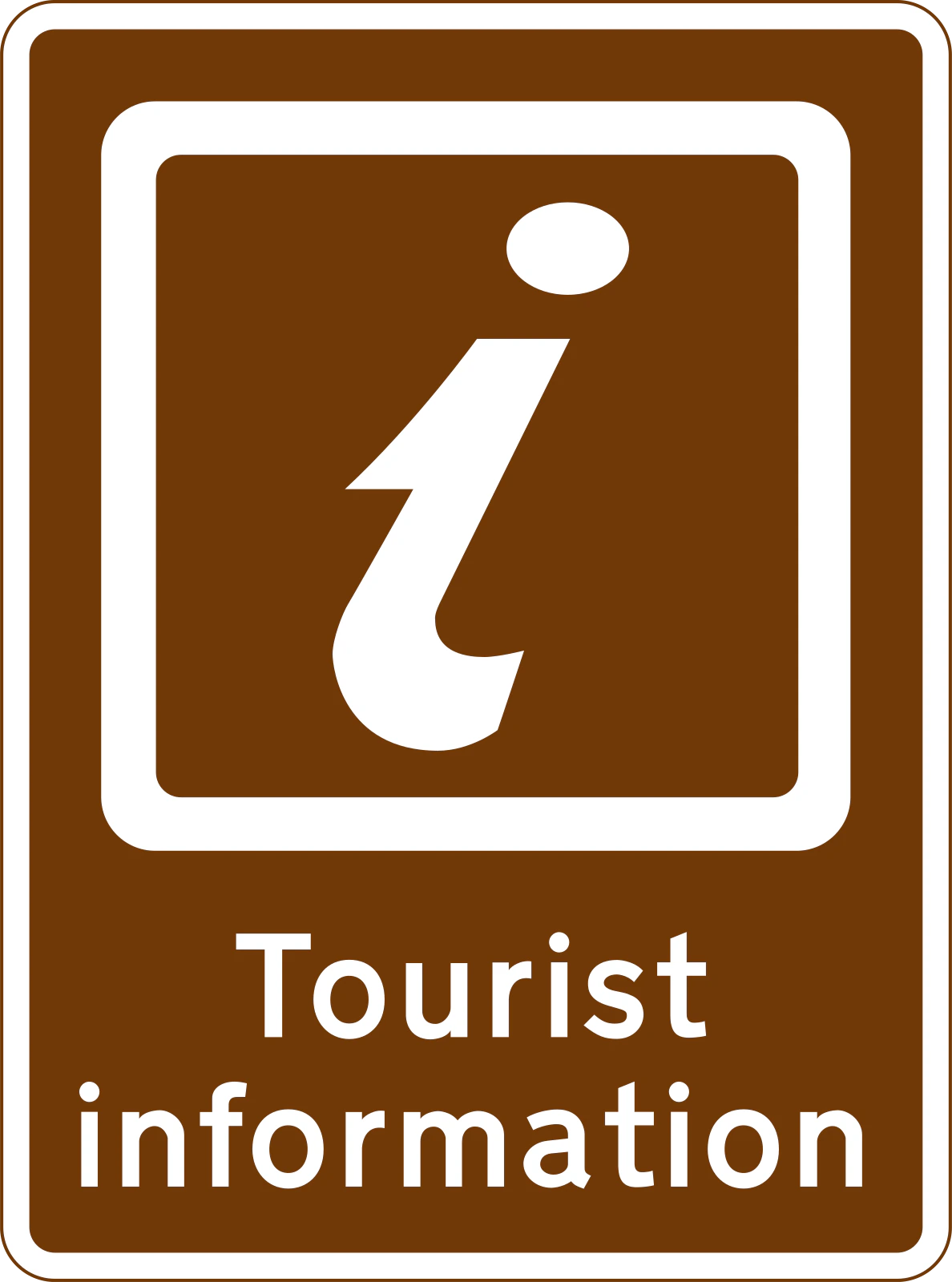
What does the Tourist Information road sign mean for your drive?
Follow the brown tourist attraction symbol sign to find points of interest.
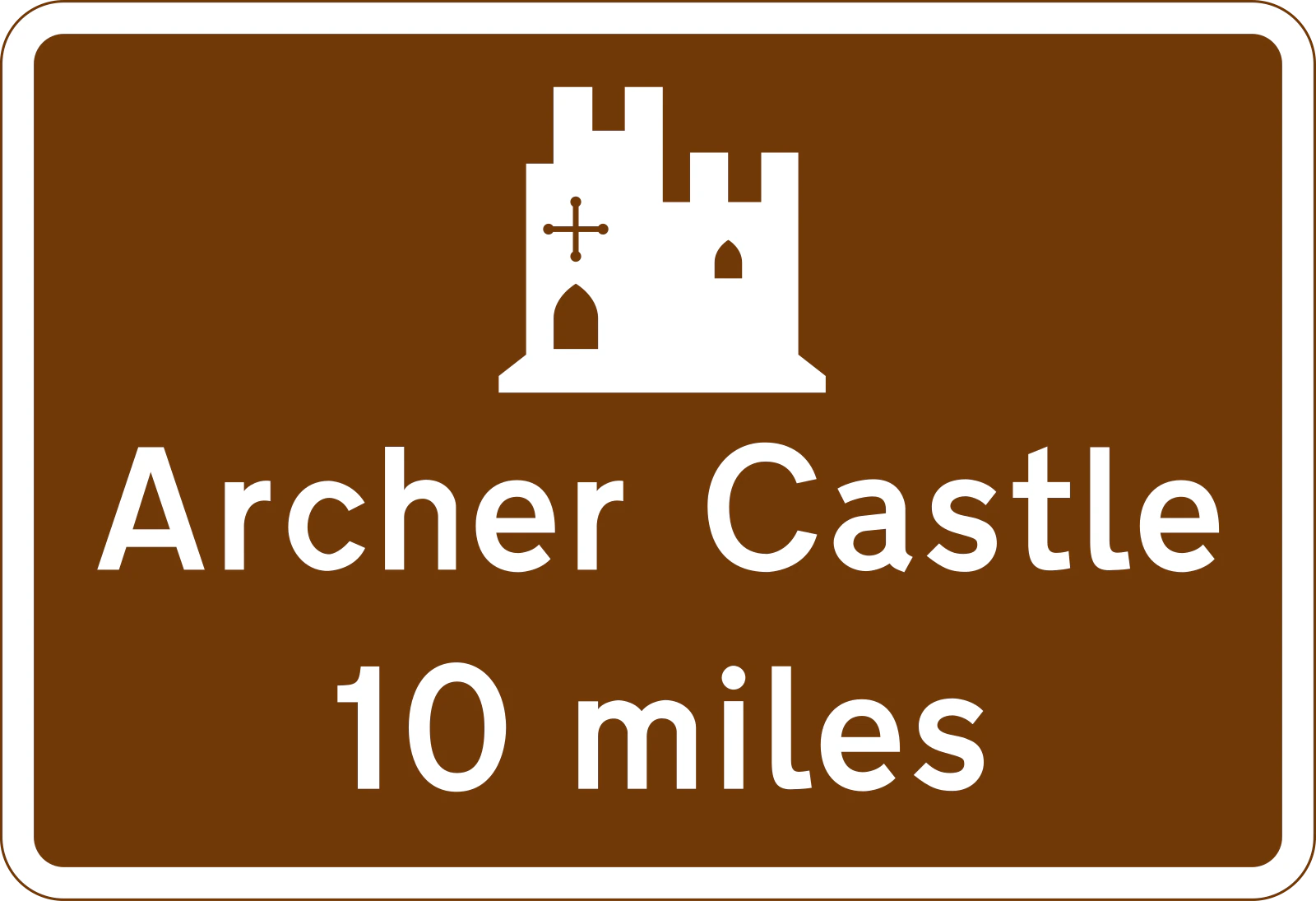
Follow the Sign to a Historic Castle Tourist Attraction 10 Miles Ahead
Follow the Brown Tourist Route Sign to Places of Interest
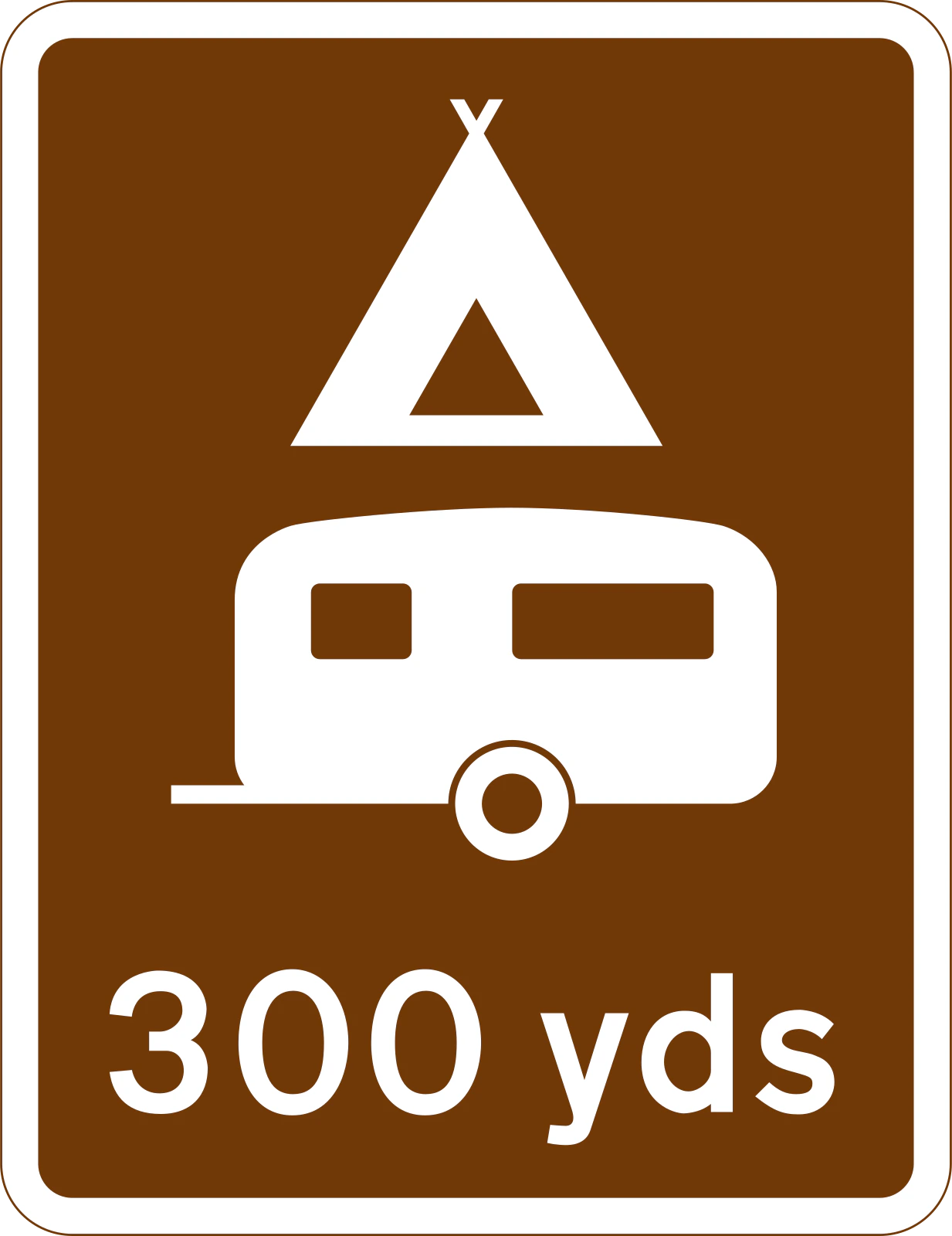
Find Camping and Caravan Sites with This Tourist Information Sign
Explore curated explanations and practical examples to strengthen your visual recognition of essential Great Britain road signs. These supplementary materials provide the context needed to navigate junctions safely and pass your official DVSA theory test.
When you get behind the wheel of another person's car, the law holds you strictly accountable for ensuring the vehicle is safe, taxed, and properly insured. This guide explains the checks you must perform to remain compliant with UK traffic laws and avoid common pitfalls often tested in the DVSA theory exam. Mastery of these rules ensures you are prepared to act as a responsible and legal road user.
Navigating junctions in Great Britain can be complex, with priority often dictated by specific road signs and markings rather than simple intuition. This article breaks down the rules for various types of crossroads, explaining how to identify who has right of way and what to do when facing confusing situations. Preparing for your theory test requires a thorough understanding of these critical junction rules to ensure safe driving.
Understand your responsibility for a safe and legal vehicle on Great Britain's roads.
Navigate Tricky British Weather and Night Driving Scenarios with Confidence.
Tourist signs are commonly shown on brown panels and help drivers find attractions and visitor services without relying only on local knowledge. This sign may point to information, heritage sites, picnic areas, viewpoints, parking, or tourist routes. Drivers should use it calmly, check for other traffic and pedestrians, and follow separate access or parking restrictions at the destination. It is listed in the catalogue as code 2202.
Tourist signs are commonly shown on brown panels and help drivers find attractions and visitor services without relying only on local knowledge. This sign may point to information, heritage sites, picnic areas, viewpoints, parking, or tourist routes. Drivers should use it calmly, check for other traffic and pedestrians, and follow separate access or parking restrictions at the destination. It is listed in the catalogue as code 2208.
After reviewing the full list of road signs, challenge yourself with practice questions focused specifically on sign recognition. Reinforce your learning and ensure you're fully prepared to identify and understand all traffic signs on the DVSA theory test.
Browse All GB Road Signs List