
Prepare for all conditions on French roads, from heavy rain and fog to icy mountain passes and narrow rural routes. Our expert guidance covers essential adaptations for visibility, speed, and vehicle control, crucial for passing your Code de la route exam and driving safely in France.
Navigate challenging French terrain and weather conditions with expert insights into braking distances, visibility adaptations, and rural traffic hazards. These articles provide the practical knowledge required to pass your Code de la route exam and manage vehicle safety on mountain passes.
Understanding how to safely navigate adverse weather is a core component of the French driving theory exam. This article breaks down the legal obligations for French drivers, including critical adjustments to speed and safety distances on slippery surfaces. You will learn the specific conditions that require the use of fog lights and how to avoid common pitfalls in the exam regarding hazard perception.
Understanding how to adjust your driving behavior in poor weather is a core competency for the French Code de la route. This guide covers the specific legal obligations for light usage and distance management, helping you recognize correct behaviors to select during your ETG theory test.
Drivers in France must be aware of specific winter equipment regulations enforced in mountainous areas to ensure road safety during the colder months. This guide clarifies the legal status of snow tires and chains, helping you identify the official road signage and avoid penalties like fines or vehicle immobilization. Mastering these regulations is a vital component of your preparation for the French Code de la route.
Understand how to adapt your driving for challenging weather and diverse French landscapes, from snowy mountain passes to winding rural routes. This collection offers essential advice on visibility, speed adjustments, and hazard perception crucial for your French driving theory exam preparation and safe travel.
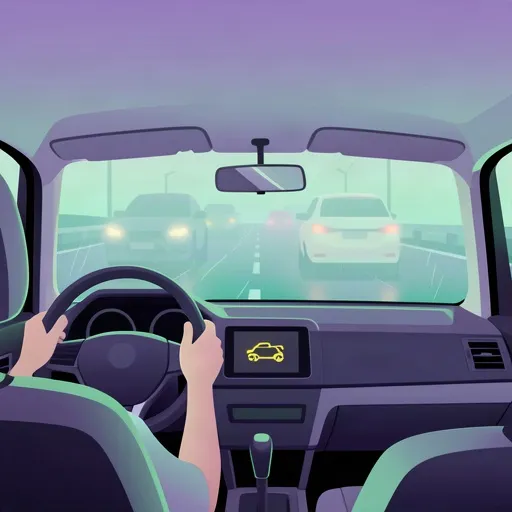
Understanding how to safely navigate adverse weather is a core component of the French driving theory exam. This article breaks down the legal obligations for French drivers, including critical adjustments to speed and safety distances on slippery surfaces. You will learn the specific conditions that require the use of fog lights and how to avoid common pitfalls in the exam regarding hazard perception.
Updated on Oct 3, 2026
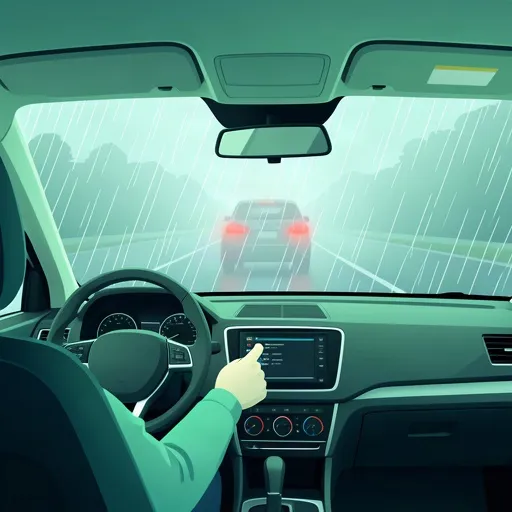
Understanding how to adjust your driving behavior in poor weather is a core competency for the French Code de la route. This guide covers the specific legal obligations for light usage and distance management, helping you recognize correct behaviors to select during your ETG theory test.
Updated on Oct 3, 2026
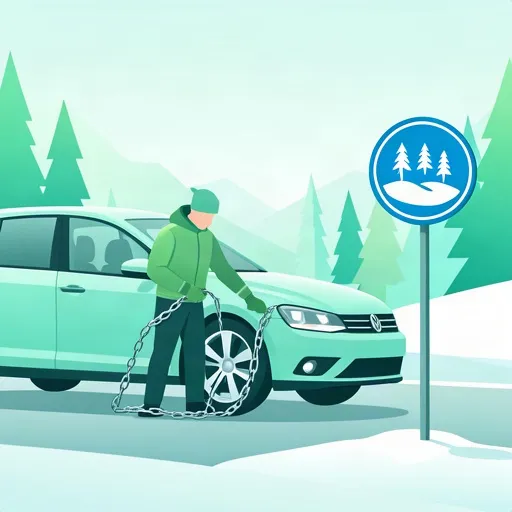
Drivers in France must be aware of specific winter equipment regulations enforced in mountainous areas to ensure road safety during the colder months. This guide clarifies the legal status of snow tires and chains, helping you identify the official road signage and avoid penalties like fines or vehicle immobilization. Mastering these regulations is a vital component of your preparation for the French Code de la route.
Updated on Sep 19, 2026
While the French Code de la route specifies speed limits, simply adhering to the maximum may not be safe on every rural road. This lesson examines how narrow lanes, poor visibility, weather, and road conditions require drivers to adapt their speed for safety, a key aspect of hazard perception and defensive driving tested in the theory exam.
Updated on Aug 29, 2026
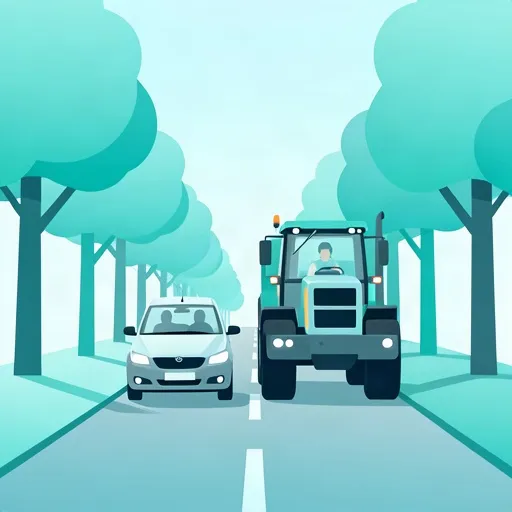
Navigating narrow departmental roads requires extra vigilance when you encounter slow-moving agricultural vehicles. This guide explains how to properly assess speed, maintain safe distances, and recognize when it is legally and physically safe to overtake, helping you avoid common hazards in your French theory exam.
Updated on Aug 28, 2026
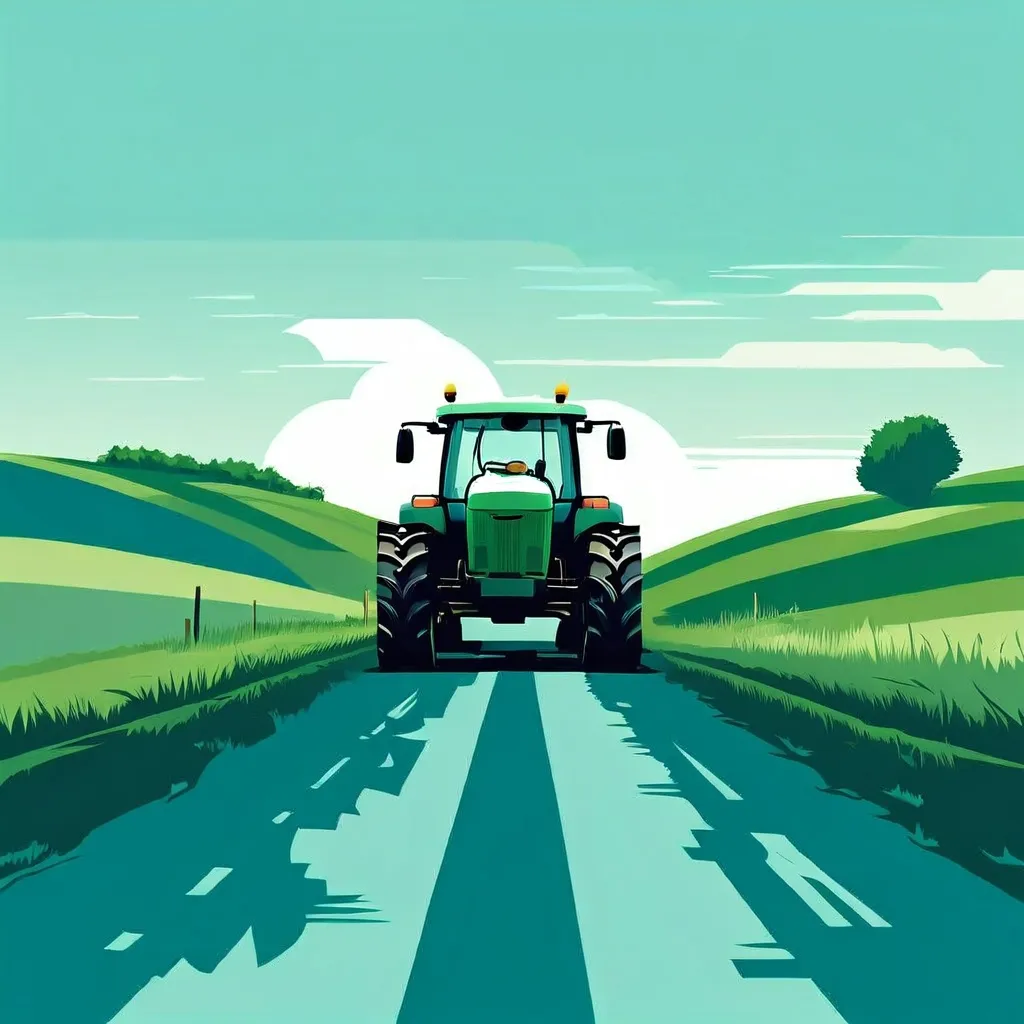
Driving in the French countryside presents unique challenges that require constant vigilance and proactive speed management. You will learn how to anticipate hidden dangers like tractors exiting fields, animals on unfenced paths, and limited visibility on winding rural lanes to ensure your safety and pass the official theory exam.
Updated on Jul 16, 2026

Driving on France's scenic coastal and rural routes presents unique challenges, especially when low sun and glare drastically reduce visibility. This guide explains the dangers of these conditions, drawing on principles from the French Code de la route, and provides essential advice for safe driving. Preparing for these scenarios will not only enhance your safety but also equip you for specific questions on the theory exam.
Updated on Jul 8, 2026
Discover other categories connected to French Weather & Rural Driving. These sections help you explore additional topics, expand your understanding of driving theory in French, and build a more complete picture of the rules and situations tested during the exam.
Find answers to common questions learners ask about French Weather & Rural Driving. This section helps clarify difficult concepts, highlight critical exam information, and support your preparation for the French driving theory exam in France.
In France, the most crucial rule for driving in fog is to reduce your speed significantly, increase your following distance, and use your fog lights (front and rear if equipped and conditions warrant). Always be prepared to stop suddenly and ensure your visibility is as good as possible by keeping windows clear and using appropriate lighting.
When driving on mountain roads in France, anticipate steep descents by using engine braking (lower gears) to control speed rather than relying solely on your brakes, which can overheat. Be vigilant for sharp bends, oncoming traffic, and potential hazards like falling rocks or animals. Ensure your vehicle is equipped for winter conditions if necessary.
Rural roads in France often feature narrow lanes, blind bends, and unexpected hazards such as agricultural vehicles (tractors), cyclists, and animals. It's essential to reduce speed, stay alert, use your horn judiciously before blind corners, and maintain a safe distance from other vehicles, especially slow-moving farm machinery.
France has introduced regulations for winter driving in certain mountainous areas, known as the 'Loi Montagne'. This may require specific winter tires or the carrying of snow chains (or 'snow socks') during designated periods, typically from November 1st to March 31st. Always check local signage and current regulations for the specific region you are traveling in.
Rain significantly increases stopping distances on all French roads due to reduced friction between tires and the road surface. You should increase your following distance by at least half, and potentially double it in heavy rain, to allow adequate space to stop safely.
Dive into the comprehensive French driving theory article categories to systematically prepare for your ETG exam. Each section organizes critical Code de la route topics, from essential traffic rules to complex administrative procedures, ensuring you cover all necessary material for your permis de conduire with confidence and clarity. Begin your learning journey now.
French Theory Article Categories