
This section covers essential warning signs commonly encountered on French roads. These triangular signs alert you to potential dangers ahead, such as sharp bends, slippery surfaces, railway crossings, or the presence of pedestrians and animals. Learning to interpret these signs correctly is crucial for adapting your speed, observation, and driving plan to ensure safety and pass your driving theory test with confidence.
An explanation of how France Warning Signs road signs apply in real traffic situations in France. Learn where these signs are typically placed, what drivers are expected to do when they appear, and how correct reactions help you stay safe, avoid fines, and succeed in your French driving theory exam.
Warning signs are strategically placed on all types of roads, from rural lanes to urban streets and even approach roads to motorways, to give you advance notice of hazards. You'll encounter signs for sharp bends (like A1a and A1b), indicating the need to reduce speed and position your vehicle correctly. Be vigilant for signs warning of road surface changes (A2a, A2b, A4) or narrowing carriageways (A3, A3a, A3b), which might require slowing down or careful maneuvering. In rural areas, signs warning of animals (A15a, A15b, A15c) or cyclists (A21) are common, demanding increased awareness and caution. You'll also see signs for specific dangers like level crossings (A7, A8), bridges (A6), steep hills (A16), or traffic lights (A17), all prompting you to adjust your approach accordingly. These signs are vital for proactive driving, allowing you to create space and time to react safely before you reach the hazard itself.
An overview of the key learning outcomes when studying the France Warning Signs road sign category. Understand the main concepts, sign meanings, and traffic situations covered here so you can recognise patterns, answer theory questions more confidently, and build a solid foundation for safe driving in France.
This collection covers France's essential warning signs, designed to alert you to potential hazards ahead. Studying these vital traffic signs together helps you recognize common road dangers like bends, narrowing roads, and animal crossings, improving your hazard perception and theory test revision. Understanding their specific meanings is crucial for safe driving in France.
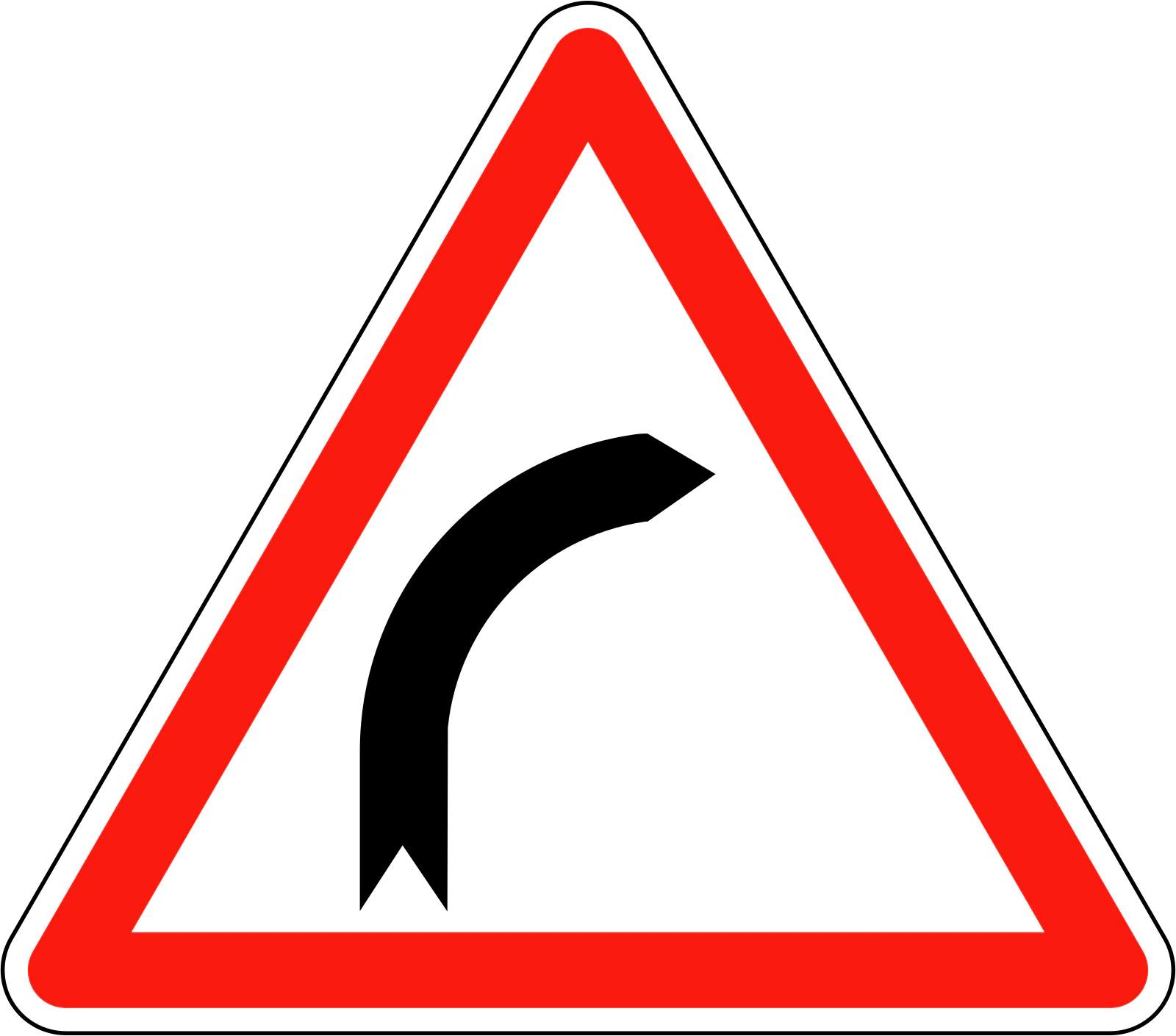
Prepare for a bend to the right with the A1a warning sign.
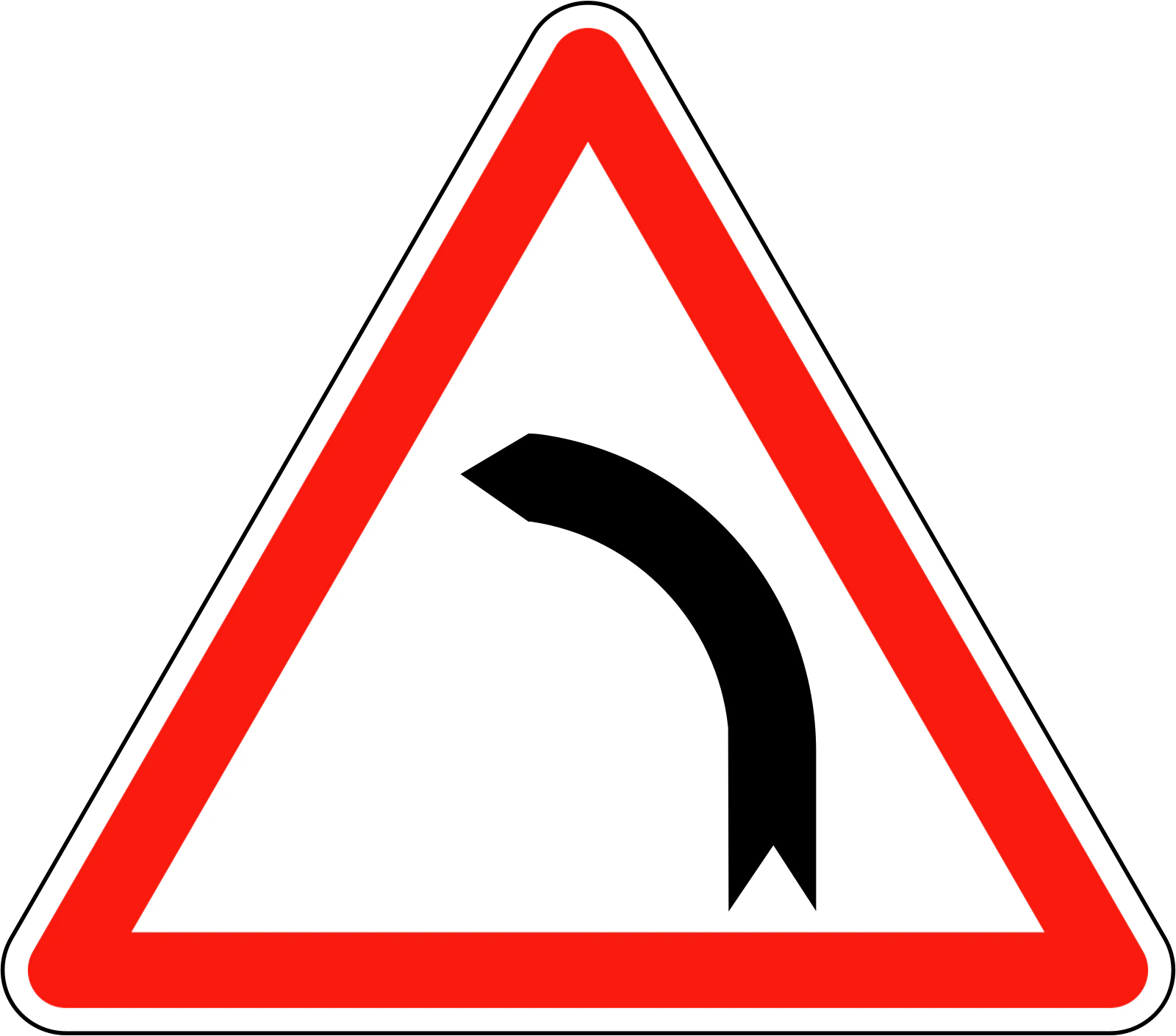
Prepare for a Bend to the Left Ahead: The A1b Warning Sign
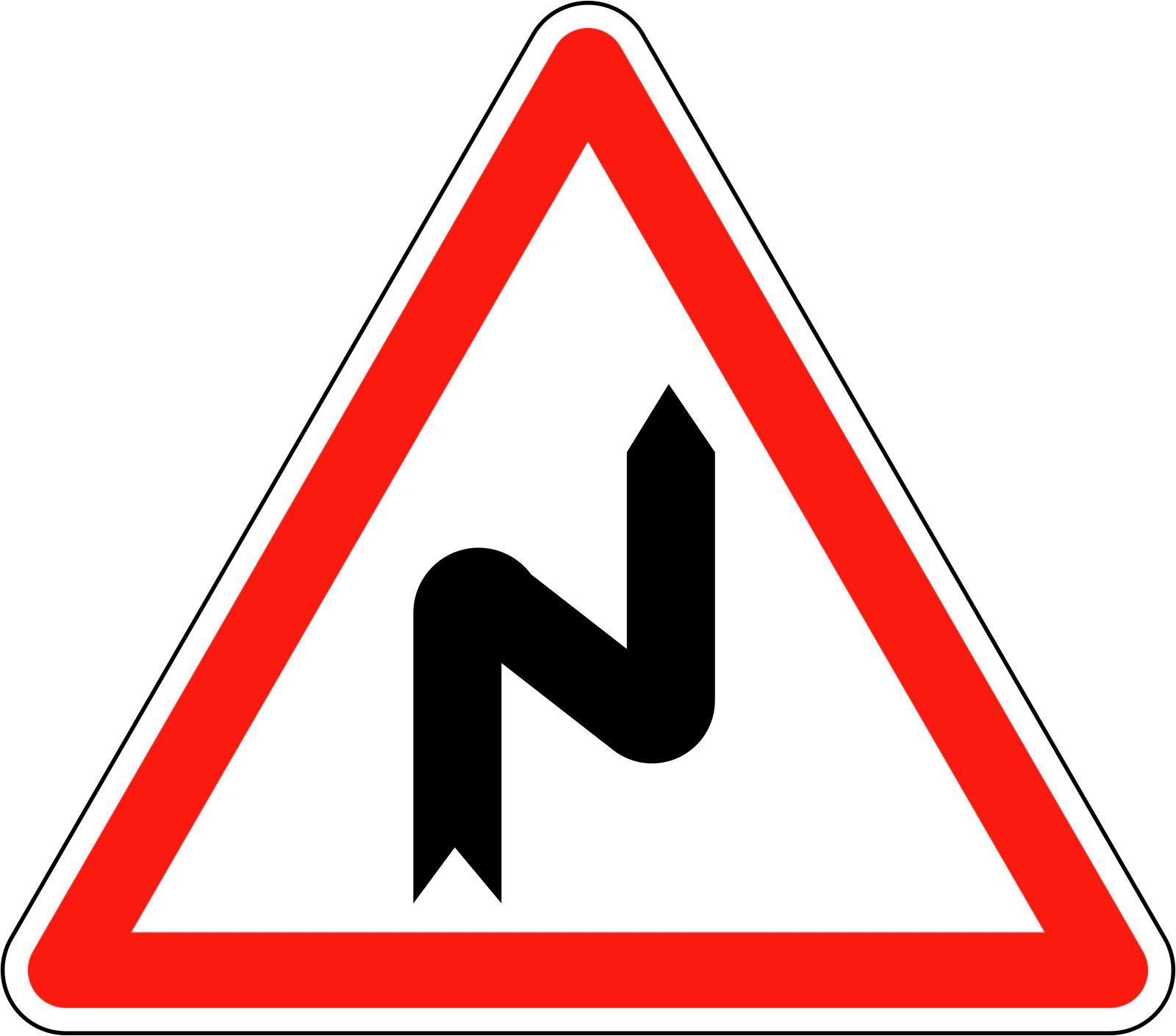
Watch out for the double bend ahead, starting with a turn to the right!
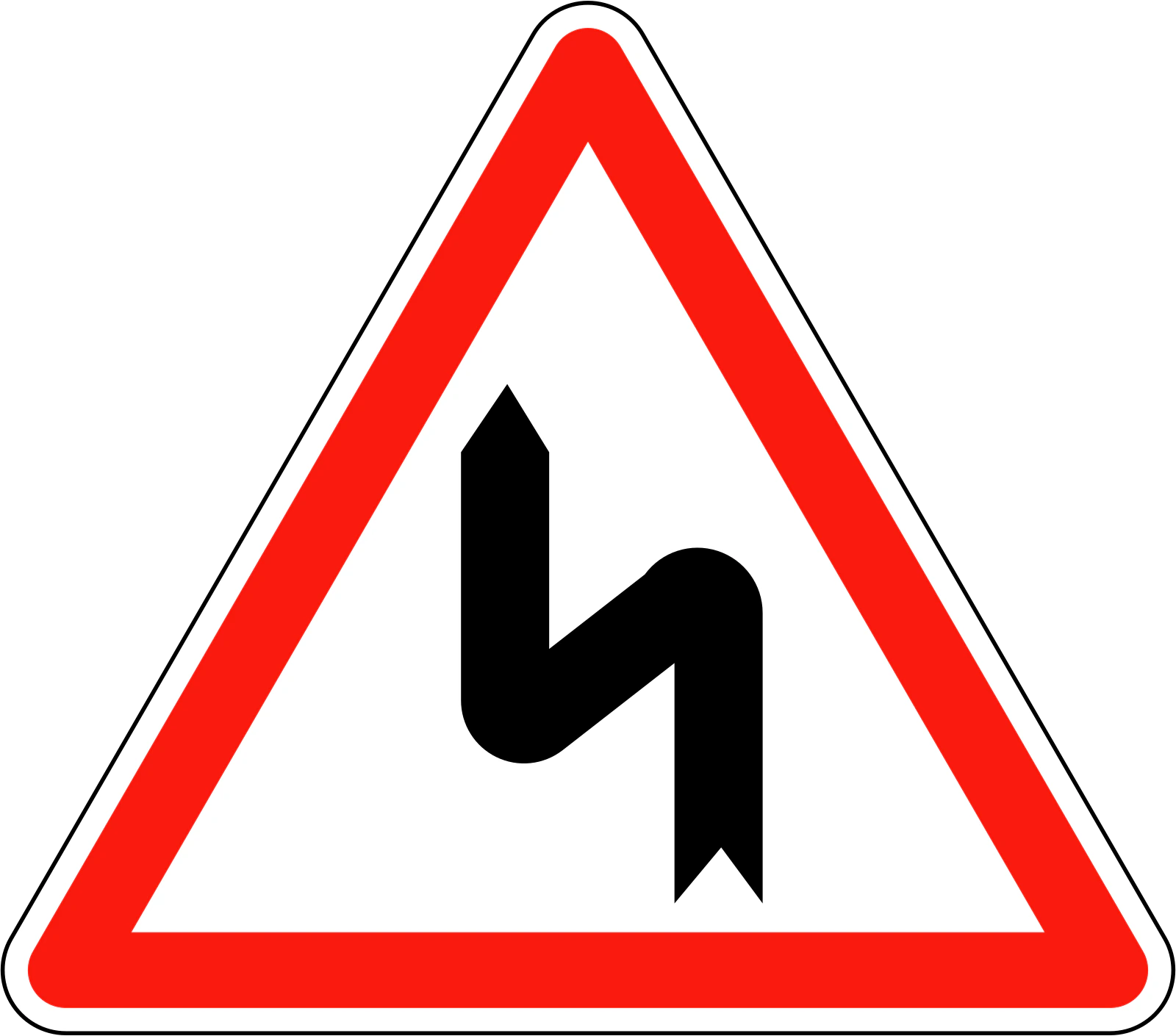
Prepare for a double bend starting to the left with the A1d warning sign.
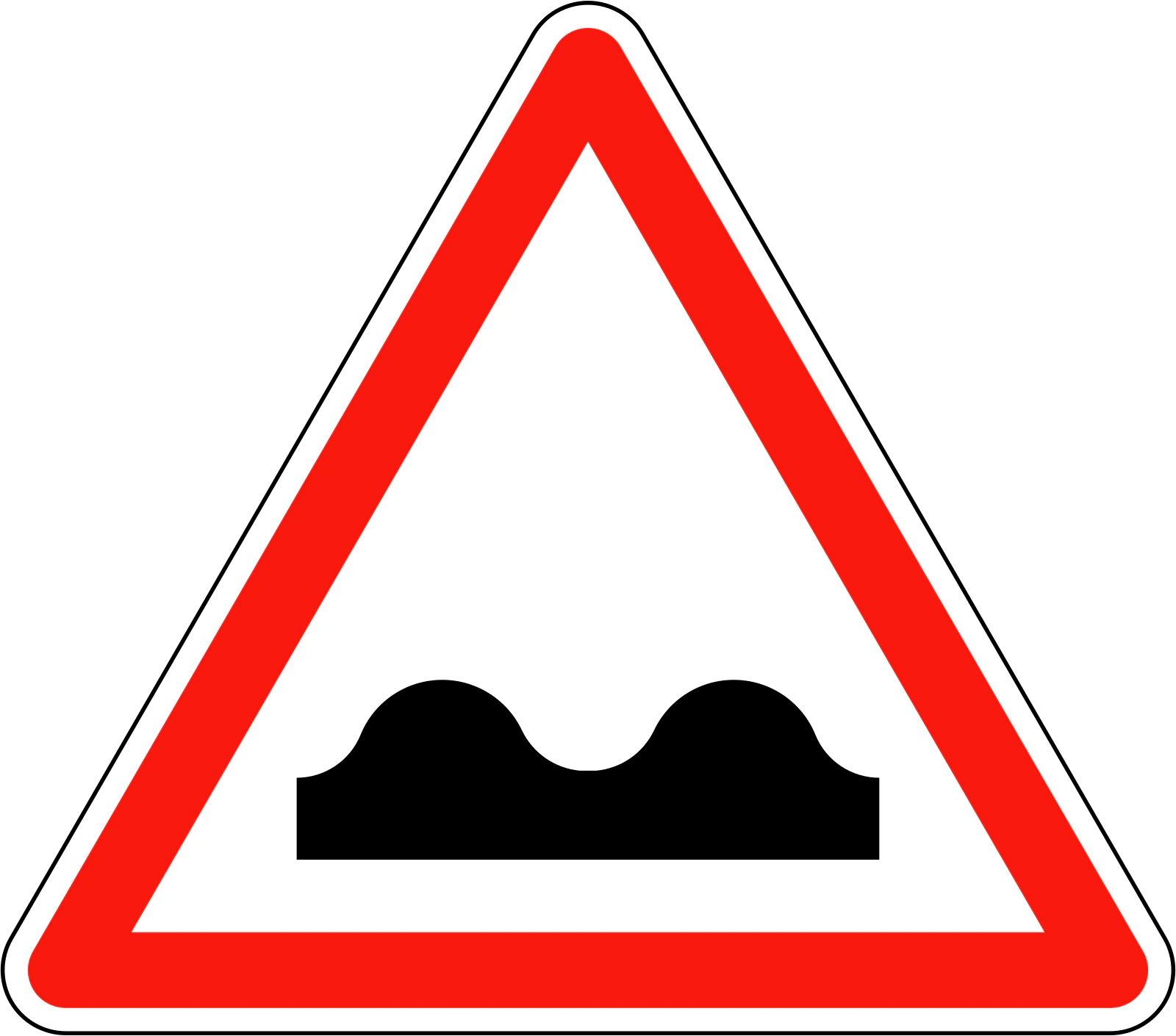
Prepare for road surface changes with the A2a 'Collapse or Bump' warning sign.
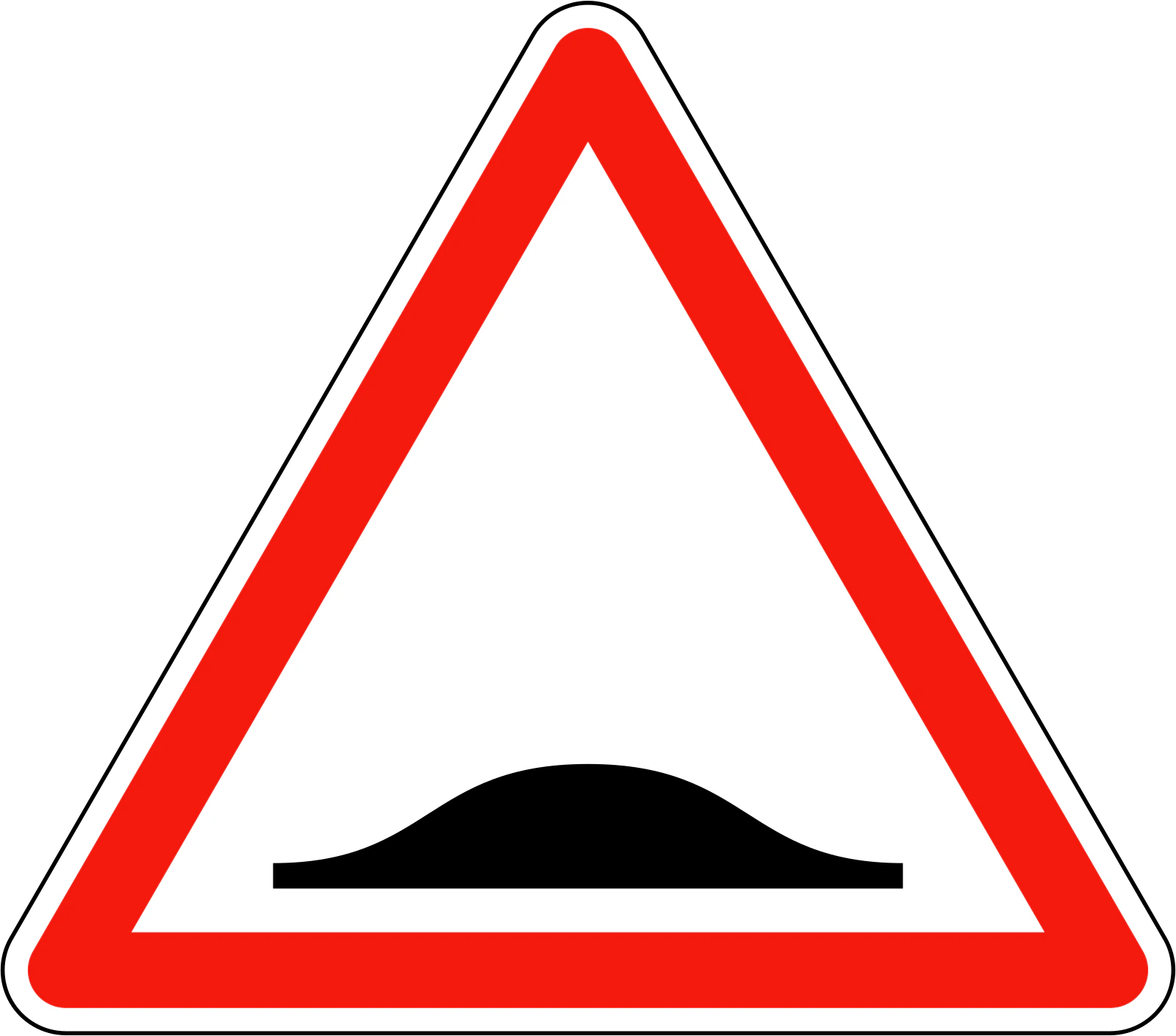
Prepare for speed bumps ahead with the French A2b warning sign.
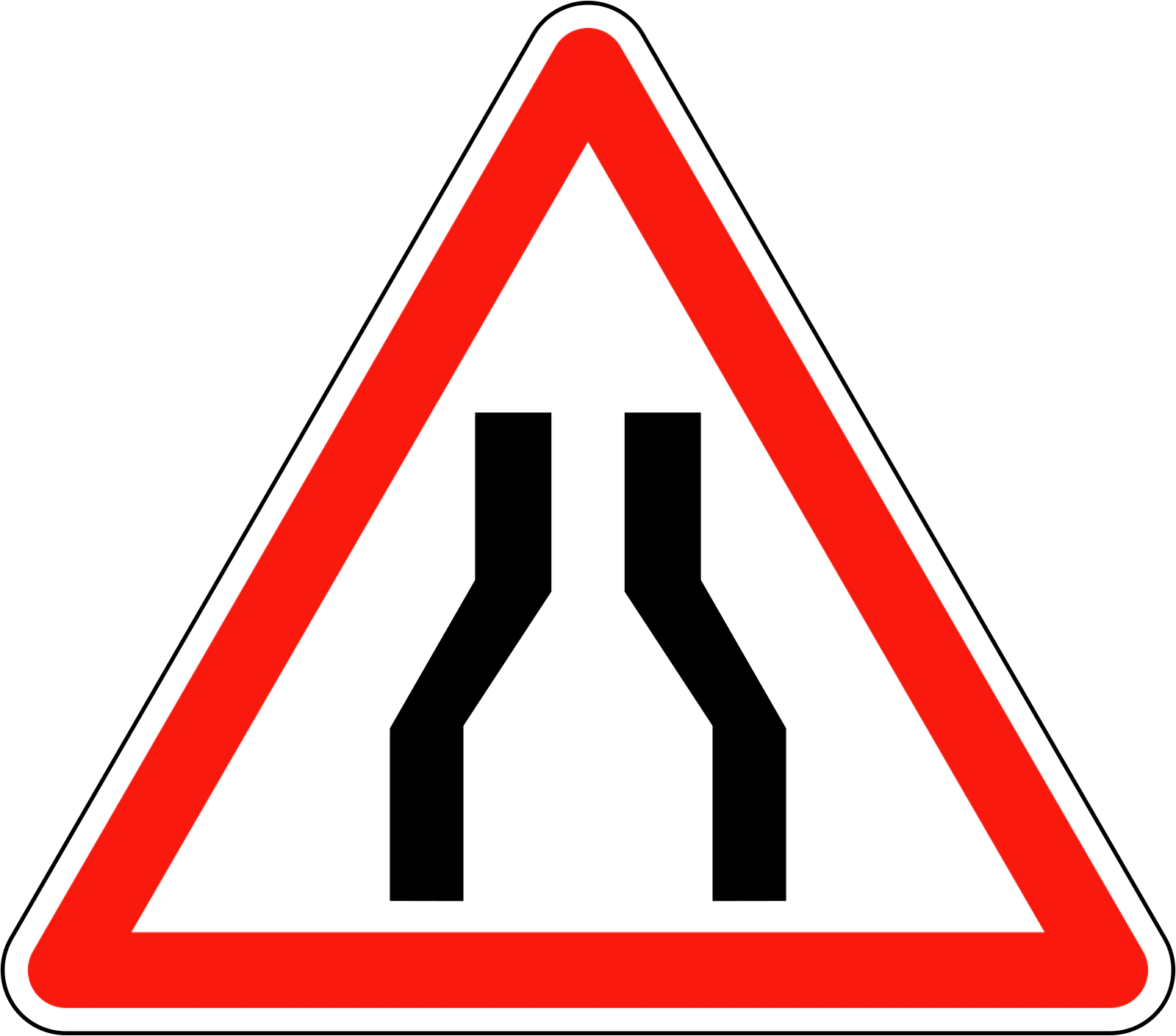
The A3 'Road Narrows' sign warns you to prepare for a narrower carriageway ahead.
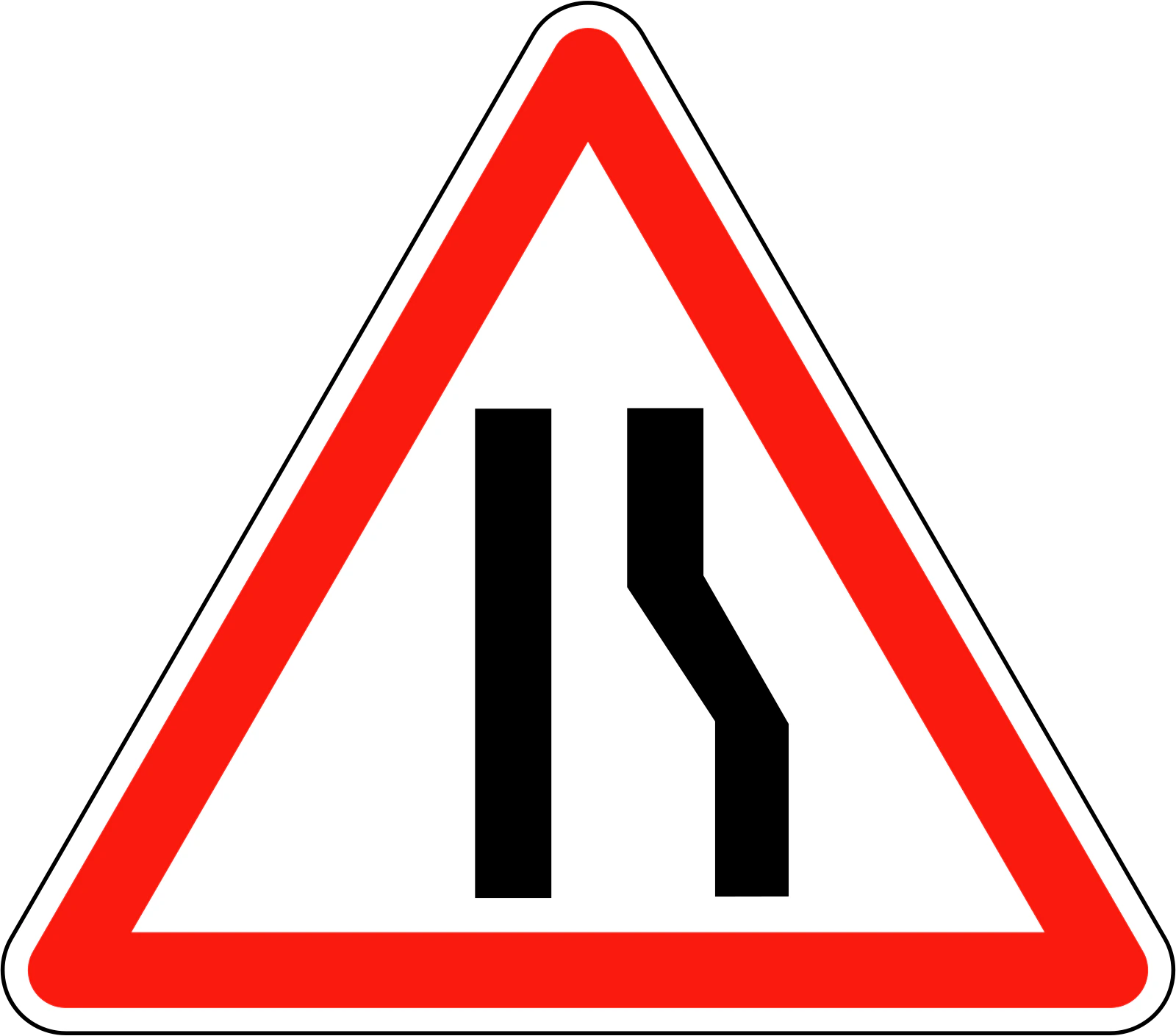
Prepare for a narrowing road on the right with the A3a warning sign.
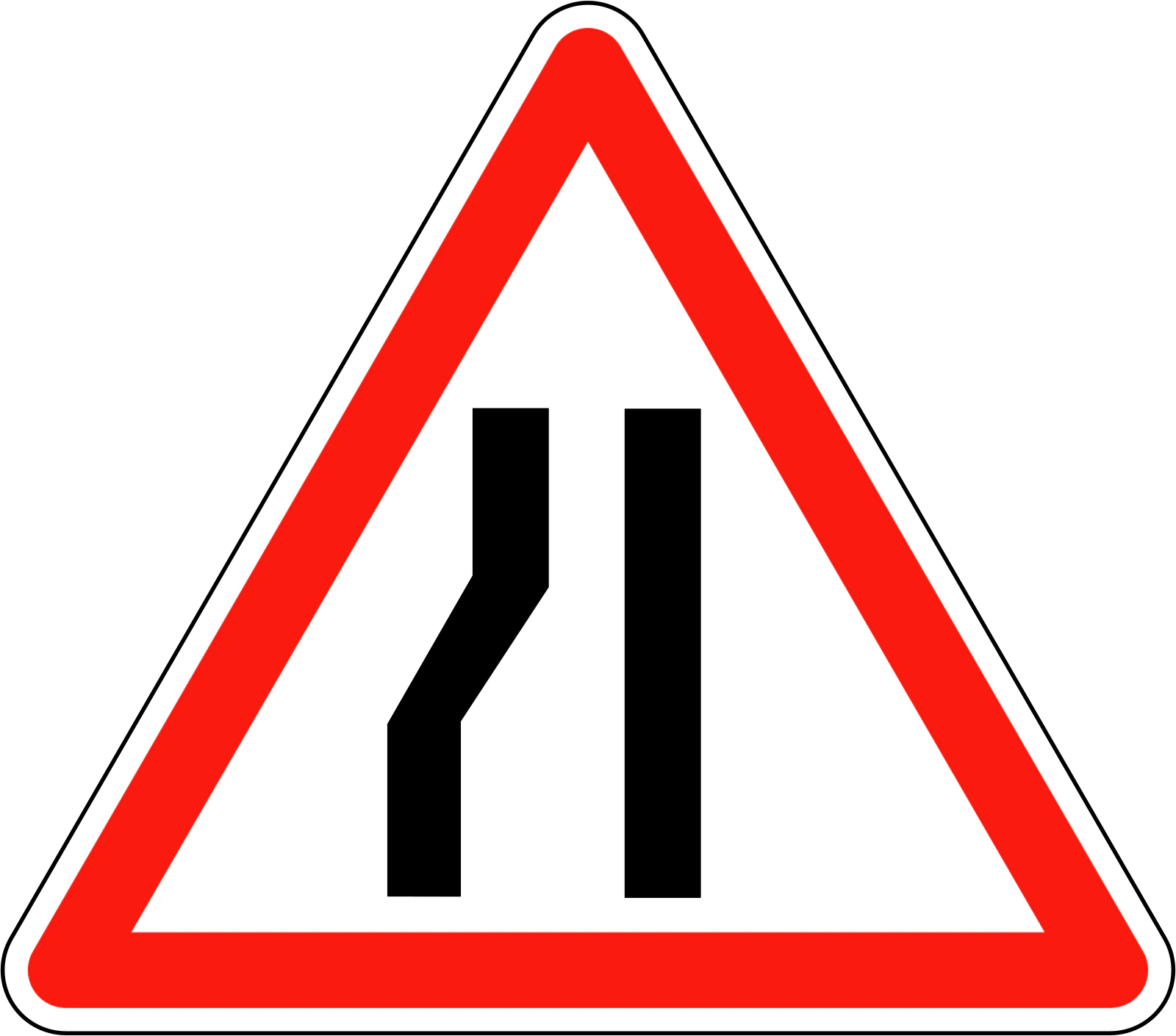
Prepare for a narrowing road on your left with the A3b warning sign
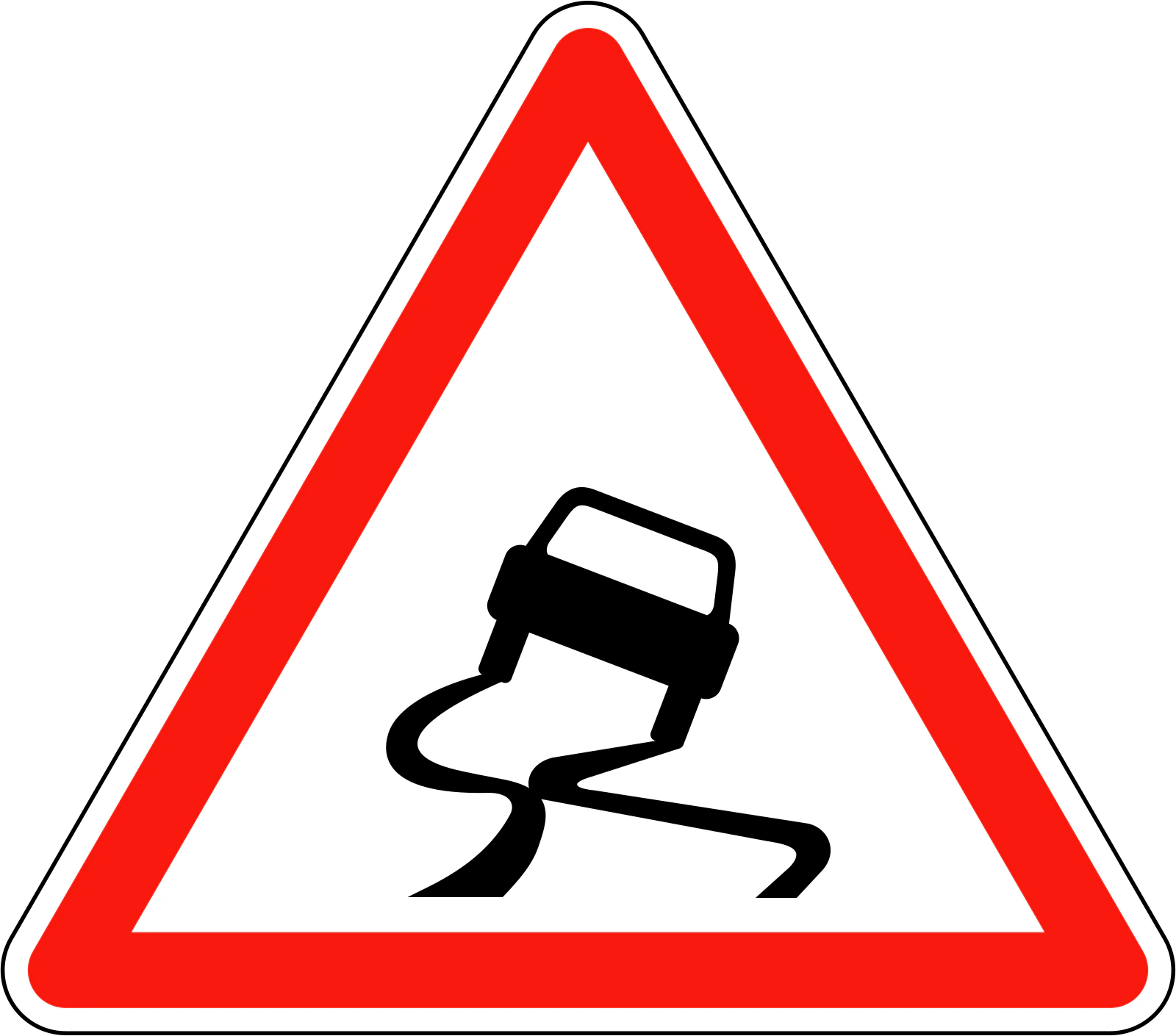
Prepare for a slippery road ahead with the A4 warning sign.
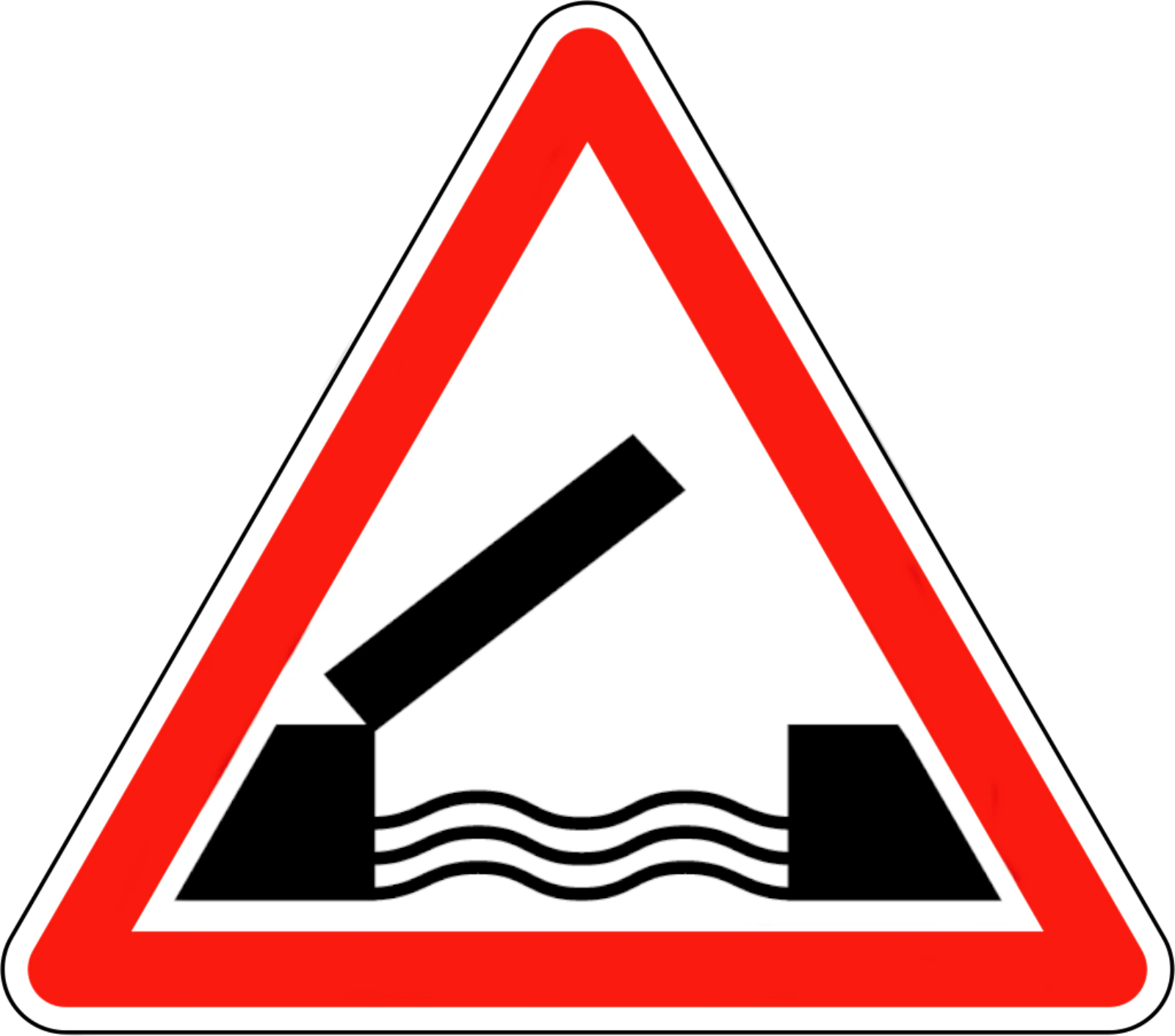
Prepare for an opening bridge ahead with the A6 warning sign.
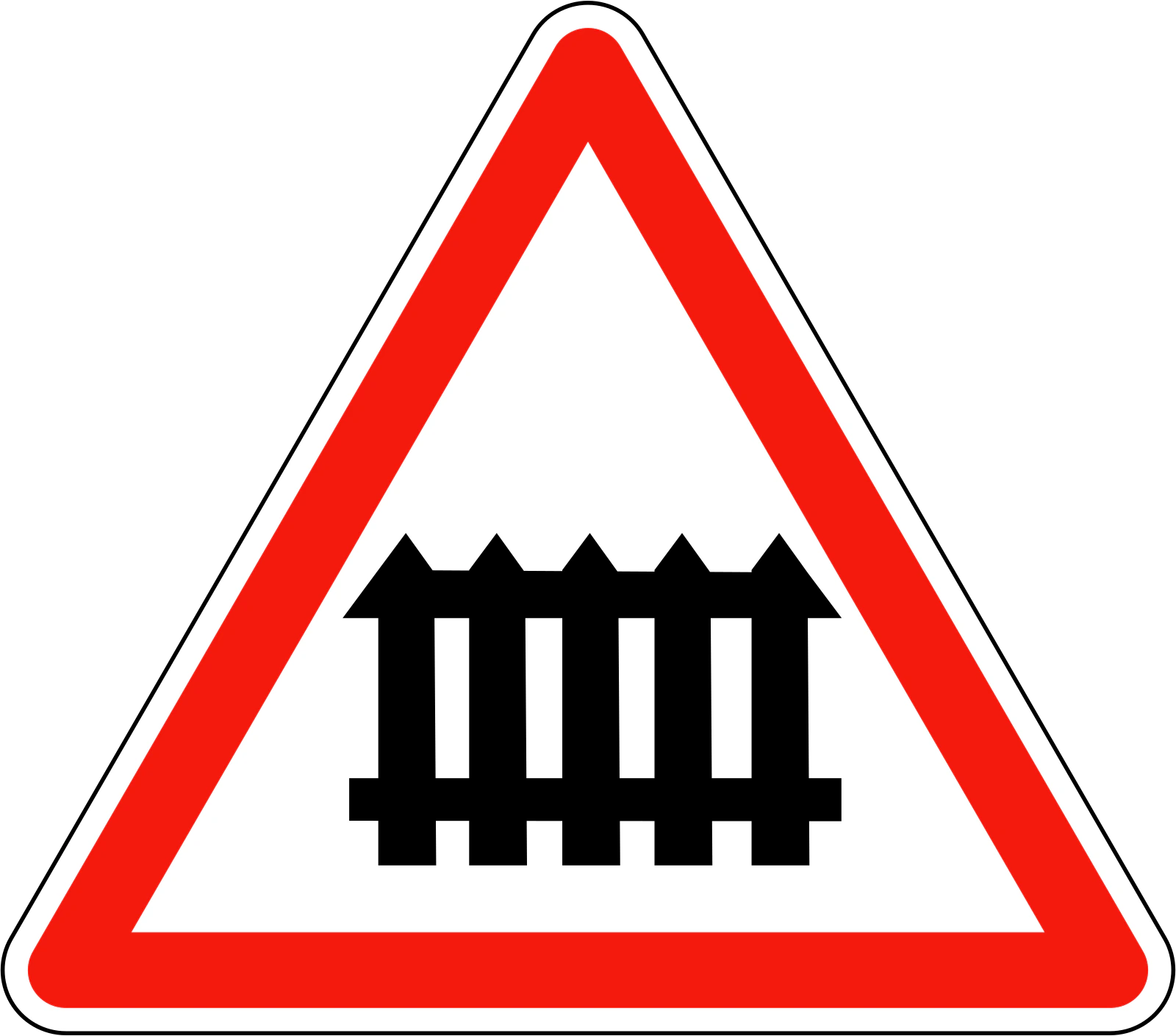
Warning: Level Crossing with Gates Ahead (Sign A7)
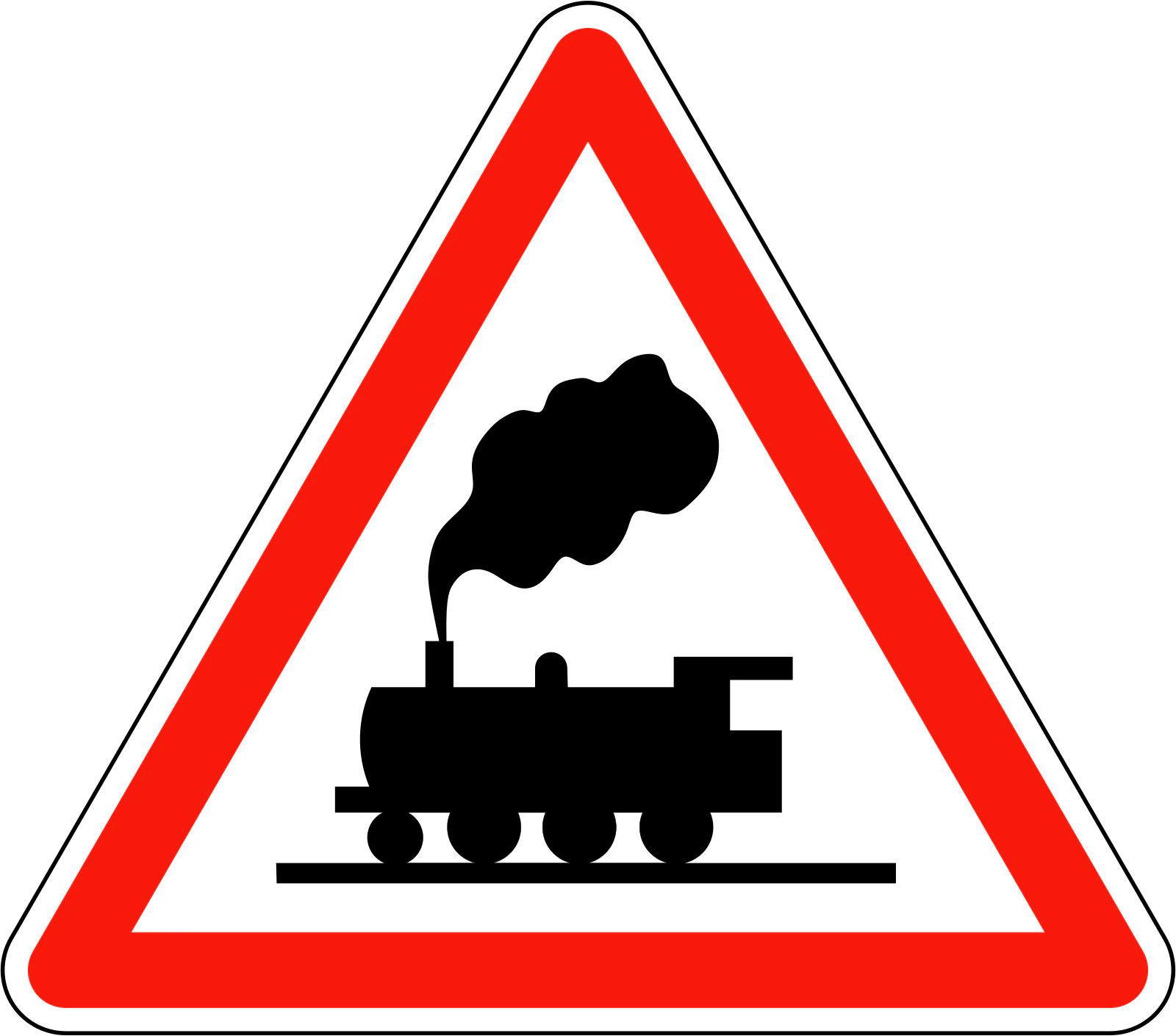
Understand the A8 'Level Crossing Without Gates' Warning Sign in France
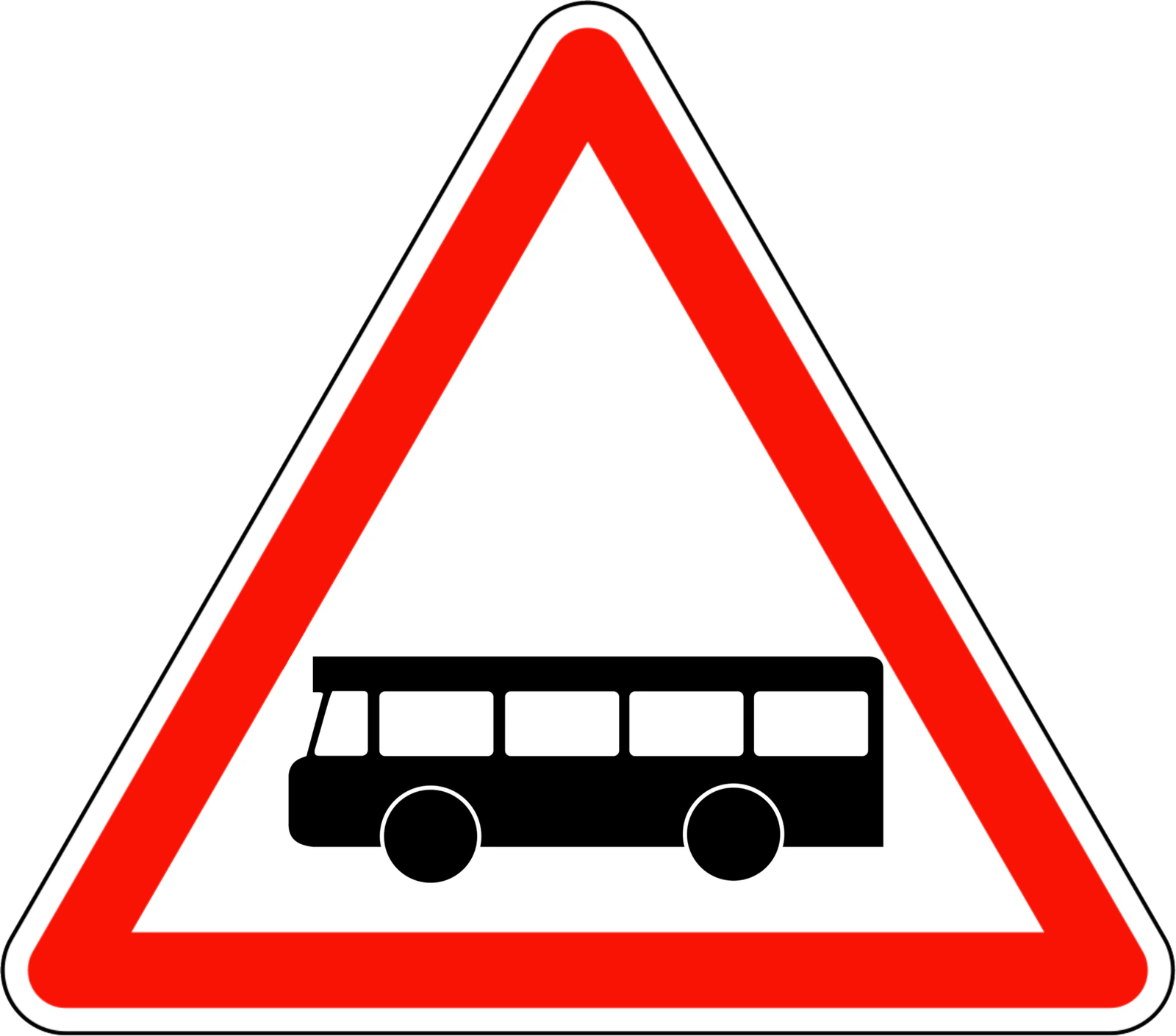
Prepare for buses crossing ahead with the A9a warning sign in France.
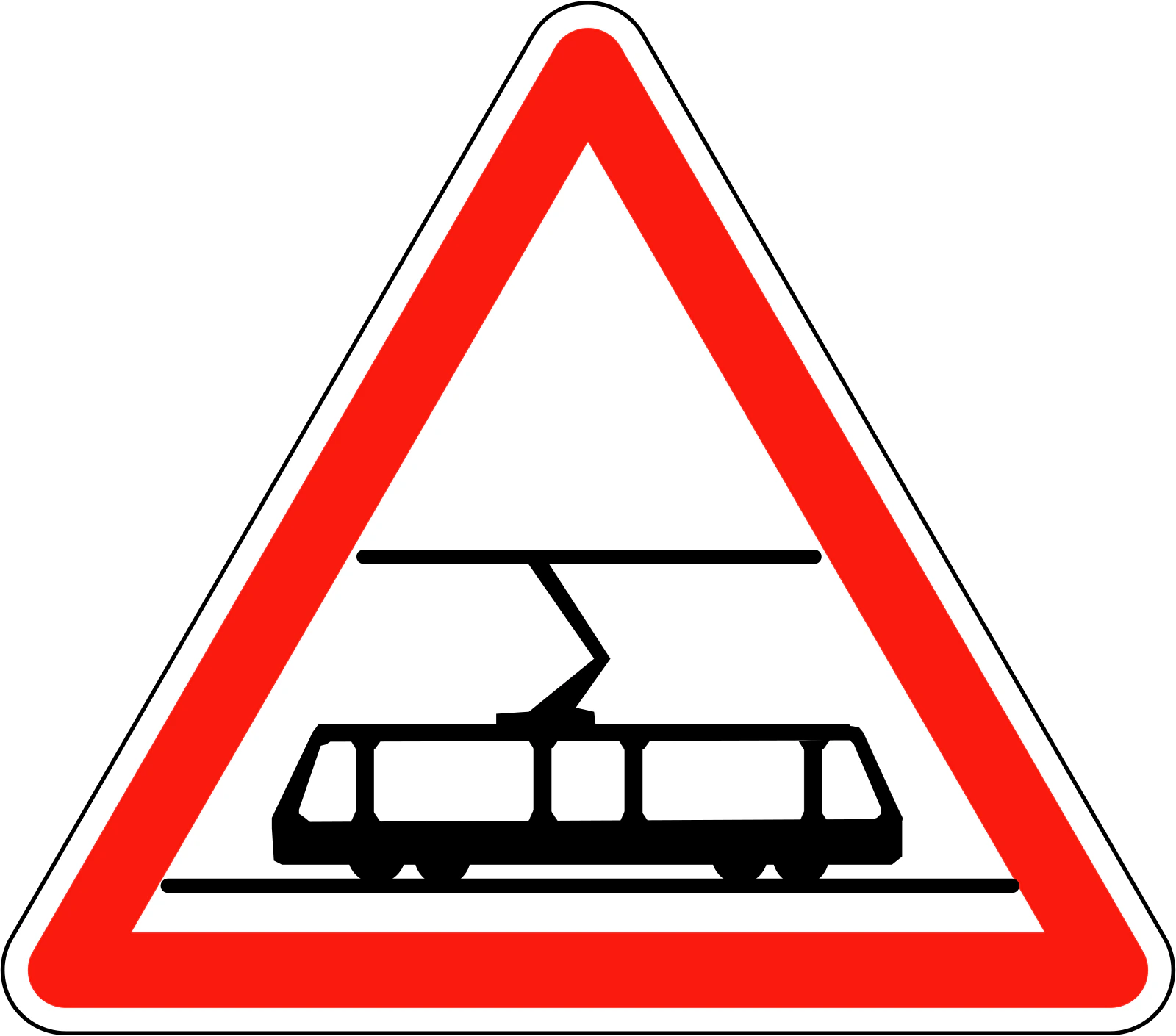
Prepare for trams ahead with the A9 warning sign.
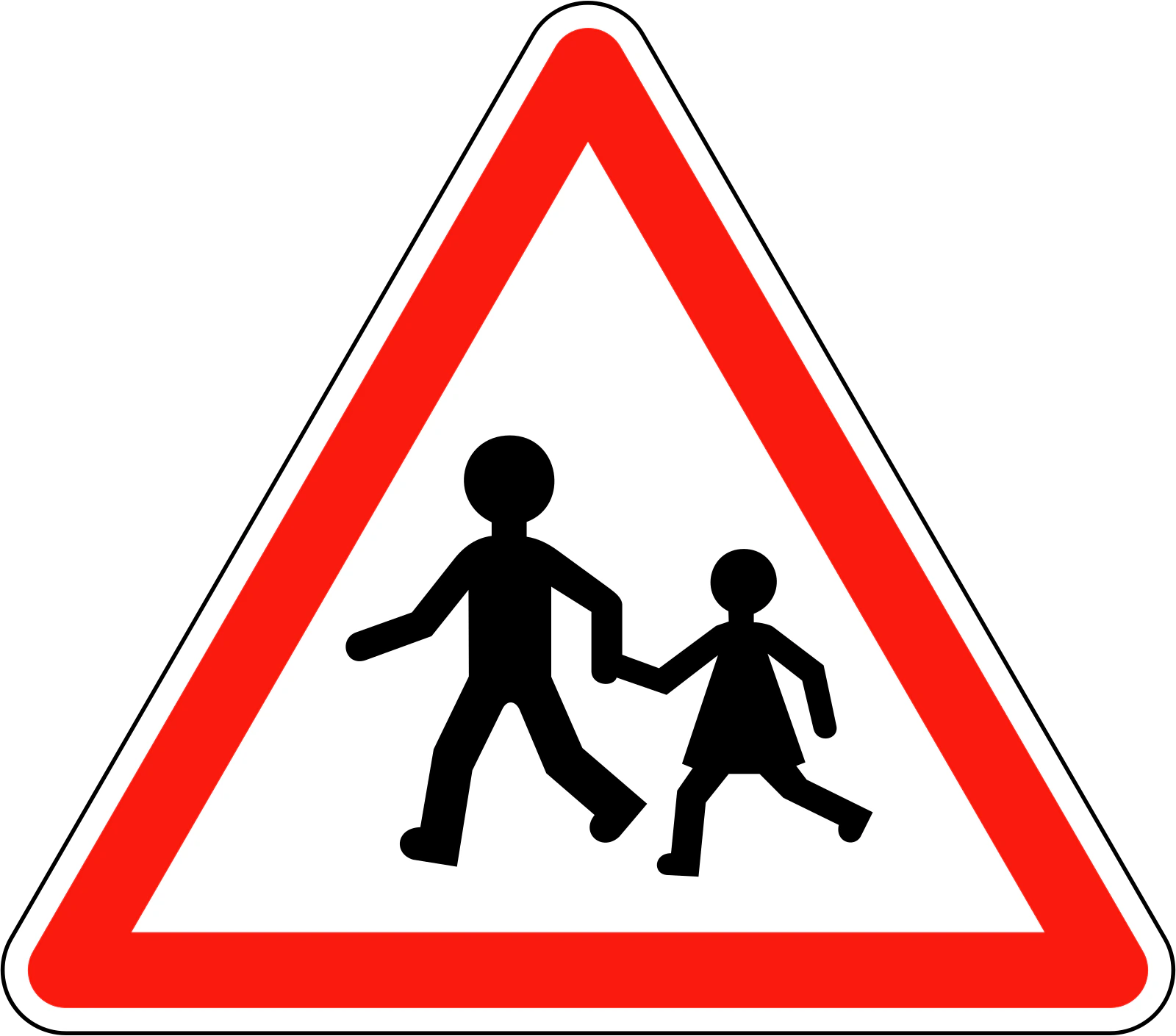
Warning: Children Crossing Ahead – Prepare to slow down and be vigilant!
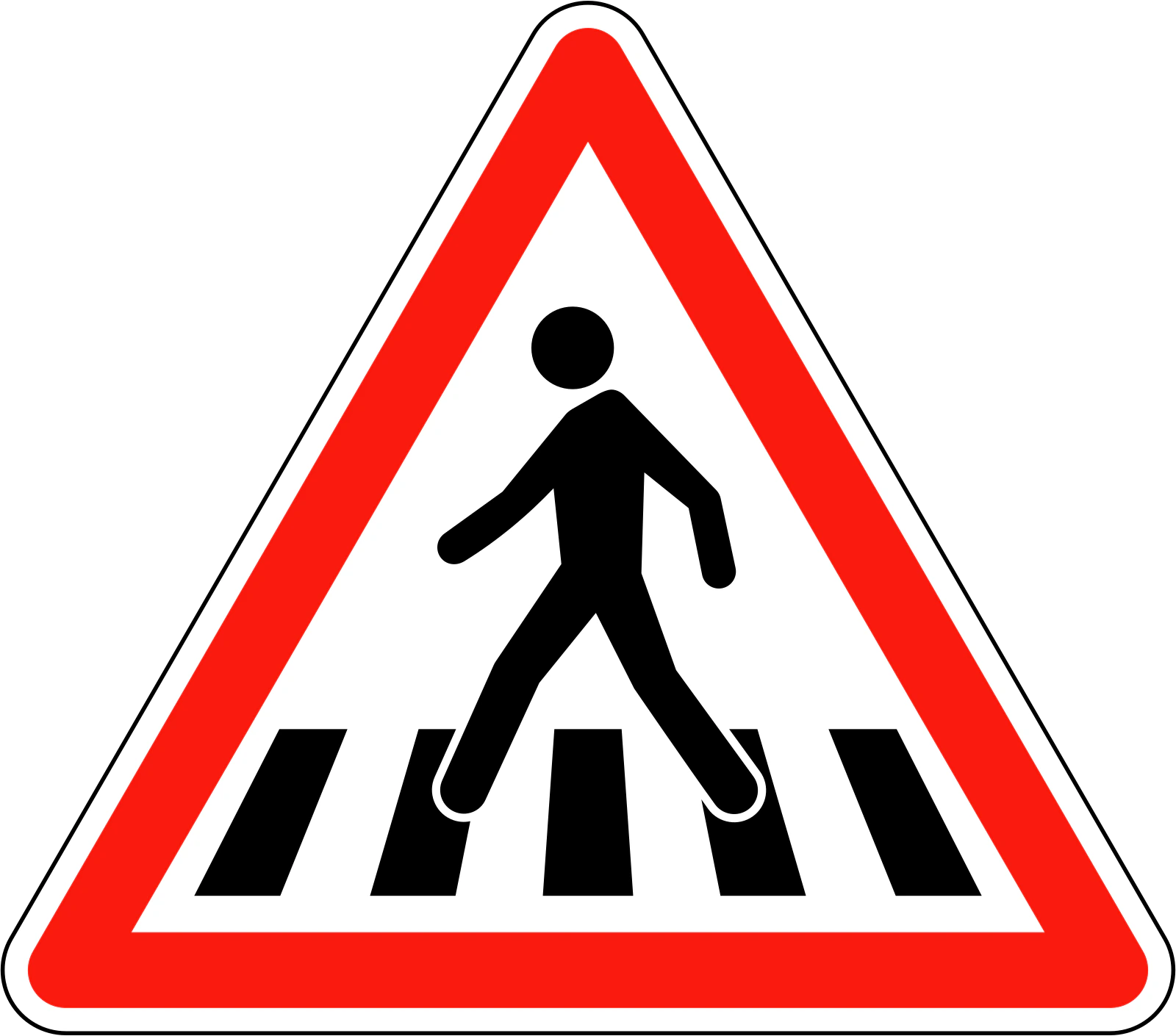
Prepare for Pedestrians: The A13b 'Pedestrian Crossing Ahead' Warning Sign
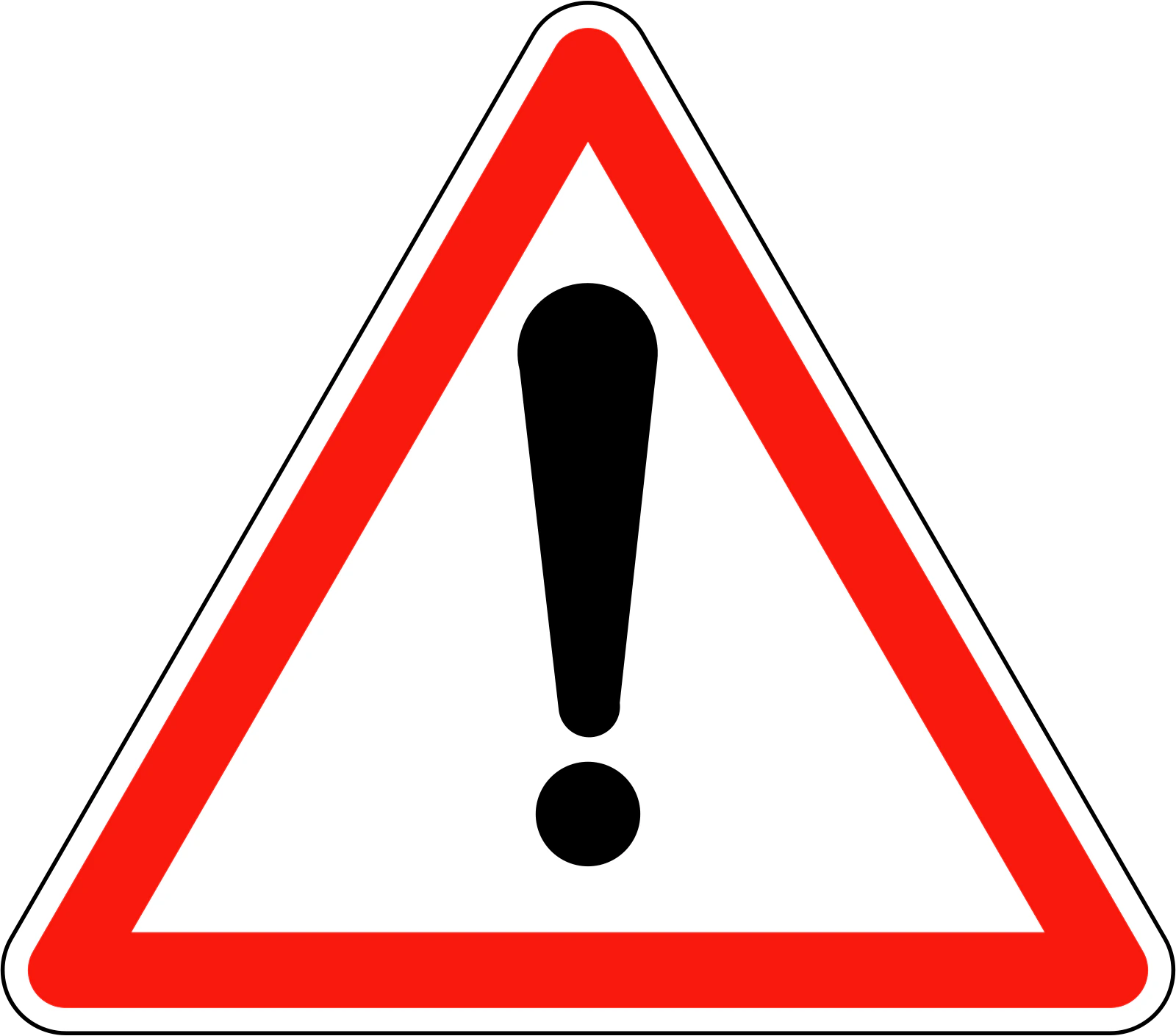
A14 Other Danger: Prepare for the Unexpected Ahead!
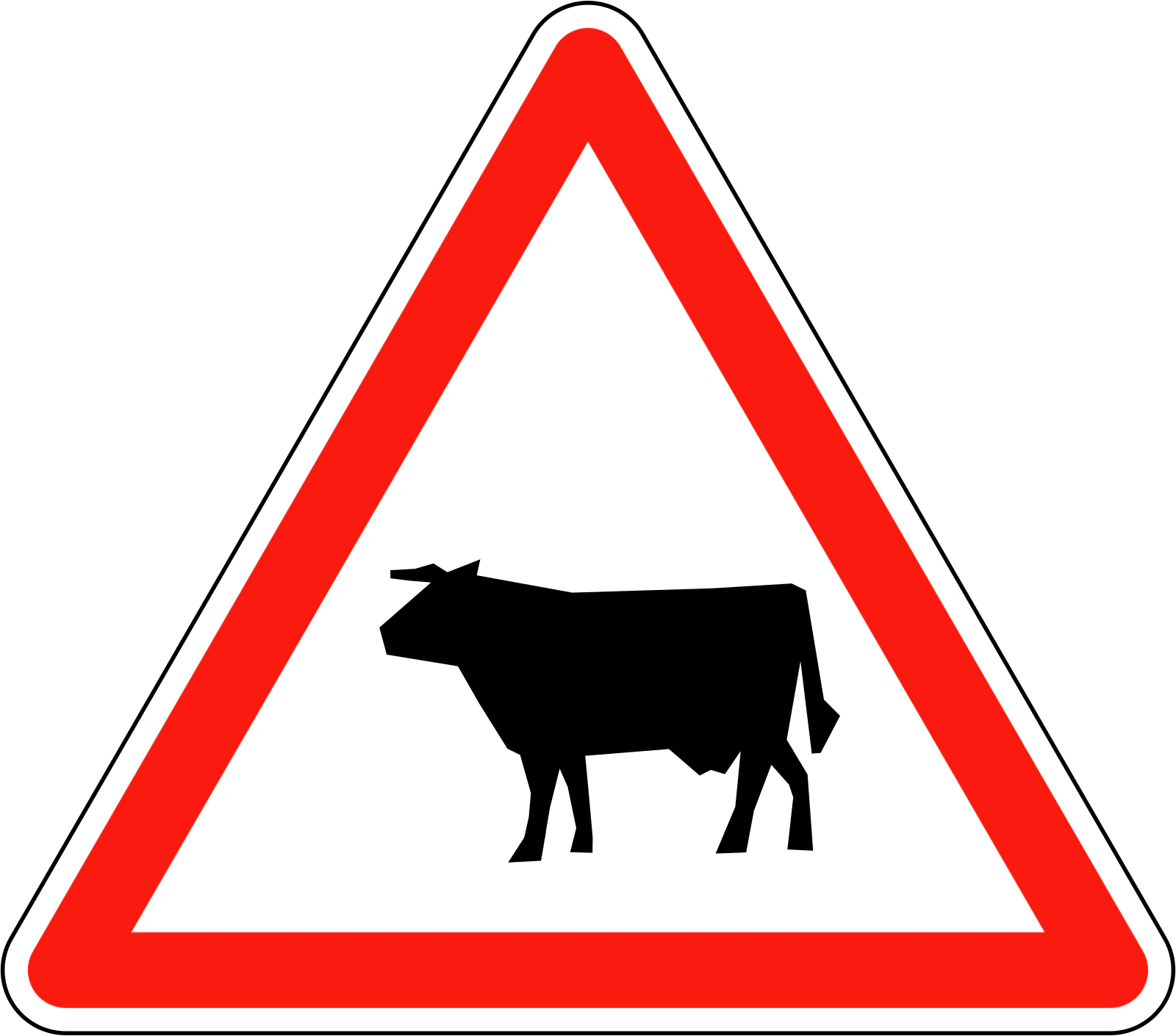
Prepare for cattle on the road with the French A15a warning sign.
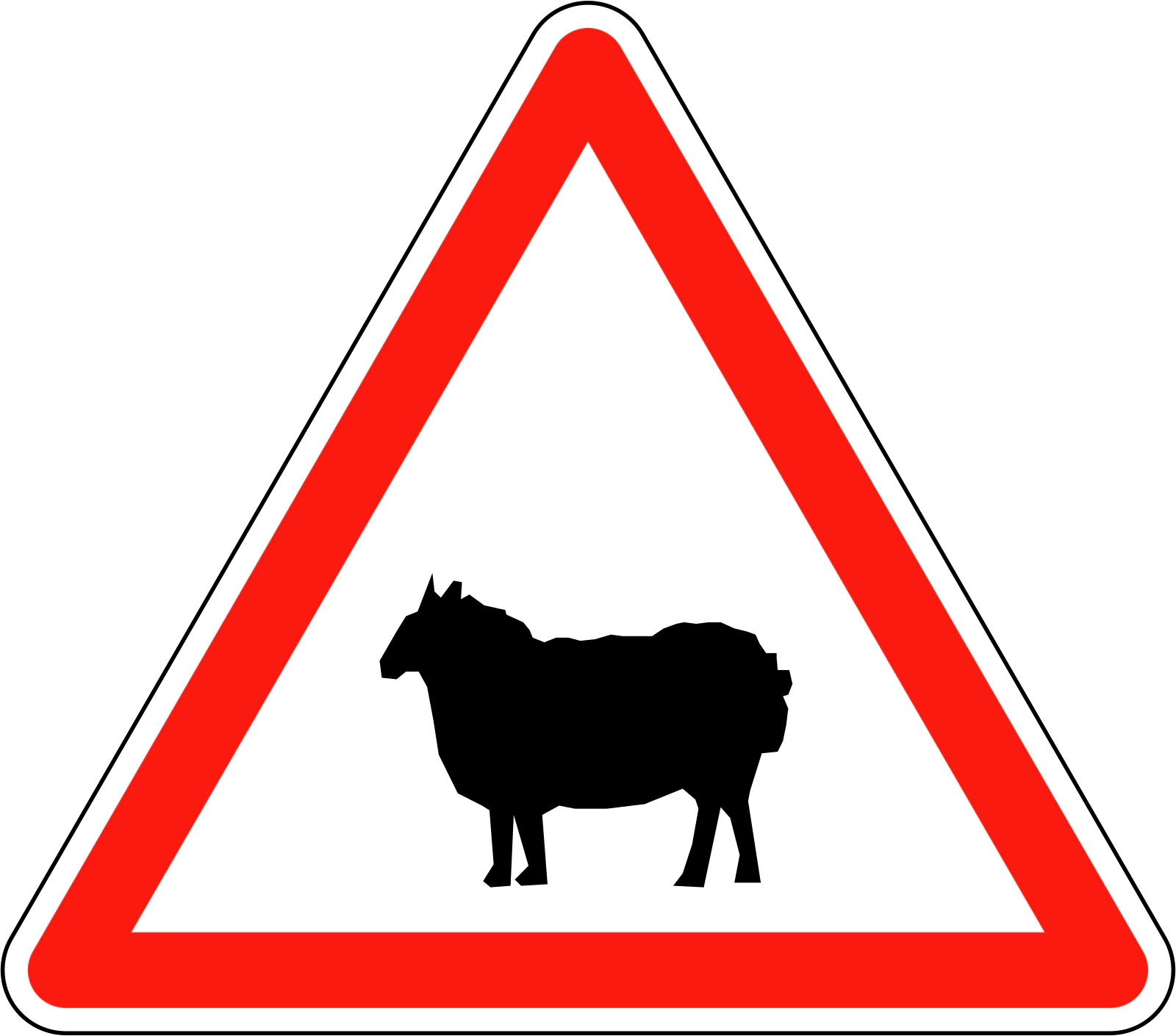
Watch out for Sheep: Understanding the A15a Warning Sign in France
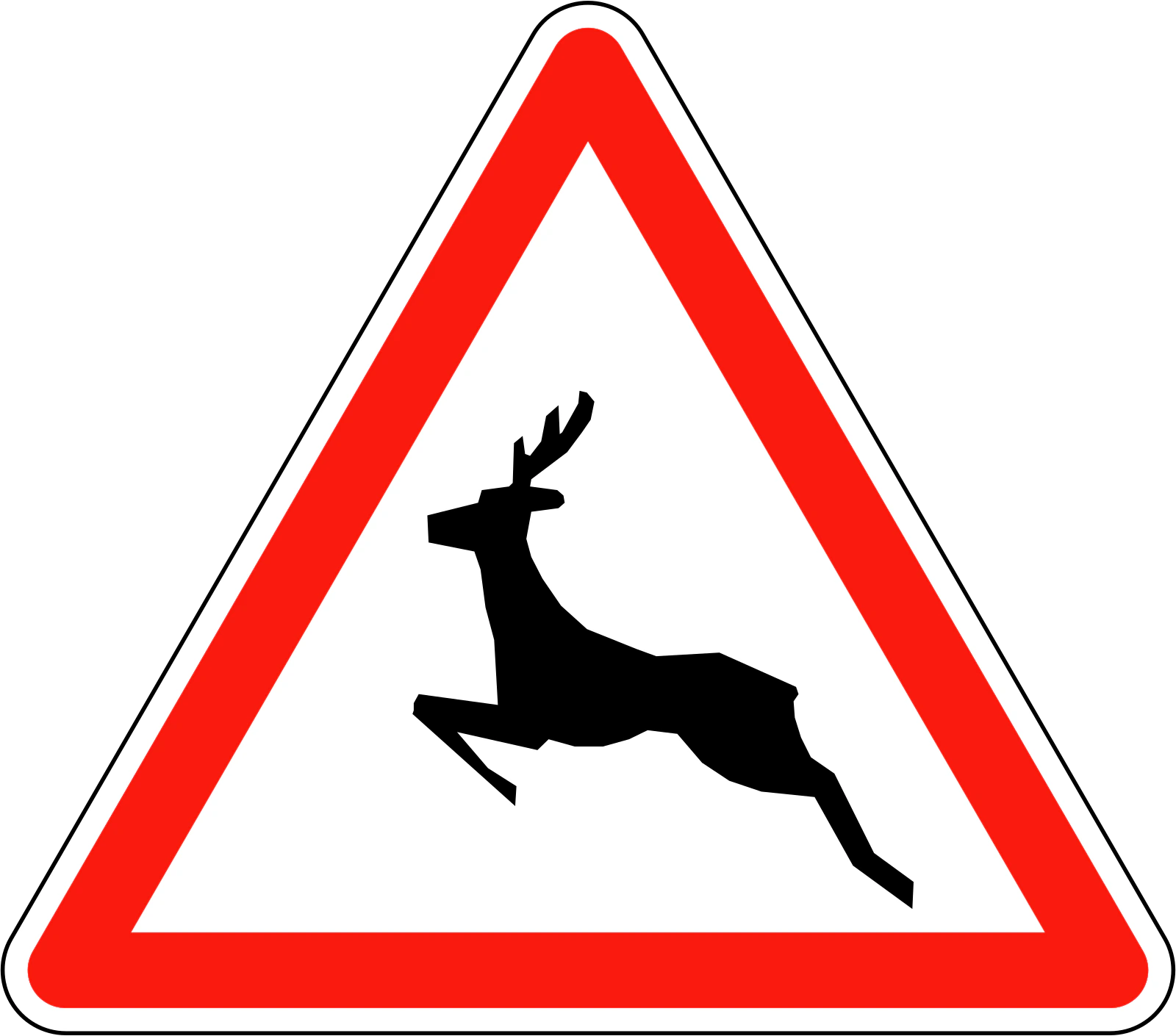
Be aware of wild animals with the A15b warning sign.
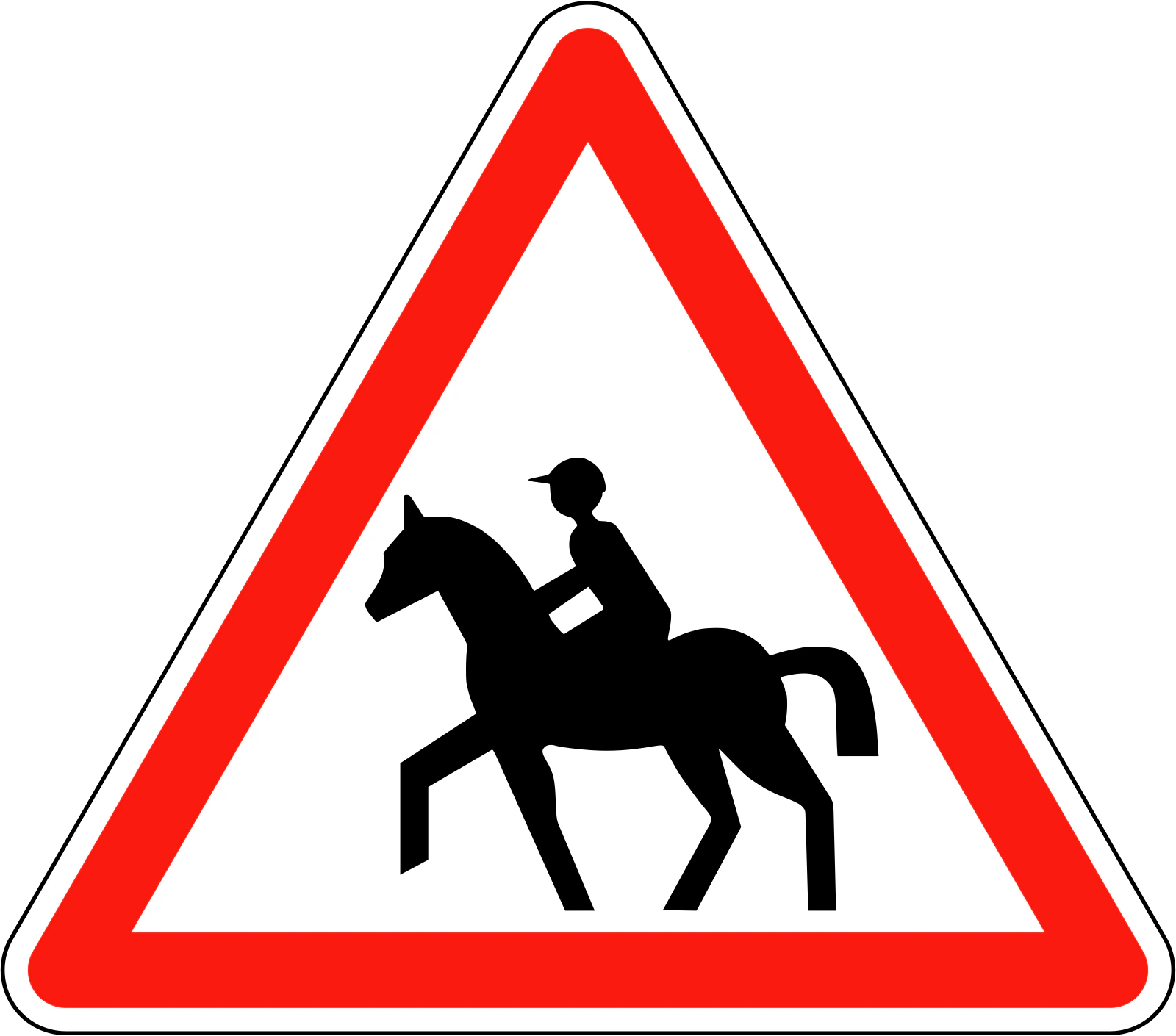
Watch out for horses: Understand the 'Equestrians' warning sign (A15c).
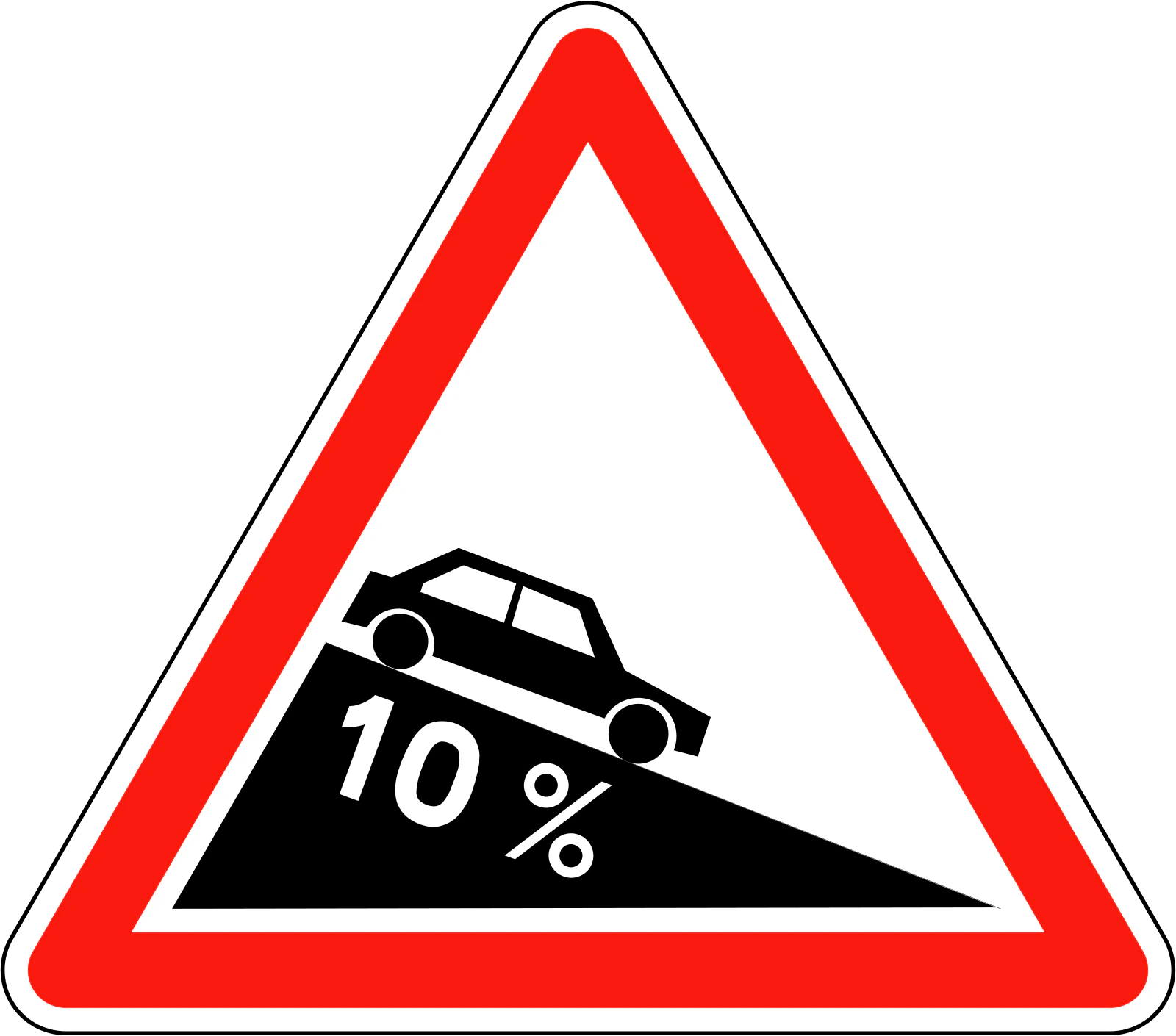
Steep Hill Downwards: Prepare for a significant descent ahead.
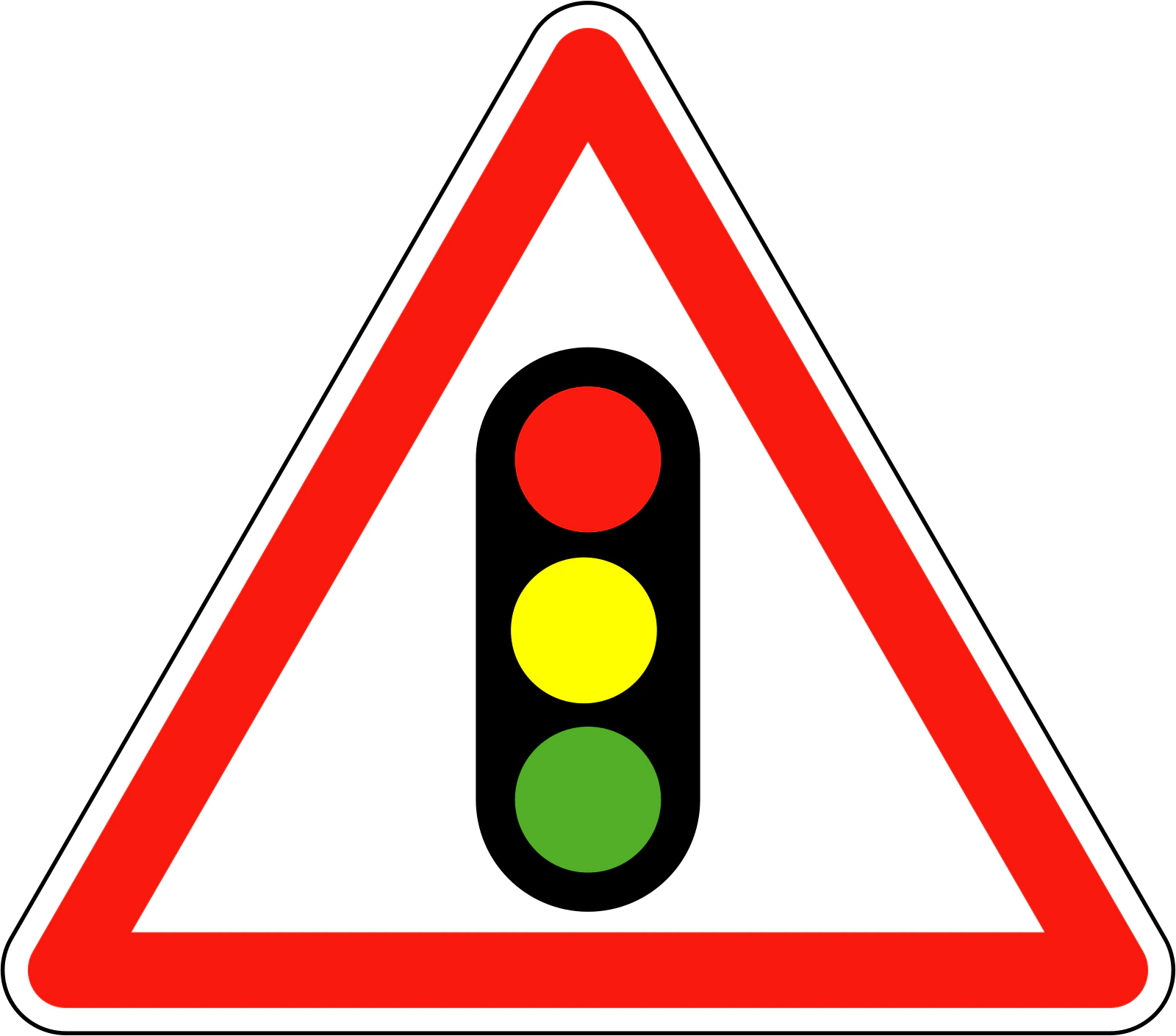
Prepare for changing traffic conditions with the A17 Traffic Light warning sign.
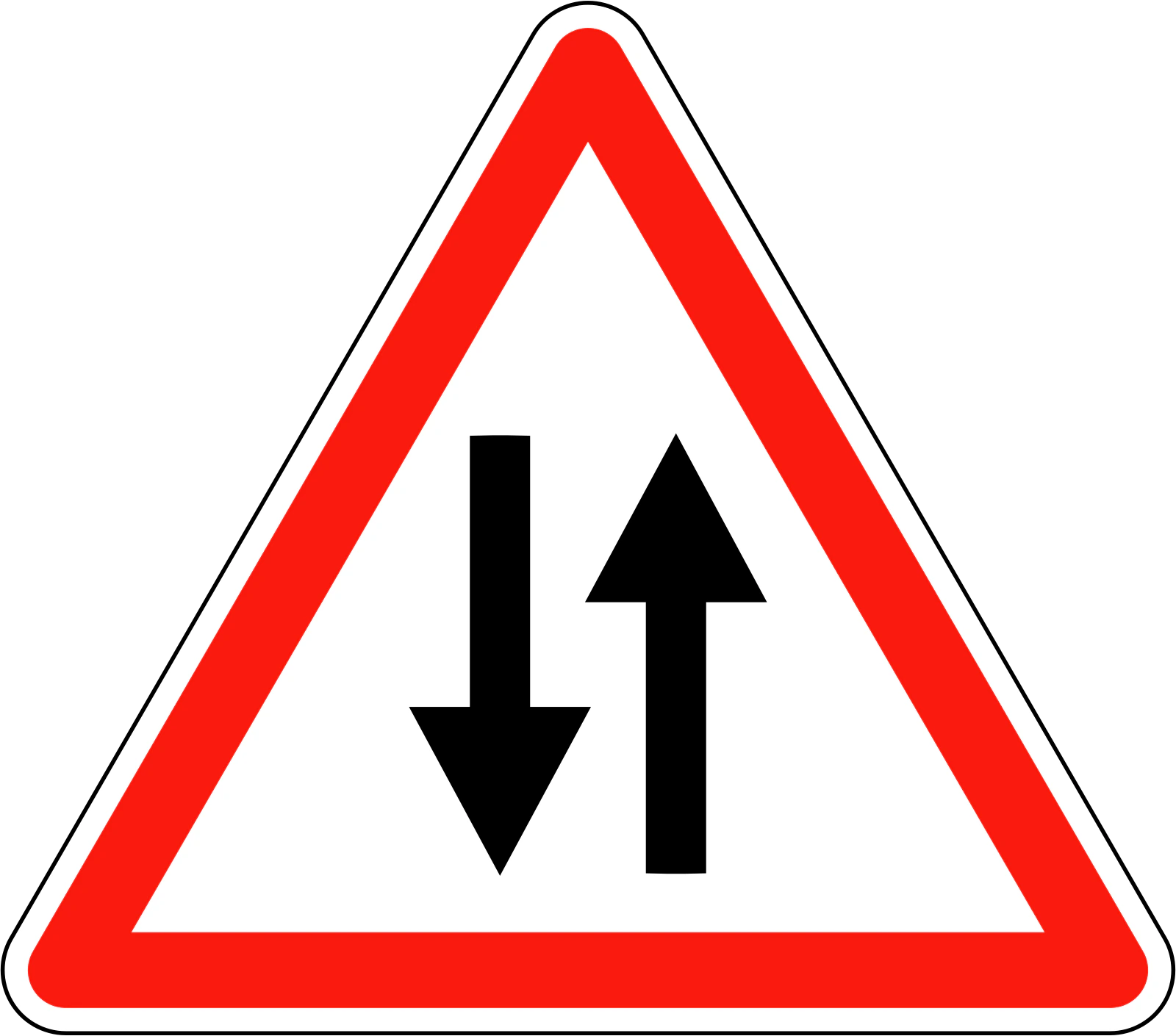
Prepare for Two-Way Traffic Ahead with the French A18 Warning Sign
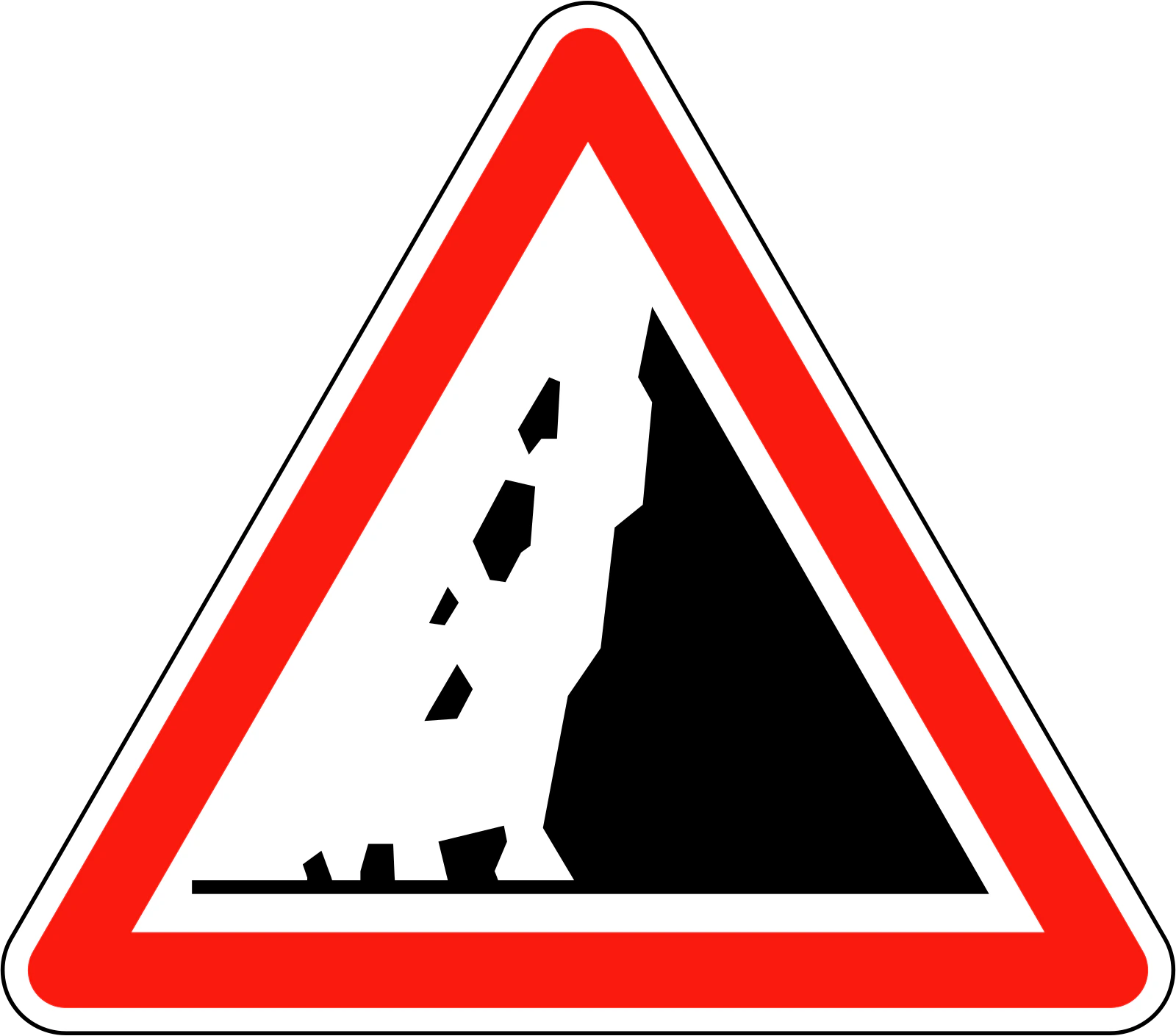
Prepare for falling rocks with the A19 Risk of Rockfall warning sign.
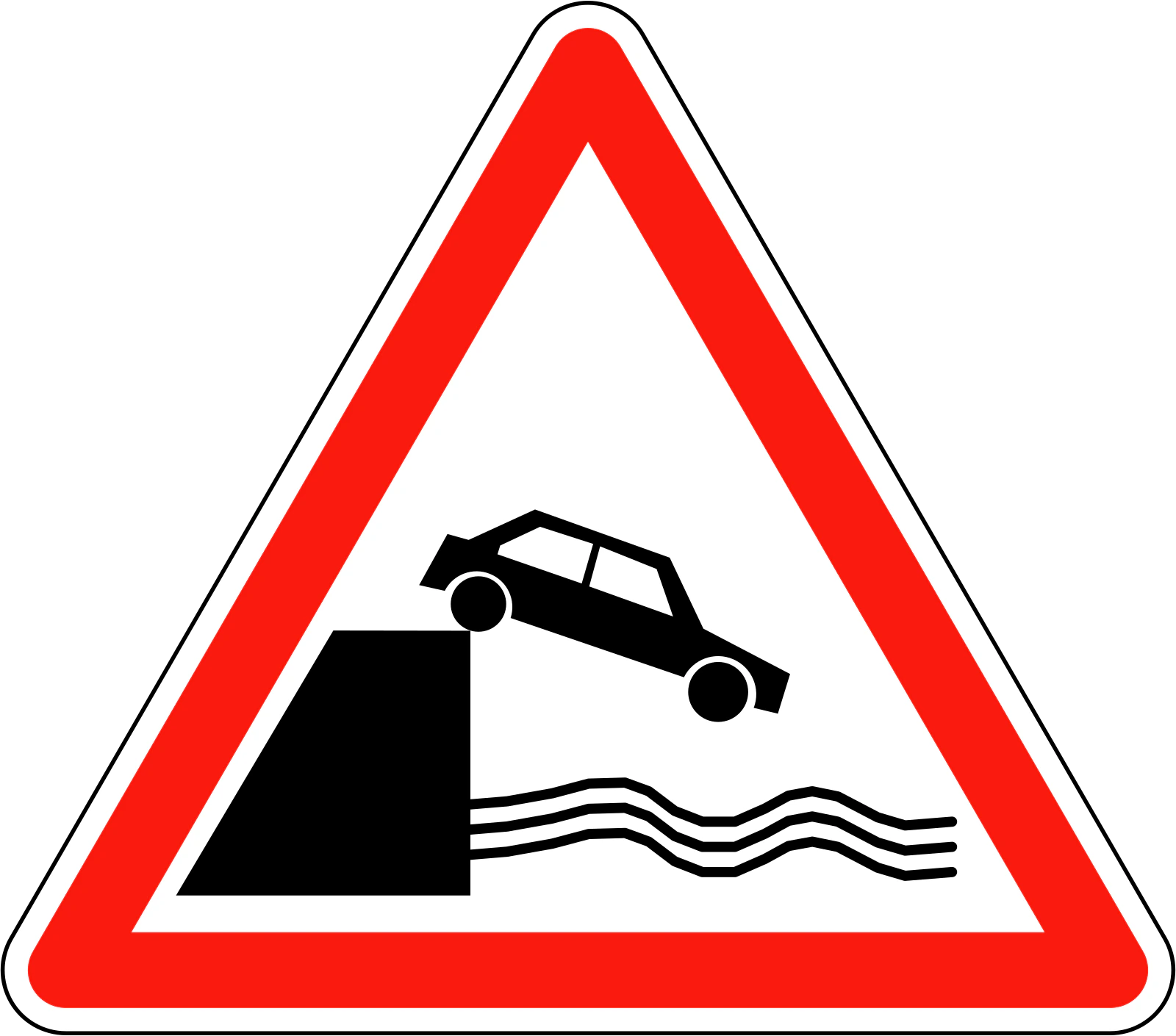
Prepare for Quayside or River Bank Hazards with the French A20 Warning Sign
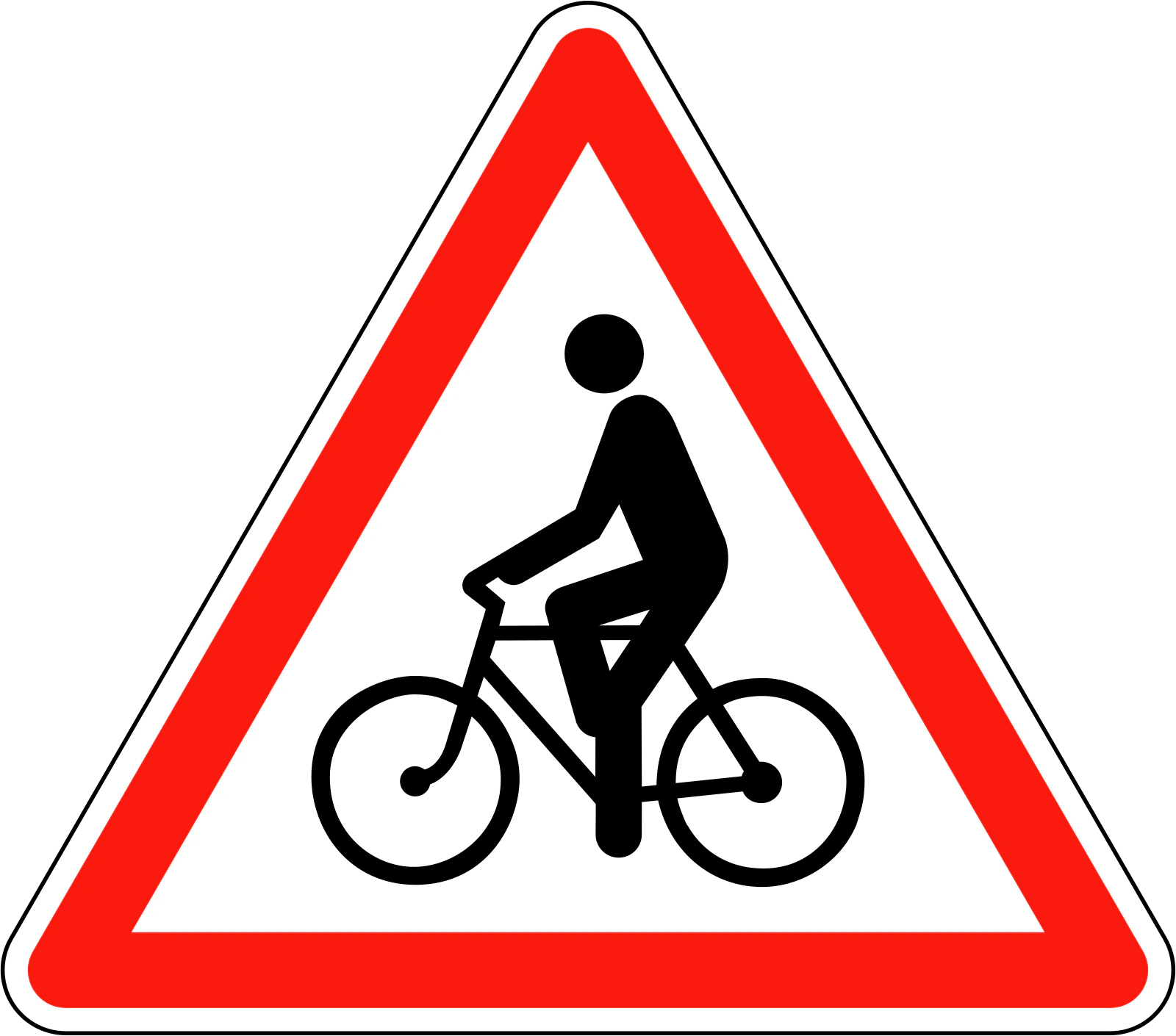
Cyclists ahead: Prepare for shared road space with the A21 warning sign.
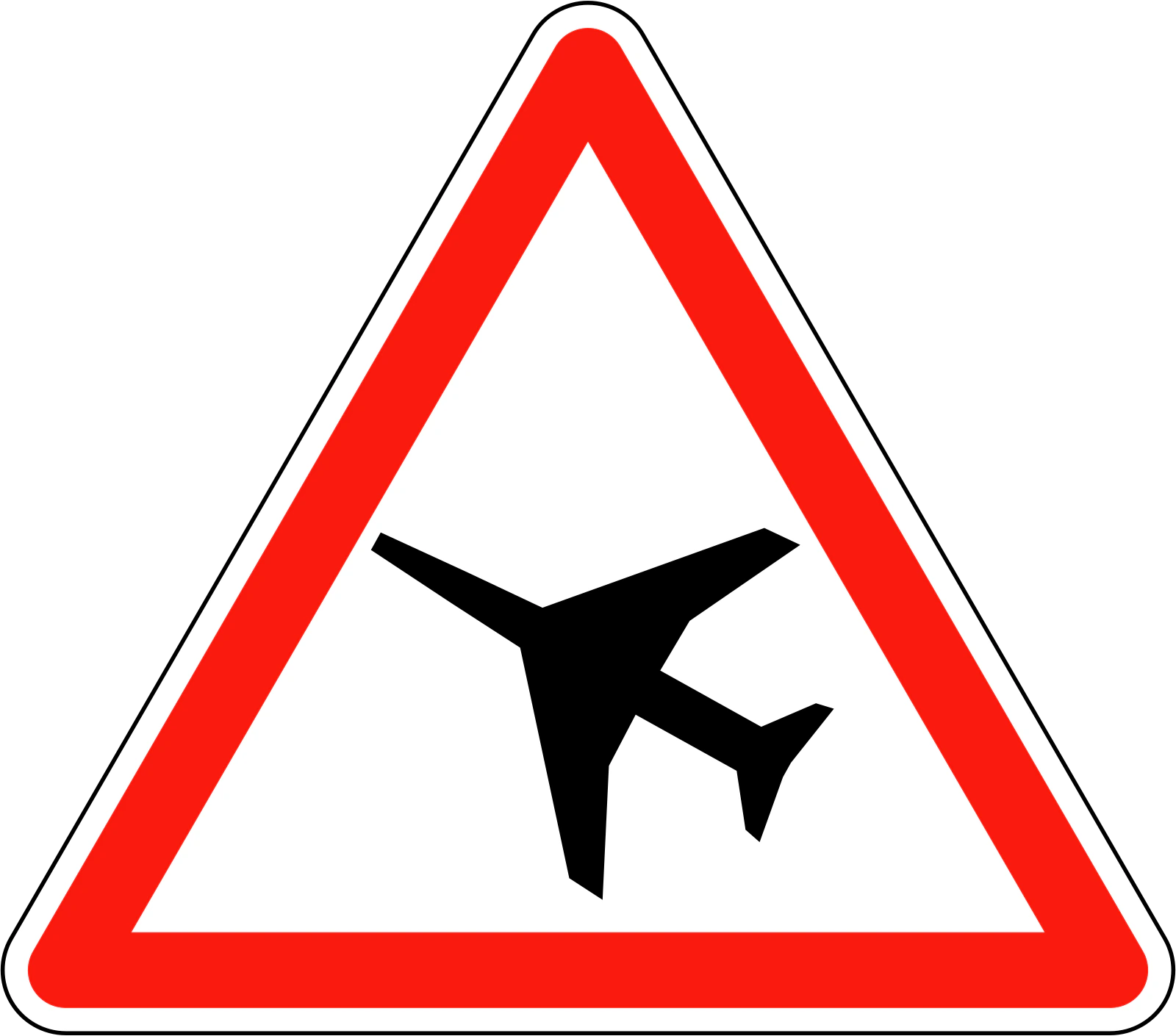
Beware of Low-Flying Aircraft with the A23 Warning Sign
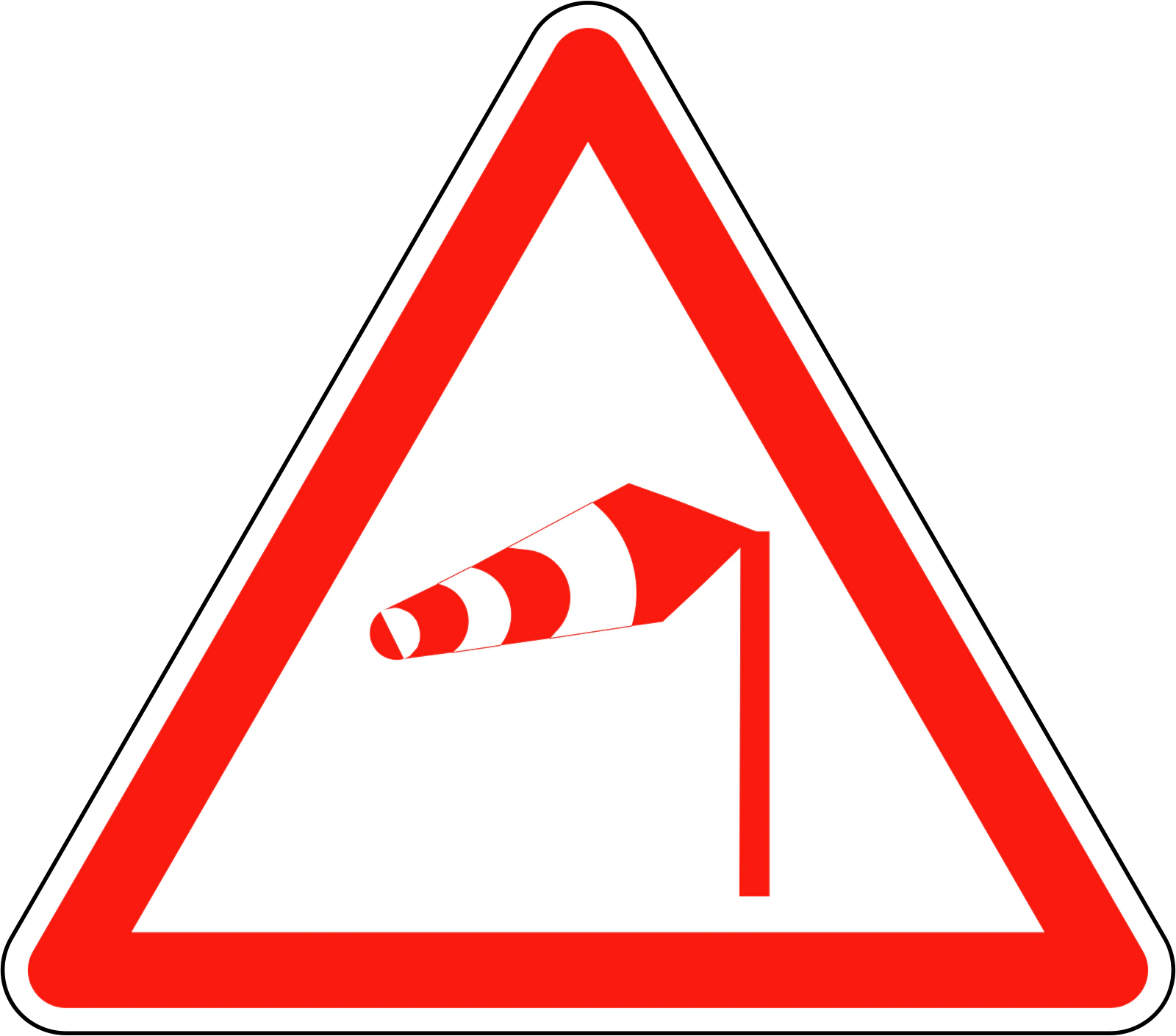
Beware of Side Winds Ahead with the A24 Warning Sign
Clear answers to common questions about the France Warning Signs road sign category. Use this FAQ to review tricky rules, understand how these signs appear in exam scenarios, and remove confusion that often leads to mistakes in the French driving theory exam in France.
The primary purpose of French warning signs, which are typically triangular with a red border, is to alert drivers to potential hazards or changes in the road ahead. They aim to give you enough advance notice to adjust your speed, change your position, or prepare for an unexpected situation, thereby preventing accidents and ensuring smoother traffic flow.
When you see a warning sign, your immediate reaction should be to increase your awareness and assess the potential hazard. This usually involves checking your mirrors, widening your observation, and most importantly, reducing your speed if necessary to safely navigate the upcoming situation. The specific reaction depends on the type of warning sign displayed.
A single bend sign (A1a or A1b) warns of one curve in the road, either to the right or left. A double bend sign (A1c or A1d) indicates a sequence of two bends, with the first one being specified as either to the right or left. You should be prepared for a change in direction, followed relatively quickly by another.
Yes, there are signs for different types of animals, such as cattle, sheep, wild animals (A15b), and equestrians (A15c). When you see these signs, it means animals may be present on or near the road. You should reduce your speed significantly, be prepared to stop, and look out for animals crossing the road. Give them plenty of space if you encounter them.
Not always drastically, but you should always be prepared to slow down. The sign indicates a potential hazard, and the required speed reduction depends on the severity of that hazard and the conditions at the time. For example, a sharp bend sign requires more speed reduction than a sign for 'other danger' where the specific risk isn't immediately obvious but warrants caution.
Ready to deepen your understanding of French road signs? Dive into our comprehensive overview of official sign categories and groups. This structured approach will help you learn Code de la route classifications more effectively, preparing you thoroughly for your Permis de Conduire theory exam.
Explore Sign Categories