Navigate complex city streets with confidence by understanding your responsibilities towards pedestrians and cyclists. Learn key French urban driving regulations, including priority rules, special zones like 'zone 30', and how to safely share the road with vulnerable road users. This section is crucial for your Code de la Route preparation and safe city driving.
Develop essential skills for handling French urban environments by learning precise priority rules for cyclists and pedestrians in dense traffic. Understanding these regulations is vital for your success in the Code de la Route theory test and your future safety on the road.
Navigating French urban environments requires a precise understanding of reserved lanes and public transport prioritization. This article explains the legal requirements for sharing the road with buses, taxis, and cyclists, including how to handle intersection maneuvers and turn crossings. These concepts are essential for both real-world driving safety and successfully passing the ETG theory test.
Navigating French urban environments requires a precise understanding of specialized traffic zones where speed limits and priority rules deviate from the standard 50 km/h norm. This article details the legal requirements for Zone 30 and zone de rencontre areas, helping you identify proper signage and master the duties of a driver toward pedestrians and cyclists. Success in the ETG exam depends on your ability to apply these regulations in practical, text-based scenarios.
Navigating French urban areas requires a precise understanding of pedestrian rights and the specific obligations of drivers at various types of crossings. This article breaks down the legal priority rules for pedestrians in standard urban zones, 'zone 30', and shared 'zone de rencontre' environments, ensuring you are prepared for both the ETG theory test and real-world safety scenarios.
Prepare for your French driving theory exam by mastering the specific rules for urban environments, focusing on interactions with pedestrians and cyclists. This category covers essential learner guidance on priority rules, speed limits in designated zones like 'zone 30', and safe road-sharing practices in French cities.
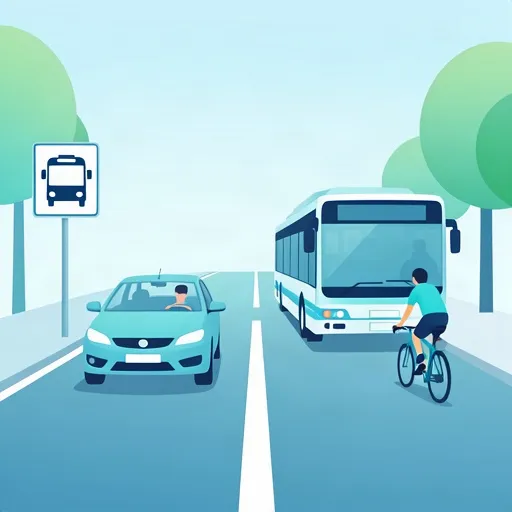
Navigating French urban environments requires a precise understanding of reserved lanes and public transport prioritization. This article explains the legal requirements for sharing the road with buses, taxis, and cyclists, including how to handle intersection maneuvers and turn crossings. These concepts are essential for both real-world driving safety and successfully passing the ETG theory test.
Updated on Sep 30, 2026
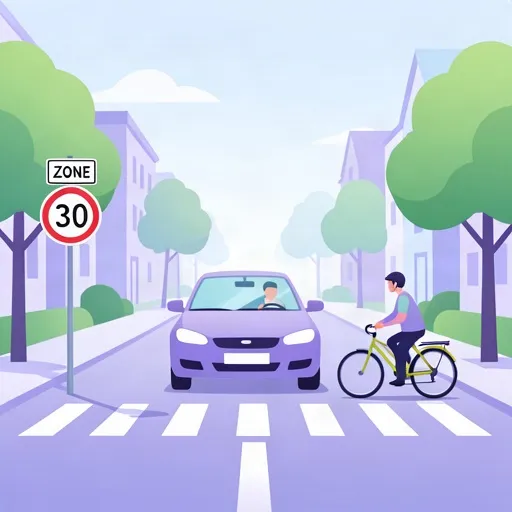
Navigating French urban environments requires a precise understanding of specialized traffic zones where speed limits and priority rules deviate from the standard 50 km/h norm. This article details the legal requirements for Zone 30 and zone de rencontre areas, helping you identify proper signage and master the duties of a driver toward pedestrians and cyclists. Success in the ETG exam depends on your ability to apply these regulations in practical, text-based scenarios.
Updated on Aug 26, 2026
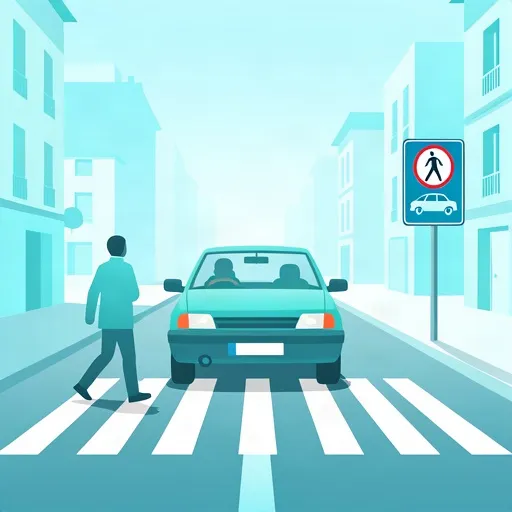
Navigating French urban areas requires a precise understanding of pedestrian rights and the specific obligations of drivers at various types of crossings. This article breaks down the legal priority rules for pedestrians in standard urban zones, 'zone 30', and shared 'zone de rencontre' environments, ensuring you are prepared for both the ETG theory test and real-world safety scenarios.
Updated on Aug 26, 2026
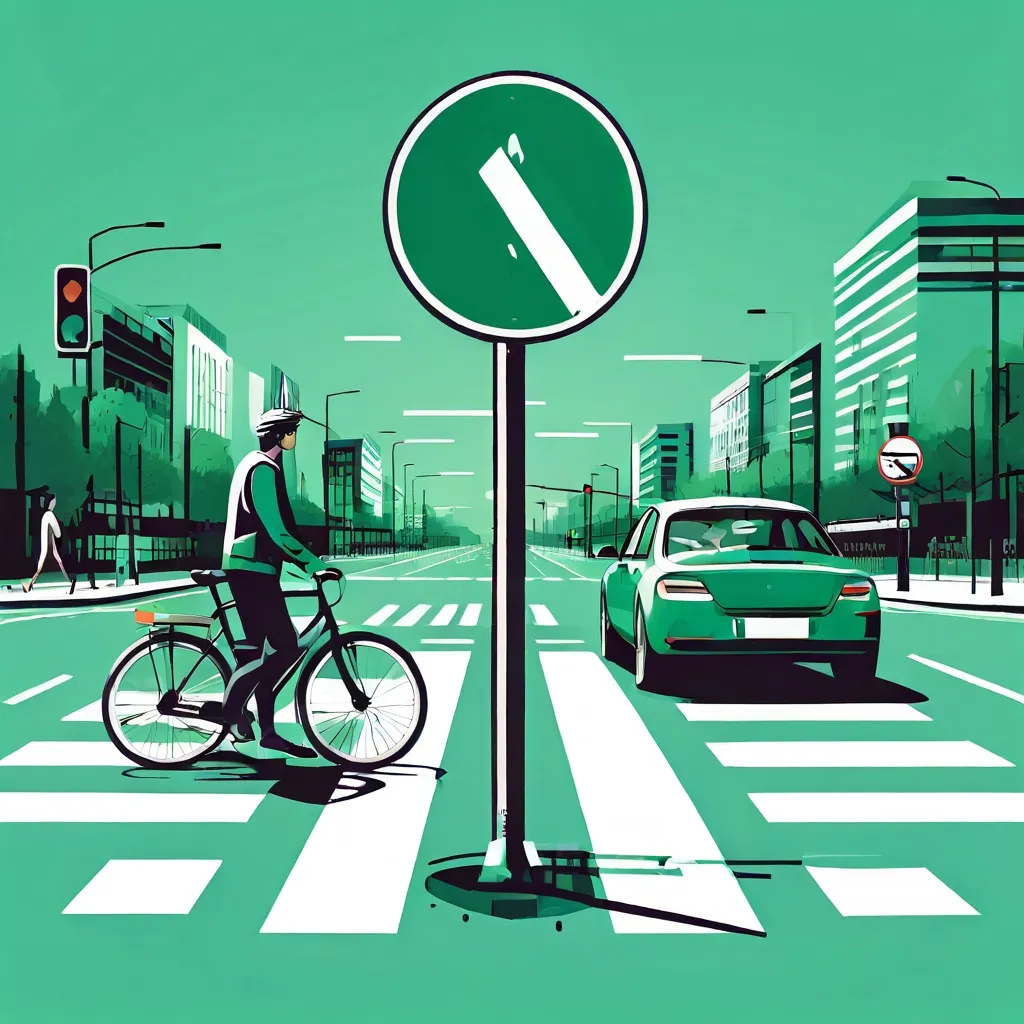
Understanding priority rules concerning pedestrians and cyclists is a fundamental requirement for the French Code de la route. This guide clarifies your legal duties to 'céder le passage' and explains why proactive checking of blind spots is critical when turning. Applying these principles consistently will help you navigate urban intersections safely and correctly during your theory test.
Updated on Jul 28, 2026
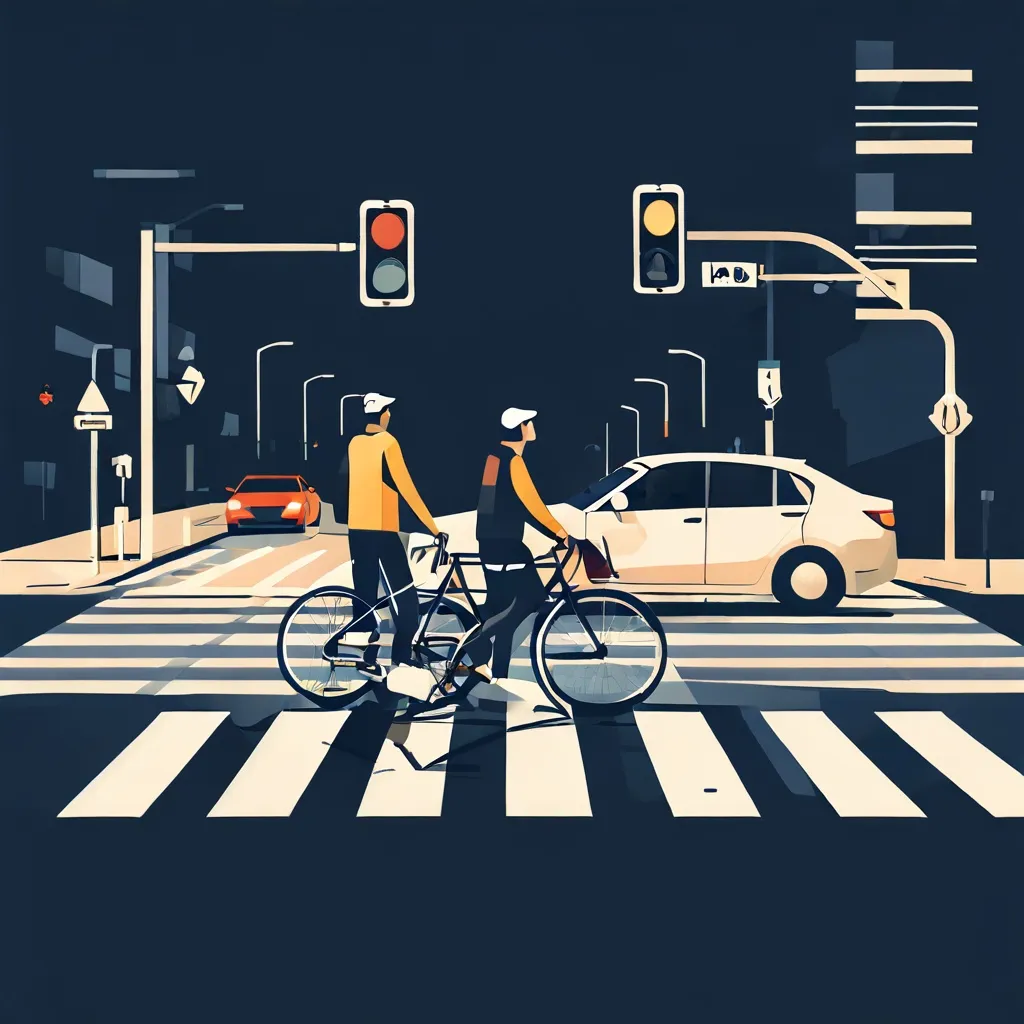
Navigating intersections and crosswalks in France requires a clear understanding of when to grant priority to pedestrians and cyclists. This guide breaks down the legal requirements from the Code de la route, helping you distinguish between pedestrians who are merely waiting and those who have the right of way. By mastering these rules, you will be prepared to handle real-world traffic scenarios and successfully answer related questions on the ETG theory test.
Updated on Jul 28, 2026

Navigating French city streets requires a firm grasp of dedicated lanes for buses, taxis, and cycles. This guide decodes the official signage and rules governing their use, helping you drive safely and confidently while preparing for your French driving license theory exam. Understanding these specific lane regulations is key to avoiding common penalties and exam pitfalls.
Updated on Jul 8, 2026

Learn the essential French traffic rules and best practices for opening car doors to prevent dangerous 'dooring' incidents involving cyclists. This guide clarifies your legal responsibilities as outlined in the Code de la route and provides the knowledge needed to navigate this common hazard, ensuring you are prepared for the French driving theory exam.
Updated on Jul 8, 2026

Navigate French city streets with confidence by understanding the specific road markings for bus, taxi, and cycle lanes. This guide breaks down the rules from the Code de la route, explaining who can use these lanes and when, which is essential knowledge for passing your French driving theory test and driving safely in urban environments.
Updated on Jul 8, 2026
Discover other categories connected to Urban Pedestrians & Cyclists France. These sections help you explore additional topics, expand your understanding of driving theory in French, and build a more complete picture of the rules and situations tested during the exam.
Find answers to common questions learners ask about Urban Pedestrians & Cyclists France. This section helps clarify difficult concepts, highlight critical exam information, and support your preparation for the French driving theory exam in France.
In France, pedestrians generally have priority at marked pedestrian crossings ('passage piéton'). Drivers must slow down and be prepared to stop, ensuring pedestrians can cross safely. Always check for pedestrians about to cross or already on the crossing.
'Zone 30' areas are designated low-speed zones in urban environments, typically around schools, residential areas, or busy intersections. The speed limit is strictly 30 km/h. Drivers must be extra vigilant for pedestrians, cyclists, and children, as traffic is often mixed and slower.
A 'double-sens cyclable' street allows cyclists to travel in both directions, even if the general traffic flow is one-way. Drivers must be aware of oncoming cyclists and give them ample space, especially when turning or opening car doors ('dooring' risk). Always check mirrors and blind spots.
An 'aire piétonne' is a pedestrian-only zone, often in city centres. Access for vehicles is usually restricted to specific times or for deliveries. When permitted, drivers must drive at very low speeds and yield to pedestrians, who have absolute priority.
Common mistakes include misunderstanding cyclist priority on bike lanes or shared streets, not checking mirrors and blind spots before turning (leading to 'dooring' accidents), and driving too fast for narrow streets where cyclists are present. Always anticipate cyclist movements.
Dive into the comprehensive French driving theory article categories to systematically prepare for your ETG exam. Each section organizes critical Code de la route topics, from essential traffic rules to complex administrative procedures, ensuring you cover all necessary material for your permis de conduire with confidence and clarity. Begin your learning journey now.
French Theory Article Categories