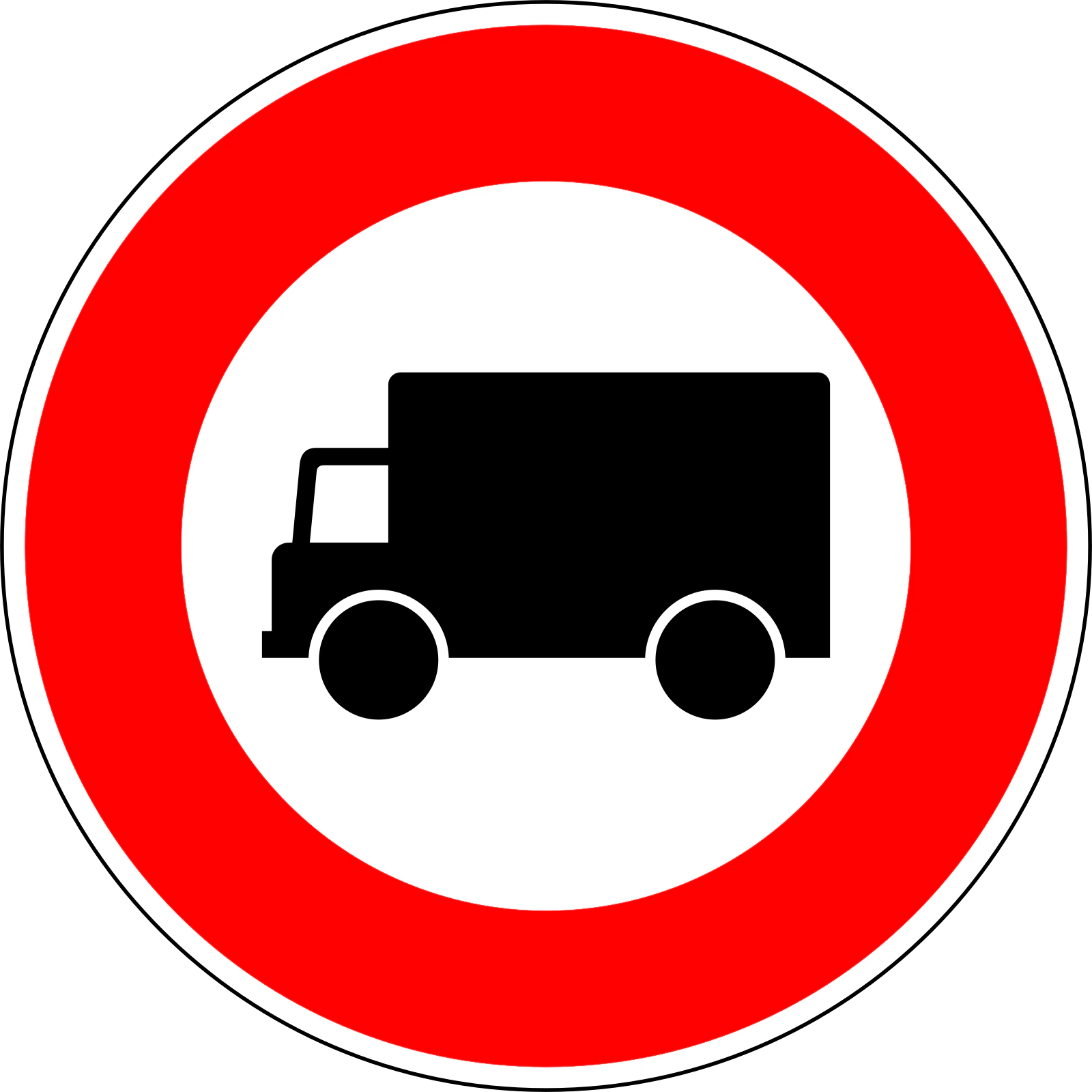
This section covers France's prohibitory road signs, often indicated by a red circle and a white or black background. These signs are crucial as they tell you what is absolutely forbidden, from entering certain areas to specific vehicle types, speeds, or actions like overtaking and stopping. Mastering these signs is essential for passing your theory test and, more importantly, for ensuring your safety and the safety of others on the road by adhering to traffic regulations.
An explanation of how France Prohibitory Signs road signs apply in real traffic situations in France. Learn where these signs are typically placed, what drivers are expected to do when they appear, and how correct reactions help you stay safe, avoid fines, and succeed in your French driving theory exam.
Prohibitory signs, often marked with a red circle and a diagonal bar or a red border, are placed at the point where the restriction begins. You'll encounter them frequently in urban areas, on specific road sections, near construction sites, or at border crossings to manage traffic flow and safety. For example, a 'No Entry' sign (B1) will block off one-way streets from the wrong direction, while 'No Overtaking' (B3) applies to specific stretches of road, often where visibility is poor. Signs like 'No Parking' (B6a) and 'No Stopping' (B6d) are common in busy town centres, near junctions, or on narrow roads. You'll also see signs restricting specific vehicle types (e.g., B8 'No Lorries', B9f 'No Buses') or those carrying dangerous goods (B18c). It's vital to read not only the main sign but also any supplementary plates below it, which might specify times, vehicle categories, or exceptions. Failure to comply can lead to immediate fines, points on your licence, or dangerous situations.
An overview of the key learning outcomes when studying the France Prohibitory Signs road sign category. Understand the main concepts, sign meanings, and traffic situations covered here so you can recognise patterns, answer theory questions more confidently, and build a solid foundation for safe driving in France.
Master the meaning and application of France's prohibitory road signs, crucial for your theory test. These signs, often circular with red borders, dictate what drivers must not do, such as no entry or parking restrictions. Understanding their specific context and any supplementary plates is vital for safe driving and passing your exam.
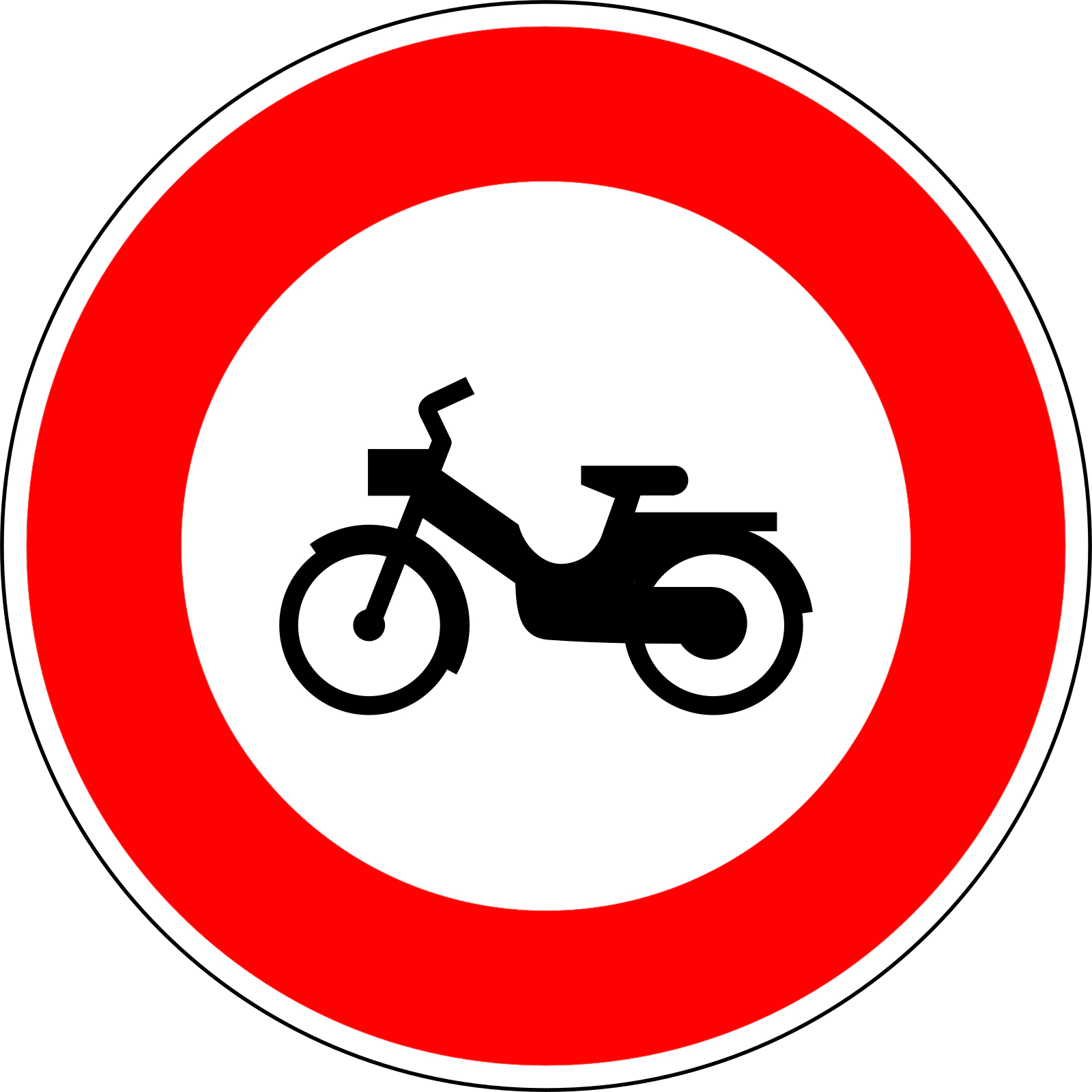
The B9g 'No Mopeds' sign prohibits moped access, ensuring specific routes are clear.
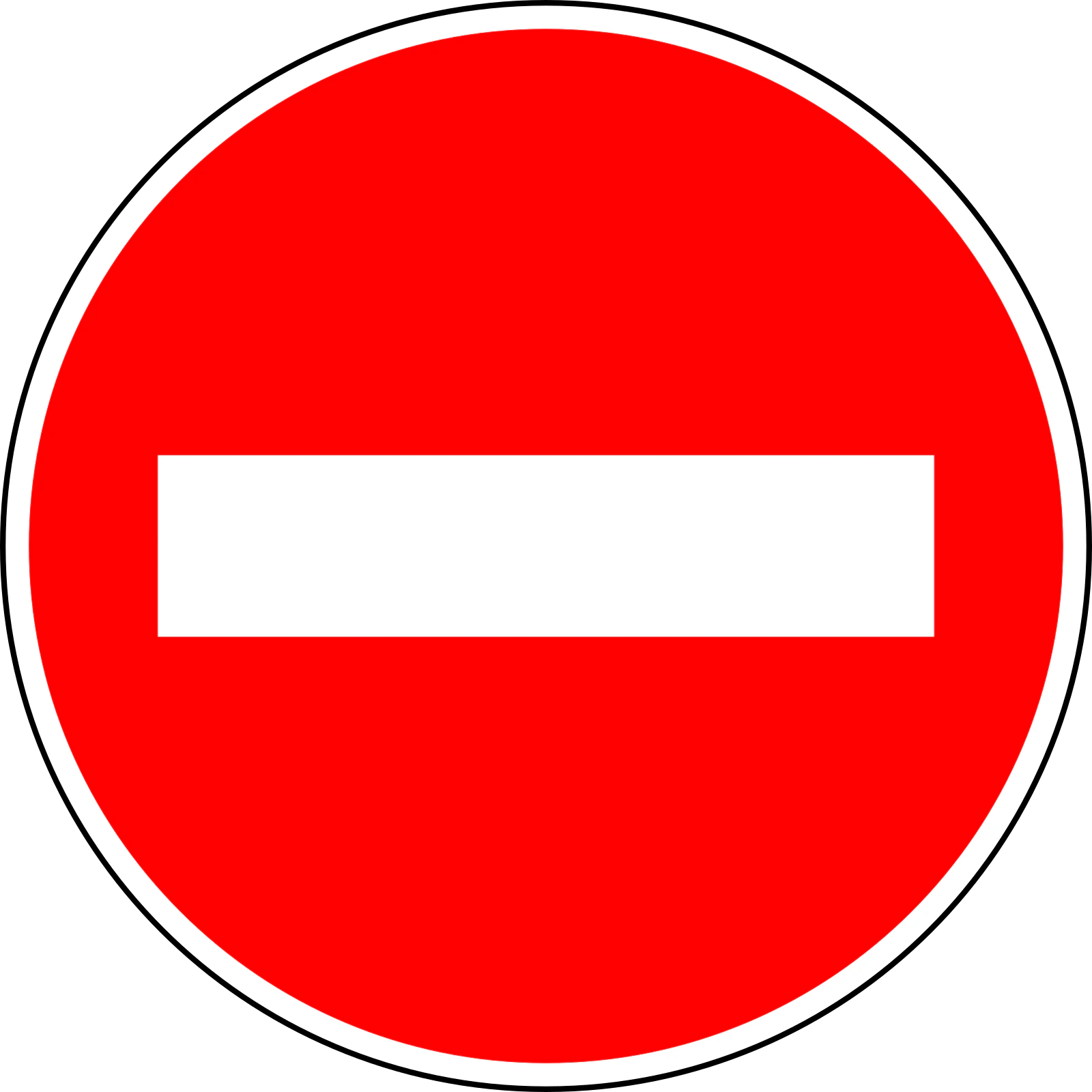
What does the B1 'No Entry' prohibitory sign mean for French drivers?
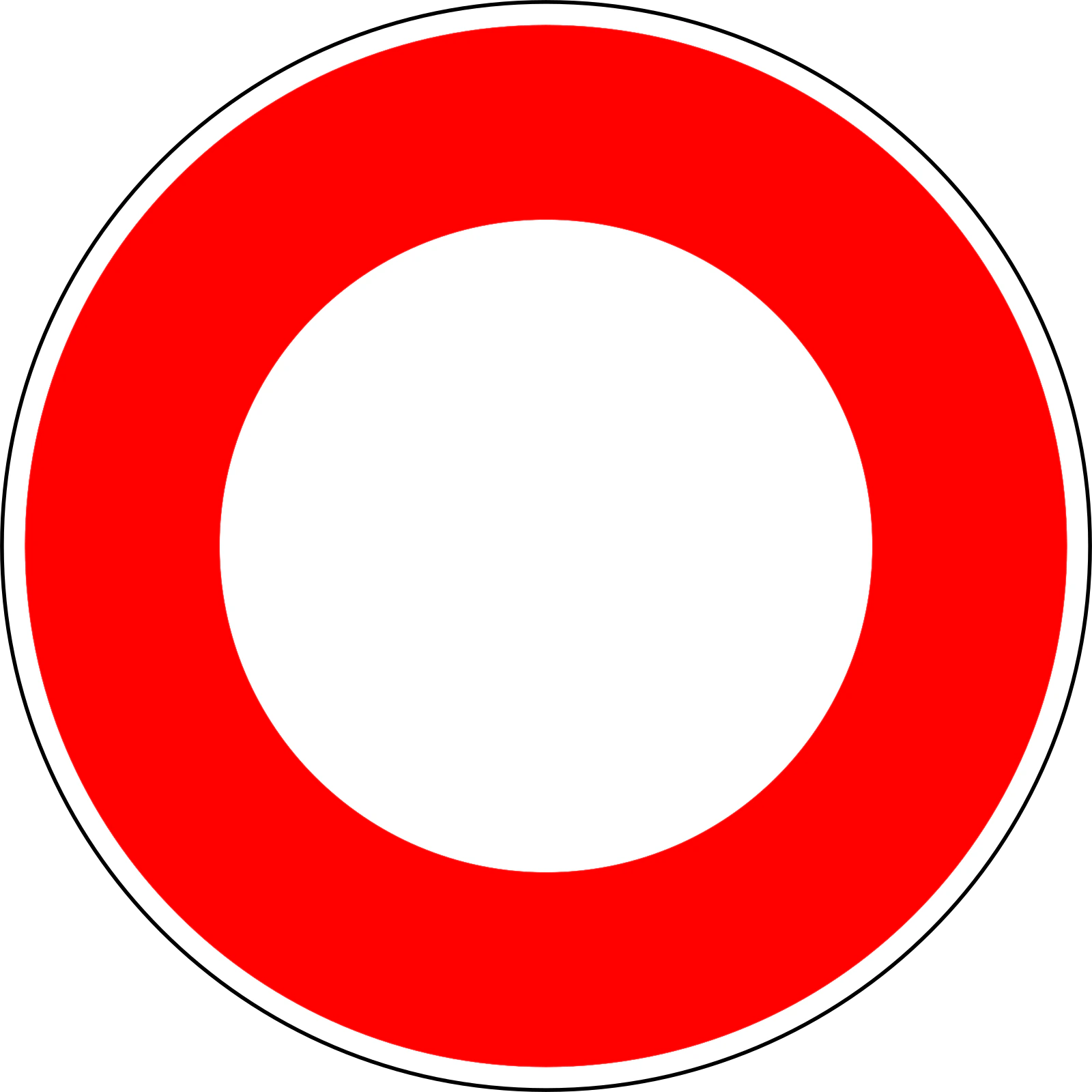
B0 'No Vehicles' Sign: Understanding This Important Prohibition
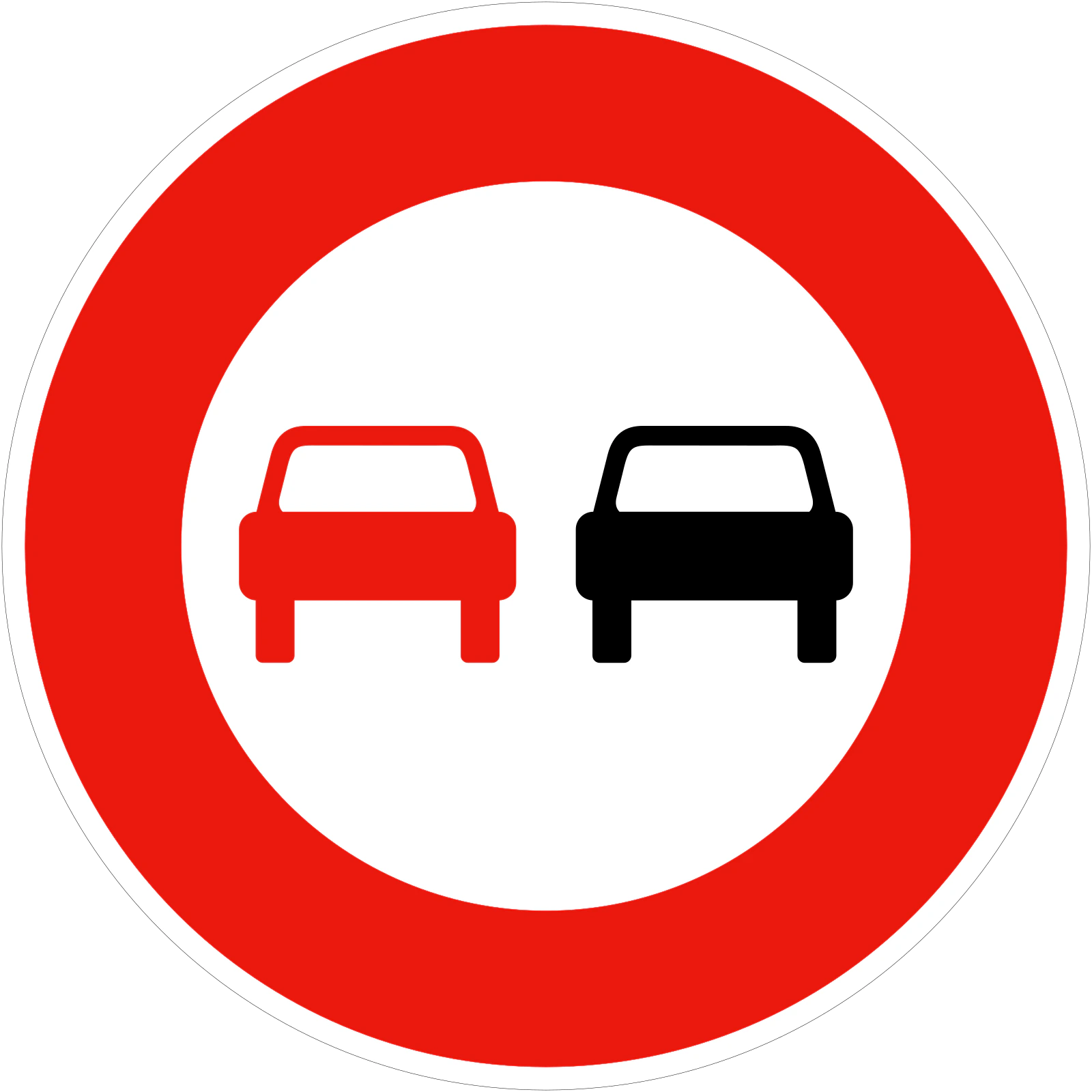
Understand the 'No Overtaking' (B3) Prohibitory Sign in France
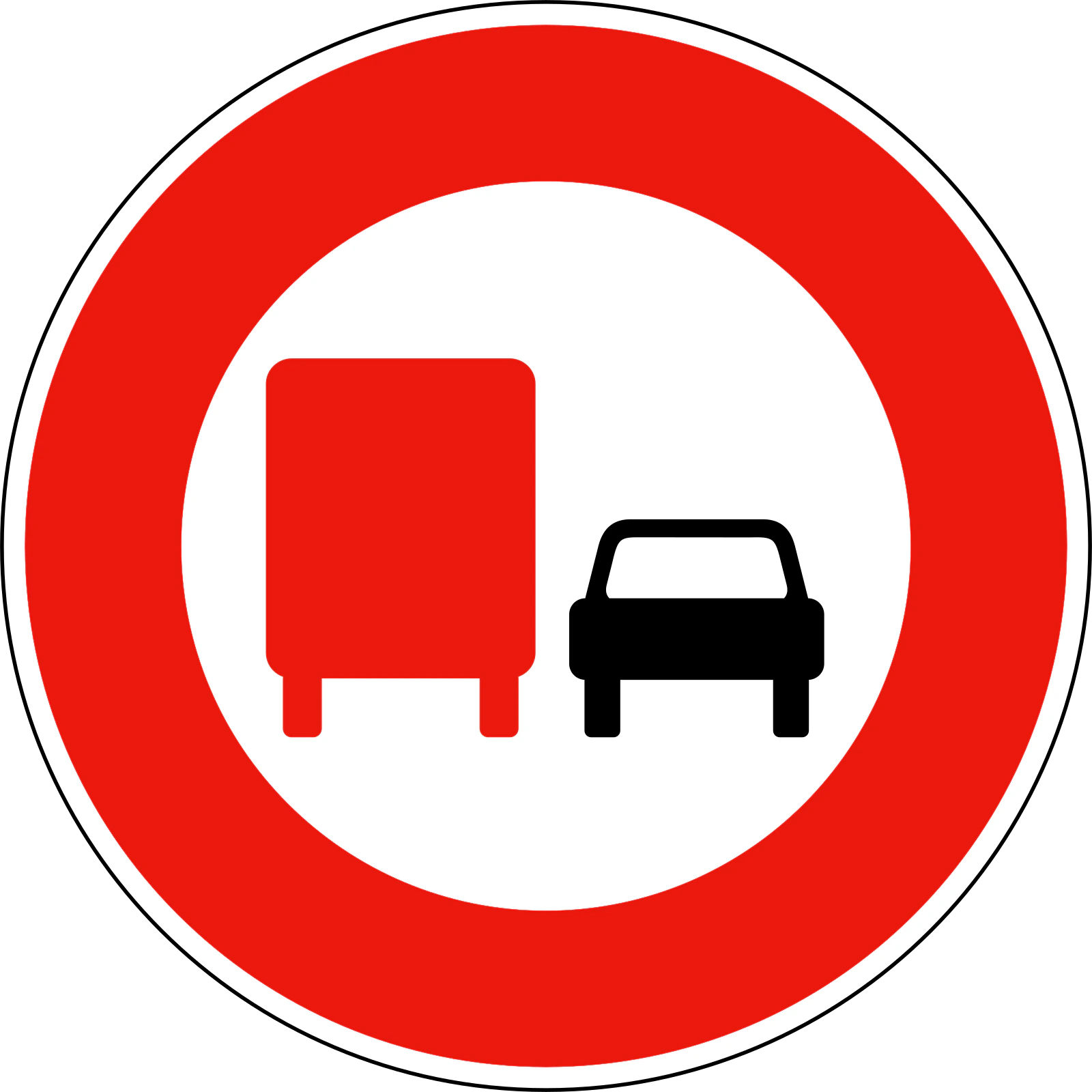
Understand the B3a 'No Overtaking by Lorries' Prohibitory Sign in France
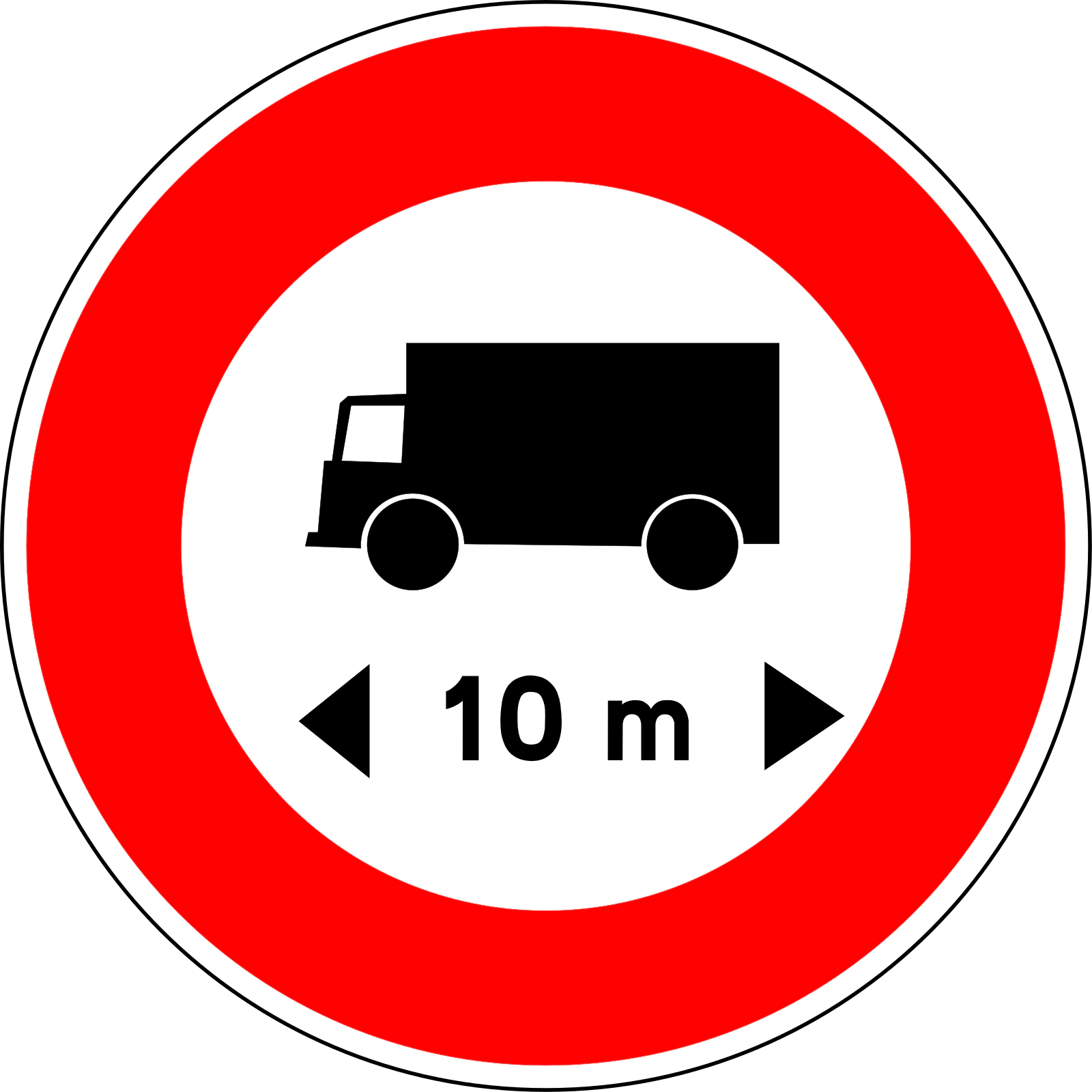
France's B10a 'Length Limit' Sign Prohibits Certain Vehicle Movements
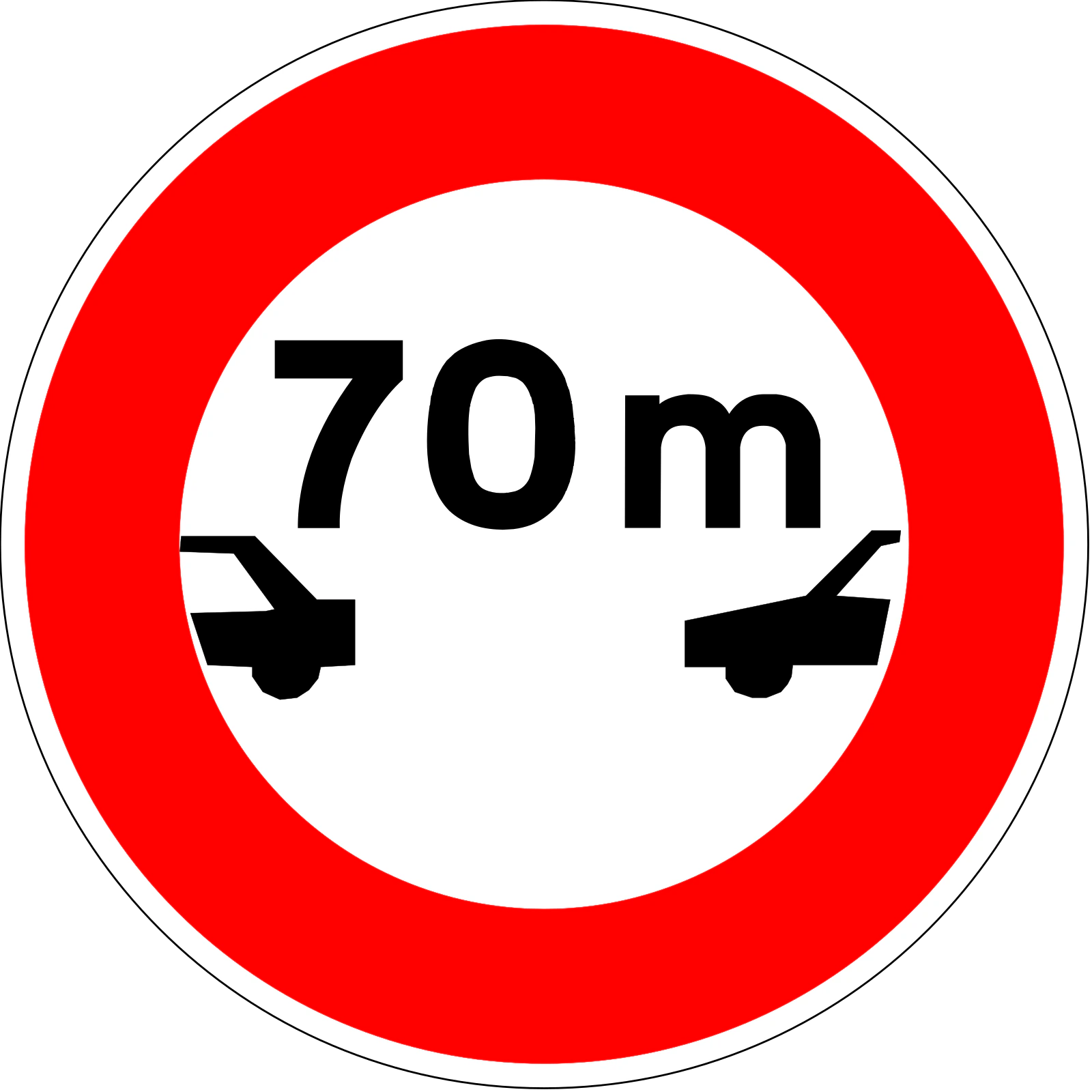
French B17 Road Sign: Maintain Minimum Distance Between Vehicles
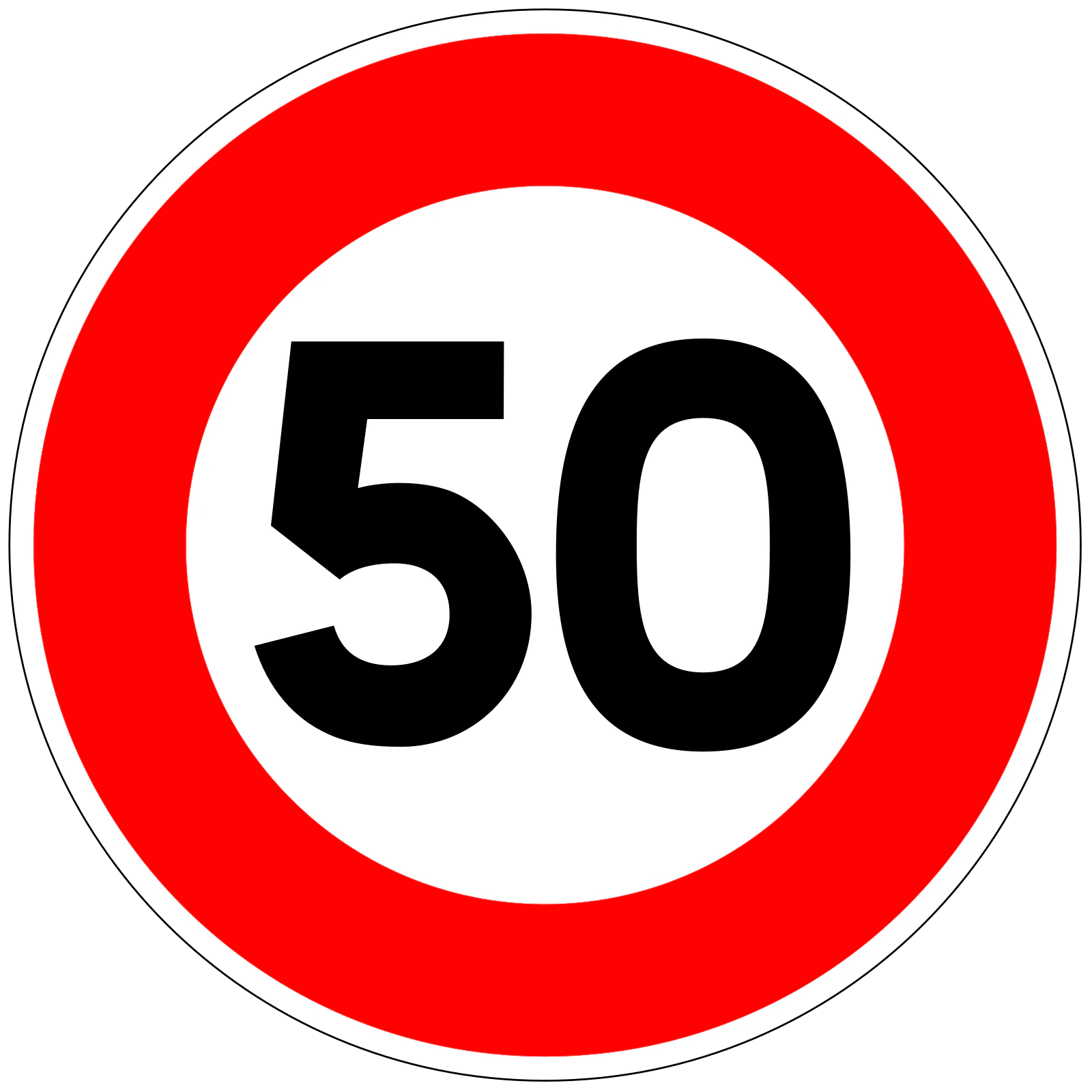
The B14 'Speed Limit' Sign: Understanding and Obeying Prohibitory Restrictions
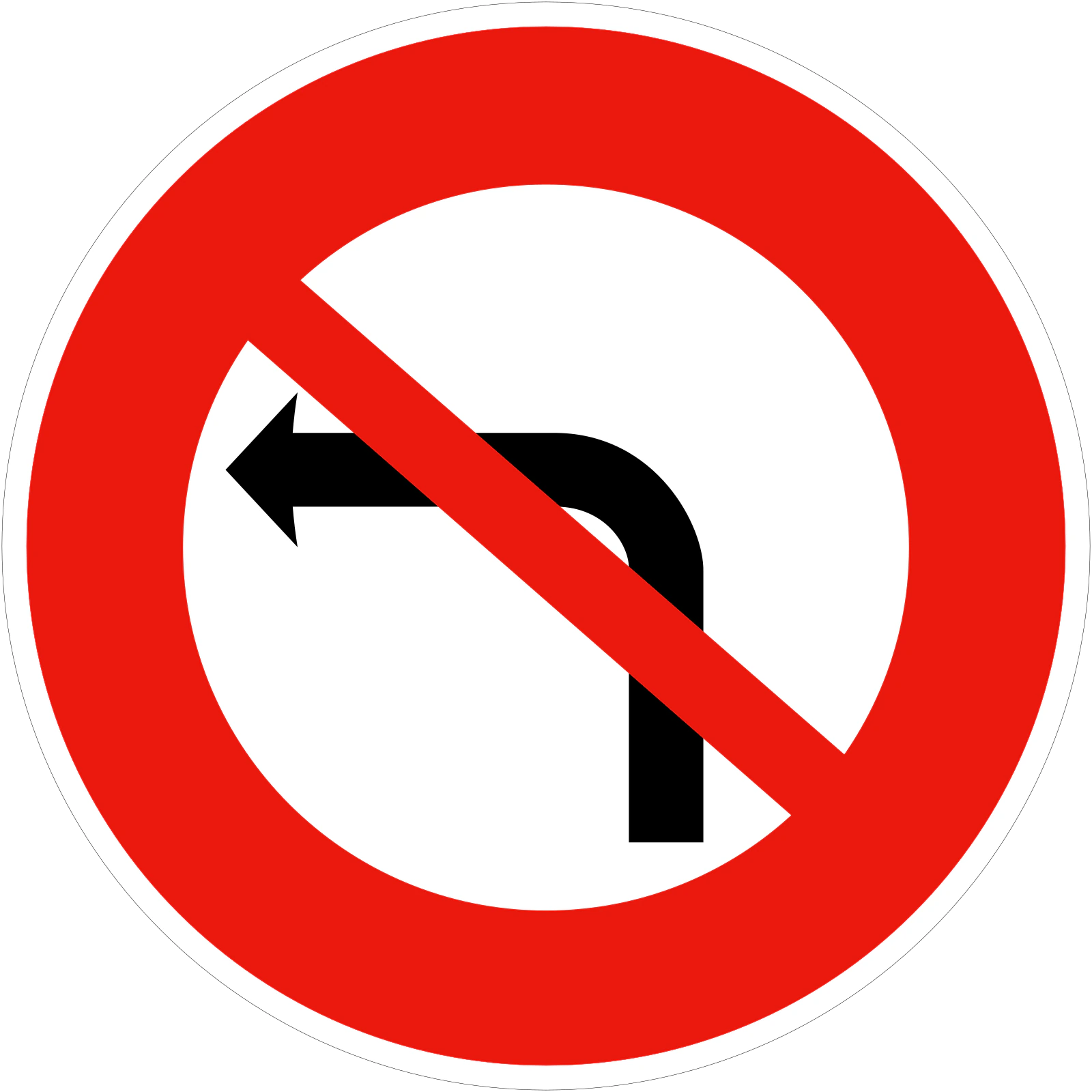
Understand the B2a 'No Left Turn' Prohibitory Sign in France
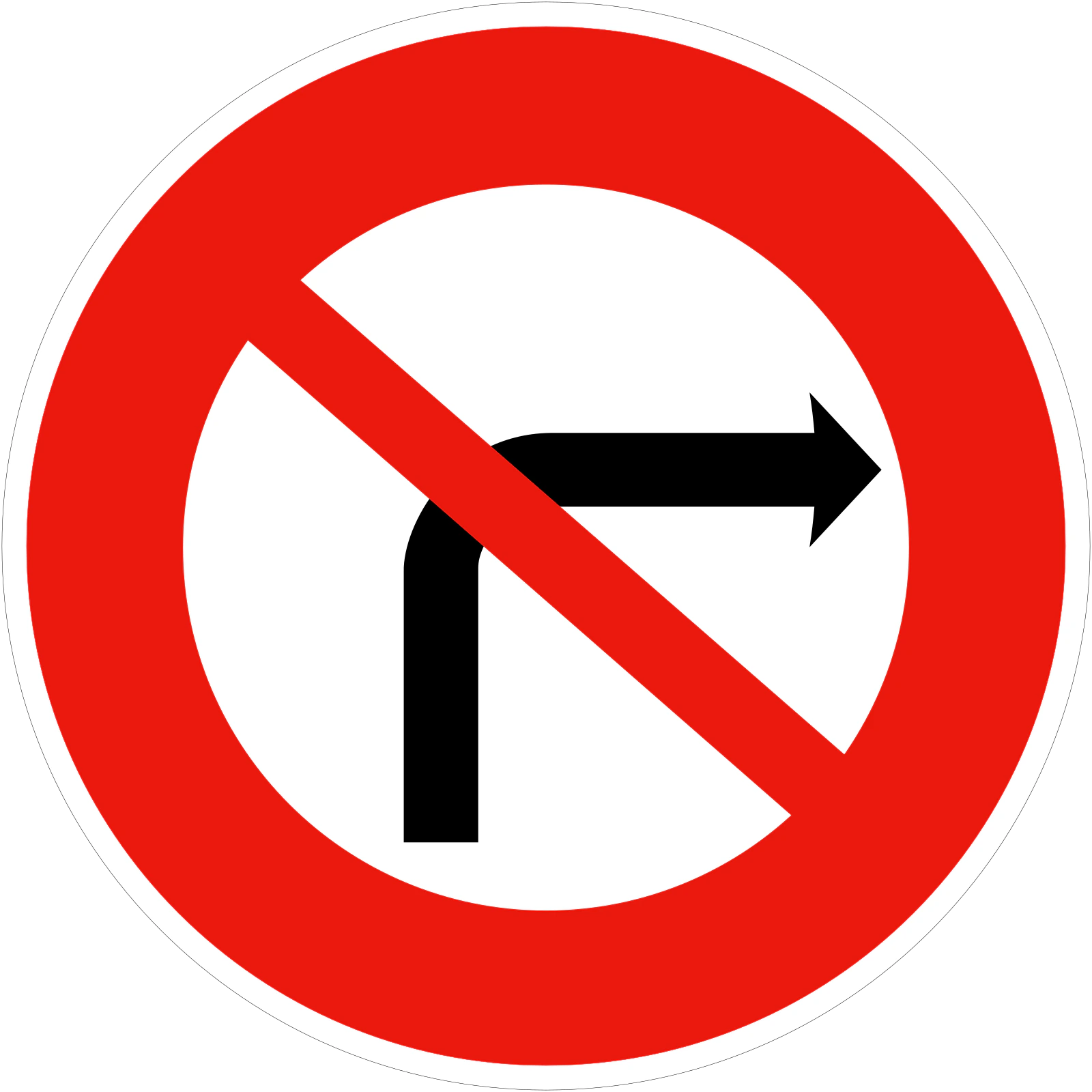
Understand the 'No Right Turn' (B2b) Prohibitory Road Sign in France
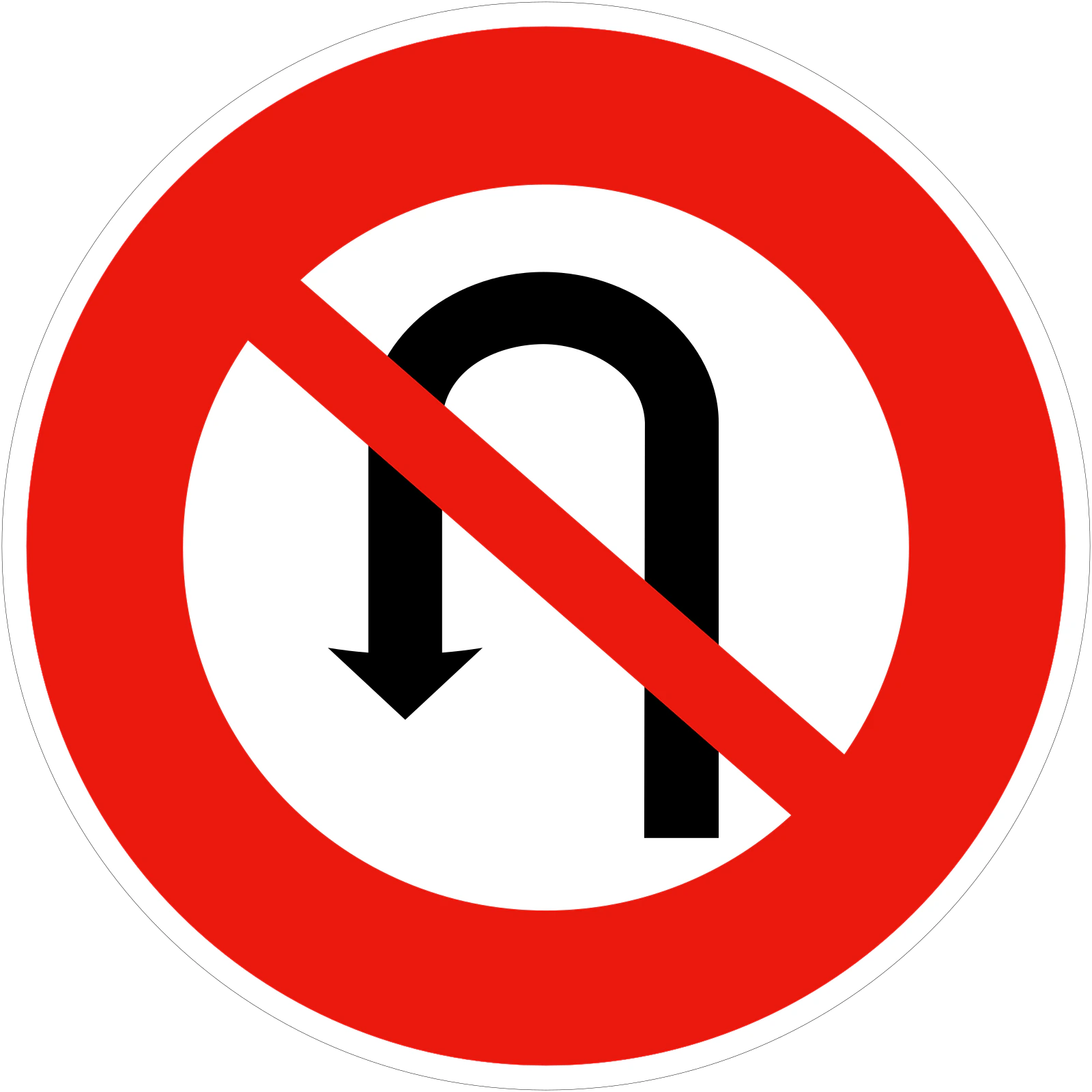
The B2c 'No U-turns' Sign: What You Must Know
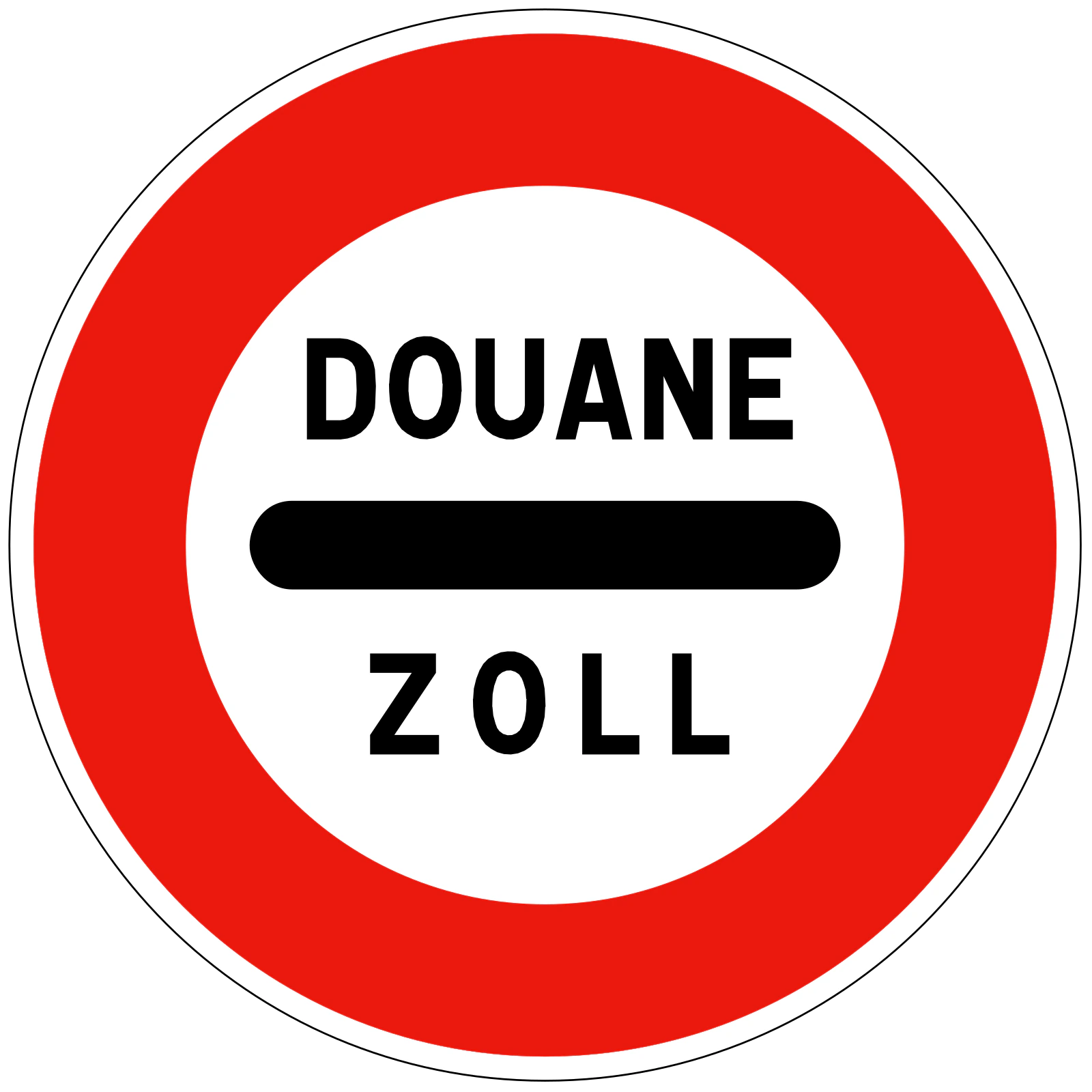
B4 Stop - Customs: You must stop at this prohibitory sign.
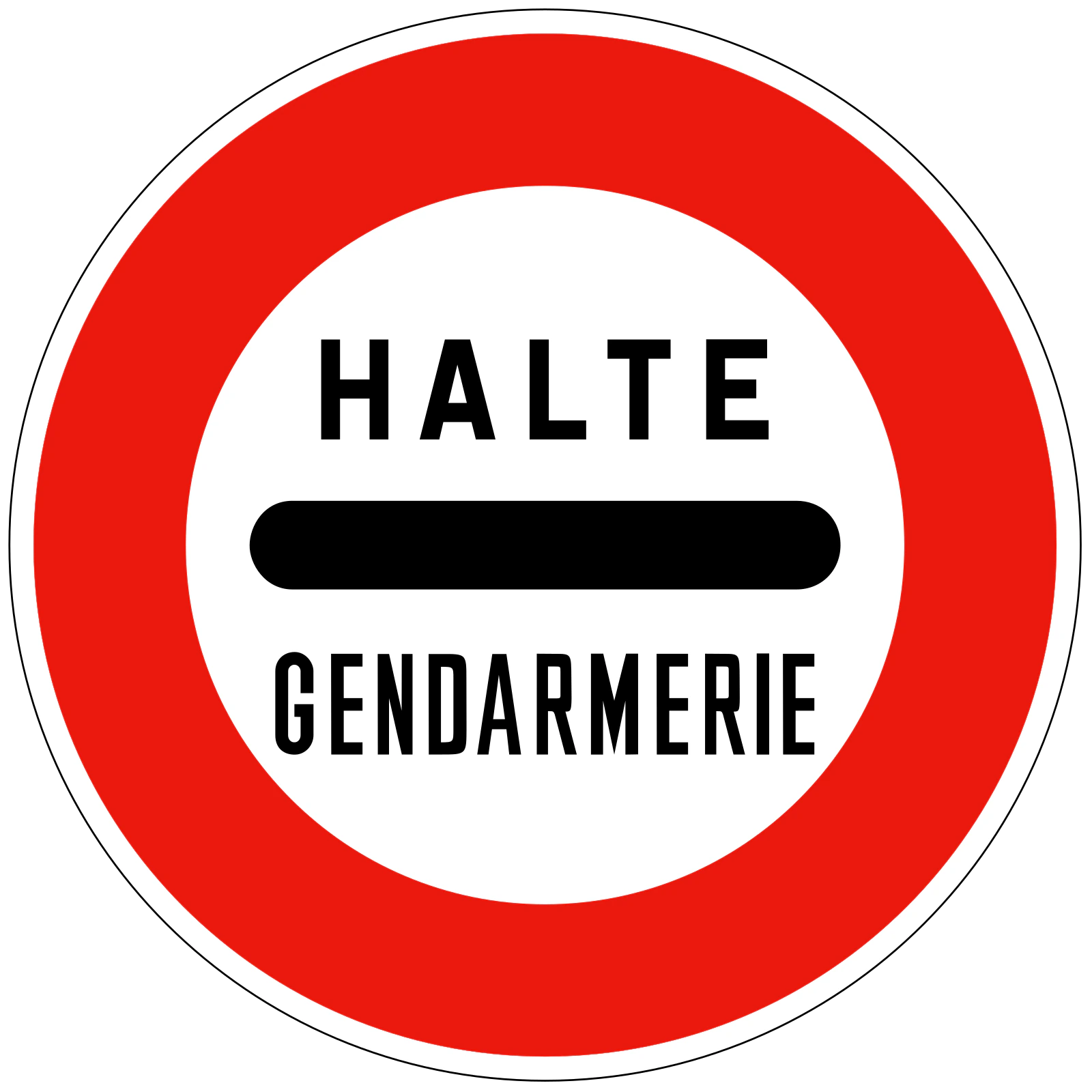
Understand the B5a 'Stop - Gendarmerie' Prohibitory Sign in France
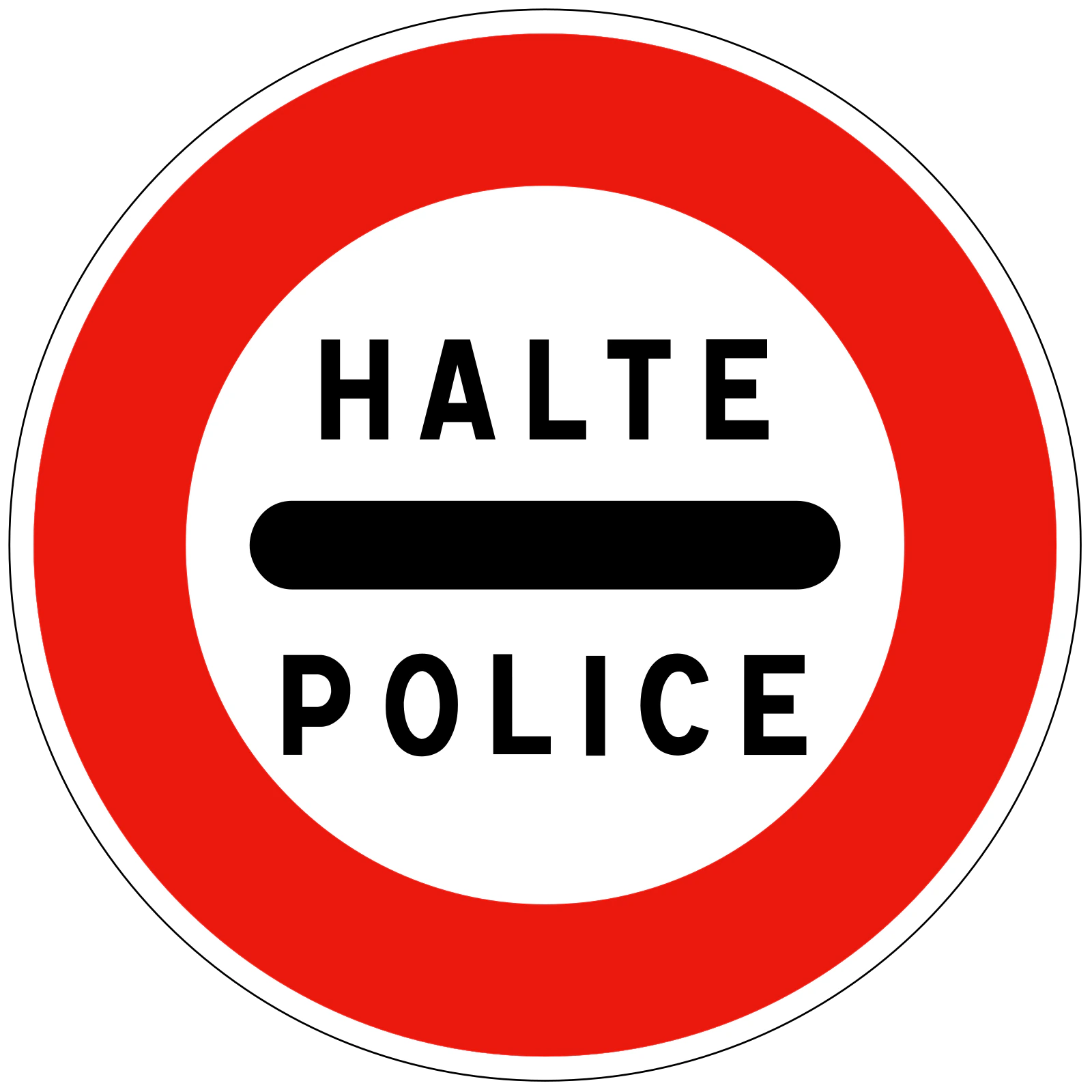
Understand the B5b 'Stop - Police' Prohibitory Road Sign
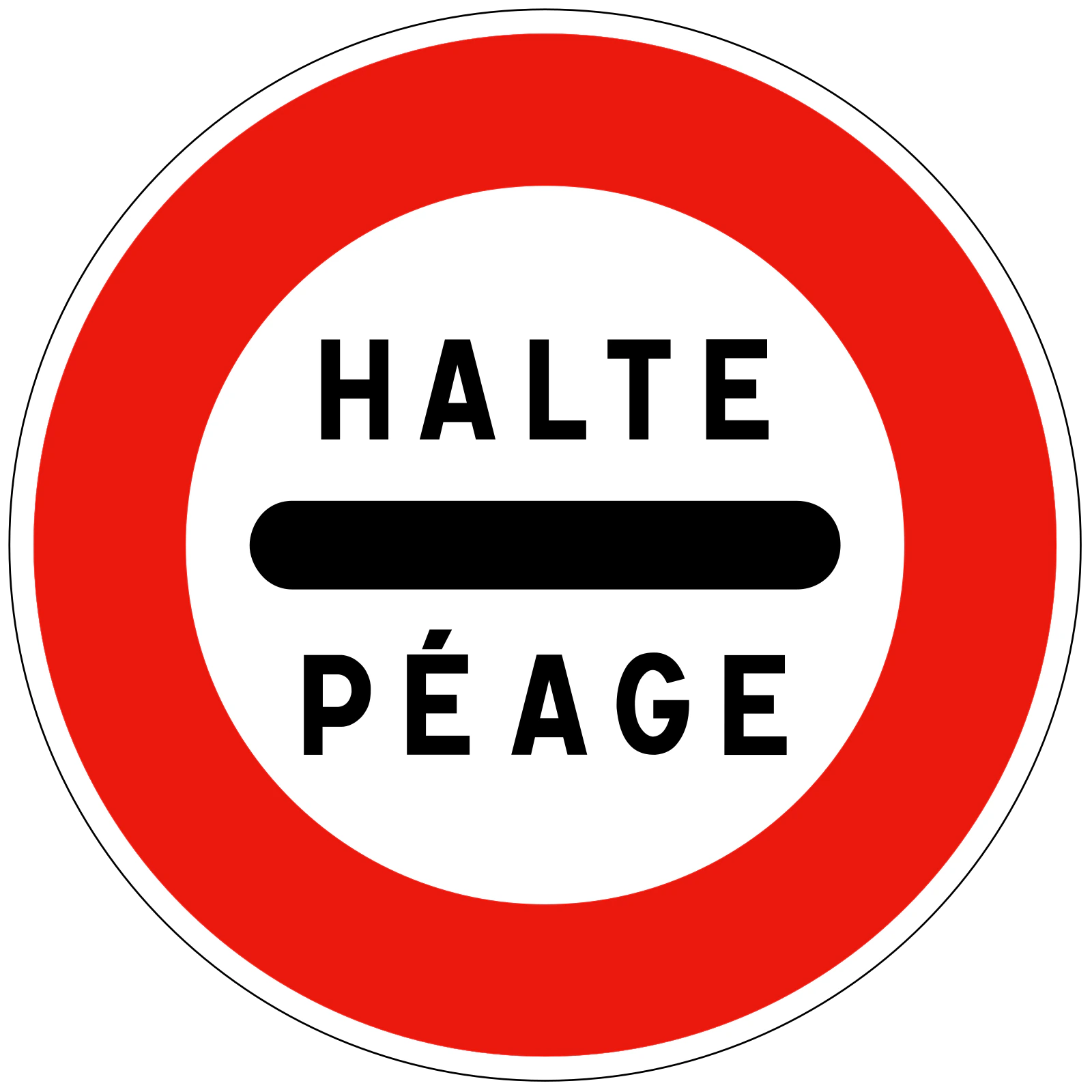
Understand the 'Stop - Toll' (B5c) Prohibitory Sign in France
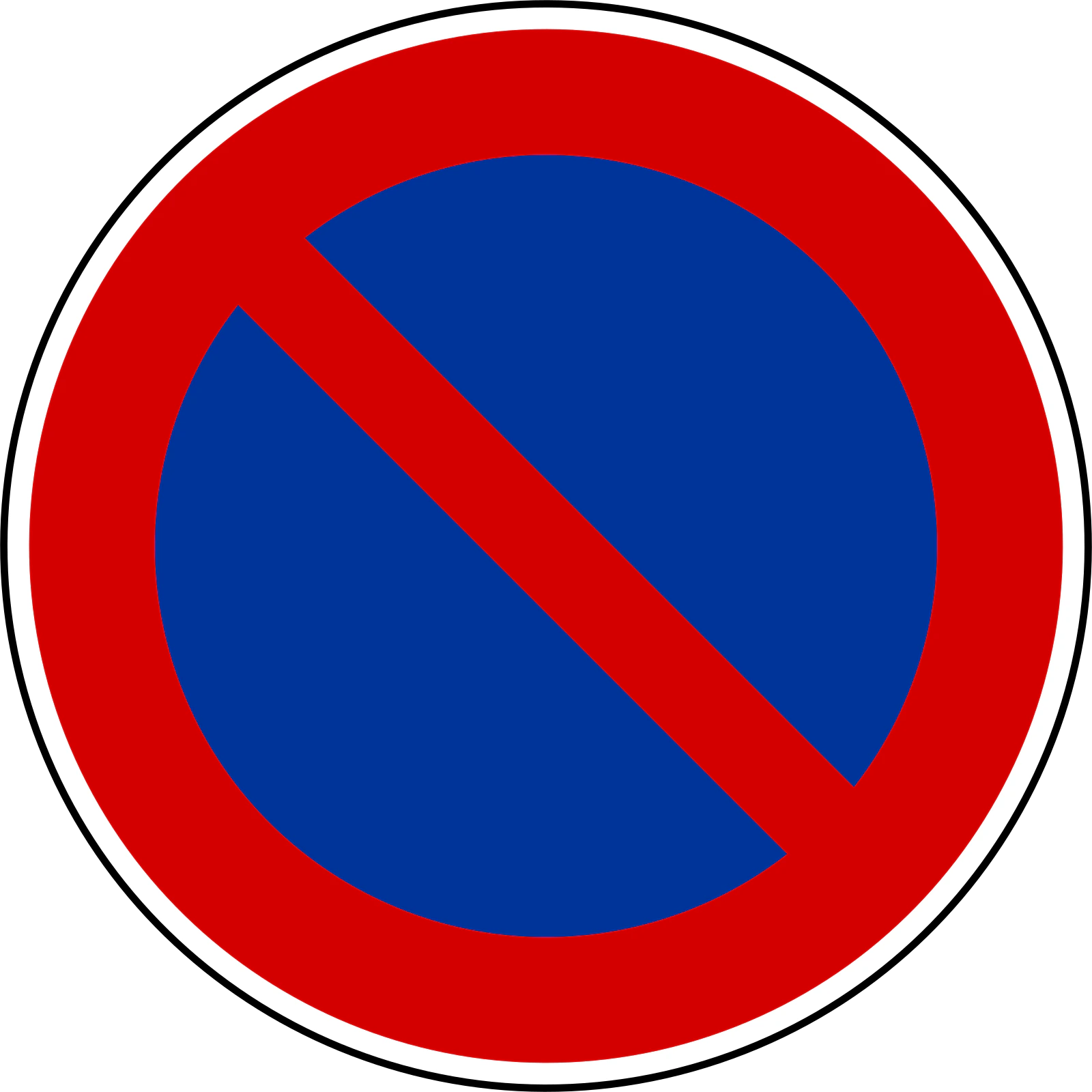
Obey the B6a 'No Parking' prohibitory sign in France.
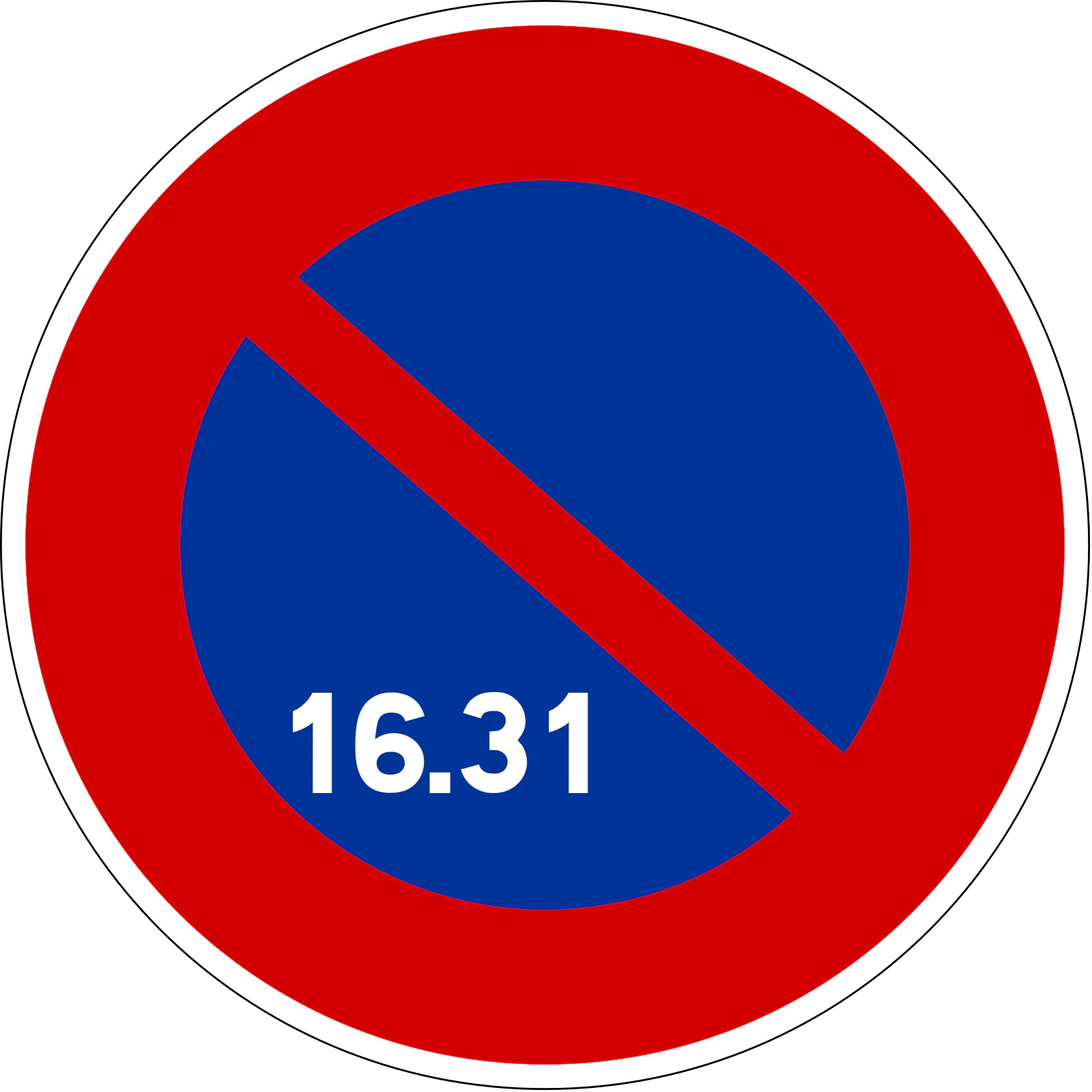
The B6a 'Parking Restrictions' sign means a specific action is prohibited.
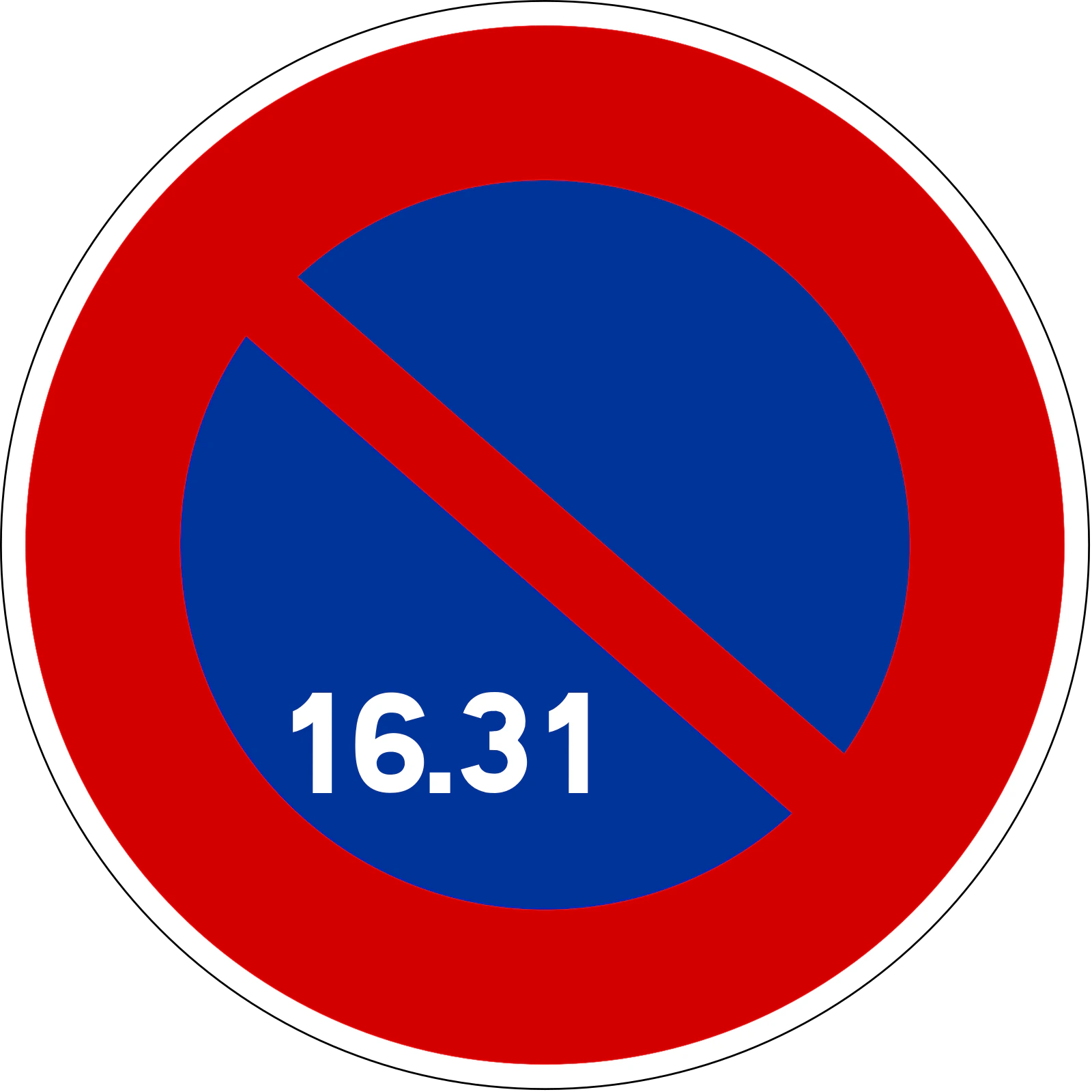
The B6a Road Sign: Understanding and Respecting Parking Restrictions in France
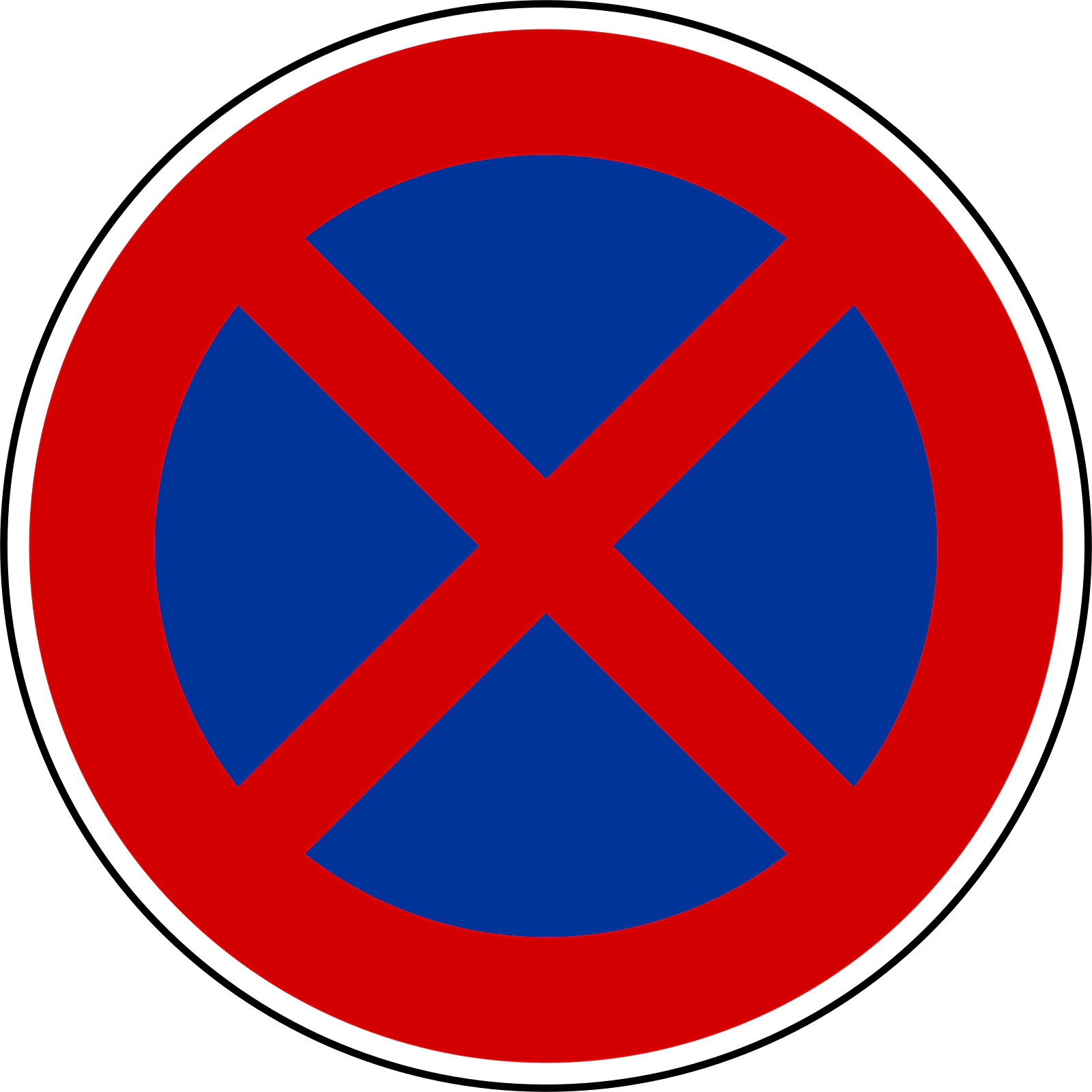
What does the 'No Stopping' (B6d) road sign mean in France?
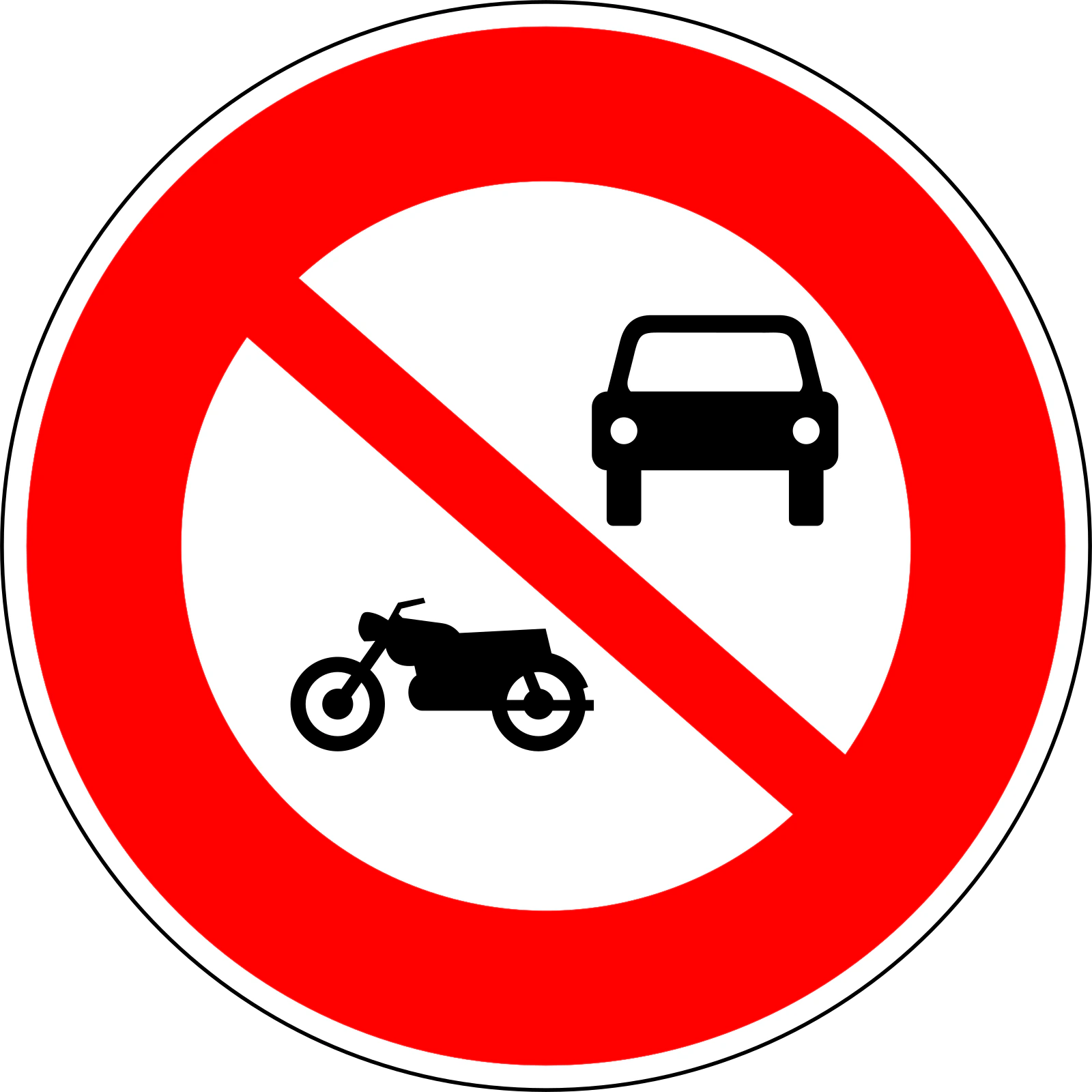
Understand the B7a 'No Motor Vehicles Except Mopeds' Prohibitory Road Sign in France
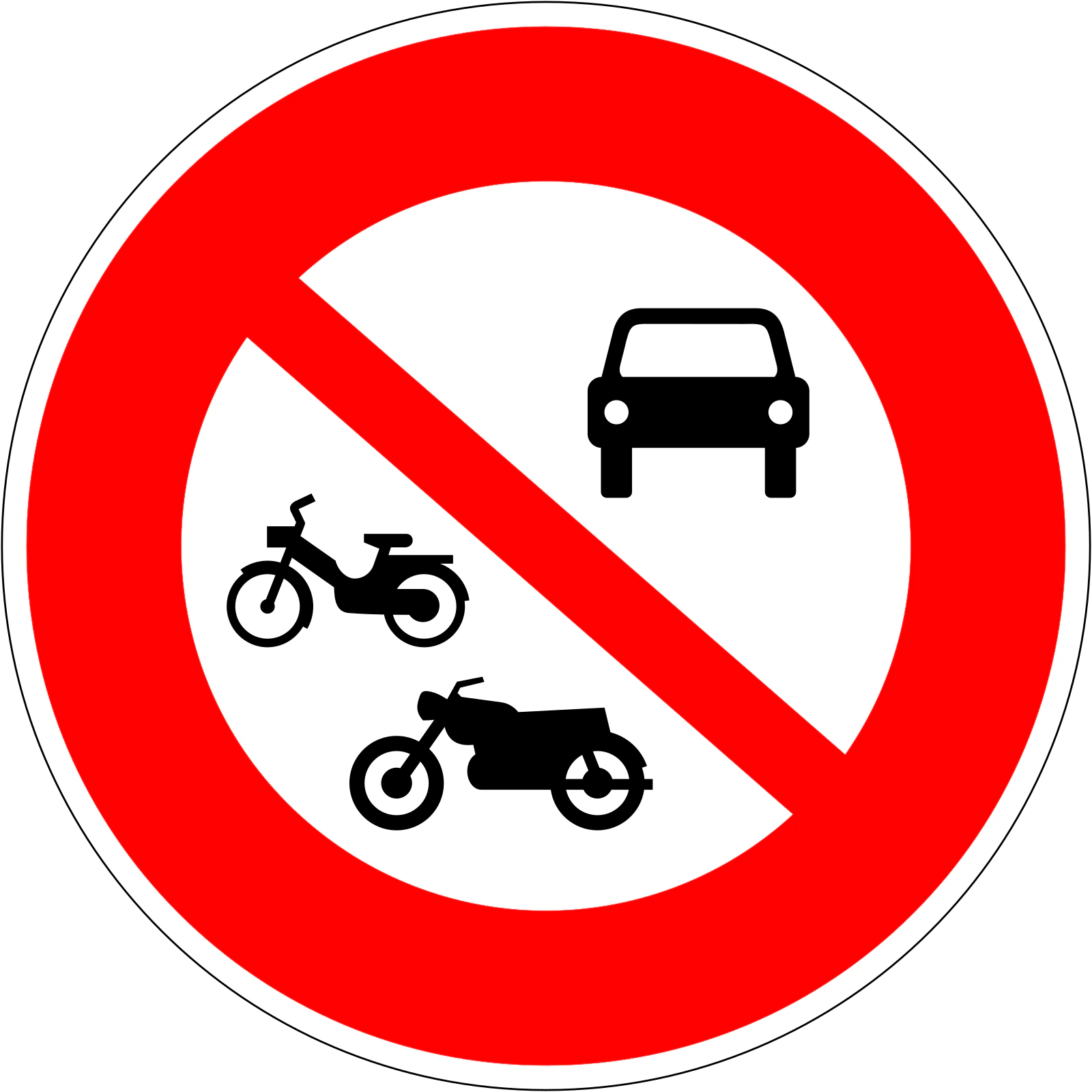
B7b: Understand the 'No Motor Vehicles Including Mopeds' Prohibitory Sign in France
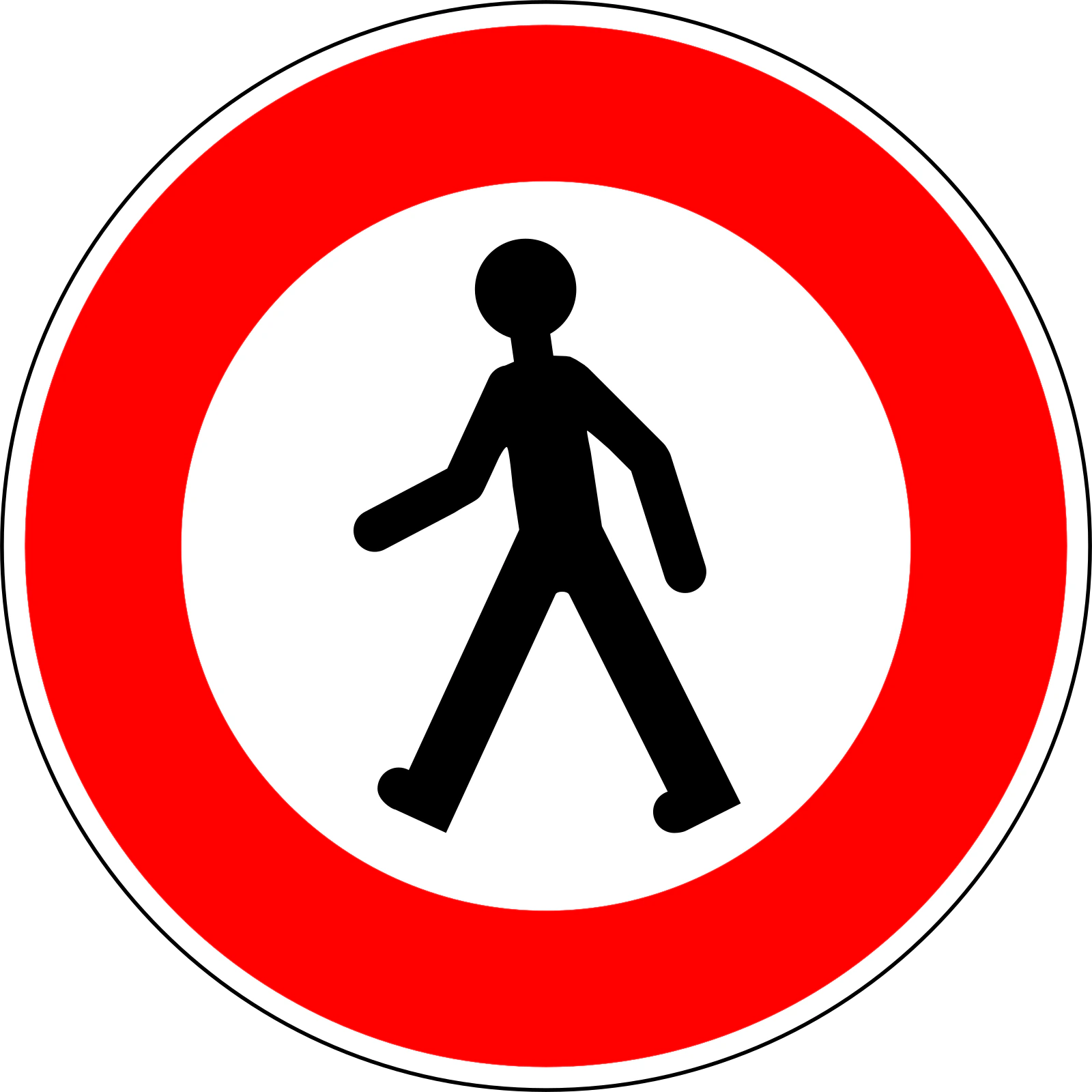
The B9a 'No Pedestrians' sign prohibits pedestrian access to a specific area or road.
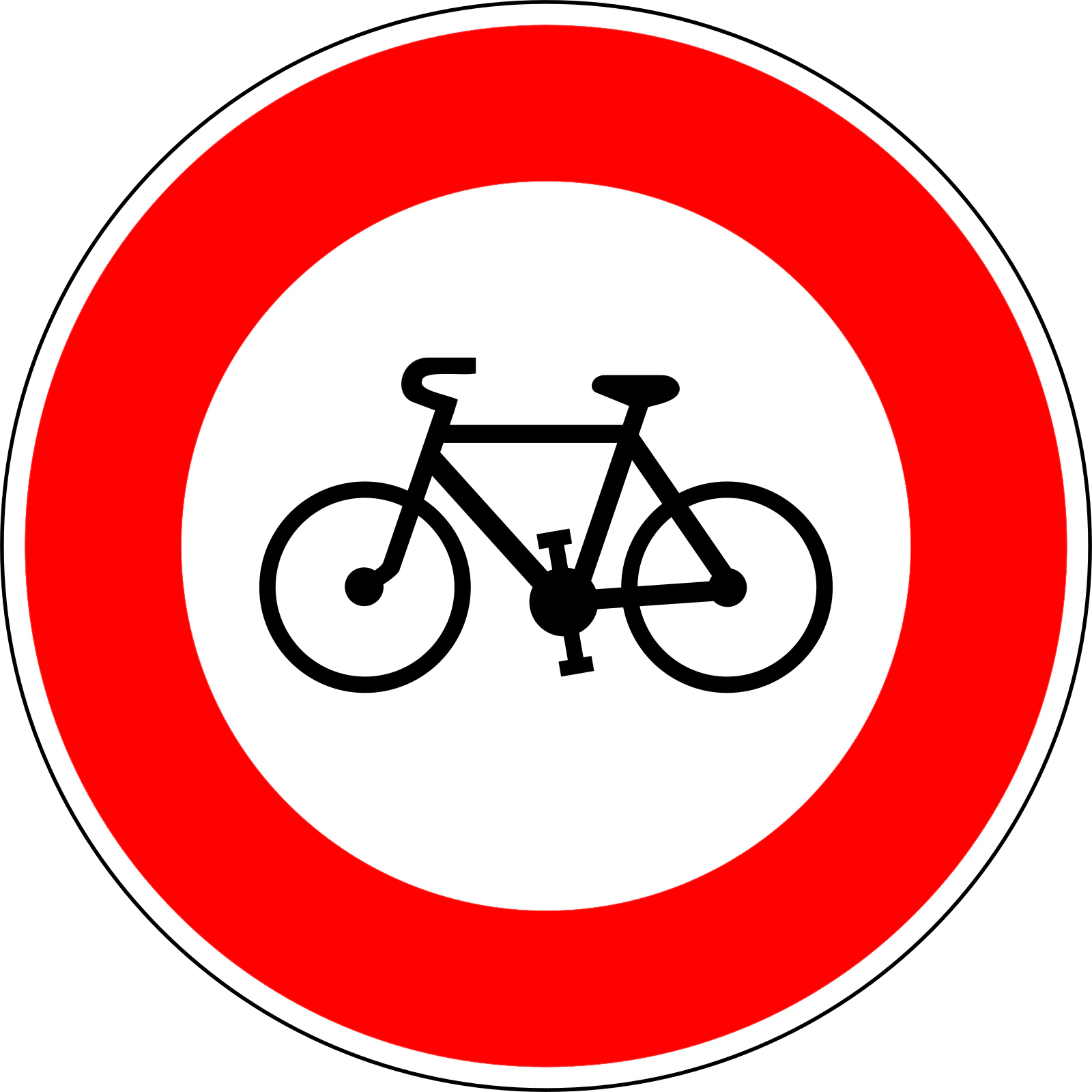
The B9b 'No Cycling' sign means cycling is prohibited in this area.
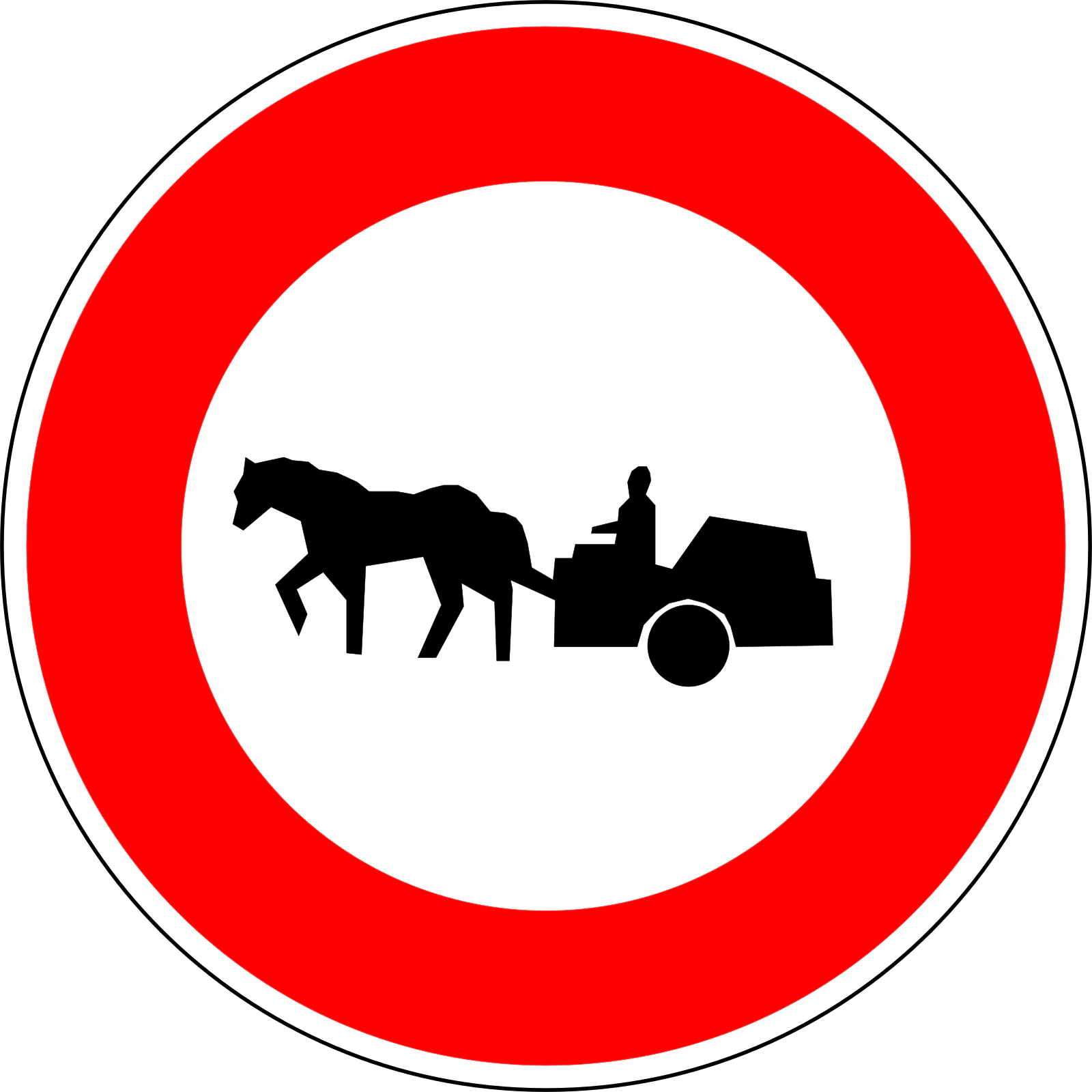
Understand the 'No Horse-Drawn Vehicles' (B9c) Prohibitory Sign in France
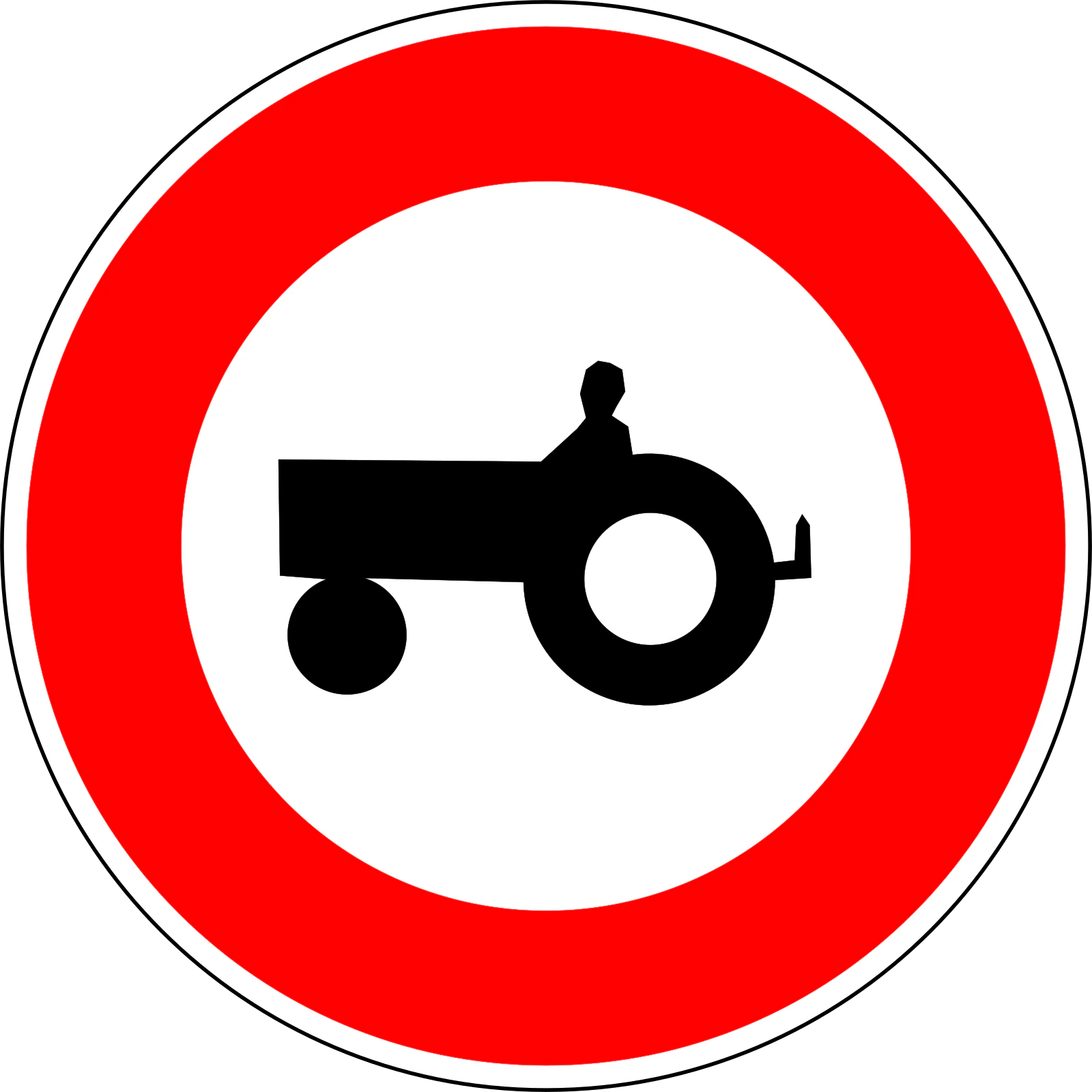
What does the B9d 'No Tractors' prohibitory sign mean?
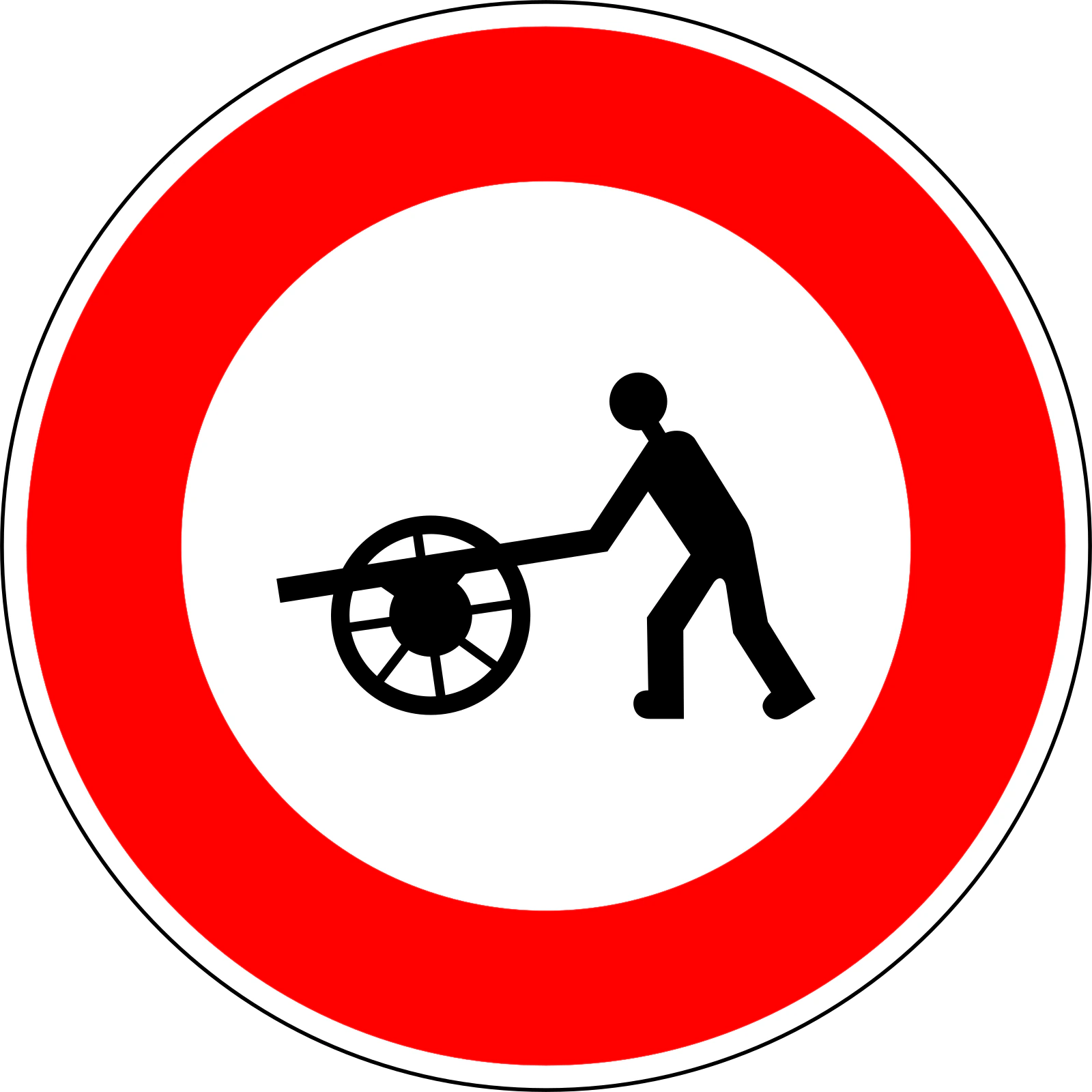
The B9e 'No Handcarts' Sign Prohibits Specific Movements or Vehicles
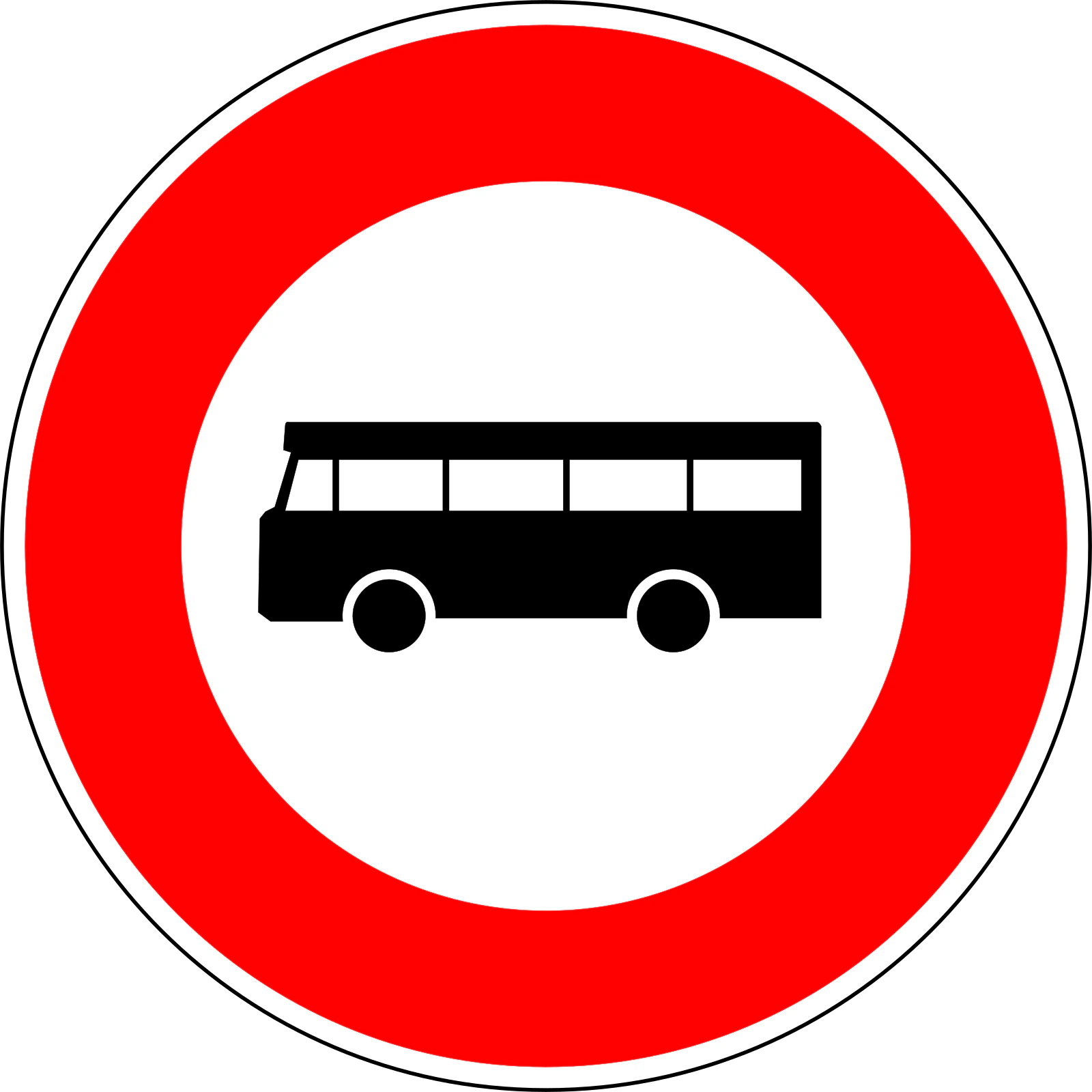
B9f 'No Buses' sign: Understand what this prohibitory traffic sign means for your journey in France.
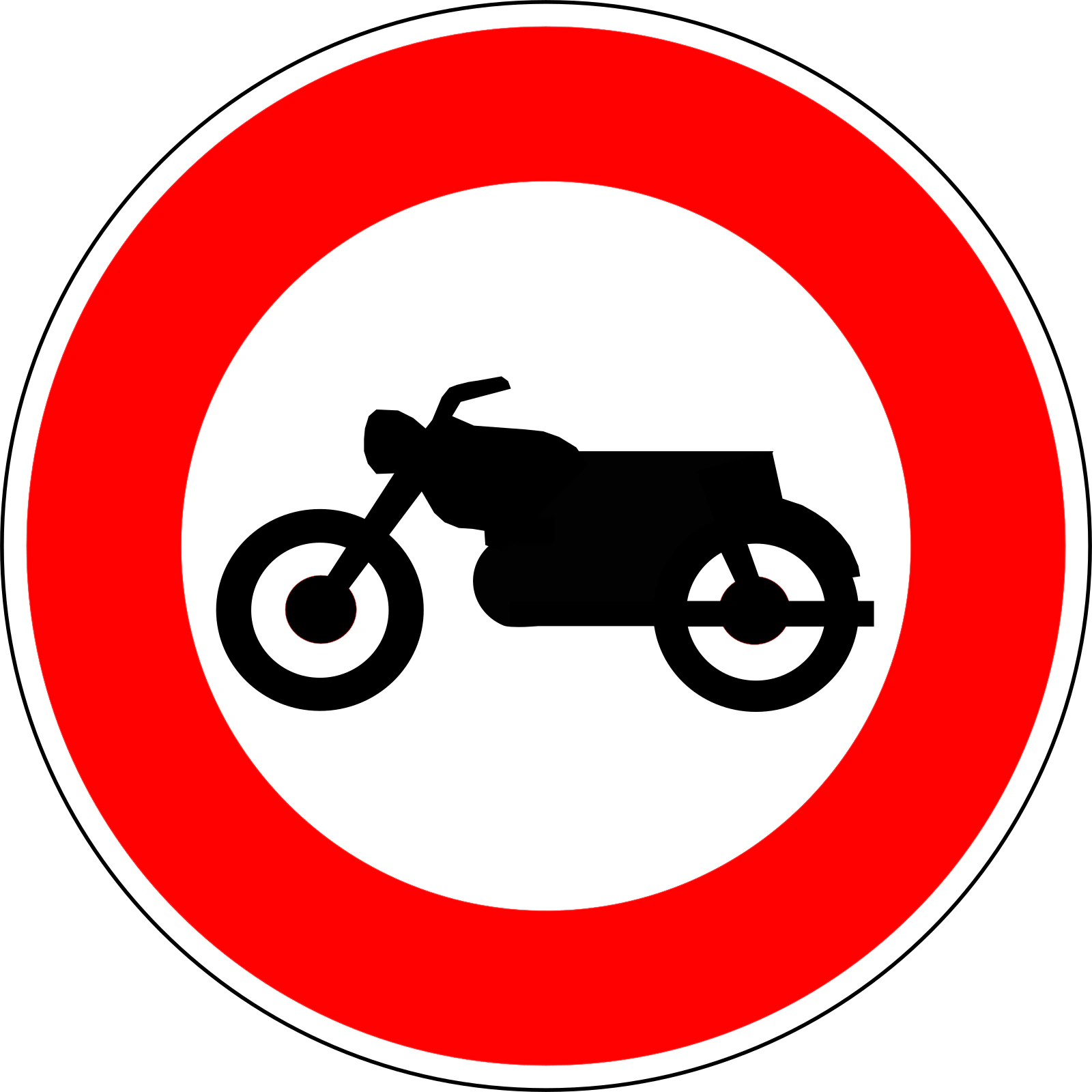
Understand the 'No Motorcycles' (B9h) prohibitory road sign in France.
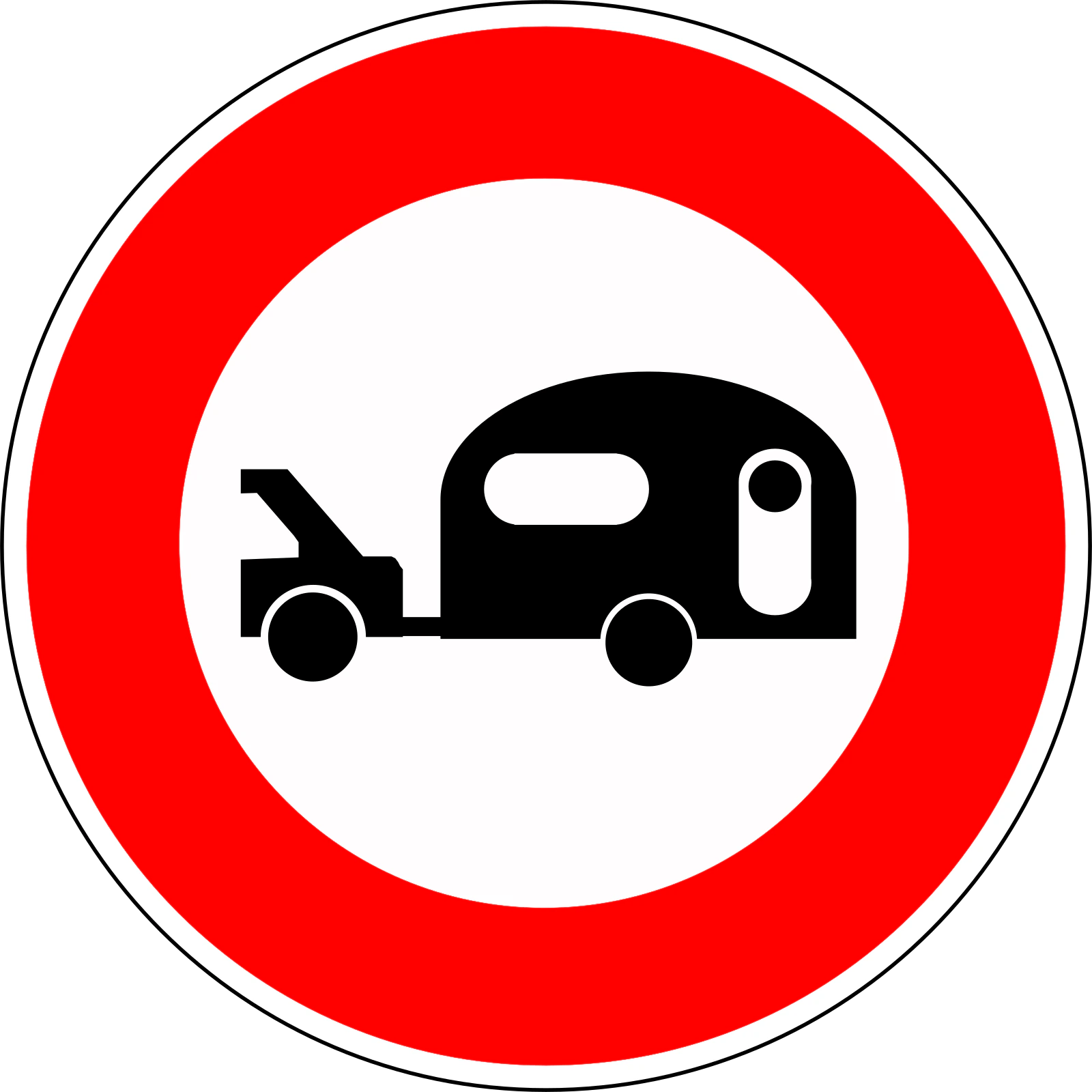
Understand the French B9i Road Sign: No Vehicles Towing Caravans
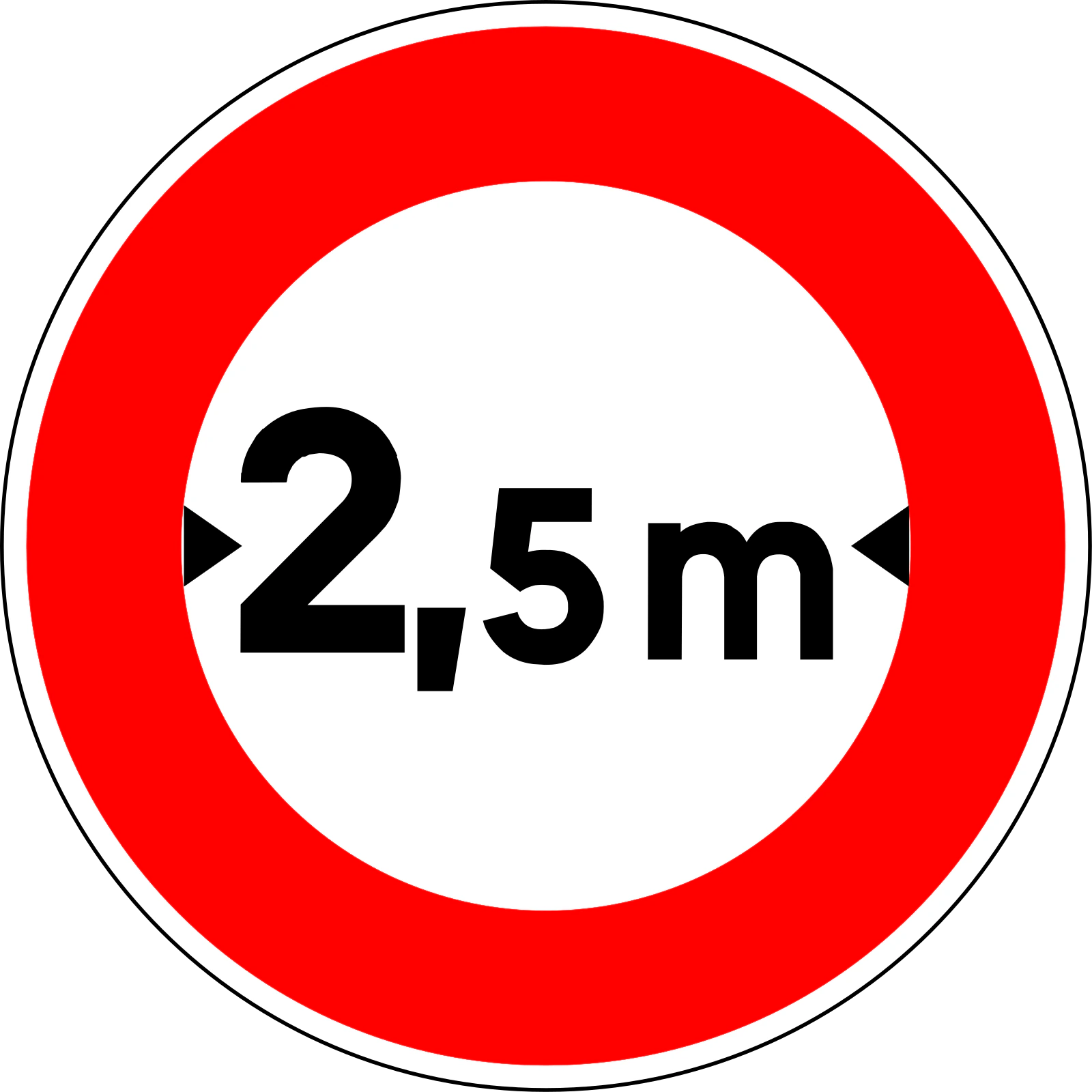
Observe the B11 Width Limit sign to avoid restricted zones.
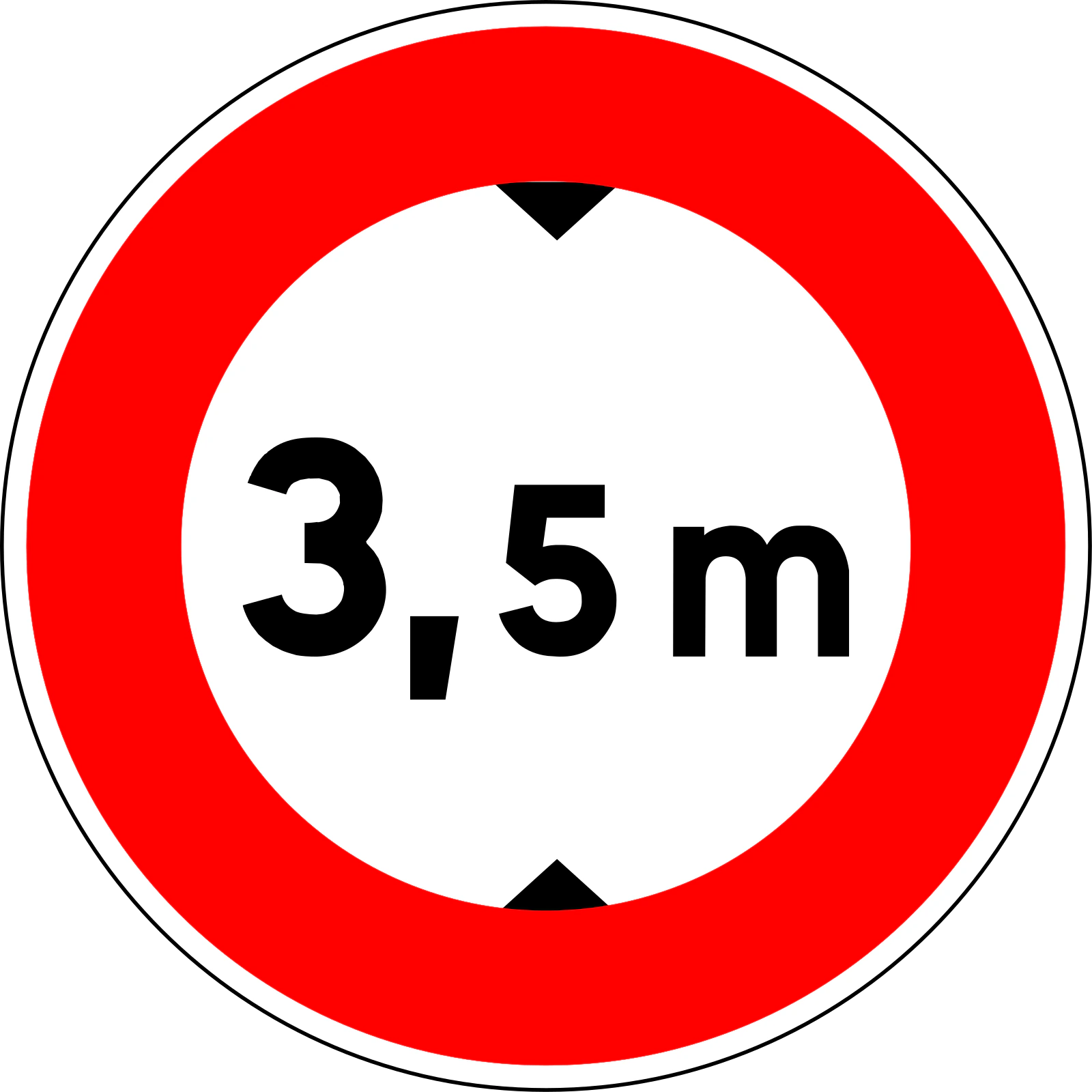
B12 Height Limit: Know Your Vehicle's Clearance and Avoid Restrictions
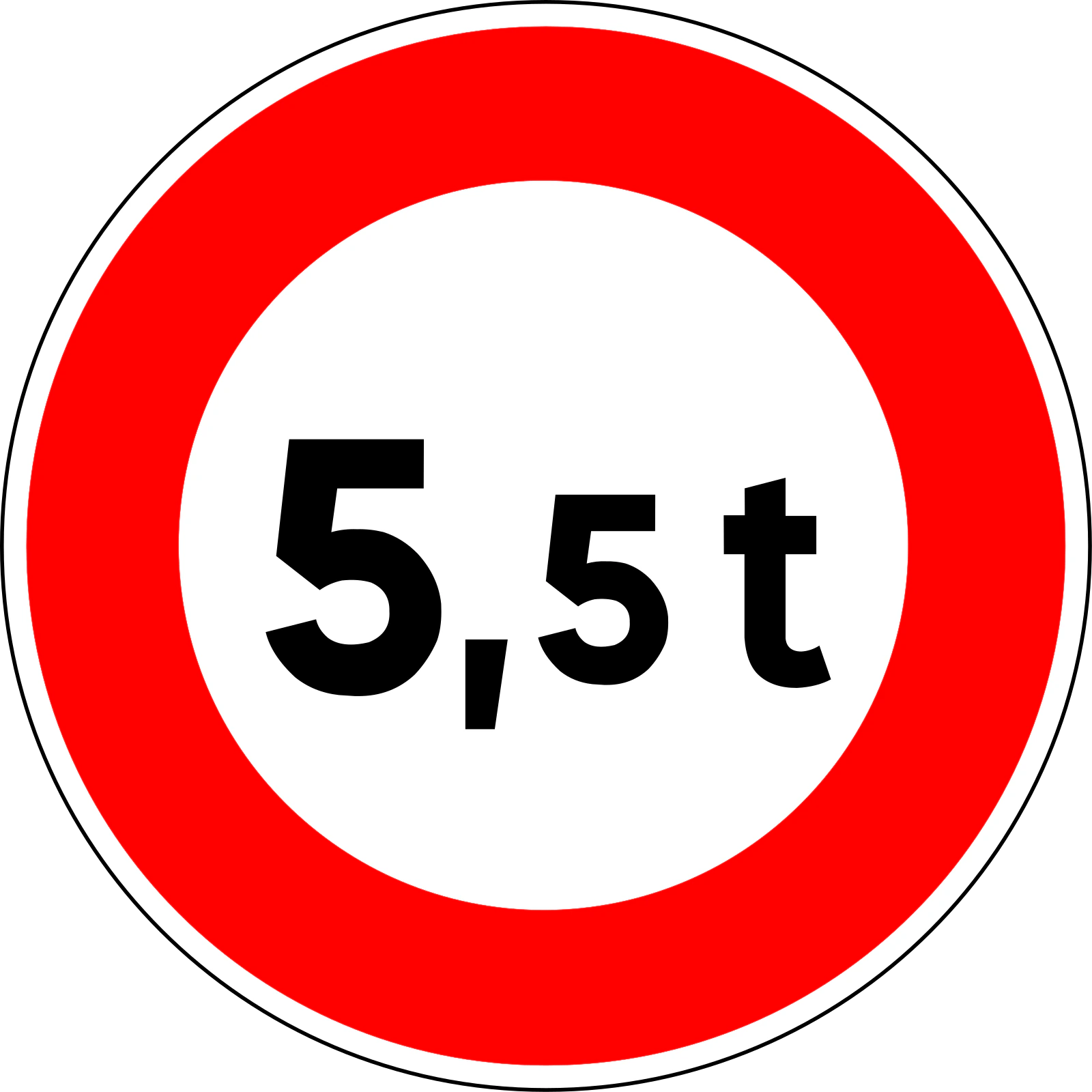
The B13 Weight Limit sign restricts vehicles exceeding a specified weight.
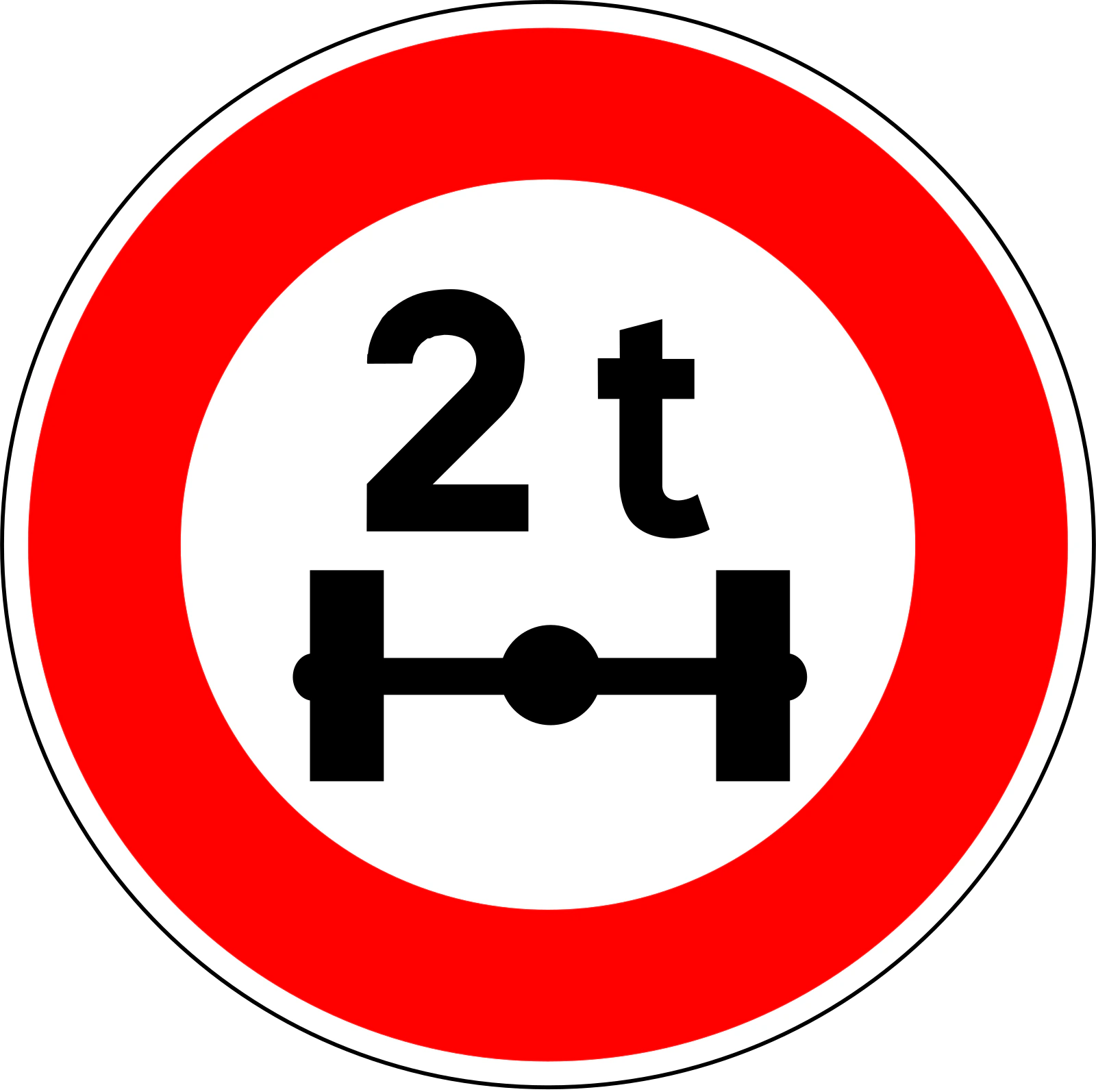
B13a: Understand the Axle Weight Limit Prohibitory Sign
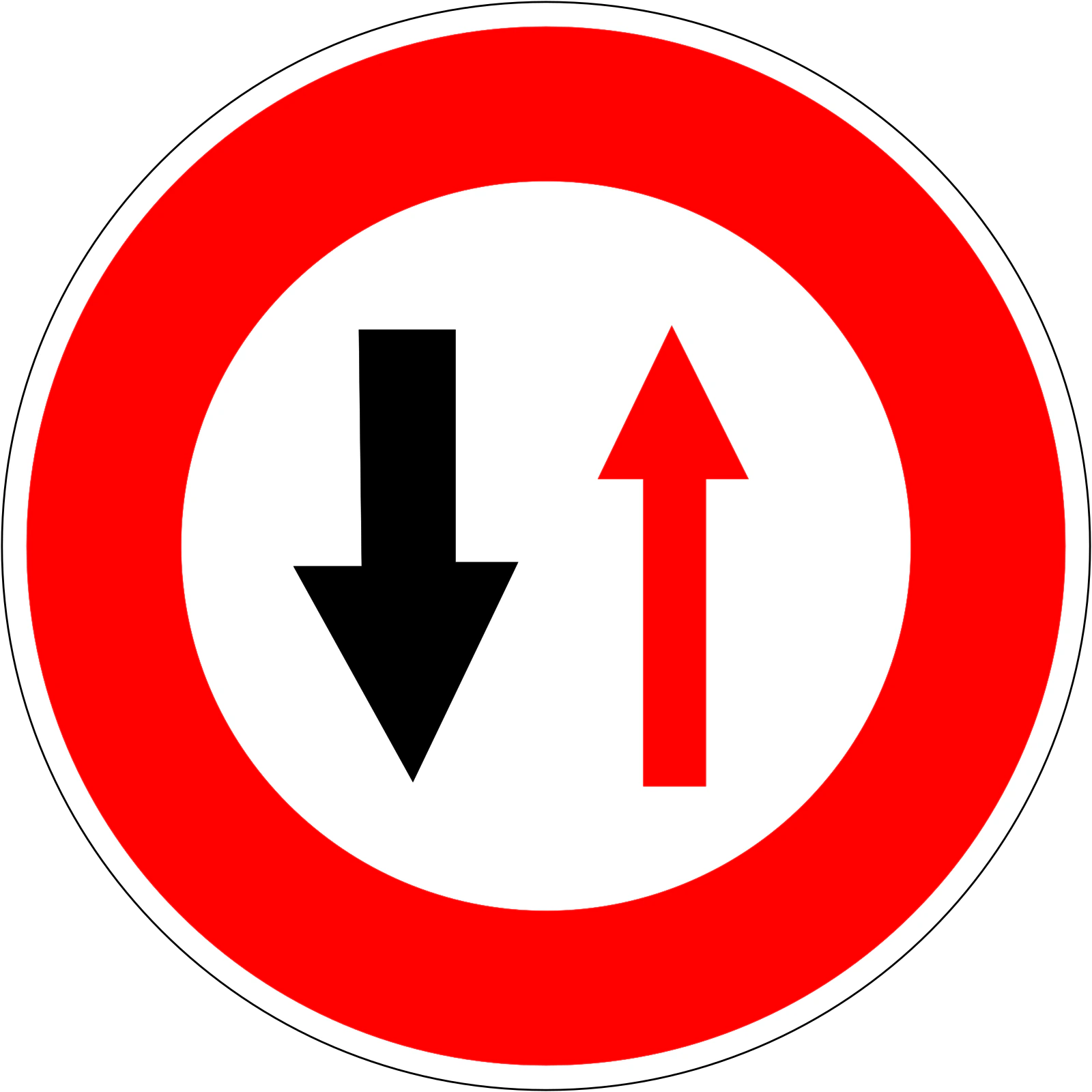
Master the B15 Sign: You Must Give Priority to Oncoming Traffic
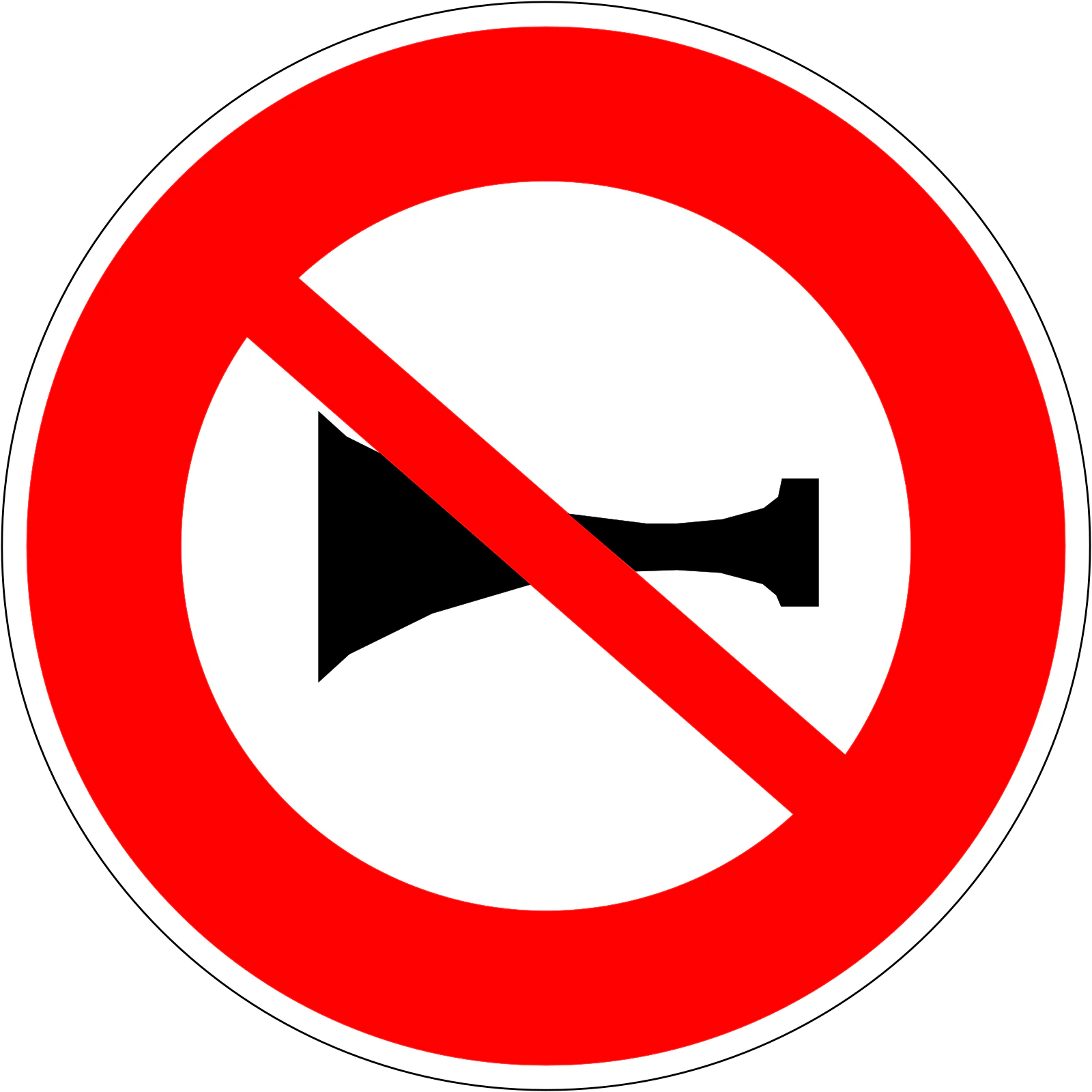
The B16 'No Sounding Horns' Sign: When and Why Not to Honk
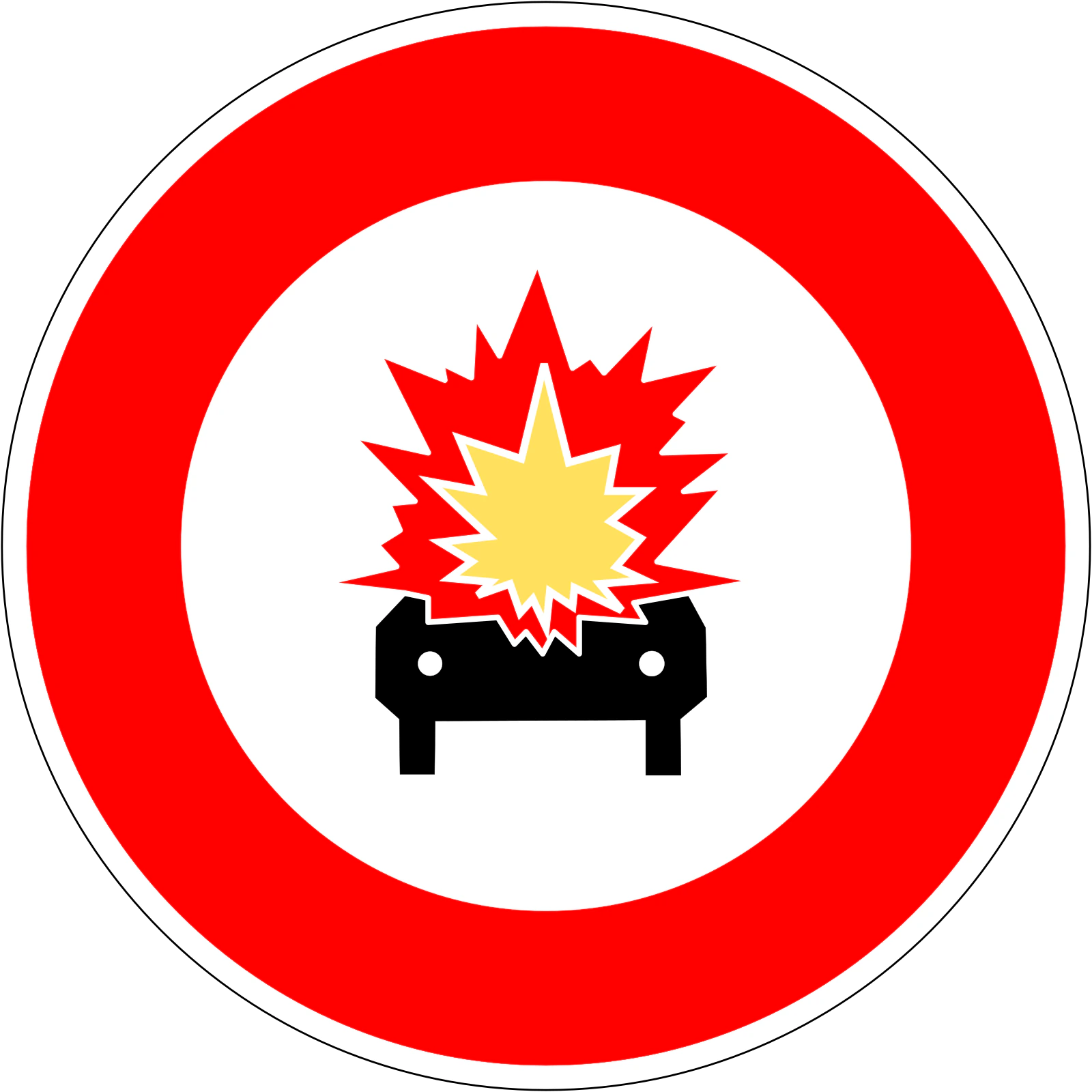
The B18a sign prohibits vehicles carrying explosives, ensuring safety in hazardous areas.
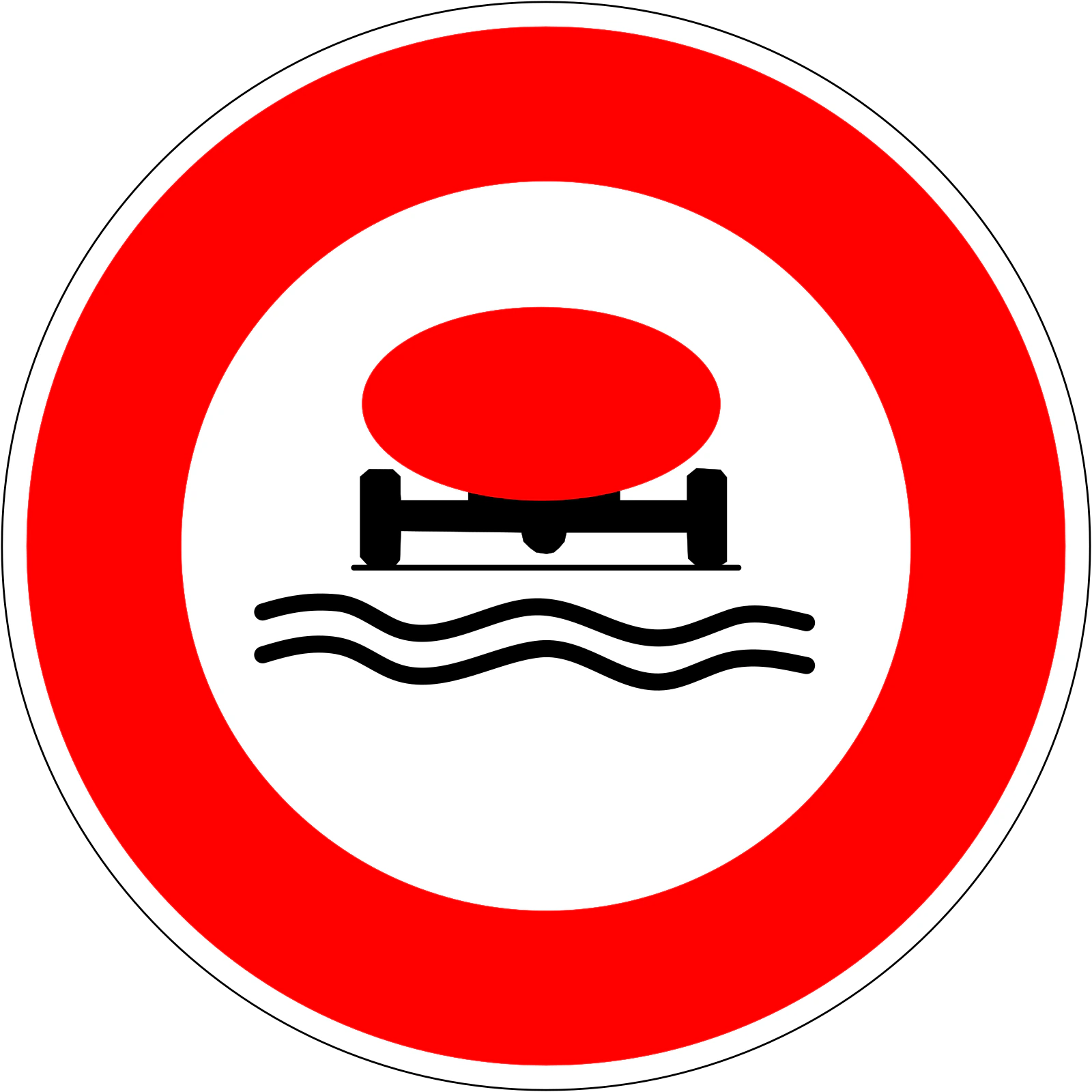
B18b Sign: Prohibiting Vehicles Carrying Water Pollutants
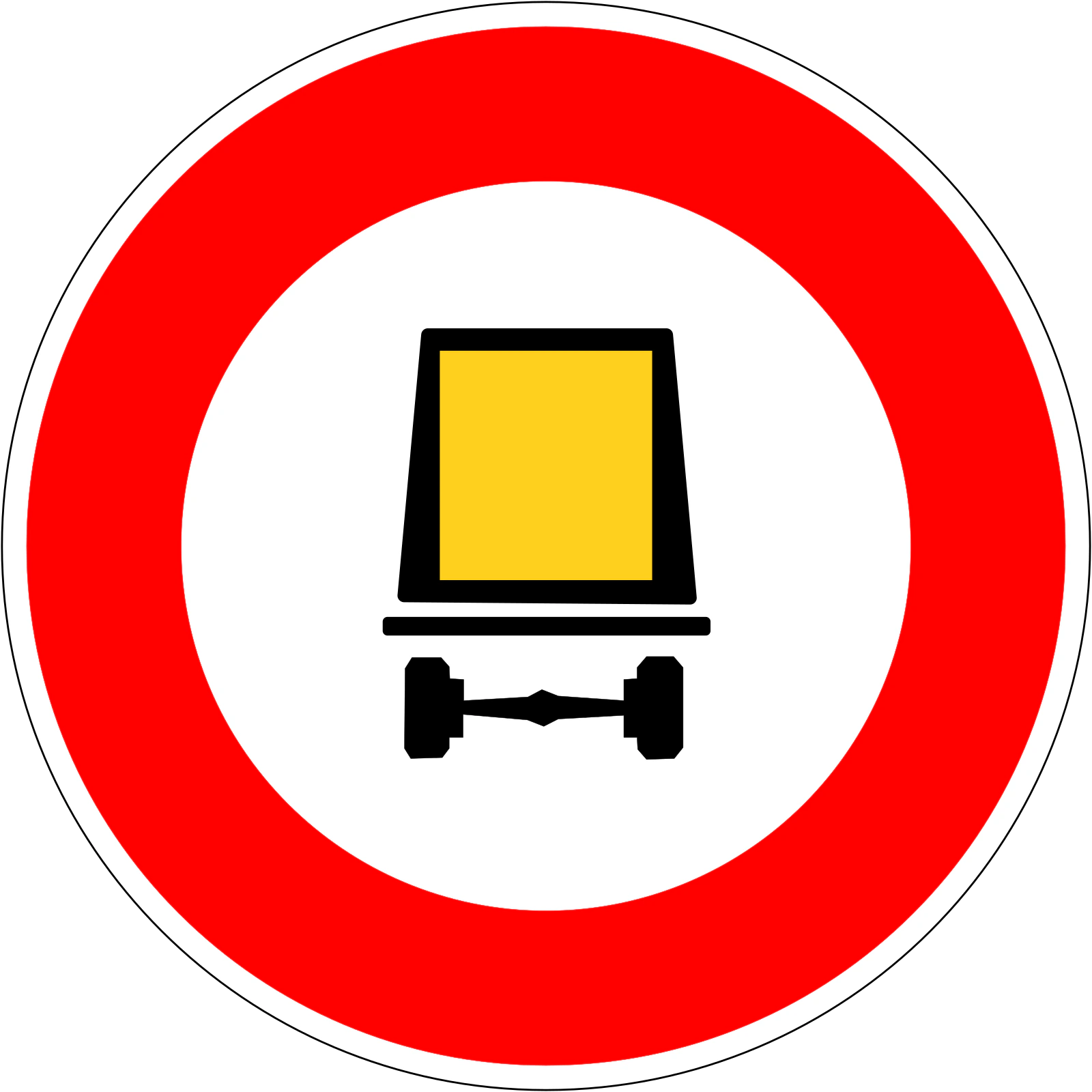
B18c: What the 'No Vehicles Carrying Dangerous Goods' Sign Means in France
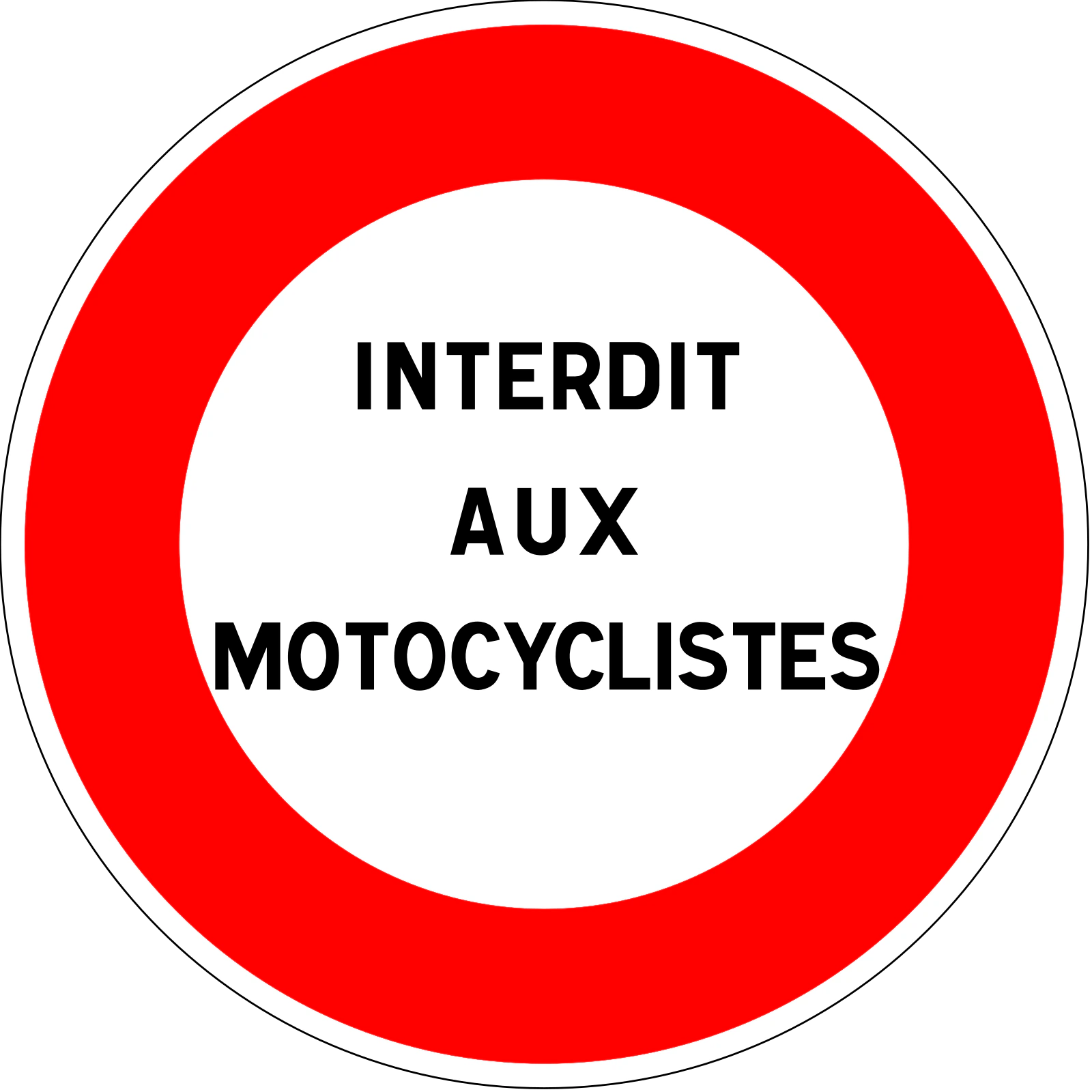
What does the B19 'Other Restrictions' sign mean in France?
Clear answers to common questions about the France Prohibitory Signs road sign category. Use this FAQ to review tricky rules, understand how these signs appear in exam scenarios, and remove confusion that often leads to mistakes in the French driving theory exam in France.
The main purpose of prohibitory signs is to inform drivers of actions or vehicle types that are not allowed in a specific area or on a particular road. They are designed to regulate traffic, prevent dangerous situations, and ensure smooth traffic flow by clearly stating restrictions.
Most prohibitory signs apply from the point where they are displayed. However, some signs, like 'No Overtaking', may have a supplementary plate indicating the end of the restriction, or they might apply until the next junction or a sign indicating the end of the restriction. Always look for supplementary plates and be aware of your surroundings.
A 'No Parking' sign (B6a) prohibits you from leaving your vehicle unattended or stopping for an extended period. You might still be able to stop briefly to pick up or drop off passengers. A 'No Stopping' sign (B6d) is more stringent; it forbids any stopping, even for a short time, except when forced to do so by traffic conditions. It's a complete ban on stopping your vehicle.
Yes, exceptions are often indicated by supplementary plates. These plates can specify time limits, certain vehicle categories that are exempt, or other conditions under which the prohibition does not apply. For instance, a 'No Entry' sign might have a supplementary plate allowing access for local residents or specific services. Always check for these plates below the main sign.
When multiple prohibitory signs are displayed together, it means all the indicated restrictions apply simultaneously. For example, you might see a 'No Entry' sign combined with a 'No Overtaking' sign. You must respect every single restriction presented. Read each sign carefully and ensure your vehicle and planned actions comply with all of them before proceeding.
Ready to deepen your understanding of French road signs? Dive into our comprehensive overview of official sign categories and groups. This structured approach will help you learn Code de la route classifications more effectively, preparing you thoroughly for your Permis de Conduire theory exam.
Explore Sign Categories