
This section covers crucial French road signs related to railway crossings, including those without gates, those with flashing lights, and signs indicating gates or overhead high-voltage cables. Understanding these signs is vital for anticipating train movements and reacting appropriately to prevent dangerous situations. Mastering this group will boost your confidence on the road and significantly improve your chances of passing the driving theory exam.
An explanation of how France Railway Crossing Signs road signs apply in real traffic situations in France. Learn where these signs are typically placed, what drivers are expected to do when they appear, and how correct reactions help you stay safe, avoid fines, and succeed in your French driving theory exam.
You will encounter railway crossing signs on roads that intersect with train tracks. These signs are placed to warn drivers of an impending level crossing, requiring heightened awareness and caution. Signs like G1 and its variations (G1a, G1b, G1c) are commonly seen on roads leading up to crossings without barriers, indicating single or multiple tracks, and sometimes accompanied by flashing red lights to signal an approaching train. The G2 sign indicates the presence of gates, which must be obeyed, and the G3 sign warns of overhead high-voltage cables, often found near electrified railway lines. Drivers must always be prepared to stop at these crossings, especially when flashing lights are active or gates are down, and should never attempt to cross if the exit is blocked or a train is approaching.
An overview of the key learning outcomes when studying the France Railway Crossing Signs road sign category. Understand the main concepts, sign meanings, and traffic situations covered here so you can recognise patterns, answer theory questions more confidently, and build a solid foundation for safe driving in France.
Master France's railway crossing signs, including those for level crossings, flashing lights, and gates. Studying these vital warning signs together enhances your recognition skills, crucial for safe navigation during your theory test revision and real-world driving. Learn the specific meanings to prepare effectively for French driving licence requirements.
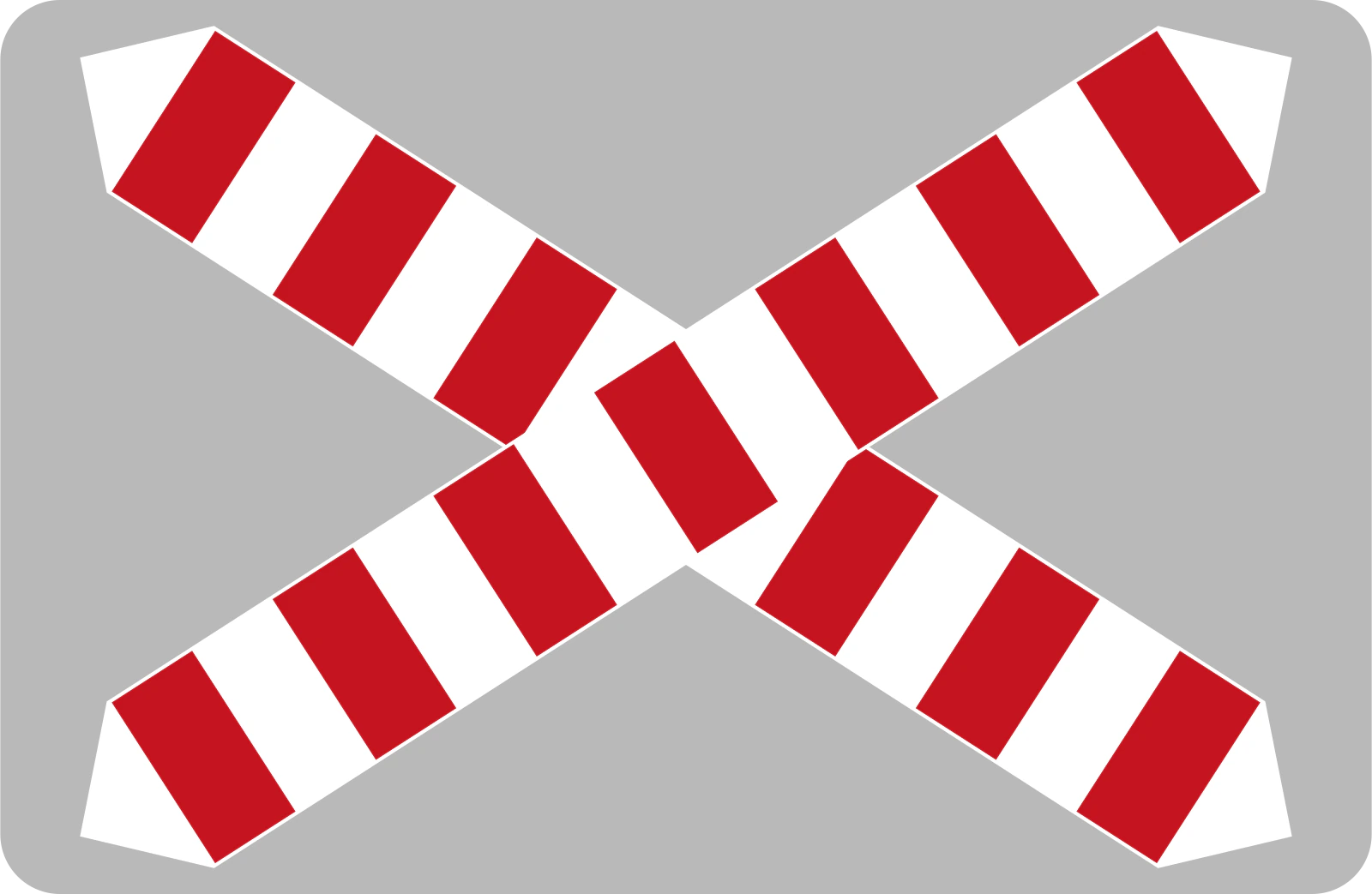
Prepare to stop at level crossings without gates or aircraft crossing areas with the G1 sign.
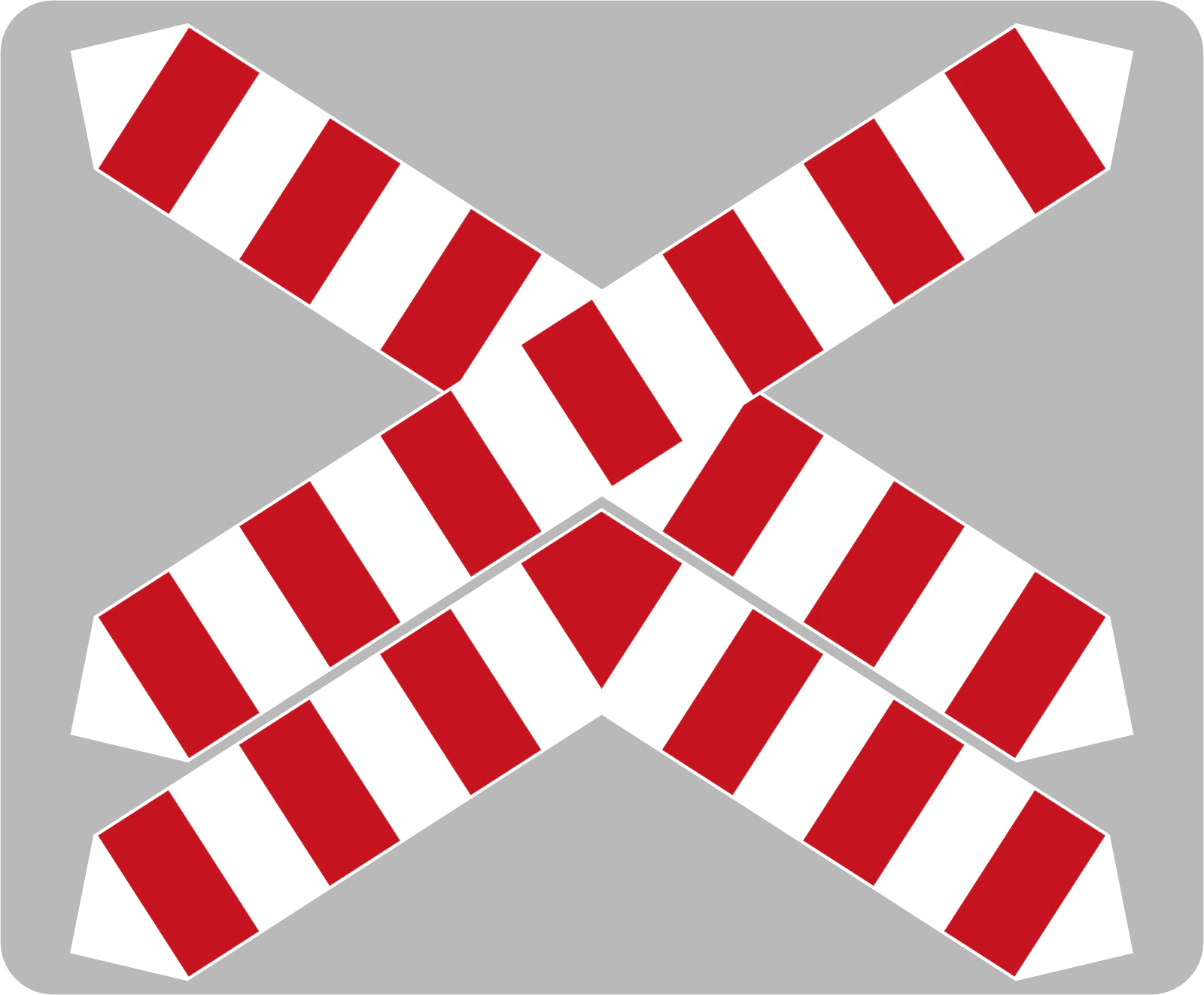
Warning: Level Crossing Without Gates with Several Tracks Ahead (G1a)
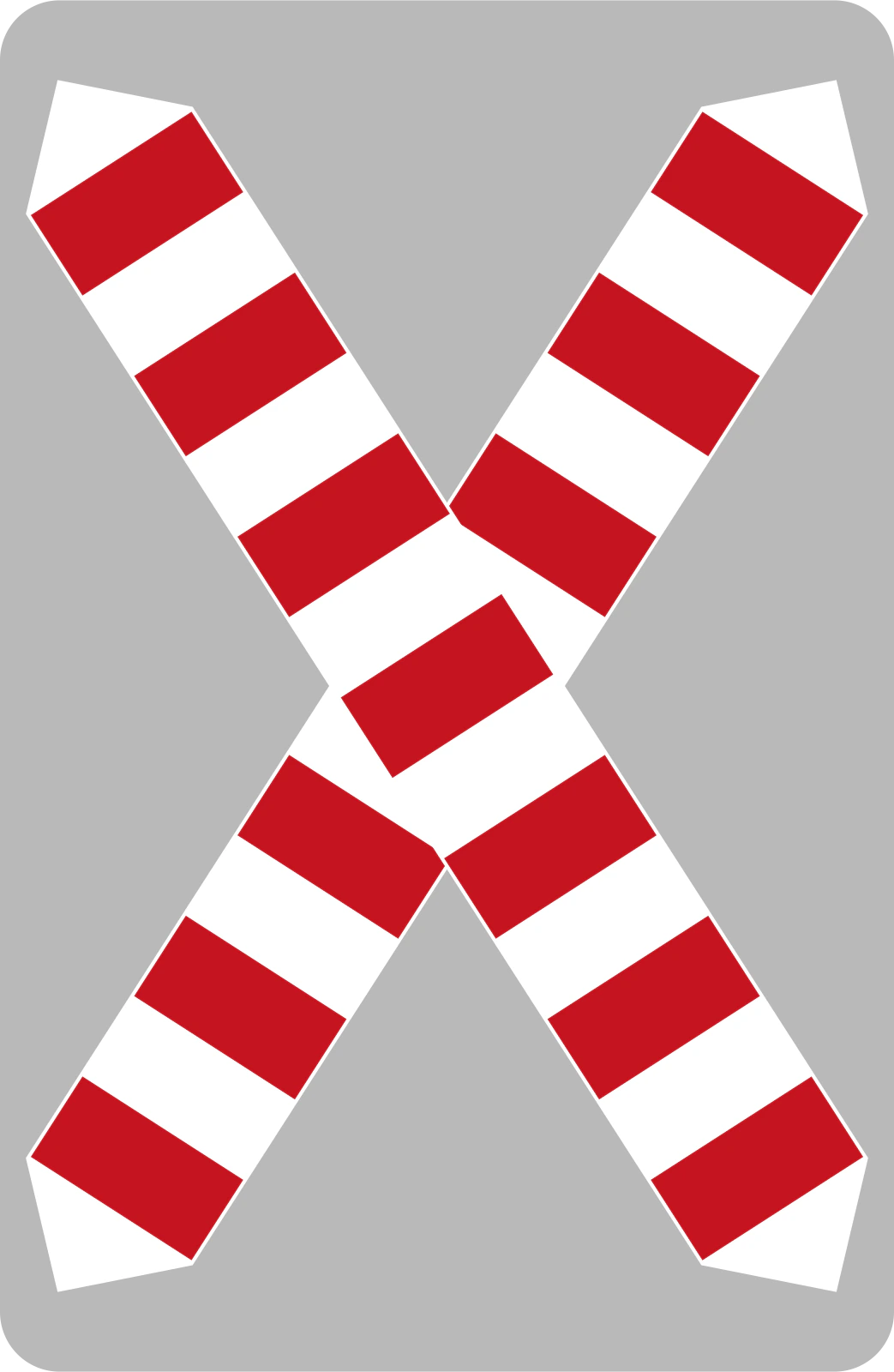
Watch out for the G1b sign: Level crossings and aircraft crossing areas without gates
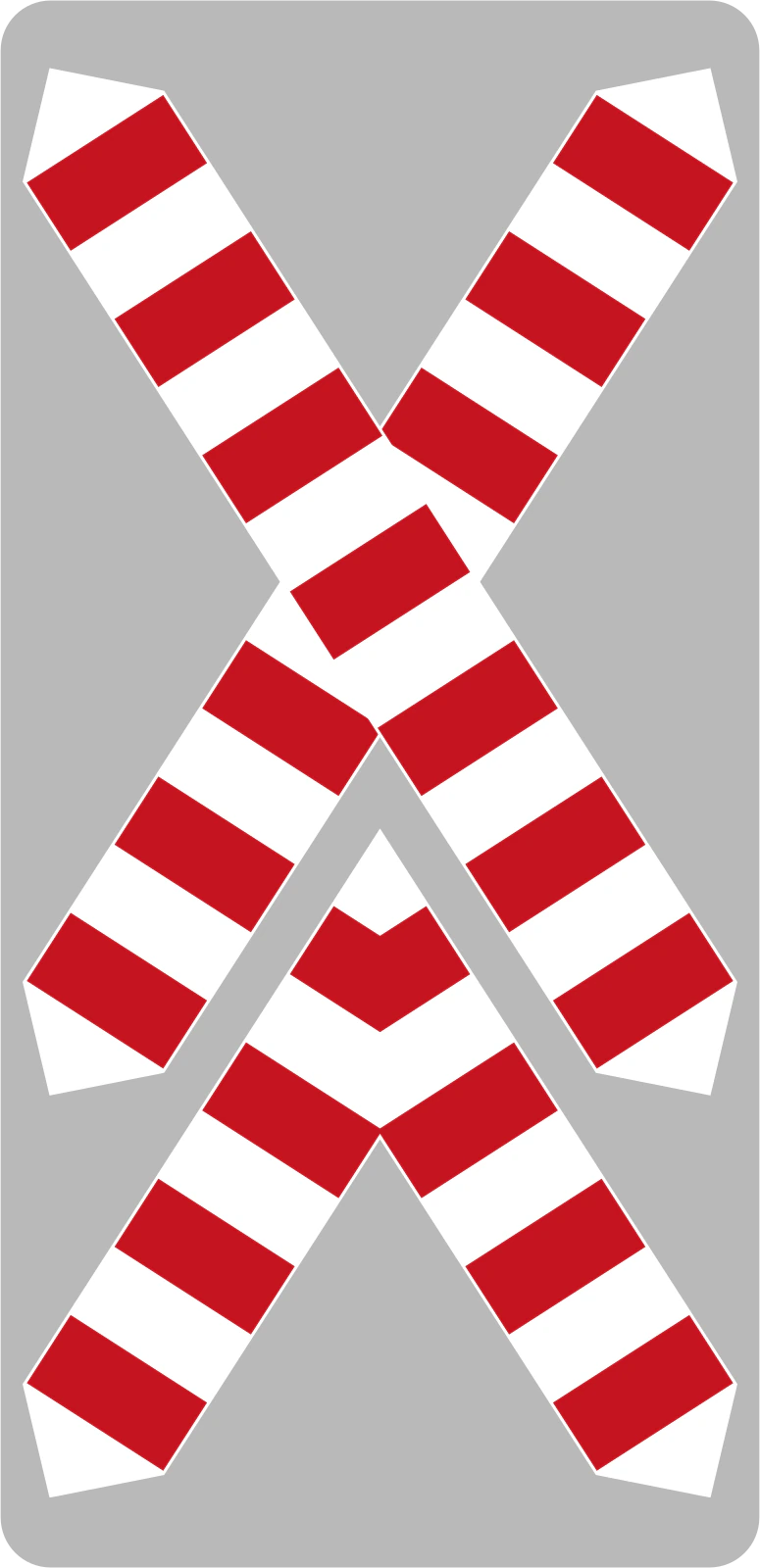
Prepare for Multiple Railway Tracks at This Unattended Level Crossing (G1c)
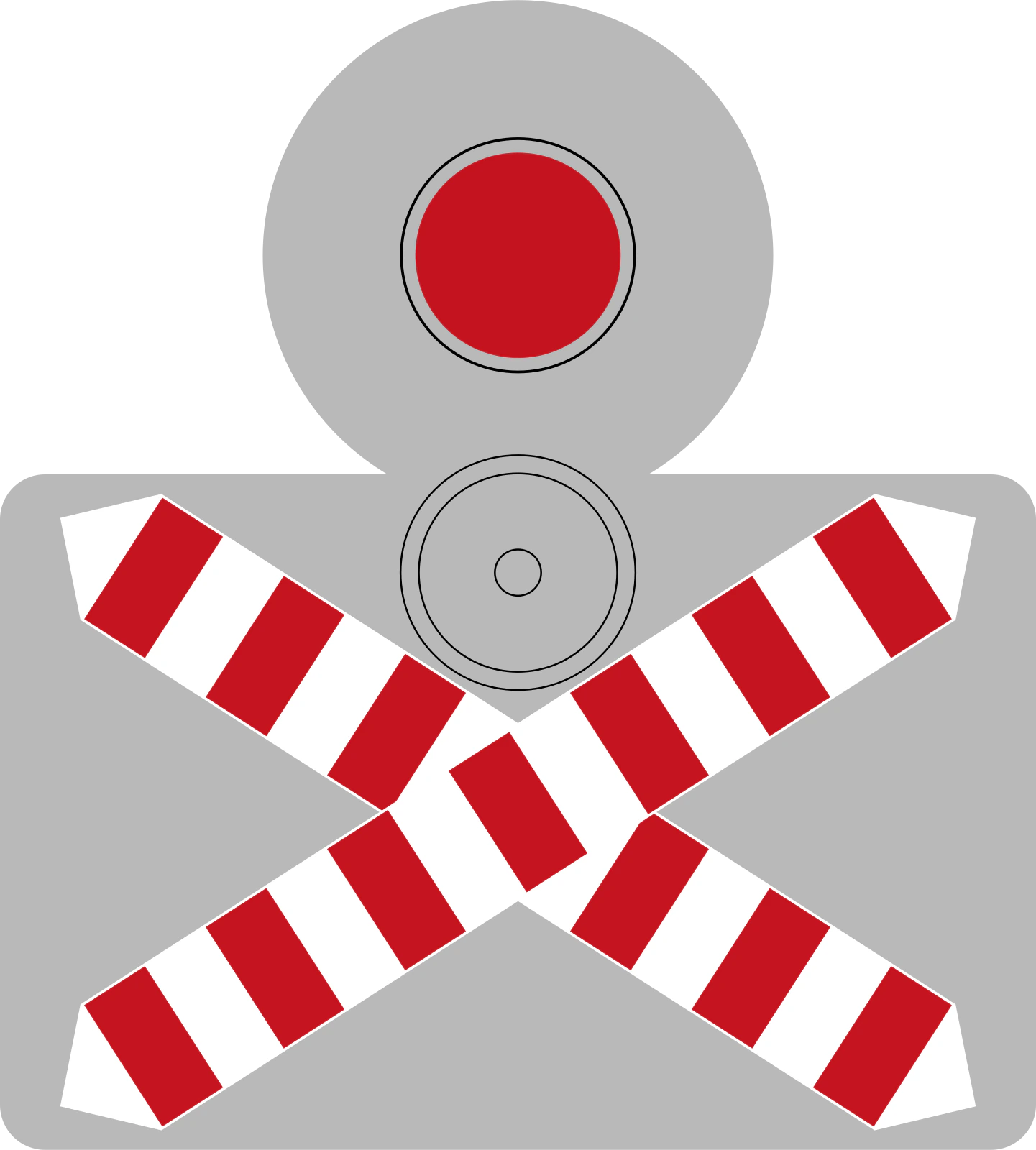
G1: Approaching a Level Crossing with Flashing Red Lights
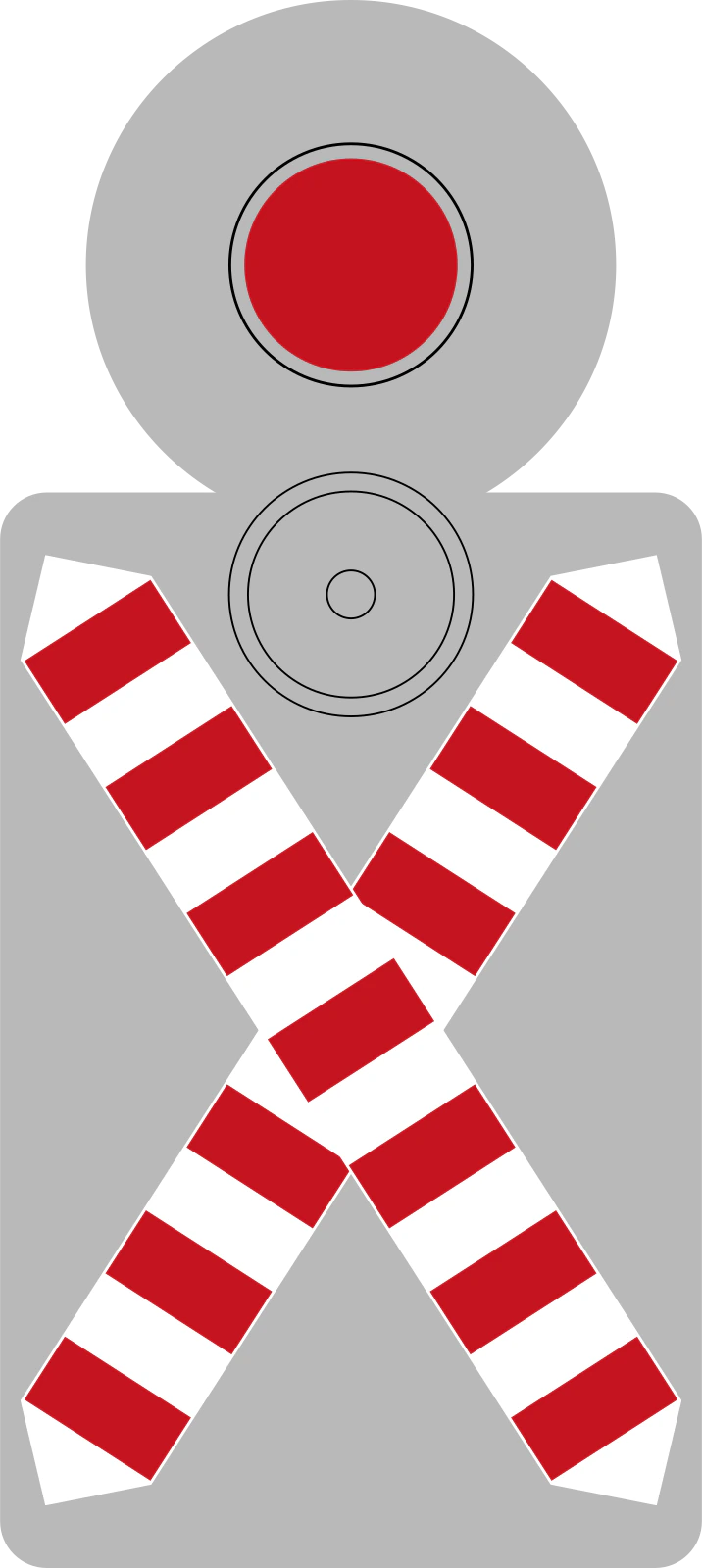
Prepare to stop for the G1b single-track level crossing with flashing red lights.
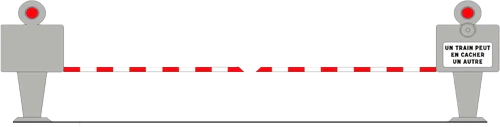
The G2 'Gates' Sign: Your Warning for Railway Crossings
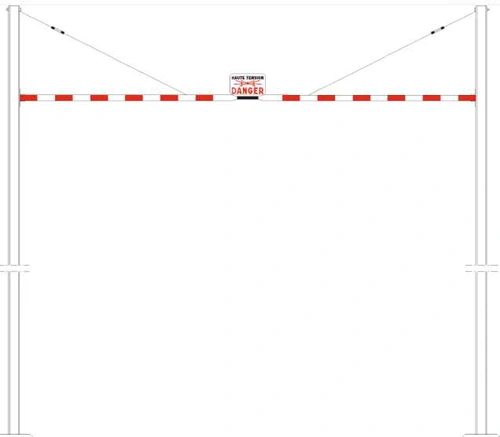
Understand the G3 Sign: Gantry with High-Voltage Cables Ahead
Clear answers to common questions about the France Railway Crossing Signs road sign category. Use this FAQ to review tricky rules, understand how these signs appear in exam scenarios, and remove confusion that often leads to mistakes in the French driving theory exam in France.
These signs all relate to level crossings without gates. The primary distinction is whether the crossing involves a single track (often indicated by G1 or G1b) or multiple tracks (often indicated by G1a or G1c). Some versions also specifically mention the presence of a flashing red warning light, which is a critical signal to stop.
The G2 sign warns you that the railway crossing is equipped with gates or barriers. When you see this sign, you should be prepared to stop. If the gates are down or are in the process of closing, you must stop before the crossing and wait for the train to pass and for the gates to be raised.
Trains cannot swerve or stop quickly like road vehicles. A train travelling at speed has a very long stopping distance. Therefore, it is crucial to obey all warning signs, flashing lights, and barriers to prevent a collision, which would almost certainly be fatal. Never try to beat a train or cross if you are unsure whether it is safe.
The G3 sign indicates the presence of high-voltage cables, typically associated with the railway's electrification system. Drivers should be aware of these overhead lines and maintain a safe distance, especially if operating tall vehicles, to avoid electrical hazards.
No, absolutely not. You should never enter a railway crossing unless you are certain that you can completely clear it on the other side without stopping. If you enter the crossing and get stuck due to traffic or other reasons, you put yourself and potentially others at severe risk from an approaching train.
Ready to deepen your understanding of French road signs? Dive into our comprehensive overview of official sign categories and groups. This structured approach will help you learn Code de la route classifications more effectively, preparing you thoroughly for your Permis de Conduire theory exam.
Explore Sign Categories