Temporary information signs are vital for adapting to altered road layouts, such as diversions, lane merges, or changed traffic management systems. They communicate essential information about immediate road conditions that may differ from the permanent design. Learning to recognise and react to these signs early will not only help you pass your theory test but also ensure you drive safely by anticipating changes.
An explanation of how France Temporary Information Signs road signs apply in real traffic situations in France. Learn where these signs are typically placed, what drivers are expected to do when they appear, and how correct reactions help you stay safe, avoid fines, and succeed in your French driving theory exam.
Temporary information signs are frequently encountered in areas where road conditions have been temporarily altered. This commonly includes road works, construction zones, accident sites, or during special events that necessitate detours or changed traffic patterns. You will see these signs on all types of roads, from motorways and dual carriageways to smaller urban and rural roads. They are designed to guide drivers through these temporary layouts, often indicating diversions, the number of available lanes, or when lanes are about to merge. It's crucial to pay attention to these signs as soon as they appear, as they signal a change in the normal driving environment and may require you to adjust your speed, lane position, or follow a specific route. Sudden lane changes can be particularly dangerous in these areas due to reduced space or the presence of barriers and cones.
An overview of the key learning outcomes when studying the France Temporary Information Signs road sign category. Understand the main concepts, sign meanings, and traffic situations covered here so you can recognise patterns, answer theory questions more confidently, and build a solid foundation for safe driving in France.
Master France's temporary information road signs, crucial for navigating diversions and altered traffic management. Understanding these signs early aids in following new lane layouts and avoiding hazards during road works, essential for your theory test revision and safe driving.
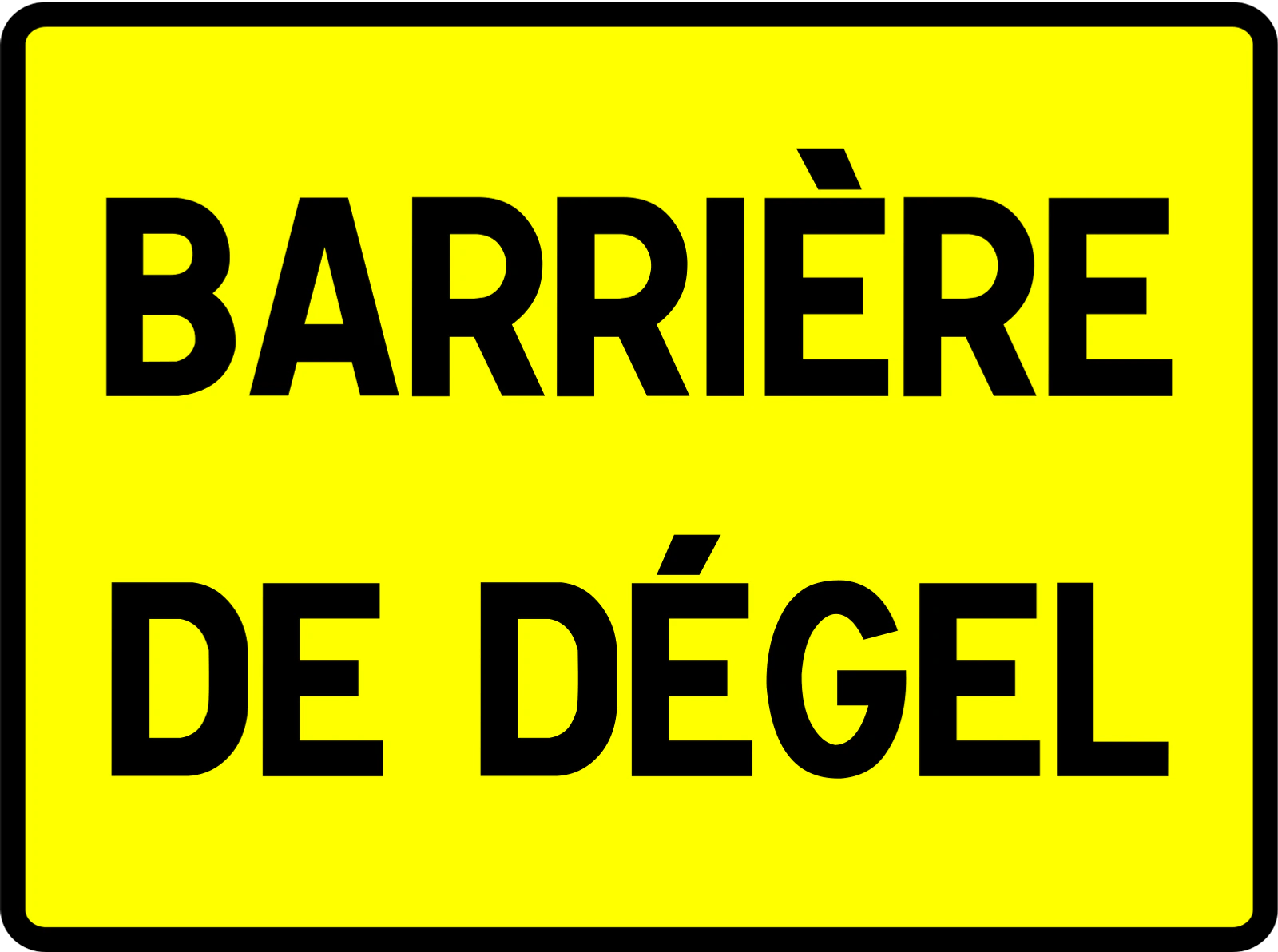
KC1 Other Information sign guides you through temporary lane changes and roadworks.
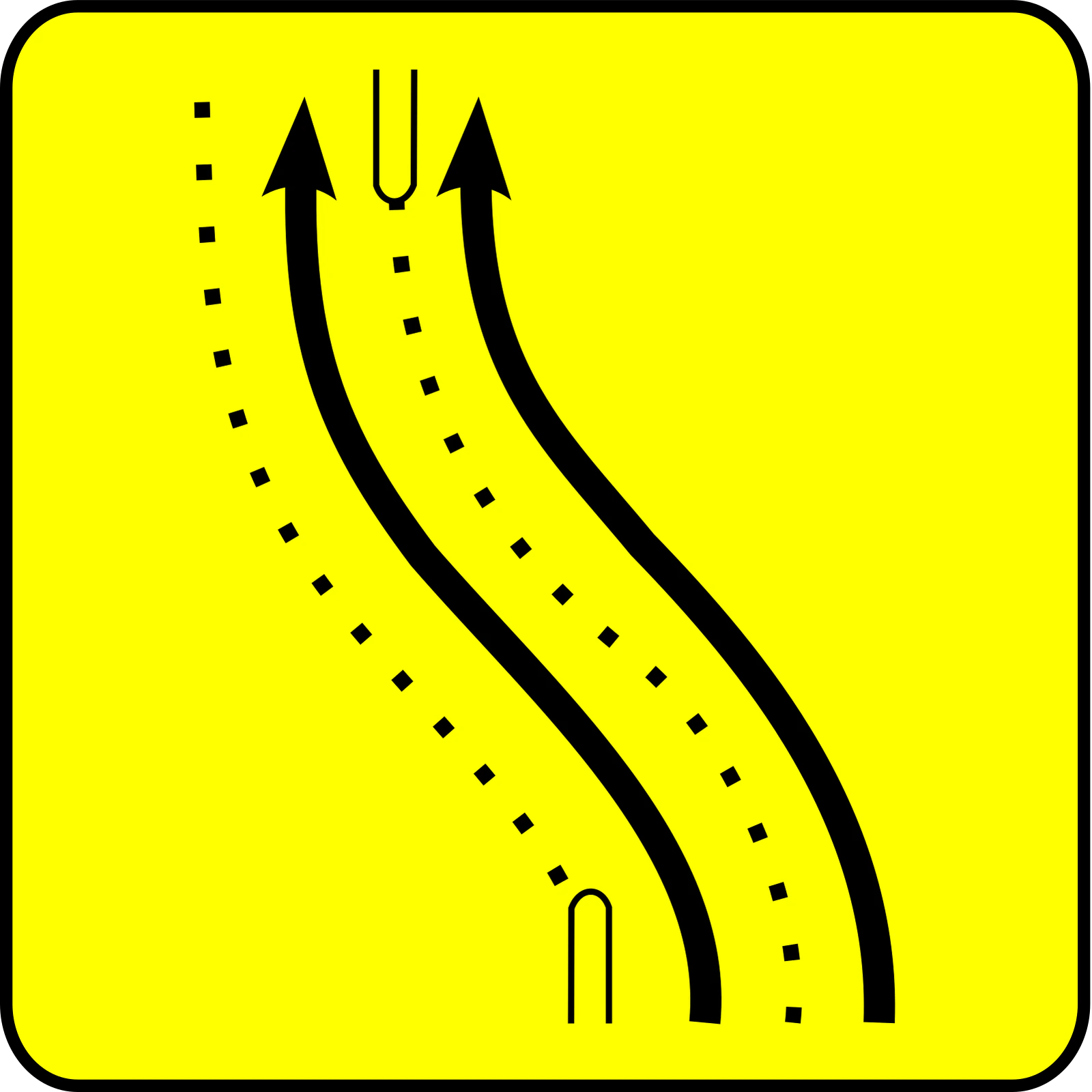
Navigate Temporary Lane Changes Safely with the KD8e2 'Lanes Change' Sign
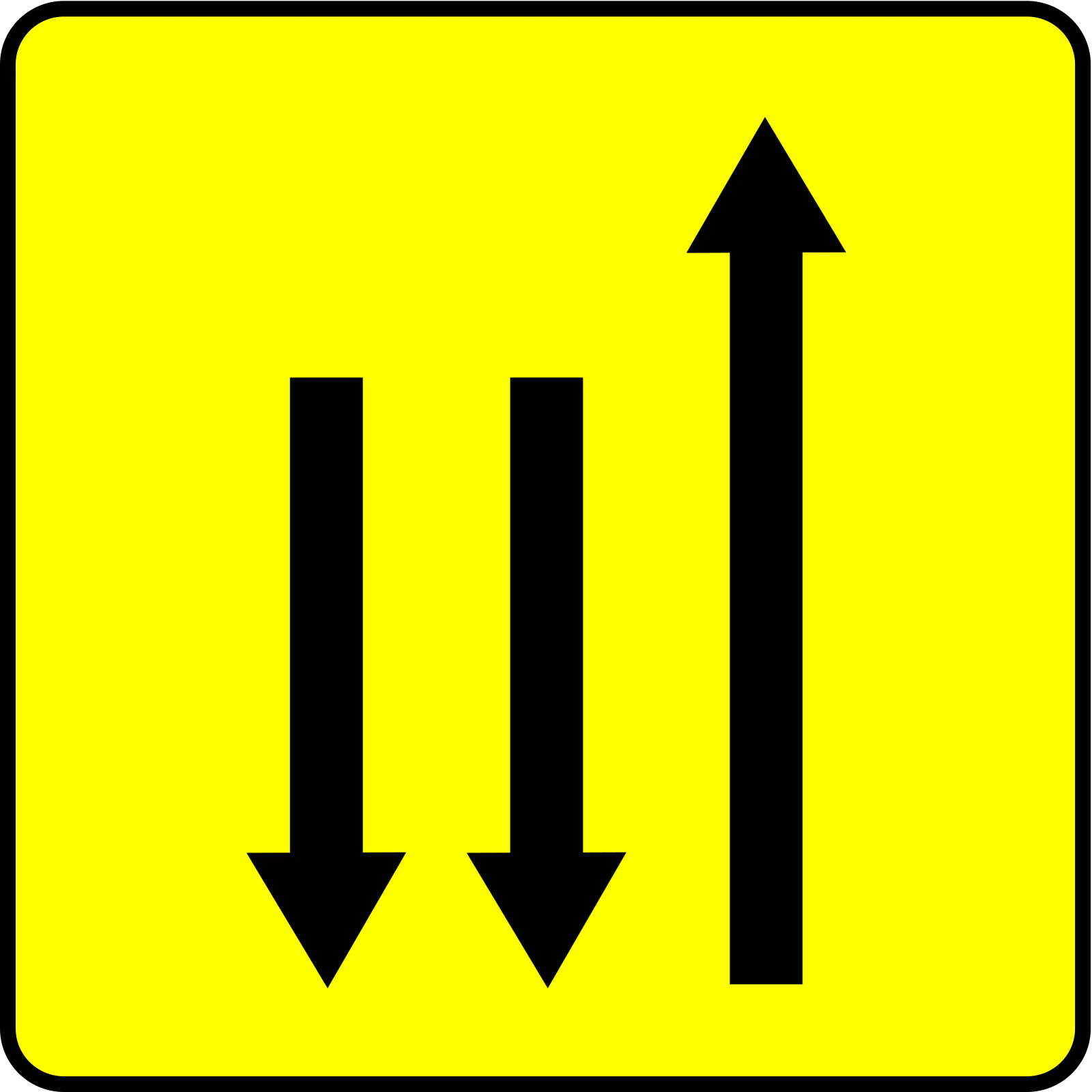
KD9e2 'Lanes' Sign: Navigate Temporary Traffic Layouts Safely
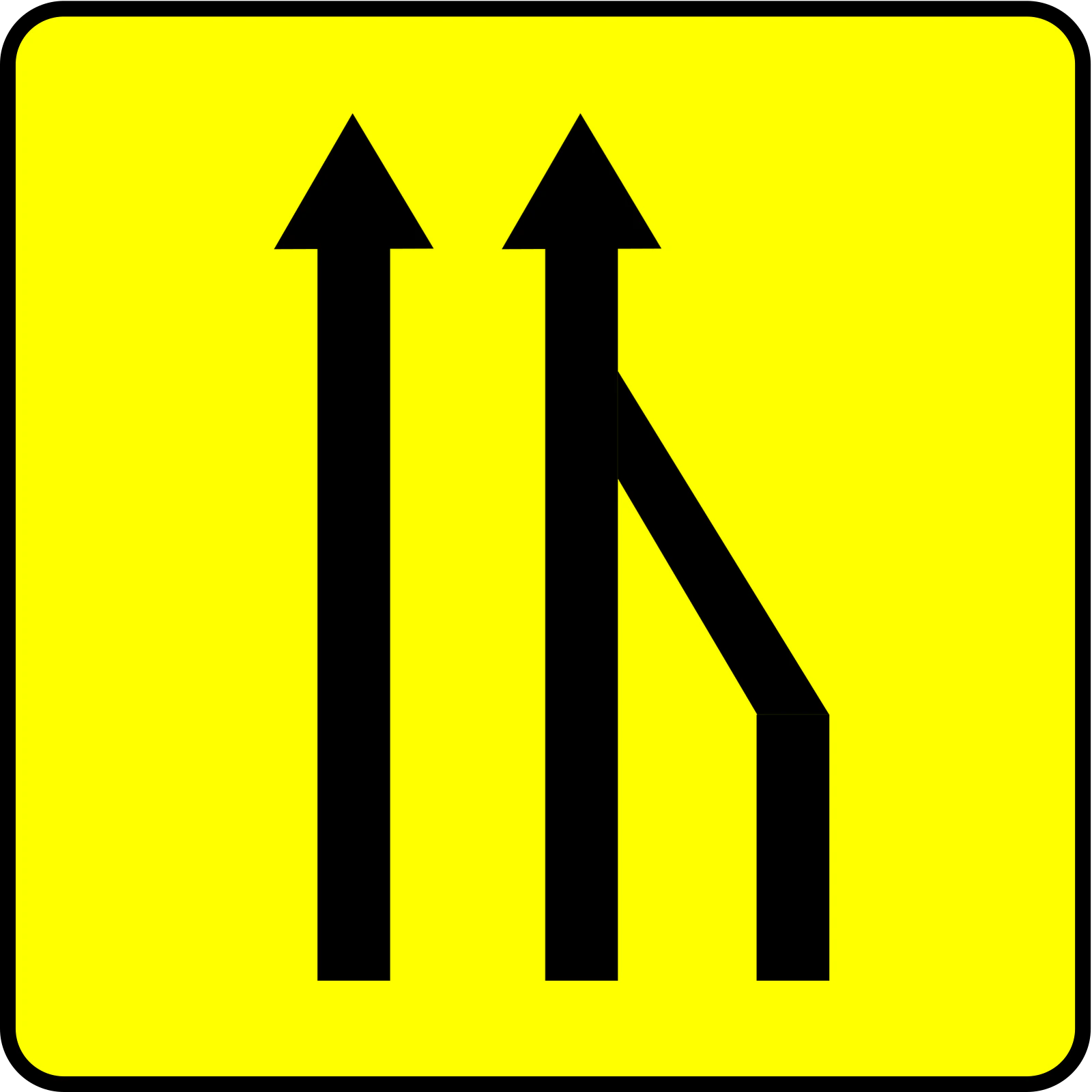
KD10e2: Prepare for Merging Lanes in Temporary Traffic Layouts
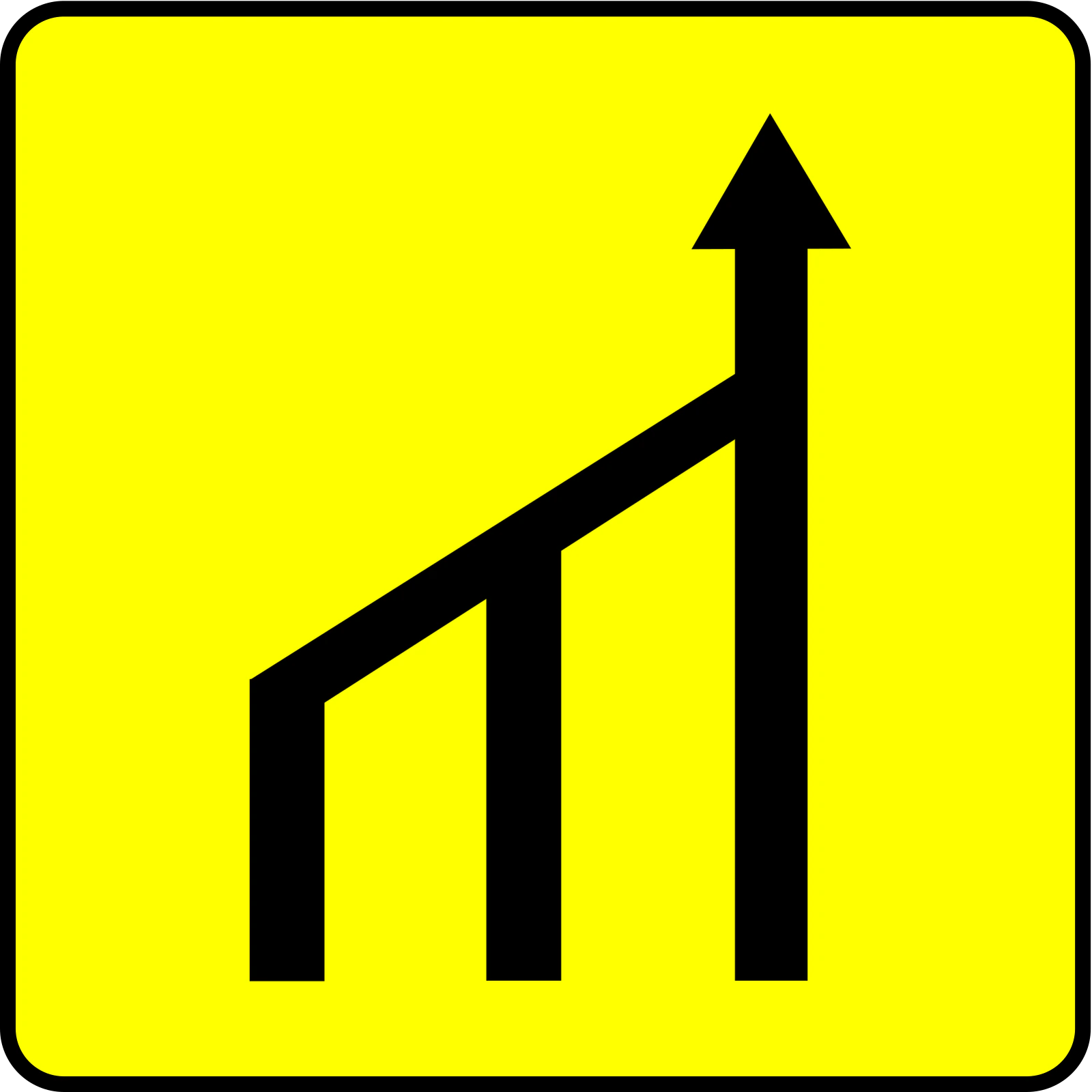
KD10e4: Prepare for Merging Lanes in Temporary Traffic Layouts
Clear answers to common questions about the France Temporary Information Signs road sign category. Use this FAQ to review tricky rules, understand how these signs appear in exam scenarios, and remove confusion that often leads to mistakes in the French driving theory exam in France.
The main purpose of temporary information road signs is to inform drivers about changes to the normal road layout or traffic conditions. This includes situations like road construction, diversions, lane closures, or temporary traffic management systems. They help drivers navigate safely through areas where the road ahead may not be as expected.
Signs indicating 'Lanes change' or 'Lanes merge' alert you to upcoming alterations in the road's structure. 'Lanes change' might mean a lane is closing or rerouted, while 'Lanes merge' signals that two or more lanes will soon combine into one. You should anticipate these changes by checking your mirrors, signalling if you need to change lanes, and reducing your speed to merge safely with other traffic.
Reading temporary information signs early is crucial because they prepare you for upcoming changes in the road ahead. This allows you time to adjust your speed and position gradually, reducing the risk of sudden manoeuvres that could cause accidents. Early recognition also helps you make informed decisions about which lane to be in, especially when lanes are merging or closing.
A common exam trap involves questions about reacting to signs indicating lane merges. Learners might be tested on whether they understand the need to check mirrors and signal when merging, or if they would attempt to overtake at the last moment. Always remember that these signs require proactive and safe behaviour, not last-minute reactions.
When you see a 'Lanes merge' sign on a busy road, it's essential to be extra vigilant. Check your mirrors frequently to assess the speed and position of vehicles around you. Signal your intention to merge if necessary and adjust your speed to match the traffic flow in the lane you are entering. Be patient and allow other drivers to merge safely; do not force your way into the lane.
Ready to deepen your understanding of French road signs? Dive into our comprehensive overview of official sign categories and groups. This structured approach will help you learn Code de la route classifications more effectively, preparing you thoroughly for your Permis de Conduire theory exam.
Explore Sign Categories