Dive into the core French driving theory topics and road rules required for the official permis de conduire exam. This comprehensive hub provides clear, detailed explanations of the Code de la route, traffic signs, priority regulations, and administrative procedures like ANTS and France Titres, ensuring a solid foundation for your practical driving journey in France and helping you prepare effectively.
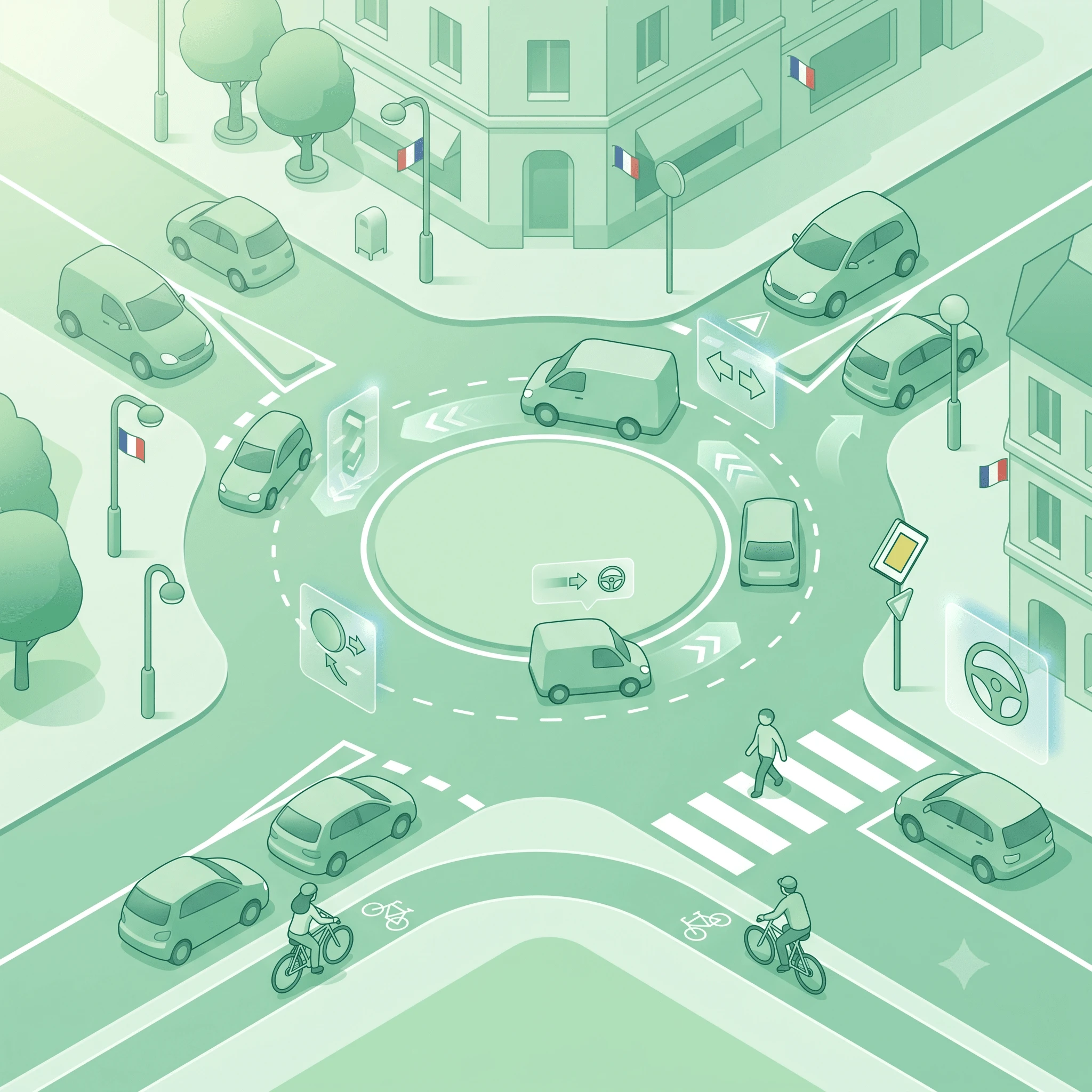
Strengthen your driving knowledge by focusing on essential theory topics including traffic rules, road signs, and vehicle safety protocols. These subject-specific modules allow you to systematically prepare for the French ETG exam requirements.
11 topics
6 topics
6 topics
5 topics
3 topics
2 topics
1 topic
1 topic
1 topic
1 topic
1 topic
1 topic
Dive into the French Code de la route by searching for specific theory topics or browsing our comprehensive subject list. Master essential driving theory and prepare effectively for your exam study with clear explanations of traffic rules and road signs.
Filter by category
50 theory topics found
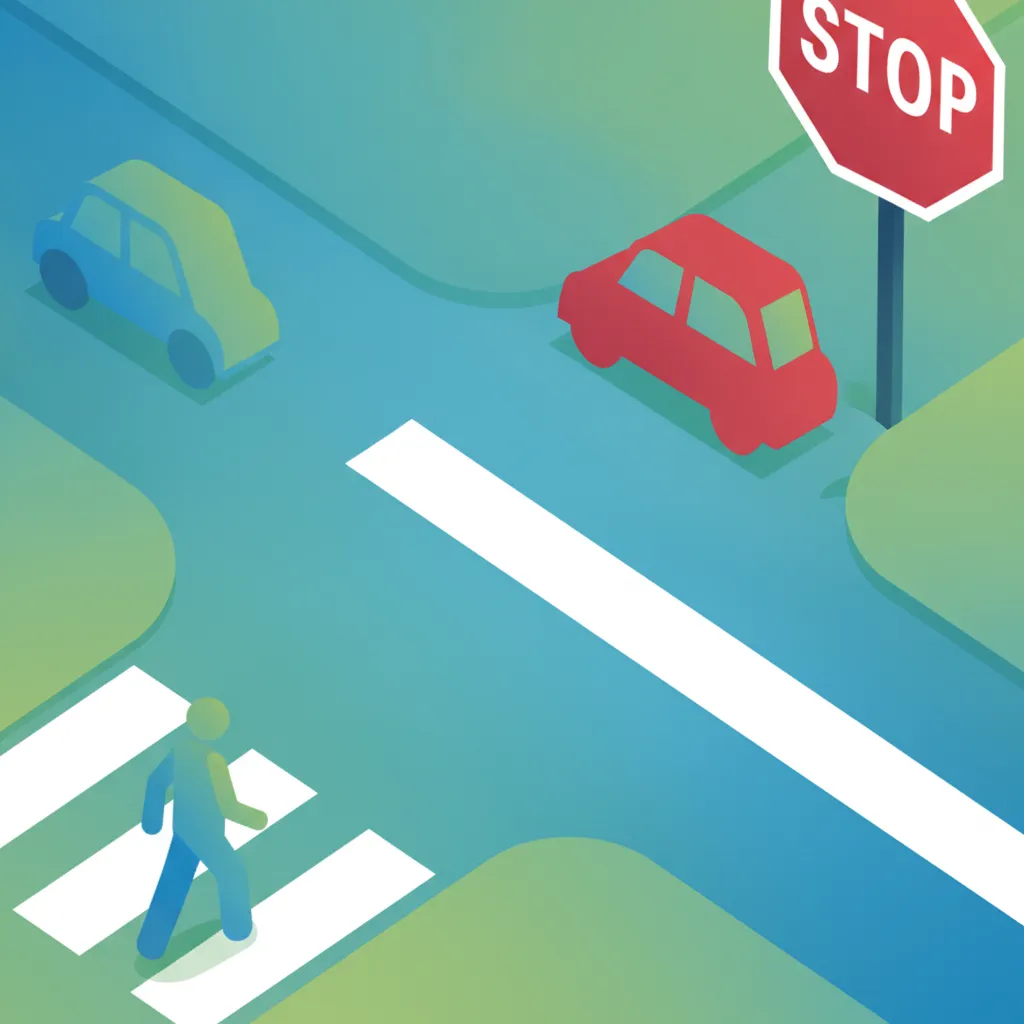
A stop sign (panneau stop) is a crucial regulatory sign in French traffic law, demanding a complete halt before you proceed. This page clarifies the absolute requirement to stop, regardless of traffic, and how to safely assess the intersection before moving. Pay close attention to the difference between stopping and merely slowing down, a key point for both safety and your permis de conduire exam.

Uncontrolled intersections, lacking traffic lights, signs, or road markings, require drivers to rely on general right-of-way principles. In France, the core rule to apply in these situations is "priorité à droite" (priority to the right). This page details how to correctly interpret and apply this rule, how to handle reduced visibility, and what to watch out for to prevent common mistakes.
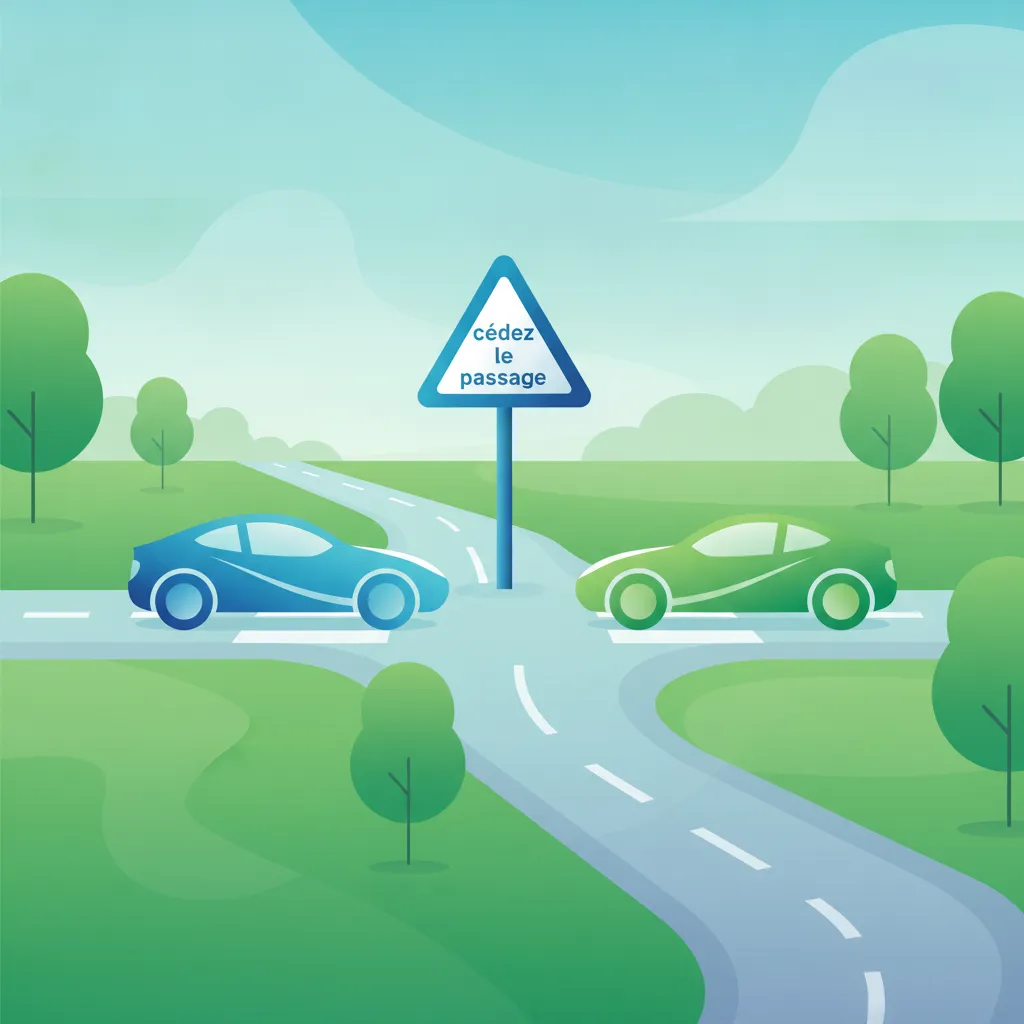
In France, 'giving way' (céder le passage) means allowing another road user to proceed first to ensure safety and maintain traffic flow. This concept is vital for navigating intersections, roundabouts, and pedestrian crossings. This page details the specific situations where you must yield, based on French road signs, markings, and the Code de la route.

Speed limits in France are defined by the Code de la route and vary significantly based on the type of road, weather conditions, and whether you hold a probationary driving license. Beyond simply observing the posted maximums, drivers must always adjust their speed to ensure safety given the specific circumstances of traffic, road condition, and visibility.

In France, knowing when and how to use your vehicle's lights is fundamental for road safety, ensuring you can see clearly and are visible to others. The Code de la route specifies distinct rules for different lighting types and driving conditions, from clear nights to heavy fog or rain. This guide details the proper application of 'feux de croisement' (low beams), 'feux de route' (high beams), 'feux de position' (side lights), and 'feux de brouillard' (fog lights) to prevent accidents and comply with French law.

Pedestrian crossings, or 'passages piétons', are designated areas designed to allow pedestrians to cross the road safely. As a driver in France, it is your responsibility to recognize these markings, anticipate pedestrian movement, and apply the correct priority rules. This ensures the protection of vulnerable road users and prevents accidents.
Stopping distance is the total ground covered from the moment a driver perceives a hazard until the vehicle is fully stationary. This crucial safety concept is split into reaction distance and braking distance, each impacted differently by speed. Grasping this relationship is fundamental for safe driving in France and essential for passing the French driving theory exam, as it highlights why speed management is paramount for preventing accidents.
Traffic lights are fundamental devices for orderly traffic flow and preventing accidents, especially at busy intersections. This page details the specific meaning of red, yellow, and green lights as per the Code de la route, including important distinctions for turning arrows and the unique rule for a flashing yellow light. Pay close attention to the yellow light phase, as it often causes confusion for new drivers.

Driving after consuming alcohol is one of the most dangerous behaviors on the road, as it directly impairs essential skills needed for safe vehicle operation. This section explains how alcohol affects your reaction time, judgement, coordination, and perception, detailing why the Code de la route imposes strict regulations to prevent drunk driving. Understanding these effects is crucial for passing your French driving theory test and ensuring road safety.
Signalling, or using your vehicle's turn indicators, is a fundamental aspect of communicating your intentions to other road users. In France, the Code de la route specifies when and how you must signal to ensure smooth traffic flow and prevent dangerous situations. This includes early and clear communication before changing direction, lanes, or interacting with roundabouts.

In France, the Code de la route establishes clear rules for pedestrian priority, especially at designated crossings ('passages piétons') and intersections. As a driver, it's crucial to understand when and how to yield to pedestrians to prevent accidents and comply with French traffic law. This guide clarifies your responsibilities towards vulnerable road users, ensuring safe driving practices and exam readiness.
Emergency braking refers to the rapid and forceful application of your vehicle's brakes to stop as quickly as possible and prevent a collision. This technique is vital when an unexpected hazard, such as a pedestrian, animal, or another vehicle, appears suddenly. Understanding how to react swiftly and apply maximum braking force, especially with modern ABS systems, is essential for safety and for your French driving theory exam (ETG).
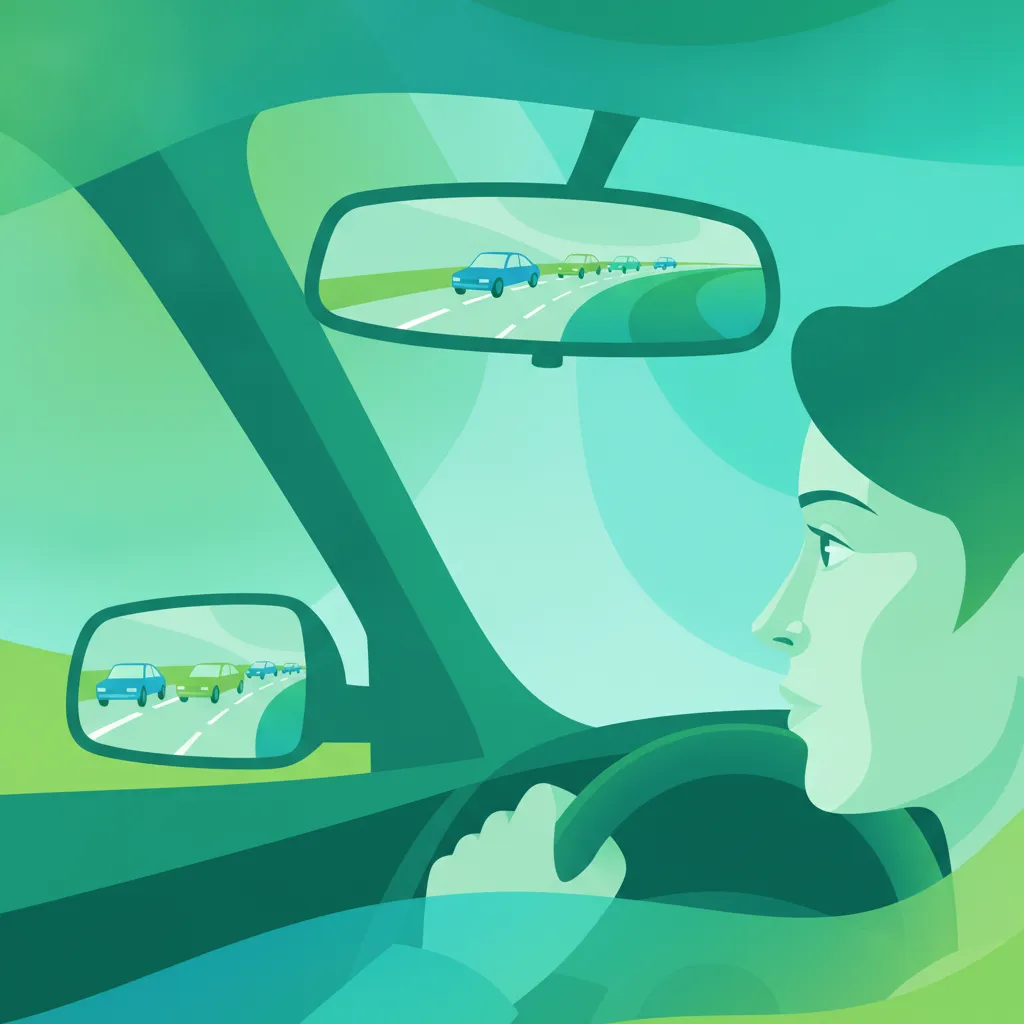
Mirror checks are fundamental to maintaining situational awareness on French roads, allowing drivers to monitor traffic behind and to the sides of their vehicle. This page details the proper use of your interior rear-view mirror and exterior side mirrors, explaining when and why these observations are critical for safe maneuvers and anticipating hazards. Mastering these techniques is essential for both daily driving and success in your French driving tests.
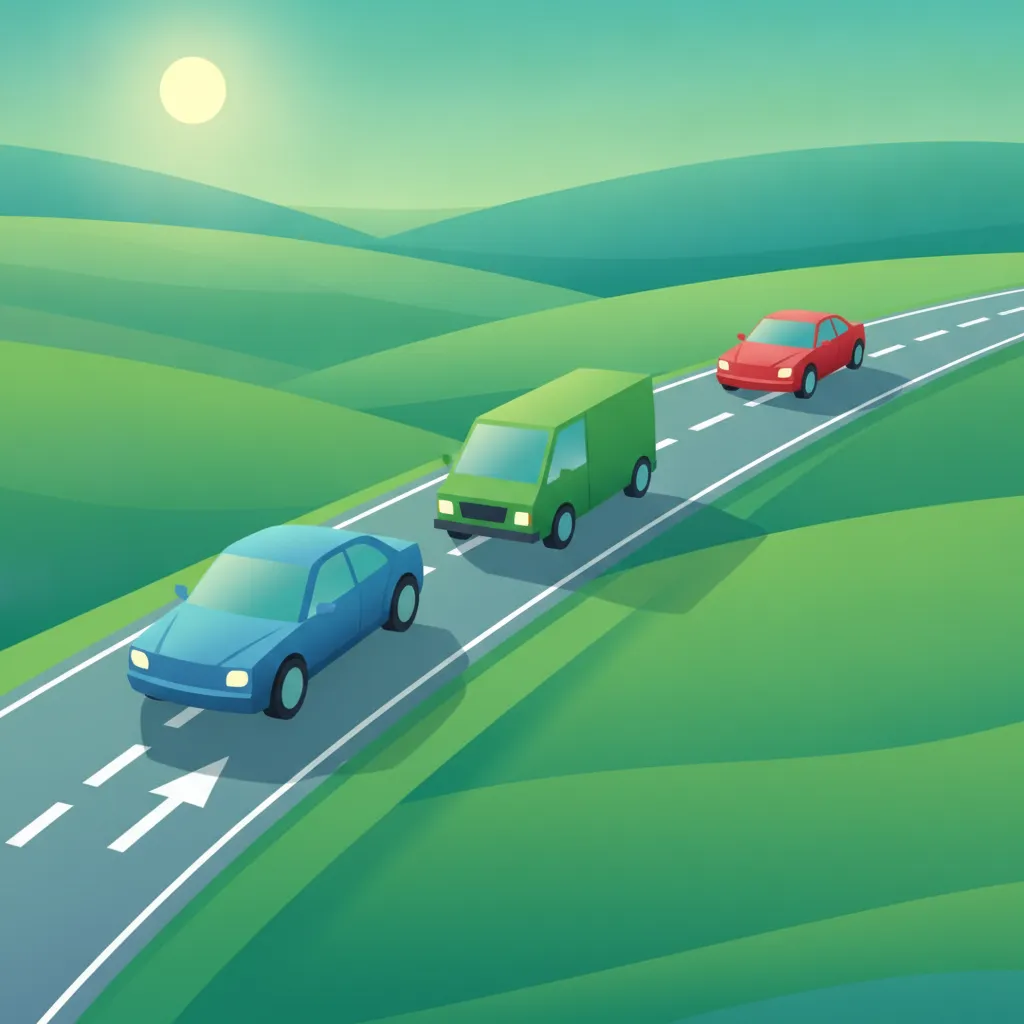
Overtaking, or 'dépassement' in French, involves passing a slower vehicle travelling in the same direction. This page explains the key rules in France, focusing on critical safety assessments like visibility, road markings, and traffic conditions. Mastering these principles is vital for both your French driving theory exam (ETG) and real-world safety.
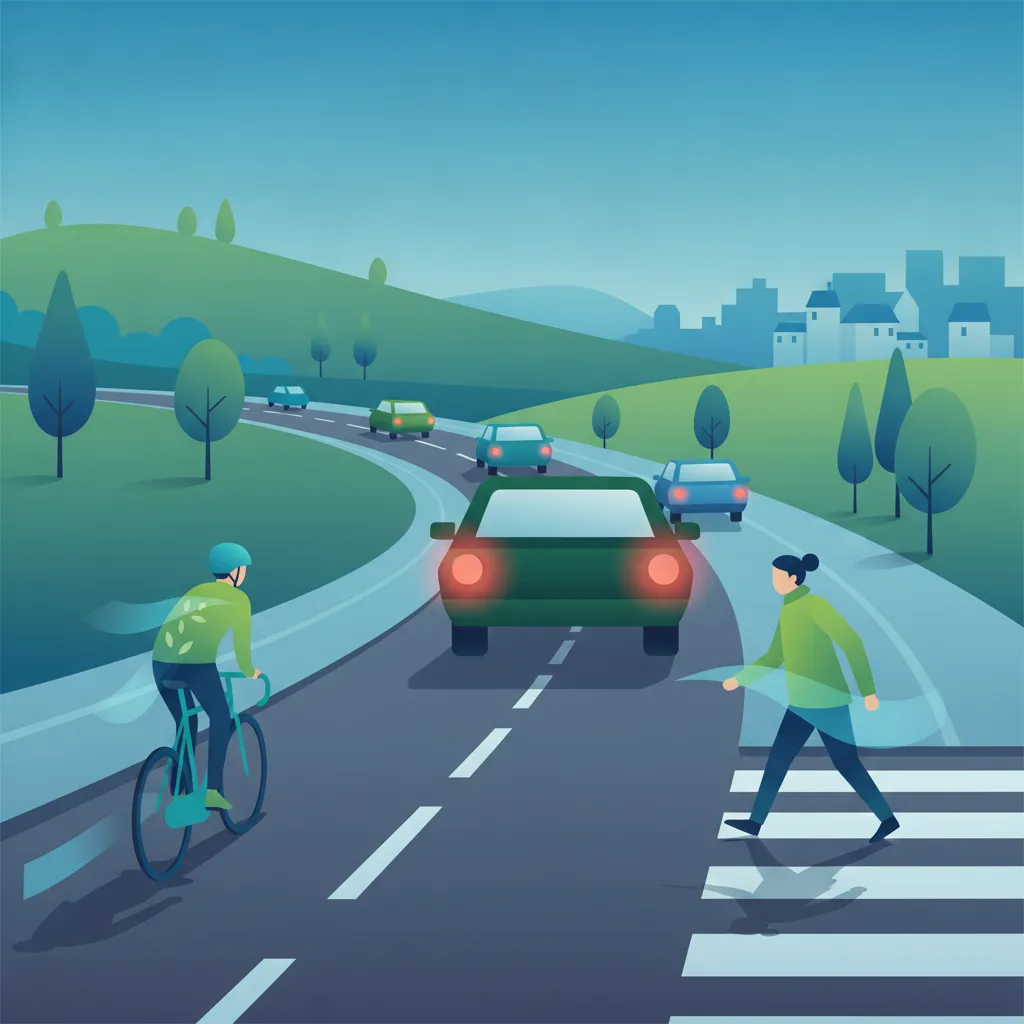
Hazard perception is about more than just seeing; it's the active process of continuously scanning the road environment, identifying potential dangers, and anticipating how situations might evolve. For drivers in France, developing this skill is essential for navigating varied road conditions, from busy urban streets to motorways, and ensuring the safety of all road users. It allows you to react proactively, rather than merely reactively, to unexpected events.
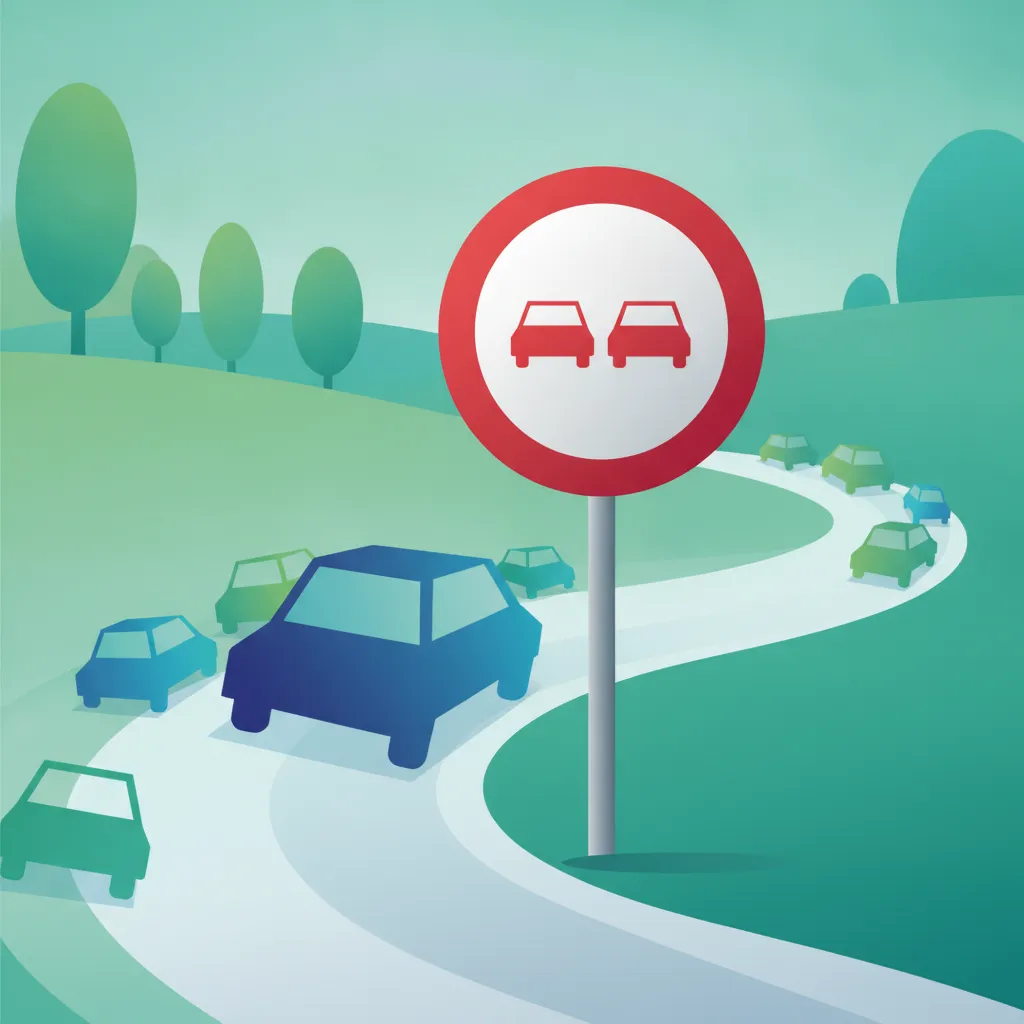
Prohibition signs are critical components of the French road network, instructing drivers on what actions are strictly forbidden. Typically circular with a red border, they ensure smooth traffic flow, prevent dangerous situations, and are a key part of the Code de la route. Mastering their meanings is vital for your driving license theory exam.
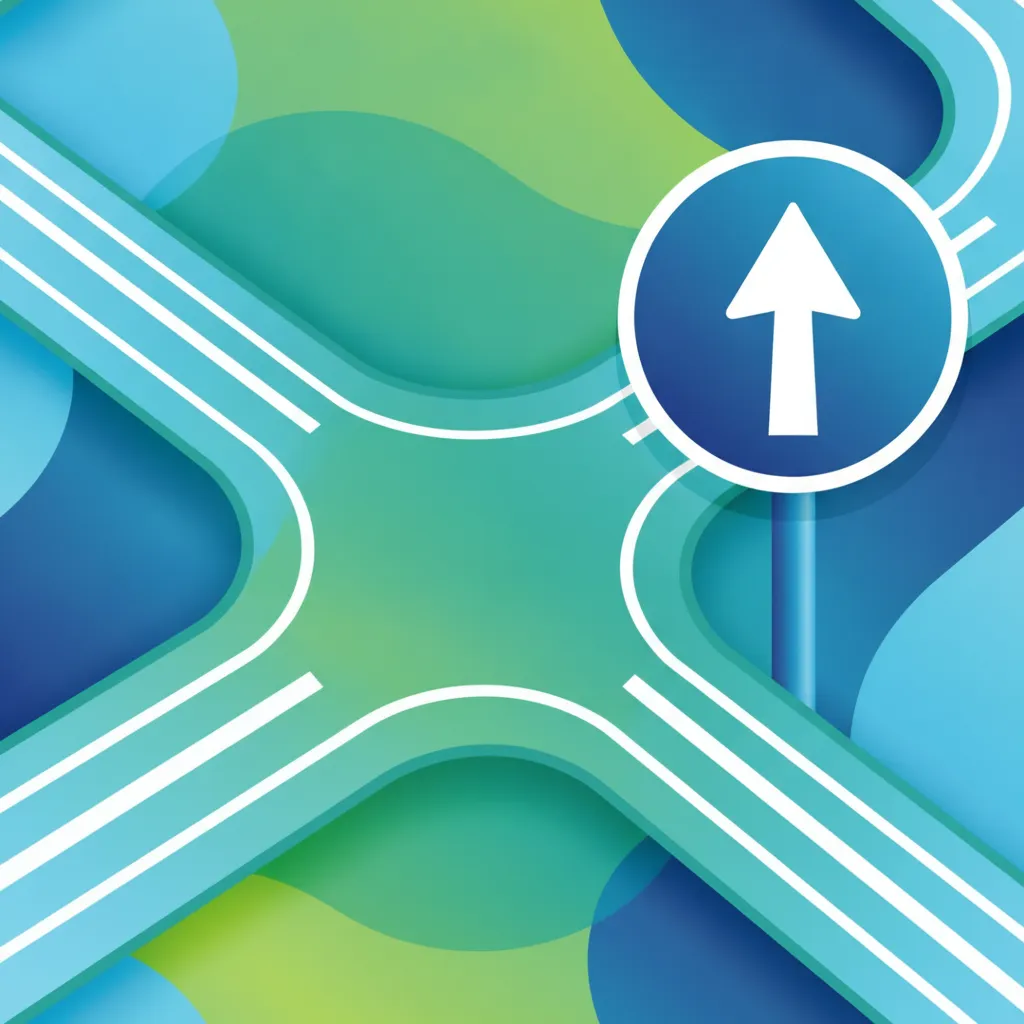
Mandatory traffic signs are fundamental to safe and efficient driving in France. Unlike prohibition signs that forbid actions, mandatory signs clearly instruct you on what you *must* do. Recognizing and obeying these signs is vital for preventing accidents, navigating complex intersections, and successfully passing your French driving theory test.

Snow and ice create some of the most challenging road conditions, severely impacting the friction between your tires and the road surface. This reduced traction makes it much harder to accelerate, steer, and brake effectively. Understanding these effects is vital for maintaining control and safety, especially when driving in France's varied winter environments.
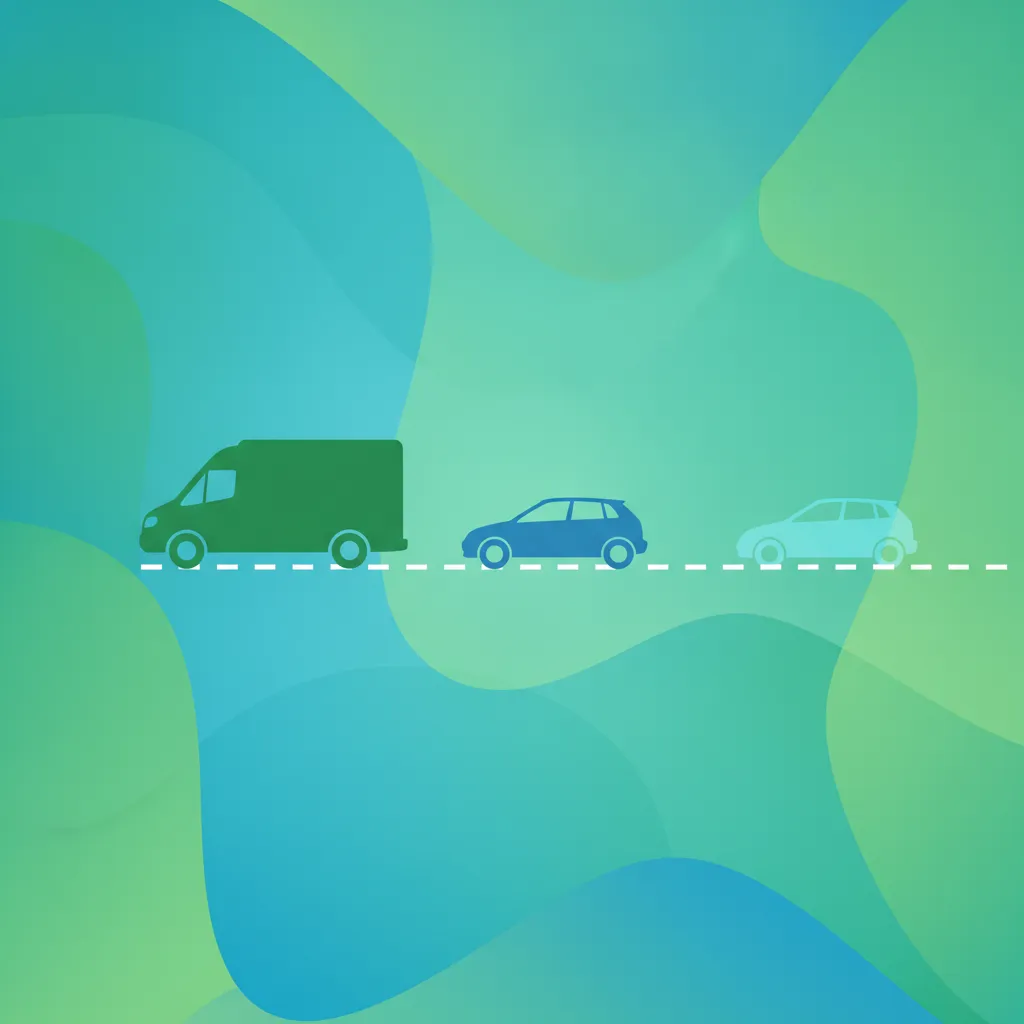
Tailgating, or following another vehicle too closely, dramatically increases the risk of a rear-end collision. Understanding the principles of safe following distance is fundamental for all drivers. This page explains why proper spacing is essential, how it relates to your reaction time and braking distance, and the rules you must follow on French roads.
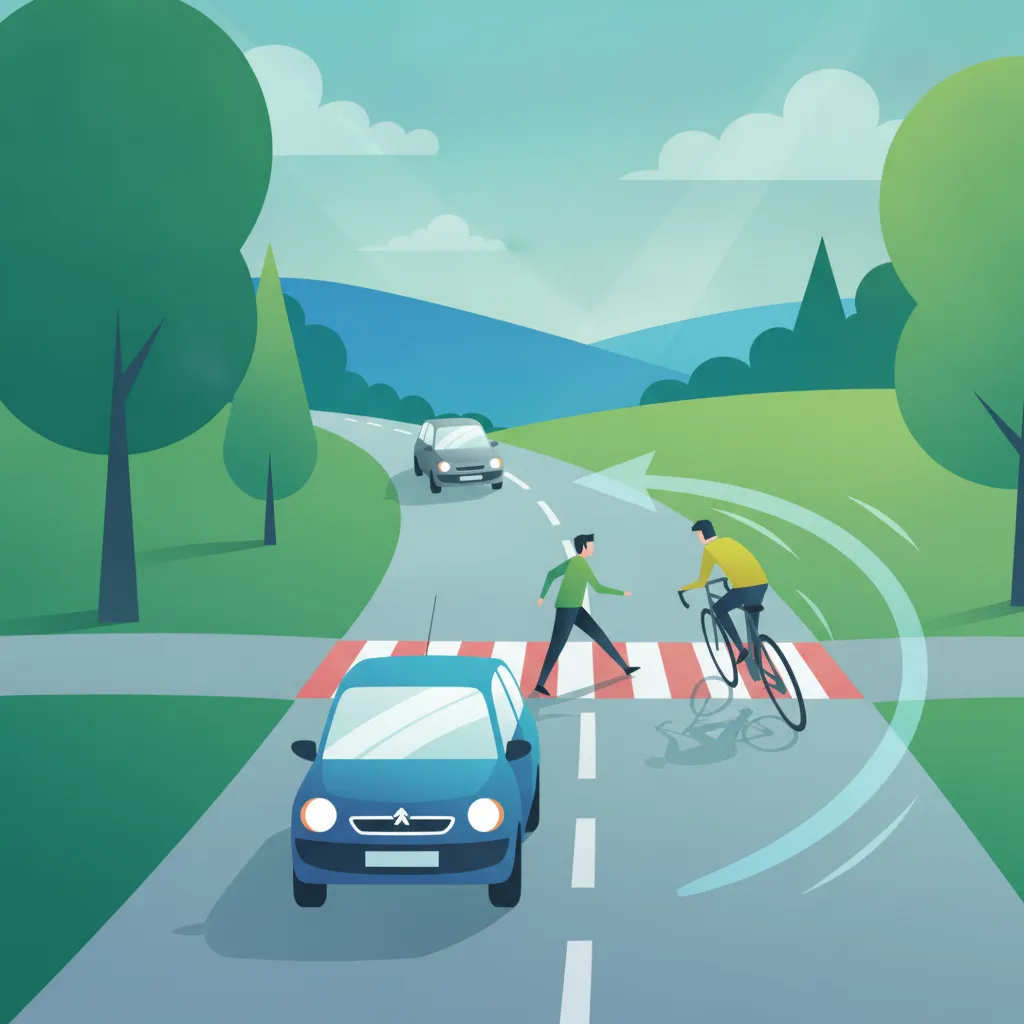
Defensive driving is a mindset and a set of techniques focused on proactively identifying and responding to potential dangers on the road. It means assuming that other road users might make mistakes and preparing yourself to react safely. This approach is fundamental to passing your French driving theory exam (ETG) and ensuring your safety in diverse French traffic conditions.
Page 1 of 3
Explore our extensive library of articles to master the Code de la route, understand complex traffic situations, and confidently prepare for your permis de conduire theory exam. Dive into specific topics or browse all guides to reinforce your learning.
French Driving Theory Articles