
Exiting a vehicle without checking for cyclists is a common cause of accidents that can lead to severe injury. This guide explains the importance of the Dutch Reach method and professional observation techniques, ensuring you are fully prepared for situational judgment questions in your Irish driving theory exam.
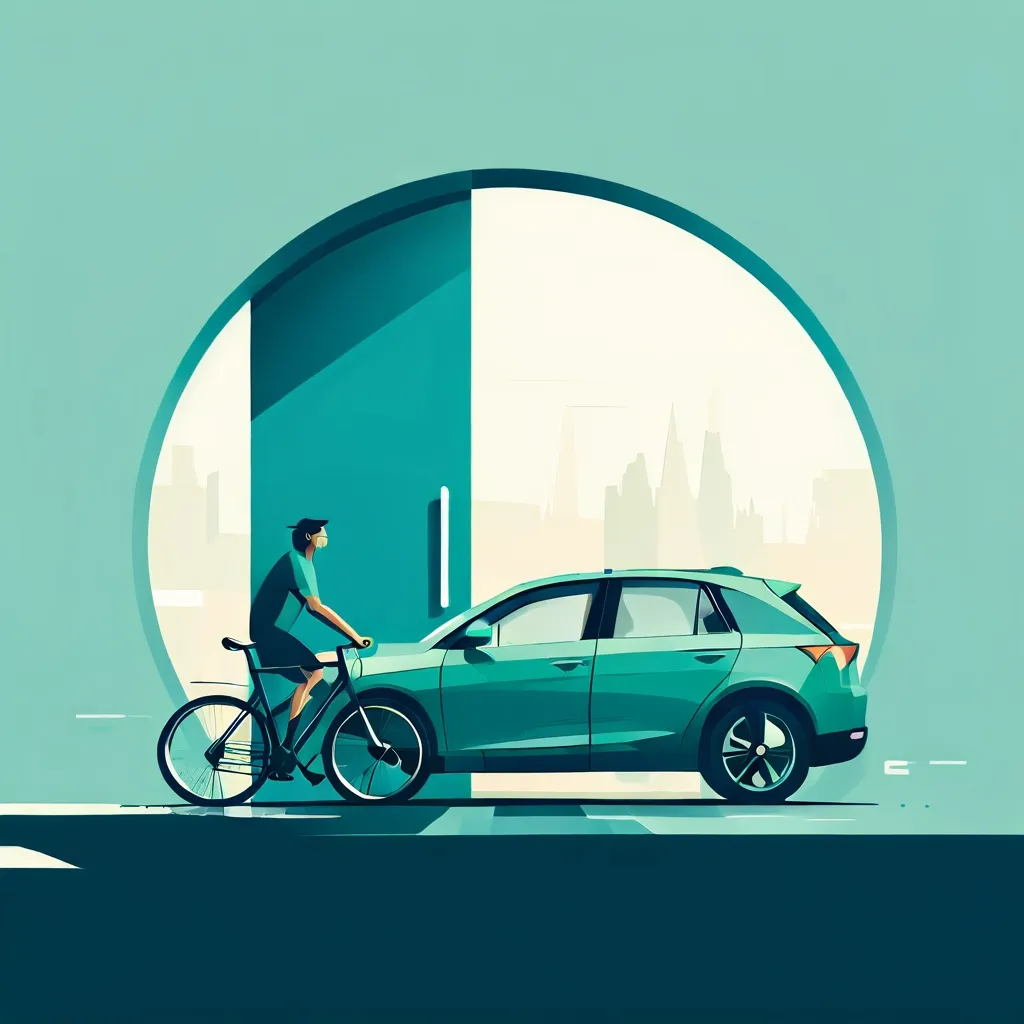
Article content overview
In the context of Irish road safety, 'dooring' occurs when a driver or passenger opens their vehicle door into the path of a cyclist, often resulting in severe injury or, in worst-case scenarios, fatalities. As a learner driver preparing for the Driver Theory Test, understanding your responsibility to vulnerable road users is not just a matter of passing your exam—it is a fundamental duty under the Rules of the Road. Developing the habit of thorough observation before exiting your vehicle is a hallmark of a responsible and defensive driver.
According to the RSA guidelines, you are legally and morally obligated to ensure it is safe before you open your car door. This is particularly critical in urban environments where cycle lanes are frequently positioned adjacent to parked vehicles. When you park, your observation does not stop the moment the engine is switched off. You must maintain a high level of situational awareness, checking your interior rearview mirror, side mirrors, and performing a shoulder check to scan for oncoming cyclists, e-scooters, or other road users who may be filtering through traffic.
One of the most effective defensive driving habits you can adopt is the 'Dutch Reach'. This method involves using your far hand—the hand furthest from the door—to open the latch. For a driver in a right-hand drive car, this means using your left hand to reach across the door handle.
In the Irish Driver Theory Test, you will encounter situational judgment questions designed to assess your ability to predict and react to hazards. Questions concerning cyclist safety are common because they highlight the need for constant vigilance. Examiners look for a clear understanding that the driver bears the primary responsibility for clearing the 'door zone' before exiting. If you are presented with a scenario where you are parked next to a cycle lane, the correct answer will always prioritize the safety of the cyclist over the convenience of a quick exit.
While the focus here is on the 'dooring' risk, you must also be familiar with the signs that indicate a high density of cyclists. Identifying these signs early helps you adjust your driving behavior, including how and where you choose to park.
Mastering the art of looking before you leap—or in this case, before you exit—is essential for your practical driving test as well. A driving examiner will be closely monitoring your observation skills throughout your test, including how you handle your vehicle after parking. Demonstrating the Dutch Reach or a very deliberate, exaggerated shoulder check shows that you are thinking ahead and considering the safety of those around you.
This article addresses the serious hazard of dooring - opening a car door into a cyclist's path - which is a common cause of injury on Irish roads. It emphasises that drivers have a legal obligation under RSA Rules of the Road to ensure it is safe before exiting. The Dutch Reach technique is introduced as a defensive driving habit: using the far hand to open the door naturally forces shoulder rotation, allowing a clear view through the side window to spot cyclists before the door opens. The article connects this skill to both the hazard awareness section of the Irish Driver Theory Test and practical driving test observation requirements. Key road signs F34 (Cycle Track) and W157 (Cycle Warning) are identified as important for drivers to recognise. Mastery of these observation habits before exiting a vehicle demonstrates responsible, defensive driving that protects vulnerable road users.
A short set of high-value points that capture the most important ideas from this article.
Dooring occurs when a vehicle door opens into a cyclist's path and can cause severe injury or fatality - the driver bears legal responsibility
The Dutch Reach technique uses the far hand to open the door, naturally forcing your body to pivot and check your blind spot
Observation must continue after parking - mirrors alone cannot capture cyclists in your door zone
Cycle tracks (sign F34) are reserved exclusively for cyclists; drivers must not obstruct them
Theory test questions on cyclist safety will always prioritize cyclist safety over quick driver convenience
Use your left hand (far hand for drivers) to reach across for the door handle - this forces shoulder rotation toward the rear window
Always perform a shoulder check in addition to checking mirrors before opening any door
High-speed e-scooters and cyclists can appear in your blind spot very quickly in urban areas
The RSA Road Safety Authority sets the legal standard for road user responsibility in Ireland
Drivers carry primary responsibility for clearing the door zone before exiting
Relying solely on mirrors without performing a physical shoulder check
Opening the door with the nearest hand, which keeps your body facing forward and limits visibility
Assuming the road is clear because nothing appears in the mirrors
Parking next to a cycle track without increased observation vigilance
Opening the door quickly without allowing time for a thorough blind spot check
Article content overview
A short set of high-value points that capture the most important ideas from this article.
Dooring occurs when a vehicle door opens into a cyclist's path and can cause severe injury or fatality - the driver bears legal responsibility
The Dutch Reach technique uses the far hand to open the door, naturally forcing your body to pivot and check your blind spot
Observation must continue after parking - mirrors alone cannot capture cyclists in your door zone
Cycle tracks (sign F34) are reserved exclusively for cyclists; drivers must not obstruct them
Theory test questions on cyclist safety will always prioritize cyclist safety over quick driver convenience
Use your left hand (far hand for drivers) to reach across for the door handle - this forces shoulder rotation toward the rear window
Always perform a shoulder check in addition to checking mirrors before opening any door
High-speed e-scooters and cyclists can appear in your blind spot very quickly in urban areas
The RSA Road Safety Authority sets the legal standard for road user responsibility in Ireland
Drivers carry primary responsibility for clearing the door zone before exiting
Relying solely on mirrors without performing a physical shoulder check
Opening the door with the nearest hand, which keeps your body facing forward and limits visibility
Assuming the road is clear because nothing appears in the mirrors
Parking next to a cycle track without increased observation vigilance
Opening the door quickly without allowing time for a thorough blind spot check
Explore related topics, search based questions, and concepts that learners often look up when studying Preventing Dooring and Cyclist Safety. These themes reflect real search intent and help you understand how this topic connects to wider driving theory knowledge in Ireland.
Find clear and practical answers to common questions learners often have about Preventing Dooring and Cyclist Safety. This section helps explain difficult points, remove confusion, and reinforce the key driving theory concepts that matter for learners in Ireland.
Dooring is an accident that occurs when a driver or passenger opens their vehicle door into the path of an oncoming cyclist, often causing serious injury or forcing the cyclist into traffic.
The most effective way to prevent dooring is by using the 'Dutch Reach' method, which involves using your hand furthest from the door to open it, naturally forcing your body to turn and look over your shoulder for approaching cyclists.
Yes, all road users must be aware of others. Drivers have a duty of care to check their mirrors and blind spots thoroughly before opening any car door, especially in areas with cycle tracks or heavy urban traffic.
After searching, continue your DTT preparation by exploring related articles, practicing questions, or reviewing specific road sign categories. Deepen your understanding of Irish road rules and ensure you're fully prepared for your Driver Theory Test.