
Understanding how to effectively manage your vehicle's visibility systems is a core requirement for both the RSA theory exam and your practical driving lessons. This article explains the technical importance of functioning wipers, lights, and demisters, helping you confidently prepare for common Irish weather hazards while ensuring you meet the safety standards expected of a licensed driver.
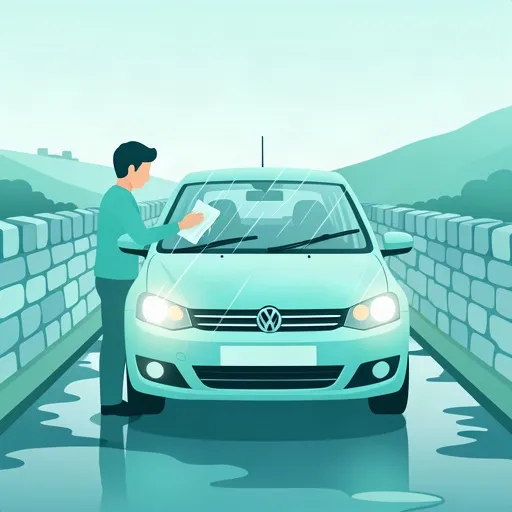
Article content overview
Navigating Irish roads requires more than just mechanical skill; it demands a comprehensive understanding of vehicle maintenance, particularly regarding visibility systems. Whether you are driving through persistent coastal mist or intense heavy rain, your vehicle's ability to "see and be seen" is a fundamental pillar of the Rules of the Road. For learner drivers, mastering these checks is not just about passing the Driver Theory Test; it is about building the safety habits necessary for a lifetime of confident driving on Irish motorways, national roads, and urban streets.
Before you even start your engine, the RSA expects you to be able to identify and perform basic safety checks. These are not merely administrative requirements but are essential for hazard awareness. During your practical lessons, your instructor will likely ask you to demonstrate how you would check your windscreen wipers, fluid levels, and demisters. Neglecting these basics can lead to poor visibility, which is a leading contributor to collisions in Ireland.
Ireland is famous for its "four seasons in one day" weather, and visibility can change in an instant. Heavy rain, dense morning fog, and road spray from heavy goods vehicles require you to react decisively. Using your vehicle’s lighting system correctly is a key topic in the Driver Theory Test, specifically regarding when to switch from dipped headlights to fog lights.
Remember that front and rear fog lights must only be used when visibility is seriously reduced. Using them in normal conditions can dazzle other road users and is a violation of the Rules of the Road.
When driving in heavy rain or mist, your primary goal is to remain visible to others. Always switch on your dipped headlights during the day if visibility is poor, as this ensures your taillights are also illuminated. Do not rely solely on daytime running lights, as they often do not activate your rear lights, leaving you invisible to vehicles approaching from behind in low-visibility conditions.
Road signs are your primary source of information regarding hazards ahead. Recognizing signs related to high-risk areas—such as areas prone to sea mist or high-sided vehicle zones—allows you to adjust your speed and lighting before conditions worsen.
Condensation on the inside of your windscreen is a common and dangerous issue, particularly on cold, damp mornings. If your view is restricted, you are not in control of your vehicle. The Rules of the Road emphasize that you must have a clear view of the road at all times. Using the air conditioning system, if available, is the most efficient way to dehumidify the cabin and demist the glass.
| Condition | Recommended Action |
|---|---|
| Heavy Rain | Dipped Headlights ON; increase following distance. |
| Dense Fog | Fog Lights ON (if visibility < 100m); reduce speed significantly. |
| Mist/Condensation | Use Air Conditioning + Heater; open windows slightly if necessary. |
| Bright Sunlight | Use sun visors and keep the windscreen clean to reduce glare. |
Headlights angled downwards to illuminate the road ahead without dazzling oncoming drivers or those in front of you. Essential in rain, dusk, and poor visibility.
This article covers essential pre-drive visibility checks required by the RSA, including windscreen wipers, washer fluid, lights, and demisting systems. It emphasises that fog lights must only be used when visibility is seriously reduced and explains why dipped headlights are necessary in poor daytime conditions. The content clarifies the difference between daytime running lights and full headlight activation, and recommends using air conditioning for effective demisting. These skills are tested in the Driver Theory Test and form critical safety habits for driving in Ireland's unpredictable weather.
A short set of high-value points that capture the most important ideas from this article.
Pre-drive visibility checks are a core RSA requirement that demonstrates hazard awareness, not just an administrative formality.
Dipped headlights must be switched on in poor daytime visibility to activate taillights and remain visible to others.
Fog lights are restricted to seriously reduced visibility only—using them in normal conditions dazzles other road users.
Demisting with air conditioning is the most effective method for clearing condensation from windscreens quickly.
Daytime running lights alone are insufficient in low visibility because they often do not activate rear lights.
Front and rear fog lights may only be used when visibility is seriously reduced (typically below 100 metres).
Windscreen wipers must be checked for damage and effective glass clearing before every drive.
All exterior lights—including indicators, brake lights, and headlights—must be clean and operational.
You must have a clear, unobstructed view of the road at all times before moving off.
Washer fluid reservoir should be topped up with appropriate seasonal fluid to maintain visibility.
Using fog lights in normal conditions when they are not required, which violates the Rules of the Road.
Relying on daytime running lights in poor weather without realizing rear lights remain off.
Driving with a partially demisted windscreen, reducing visibility and control.
Using windscreen wipers on a dry glass, causing wiper blade damage.
Forgetting to clean light clusters, reducing visibility to other road users.
Article content overview
A short set of high-value points that capture the most important ideas from this article.
Pre-drive visibility checks are a core RSA requirement that demonstrates hazard awareness, not just an administrative formality.
Dipped headlights must be switched on in poor daytime visibility to activate taillights and remain visible to others.
Fog lights are restricted to seriously reduced visibility only—using them in normal conditions dazzles other road users.
Demisting with air conditioning is the most effective method for clearing condensation from windscreens quickly.
Daytime running lights alone are insufficient in low visibility because they often do not activate rear lights.
Front and rear fog lights may only be used when visibility is seriously reduced (typically below 100 metres).
Windscreen wipers must be checked for damage and effective glass clearing before every drive.
All exterior lights—including indicators, brake lights, and headlights—must be clean and operational.
You must have a clear, unobstructed view of the road at all times before moving off.
Washer fluid reservoir should be topped up with appropriate seasonal fluid to maintain visibility.
Using fog lights in normal conditions when they are not required, which violates the Rules of the Road.
Relying on daytime running lights in poor weather without realizing rear lights remain off.
Driving with a partially demisted windscreen, reducing visibility and control.
Using windscreen wipers on a dry glass, causing wiper blade damage.
Forgetting to clean light clusters, reducing visibility to other road users.
Explore related topics, search based questions, and concepts that learners often look up when studying Visibility and Vehicle Checks. These themes reflect real search intent and help you understand how this topic connects to wider driving theory knowledge in Ireland.
Find clear and practical answers to common questions learners often have about Visibility and Vehicle Checks. This section helps explain difficult points, remove confusion, and reinforce the key driving theory concepts that matter for learners in Ireland.
You must use dipped headlights during periods of poor visibility, such as heavy rain, mist, fog, or during the hours of darkness, to ensure you can see clearly and other road users can see you.
Use your vehicle’s demisting system by directing air onto the windscreen, typically by setting the heater to hot and activating the air conditioning or recirculating setting if available, until the glass is completely clear.
Yes. Before starting any journey, you must ensure your wiper blades are in good condition and clear the screen effectively, as obstructed vision is a significant safety hazard in Irish weather.
After searching, continue your DTT preparation by exploring related articles, practicing questions, or reviewing specific road sign categories. Deepen your understanding of Irish road rules and ensure you're fully prepared for your Driver Theory Test.