
This lesson details your fundamental legal obligations as a motorcyclist in Ireland, ensuring you understand the rules of the road before hitting the tarmac. By grasping these core requirements, you will build the necessary foundation to navigate public roads safely and legally while preparing for your Category A, A1, or A2 theory exam.
Lesson content overview
Operating a motorcycle in Ireland carries a profound legal and social responsibility. Unlike drivers enclosed within a protective vehicle cabin, motorcyclists are highly vulnerable road users. Irish road traffic legislation and the official Rules of the Road published by the Road Safety Authority (RSA) are designed to establish a safe, predictable, and cooperative environment for all.
Whether you are preparing for your Category A1, A2, or Category A theory test, mastering the legal framework is essential not only to pass your exam but also to ensure your survival on the road. This lesson covers the core legal duties, speed compliance, signalling mandates, lane discipline, priority regulations, and the penalty points system applicable to motorcyclists in Ireland.
Every motorcyclist operating a vehicle under Category A, A1, or A2 must understand that traffic laws are statutory requirements. Non-compliance is not merely bad practice; it is a criminal offence. The legal responsibilities of a rider are built upon three core pillars.
All riders must adhere to every statutory sign, signal, road marking, and speed limit. These laws exist to create a uniform flow of traffic. When road users act predictably, the likelihood of conflict is drastically reduced.
Under Irish road traffic legislation, driving or riding "without due care and attention" is a serious prosecution offence. It requires you to exercise constant vigilance, scan the road ahead, monitor your mirrors, and actively adjust your riding to match immediate road and weather hazards.
As a motorcyclist, you occupy a unique space: you are faster than cyclists and pedestrians, but significantly less protected than cars or heavy goods vehicles (HGVs). The law demands that you show extra consideration to those more vulnerable than yourself, including:
Speed compliance is one of the most critical aspects of the Irish motorcycle theory exam. Speed limits are legally designated maximums, not target speeds. You must never ride faster than the posted limit, and you must frequently ride slower than the limit if conditions demand it.
The default speed limits in Ireland vary based on the classification of the road:
Motorway Restrictions for Learner Riders: In Ireland, learner permit holders of any category (A, A1, or A2) are strictly prohibited from riding on motorways. Additionally, your motorcycle must have an engine capacity greater than 50cc to legally access a motorway once you obtain your full driving licence.
Your speed must always allow you to stop safely within the distance you can see to be clear. Under dry, clear conditions, you must maintain at least a two-second gap behind the vehicle in front. In wet or icy conditions, this stopping distance must be doubled or tripled.
Signalling is your primary method of communication on the road. The law dictates that you must give a clear, correct signal early enough to warn other road users of your intentions before you change direction, change lanes, turn, or stop.
If your motorcycle is fitted with direction indicators, they must be in fully functional, clean condition. You must activate your indicator well in advance of any manoeuvre—generally at least 150 feet (approximately 45 metres) before a turn in urban areas, and significantly earlier on high-speed roads.
While modern motorcycles rely on electronic indicators, Irish law requires all riders to know and be prepared to use official hand signals. Hand signals are highly useful in bright, direct sunlight when indicator lights might be washed out, or if your vehicle's electrical system fails.
Left Turn: Extend your left arm horizontally from your shoulder, pointing directly to the left.
Right Turn: Extend your right arm horizontally from your shoulder, pointing directly to the right.
Left Lane Change / Merging Left: Extend your left arm outwards and angle it upwards from the elbow.
Right Lane Change / Merging Right: Extend your right arm outwards and angle it upwards from the elbow.
Slowing Down or Stopping: Extend your right arm horizontally and wave it slowly up and down, palm facing downwards.
Always return your hand to the handlebar before initiating a turn or braking heavily. Maintaining physical control of the motorcycle's handlebars and levers during the actual turn is critical for stability.
Proper lane discipline prevents side-swipe collisions and ensures that you remain visible to surrounding traffic. The general rule of the road in Ireland is to keep to the left unless you are overtaking or turning right.
As a motorcyclist, you are entitled to the full width of your lane. You should generally position yourself in the centre of the lane (known as the dominant or primary safety position). This prevents other motorists from attempting to squeeze past you within the same lane.
Avoid riding too close to the left-hand kerb or gutter. This "gutter-riding" invite hazards such as:
On dual carriageways or motorways with multiple lanes:
Right-of-way rules are designed to prevent intersection collisions. As a rider, you must never assume another vehicle will yield to you, even if you legally have priority. However, you must strictly obey the legal rules of priority.
At an intersection where there are no traffic lights, stop signs, or yield markings:
Roundabouts are high-risk areas for motorcyclists due to visibility issues. Legally, you must:
Pedestrians have absolute right-of-way at designated crossings:
To deter unsafe riding practices and promote compliance, Ireland employs a strict Penalty Points System. Offences committed by motorcyclists carry both monetary fines and penalty points which are recorded on your driving record.
| Offence | Penalty Points (Fixed Charge) | Legal Rationale / Risk |
|---|---|---|
| Exceeding the Speed Limit | 3 Points | Increases braking distance, reduces steering control, and increases crash impact forces. |
| Failure to Signal | 2 Points | Prevents other road users from anticipating your movements, leading to rear-end or side-swipe collisions. |
| Failing to Obey Stop/Yield Signs | 3 Points | Directly causes high-speed T-bone collisions at junctions. |
| Dangerous Overtaking | 3 Points | Risks head-on collisions or forcing other vehicles off the road. |
| Riding without Due Care & Attention | Fully prosecuted (up to 5 points on court conviction) | Indicates a lack of basic safety awareness and hazard scanning. |
The physical laws of traction and human perception dictate that statutory limits are not always safe limits. Legal compliance requires adapting your speed and behaviour based on environmental factors.
Rain drastically reduces tyre adhesion to the tarmac. In wet conditions:
If you are legally permitted to carry a passenger (you must hold a full Category A, A1, or A2 licence—learner permit holders cannot carry passengers) or heavy luggage:
In residential areas, near schools, or close to shopping districts, expect the unexpected. You must proactively lower your speed, cover your brakes (keeping your fingers resting lightly over the brake lever to reduce reaction time), and scan beneath parked vehicles for signs of children or pets emerging.
To stay safe and legally compliant on Irish roads, remember these essential rules:
This lesson covers the fundamental legal obligations for motorcycle riders in Ireland under the Road Traffic Acts. It establishes that all riders must obey traffic law, exercise due care, and protect vulnerable road users. Key areas include the specific Irish speed limit structure, mandatory signalling requirements using indicators or official hand signals, proper lane positioning to maximise visibility and safety, and right-of-way rules at junctions and roundabouts. The penalty points system is explained with critical distinctions between learner/novice riders (7 points before disqualification) and full licence holders (12 points), highlighting the heightened consequences for inexperienced riders.
A short set of high-value points that capture the most important learning from this lesson.
Irish motorcycle law rests on three pillars: obedience to traffic law, due care and attention, and responsibility toward vulnerable road users.
Speed limits are maximum legal speeds—always ride slower than the limit when conditions require it.
You must signal your intentions at least 45 metres before a turn using indicators or official hand signals.
Learner and novice riders face disqualification after accumulating only 7 penalty points, compared to 12 for full licence holders.
Always position yourself in the centre of your lane and never weave between lanes or ride in the gutter.
Explore all units and lessons included in this driving theory course.
Speed limits: 30 km/h (urban/zones), 50 km/h (built-up areas), 80 km/h (regional roads), 100 km/h (national roads), 120 km/h (motorways).
Hand signals: horizontal arm for turns, arm up and out for lane changes, arm wave for slowing/stopping.
At uncontrolled junctions, always give way to traffic approaching from your right.
Use the left lane on motorways and dual carriageways; only use outer lanes for overtaking then return left.
Pedestrians have absolute priority at Zebra crossings; obey traffic light signals at Pelican/Puffin crossings.
Treating speed limits as target speeds rather than maximum limits, especially on motorways where learner riders are prohibited anyway.
Signalling too late or not at all, failing to give other road users adequate warning of your intentions.
Riding too close to the left kerb, which invites hazards like potholes, drains, and encourages dangerous overtaking by other vehicles.
Assuming other drivers will yield priority even when the rider legally has the right-of-way.
Not understanding the lower penalty point threshold (7 points) that applies to learner permit and novice riders.
Lesson content overview
A short set of high-value points that capture the most important learning from this lesson.
Irish motorcycle law rests on three pillars: obedience to traffic law, due care and attention, and responsibility toward vulnerable road users.
Speed limits are maximum legal speeds—always ride slower than the limit when conditions require it.
You must signal your intentions at least 45 metres before a turn using indicators or official hand signals.
Learner and novice riders face disqualification after accumulating only 7 penalty points, compared to 12 for full licence holders.
Always position yourself in the centre of your lane and never weave between lanes or ride in the gutter.
Explore all units and lessons included in this driving theory course.
Speed limits: 30 km/h (urban/zones), 50 km/h (built-up areas), 80 km/h (regional roads), 100 km/h (national roads), 120 km/h (motorways).
Hand signals: horizontal arm for turns, arm up and out for lane changes, arm wave for slowing/stopping.
At uncontrolled junctions, always give way to traffic approaching from your right.
Use the left lane on motorways and dual carriageways; only use outer lanes for overtaking then return left.
Pedestrians have absolute priority at Zebra crossings; obey traffic light signals at Pelican/Puffin crossings.
Treating speed limits as target speeds rather than maximum limits, especially on motorways where learner riders are prohibited anyway.
Signalling too late or not at all, failing to give other road users adequate warning of your intentions.
Riding too close to the left kerb, which invites hazards like potholes, drains, and encourages dangerous overtaking by other vehicles.
Assuming other drivers will yield priority even when the rider legally has the right-of-way.
Not understanding the lower penalty point threshold (7 points) that applies to learner permit and novice riders.
Explore search topics learners often look for when studying Legal Rider Responsibilities. These topics reflect common questions about road rules, driving situations, safety guidance, and lesson level theory preparation for learners in Ireland.
Browse additional driving theory lessons that cover connected traffic rules, road signs, and common driving situations related to this topic. Improve your understanding of how different rules interact across everyday traffic scenarios.
Learn the legal priority regulations for navigating uncontrolled junctions and roundabouts. This guide explains the right-of-way hierarchy, safe lane positioning, and the essential signalling requirements to ensure predictable traffic flow and compliance with the official Irish Rules of the Road for all motorcyclists and road users.
Right-of-way rules establish a clear order of precedence when the paths of two or more vehicles cross. This lesson explains how traffic on a major road has priority over traffic emerging from a minor road, and the general rule of yielding to oncoming vehicles when turning right. You will develop a solid understanding of how to approach intersections defensively, assessing speed and distance to make safe decisions.
This lesson teaches the fundamental principles of priority and right-of-way at controlled and uncontrolled intersections across Ireland. It explains the legal obligations at yield signs, stop lines, and when meeting oncoming traffic turning across your lane. Motorcyclists will learn to carefully verify other drivers' intentions rather than assuming they will yield the correct right-of-way.
This lesson covers the absolute rules of priority that regulate junctions, roundabouts, and pedestrian crossings in Ireland. It teaches riders when they must yield, who has right-of-way, and how to read Stop and Yield signs correctly. Understanding these priority hierarchies prevents collisions and maintains orderly, predictable movement at busy junctions.

Uncontrolled junctions represent a high-risk scenario because they lack physical signs, lines, or lights to dictate priority. This lesson covers the crucial 'priority to the right' principle, where you must yield to any traffic approaching from your right-hand side. You will learn the importance of reducing your speed, preparing to stop, and verifying the intentions of other drivers at these equal-status crossings.

Stop and yield signs require drivers to surrender right-of-way to crossing traffic, but they command different physical actions. This lesson explains that a stop sign mandates a complete, absolute halt behind the line, whereas a yield sign requires you to slow down and stop only if other traffic is approaching. You will learn how to manage restricted visibility at junctions and how to creep forward safely when clear.

This lesson details the sequential steps required to approach and exit junctions safely under the Irish driving rules. It teaches riders how to select the correct lane, utilize mirrors, apply early signals, and reduce speed appropriately. Effective observation strategies are highlighted to help riders identify crossing pedestrians or approaching side traffic.

Navigating multi-lane roundabouts requires precise lane selection, continuous scanning, and timely signaling. This lesson teaches you the 'clock rule' for determining which lane to enter, how to yield to traffic already on the roundabout from your right, and when to activate your left indicator to exit. Mastering these procedures minimizes lane-drift accidents and ensures a seamless flow of traffic on busy roundabouts.

This lesson focuses on the safe approach and execution of turns at T-junctions, staggered intersections, and blind crossroads. It explains the critical mirror-signal-manoeuvre routine and how to select the best position for maximum visibility to cross-traffic. Motorcyclists will learn to identify potential hazards like vehicles pulling out suddenly or turning across their direct path.
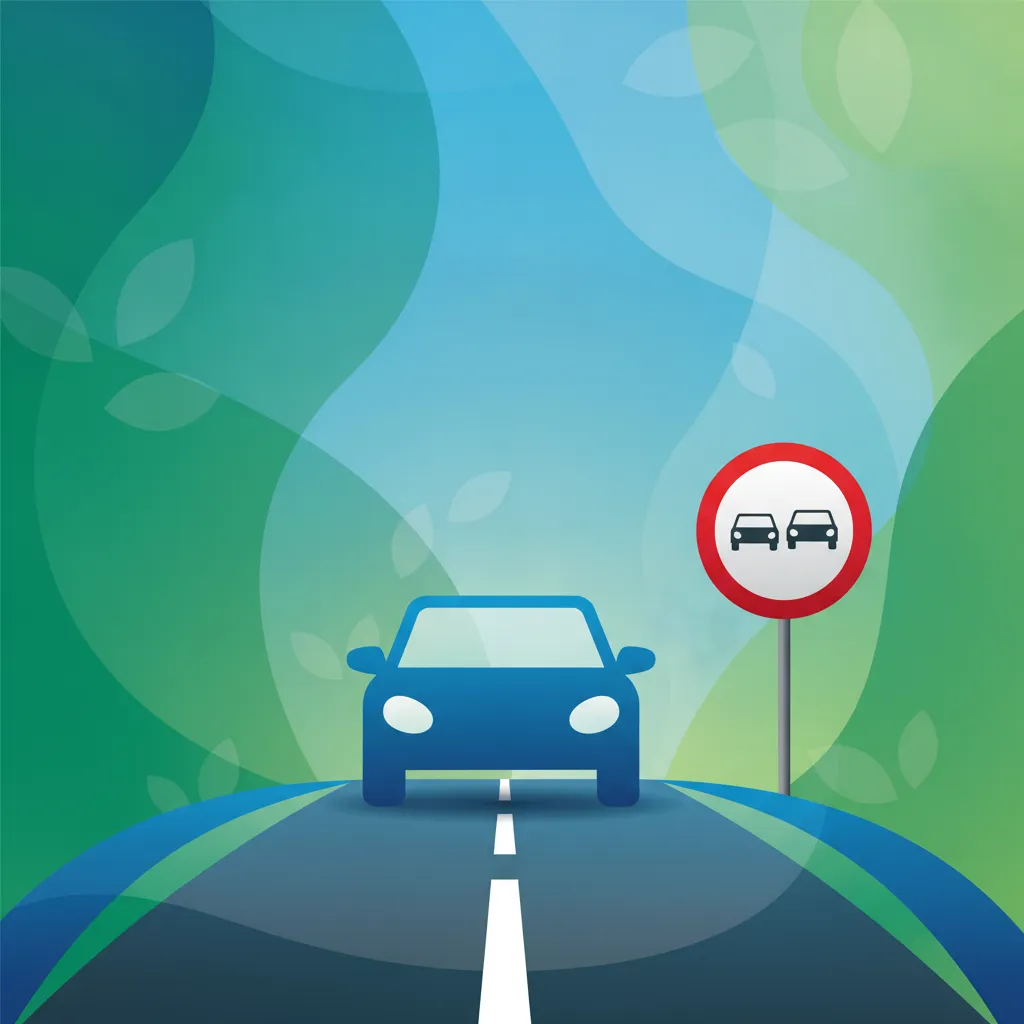
No-overtaking zones are marked in areas with restricted visibility, such as approaching bends, humps, or narrow bridges. This lesson details how continuous solid white lines legally prohibit passing, along with the very narrow exceptions allowed under Irish law. You will learn to identify these high-risk areas from visual markings, ensuring you never initiate a passing manoeuvre that puts oncoming traffic in immediate danger.

Pedestrians are the most common vulnerable road users, and drivers must maintain constant vigilance to protect them. This lesson covers pedestrian priority, especially when you are turning into side roads or navigating busy urban centres. You will learn why you must yield to pedestrians already crossing, how to scan blind spots for hidden walkers, and the safety dangers of blocking footpaths or pedestrian zones with your car.
Explore the principles of defensive riding and hazard management on Irish roads. This lesson focuses on scanning techniques, maintaining safety buffers, and anticipating risks from other road users to help riders minimize collision threats and maintain full legal awareness while operating a motorcycle in various traffic conditions.

This lesson teaches how to cultivate a proactive defensive riding mindset, focusing on situational awareness and constant hazard scanning. It describes the system of motorcycle control, encouraging riders to anticipate potential mistakes from other drivers, pedestrians, and cyclists. Motorcyclists will learn to position themselves defensively, leaving clear escape routes in all driving environments.

This lesson outlines how motorcyclists should respond when permanent road signs are dirty, damaged, or hidden by overgrown trees and hedges. It introduces the temporary signage, warning cones, and detour markers commonly deployed at active roadwork zones in Ireland. Riders will learn to read the road ahead defensively, reducing speed when visual information is incomplete or compromised.
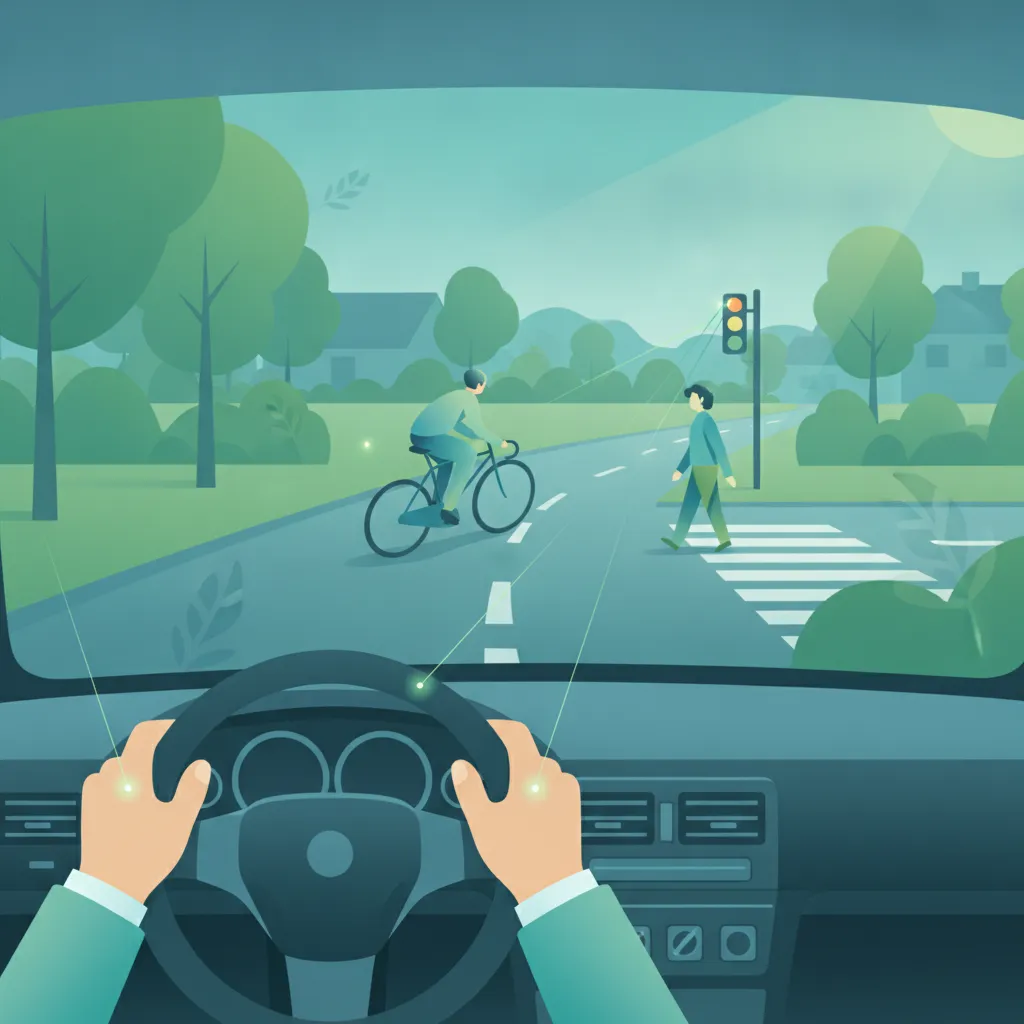
This lesson covers the strategic aspects of journey management, emphasizing the safety benefits of proactive route planning and weather checks. It teaches riders how to select safer roads, avoid high-congestion zones during rush hour, and schedule regular rest intervals. Motorcyclists will learn to pack essential tools, emergency contacts, and spare safety gear to remain prepared for any roadside situation.
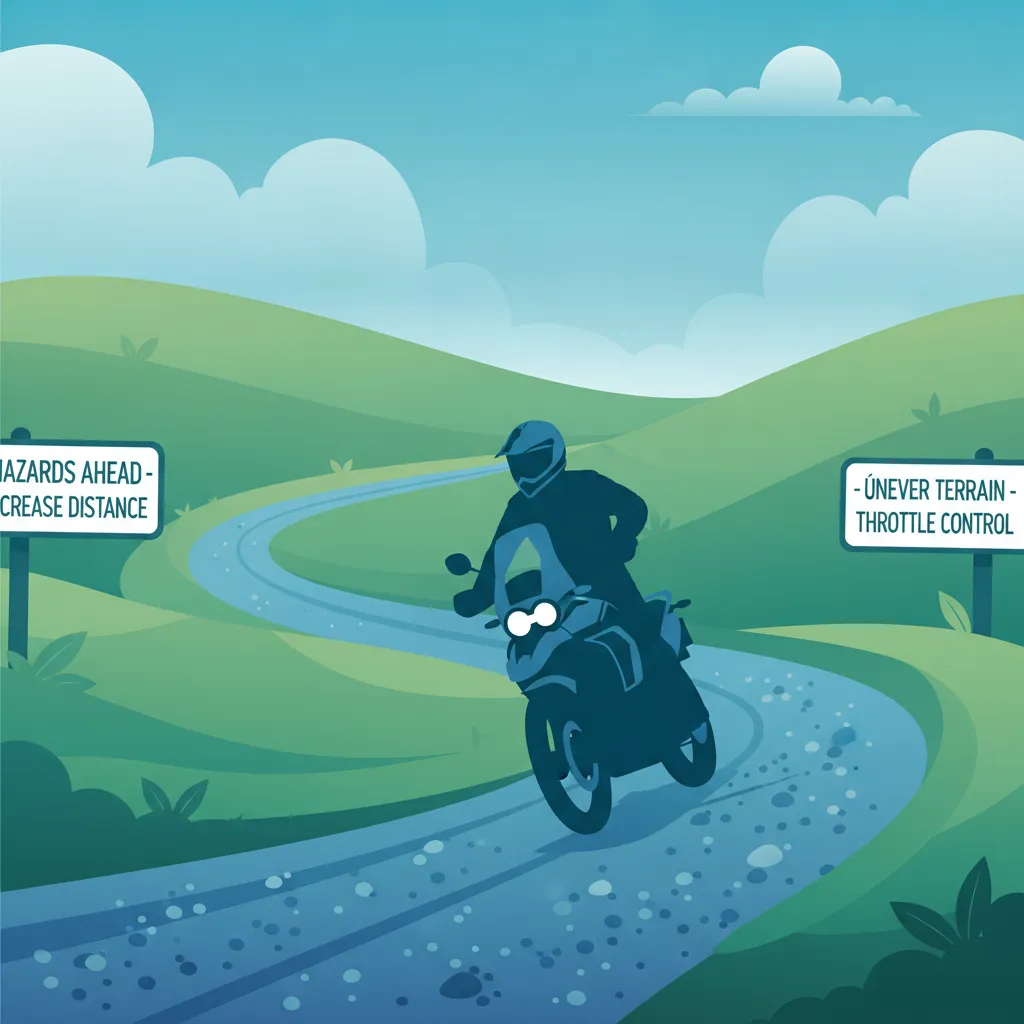
This lesson focuses on riding techniques suited for gravel, loose surfaces, and rural roads. Learners will understand how to maintain stability, adjust braking and cornering approaches, and anticipate hazards such as potholes and farm vehicles, following RSA guidance for safe riding in the Irish countryside.
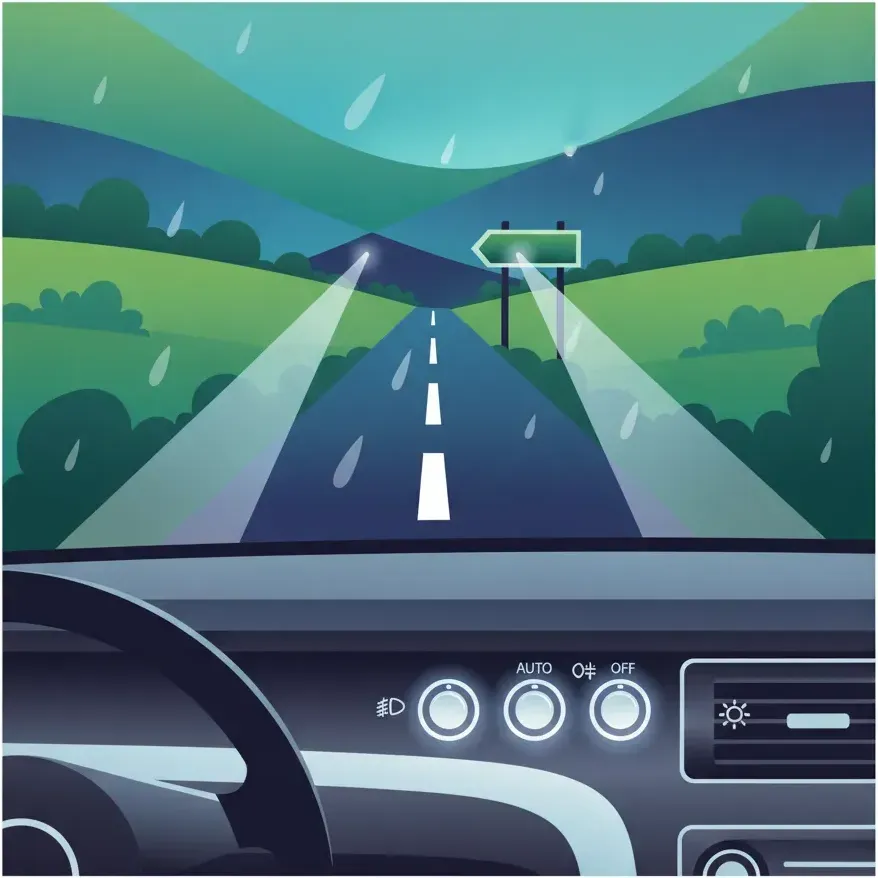
This lesson focuses on practical strategies for maximizing a motorcyclist's visibility to other road users in day and night scenarios. It details the effective placement of retro-reflective materials, high-visibility jackets, and the constant use of dipped headlights. Riders will examine how road positioning within their lane dramatically reduces the likelihood of being obscured by other vehicles.

This lesson highlights the importance of smooth throttle adjustments for maintaining traction and stability on a moped. It teaches riders how to anticipate potential road hazards early, reducing the need for sudden emergency braking. Developing strong observation habits allows riders to adjust their speed smoothly and respond safely to traffic changes.

This lesson focuses on the critical techniques required to ride safely during severe rain or heavy fog in Ireland. It teaches riders how to handle aquaplaning risks, use headlights correctly, and significantly increase their following distances. Adapting speed to visibility ensures that riders can brake safely when road conditions deteriorate.

This lesson analyzes traffic flow characteristics in dense municipal areas and teaches safe riding methods for congested gridlock situations. It covers the maintenance of adequate safety cushions, scanning for opening car doors, and monitoring pedestrians stepping from between parked cars. Riders will learn to manage frequent stopping, constant clutch wear, and the stress of urban commuting.
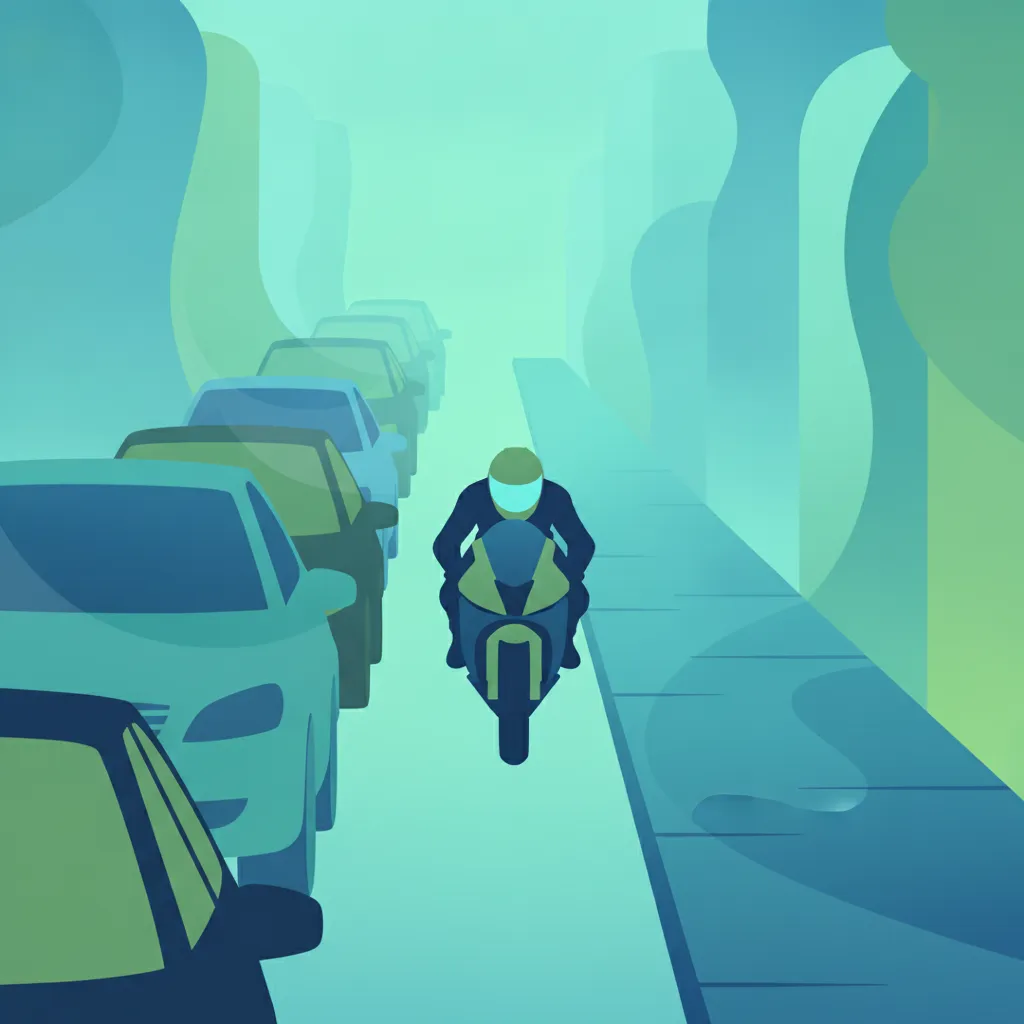
This lesson outlines the defensive techniques and legal principles of filtering or lane-splitting through stationary or slow-moving traffic queues. It emphasizes the absolute necessity of keeping speed low, monitoring for turning vehicles, and anticipating sudden lane changes by frustrated drivers. Riders will learn to evaluate road width, vehicle gaps, and pedestrian hazards before choosing to filter.
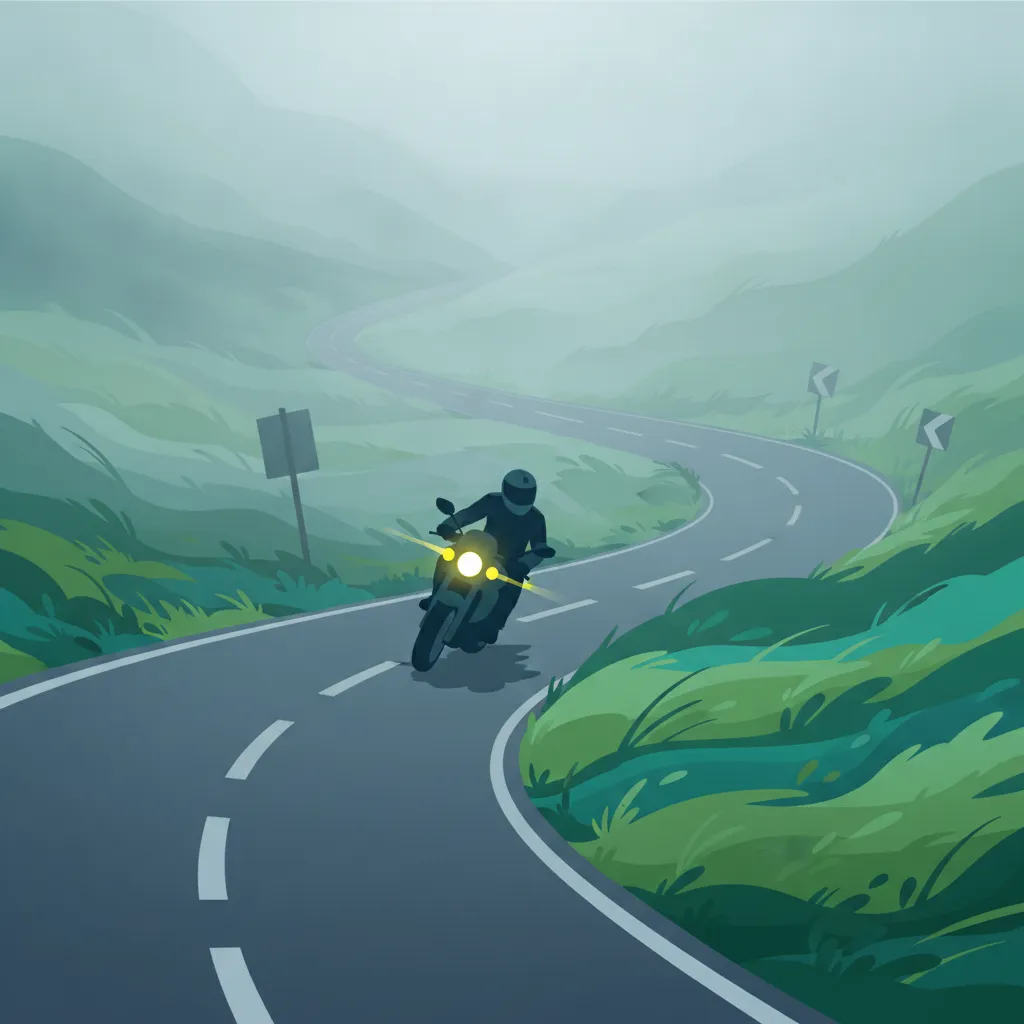
This lesson teaches riders how to manage extreme weather conditions such as high crosswinds, thick fog, and low sun glare. It details how wind forces can push a motorcycle off course and how to use minor body adjustments and lane placement to maintain stability. Riders will learn how to manage visibility limits in dense fog, utilizing specialized riding gear and reducing speeds safely.
Find clear answers to common questions learners have about Legal Rider Responsibilities. Learn how the lesson is structured, which driving theory objectives it supports, and how it fits into the overall learning path of units and curriculum progression in Ireland. These explanations help you understand key concepts, lesson flow, and exam focused study goals.
Lane discipline is required to ensure predictability on the road. Failing to stay within your lane can lead to collisions and is considered a traffic violation, which may result in penalty points or fines.
Yes, motorcyclists must adhere to the same Rules of the Road as car drivers regarding priority and right-of-way at junctions and roundabouts. There is no special priority for motorcycles.
Ignoring signaling protocols confuses other road users and increases the risk of accidents. In the theory exam, you will be tested on the correct timing and use of indicators to ensure your intentions are clear.
The fundamental legal responsibilities and rules of the road are the same regardless of your licence category. The primary difference lies in the power-to-weight ratio and age requirements of the bike you are legally permitted to ride.
Use the practice question search tool to pinpoint specific topics, road signs, or rules you need to master for your official Driver Theory Test. Refine your study strategy and ensure comprehensive preparation for all aspects of the Irish driving exam. Start your focused revision now and build confidence for your learner permit test.