
The C17 road sign, officially known as 'Proibição de sinais sonoros', signifies a prohibition on using sound signals in Portugal. This regulatory sign, typically red-bordered, means you must refrain from sounding your horn unless absolutely necessary for safety reasons not covered by this general ban. Pay close attention to additional panels that might specify the scope of this restriction for particular vehicles or situations. Understanding and obeying this sign is crucial for reducing noise pollution and ensuring a calmer traffic environment.
This prohibitory sign, C17, indicates a ban on using sound signals in Portugal. Proper recognition is vital for your theory test revision, helping you understand when and where this restriction applies to ensure safe and legal driving practices.
C17 - Proibição de sinais sonoros (Proibição de sinais sonoros) belongs to the Portuguese prohibitory signs category in the Regulamento de Sinalização do Trânsito. It normally uses the red-bordered regulatory style associated with restrictions, limits, bans, or cancellation of a previous restriction. The official wording is: proibição de sinais sonoros: indicação da proibição de utilizar sinais sonoros. It creates a binding restriction from the point where it applies and normally continues until it is ended, replaced, or limited. For theory preparation, connect the sign to a concrete driving decision: where to look, when to slow, whether to stop or yield, which route or lane to choose, and whether any panel changes the scope of the rule. On the road, interpret it together with markings, traffic lights, police directions, temporary works signs, and any additional panel placed with it. A strong exam answer explains both recognition and behaviour: not only what the sign is called, but what a safe and lawful driver must do next.
C17 - Proibição de sinais sonoros (Proibição de sinais sonoros) means that the driver must understand and apply this official Portuguese instruction: proibição de sinais sonoros: indicação da proibição de utilizar sinais sonoros. In practical terms, you should avoid the prohibited entry, movement, vehicle use, parking, stopping, overtaking, speed, or other restricted action until the restriction is ended or limited by another sign.
Get clear, practical answers to the most common questions about the C17 - C17 - Proibição de sinais sonoros (Proibição de sinais sonoros) road sign. Learn how the sign works, what rules it represents, and how it affects real driving situations. This FAQ strengthens your understanding and supports accurate decision making for the Portuguese driving theory exam in Portugal.
The C17 road sign, 'Proibição de sinais sonoros', means that you are prohibited from using your vehicle's horn or any other sound signals in the area where the sign is displayed. This is a regulatory prohibition aimed at reducing noise.
While the C17 sign generally prohibits the use of sound signals, the prohibition does not typically apply in situations where using the horn is essential for immediate safety, such as warning another road user of an impending danger that cannot be avoided otherwise. Always prioritise safety, but be aware that regular signalling for attention or greetings is forbidden.
Yes, the C17 sign can have exceptions. It's important to look for any additional panels placed below the sign. These panels might specify that the prohibition applies only to certain types of vehicles, at certain times, or for specific actions, such as overtaking or stopping.
A common exam trap is assuming the prohibition is absolute and can never be overridden. While you must strictly avoid unnecessary horn use, learners sometimes forget that safety warnings in critical situations might still be permissible. Another trap is ignoring supplementary panels that modify the sign's scope, leading to a misunderstanding of who or what is affected by the prohibition.
The C17 is a prohibitory sign, part of the regulatory signs category in Portugal's traffic regulations. These signs impose specific rules drivers must follow. It's often seen in built-up areas, near hospitals, schools, or quiet residential zones where noise reduction is a priority. Always interpret it in conjunction with other signs and traffic signals.
A clear reference image of the C17 - C17 - Proibição de sinais sonoros (Proibição de sinais sonoros) road sign used in Portugal.

The C17 - C17 - Proibição de sinais sonoros (Proibição de sinais sonoros) road sign may also be known by these alternative names or terms.
The C17 - C17 - Proibição de sinais sonoros (Proibição de sinais sonoros) road sign is part of the Prohibitory Signs category, which groups together signs with similar rules and functions.
Master Portuguese road signs by reviewing similar symbols. Comparing signs like these helps strengthen your recall and reduces common errors for your theory test revision. Explore more traffic sign comparisons to improve your sign recognition.

Understand the C1 'Sentido Proibido' (No Entry) Road Sign

C10: Maintain Minimum Distance from Vehicle Ahead

No Right Turn Ahead: Understanding Portugal's C11a Prohibition Sign

Understand the C11b 'No Left Turn' Road Sign in Portugal

C12 Sign: No U-Turns Allowed Ahead

Obey the Maximum Speed Limit Indicated by the C13 Sign

The C14a 'No Overtaking' Sign Means You Must Not Overtake Most Vehicles
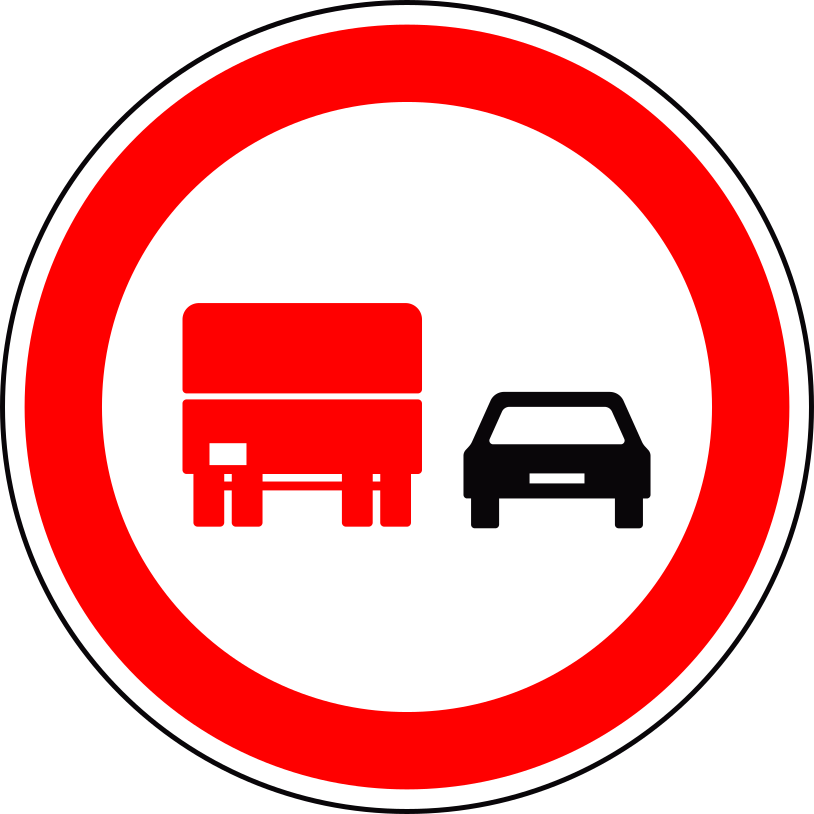
Learn the C14b Road Sign: No Overtaking for Heavy Vehicles
Deepen your understanding of these specific signals through curated theory topics and official IMT exam practice sets. Mastering these road signs ensures you can confidently navigate real-world traffic scenarios and pass your Portuguese theory test.
Renting a car in Portugal requires more than just a valid driver's license; you must understand the specific insurance obligations and local road rules to avoid unexpected liabilities. This guide clarifies the distinction between mandatory and optional coverage, the administrative costs associated with electronic tolls, and the legal responsibilities every foreign driver assumes on Portuguese roads. Mastering these basics will prepare you for a smooth journey while keeping your travel within the bounds of the Código da Estrada.
Avoid Common Mistakes and Costly Fines: Know the Portuguese Rules for Stopping and Parking!
Master Portuguese Priority Signs to Avoid Fines and Drive Confidently!
Learn how to correctly interpret danger signs, known in Portugal as sinais de perigo, to ensure your safety and success in the official theory exam. This article details how to identify key hazard categories, understand the role of supplemental panels, and apply appropriate defensive maneuvers to avoid common pitfalls on the test.
C10 - Proibição de transitar a menos de .. m do veículo precedente (Proibição de transitar a menos de .. m do veículo precedente) belongs to the Portuguese prohibitory signs category in the Regulamento de Sinalização do Trânsito. It normally uses the red-bordered regulatory style associated with restrictions, limits, bans, or cancellation of a previous restriction. The official wording is: proibição de transitar a menos de .. m do veículo precedente: indicação da proibição de transitar a uma distância do veículo precedente inferior à indicada no sinal. It creates a binding restriction from the point where it applies and normally continues until it is ended, replaced, or limited. For theory preparation, connect the sign to a concrete driving decision: where to look, when to slow, whether to stop or yield, which route or lane to choose, and whether any panel changes the scope of the rule. On the road, interpret it together with markings, traffic lights, police directions, temporary works signs, and any additional panel placed with it. A strong exam answer explains both recognition and behaviour: not only what the sign is called, but what a safe and lawful driver must do next.
C20a - Fim de todas as proibições impostas anteriormente por sinalização a veículos em marcha (Fim de todas as proibições impostas anteriormente por sinalização a veículos em marcha) belongs to the Portuguese prohibitory signs category in the Regulamento de Sinalização do Trânsito. It normally uses the red-bordered regulatory style associated with restrictions, limits, bans, or cancellation of a previous restriction. The official wording is: fim de todas as proibições impostas anteriormente por sinalização a veículos em marcha: indicação do local a partir do qual cessam todas as proibições anteriormente impostas por sinalização aos condutores de veículos em marcha. It creates a binding restriction from the point where it applies and normally continues until it is ended, replaced, or limited. For theory preparation, connect the sign to a concrete driving decision: where to look, when to slow, whether to stop or yield, which route or lane to choose, and whether any panel changes the scope of the rule. On the road, interpret it together with markings, traffic lights, police directions, temporary works signs, and any additional panel placed with it. A strong exam answer explains both recognition and behaviour: not only what the sign is called, but what a safe and lawful driver must do next.
After reviewing the full list, explore signs by specific categories such as warning, regulatory, or informational to deepen your understanding. Practise recognizing signs in context and prepare effectively for your Portuguese driving licence theory test.
All Portuguese Road Signs List