
This lesson details the professional standards and legal obligations required of Category C drivers in Ireland. You will learn about the consequences of traffic offences and the importance of maintaining a high level of compliance to protect your career and your licence.
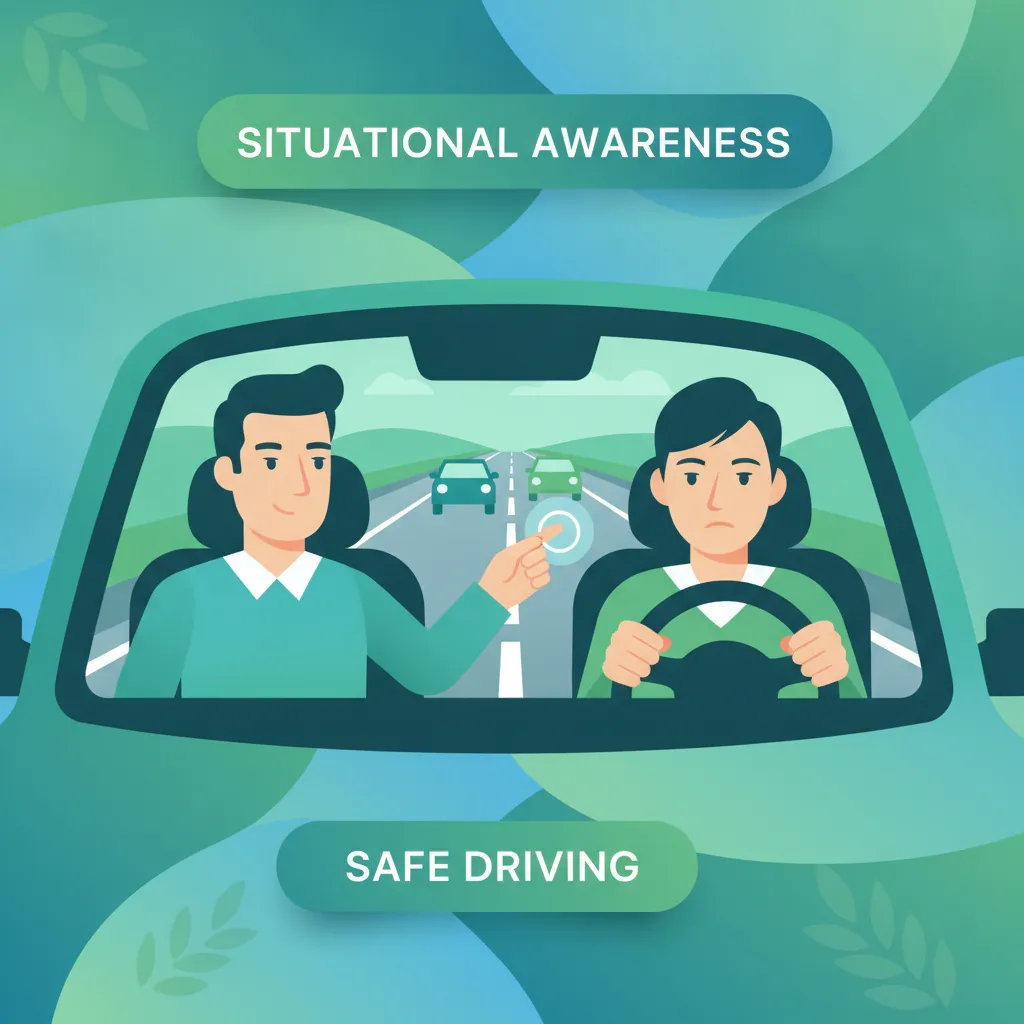
Lesson content overview
Operating a heavy goods vehicle on the Irish public road network carries deep moral, ethical, and legal responsibilities. As a professional driver preparing for your Irish Goods Vehicle Driver Theory Test Course (Category C), you must understand that your actions directly impact public safety, national infrastructure, and the reputation of the logistics sector.
This lesson details the statutory expectations placed upon you as a professional driver. It outlines the heavy penalties associated with non-compliance—such as weight infractions, speed violations, and tachograph falsification—and demonstrates how adopting a proactive safety culture protects your career, your operator’s licence, and other road users.
Professional driving extends far beyond physical vehicle control. It requires an active commitment to safety, integrity, and regulatory compliance. The Road Safety Authority (RSA) and An Garda Síochána enforce strict standards to ensure that Category C vehicles—which can weigh up to several tonnes—do not pose an undue threat to the public.
An organisational and individual commitment that consistently prioritises safety and compliance over speed, commercial convenience, or operational cost.
A true safety culture is built on five core principles:
Overloading a goods vehicle is one of the most common and dangerous compliance violations. It alters the vehicle's handling characteristics, severely extends braking distances, and causes rapid deterioration of the Irish road network, particularly historic stone bridges and rural secondary roads.
Every Category C vehicle has a designated Maximum Authorised Mass (MAM), which is the absolute limit of the combined weight of the vehicle, fuel, driver, and cargo.
When a vehicle is overloaded, the physical strain on its braking systems, tyres, and suspension increases exponentially. This makes the vehicle highly unstable on bends and down steep gradients.
Furthermore, driving an over-dimensional or overloaded vehicle through height-restricted or weight-restricted zones can result in structural damage to bridges and overhead utility lines.
Check the Manufacturer's Plate: Always locate the vehicle's chassis plate to confirm the MAM and individual axle weight ratings before loading.
Supervise the Loading Process: Ensure that weight is distributed evenly across all axles. Place heavier items low down and close to the vehicle's centre of gravity.
Use Weighbridges: If you suspect the load is close to the limit, utilise a certified public or private weighbridge to verify your actual GVW and axle distribution before commencing the main journey.
Measure Physical Dimensions: Measure the final height, width, and length of your vehicle and load, particularly when carrying high or irregular cargo. program these dimensions into a dedicated commercial GPS.
Speed management for Category C vehicles requires strict self-discipline. Heavy goods vehicles are subject to lower statutory speed limits than passenger cars on national routes and motorways due to their immense kinetic energy.
In Ireland, goods vehicles with a MAM exceeding 3,500 kg must adhere to the following maximum speed limits:
Even on a dry, open motorway where the general speed limit is 120 km/h, your statutory limit as a Category C driver remains 90 km/h. If your vehicle is fitted with a speed-limiting device, it will legally be calibrated to prevent the vehicle from exceeding 90 km/h.
The stopping distance of a vehicle is determined by thinking distance plus braking distance. Because kinetic energy () scales quadratically with speed and linearly with mass, a fully loaded 18-tonne rigid truck travelling at 80 km/h requires up to four times the stopping distance of a standard passenger car travelling at the same speed.
In wet or icy conditions, this distance can easily double. Failing to adjust your speed downward during adverse weather—even if you are under the posted limit—constitutes a serious breach of professional conduct.
Driver fatigue is a silent killer in the commercial transport industry. To combat this, EU Regulation No 561/2006 dictates strict rules regarding driving times, breaks, and rest periods. Compliance is monitored via a digital tachograph, which is mandatory in all Category C vehicles registered since May 2006.
An electronic device installed in commercial vehicles that automatically records the vehicle's speed, distance, and driving activity, alongside the driver's individual work, break, and rest periods.
| Activity Type | Standard Limit | Allowable Concessions / Extensions |
|---|---|---|
| Daily Driving Limit | 9 Hours | Can be extended to 10 hours up to twice in a single week. |
| Weekly Driving Limit | 56 Hours | Must not exceed 90 cumulative hours over any two consecutive weeks. |
| Mandatory Breaks | 45 Minutes | Must be taken after 4.5 hours of continuous driving. Can be split into a 15-minute break followed by a 30-minute break. |
| Daily Rest Period | 11 Hours | Can be reduced to a minimum of 9 hours up to three times between weekly rests. |
| Weekly Rest Period | 45 Hours | Must be taken after a maximum of six 24-hour periods. Can be reduced to 24 hours under specific compensation rules. |
Your digital tachograph driver card is a personal, legal document. Using another driver's card, failing to log manual entries correctly, or carrying out any form of record manipulation is treated as a major offence under Irish law.
Common mistakes that lead to prosecution include:
The Irish Road Traffic Acts enforce strict penalties on drivers who violate safety and traffic laws. For professional drivers, the accumulation of penalty points is not just a financial burden—it is a direct threat to your livelihood.
While a private motorist is disqualified from driving upon reaching 12 penalty points, professional drivers are held to a rigorous standard of public safety. Accumulating points leads to:
Commercial transport operators in Ireland must maintain a clean record to protect their Road Transport Operator Licence. The Road Safety Authority uses the European Register of Road Transport Undertakings (ERRTU) to track compliance.
If you, as a driver, commit serious infractions (such as excessive speeding, hauling overloaded cargo, or violating tachograph limits), these violations are logged against the operator's safety profile. This can trigger a comprehensive audit, leading to the suspension or complete revocation of the company's operating licence, putting your colleagues' jobs at risk.
Even seasoned drivers can fall victim to complacency. The following list details the ten most frequent infractions observed by RSA inspectors at roadside checkpoints, along with their operational consequences.
Ethical conduct means doing the right thing even when no one is watching. Under commercial pressure, you may face situations where skipping a pre-trip inspection or falsifying a manual entry seems like the easiest way to hit a deadline.
A professional Category C driver must resist external pressures that compromise road safety. If an employer or a delivery customer asks you to break drivers' hours rules, overload your truck, or bypass safety regulations, you must refuse.
Under Irish and EU transport law, both the driver and the operator are legally liable for safety infractions. "I was only following orders" is not a valid legal defence in a court of law.
Fatigue acts on the human brain in a similar manner to alcohol consumption. After 17 hours of wakefulness, your cognitive impairment is equivalent to a blood alcohol concentration of 0.05%—the legal limit for professional drivers in Ireland.
Taking regular, structured breaks allows your brain to recover, keeps your reaction times sharp, and ensures you remain fully alert to vulnerable road users, such as cyclists and pedestrians, in busy urban delivery environments.
To contextualise these regulations, let us look at three real-world scenarios that demonstrate the differences between professional, compliant conduct and non-compliant behaviour.
Explore all units and lessons included in this driving theory course.
Lesson content overview
Explore all units and lessons included in this driving theory course.
Explore search topics learners often look for when studying Professional Conduct and Avoiding Common Penalties. These topics reflect common questions about road rules, driving situations, safety guidance, and lesson level theory preparation for learners in Ireland.
Browse additional driving theory lessons that cover connected traffic rules, road signs, and common driving situations related to this topic. Improve your understanding of how different rules interact across everyday traffic scenarios.
Understand the legal requirements for daily and weekly driving limits as dictated by EU Regulation 561/2006. Learn how to correctly manage mandatory rest periods, breaks, and digital tachograph logging to ensure full legal compliance while operating heavy goods vehicles on Irish public roads.

This lesson examines the physiology of sleep deprivation and the absolute safety risks associated with commercial driver fatigue. It outlines the specific European Union and Irish tachograph regulations governing daily driving limits, mandatory break times, and weekly rest periods. Drivers will learn to properly record work and rest logs, spot warning signs of cognitive tiredness, and apply healthy sleep hygiene.

This lesson covers the absolute legal requirement for professional drivers to keep, update, and display essential transit and driver paperwork. It details the role of the Driver Certificate of Professional Competence, vehicle registration documents, transport logs, and insurance certs. Drivers will learn how to present clear records to Irish Road Safety Authority officers and Gardai during compliance inspections.

Operating long-distance intercity services requires meticulous journey planning to satisfy passenger comfort and comply with driver rest regulations. This lesson covers schedule coordination, planning convenient rest stop locations, and managing driver alertness over extended periods. Drivers will learn to perform intermediate safety checks on passenger comfort systems during journey breaks.

The regulatory framework in Ireland imposes strict standards of operation, dimension limits, and speed boundaries on heavy passenger fleets. This lesson reviews vehicle registration tax context, commercial operator licensing laws, and mandatory annual vehicle roadworthiness testing. By understanding these statutory regulations, drivers avoid severe legal infractions and maintain their professional driving credentials.

Violating passenger transport laws can lead to severe operator penalties, heavy fines, and the immediate suspension of driving privileges. This lesson examines common operational infractions, including tachograph violations, overloading offences, and driving with defective tires. Drivers will understand their personal legal liabilities under Irish legislation, supporting long-term safety compliance.

This lesson defines the professional duties and high duty of care that drivers must maintain while operating commercial heavy vehicles. It details the legal responsibilities regarding ongoing vehicle fitness, safe cargo securement, and statutory load limits under Irish legislation. Drivers will learn the consequences of neglecting these safety standards under the Irish Road Traffic Act.
Learn the essential principles of load management, including the difference between Maximum Authorised Mass and actual Gross Vehicle Weight. This guide explains how proper load distribution across axles maintains vehicle stability and braking efficiency, helping to prevent structural damage to Irish road infrastructure and common compliance penalties.
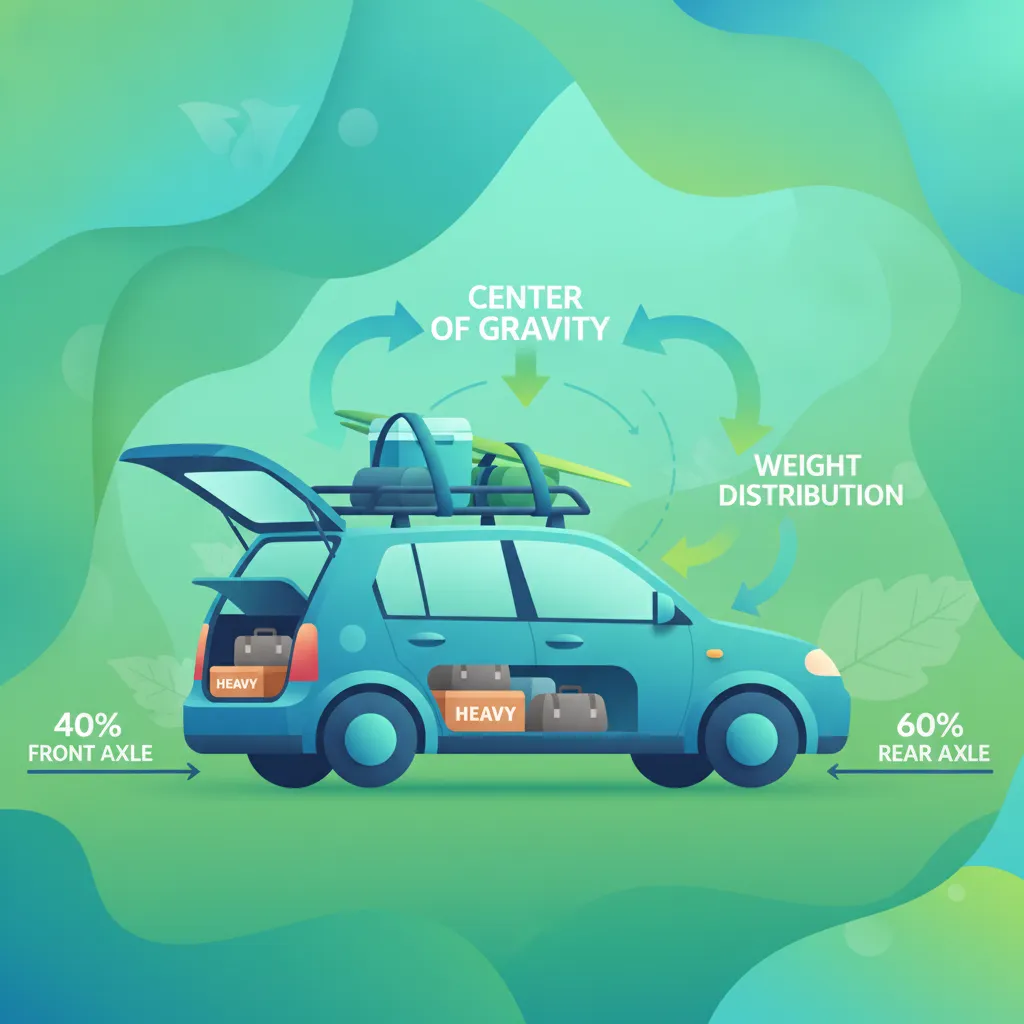
This lesson explains the physical principles of weight distribution and axle overloading on heavy commercial vehicles. It examines how a high centre of gravity increases tipping risks during cornering and alters overall braking effectiveness. Drivers will discover methods for positioning cargo to distribute weight evenly, ensuring optimal steering control and stable vehicle dynamics.
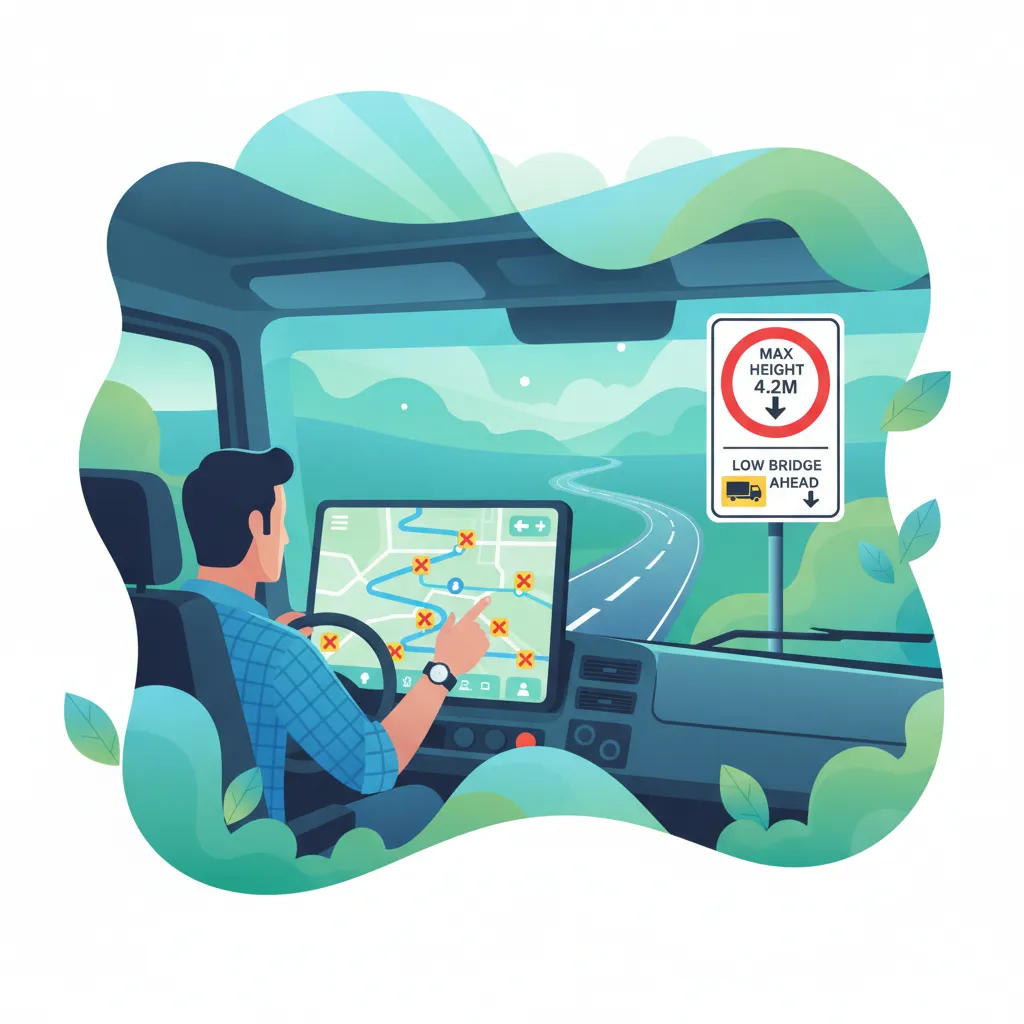
This lesson teaches professional drivers how to systematically map out travel routes that are compatible with heavy vehicle dimensions. It covers the limitations of consumer-grade GPS systems and emphasizes the use of specialized truck navigation systems that account for low bridges and load restrictions. Drivers will also learn to plan for congestion, access timing regulations, and proper entrance paths into commercial zones.

This lesson explores the legal frameworks and structural limitations that govern maximum vehicle weights on specific bridges and underground routes. It explains local authority by-laws, city-centre heavy vehicle exclusion zones, and environmental restrictions across major urban centres in Ireland. Drivers will learn to identify safe alternative bypass routes when encountering weight-restrictive public structures.

This lesson covers the legal statutory speed limits for goods vehicles on various road classes, including regional corridors and dual carriageways in Ireland. It focuses on how cargo mass and distribution alter the vehicle's safe maximum operational speed under dry, wet, or icy conditions. Drivers will also understand the purpose, function, and legal requirement of vehicle speed limiter systems.

As passenger numbers change throughout a service shift, a heavy vehicle suspension, center of gravity, and steering responsiveness adapt dynamically. This lesson covers load balancing, the physical risks of overloading, and how uneven weight distribution compromises stability during turns. Drivers will learn to perform regular axle weight assessments to comply with Irish transport safety rules.

This lesson reviews the legal definitions and safety guidelines for various categories of cargo, ranging from standard palletized goods to hazardous materials. It highlights the specific documentation, labelling, and safety equipment required by Irish and European laws for specialized transport. Drivers will learn their legal liabilities and the mandatory safety protocols corresponding to each load type.
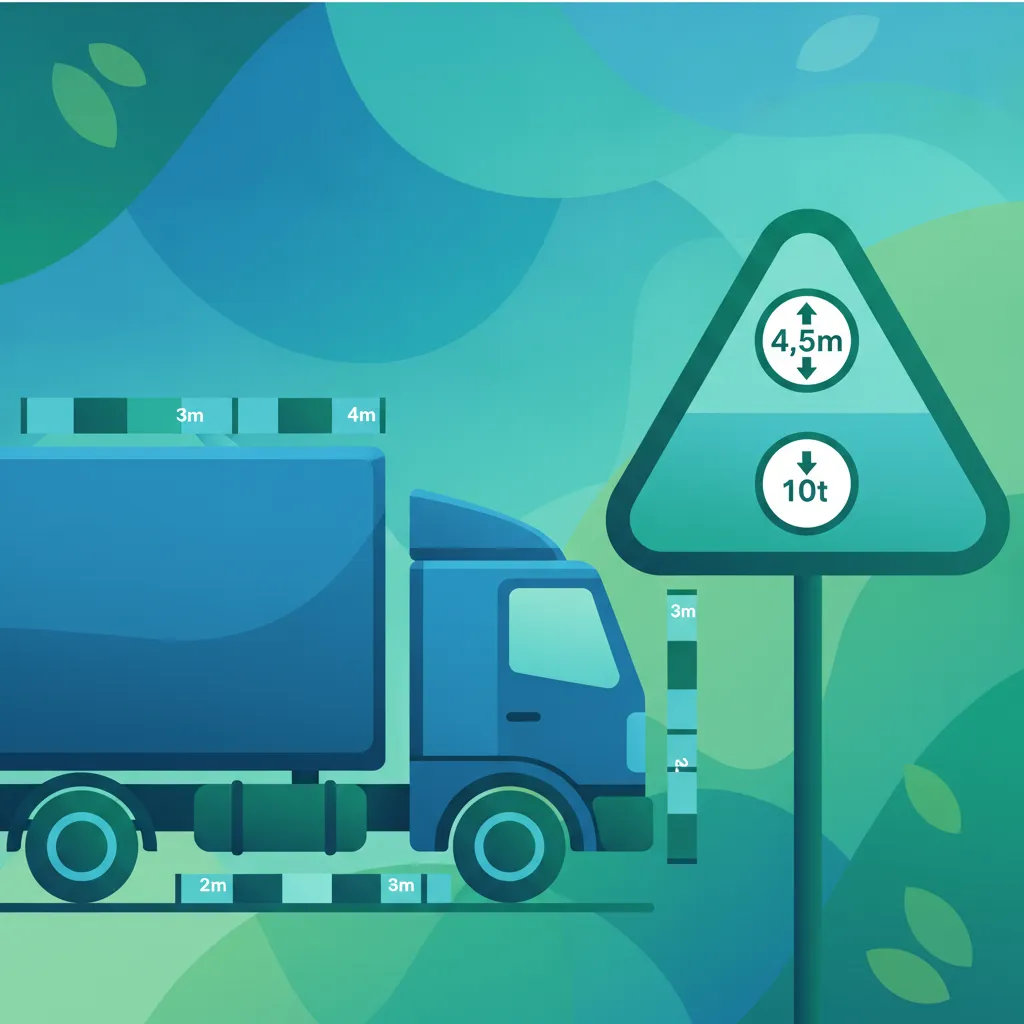
This lesson details the statutory limits on width, height, and length that apply to heavy goods vehicles under Irish transport laws. It explains the mathematical calculation of gross vehicle weight and maximum permissible axle loads to prevent infrastructure damage. Drivers will learn the practical significance of these numbers when passing low bridges or entering height-restricted tunnels.

This lesson focuses on the practical mechanics of securing goods to prevent kinetic shift during sudden braking or evasive steering manoeuvres. It teaches the correct use of tensioning straps, chains, blocking bars, and friction-increasing mats according to Irish safety guidelines. Drivers will learn to perform rigorous pre-trip and en-route checks to guarantee that cargo remain secure throughout the transit.

This lesson details the specific classifications for goods vehicles including Category C, C1, CE, and C1E in Ireland. It explains the core eligibility requirements, necessary medical fitness evaluations, and the sequential steps for theory and practical testing. Professional drivers will also understand when the Driver Certificate of Professional Competence is legally mandatory.

This lesson explains the location, depth, and angle of the severe blind spots surrounding a standard heavy goods vehicle. It provides step-by-step guidance on setting up primary side mirrors, wide-angle lenses, and close-proximity front-view mirrors to eliminate blind areas. Drivers will learn systematic visual checking routines to ensure complete situational awareness before initiating any maneuver, lane shift, or turn.
Find clear answers to common questions learners have about Professional Conduct and Avoiding Common Penalties. Learn how the lesson is structured, which driving theory objectives it supports, and how it fits into the overall learning path of units and curriculum progression in Ireland. These explanations help you understand key concepts, lesson flow, and exam focused study goals.
While penalty points function similarly, professional drivers are held to higher standards. Excessive points can lead to disqualification, and professional operators face stricter scrutiny regarding compliance with tachograph and weight regulations.
Failing to report a collision is a serious legal offence. In the context of the theory test, you must recognize that professional drivers have a mandatory duty to report incidents to ensure insurance and legal compliance, which is critical for your operator standing.
Yes, the test examines your understanding of road safety culture. You are expected to demonstrate that you prioritize safety, vehicle maintenance, and legal compliance over strict delivery deadlines, which is a core theme in the test.
Understanding fines helps you recognize the severity of violations. Knowing the legal consequences for things like overloading or ignoring driving time limits is essential for your Category C theory exam success.
Use the practice question search tool to pinpoint specific topics, road signs, or rules you need to master for your official Driver Theory Test. Refine your study strategy and ensure comprehensive preparation for all aspects of the Irish driving exam. Start your focused revision now and build confidence for your learner permit test.