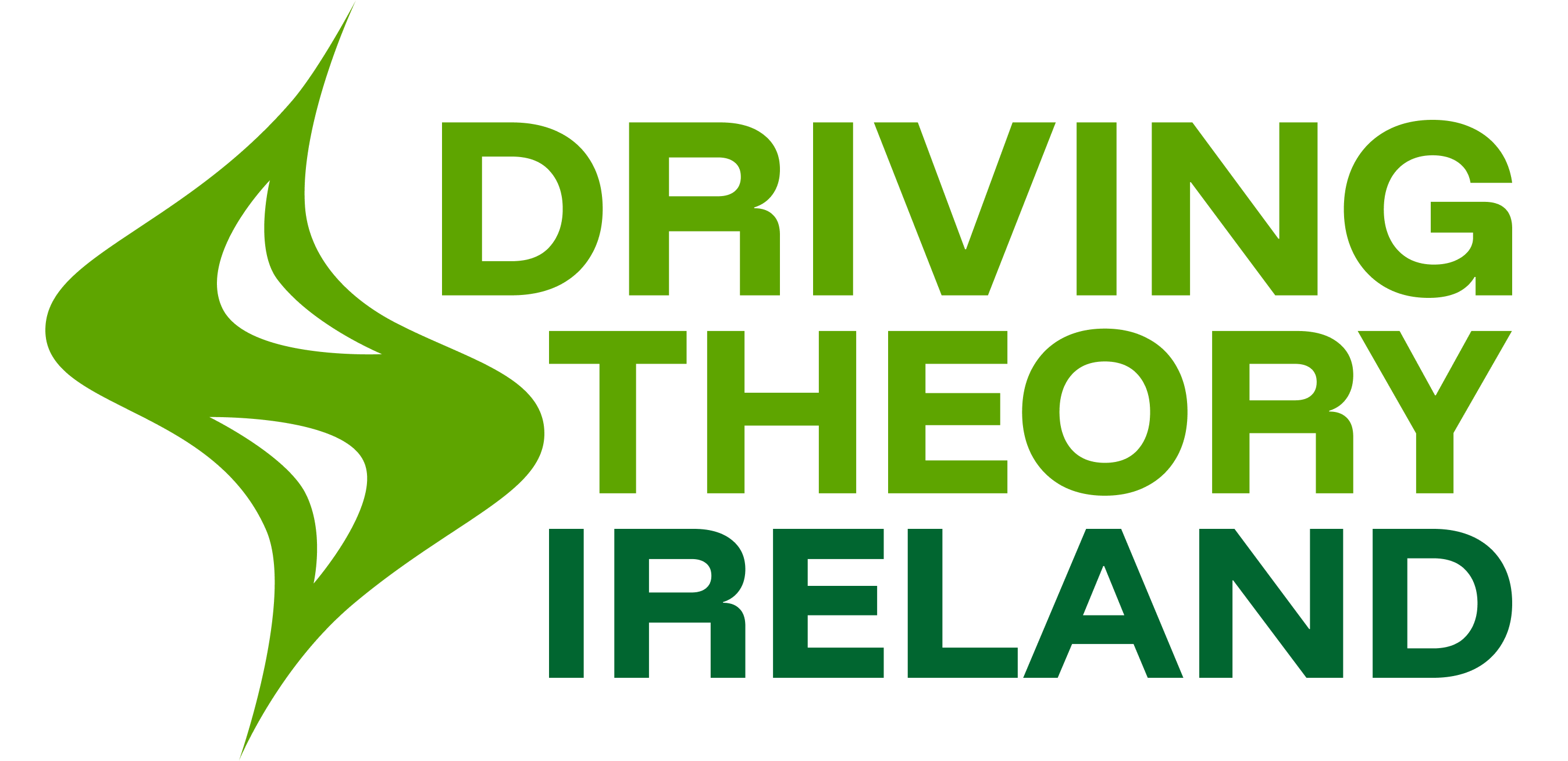
This lesson explores your responsibilities for maintaining cabin discipline and safety for Category D and D1 passenger vehicles. You will learn proactive de-escalation techniques and the specific protocols for working with passenger escorts in line with Irish RSA guidelines.

Lesson content overview
Operating a heavy passenger vehicle, such as a bus or coach, requires far more than masterfully handling a large vehicle. For professional drivers preparing for the Irish Driver Theory Test Category D and D1, passenger safety and comfort are paramount. A central pillar of this responsibility is maintaining cabin discipline.
Unruly, aggressive, or chaotic passenger behaviour does not merely affect the comfort of those on board; it creates direct visual, audible, and cognitive distractions that significantly increase the risk of road traffic collisions. Under Irish traffic law, a driver must keep their focus entirely on the road. Consequently, mastering conflict resolution, utilizing de-escalation techniques, and coordinating seamlessly with specialized escorts are mandatory safety skills for every professional driver.
Every professional bus and coach driver in Ireland operates under a strict Duty of Care. This is a legal and moral obligation to ensure that all passengers are transported safely, comfortably, and securely from boarding to alighting. Part of this duty includes establishing and maintaining cabin discipline.
The practice of maintaining order, quiet, and safety-compliant behaviour within the vehicle's passenger saloon to ensure the driver can operate the vehicle without distraction.
When cabin discipline breaks down, the driver's cognitive load increases dramatically. A shouting passenger, a child standing in the aisle while the bus is in motion, or an individual playing loud music can draw the driver’s eyes away from the mirrors or cause a momentary lapse in hazard perception. At 80 km/h, a two-second distraction means the vehicle travels over 44 metres completely blind. Therefore, maintaining order is not a matter of customer service; it is a critical safety control measure.
The management of passenger behaviour is governed by the Irish Rules of the Road, the Road Traffic Acts, and standard public service vehicle (PSV) regulations. Both drivers and passengers have defined legal responsibilities designed to ensure a cooperative safety environment.
| Rule / Regulation | Legal Statement | Core Rationale |
|---|---|---|
| Rule 16 | Passengers shall assist the driver in ensuring passenger safety and comfort. | Distributes safety responsibility; obligates passengers to follow safety directives like staying seated and wearing seatbelts. |
| RR5 | The driver shall not permit passengers to act in a manner that interferes with the safe operation of the vehicle. | Prevents dangerous passenger movement, aisle blocking, or noise that compromises vehicle control. |
| RR8 | The driver must ensure passengers do not distract them. | Places the ultimate responsibility of distraction mitigation on the professional driver. |
| RR4 | School transport must employ a qualified escort, identifiable by official identification. | Ensures specialized personnel handle child supervision, allowing the driver to focus exclusively on driving. |
| Rule 102 | Passengers engaging in behaviour that threatens peace or safety will be asked to leave. | Establishes the driver’s legal authority to eject disruptive or hazardous individuals under safe conditions. |
| Rule 100 | Drivers must ensure passengers are equipped with and use necessary safety gear (e.g., seatbelts). | Maximizes passenger protection and ensures legal compliance with mandatory seatbelt laws. |
| Rule 86 | Drivers must be prepared to assist passengers experiencing medical emergencies. | Governs the response protocol for sudden health crises on board. |
| RR10 | Drivers must adhere to professional standards of conduct and attire. | Establishes professional authority, which naturally commands respect and compliance from passengers. |
| RR11 | Any incident involving behaviour threatening safety must be reported to the operator and authorities. | Ensures administrative and legal traceability for insurance and public safety purposes. |
Preventing a conflict is always more effective than resolving one. Proactive behaviour management involves setting clear boundaries, establishing driver authority, and structuring the cabin environment before the wheels even turn.
Passengers should be met with a clean vehicle, a professionally dressed driver (in compliance with RR10), and clear signage regarding seatbelts, standing areas, and general conduct. When boarding, a polite but firm greeting establishes the driver as the professional in authority.
Under Rule 100, the driver must ensure that seatbelts are worn where fitted.
Do not put the vehicle in motion until you have visually confirmed that passengers are seated and seatbelts are buckled. If a passenger unbuckles their seatbelt while the vehicle is moving, you must find a safe place to pull over and address the issue immediately.
Uncontrolled movement within the vehicle saloon is a significant hazard. In accordance with RR5, passengers must not stand on the stairs of a double-deck bus, in the articulated joint of an bendy-bus, or adjacent to emergency exits while the vehicle is in motion.
Despite proactive measures, professional drivers will occasionally encounter challenging passenger behaviour. This can range from low-level disruption (such as playing loud music) to verbal aggression and physical threats.
In these situations, drivers must employ structured de-escalation techniques to defuse tension before it compromises safety.
Aggressive passengers are often reacting to external stressors (e.g., delays, personal issues, or intoxication). Matching their anger with aggression or shouting back (an improper driver conduct violation) will almost always escalate the situation, increasing cabin stress and driver distraction. Remaining calm, respectful, and authoritative helps lower the passenger's emotional state.
Maintain Professional Composure: Keep your breathing steady, use a calm, low, and measured tone of voice, and avoid adopting a defensive or aggressive posture.
Active Listening: Acknowledge the passenger's issue without immediately arguing. Use phrases such as, "I understand you are frustrated about the delay, but..."
State the Safety Reality: Frame your instructions around safety and legal regulations rather than personal preferences. For example, state: "For your safety and the safety of everyone on board, Irish law requires that you remain seated."
Provide Clear Alternatives: Give the passenger a clear, non-confrontational choice. "If you can lower your voice and take your seat, we can proceed. Otherwise, I will have to stop the bus and call the Gardaí."
Isolate the Problem: If possible, address the disruptive passenger individually rather than arguing in front of the entire bus, which can cause them to become defensive to save face.
Never attempt to physically restrain or forcibly eject an aggressive passenger yourself. Physical intervention should only be used in absolute self-defence or to prevent immediate physical harm to others. If a passenger refuses to comply and safety is compromised, pull over safely and seek assistance.
On certain services, particularly school transport and specialized medical or disability transit, drivers are accompanied by specialized escorts. Understanding the division of roles between the driver and the escort is vital for operational safety.
Under RR4, school transport escorts play an indispensable role. They are legally tasked with supervising the children, managing boarding and alighting, securing safety harnesses, and maintaining cabin discipline.
The escort acts as the driver's "eyes and ears" in the passenger compartment, allowing the driver to keep their eyes on the road.
Medical escorts (such as nurses, paramedics, or trained care assistants) accompany passengers with complex physical, mental, or medical needs.
An escort—whether school or medical—never has the authority to direct the driving of the vehicle, nor can they assume control of the vehicle's driving deck. The driver always retains absolute legal responsibility for the physical operation of the vehicle on public roads.
If a situation escalates to a direct security threat or a medical emergency, drivers must act decisively in accordance with established safety protocols.
A security threat involves any behaviour or object that poses an immediate risk to the safety of the vehicle, passengers, or driver (e.g., a weapon, an unattended bag, or a passenger attempting to open emergency exits or access the driver's cab).
If a passenger suffers a sudden medical crisis (e.g., cardiac arrest, seizure, severe allergic reaction) while the vehicle is in motion:
The severity and danger of passenger disruptions vary significantly depending on the driving environment, vehicle state, and road conditions.
On motorways or high-speed national routes, passenger movement is exceptionally hazardous. The high speeds mean sudden braking or swerving due to a distraction could result in catastrophic rollovers or multi-vehicle pile-ups.
Wet or icy roads drastically reduce tyre grip, making smooth vehicle control critical. Any sudden steering adjustment caused by a passenger distraction could lead to a skid.
When driving through urban school zones or hospital grounds, the external hazards are high. Pedestrians, children, and elderly individuals may step off kerbs unexpectedly.
To ensure clear understanding, let us review common operational scenarios, highlighting correct versus incorrect driver responses under Irish transport regulations.
Why are these rules so strictly enforced by the Road Safety Authority (RSA)? Data-driven road safety research highlights the profound impact of passenger management:
To pass the Irish Category D Driver Theory Test and operate safely on the road, memorize these fundamental responsibilities:
Explore all units and lessons included in this driving theory course.
Lesson content overview
Explore all units and lessons included in this driving theory course.
Explore search topics learners often look for when studying Managing Passenger Behaviour and Escorts. These topics reflect common questions about road rules, driving situations, safety guidance, and lesson level theory preparation for learners in Ireland.
Browse additional driving theory lessons that cover connected traffic rules, road signs, and common driving situations related to this topic. Improve your understanding of how different rules interact across everyday traffic scenarios.
Understand the legal obligations and professional responsibilities of Category D drivers regarding passenger safety. This lesson covers the RSA standards for vehicle operation, cabin discipline, and the driver's role in maintaining a secure environment for all passengers throughout the journey.

This lesson delivers a detailed analysis of the legal and moral duty of care that passenger vehicle operators hold in Ireland. Drivers will learn to manage risk effectively, establishing a proactive safety culture that prioritizes vulnerable occupants and external road users. It covers practical methods for protecting passengers during transit, accelerating smoothly, and maneuvering safely in high-risk zones.

When emergencies strike, a passenger driver must remain perfectly calm and execute structured emergency procedures to protect human life. This lesson outlines safety protocols for roadside breakdowns, engine fire isolation, and handling acute passenger medical emergencies. Drivers will learn how to secure the accident scene and report incidents to emergency services as required by Irish law.
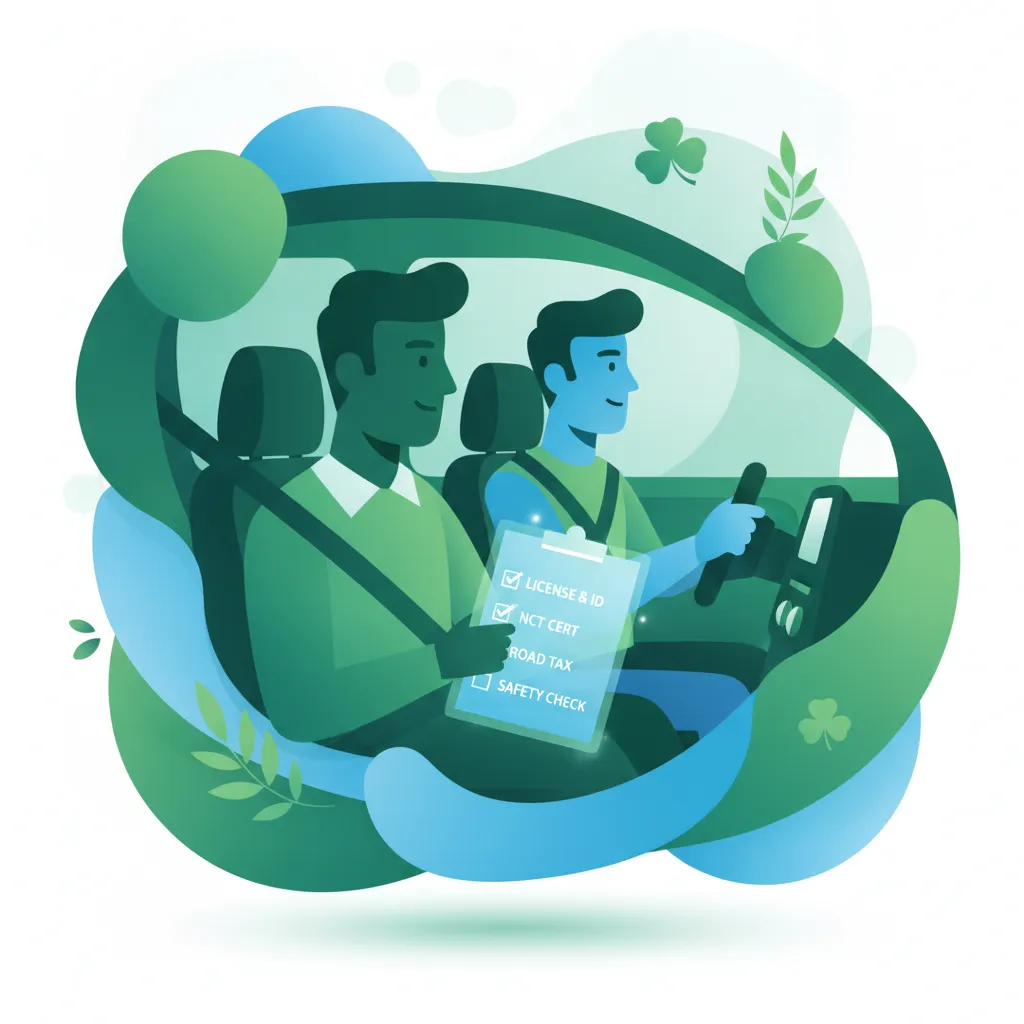
This lesson defines the professional duties and high duty of care that drivers must maintain while operating commercial heavy vehicles. It details the legal responsibilities regarding ongoing vehicle fitness, safe cargo securement, and statutory load limits under Irish legislation. Drivers will learn the consequences of neglecting these safety standards under the Irish Road Traffic Act.
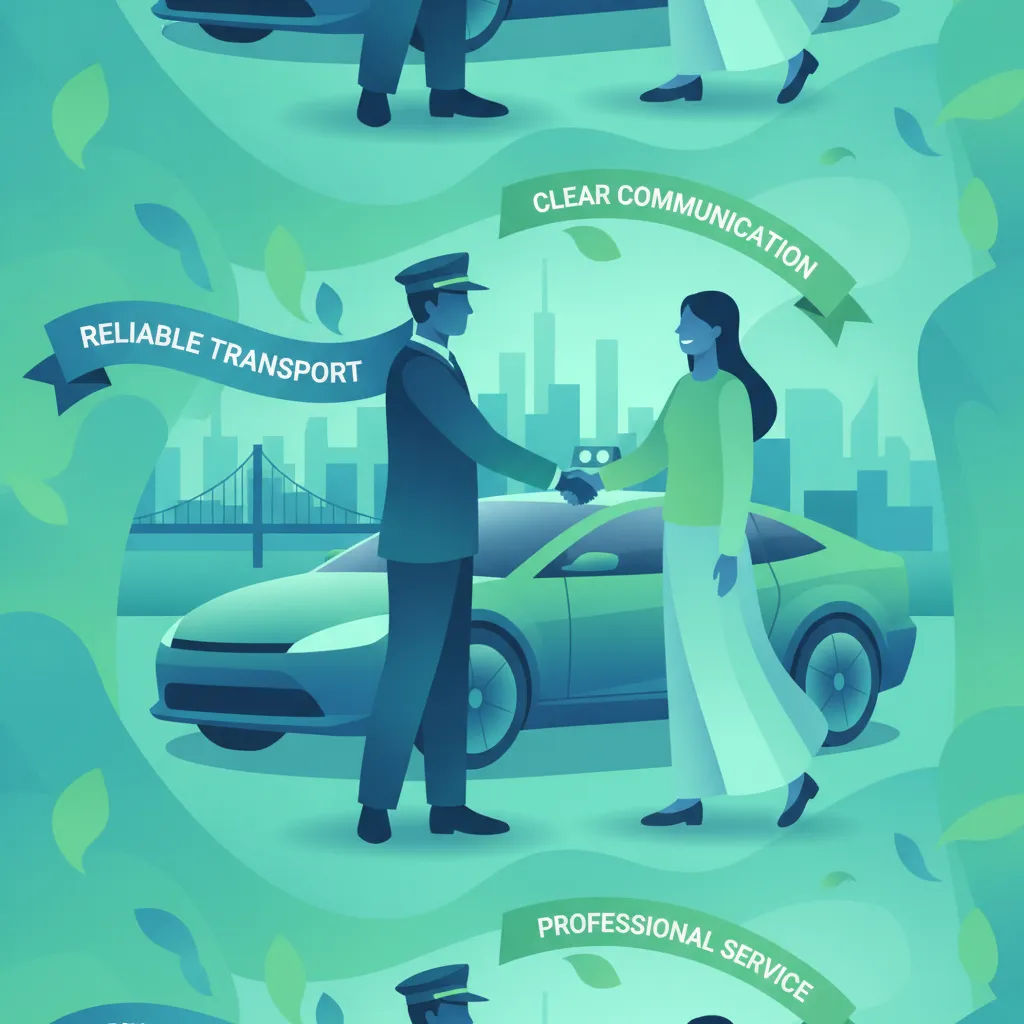
Professionalism in passenger transport is vital for maintaining public confidence and representing the service industry positively on Irish roads. This lesson addresses the high standard of driver behavior, customer relations, and ethical obligations expected of coach and bus operators. It helps drivers develop a professional mindset, focusing on safe driving practices that preserve passenger comfort and ensure public trust.

Violating passenger transport laws can lead to severe operator penalties, heavy fines, and the immediate suspension of driving privileges. This lesson examines common operational infractions, including tachograph violations, overloading offences, and driving with defective tires. Drivers will understand their personal legal liabilities under Irish legislation, supporting long-term safety compliance.

A driver's daily actions directly impact the safety, customer experience, and overall reputation of the public passenger transport sector. This lesson covers key elements of service quality, including punctuality, polite passenger interactions, and supporting disabled individuals. Drivers will learn to maintain a professional, calm demeanor during challenging shifts, ensuring high service standards.

Motorway transport requires consistent forward planning, strict speed restriction compliance, and clear mirror checks before exiting lanes. This lesson details the rules of joining and leaving motorways, navigating toll plazas safely, and managing breakdowns on the hard shoulder. Drivers will learn to balance high-speed travel with passenger stability, ensuring a comfortable, secure ride.

The regulatory framework in Ireland imposes strict standards of operation, dimension limits, and speed boundaries on heavy passenger fleets. This lesson reviews vehicle registration tax context, commercial operator licensing laws, and mandatory annual vehicle roadworthiness testing. By understanding these statutory regulations, drivers avoid severe legal infractions and maintain their professional driving credentials.
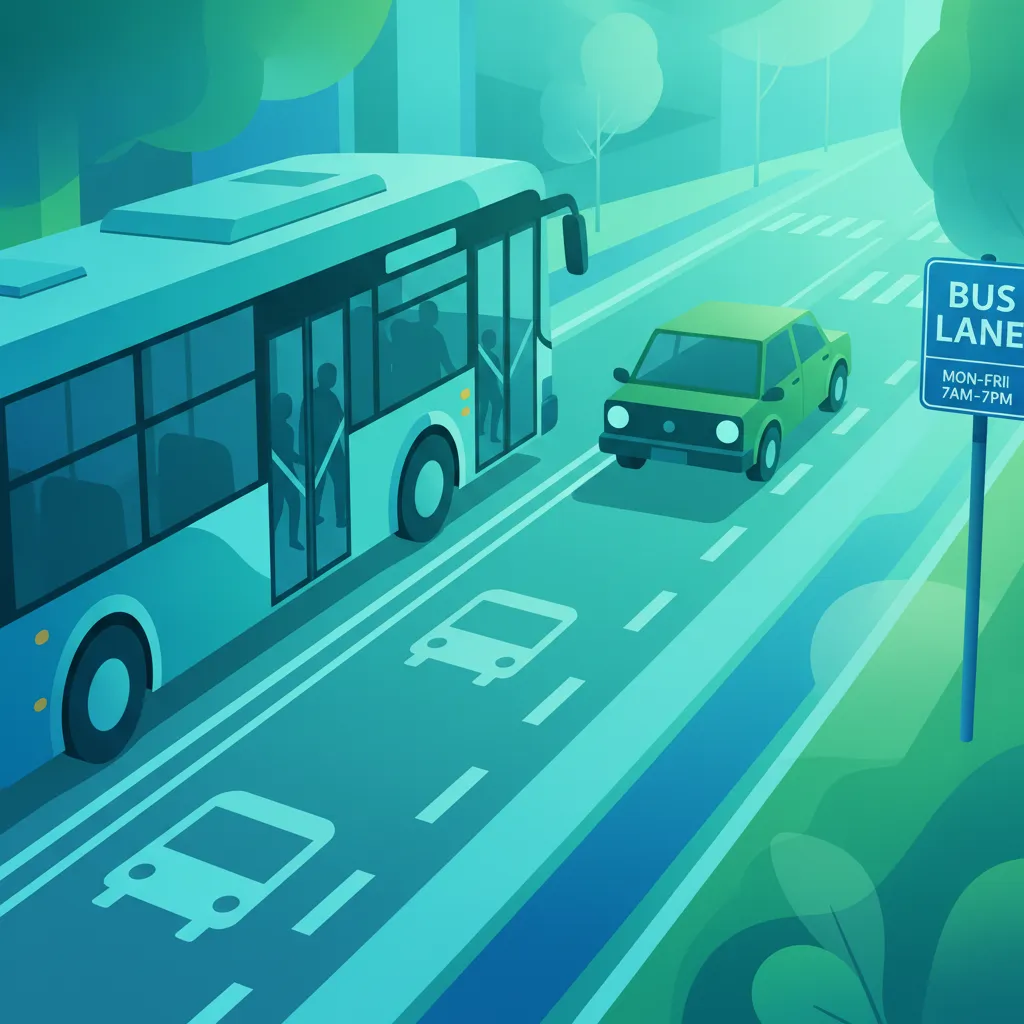
This lesson details the legal operations allowed within Irish bus lanes, including active hours, non-permitted traffic types, and exceptions. Drivers will learn safe approach trajectories for public transport stops, maintaining legal clearance, and navigating curbside hazards safely. The material highlights compliance with local bylaws to guarantee steady, uninterrupted traffic flow and passenger convenience.
Standing passengers face heightened safety risks due to sudden changes in bus velocity, turning forces, or abrupt stops. This lesson covers maximum standing capacity regulations, correct passenger distribution, and the importance of active handrail utilization. Drivers will learn how to adjust their braking and acceleration patterns to prevent slips, trips, and falls among standing occupants.
Learn the correct protocols for handling security threats, medical emergencies, and vehicle evacuations while operating a Category D vehicle. This guide explains how to communicate with emergency services and maintain control during critical incidents to ensure the safety of passengers in various traffic environments.
When emergencies strike, a passenger driver must remain perfectly calm and execute structured emergency procedures to protect human life. This lesson outlines safety protocols for roadside breakdowns, engine fire isolation, and handling acute passenger medical emergencies. Drivers will learn how to secure the accident scene and report incidents to emergency services as required by Irish law.

Evacuating a coach or bus requires quick, decisive leadership, structured directions, and full use of onboard emergency exits. This lesson details the exact location and operation of emergency glass-breakers, roof hatches, and manual door release systems. Drivers will study crowd management techniques to prevent panic, ensuring all passengers gather at a safe distance from the vehicle.

Passenger boarding and exiting periods represent a highly critical operational window where slip and fall injuries frequently occur. This lesson outlines safe door opening procedures, the deployment of mechanical boarding steps, and proper handrail holding instructions. Drivers will learn to supervise passenger flow, ensuring passengers clear the immediate exit area before the bus begins moving.

Clear and concise driver-to-passenger communication improves travel safety, maintains order, and fosters a positive public transit experience. This lesson outlines correct signal timing, clear vocal announcements, and the legal placement of bilingual Irish and English signs inside vehicles. It trains drivers in effective emergency broadcasting and provides guidelines on delivering routine operational delays calmly.
Securing passengers and luggage properly is essential to prevent injury during emergency braking, sudden steering inputs, or traffic collisions. This lesson provides instructions on passenger restraint systems, seatbelt laws in Ireland, and wheelchair ramp deployment processes. Drivers will study weight distribution guidelines for luggage compartments to protect the physical stability of the passenger vehicle.

Drivers bear the legal responsibility of ensuring that all passengers under seventeen years of age are properly secured in the vehicle. This lesson covers Ireland's strict seatbelt laws and the requirement to use an EU-approved child restraint system appropriate for the child's height and weight. You will learn how to locate ISOFIX anchorage points, fit child seats correctly, and deactivate passenger airbags when using rear-facing seats.
Arriving at or being involved in a road traffic collision requires immediate, structured action to protect lives and prevent secondary crashes. This lesson covers how to safely secure an accident scene, activate hazard warning lights, place a warning triangle, and contact emergency services on 112. You will learn your legal duties to stop and share details, along with basic life-saving first aid principles for crash victims.
Standing passengers face heightened safety risks due to sudden changes in bus velocity, turning forces, or abrupt stops. This lesson covers maximum standing capacity regulations, correct passenger distribution, and the importance of active handrail utilization. Drivers will learn how to adjust their braking and acceleration patterns to prevent slips, trips, and falls among standing occupants.

Bus terminals and central transport hubs are highly congested environments with dense pedestrian traffic and tight vehicle maneuver spaces. This lesson addresses terminal speed limits, reversing protocols, passenger queue management, and the coordination of scheduled departures. Drivers will learn how to navigate passenger platforms safely without causing service delays or compromising safety.
The regulatory framework in Ireland imposes strict standards of operation, dimension limits, and speed boundaries on heavy passenger fleets. This lesson reviews vehicle registration tax context, commercial operator licensing laws, and mandatory annual vehicle roadworthiness testing. By understanding these statutory regulations, drivers avoid severe legal infractions and maintain their professional driving credentials.
Find clear answers to common questions learners have about Managing Passenger Behaviour and Escorts. Learn how the lesson is structured, which driving theory objectives it supports, and how it fits into the overall learning path of units and curriculum progression in Ireland. These explanations help you understand key concepts, lesson flow, and exam focused study goals.
The primary goal is to minimize driver distraction. A safe, controlled environment allows the driver to focus fully on the road, traffic conditions, and vehicle management, ensuring the safety of all passengers.
Yes, escorts are responsible for the direct supervision of children, particularly during boarding, alighting, and while the vehicle is in motion. The driver remains responsible for vehicle safety, but the escort acts as the primary contact for passenger welfare.
Drivers should follow their company's emergency protocols and the Rules of the Road. This typically involves bringing the vehicle to a safe stop when appropriate, contacting emergency services, and prioritizing the safety of passengers over the security of property.
Yes, you may encounter situational questions regarding professional conduct. You are expected to choose answers that prioritize safety, remain calm, and avoid physical confrontation while maintaining control over the cabin.
Use the practice question search tool to pinpoint specific topics, road signs, or rules you need to master for your official Driver Theory Test. Refine your study strategy and ensure comprehensive preparation for all aspects of the Irish driving exam. Start your focused revision now and build confidence for your learner permit test.