This lesson provides a critical guide to emergency evacuation procedures for Category D and D1 licence holders. You will learn how to maintain control, lead passengers to safety, and correctly operate all onboard emergency equipment to meet RSA standards.
Lesson content overview
As a professional driver operating large passenger vehicles, such as buses and coaches (Category D and D1), your primary responsibility is the safety and well-being of your passengers. In an emergency situation—whether a fire, a severe collision, or a critical mechanical failure—your ability to lead, direct, and execute a rapid evacuation can mean the difference between life and death.
This lesson covers the essential emergency evacuation procedures, the operation of safety equipment, and the crowd-control techniques required by the Road Safety Authority (RSA) for the Irish Driver Theory Test and real-world commercial passenger operations.
During an emergency, passengers will naturally look to the driver for direction. Panic can spread rapidly in an enclosed space like a bus cabin, impairing passengers' cognitive functions and physical coordination. As a professional, you must establish immediate, absolute authority using a clear, calm, and assertive command style (often referred to as the "captain's voice").
The legal framework governing Public Service Vehicles (PSVs) in Ireland mandates that the driver is the designated safety officer on board. You are legally and ethically obligated to ensure all passengers are safely evacuated and accounted for. This duty of care requires a rapid, systematic assessment of the hazard before acting.
Immediate Assessment is Key: Never open exits or direct passengers to alight without assessing the external environment first. Opening doors into active motorway lanes or directly onto a localized electrical fire will worsen the hazard.
Irish and European vehicle safety regulations require all large passenger vehicles to be equipped with multiple, clearly marked emergency exits. These exits are designed to allow rapid egress even if the vehicle is resting on its side, or if the main passenger doors are jammed or structurally damaged.
Most modern coaches use toughened or tempered glass for side and rear windows. These windows double as emergency exits and are marked with "Emergency Exit" or "Slí Éalaithe" decals.
Roof hatches provide an alternative vertical evacuation route. This is particularly critical if the vehicle has rolled onto its side, blocking both the left and right side exits, or if rising floodwaters prevent lower exits from being opened.
All pneumatic or electrically operated passenger doors on a bus or coach are equipped with an emergency manual override. This bypasses the vehicle’s central locking and air pressure systems, allowing the doors to be pushed open manually.
A dedicated, unobstructed egress point on a passenger vehicle designed for rapid escape, which may include manual door releases, emergency doors, roof hatches, and break-glass windows.
When an emergency requires the immediate evacuation of the vehicle, you must execute a structured, highly disciplined sequence of actions.
Secure the Vehicle: Bring the vehicle to a complete stop in the safest possible location (such as the hard shoulder on a motorway). Apply the parking brake, switch off the engine, and isolate the fuel supply or electrics if possible.
Activate Hazard Warning Lights: Turn on your hazard warning lights immediately. This warns oncoming traffic, reducing the risk of a secondary collision while passengers are exiting.
Assess the Hazard: Look out the windows and mirrors to identify the safest side of the vehicle for egress. If there is a fire at the rear, direct passengers to the front exits; if the front is compromised, use the rear or side emergency exits.
Issue Clear Commands: Shout clear, loud, and concise instructions. For example: "Emergency! Leave all luggage behind. Move quickly and orderly to the rear emergency door now!"
Assist and Verify: Supervise the flow of passengers, giving priority to children, elderly passengers, and those with reduced mobility. Carry out a physical sweep of the cabin to ensure no one is left behind.
Assemble at a Safe Distance: Direct all passengers to a designated assembly point at least 30 metres away from the vehicle, ideally behind safety barriers.
Conduct a Headcount and Call Emergency Services: Verify all passengers are present and immediately contact the emergency services (112 or 999 in Ireland).
In a high-stress scenario, crowd dynamics can severely hinder evacuation. A bottleneck at an exit can cause crushing, resulting in serious injuries before passengers even exit the vehicle.
To manage crowds effectively, apply the following principles:
Getting passengers out of the bus is only the first phase of an evacuation. The moments immediately following egress are highly dangerous, as passengers may wander onto live traffic lanes, stand too close to a burning vehicle, or attempt to re-enter the coach to retrieve their belongings.
Once passengers step off the vehicle, they must be directed to move at least 30 metres (approximately 100 feet) away from the bus.
As soon as the group is at a safe distance, you must conduct an immediate headcount.
No two emergencies are identical. A driver must adapt their evacuation strategy based on the external environment, weather, and road conditions.
| Situation / Condition | Direct Safety Impact | Required Driver Action / Adaptation |
|---|---|---|
| High-Speed Motorways | Extreme risk of high-speed secondary collisions. | Position the vehicle as far left as possible. Evacuate passengers strictly from the left side (passenger side), never onto the active traffic lanes. |
| Night & Low Visibility | Passengers cannot see exit paths; oncoming traffic cannot see the stopped bus. | Activate interior emergency lighting. Use your high-visibility vest. Use a flashlight or your phone screen to guide passengers toward the exit points. |
| Heavy Rain or Fog | Slippery road surfaces; high risk of slipping during egress. | Warn passengers to watch their step as they alight. Direct them to a safe path off the road, keeping them clear of muddy slopes that could cause falls. |
| Active Interior Fire | Toxic smoke rises quickly, suffocating passengers. | Order passengers to stay low (crouched or crawling) to breathe cleaner air near the floor as they move toward the nearest functional exit. |
Failure to maintain safety standards or violating emergency protocols can lead to heavy legal penalties, operator licence suspensions, and civil liability.
Explore all units and lessons included in this driving theory course.
Lesson content overview
Explore all units and lessons included in this driving theory course.
Explore search topics learners often look for when studying Evacuation Procedures and Passenger Safety. These topics reflect common questions about road rules, driving situations, safety guidance, and lesson level theory preparation for learners in Ireland.
Browse additional driving theory lessons that cover connected traffic rules, road signs, and common driving situations related to this topic. Improve your understanding of how different rules interact across everyday traffic scenarios.
Understand the critical procedures for managing fire, mechanical failure, or road incidents on passenger vehicles. This lesson provides clear guidance on driver actions during emergencies, including hazard mitigation, effective communication with emergency services, and managing passenger safety in high-stress environments.

When emergencies strike, a passenger driver must remain perfectly calm and execute structured emergency procedures to protect human life. This lesson outlines safety protocols for roadside breakdowns, engine fire isolation, and handling acute passenger medical emergencies. Drivers will learn how to secure the accident scene and report incidents to emergency services as required by Irish law.

Maintaining cabin discipline is critical for preventing driver distractions and ensuring passenger transit remains completely safe and comfortable. This lesson teaches conflict resolution, proactive de-escalation techniques, and the roles of specialized escorts on school or medical transport. Drivers will learn to assess security threats on board and apply the appropriate response protocols under Irish laws.

Passenger boarding and exiting periods represent a highly critical operational window where slip and fall injuries frequently occur. This lesson outlines safe door opening procedures, the deployment of mechanical boarding steps, and proper handrail holding instructions. Drivers will learn to supervise passenger flow, ensuring passengers clear the immediate exit area before the bus begins moving.
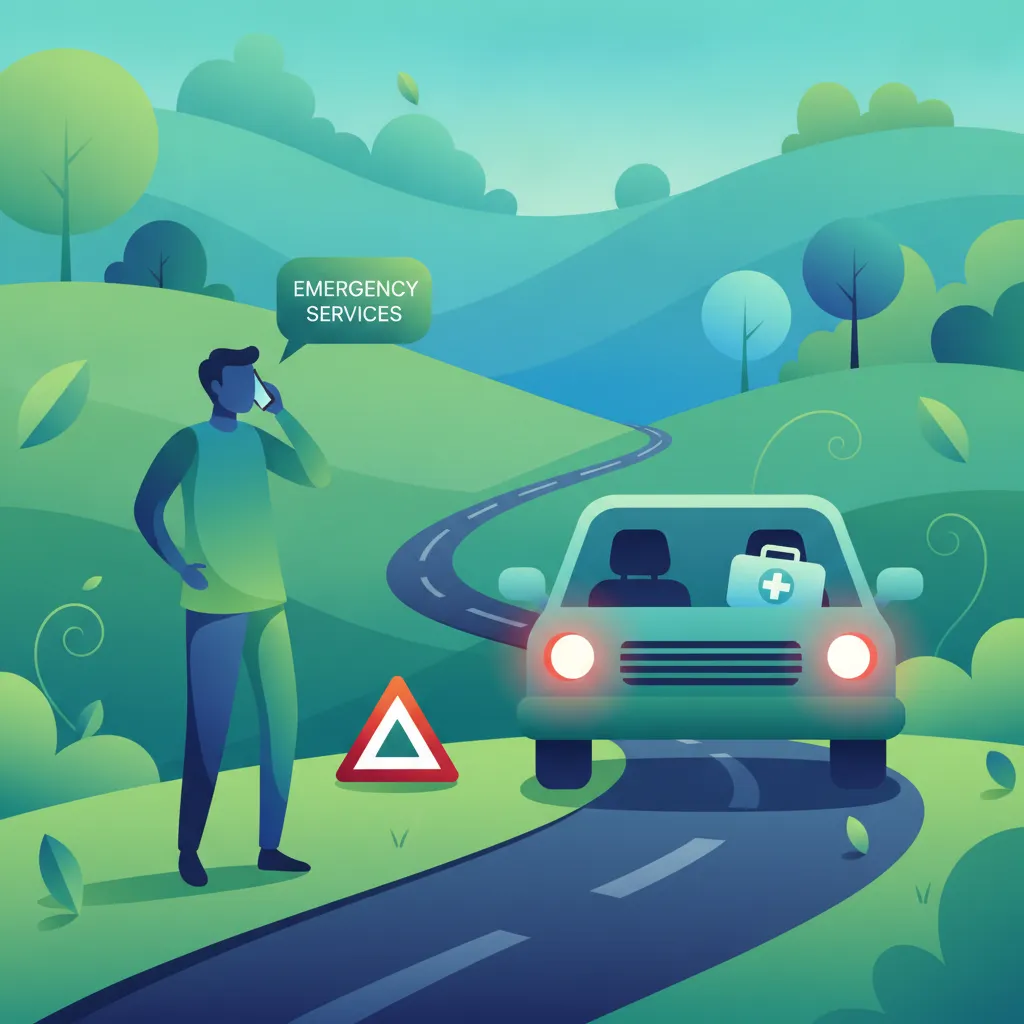
Arriving at or being involved in a road traffic collision requires immediate, structured action to protect lives and prevent secondary crashes. This lesson covers how to safely secure an accident scene, activate hazard warning lights, place a warning triangle, and contact emergency services on 112. You will learn your legal duties to stop and share details, along with basic life-saving first aid principles for crash victims.
Standing passengers face heightened safety risks due to sudden changes in bus velocity, turning forces, or abrupt stops. This lesson covers maximum standing capacity regulations, correct passenger distribution, and the importance of active handrail utilization. Drivers will learn how to adjust their braking and acceleration patterns to prevent slips, trips, and falls among standing occupants.
Entering busy coach terminals and motorway service stations requires slow speeds and close monitoring of passenger walking paths. This lesson addresses safe parking bay entry, utilizing public facilities during breaks, and coordinating with terminal dispatchers. Drivers will learn safety rules for securing the vehicle, ensuring passenger boarding areas remain free of physical hazards.
Clear and concise driver-to-passenger communication improves travel safety, maintains order, and fosters a positive public transit experience. This lesson outlines correct signal timing, clear vocal announcements, and the legal placement of bilingual Irish and English signs inside vehicles. It trains drivers in effective emergency broadcasting and provides guidelines on delivering routine operational delays calmly.
Learn the professional standards for ensuring passenger well-being on board commercial vehicles. This guide covers RSA requirements for managing passenger behavior, accessibility needs, and the driver's role in maintaining safety, comfort, and service quality during daily transport operations in Ireland.
Professionalism in passenger transport is vital for maintaining public confidence and representing the service industry positively on Irish roads. This lesson addresses the high standard of driver behavior, customer relations, and ethical obligations expected of coach and bus operators. It helps drivers develop a professional mindset, focusing on safe driving practices that preserve passenger comfort and ensure public trust.
Maintaining cabin discipline is critical for preventing driver distractions and ensuring passenger transit remains completely safe and comfortable. This lesson teaches conflict resolution, proactive de-escalation techniques, and the roles of specialized escorts on school or medical transport. Drivers will learn to assess security threats on board and apply the appropriate response protocols under Irish laws.
A driver's daily actions directly impact the safety, customer experience, and overall reputation of the public passenger transport sector. This lesson covers key elements of service quality, including punctuality, polite passenger interactions, and supporting disabled individuals. Drivers will learn to maintain a professional, calm demeanor during challenging shifts, ensuring high service standards.
When emergencies strike, a passenger driver must remain perfectly calm and execute structured emergency procedures to protect human life. This lesson outlines safety protocols for roadside breakdowns, engine fire isolation, and handling acute passenger medical emergencies. Drivers will learn how to secure the accident scene and report incidents to emergency services as required by Irish law.
Standing passengers face heightened safety risks due to sudden changes in bus velocity, turning forces, or abrupt stops. This lesson covers maximum standing capacity regulations, correct passenger distribution, and the importance of active handrail utilization. Drivers will learn how to adjust their braking and acceleration patterns to prevent slips, trips, and falls among standing occupants.
The Road Safety Authority establishes clear operational frameworks to ensure maximum safety in the Irish commercial passenger transport sector. This lesson covers critical guidelines regarding daily vehicle walkaround checks, scheduled maintenance records, and ongoing driver CPC compliance. By studying these official recommendations, drivers will understand how to maintain total legal compliance while elevating transport safety.
Maintaining high levels of passenger satisfaction requires proactive management of the vehicle internal environment and driving style. This lesson teaches drivers how to control internal heating and ventilation systems, minimize harsh vibrations, and communicate route updates professionally. By optimizing passenger comfort, drivers prevent travel anxiety, reduce motion sickness, and deliver high-quality public service.

Motorway transport requires consistent forward planning, strict speed restriction compliance, and clear mirror checks before exiting lanes. This lesson details the rules of joining and leaving motorways, navigating toll plazas safely, and managing breakdowns on the hard shoulder. Drivers will learn to balance high-speed travel with passenger stability, ensuring a comfortable, secure ride.
Passenger boarding and exiting periods represent a highly critical operational window where slip and fall injuries frequently occur. This lesson outlines safe door opening procedures, the deployment of mechanical boarding steps, and proper handrail holding instructions. Drivers will learn to supervise passenger flow, ensuring passengers clear the immediate exit area before the bus begins moving.
This lesson delivers a detailed analysis of the legal and moral duty of care that passenger vehicle operators hold in Ireland. Drivers will learn to manage risk effectively, establishing a proactive safety culture that prioritizes vulnerable occupants and external road users. It covers practical methods for protecting passengers during transit, accelerating smoothly, and maneuvering safely in high-risk zones.
Find clear answers to common questions learners have about Evacuation Procedures and Passenger Safety. Learn how the lesson is structured, which driving theory objectives it supports, and how it fits into the overall learning path of units and curriculum progression in Ireland. These explanations help you understand key concepts, lesson flow, and exam focused study goals.
The driver must remain calm, assess the immediate threat, ensure the safety of all passengers by leading them to a secure location away from the vehicle, and contact emergency services immediately.
Drivers must have a pre-planned strategy to assist those with disabilities, ensuring they are prioritized and provided with appropriate physical support to exit the vehicle safely without causing congestion.
Emergency glass-breakers are typically mounted near the emergency exit windows, clearly marked with instructional labels. It is vital for drivers to familiarize themselves with these locations during their pre-shift vehicle check.
The first step is to bring the bus to a safe stop, apply the parking brake, activate hazard lights, and assess if it is safer for passengers to remain onboard or to evacuate based on external traffic risks.
Use the practice question search tool to pinpoint specific topics, road signs, or rules you need to master for your official Driver Theory Test. Refine your study strategy and ensure comprehensive preparation for all aspects of the Irish driving exam. Start your focused revision now and build confidence for your learner permit test.