
This lesson details the operational frameworks required by the Road Safety Authority for professional passenger transport drivers. You will learn the importance of rigorous vehicle checks and maintenance records to ensure your D or D1 licence remains compliant and your passengers stay safe.
Lesson content overview
In Ireland, the Road Safety Authority (RSA) establishes the operational standards that govern the commercial passenger transport sector. For drivers seeking a Category D (bus) or Category D1 (minibus) licence, mastering these guidelines is not merely a requirement for passing the Irish Driver Theory Test; it is a fundamental pillar of professional driving.
The RSA's regulatory framework is designed to prevent accidents, ensure vehicle roadworthiness, and maintain the highest levels of driver competence. This lesson provides an in-depth analysis of the three core pillars of this framework: daily vehicle walkaround checks, scheduled maintenance record-keeping, and ongoing Driver Certificate of Professional Competence (CPC) compliance.
The RSA operates on a preventative safety philosophy: proactive risk mitigation is always superior to reactive crisis management. In a commercial setting, a mechanical failure or a lapse in driver competence does not just affect the driver; it directly hazards dozens of passengers and other road users.
[Proactive Inspections] ---> [Early Defect Detection] ---> [Timely Preventive Maintenance] ---> [Zero Operational Breakdowns & Maximum Passenger Safety]
To enforce this safety culture, the RSA distributes the responsibility between the transport operator (the licence holder) and the professional driver.
This shared responsibility ensures that no passenger vehicle enters public roads in Ireland without being double-checked for legal and mechanical safety.
A daily vehicle walkaround check is a systematic physical and visual inspection of a bus or coach. It must be performed by the driver before the vehicle is driven on a public road, and a secondary check should be conducted at the end of the shift to identify any issues that developed during operation.
While both inspections cover similar components, their operational purposes differ:
A walkaround check must be structured so that no component is overlooked. Developing a consistent clockwise or counter-clockwise routine is the most effective way to ensure thoroughness.
Cabin and Driver Interface: Turn on the ignition. Check all dashboard warning lights (such as ABS/EBS, oil pressure, and air brake pressure warnings) to ensure they extinguish. Check the tachograph unit for proper operation, insert your driver card, and verify that the steering, horn, and windscreen wipers operate smoothly.
Braking and Air Systems: Ensure the air pressure builds up to the correct operational level. Listen for audible air leaks with the engine running and with the footbrake depressed. Verify that the handbrake (parking brake) holds the vehicle securely.
Windscreen, Windows, and Mirrors: Inspect the glass for cracks, chips, or dirt that could obstruct your view. Ensure all mirrors are clean, securely mounted, and properly aligned for your driving position.
Lights, Indicators, and Reflectors: Walk around the vehicle to check that all headlights, sidelights, brake lights, indicators, hazard warning lights, and registration plate lights are clean and working. Verify that all retro-reflective strips are present and undamaged.
Tires and Wheels: Check that all tires have a legal tread depth (the absolute legal minimum in Ireland is 1.6 mm, though safety-conscious operators recommend replacing them sooner). Check for visible cuts, bulges, or embedded objects. Ensure all wheel nuts are tight and show no signs of rust tracking (which indicates a loose nut).
Bodywork and Compartments: Ensure all body panels, bumpers, and luggage compartment doors are secure. Check that the registration plates are clean and legible. Check underneath the vehicle for any signs of fluid leaks (oil, coolant, fuel, or hydraulic fluid).
Emergency Exits and Passenger Areas: Open and close all passenger doors to ensure the automated and manual release mechanisms function correctly. Walk through the cabin to check that aisleways are clear, seats are secure, seatbelts (if fitted) are undamaged, emergency exit signs are lit, and emergency glass-breaking hammers are in their designated brackets.
Safety Equipment: Verify the presence, accessibility, and expiration dates of the on-board fire extinguisher and first aid kit.
The results of every walkaround must be recorded in a Daily Vehicle Inspection Report (DVIR) or an equivalent digital logging system.
A legally mandated document or digital log where a professional driver records the results of their daily pre-shift and post-shift vehicle inspections. It must detail any defects found or state clearly that the vehicle is defect-free.
If a defect is identified, the driver must follow the standard reporting procedure:
Operating a commercial passenger vehicle with a known safety-critical defect is a serious legal offence in Ireland. It can lead to immediate prosecution of both the driver and the operator, heavy financial penalties, and the revocation of the transport company's operating licence.
While daily checks catch immediate problems, they cannot replace scheduled preventive maintenance. Vehicles in the commercial passenger sector undergo severe stress due to constant stop-and-start urban routing, high passenger loads, and long-distance motorway driving.
The RSA requires passenger transport operators to keep a comprehensive, organized maintenance file for every vehicle in their fleet. These records must be retained for at least two years (or longer, depending on specific operator licence conditions) and must be readily available for inspection by RSA officers or An Garda Síochána.
An official maintenance file must include:
To understand the lifecycle of vehicle care, drivers and operators must distinguish between routine and specific maintenance:
| Feature | Routine Maintenance | Specific Maintenance |
|---|---|---|
| Definition | Pre-planned servicing based on time intervals or mileage (e.g., every 4 to 6 weeks). | Reactive repairs prompted by a defect report or unexpected breakdown. |
| Examples | Engine oil changes, oil/fuel filter replacements, suspension lubrication, brake lining measurements. | Replacing a cracked windscreen, installing a new brake caliper after a leak, replacing a blown headlight bulb. |
| Primary Goal | To prevent wear and extend the operational life of safety systems. | To rectify a specific, identified failure and restore the vehicle to a safe, roadworthy state. |
The Certificate of Professional Competence (CPC) was introduced across the European Union (under Directive 2003/59/EC) to raise the standards of professional driving, improve road safety, and ensure high levels of driver health and environmental awareness.
Holding a Category D or D1 driving licence allows you to drive a bus for personal or non-commercial use. However, to drive a passenger vehicle professionally for hire or reward in Ireland, you must hold a valid Driver CPC.
The periodic training cycle is designed to keep drivers updated on safety regulations, eco-driving techniques, and passenger welfare.
[Year 1: Module 1] -> [Year 2: Module 2] -> [Year 3: Module 3] -> [Year 4: Module 4] -> [Year 5: Module 5] = [CPC Card Renewal]
Driving a commercial passenger vehicle without a valid Driver CPC card is a serious offence in Ireland.
Safety checks and maintenance are not static. Professional drivers must adapt their routines and maintenance focus based on changing operational environments.
During periods of ice, snow, heavy rain, or dense fog, certain walkaround checks must be prioritized:
Operating a fully loaded coach places immense stress on the vehicle's dynamics:
The operating environment dictates where wear and tear will manifest:
Understanding the direct connection between daily actions and safety outcomes is key to developing a professional driving mindset.
+------------------------------------------+     +-----------------------------------------+
|                  CAUSE                   |     |                 EFFECT                  |
+------------------------------------------+     +-----------------------------------------+
| Skipping pre-shift walkaround            | --> | Undetected brake line wear, leading to   |
|                                          |     | total brake failure on descent.         |
+------------------------------------------+     +-----------------------------------------+
| Prompt logging & repair of a slow leak   | --> | Defect resolved overnight; service runs |
|                                          |     | safely with no breakdown or delay.      |
+------------------------------------------+     +-----------------------------------------+
| Failure to complete yearly CPC module    | --> | Driver qualification lapses; driver is   |
|                                          |     | fined and banned from commercial work.  |
+------------------------------------------+     +-----------------------------------------+
A driver is completing a pre-shift walkaround check at a regional depot at 05:30 AM on a rainy winter morning. During the light check, they discover that one of the rear red sidelights is completely out.
An operator has a medium-sized fleet of coaches. A workshop technician replaces the front brake pads of Coach A but forgets to log the replacement in the vehicle's permanent paper or digital maintenance file.
This lesson serves as a foundation for your professional driving career and prepares you for the operational realities of passenger transport.
This lesson covers the RSA's three-pillar framework for Category D professional driving: daily vehicle walkaround checks using a structured 8-step procedure, comprehensive maintenance record-keeping with a minimum 2-year retention requirement, and ongoing Driver CPC compliance through 35 hours of periodic training every five years. The content emphasizes that proactive safety inspections prevent mechanical failures that could endanger passengers, and that both drivers and operators share legal responsibility for vehicle roadworthiness. Key legal consequences exist for driving with unresolved safety-critical defects or expired Driver CPC qualifications, including fines, prosecution, and potential licence revocation for both driver and operator.
A short set of high-value points that capture the most important learning from this lesson.
The RSA operates a shared responsibility model where operators provide roadworthy vehicles and maintain systems while drivers conduct daily inspections and maintain personal qualifications.
A Category D walkaround check must cover eight systematic areas: cabin/driver interface, braking systems, windscreen/windows/mirrors, lights/indicators/reflectors, tires/wheels, bodywork/compartments, emergency exits/cabin, and safety equipment.
If a safety-critical defect is identified during a walkaround, the vehicle must be marked Out of Service and cannot be driven on public roads until repaired and signed off by a qualified technician.
Driver CPC requires 35 hours of periodic training (five modules of 7 hours each) completed every five years through an RSA-approved training centre.
Operating a commercial passenger vehicle with a known safety-critical defect or without valid Driver CPC exposes both the driver and operator to prosecution, fines, and potential licence revocation.
Explore all units and lessons included in this driving theory course.
Legal minimum tire tread depth in Ireland is 1.6mm, though operators typically replace tires well before reaching this limit.
A DVIR must be completed for both pre-shift and post-shift inspections, recording any defects found or confirming the vehicle is defect-free.
Maintenance records must be retained for a minimum of two years and be readily available for inspection by RSA officers or An Garda Síochána.
The initial CPC qualification combines theory tests including case studies with a practical walkaround test alongside the standard Category D driving test.
In extreme weather, drivers must pay extra attention to tire pressure, screenwash mix freeze resistance, and daily draining of air reservoir tanks to prevent freezing.
Assuming a minor defect like a single failed sidelight is acceptable to ignore during pre-shift checks, when it actually constitutes an RSA guideline violation.
Failing to document repairs in the maintenance file, which creates a compliance gap during RSA audits even if the work was completed ('if it isn't documented, legally it didn't happen').
Treating pre-shift and post-shift inspections identically when they serve different purposes: pre-shift focuses on immediate roadworthiness, post-shift captures shift-related wear and damage.
Believing a Category D licence alone permits professional passenger transport driving, when a valid Driver CPC card is also legally required.
Delaying CPC periodic training until the end of the five-year cycle instead of completing one 7-hour module annually, risking qualification lapses.
Lesson content overview
A short set of high-value points that capture the most important learning from this lesson.
The RSA operates a shared responsibility model where operators provide roadworthy vehicles and maintain systems while drivers conduct daily inspections and maintain personal qualifications.
A Category D walkaround check must cover eight systematic areas: cabin/driver interface, braking systems, windscreen/windows/mirrors, lights/indicators/reflectors, tires/wheels, bodywork/compartments, emergency exits/cabin, and safety equipment.
If a safety-critical defect is identified during a walkaround, the vehicle must be marked Out of Service and cannot be driven on public roads until repaired and signed off by a qualified technician.
Driver CPC requires 35 hours of periodic training (five modules of 7 hours each) completed every five years through an RSA-approved training centre.
Operating a commercial passenger vehicle with a known safety-critical defect or without valid Driver CPC exposes both the driver and operator to prosecution, fines, and potential licence revocation.
Explore all units and lessons included in this driving theory course.
Legal minimum tire tread depth in Ireland is 1.6mm, though operators typically replace tires well before reaching this limit.
A DVIR must be completed for both pre-shift and post-shift inspections, recording any defects found or confirming the vehicle is defect-free.
Maintenance records must be retained for a minimum of two years and be readily available for inspection by RSA officers or An Garda Síochána.
The initial CPC qualification combines theory tests including case studies with a practical walkaround test alongside the standard Category D driving test.
In extreme weather, drivers must pay extra attention to tire pressure, screenwash mix freeze resistance, and daily draining of air reservoir tanks to prevent freezing.
Assuming a minor defect like a single failed sidelight is acceptable to ignore during pre-shift checks, when it actually constitutes an RSA guideline violation.
Failing to document repairs in the maintenance file, which creates a compliance gap during RSA audits even if the work was completed ('if it isn't documented, legally it didn't happen').
Treating pre-shift and post-shift inspections identically when they serve different purposes: pre-shift focuses on immediate roadworthiness, post-shift captures shift-related wear and damage.
Believing a Category D licence alone permits professional passenger transport driving, when a valid Driver CPC card is also legally required.
Delaying CPC periodic training until the end of the five-year cycle instead of completing one 7-hour module annually, risking qualification lapses.
Explore search topics learners often look for when studying Road Safety Authority Guidelines. These topics reflect common questions about road rules, driving situations, safety guidance, and lesson level theory preparation for learners in Ireland.
Browse additional driving theory lessons that cover connected traffic rules, road signs, and common driving situations related to this topic. Improve your understanding of how different rules interact across everyday traffic scenarios.
Understand the legal requirements and step-by-step protocols for managing passenger evacuations and responding to emergency road situations in Ireland. This guide explains the driver's role in maintaining public safety and professional conduct when dealing with unforeseen mechanical failures or urgent hazardous incidents on the road.

When emergencies strike, a passenger driver must remain perfectly calm and execute structured emergency procedures to protect human life. This lesson outlines safety protocols for roadside breakdowns, engine fire isolation, and handling acute passenger medical emergencies. Drivers will learn how to secure the accident scene and report incidents to emergency services as required by Irish law.

Evacuating a coach or bus requires quick, decisive leadership, structured directions, and full use of onboard emergency exits. This lesson details the exact location and operation of emergency glass-breakers, roof hatches, and manual door release systems. Drivers will study crowd management techniques to prevent panic, ensuring all passengers gather at a safe distance from the vehicle.

Maintaining cabin discipline is critical for preventing driver distractions and ensuring passenger transit remains completely safe and comfortable. This lesson teaches conflict resolution, proactive de-escalation techniques, and the roles of specialized escorts on school or medical transport. Drivers will learn to assess security threats on board and apply the appropriate response protocols under Irish laws.

Passenger boarding and exiting periods represent a highly critical operational window where slip and fall injuries frequently occur. This lesson outlines safe door opening procedures, the deployment of mechanical boarding steps, and proper handrail holding instructions. Drivers will learn to supervise passenger flow, ensuring passengers clear the immediate exit area before the bus begins moving.

Securing passengers and luggage properly is essential to prevent injury during emergency braking, sudden steering inputs, or traffic collisions. This lesson provides instructions on passenger restraint systems, seatbelt laws in Ireland, and wheelchair ramp deployment processes. Drivers will study weight distribution guidelines for luggage compartments to protect the physical stability of the passenger vehicle.

Standing passengers face heightened safety risks due to sudden changes in bus velocity, turning forces, or abrupt stops. This lesson covers maximum standing capacity regulations, correct passenger distribution, and the importance of active handrail utilization. Drivers will learn how to adjust their braking and acceleration patterns to prevent slips, trips, and falls among standing occupants.

Approaching and exiting a public bus stop requires strategic signaling, careful speed management, and clean alignment with the passenger curb. This lesson teaches drivers how to read oncoming curb hazards, position the vehicle parallel to the curb, and leave safe exit clearances. Drivers will learn to safely integrate back into urban traffic flow while prioritizing passenger stability and comfort.

Entering busy coach terminals and motorway service stations requires slow speeds and close monitoring of passenger walking paths. This lesson addresses safe parking bay entry, utilizing public facilities during breaks, and coordinating with terminal dispatchers. Drivers will learn safety rules for securing the vehicle, ensuring passenger boarding areas remain free of physical hazards.
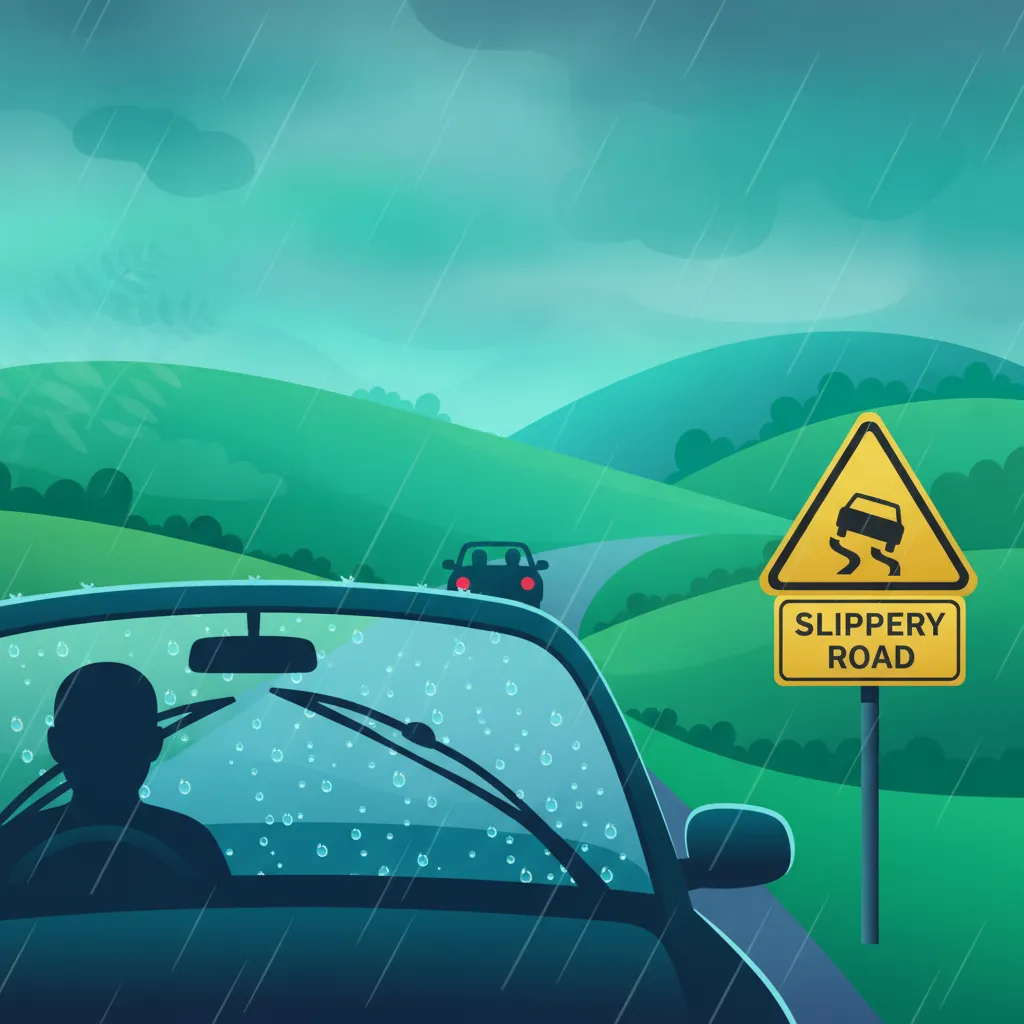
Wet roads, heavy winter fog, and strong lateral winds present major safety challenges for high-sided passenger vehicles in Ireland. This lesson explains how to prevent aquaplaning, double following distances on wet surfaces, and use fog lights correctly to maintain visibility. Drivers will learn handling adjustments to counteract sudden wind gusts when crossing exposed bridges or motorways.
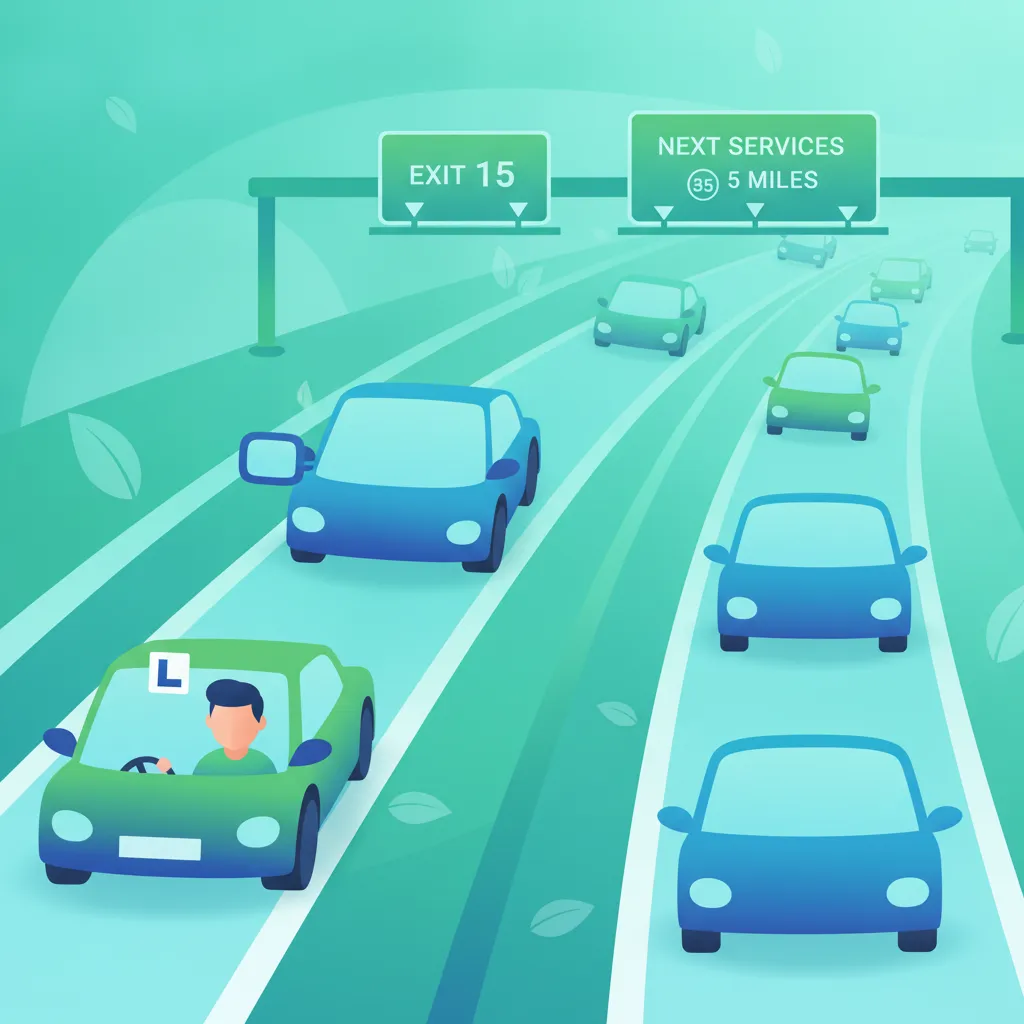
Motorway transport requires consistent forward planning, strict speed restriction compliance, and clear mirror checks before exiting lanes. This lesson details the rules of joining and leaving motorways, navigating toll plazas safely, and managing breakdowns on the hard shoulder. Drivers will learn to balance high-speed travel with passenger stability, ensuring a comfortable, secure ride.
Learn the essential relationship between scheduled preventative maintenance and vehicle dynamics for large passenger vehicles. This lesson provides an overview of how weight, passenger load, and systematic record-keeping influence braking distances, vehicle stability, and overall roadworthiness in line with official Irish commercial transport regulations.

As passenger numbers change throughout a service shift, a heavy vehicle suspension, center of gravity, and steering responsiveness adapt dynamically. This lesson covers load balancing, the physical risks of overloading, and how uneven weight distribution compromises stability during turns. Drivers will learn to perform regular axle weight assessments to comply with Irish transport safety rules.

This lesson explains the physical principles of weight distribution and axle overloading on heavy commercial vehicles. It examines how a high centre of gravity increases tipping risks during cornering and alters overall braking effectiveness. Drivers will discover methods for positioning cargo to distribute weight evenly, ensuring optimal steering control and stable vehicle dynamics.

The physical scale of a coach or bus generates significant momentum that demands extensive space to bring the vehicle to a safe stop. This lesson explains vehicle weight mechanics, the physics of kinetic energy, and how center of gravity affects chassis stability during stops. Drivers will learn to assess braking capacity, accounting for wet road conditions and high passenger counts.

The regulatory framework in Ireland imposes strict standards of operation, dimension limits, and speed boundaries on heavy passenger fleets. This lesson reviews vehicle registration tax context, commercial operator licensing laws, and mandatory annual vehicle roadworthiness testing. By understanding these statutory regulations, drivers avoid severe legal infractions and maintain their professional driving credentials.

Operating long-distance intercity services requires meticulous journey planning to satisfy passenger comfort and comply with driver rest regulations. This lesson covers schedule coordination, planning convenient rest stop locations, and managing driver alertness over extended periods. Drivers will learn to perform intermediate safety checks on passenger comfort systems during journey breaks.

Sudden or jerky vehicle movements can cause immediate discomfort or direct physical injuries to onboard passengers, particularly standing occupants. This lesson teaches progressive throttle control, gradual gear shifts, and smooth steering inputs that stabilize the heavy vehicle body. Drivers will master the technique of progressive braking to ensure comfortable, safe slowing actions at junctions.

Maintaining an extensive buffer zone ahead of a large passenger vehicle is critical to ensuring enough space for emergency maneuvers. This lesson teaches the time-gap method, detailing how following distances must double on wet roads or increase with full passenger loads. It builds hazard anticipation skills, teaching drivers to read distant traffic cues and react early to hazards.
Standing passengers face heightened safety risks due to sudden changes in bus velocity, turning forces, or abrupt stops. This lesson covers maximum standing capacity regulations, correct passenger distribution, and the importance of active handrail utilization. Drivers will learn how to adjust their braking and acceleration patterns to prevent slips, trips, and falls among standing occupants.
Maintaining cabin discipline is critical for preventing driver distractions and ensuring passenger transit remains completely safe and comfortable. This lesson teaches conflict resolution, proactive de-escalation techniques, and the roles of specialized escorts on school or medical transport. Drivers will learn to assess security threats on board and apply the appropriate response protocols under Irish laws.

Maintaining high levels of passenger satisfaction requires proactive management of the vehicle internal environment and driving style. This lesson teaches drivers how to control internal heating and ventilation systems, minimize harsh vibrations, and communicate route updates professionally. By optimizing passenger comfort, drivers prevent travel anxiety, reduce motion sickness, and deliver high-quality public service.
Find clear answers to common questions learners have about Road Safety Authority Guidelines. Learn how the lesson is structured, which driving theory objectives it supports, and how it fits into the overall learning path of units and curriculum progression in Ireland. These explanations help you understand key concepts, lesson flow, and exam focused study goals.
Daily walkaround checks are required to identify safety defects before a vehicle enters service. RSA guidelines state that these checks ensure the mechanical integrity of the bus or coach, protecting passengers and complying with road safety laws.
Driver CPC, or Certificate of Professional Competence, is a legal requirement for professional bus drivers. It ensures you have the necessary skills and safety knowledge; failing to maintain this periodic training can lead to penalties and inability to drive commercially.
While the exam focuses on theory, understanding that maintenance records are a legal requirement for every passenger vehicle is crucial. Examiners expect you to know that drivers have a duty of care to ensure their vehicle is properly serviced and documented.
Non-compliance can result in penalty points, significant fines, or the suspension of your licence. In a professional context, it may also lead to legal action against both the driver and the transport operator.
Use the practice question search tool to pinpoint specific topics, road signs, or rules you need to master for your official Driver Theory Test. Refine your study strategy and ensure comprehensive preparation for all aspects of the Irish driving exam. Start your focused revision now and build confidence for your learner permit test.