
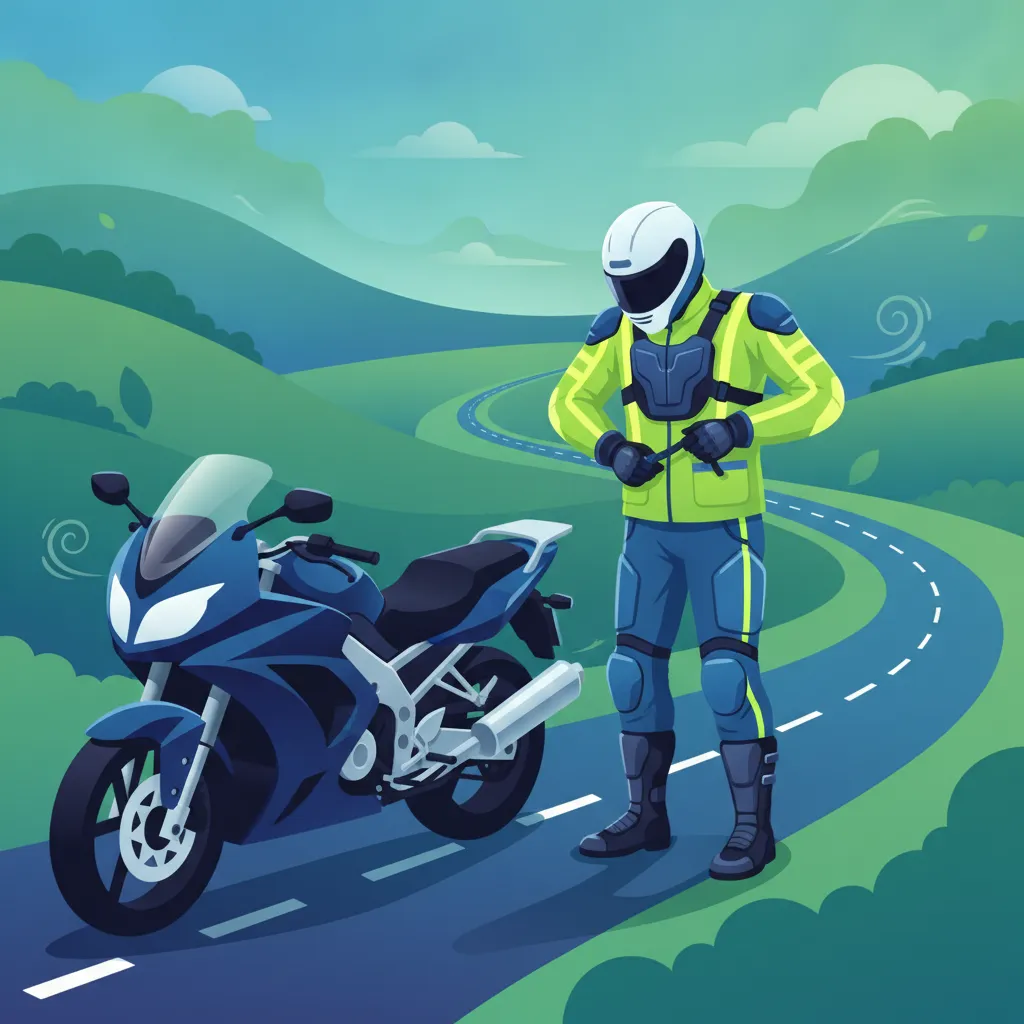
This unit is vital for any motorcyclist preparing for the Great Britain theory test and for safe riding practice. We'll cover the critical aspects of protective equipment, making yourself visible to others, and understanding how your physical and mental condition can impact your ability to ride safely. Mastering these areas is key to passing your test and staying safe on the road.
Browse all lessons that make up Protective Equipment, Visibility and Rider Condition. Each lesson focuses on specific topics, learning objectives, and core concepts, helping you build essential knowledge and follow a clear, structured progression toward your study goals in Great Britain.
This lesson details the importance of wearing a legally compliant and correctly fitted motorcycle helmet. It explains UK and European safety standards (like ECE 22.06), the different types of helmets available, and how to check for a secure fit. You will also learn about helmet maintenance, visor regulations, and when a helmet should be replaced to ensure it remains effective.
This lesson covers the range of personal protective equipment (PPE) beyond the helmet. It explains the functions of specialized jackets, trousers, gloves, and boots in protecting a rider from impact and abrasion. You will learn about CE ratings for armour and materials, helping you make informed choices about gear that enhances safety in all weather conditions.
A key aspect of motorcycle safety is being seen by others. This lesson teaches techniques to increase your conspicuity on the road. Topics include the strategic use of high-visibility and reflective clothing, correct use of headlights and daytime running lights, and adopting lane positions that place you in the direct line of sight of other drivers.
This lesson explores the connection between a rider's physical condition and their performance on the road. It discusses how factors like fatigue, illness, and dehydration can impair judgement, concentration, and reaction times. You will also learn about the legal requirement to inform the DVLA of certain medical conditions that could affect your fitness to ride.
This lesson covers the strict laws and significant safety risks associated with drink and drug riding. It explains the legal blood alcohol limits in Great Britain, the procedures for roadside testing, and the severe penalties for infringement, including fines, disqualification, and imprisonment. You will also learn how various substances, including some prescription medications, can dangerously impair your riding ability.
Explore high-intent keywords and long-tail search topics learners use when researching Protective Equipment, Visibility and Rider Condition. These terms reflect how people search for reliable study materials, structured explanations, and unit-level theory preparation support in Great Britain.
Find clear answers to the most common questions learners ask about Protective Equipment, Visibility and Rider Condition. Understand how the unit is organized, what learning goals it supports, and how it contributes to your study progression with structured explanations and practical guidance tailored for learners in Great Britain.
In Great Britain, all motorcyclists must wear a properly fitted helmet that complies with specific safety standards. Currently, these are ECE 22.05 or the newer ECE 22.06 regulations. Helmets must be securely fastened with the chinstrap. Wearing a helmet that doesn't meet these standards or is improperly fastened can lead to a failed theory test or penalty points.
While the Highway Code strongly advises wearing appropriate protective clothing such as abrasion-resistant jackets, trousers, gloves, and footwear, it is not legally mandated in the same way as helmets. However, for the theory test, you must understand the benefits and risks associated with not wearing suitable gear, as examiners assess your awareness of rider vulnerability.
To improve your visibility, wear bright or fluorescent clothing, especially during the day and in poor weather. Using your motorcycle's headlights at all times, maintaining a good road position where you can see and be seen, and making deliberate eye contact with other road users can also significantly enhance your visibility and safety.
Fatigue significantly impairs your reaction time, concentration, and decision-making abilities, similar to the effects of alcohol. Riding while tired can lead to dangerous mistakes and increase your risk of an accident. The theory test assesses your understanding of fatigue management and the importance of being alert and well-rested before riding.
Yes, the drink-drive and drug-drive limits in the UK apply equally to motorcyclists as they do to car drivers. Exceeding these limits can lead to severe penalties, including fines, licence disqualification, and imprisonment. It is crucial to understand these laws as they are a key part of the theory test, focusing on rider responsibility and safety.
While this unit focuses on the rider's condition, the overall safety of your ride also depends on your motorcycle's condition. Ensuring your bike is roadworthy, especially regarding brakes, tyres, and lights, is part of your responsibility as a rider. Questions about roadworthiness can appear in the theory test, as they are intrinsically linked to safe riding.
All included lessons
Lessons in Protective Equipment, Visibility and Rider Condition
See who benefits most from studying Protective Equipment, Visibility and Rider Condition. This overview explains how the unit supports different learning needs, what level of knowledge is helpful before starting, and how it fits into the overall study path in Great Britain.
This unit is essential for all learner motorcyclists in Great Britain preparing for their A, A1, or A2 licence theory test. It is particularly important for riders who may underestimate the impact of personal condition or visibility on safety, and for those seeking to build a strong foundation in defensive riding techniques.

Ready to prepare effectively for your DVSA driving theory test? Explore our structured courses and guided study paths. They cover every topic of the Great Britain Highway Code and official exam requirements, ensuring systematic learning and success.
Explore Driving Theory CoursesExplore all units and lessons included in this driving theory course.
Ready to prepare effectively for your DVSA driving theory test? Explore our structured courses and guided study paths. They cover every topic of the Great Britain Highway Code and official exam requirements, ensuring systematic learning and success.
Explore Driving Theory Courses