
This unit focuses on your vital responsibility as a driver to ensure your vehicle is safe and roadworthy. We'll cover essential checks for lights, tyres, and fluid levels, crucial for the 'show me, tell me' questions in your practical test. You'll also understand legal requirements for securing loads and ensuring passengers are safely restrained, preparing you for safe driving.
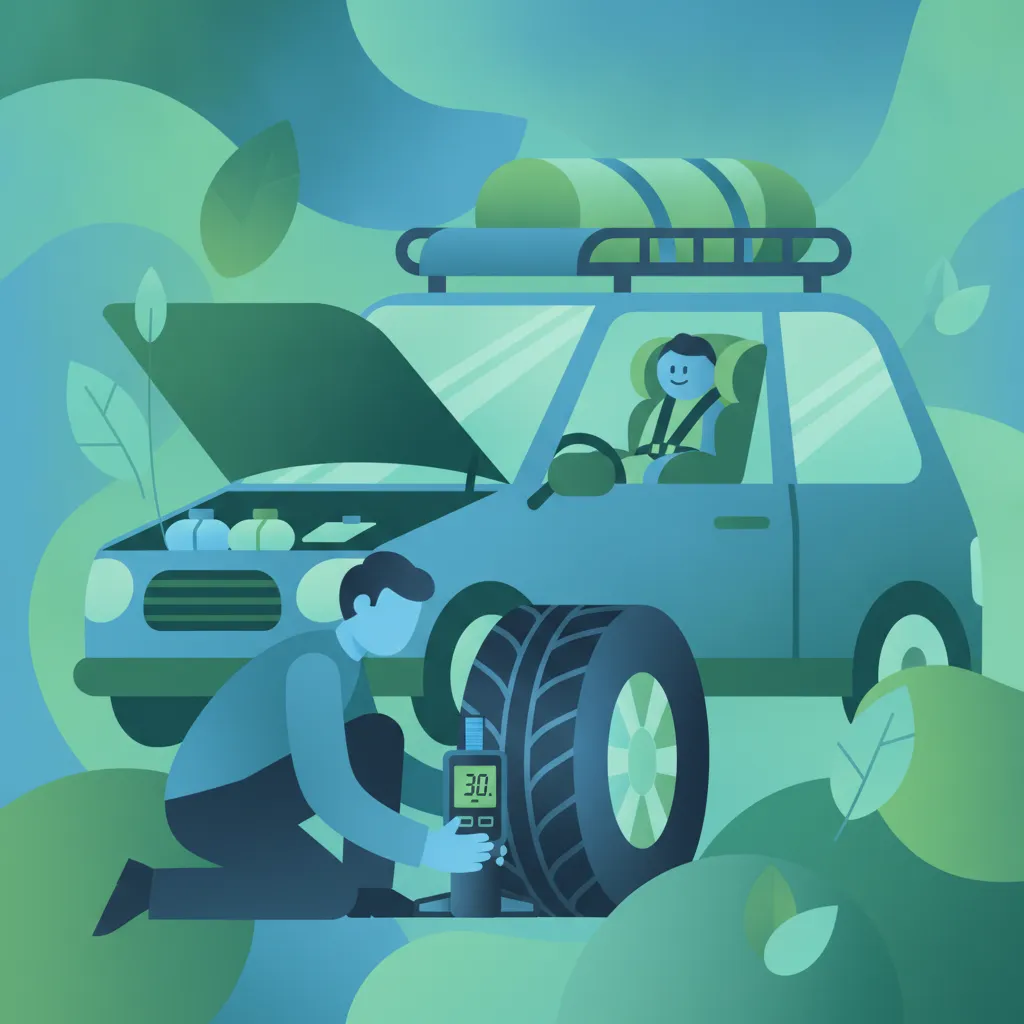
Browse all lessons that make up Vehicle Safety, Lights, Tyres, Loads and Passenger Safety. Each lesson focuses on specific topics, learning objectives, and core concepts, helping you build essential knowledge and follow a clear, structured progression toward your study goals in Great Britain.
This lesson explains the functions and legal requirements for all exterior vehicle lights. You will learn when it is appropriate to use dipped and main beam headlights, the specific conditions for using fog lights, and the correct application of hazard warning lights. Proper use of lighting is vital for seeing and being seen by other road users.
This lesson highlights the critical safety role of your vehicle's tyres. You will learn how to check for correct inflation pressure, which affects handling and fuel efficiency. It also explains the legal requirement for a minimum of 1.6mm of tread depth across the central three-quarters of the tyre and the importance of checking for any damage.
This lesson covers the principles of safe loading to prevent items from shifting or falling and causing a hazard. It explains that any load must be securely fastened and must not obstruct your view. You will also learn how overloading or distributing weight incorrectly can dangerously affect the vehicle's steering, braking, and overall stability.
This lesson details your legal responsibility for passenger safety. It covers the mandatory use of seatbelts for all occupants and explains the specific laws regarding child car seats, which are based on a child's height or weight. Correctly fitted head restraints and understanding how airbags work are also key components of passenger protection.
This lesson explains how to optimise your field of vision to be aware of your surroundings. It covers how to correctly adjust your interior and exterior mirrors to minimise blind spots. Crucially, it emphasizes that mirrors alone are not enough, and a direct 'head check' or 'shoulder check' is essential before manoeuvres like changing lanes or moving off.
Explore high-intent keywords and long-tail search topics learners use when researching Vehicle Safety, Lights, Tyres, Loads and Passenger Safety. These terms reflect how people search for reliable study materials, structured explanations, and unit-level theory preparation support in Great Britain.
Find clear answers to the most common questions learners ask about Vehicle Safety, Lights, Tyres, Loads and Passenger Safety. Understand how the unit is organized, what learning goals it supports, and how it contributes to your study progression with structured explanations and practical guidance tailored for learners in Great Britain.
The 'show me, tell me' questions in the practical driving test often cover checks like demonstrating how to switch on your headlights, indicators, and fog lights, and explaining how to check tyre pressure and tread depth. This unit provides the knowledge needed to confidently answer these questions and perform the checks correctly.
The legal minimum tyre tread depth for cars in Great Britain is 1.6mm across the central three-quarters of the breadth of the tyre. Insufficient tread significantly reduces grip, especially in wet conditions, and is a common reason for failing the MOT test and potentially the practical driving test if observed to be unsafe.
An unsecured load can shift during transit, affecting the vehicle's balance, steering, and braking. It can also pose a hazard to other road users if it falls off the vehicle. This unit explains how to properly secure different types of loads to maintain vehicle stability and prevent accidents.
Yes, the main legal requirement is that all passengers must wear a seatbelt if one is fitted. For children, there are specific rules regarding the type of child restraint (car seat or booster seat) that must be used based on their age and size. This unit details these vital passenger safety regulations.
Properly adjusted mirrors and awareness of blind spots are crucial for safe driving. They allow you to monitor your surroundings, check for other road users before changing direction or speed, and make informed decisions. This unit emphasizes the importance of using all mirrors effectively and checking blind spots regularly.
Regular checks should include engine oil, screenwash, coolant, and brake fluid. Low levels of these fluids can impact vehicle performance and safety. For example, low brake fluid can compromise your braking ability, and low screenwash can obscure your vision in adverse conditions.
All included lessons
Lessons in Vehicle Safety, Lights, Tyres, Loads and Passenger Safety
See who benefits most from studying Vehicle Safety, Lights, Tyres, Loads and Passenger Safety. This overview explains how the unit supports different learning needs, what level of knowledge is helpful before starting, and how it fits into the overall study path in Great Britain.
This unit is essential for all learners preparing for the Great Britain Category B driving theory test. It's particularly beneficial for those who want to understand the 'show me, tell me' questions thoroughly and for anyone who needs a refresher on vehicle safety checks before their practical test.

Ready to prepare effectively for your DVSA driving theory test? Explore our structured courses and guided study paths. They cover every topic of the Great Britain Highway Code and official exam requirements, ensuring systematic learning and success.
Explore Driving Theory CoursesExplore all units and lessons included in this driving theory course.
Ready to prepare effectively for your DVSA driving theory test? Explore our structured courses and guided study paths. They cover every topic of the Great Britain Highway Code and official exam requirements, ensuring systematic learning and success.
Explore Driving Theory Courses