
This lesson explores the essential relationship between a professional bus driver and the public, focusing on how your conduct maintains trust. It covers how a strong safety culture and proactive risk management are central to your role in passenger transport. This foundation is critical for the theory test and your future career in professional driving.

Lesson content overview
Operating a passenger vehicle, such as a bus, coach, or minibus, carries a profound responsibility extending beyond mere driving skills. It involves a fundamental commitment to upholding public trust and ensuring the welfare of every passenger. This lesson, designed for those pursuing a Great Britain Passenger Vehicle Theory – Bus, Coach and Minibus Drivers licence, explores the essential concepts that underpin safe, reliable, and trustworthy passenger transport services. We will delve into how professional drivers contribute to maintaining an impeccable reputation for the industry, fostering confidence among passengers, and meeting broader societal expectations.
At the heart of professional passenger transport lies the dual concept of public trust and passenger welfare. These are not merely abstract ideas but practical principles that dictate daily operations and long-term success.
Public trust represents the collective confidence that passengers, communities, and relevant stakeholders (including regulators and operators) place in the competence, reliability, and safety of a transport service and its drivers. This trust is built over time through consistent, safe, and professional service delivery. When the public trusts a transport service, they are more likely to use it, support its operations, and view it as a valuable community asset.
Passenger welfare encompasses the holistic wellbeing of all occupants during their journey. This includes, but is not limited to, their physical safety, comfort, mental ease, accessibility, and dignity. For a driver, ensuring passenger welfare means taking proactive steps to prevent harm, provide a comfortable environment, accommodate diverse needs, and treat everyone with respect. It extends beyond simply getting passengers from point A to B; it's about the quality and safety of that experience.
Public trust is indispensable for the sustainable operation of passenger transport services. Without it, patronage can decline, leading to financial instability for operators. More critically, a lack of trust can invite increased regulatory scrutiny, potentially resulting in stricter conditions, fines, or even the revocation of operating licenses. Conversely, a strong foundation of trust enhances the reputation of individual drivers and the entire industry, fostering a positive environment where services can thrive and evolve to meet community needs. High standards of passenger welfare directly inspire confidence, reduce complaints, and significantly mitigate liability risks for operators and drivers alike.
Professional drivers of Category D, D1, D1E, and DE vehicles operate within a framework of core principles designed to safeguard passenger welfare and maintain public trust. Understanding and embodying these principles is fundamental to a successful and responsible career.
A Duty of Care is a legal and ethical obligation to take reasonable steps to protect passengers from foreseeable harm. For a professional driver, this is a heightened duty due to the responsibility of transporting multiple individuals. It requires drivers to anticipate potential risks, act proactively to prevent accidents or injury, and adhere strictly to all safety procedures and regulations.
A legal and ethical obligation for a driver to take reasonable steps to protect passengers from foreseeable harm during transport.
Practically, this means conducting thorough pre-journey vehicle checks, employing safe and defensive driving practices, providing appropriate assistance to passengers with disabilities, and ensuring safe embarkation and disembarkation processes. It’s a continuous responsibility that goes beyond mere compliance with speed limits; it involves considering the mental and physical wellbeing of passengers at all times, including their comfort and accessibility needs, and being prepared for emergencies.
A Safety Culture represents the collective attitudes, values, and behavioural patterns within a transport organization that consistently prioritize safety. It's a shared mindset where safety is seen as everyone's responsibility, from management to every frontline driver.
The set of shared values, attitudes, and practices that prioritize safety within a transport organization and among its personnel.
Drivers play a crucial role in shaping and maintaining a positive safety culture. This involves reporting near-misses and hazards, actively participating in safety training, and adhering to established safety protocols without taking shortcuts, even under pressure. For example, a driver who reports a loose handrail or delays departure due to unsafe road conditions, despite schedule pressures, actively demonstrates a strong safety culture. This approach ensures that safety is embedded into daily practice and decision-making, leading to continuous improvement and a reduction in incidents.
Risk Management is the systematic process of identifying, assessing, and mitigating potential hazards that could compromise passenger welfare. This includes pinpointing what could go wrong, evaluating the likelihood and severity of harm, and implementing control measures to reduce those risks.
The systematic process of identifying, evaluating, and controlling hazards that may compromise passenger welfare.
For drivers, practical risk management means adjusting speed and driving style based on road conditions (e.g., wet or icy surfaces), planning routes to avoid known hazards or congested areas where possible, and ensuring proper load distribution within the vehicle. It also involves being vigilant for potential passenger-related risks, such as an elderly passenger struggling with steps or an unsupervised child moving unsafely within the vehicle. Effective risk management significantly reduces the probability of incidents and helps to mitigate potential liabilities, contributing to smoother, safer journeys.
Stakeholder Expectation refers to the anticipated standards of service, safety, and reliability held by various parties invested in the passenger transport service. These stakeholders include the passengers themselves, regulatory bodies like the Driver and Vehicle Standards Agency (DVSA), the operating company, and the wider community.
The anticipated standards of performance, safety, and service held by passengers, regulators, operators, and the public.
Meeting these expectations involves a broad range of actions: maintaining punctuality, providing courteous and helpful service, adhering to all traffic laws, and ensuring the vehicle is clean and well-maintained. Even seemingly minor breaches, such as failing to ensure seatbelt usage, can erode overall trust. Providing clear announcements about stops or potential delays, for instance, builds passenger confidence and aligns service delivery with expected standards.
Transparency and Accountability are vital for building and maintaining public confidence. Transparency means being open about operational procedures and communications, especially concerning safety. Accountability means a willingness to accept responsibility for safety outcomes and to learn from incidents.
Openness about operational practices, decisions, and incidents related to passenger safety and service.
The readiness to accept responsibility for actions and outcomes, particularly concerning safety and welfare, requiring accurate reporting and communication.
In practice, this involves accurate record-keeping, prompt and honest reporting of incidents (even near-misses), and clear communication with passengers regarding delays, service changes, or emergency procedures. For example, a driver must understand the legal obligation to report accidents involving passengers to the police and DVSA within statutory timeframes. This openness fosters trust and demonstrates a genuine commitment to passenger safety and welfare, allowing for quicker resolution of issues and adherence to legal requirements.
Professional Conduct refers to behaviour that consistently reflects competence, courtesy, integrity, and respect for passengers, the public, and other road users. It extends beyond technical driving ability to encompass the driver’s overall demeanour and interaction with others.
Behaviour that reflects competence, integrity, courtesy, and respect for passengers and the public, upholding high service standards.
This principle dictates using polite language, maintaining a helpful attitude, adhering to dress codes, and strictly following all traffic laws. Professional conduct includes offering assistance to passengers with reduced mobility, ensuring children are safely seated, and calmly managing challenging situations. It significantly influences passenger perception, contributes to overall safety, and reinforces the high service standards expected from passenger vehicle drivers. Assuming that technical driving skill alone constitutes professionalism is a common misunderstanding; the softer skills of interaction and respect are equally, if not more, important in building trust.
Professional drivers of buses, coaches, and minibuses operate under a robust legal framework designed to ensure the highest standards of safety and welfare for their passengers. Understanding these primary legal requirements is not merely about compliance, but about embodying the duty of care central to their role.
The Highway Code contains specific rules that directly address passenger vehicle operations. Rule 226 explicitly states that bus drivers must ensure passengers are safely on and off the vehicle. This mandatory rule underpins safe boarding and alighting procedures, requiring drivers to verify that all passengers are safely seated or have fully disembarked before moving off. Failing to do so can result in serious injury and legal repercussions.
The Driver and Vehicle Standards Agency (DVSA) sets out comprehensive standards for operator licensing. Section 8 of the Operator Licensing standards mandates that operators must have a written safety policy that includes explicit passenger welfare procedures. While this directly applies to the operator, drivers are the frontline implementers of this policy. Drivers must be familiar with their operator's safety manual, participate in regular audits, and integrate these procedures into their daily routine. The DVSA also outlines specific driver duties for passenger transport, requiring continuous monitoring of passenger behaviour and intervention if safety is compromised. This means actively ensuring passengers remain seated when the vehicle is in motion or holding onto supports if standing, and addressing any potentially unsafe conduct.
Several regulations govern the physical aspects of passenger vehicles to ensure safety:
The Equality Act 2010 – Schedule 4 is a cornerstone of inclusive transport in the UK. It places a mandatory legal duty on operators and drivers to make reasonable adjustments to ensure disabled persons can use services effectively and safely. This includes offering assistance to passengers with reduced mobility, providing clear audible and visual announcements for those with sensory impairments, and ensuring that ramps or lifts are fully functional and used correctly. Ignoring requests for assistance or treating passengers differently due to their protected characteristics is a violation of this act and can lead to severe penalties and reputational damage.
Negligence or reckless behaviour by a driver that results in passenger injury can have severe consequences under general law:
Understanding the regulations is one step; applying them correctly in dynamic driving situations is another. Many incidents stem from common operational oversights that can be easily avoided through diligent professional conduct.
Violation: Allowing passengers to board or alight while the vehicle is still moving, or moving off before passengers are safely settled. Why it's Wrong: This is a direct breach of the Highway Code Rule 226 and poses an immediate risk of trips, falls, and serious injury, especially on uneven or slippery surfaces. Correct Behaviour: Always bring the vehicle to a complete stop, fully open the doors, and allow passengers to safely board or alight. Verify that all boarding passengers are seated or holding onto supports, and that alighting passengers are clear of the vehicle before closing doors and moving off.
Violation: Failing to properly secure wheelchairs, mobility scooters, or strollers. Why it's Wrong: Unsecured items can shift significantly during braking, acceleration, or turning. This can injure the occupant, other passengers, or even affect the vehicle's stability, increasing the risk of an accident. Correct Behaviour: Before starting the journey, use all designated restraints and securing devices for wheelchairs, scooters, and strollers. Double-check that they are firmly in place and that the passenger is comfortable and safe. If any restraint appears faulty, do not proceed until it is resolved.
Violation: Allowing standing passengers in designated "no standing" zones or during harsh acceleration/braking. Why it's Wrong: Standing passengers are more susceptible to losing balance and sustaining injuries during sudden movements of the vehicle. Overloading the vehicle beyond its rated capacity is also a serious violation. Correct Behaviour: Clearly communicate to passengers where it is safe to stand and encourage them to use handrails. If the vehicle is accelerating or braking, remind standing passengers to hold on or take a seat if available. Always verify passenger count before departure, especially during busy periods or special events, and refuse to carry excess passengers to avoid compromising handling, braking distances, and emergency evacuation procedures.
Violation: Neglecting to make clear announcements for upcoming stops, especially for visually or hearing-impaired passengers, or ignoring requests for assistance. Why it's Wrong: This reduces accessibility, causes distress, and can lead to passengers missing their stops or feeling discriminated against, violating the Equality Act 2010. Correct Behaviour: Utilise both audible and visual announcement systems for stops. If the system is not working, make clear verbal announcements. Be attentive to passengers who may need assistance (e.g., elderly, disabled, those with pushchairs) and offer help proactively and courteously, ensuring ramps or lifts are deployed correctly.
Violation: Engaging in prolonged passenger conversations or ignoring vehicle defects. Why it's Wrong: Distracted driving, even by seemingly benign interactions, diverts attention from the road, significantly increasing the risk of an accident. Ignoring defects, such as a loose handrail or a faulty seatbelt, jeopardises passenger safety. Correct Behaviour: Maintain professional but brief communication with passengers, focusing primary attention on driving. Report any vehicle defects immediately through the operator's reporting system. Perform routine pre-journey safety checks diligently, including visual checks of seatbelts and passenger-facing equipment.
Effective passenger welfare extends to adapting driving practices and passenger management to various environmental and operational conditions. A professional driver must always consider how external factors influence safety and comfort.
Public trust and passenger welfare are inextricably linked to a driver’s professional conduct and adherence to safety protocols. Every action, or inaction, has a direct impact on these critical elements.
Adherence to the Duty of Care, coupled with proactive Risk Management, directly translates into fewer accidents and injuries. This consistent delivery of safe journeys builds high Passenger Confidence and fosters a positive public perception of the transport service. Conversely, any neglect of Safety Culture principles—such as cutting corners or ignoring hazard warnings—can lead to increased incident frequency, eroding trust and potentially resulting in significant legal penalties and reputational damage. When drivers embody Professional Conduct, communicate clearly, and uphold Transparency and Accountability, they actively contribute to a robust public trust that benefits everyone.
The principles discussed in this lesson are not static. The transport industry, road conditions, and passenger expectations evolve. Therefore, professional drivers must commit to continuous learning and improvement. This involves staying updated with the latest DVSA guidance, participating in ongoing training, and actively contributing to the safety culture of their organisation by reporting observations and suggesting improvements. A proactive approach to safety and welfare ensures that passenger transport services remain reliable, trusted, and safe for all.
Remember that the ultimate goal is not just to comply with rules, but to create an environment where every passenger feels safe, respected, and confident in the service provided.
Explore all units and lessons included in this driving theory course.
Lesson content overview
Explore all units and lessons included in this driving theory course.
Explore search topics learners often look for when studying Public Trust and Passenger Welfare. These topics reflect common questions about road rules, driving situations, safety guidance, and lesson level theory preparation for learners in Great Britain.
Browse additional driving theory lessons that cover connected traffic rules, road signs, and common driving situations related to this topic. Improve your understanding of how different rules interact across everyday traffic scenarios.
Explore the legal and ethical Duty of Care for professional drivers in Great Britain. Understand how this obligation ensures passenger welfare, safety, and builds public trust in transport services.
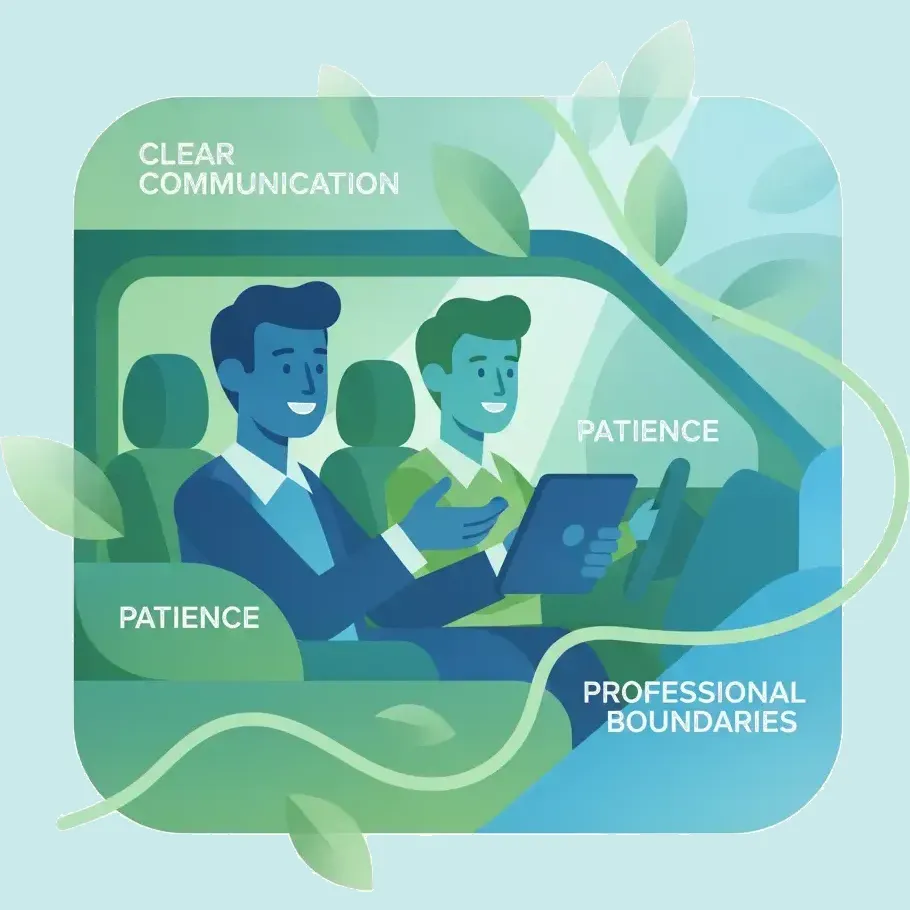
This lesson examines the professional duties and ethical standards expected of passenger vehicle drivers, highlighting the duty of care owed to passengers and other road users. It covers the importance of maintaining professional standards, adhering to ethical conduct, and fostering public confidence through responsible behaviour. The content addresses industry accountability mechanisms and outlines how drivers are expected to act with integrity and respect for passenger wellbeing.

This lesson defines the critical duty of care that professional goods vehicle drivers owe to the public, their cargo, and their workplace. It covers how professional standards and industry codes of practice contribute to accident prevention and a positive safety culture. Learners will understand that this responsibility extends beyond personal safety to include protecting vulnerable road users and maintaining the integrity of the goods being transported, which is crucial for professional trust.

This lesson details your legal responsibility for passenger safety. It covers the mandatory use of seatbelts for all occupants and explains the specific laws regarding child car seats, which are based on a child's height or weight. Correctly fitted head restraints and understanding how airbags work are also key components of passenger protection.

This lesson provides a thorough understanding of the core safety principles required to protect passengers. It covers secure seating, safe standing zones, and the proper handling of passenger luggage to prevent hazards. Learners will also identify the location and use of emergency equipment, understand seatbelt compliance, and learn how to conduct on-board safety briefings. The focus is on risk assessment and hazard identification to maintain a secure environment for all passengers.

This lesson focuses on the legal and practical requirements for providing accessible transport for passengers with reduced mobility. It covers wheelchair access, ramp usage, and securement devices, as well as procedures for safely assisting passengers with mobility aids. The discussion highlights relevant disability legislation and the importance of proper loading and unloading protocols to protect both passengers and the driver from injury, ensuring compliance with accessibility standards in Great Britain.
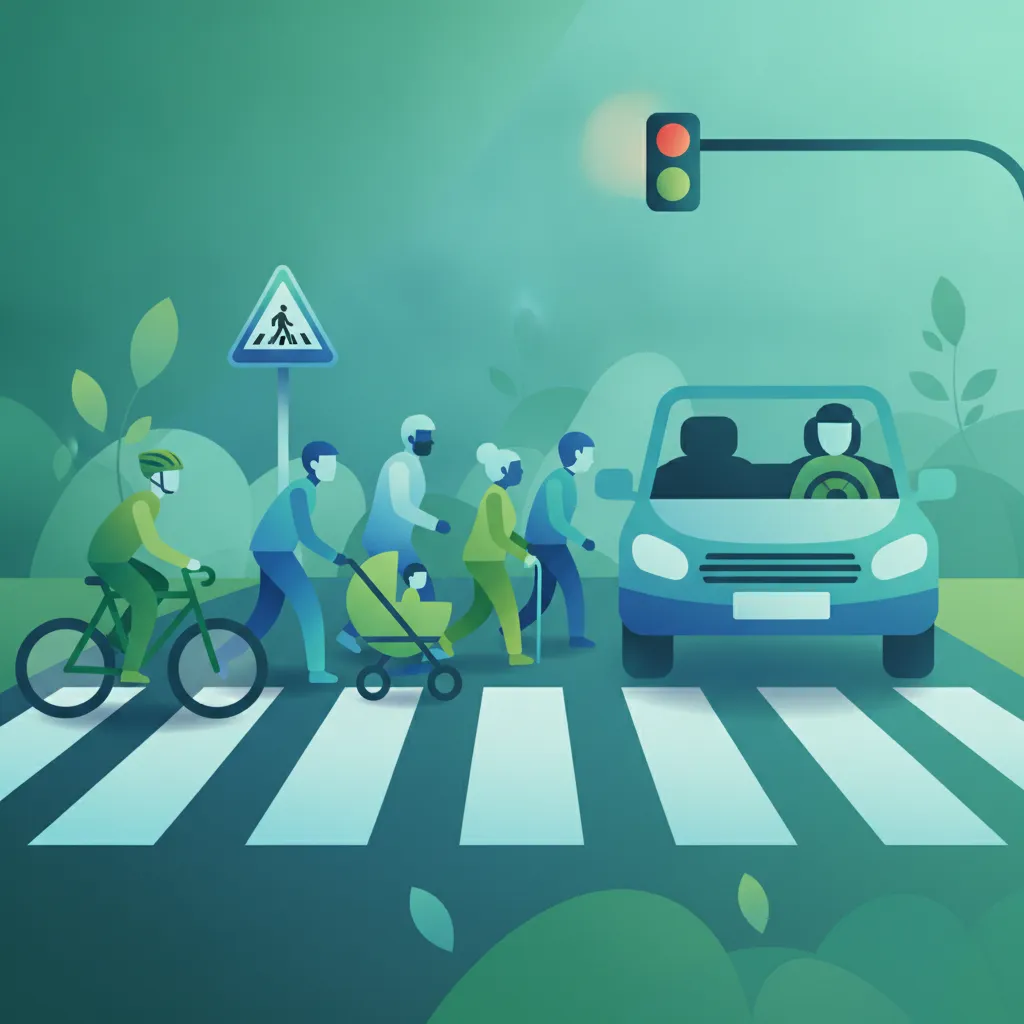
This lesson focuses on a driver's legal and ethical duty of care to all road users. It explains the concept of a road user hierarchy, which prioritizes the safety of vulnerable groups such as pedestrians, cyclists, and motorcyclists. You will learn the principles of defensive driving, anticipating potential hazards, and maintaining a courteous attitude on the road to ensure safety for everyone.

This lesson addresses the serious safety risk of driver fatigue. It explains the warning signs of tiredness and provides strategies for managing it through proper rest and lifestyle choices. The content details the legal requirements under the drivers' hours and working time directive regulations, including the correct use of the tachograph to record rest periods. Maintaining good health, diet, and sleep hygiene is emphasized as fundamental to ensuring a driver is always fit to be on the road.

This concluding lesson reinforces the concept of a positive safety culture and the need for continuous professional development. It explains how drivers contribute to safety by being proactive, conducting thorough risk assessments, and reporting near-misses. The role of the Driver CPC (Certificate of Professional Competence) in ongoing training is highlighted. The lesson encourages drivers to learn from passenger feedback and adhere to company standards, striving for excellence and the highest levels of safety in their daily work.

This lesson explores safe boarding protocols, focusing on correct door operation, managing internal passenger movement, and providing assistance for passengers with reduced mobility. It emphasizes the importance of establishing safety zones near doorways, managing standing passengers during boarding, and using audible alarms. The lesson also covers the proper sequence for wheelchair boarding and the use of loading bays to ensure smooth passenger flow and minimize risks during the boarding process.

This lesson emphasizes that professional drivers are ambassadors for their company and the entire logistics industry. It covers the importance of maintaining a professional appearance and attitude, communicating clearly and courteously with customers and the public, and handling deliveries efficiently. Developing strong customer service and conflict resolution skills can enhance company reputation and contribute to a more positive working environment for everyone.
Learn about establishing a robust safety culture and effective risk management strategies for bus and coach drivers. Focuses on enhancing passenger welfare and maintaining public trust in Great Britain.
This concluding lesson reinforces the concept of a positive safety culture and the need for continuous professional development. It explains how drivers contribute to safety by being proactive, conducting thorough risk assessments, and reporting near-misses. The role of the Driver CPC (Certificate of Professional Competence) in ongoing training is highlighted. The lesson encourages drivers to learn from passenger feedback and adhere to company standards, striving for excellence and the highest levels of safety in their daily work.
This lesson provides a thorough understanding of the core safety principles required to protect passengers. It covers secure seating, safe standing zones, and the proper handling of passenger luggage to prevent hazards. Learners will also identify the location and use of emergency equipment, understand seatbelt compliance, and learn how to conduct on-board safety briefings. The focus is on risk assessment and hazard identification to maintain a secure environment for all passengers.
This lesson explores safe boarding protocols, focusing on correct door operation, managing internal passenger movement, and providing assistance for passengers with reduced mobility. It emphasizes the importance of establishing safety zones near doorways, managing standing passengers during boarding, and using audible alarms. The lesson also covers the proper sequence for wheelchair boarding and the use of loading bays to ensure smooth passenger flow and minimize risks during the boarding process.
This lesson examines the professional duties and ethical standards expected of passenger vehicle drivers, highlighting the duty of care owed to passengers and other road users. It covers the importance of maintaining professional standards, adhering to ethical conduct, and fostering public confidence through responsible behaviour. The content addresses industry accountability mechanisms and outlines how drivers are expected to act with integrity and respect for passenger wellbeing.
This lesson addresses the serious safety risk of driver fatigue. It explains the warning signs of tiredness and provides strategies for managing it through proper rest and lifestyle choices. The content details the legal requirements under the drivers' hours and working time directive regulations, including the correct use of the tachograph to record rest periods. Maintaining good health, diet, and sleep hygiene is emphasized as fundamental to ensuring a driver is always fit to be on the road.
This lesson focuses on the legal and practical requirements for providing accessible transport for passengers with reduced mobility. It covers wheelchair access, ramp usage, and securement devices, as well as procedures for safely assisting passengers with mobility aids. The discussion highlights relevant disability legislation and the importance of proper loading and unloading protocols to protect both passengers and the driver from injury, ensuring compliance with accessibility standards in Great Britain.

This lesson explores the role of driver communication and public interaction in providing a high level of service. Learners will discuss effective communication techniques, handling customer inquiries, and managing potential conflicts. The lesson emphasizes the impact of a professional demeanor, clear safety messaging, and high hospitality standards on passenger perception and overall service quality. Mastering these interpersonal skills enhances trust and ensures a smoother operation on and off the road.

This lesson addresses the critical importance of child safety in school transport zones and around school buses. It covers the specific regulations, such as 20 mph speed limits and stopping restrictions indicated by zigzag lines. Learners will focus on the unpredictable nature of children and the need for heightened vigilance and readiness to stop unexpectedly. The content also includes procedures for the safe transport of pupils, ensuring their security both inside and outside the vehicle.

This lesson focuses on alighting strategies and correct bus stop positioning to ensure passengers can exit the vehicle safely. Learners will investigate precise kerb alignment, the use of alighting alarms, and procedures for safe passenger disembarkation. Additionally, it covers the critical need for traffic awareness during alighting, such as monitoring mirrors and surrounding traffic, using stop signs, and prioritising the safety of vulnerable road users who may be near the bus.

This lesson details the immediate actions a driver must take in the event of an accident or on-board emergency. It covers how to protect the scene, use hazard warning lights, and contact the emergency services via 999 or 112, providing clear and concise information. The content also includes the location and use of the first aid kit and fire extinguisher. It emphasizes the driver's role in calmly assisting passengers and cooperating with emergency responders upon their arrival.
Find clear answers to common questions learners have about Public Trust and Passenger Welfare. Learn how the lesson is structured, which driving theory objectives it supports, and how it fits into the overall learning path of units and curriculum progression in Great Britain. These explanations help you understand key concepts, lesson flow, and exam focused study goals.
Professional driving is not just about vehicle control; it involves managing public service reliability and safety. The exam tests this to ensure drivers understand that their actions directly affect public confidence in the transport network.
Prioritising welfare encourages smoother acceleration, braking, and steering. It means driving with awareness of the passenger experience rather than just focusing on reaching the destination quickly.
A safety culture means consistently applying procedures and behaviours that put passenger wellbeing first, even when under pressure. It is about proactively identifying risks rather than just reacting to incidents.
Communication and professional conduct are key. Keeping passengers informed and remaining calm reinforces that the driver is in control, which helps maintain trust despite the inconvenience.
Dive into our comprehensive question bank to find exactly what you need for your Great Britain theory test. Use our advanced filters to pinpoint specific subjects or test your knowledge on challenging areas, ensuring you're fully prepared for success.