
Driving Theory
Lorries & HGVs

Great Britain Driving Theory: Lorries, Blind Spots, & Wide Turns

Prepare for your DVSA theory test by practicing scenarios involving lorries, their blind spots, and wide turns on Great Britain's diverse roads. This set helps you understand the Highway Code rules for safe interaction with large vehicles, from urban streets to motorways, ensuring you can make informed, safe judgements and pass your driving theory exam with confidence.
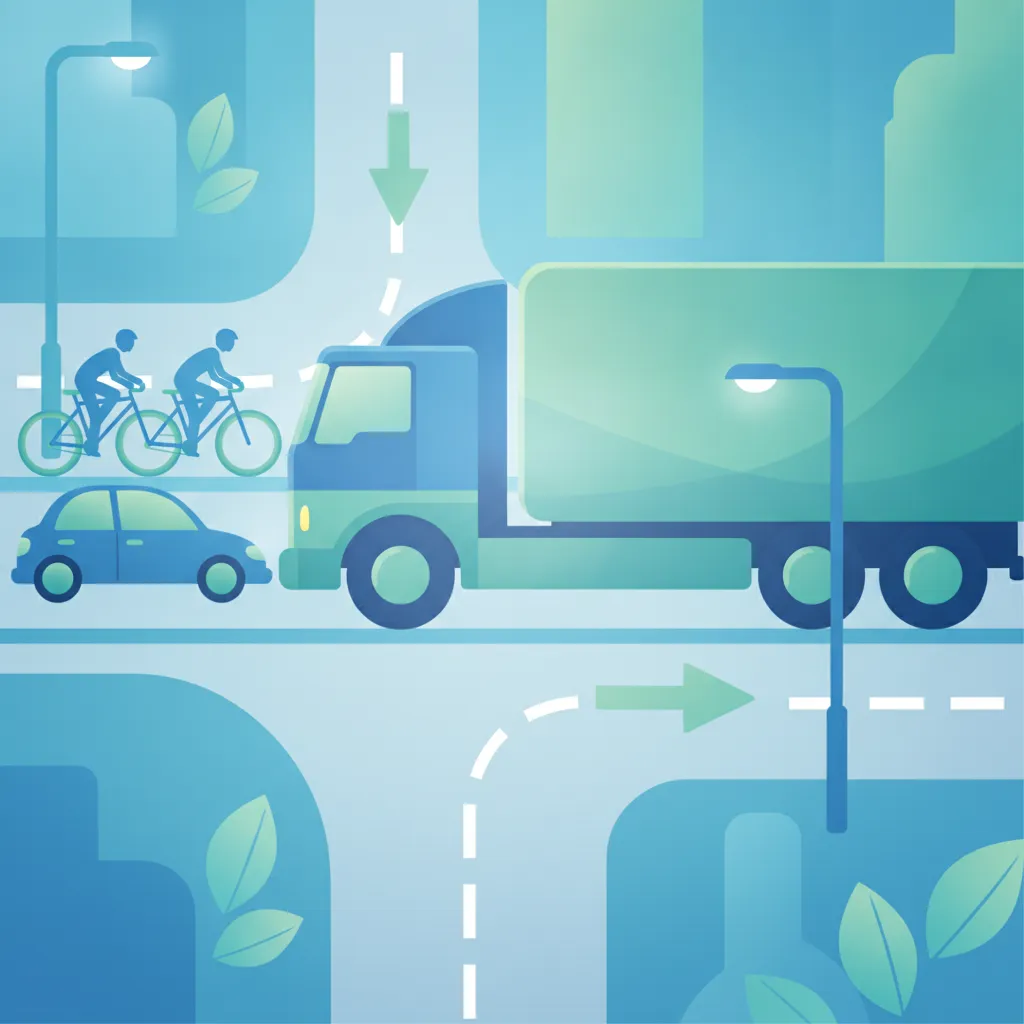
lorriesHGVsblind spotswide turnstail swingovertakingmotorwaysjunctionshazard perceptionsafe driving
Great Britain Driving Theory: Lorries, Blind Spots, & Wide Turns

Master Safe Driving Around Lorries

Prepare for your DVSA theory test with this focused revision set. It covers crucial scenarios for safely interacting with lorries, including blind spots and wide turns, enhancing your understanding of hazard perception and driving theory practice for the Great Britain exam.

Improve your understanding of how to safely interact with lorries and other large vehicles. This set covers various scenarios, from urban junctions to motorways, highlighting the unique challenges presented by HGVs, their blind spots, and the space they require for wide turns, ensuring you're ready for the Great Britain driving theory exam.

Example Questions in Lorries & Blind Spots

Preview sample questions from the Lorries & Blind Spots practice set to see how they help you prepare for the driving theory exam in Great Britain.

HGV in bus laneCyclist and lorry left turnFollowing lorry dual carriagewayLorry stopping distanceLorry obscuring viewOvertaking lorry rural laneOvertaking lorry and lane disciplineLorry at a roundaboutRain and lorry brakingLorry motorway lane usageTail swing from stationary lorryLorry overtaking wind effectPressure to overtake lorryLorry wide left turnHGV blind spot for pedestrians

Why Learners Search for Lorries & Blind Spots When Preparing for the Theory Exam

Learners choose Lorries & Blind Spots to improve accuracy and understanding of key exam themes in Great Britain. It offers realistic driving theory questions and targeted revision for effective preparation.

lorry blind spots theory test questions Great Britainhow to safely overtake HGV UK driving testwide turns by lorries Highway Code rulesstopping distance for large vehicles GB driving theorysharing road with lorries urban driving quizhazard perception lorries and cyclistsDVSA theory test questions heavy goods vehicles

Questions Learners Have About Lorries & Blind Spots

Find answers to the most common queries learners have when practising Lorries & Blind Spots, including how questions match the official theory exam in Great Britain, how scoring works, and how this practice improves exam readiness.

Why are lorries' blind spots particularly dangerous for car drivers?

Lorries have much larger blind spots than cars, especially down the sides and immediately in front or behind. If you're in one of these zones, the lorry driver may not be able to see you, increasing the risk of collision, particularly during merges or turns.

How much extra space should I give a lorry when it's turning?

Lorries often need to take up more than one lane, or swing out, to make a turn, especially at tight junctions. You should always give them plenty of room and avoid trying to squeeze past, as their 'tail swing' could easily catch you out. Be patient and wait until they have completed their manoeuvre safely.

What should I consider when overtaking a lorry on a motorway?

When overtaking a lorry on a motorway, ensure you have ample space to complete the manoeuvre safely. Lorries create significant air turbulence and spray in wet weather, and they have longer stopping distances. Pass quickly but smoothly, and allow plenty of room before moving back into the left-hand lane.

Do lorries have different stopping distances than cars?

Yes, lorries, especially when heavily laden, require significantly longer stopping distances than cars. This is due to their weight and momentum. Always maintain a large safe following distance when behind a lorry, particularly in adverse weather conditions or at higher speeds.

How does the Highway Code advise drivers to interact with large vehicles?

The Highway Code advises car drivers to be aware of the special characteristics of large vehicles, such as their blind spots, restricted manoeuvrability, and longer stopping distances. It emphasises patience, giving plenty of space, and anticipating their movements, especially at junctions and when overtaking.

Skills You Will Build for the Driving Theory Exam

By completing Lorries & Blind Spots, you will gain stronger rule knowledge, faster recognition of signs and situations, better decision making in traffic scenarios, and increased accuracy on exam style questions used in Great Britain. These outcomes directly support higher scoring exam performance.

Understand the significant blind spots of lorries and how to avoid them.
Recognise the increased stopping distances required by large goods vehicles (HGVs).
Anticipate wide turns and 'tail swing' from lorries at junctions and roundabouts.
Learn safe techniques for overtaking large vehicles on dual carriageways and motorways.
Develop judgement for sharing the road effectively with lorries in various British road conditions.
Apply Highway Code rules to real-road situations involving large vehicles.

Deepen Your Understanding of Lorries and Large Vehicles

Expand your revision by exploring more practice sets focused on lorries, blind spots, and wide turns. Continuing your topic revision helps solidify your knowledge for effective exam preparation.

Lorries, Blind Spots, and Wide Turns

Lorries & Wide Turns

Learn how to safely share the road with HGVs, avoid blind spots, and anticipate wide turns.

large vehiclesblind spotshighway code
18 questionsView details
Understanding Lorries: Blind Spots, Wide Turns, and Overtaking

Lorries: Blind Spots & Wide Turns

Master the Complexities of Driving Safely Around Large Vehicles

lorriesHGVsblind spots
27 questionsView details
Driving Judgement on Great Britain Country Lanes and Single-Track Roads

Country Lanes & Single-Track Roads

Mastering GB Country Lanes: Navigate with Confidence and Skill.

Country lanesSingle-track roadsRural driving
22 questionsView details
Real-Road Judgement Practice for Your GB Theory Test

Real-Road Judgement

Sharpen Your Instincts: Navigate Everyday British Road Hazards with Confidence
Hazard perceptionRoad judgementDVSA theory test
24 questionsView details
Junctions, Crossroads, and Turning Judgement for Great Britain

Junctions & Turning

Build confident junction and turning judgement for your DVSA theory test.

junctionscrossroadsturning
41 questionsView details
Junctions, Crossroads, and Turning: Common Mistakes in Great Britain

Junctions & Turning GB

Navigate UK Junctions with Confidence: Avoid Tricky Theory Test Traps.

junctionscrossroadsturning
12 questionsView details

Questions in Lorries & Blind Spots

Exam focused questionss

0

Difficulty Level

How This Driving Theory Practice Helps You Pass Faster

Lorries & Blind Spots offers quick, focused exam style practice to boost your British knowledge for the driving theory exam in Great Britain.

Reduce common mistakes when encountering lorries in traffic.
Boost your confidence in assessing risks around large vehicles.
Improve your hazard perception skills for scenarios involving HGVs.
Gain a deeper understanding of specific Highway Code rules for large vehicles.
Increase your chances of passing the DVSA theory test by mastering this critical topic.

Who Should Practise Lorries & Blind Spots?

Lorries & Blind Spots helps learners in Great Britain with clear explanations and targeted British practice to improve essential driving theory topics.

This practice set is for learner drivers in England, Scotland, and Wales preparing for their DVSA theory test. If you find interactions with large vehicles challenging or are unsure about their road behaviour, this set will help you develop crucial hazard perception and judgement skills for safe driving around lorries.

Start Practice

Start Targeted Practice for Your Theory Test

Explore specific Great Britain driving theory practice categories to master key subjects. Identify your weak areas and focus your revision on road signs, hazard perception, or traffic laws. Begin your targeted preparation now and build confidence for your official DVSA exam.

Browse Practice Categories

CTA Decorative Squares

Practice British driving theory questions

British road signsBritish article topicsGB AM Moped Theory courseSearch British road signsMotorcycle Theory GB courseGB Category B Theory courseBritish driving theory homeBritish road sign categoriesBritish driving theory topicsGB Goods Vehicle Theory courseSearch British theory articlesBritish driving theory coursesBritish driving theory articlesBritish driving theory practiceBritish practice set categoriesGB Passenger Vehicle Theory courseBritish driving licence proceduresSearch British driving theory practiceBritish driving theory terminology A–ZBritish driving theory terms and glossaryGreat Britain Sign Symbols British road sign categoryGreat Britain Warning Signs British road sign categoryGreat Britain Hazard Plates British road sign categoryGreat Britain Tourist Signs British road sign categoryGreat Britain Motorway Signs British road sign categoryGreat Britain Direction Signs British road sign categoryGreat Britain Diversion Signs British road sign categoryGreat Britain Regulatory Signs British road sign categoryGreat Britain Low Bridge Signs British road sign categoryGreat Britain Motorway Signals British road sign categoryGreat Britain Speed Limit Signs British road sign categoryGreat Britain Information Signs British road sign categoryGreat Britain Bus and Cycle Signs British road sign categoryGreat Britain Level Crossing Signs British road sign categoryGreat Britain Pedestrian Zone Signs British road sign categoryGreat Britain Traffic Light Signals British road sign categoryGreat Britain Parking and Loading Signs British road sign categoryGreat Britain Roadworks and Temporary Signs British road sign category