
Prepare for your DVSA theory test by tackling challenging junction and turning scenarios in Great Britain. This practice set covers common learner mistakes, from negotiating busy box junctions to safely emerging from side roads. Improve your understanding of the Highway Code, sharpen your observation skills, and learn to make safe, decisive choices on all types of British roads.
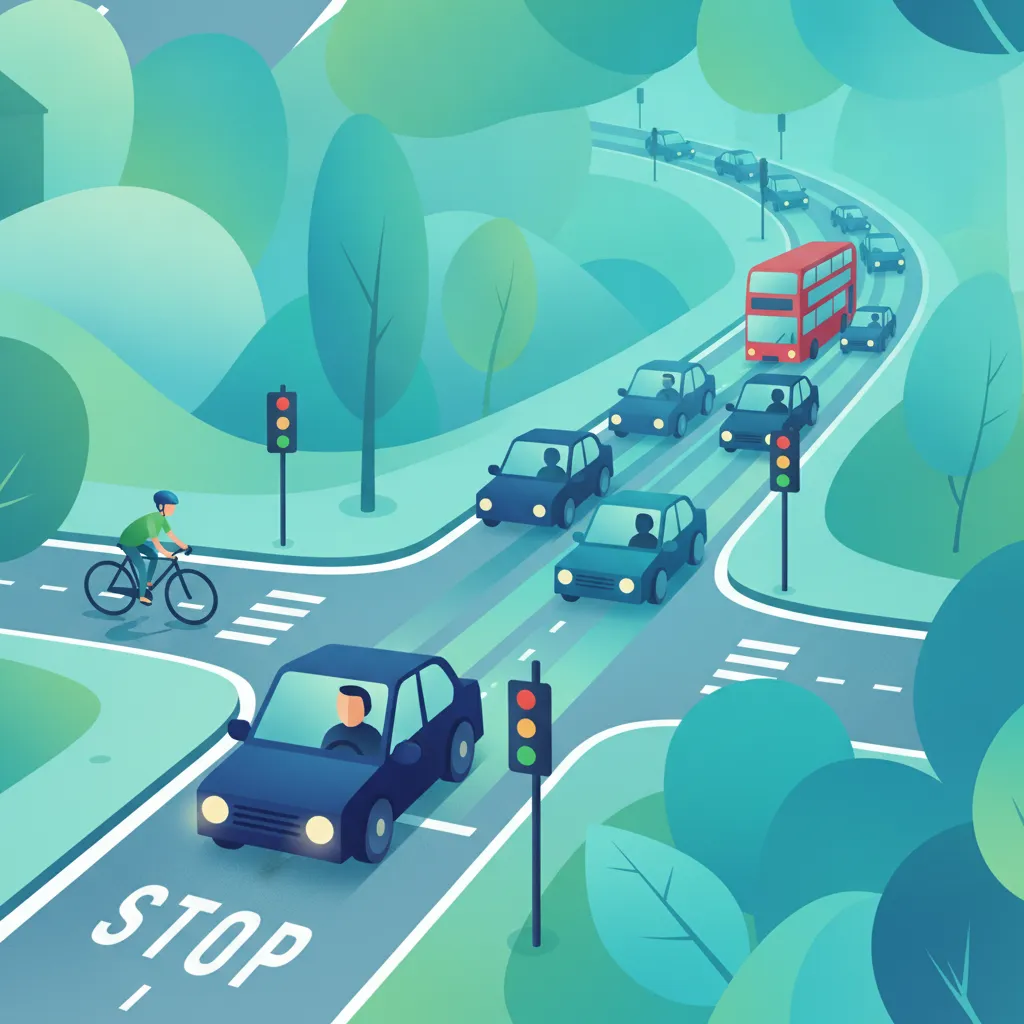
Prepare for your driving theory test by mastering tricky junctions, crossroads, and turning scenarios. This practice set highlights common errors and essential Highway Code rules, building your confidence for both the exam and real-world driving in Great Britain.
This practice set delves into the nuances of negotiating junctions, crossroads, and turns, focusing on scenarios where new drivers often get caught out. It covers right turns, emerging from side roads, box junctions, and the critical importance of observation and safe gap selection, preparing you for real-world driving and the DVSA theory test.
Preview sample questions from the Junctions & Turning GB practice set to see how they help you prepare for the driving theory exam in Great Britain.
Learners choose Junctions & Turning GB to improve accuracy and understanding of key exam themes in Great Britain. It offers realistic driving theory questions and targeted revision for effective preparation.
Find answers to the most common queries learners have when practising Junctions & Turning GB, including how questions match the official theory exam in Great Britain, how scoring works, and how this practice improves exam readiness.
When turning right, you must give way to oncoming traffic and any pedestrians crossing the road you are entering. Position your vehicle correctly in the centre of the road (or right-hand lane if marked) and wait for a safe gap, without cutting the corner.
You MUST NOT enter a yellow box junction unless your exit road or lane is clear. The only exception is if you are turning right and are only stopped by oncoming traffic or other vehicles waiting to turn right.
At an unmarked crossroads, no one has priority. You should slow down, look carefully both ways, and be prepared to stop. Only proceed when it is safe to do so, giving way to any traffic already emerging or pedestrians.
Safe gap selection means ensuring there is enough time and space to join the main road without causing other road users to slow down, swerve, or stop. This requires accurate observation of speed and distance of approaching vehicles.
Yes. When turning left, you should keep well to the left of the road. When turning right, you should generally keep to the centre of the road or the right-hand lane if marked, to allow vehicles to pass on your left if they are continuing straight or turning left.
Junctions involve complex decision-making, observation, anticipation, and correct road positioning, often under pressure. Learners must accurately judge speed and distance, understand priority rules, and react to unpredictable actions of other road users, which requires significant practice.
By completing Junctions & Turning GB, you will gain stronger rule knowledge, faster recognition of signs and situations, better decision making in traffic scenarios, and increased accuracy on exam style questions used in Great Britain. These outcomes directly support higher scoring exam performance.
Continue your focused theory test practice by exploring sets covering related junction and turning scenarios. Reinforce your knowledge of priority rules and common mistakes to enhance your exam preparation and real-world driving confidence.

Build confident junction and turning judgement for your DVSA theory test.

Master Tricky Junction Scenarios and Avoid Common DVSA Theory Test Traps
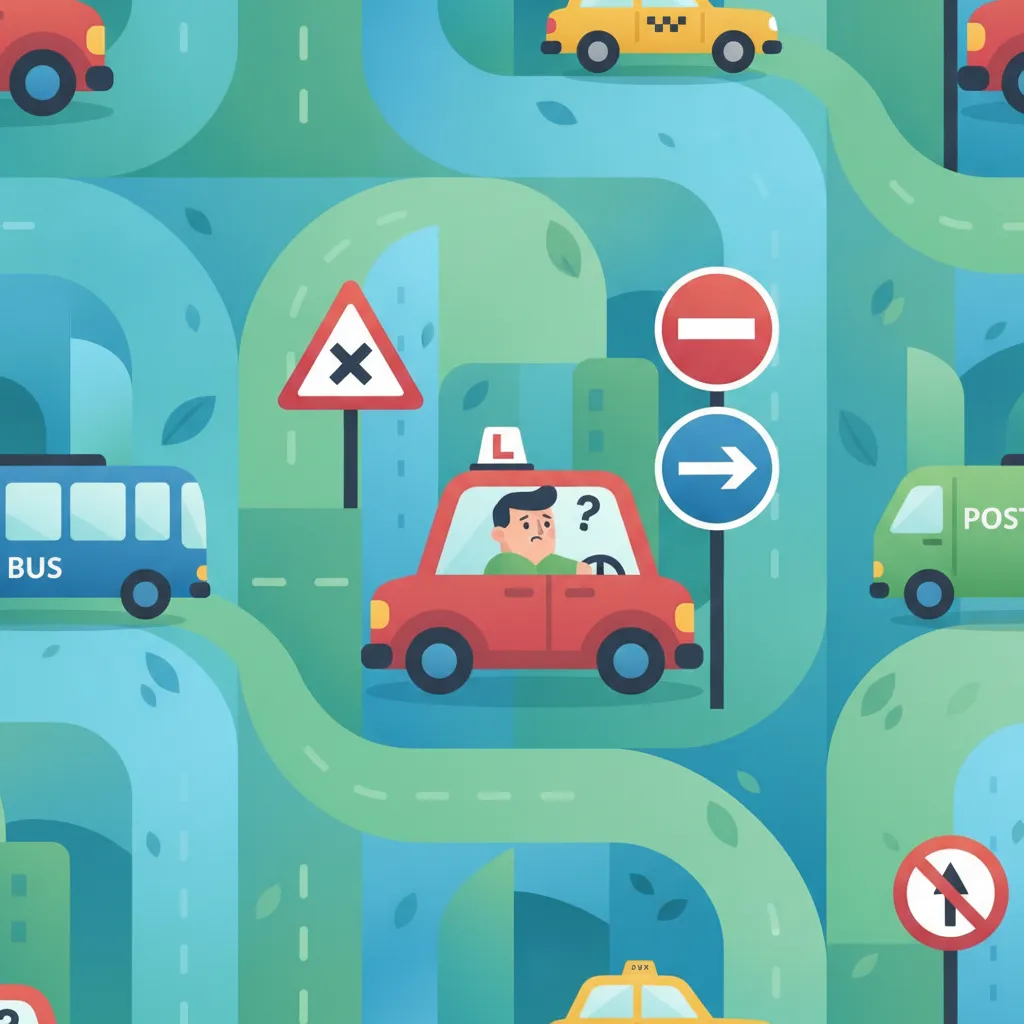
Navigate Complex Junctions and Priority Scenarios with Confidence.
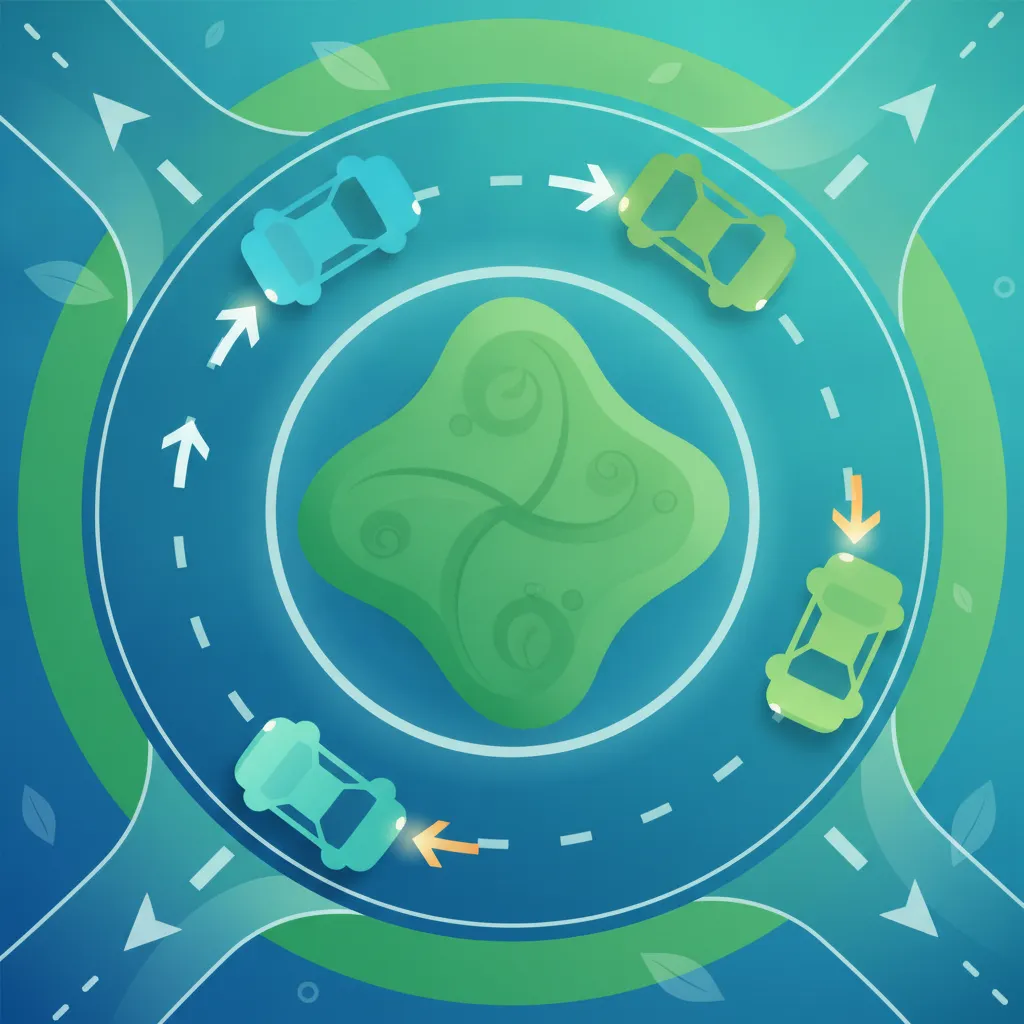
Navigate British Roundabouts with Confidence: Avoid Tricky Traps and Edge Cases.

Navigate British Roundabouts with Confidence and Precision.
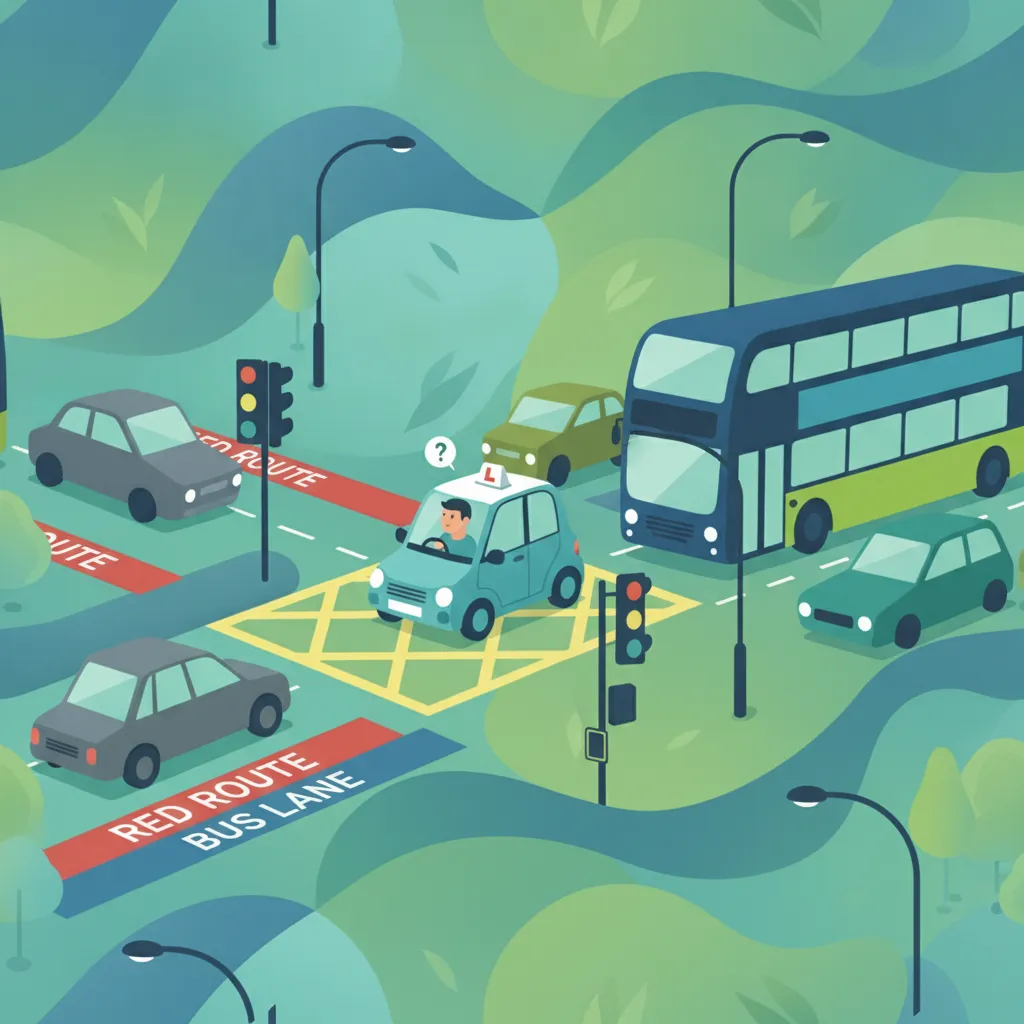
Master Tricky Urban Rules and Avoid Common DVSA Theory Test Traps
Questions in Junctions & Turning GB
Exam focused questionss
Junctions & Turning GB offers quick, focused exam style practice to boost your British knowledge for the driving theory exam in Great Britain.
Junctions & Turning GB helps learners in Great Britain with clear explanations and targeted British practice to improve essential driving theory topics.
This set is ideal for learner drivers in England, Scotland, and Wales preparing for their DVSA theory test, especially those who find junctions confusing or frequently make common turning mistakes. It targets provisional licence holders looking to solidify their understanding of the Highway Code's rules for complex intersections and ensure they can apply them under exam pressure.
Explore more topics for the British driving theory exam in Great Britain.
Explore specific Great Britain driving theory practice categories to master key subjects. Identify your weak areas and focus your revision on road signs, hazard perception, or traffic laws. Begin your targeted preparation now and build confidence for your official DVSA exam.
Browse Practice Categories