The 'Articulated vehicles prohibited' sign (622.4) is a regulatory traffic sign that issues a strict instruction you must obey. It means that vehicles with a trailer, such as long lorries or certain car-and-caravan combinations, are forbidden from proceeding past this point or onto the road ahead. This sign is crucial for managing traffic flow and safety on roads where larger vehicles may cause danger or congestion. Always check for supplementary plates that might indicate specific times or vehicle types the prohibition applies to.
This sign indicates a mandatory prohibition for articulated vehicles, crucial for your theory test revision. Understanding its specific meaning and context is vital for safe driving and passing your exam.
This regulatory sign is part of the legal control of the road. It may require a driver to stop, give way, keep to a direction, avoid a movement, stay out of a restricted area, or respect a vehicle-specific rule. In practice, the sign should be read with the stop line, lane markings, road layout, and any supplementary plates so the instruction is obeyed before the controlled point. It is listed in the catalogue as code 622.4.
"Articulated vehicles prohibited" gives a binding instruction, restriction, or prohibition. The driver must understand who it applies to, where it starts, and whether any exception is shown before continuing.
Get clear, practical answers to the most common questions about the 622.4 - Articulated vehicles prohibited road sign. Learn how the sign works, what rules it represents, and how it affects real driving situations. This FAQ strengthens your understanding and supports accurate decision making for the British driving theory exam in Great Britain.
This sign means that articulated vehicles, which are vehicles with a trailer that can pivot, are not allowed to proceed beyond the sign. This prohibition is a legal requirement you must follow when driving in Great Britain.
It specifically applies to articulated vehicles. This typically includes lorries with semi-trailers, but could also apply to other combinations where the trailer is detachable and pivots, depending on the specific road and signage context. Always consider if your vehicle combination falls under this definition.
Yes, exceptions might be indicated on supplementary plates below the main sign. These could specify times of day, specific types of articulated vehicles, or reasons (like local access) for which the prohibition doesn't apply. If no exceptions are shown, the prohibition is absolute for articulated vehicles.
If you are driving an articulated vehicle and there are no exceptions indicated, you must not proceed past the sign. You should stop before the controlled point and find an alternative, legal route that does not involve passing the sign. Ignoring this sign is a driving offence.
While the primary target is typically large goods vehicles, the definition of an articulated vehicle can sometimes extend to other combinations depending on the pivot point. If you are towing a caravan or trailer and are unsure whether your vehicle combination is considered 'articulated' by the road authority in this context, it's safest to assume it might be prohibited and look for an alternative route or seek clarification if safe to do so.
A common trap is assuming the sign only applies to large lorries; it could apply to other vehicle combinations. Learners might also overlook supplementary plates, incorrectly assuming the prohibition doesn't apply to them. Always read the main sign and any accompanying plates carefully.
A clear reference image of the 622.4 - Articulated vehicles prohibited road sign used in Great Britain.
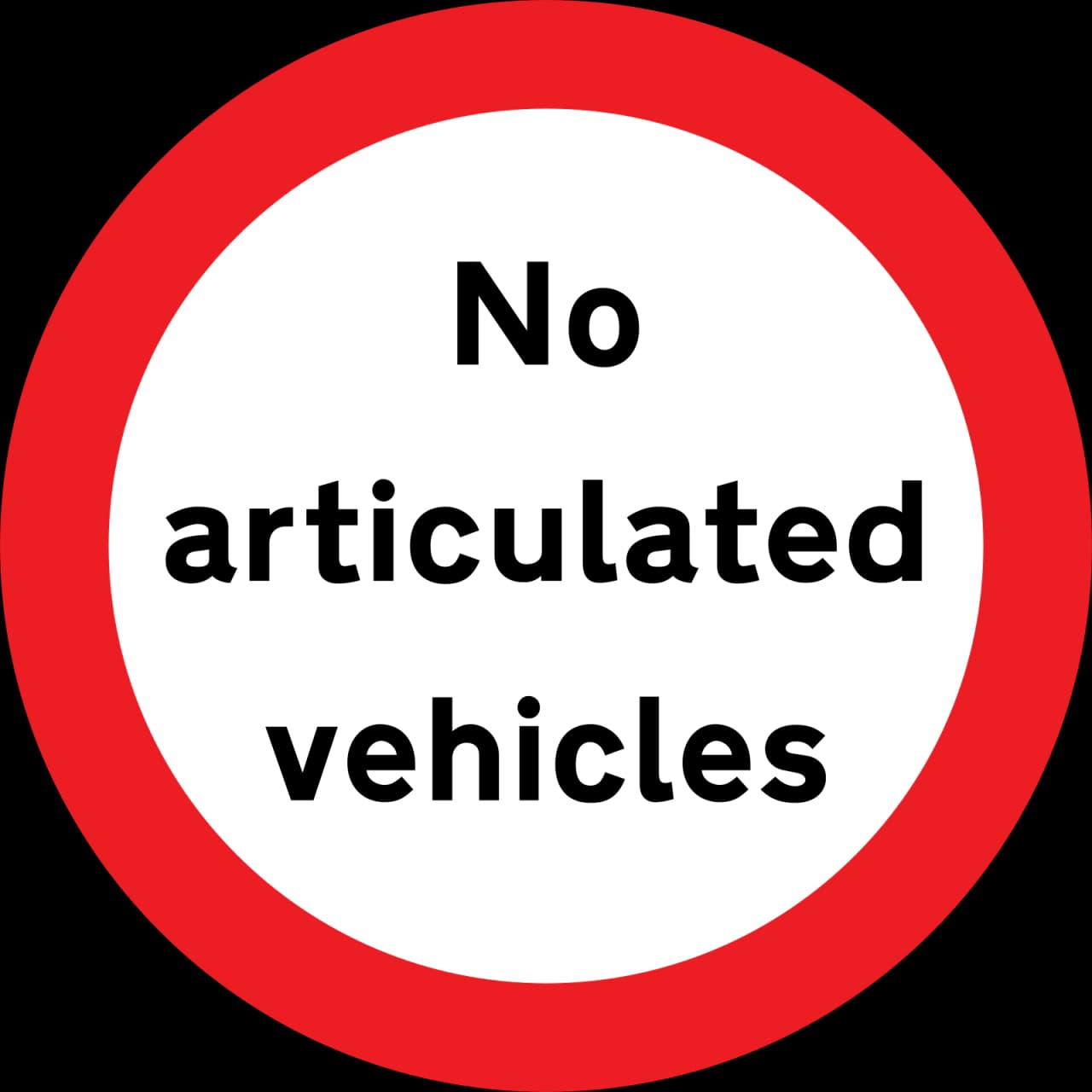
The 622.4 - Articulated vehicles prohibited road sign may also be known by these alternative names or terms.
The 622.4 - Articulated vehicles prohibited road sign is part of the Great Britain Regulatory Signs category, which groups together signs with similar rules and functions.
Mastering traffic sign recognition is key for your theory test revision. Comparing signs like 'Articulated vehicles prohibited' with similar regulatory signs helps you understand nuances and avoid common errors, improving your overall sign recognition for the exam.

Understand the 'Stop at Major Road' sign (601.1) and know when to stop.

You must give way to traffic on the major road ahead.
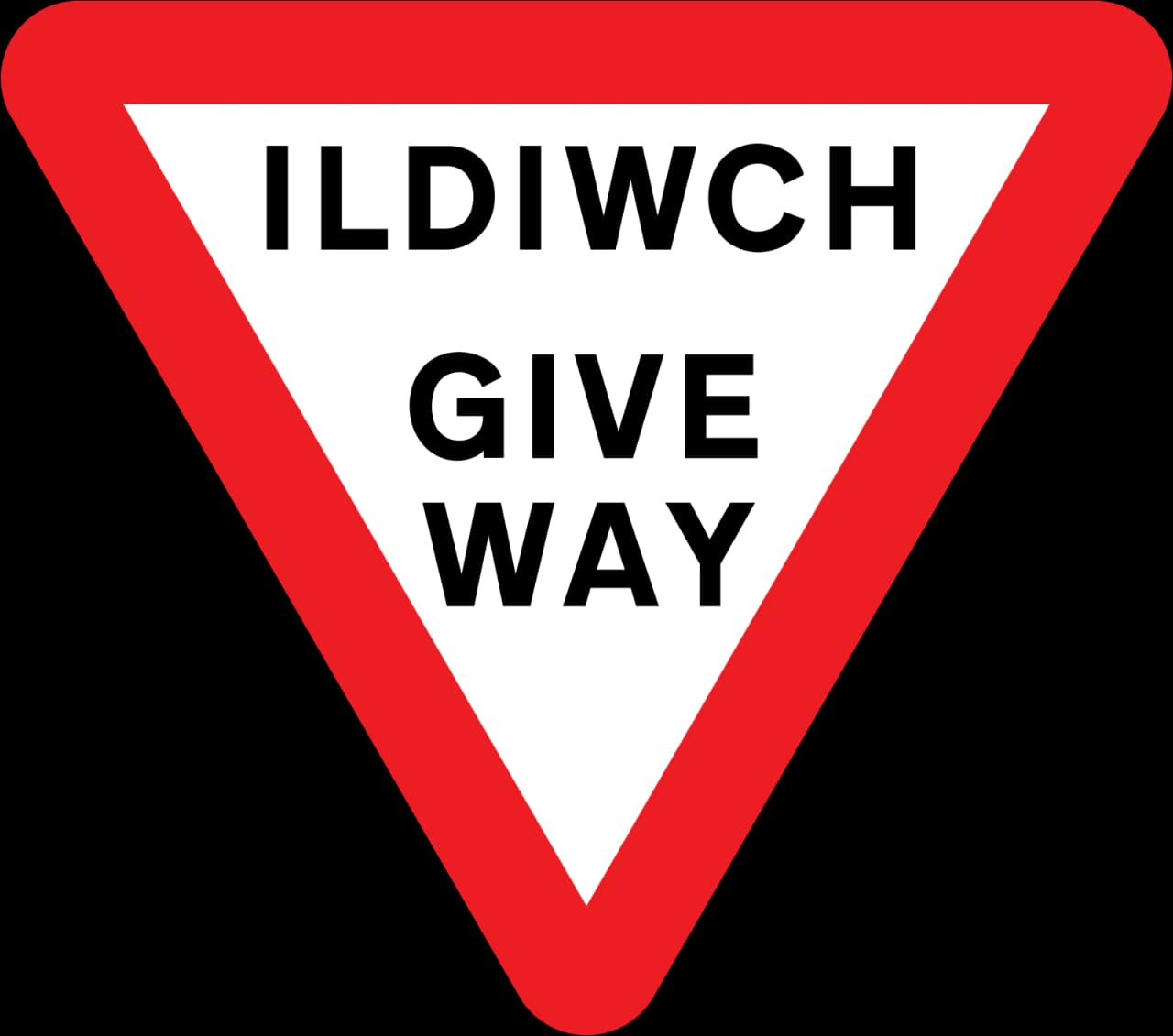
Understand the 'Give Way to Major Road Traffic' sign (602-WLS) and its rules in Great Britain.

Understand the 'Stop, Children Crossing Ahead' Handheld Sign

Mandatory Left Turn: Understand the 606 'Vehicular Traffic Must Turn Left' Sign
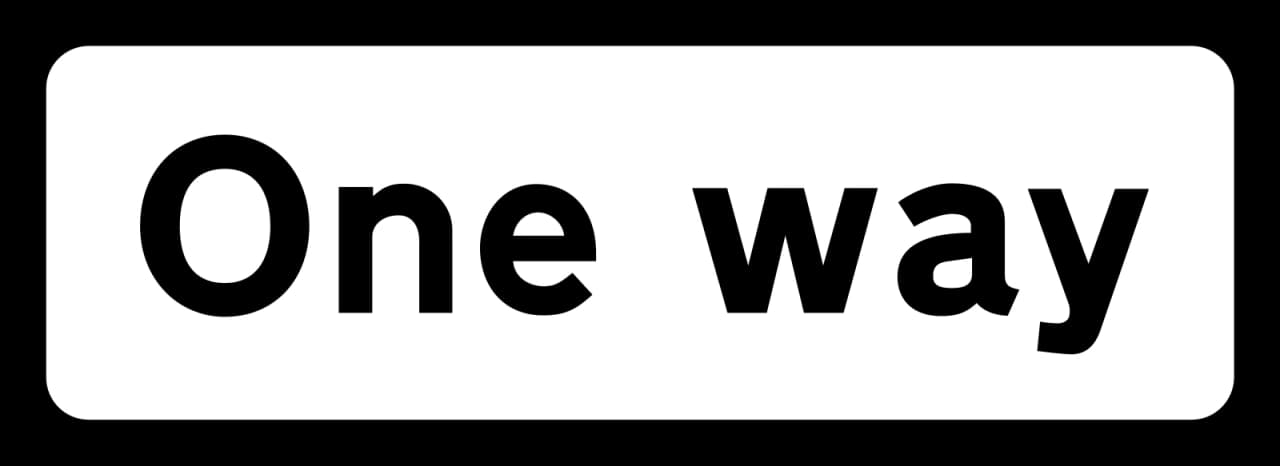
Understand the 607 One-Way Plate: A Binding Regulatory Traffic Sign
Master the Dual Carriageway Plate (608) Regulatory Sign

Mandatory Turn Ahead: You Must Follow the Arrow's Direction
After reviewing the full list of road signs, challenge yourself with practice questions focused specifically on sign recognition. Reinforce your learning and ensure you're fully prepared to identify and understand all traffic signs on the DVSA theory test.
Browse All GB Road Signs List