This section covers Great Britain's regulatory road signs, which are crucial for your driving theory test and everyday safety. These signs provide mandatory instructions, restrictions, and priority rules that you must obey. By learning to identify and interpret them correctly, you'll ensure you comply with the law, avoid fines, and contribute to smoother traffic flow.
An explanation of how Great Britain Regulatory Signs road signs apply in real traffic situations in Great Britain. Learn where these signs are typically placed, what drivers are expected to do when they appear, and how correct reactions help you stay safe, avoid fines, and succeed in your British driving theory exam.
Regulatory signs are frequently encountered across Great Britain's road network, from busy urban centres to quieter rural routes. You'll see them at junctions, where traffic management is in place, or to control specific types of vehicles or behaviours. For example, 'no right turn' signs are common to prevent congestion at busy intersections, while 'stop' and 'give way' signs are ubiquitous at junctions with major roads to ensure safety and order. You will also encounter signs restricting vehicle types, such as 'no goods vehicles over 7.5t' on weight-restricted bridges or 'motor vehicles prohibited' in certain zones. Understanding these signs means paying close attention to their location and any supplementary plates that might offer exceptions, such as allowing access for loading or for premises with no other route. Failing to comply can result in immediate penalties or dangerous situations.
An overview of the key learning outcomes when studying the Great Britain Regulatory Signs road sign category. Understand the main concepts, sign meanings, and traffic situations covered here so you can recognise patterns, answer theory questions more confidently, and build a solid foundation for safe driving in Great Britain.
This collection covers essential Great Britain regulatory signs that dictate mandatory instructions, prohibitions, and priority rules. Studying these traffic signs together helps you understand how to navigate complex situations and comply with legal requirements, which is crucial for your driving theory test revision and safe driving.
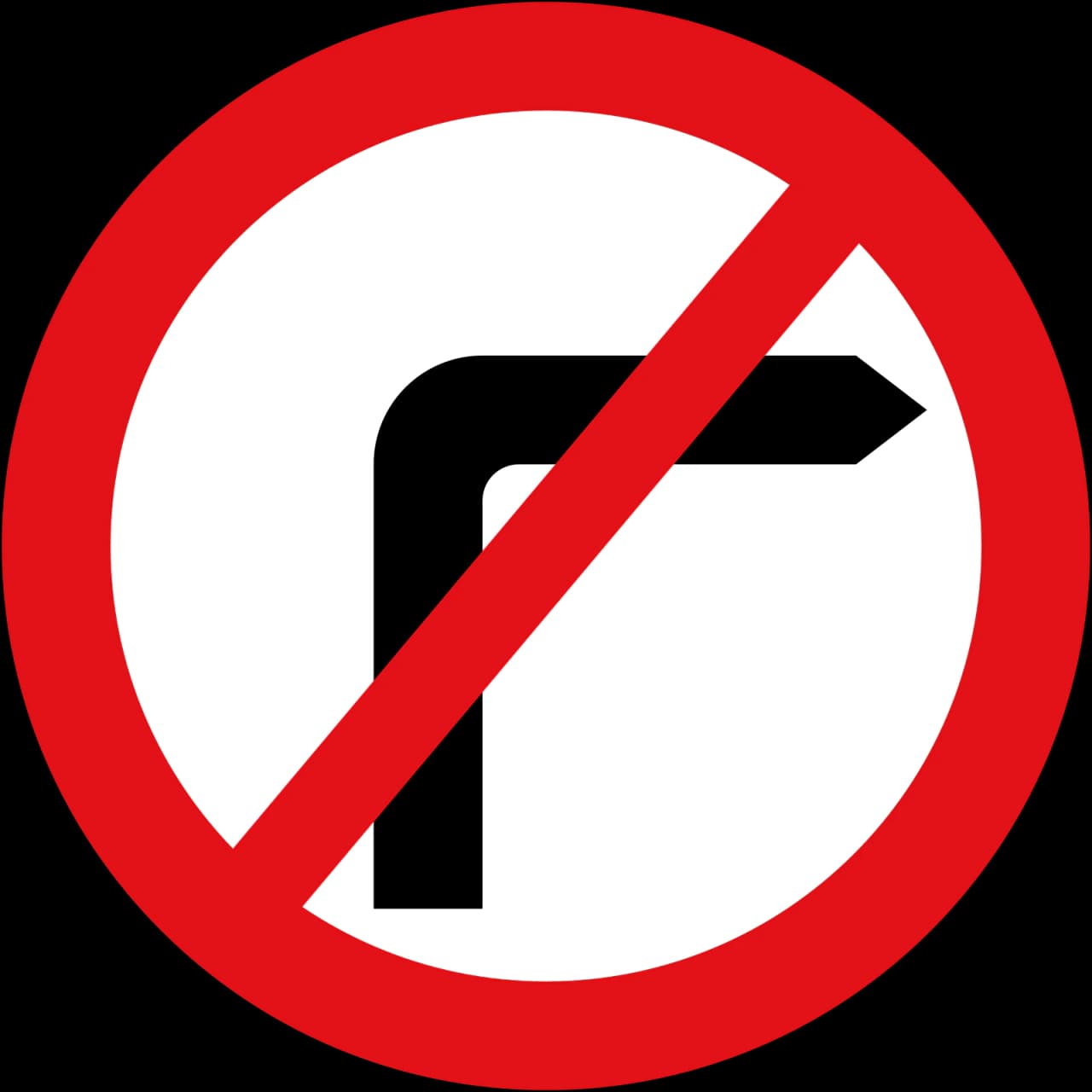
No Right Turn for Vehicular Traffic Sign (612): Understand What It Means

Understand the 'Stop at Major Road' sign (601.1) and know when to stop.

You must give way to traffic on the major road ahead.
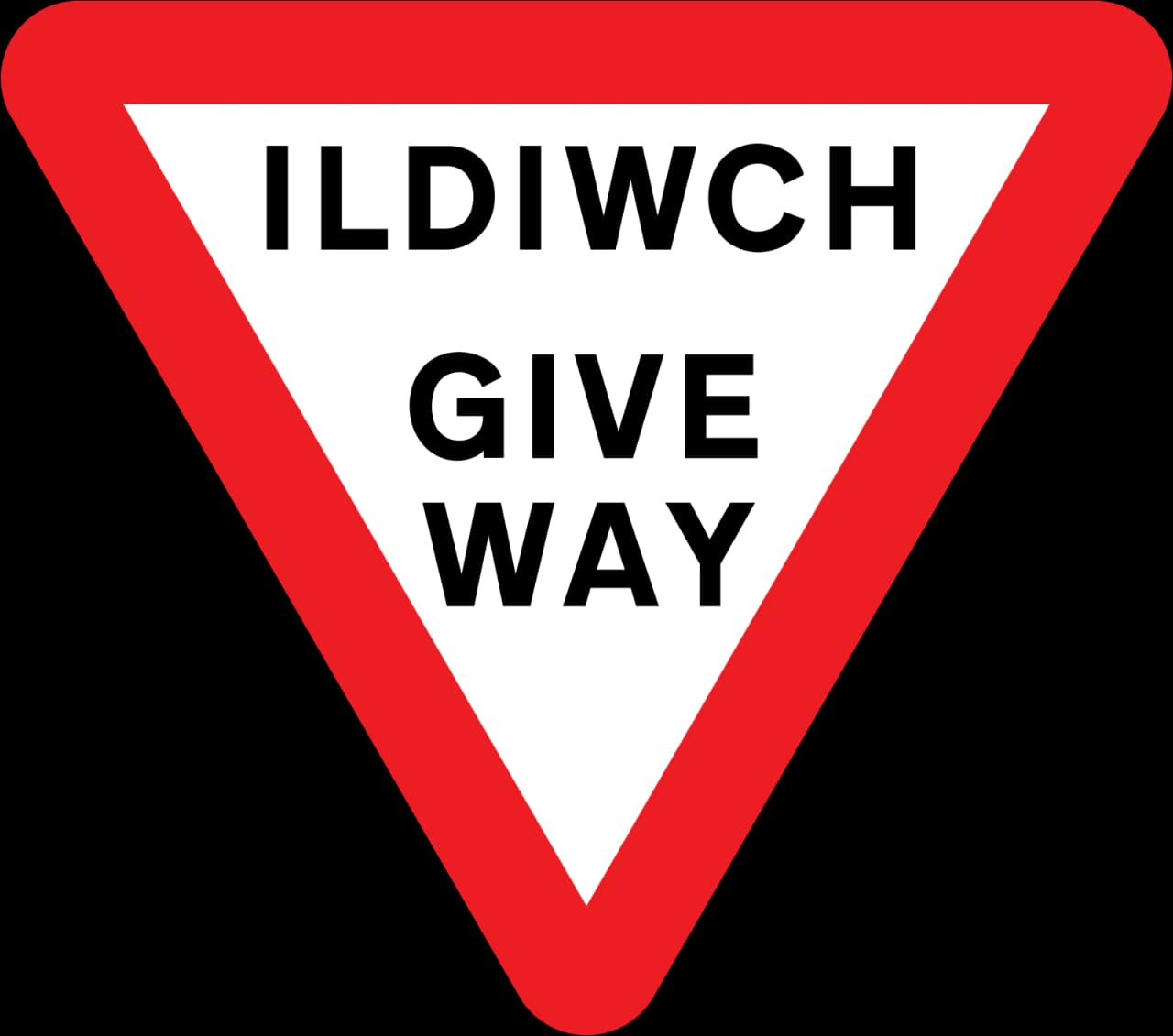
Understand the 'Give Way to Major Road Traffic' sign (602-WLS) and its rules in Great Britain.
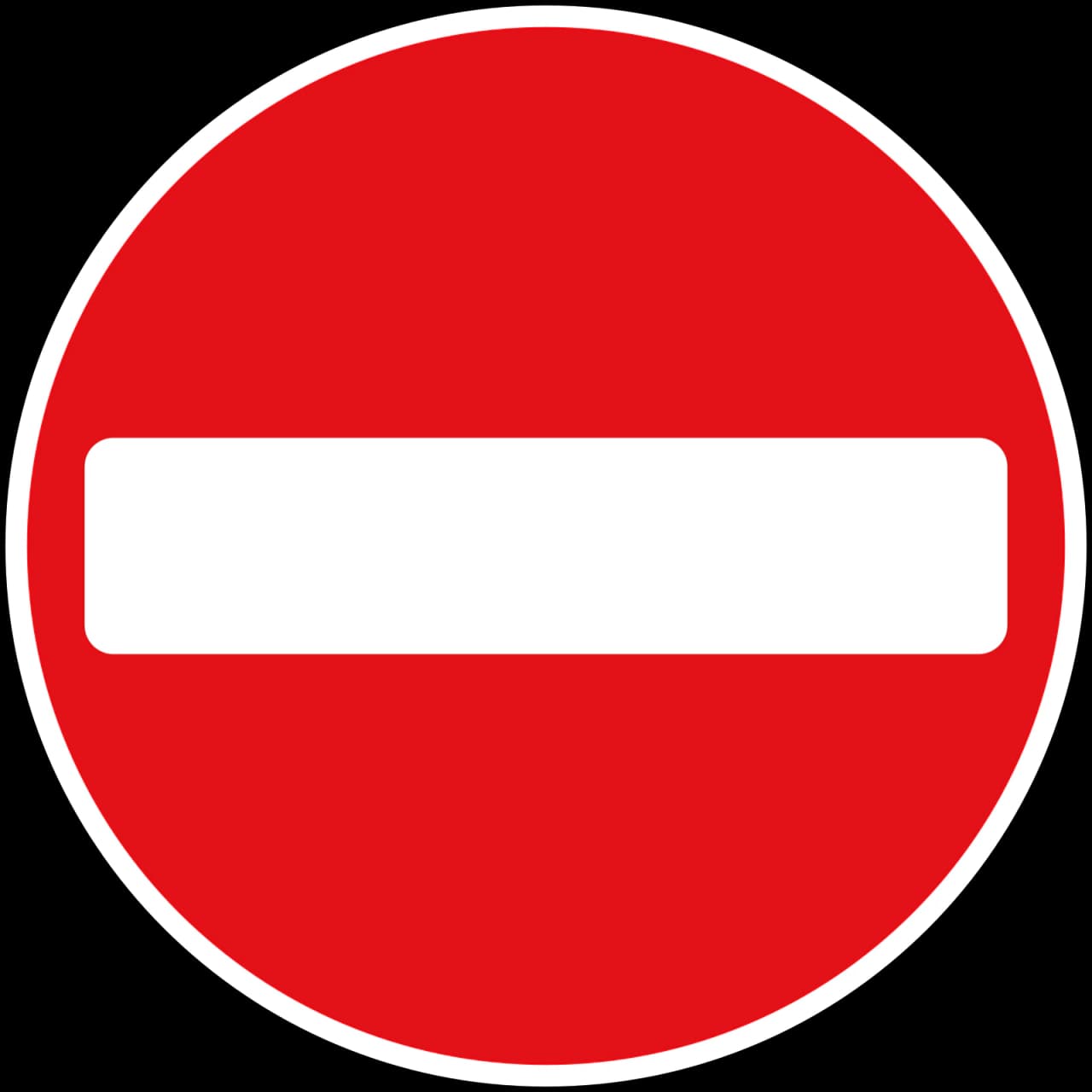
Understand the 'No Entry for Vehicular Traffic' (616) Regulatory Sign in Great Britain

Understand the 'All Vehicles Prohibited Except Pedal Cycles Being Pushed by Hand' Sign (617)
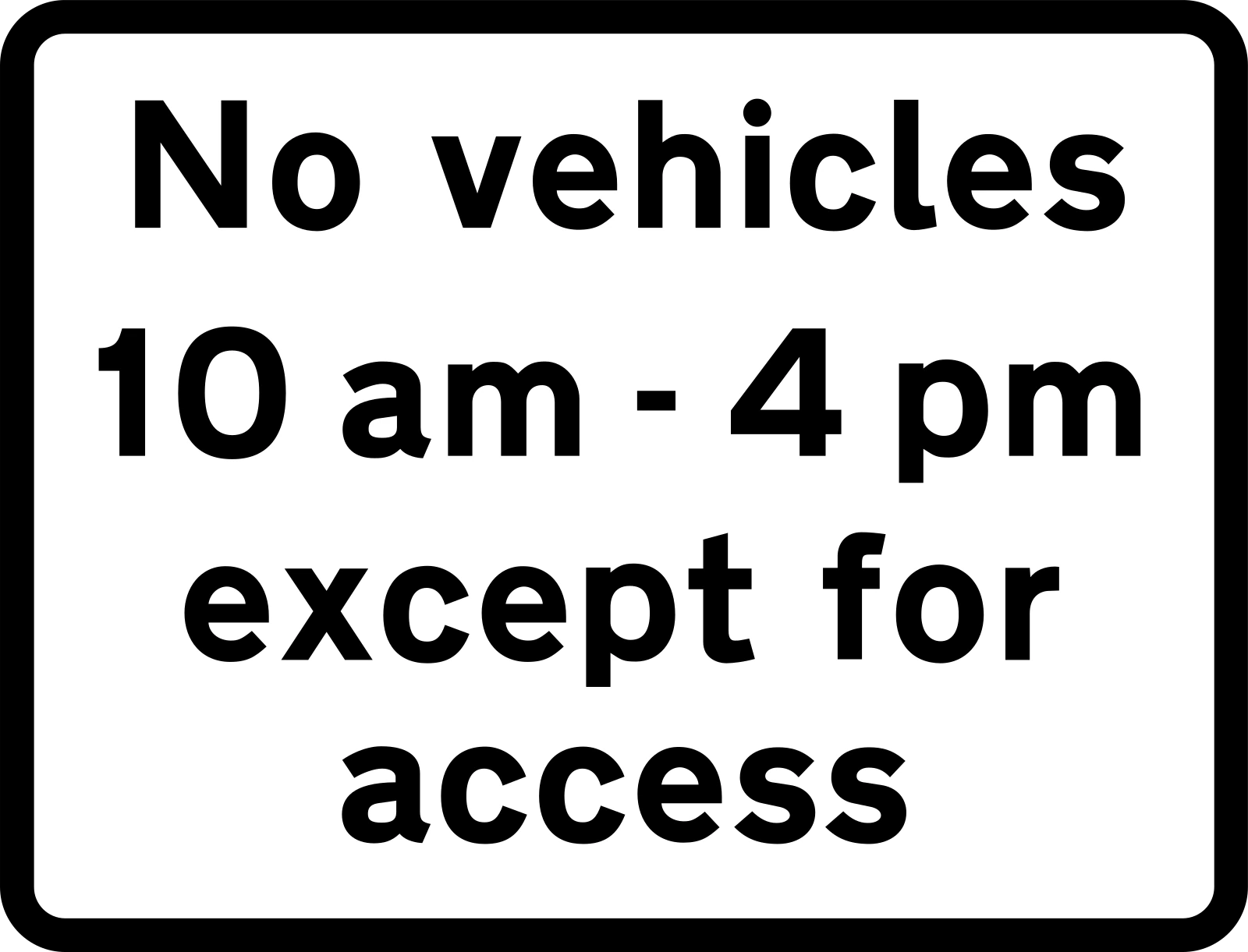
The 618.1B Information Plate: What This Sign Tells You and How to Act

Understand the 'Play Street Vehicle Prohibition' Sign (618)
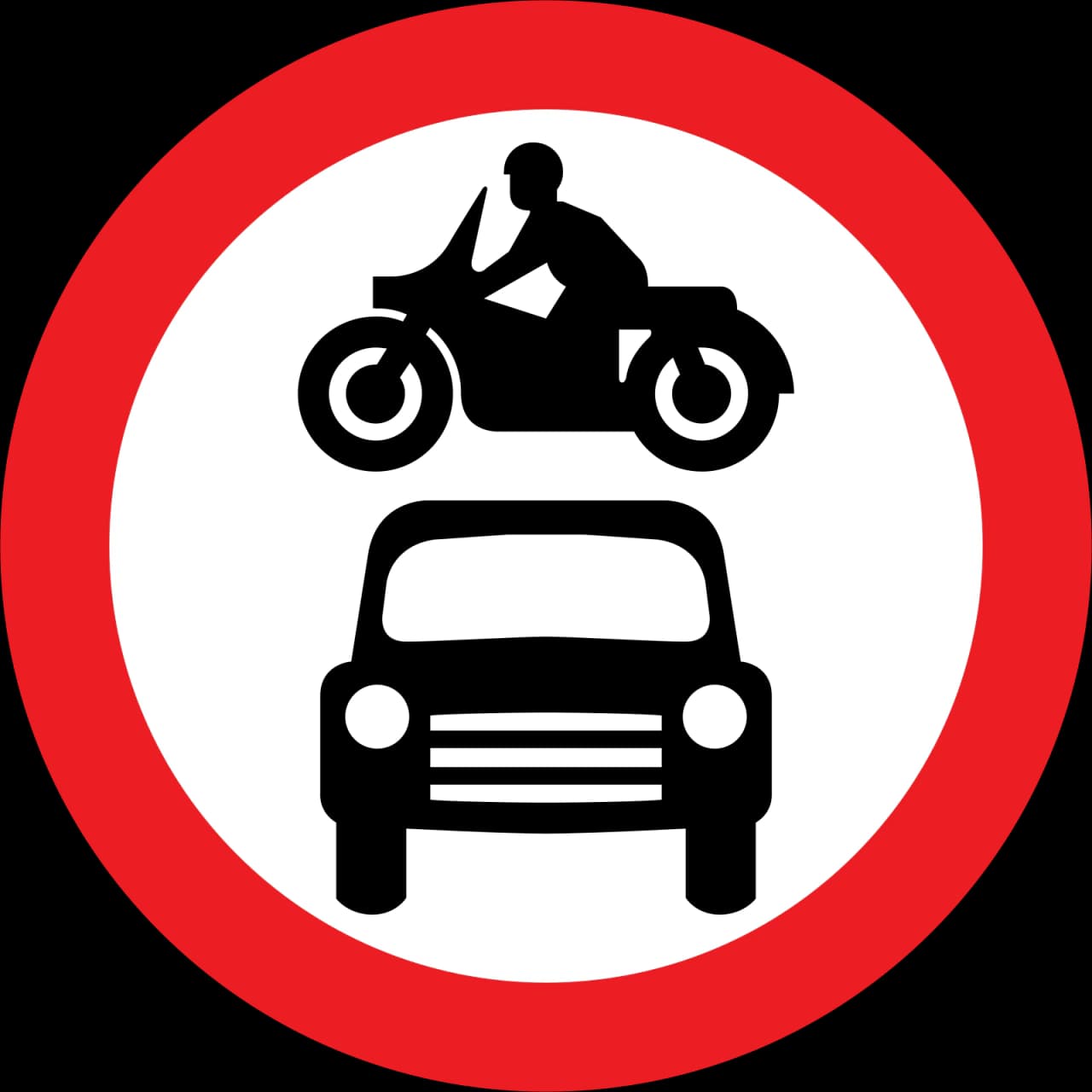
Obey the 'Motor Vehicles Prohibited' sign to avoid fines and hazards.

What does the 'Motor Vehicles Except Solo Motorcycles Prohibited' sign mean for your driving?
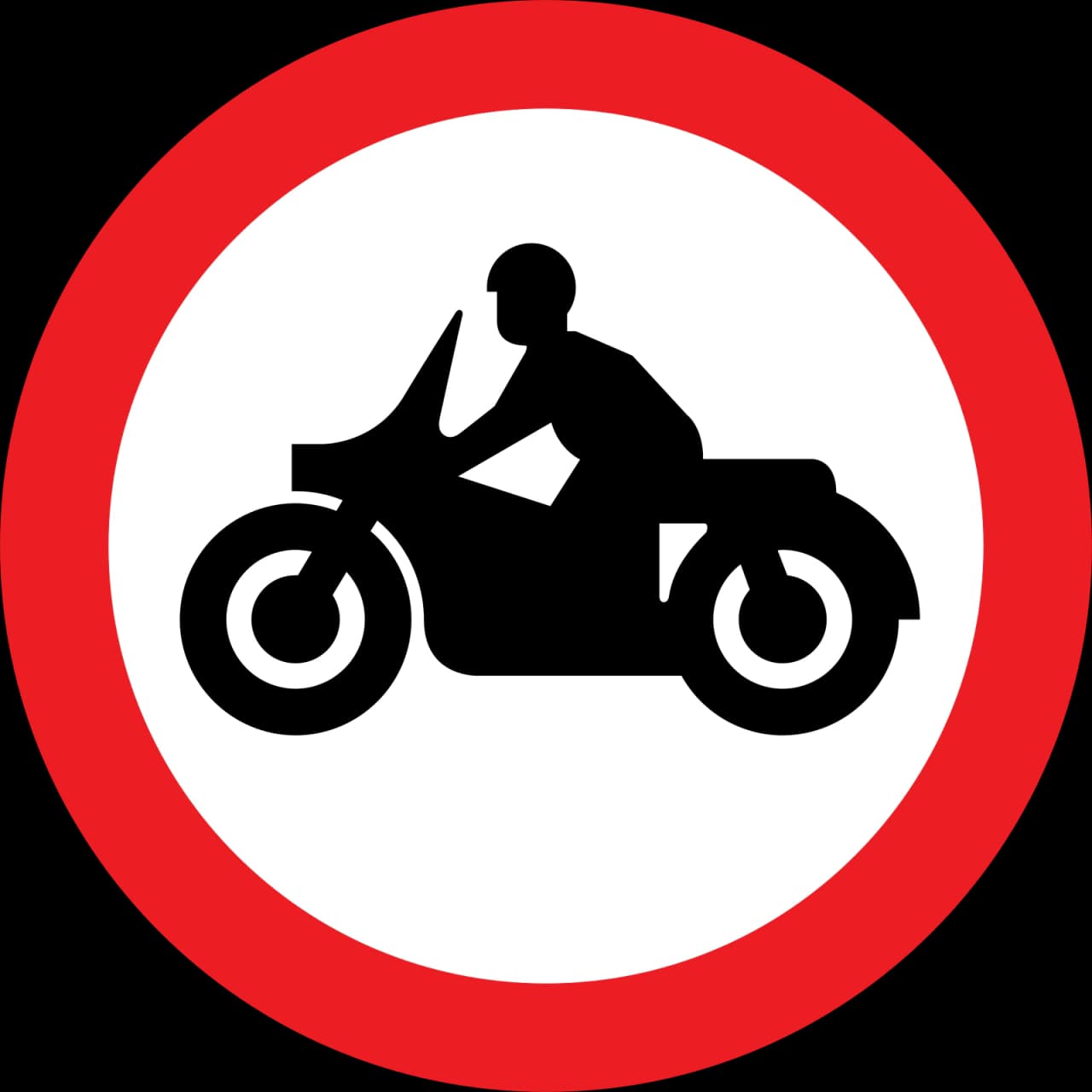
What the 'Solo Motorcycles Prohibited' road sign means for your journey.
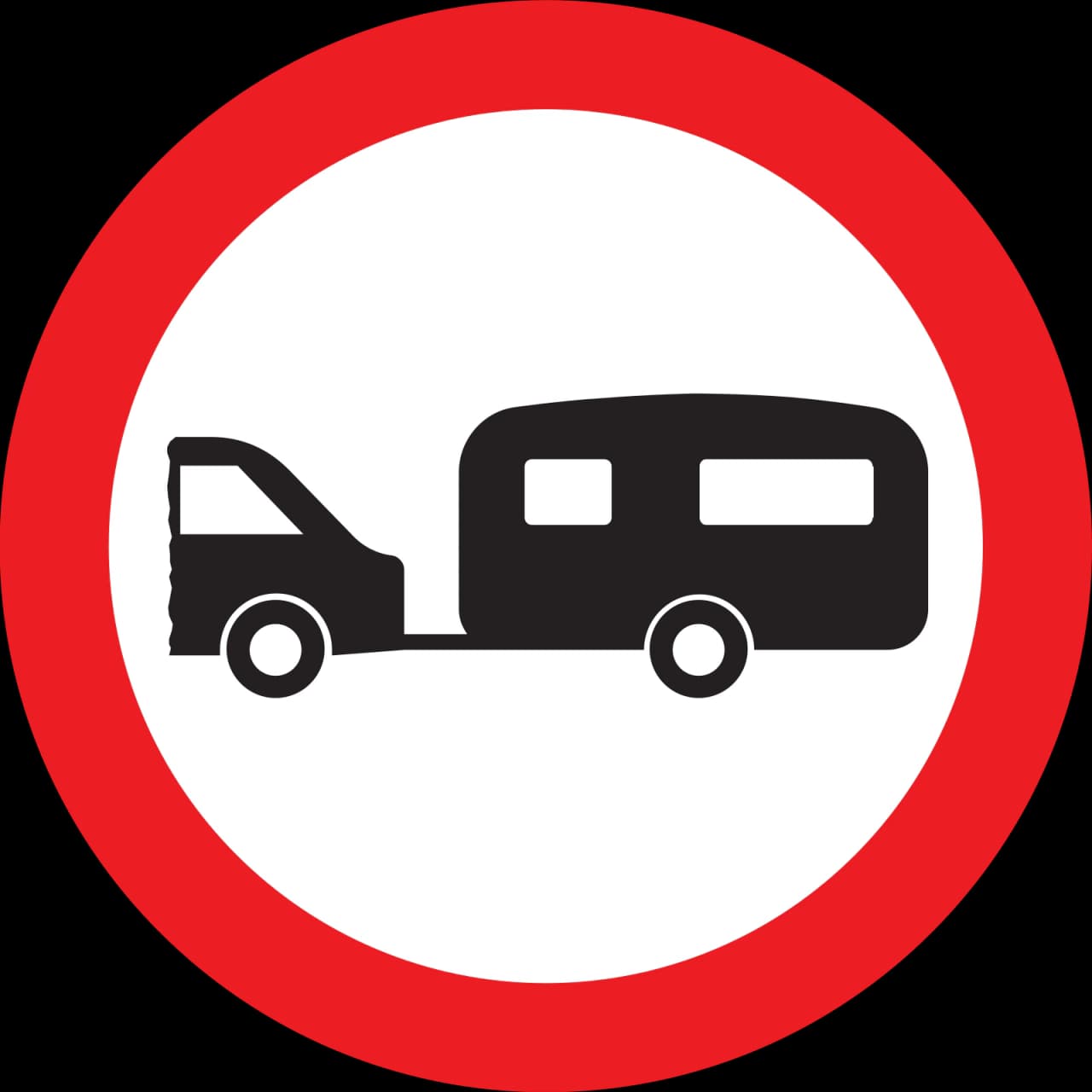
Understand the 'Towed Caravans Prohibited' Road Sign (622.7)
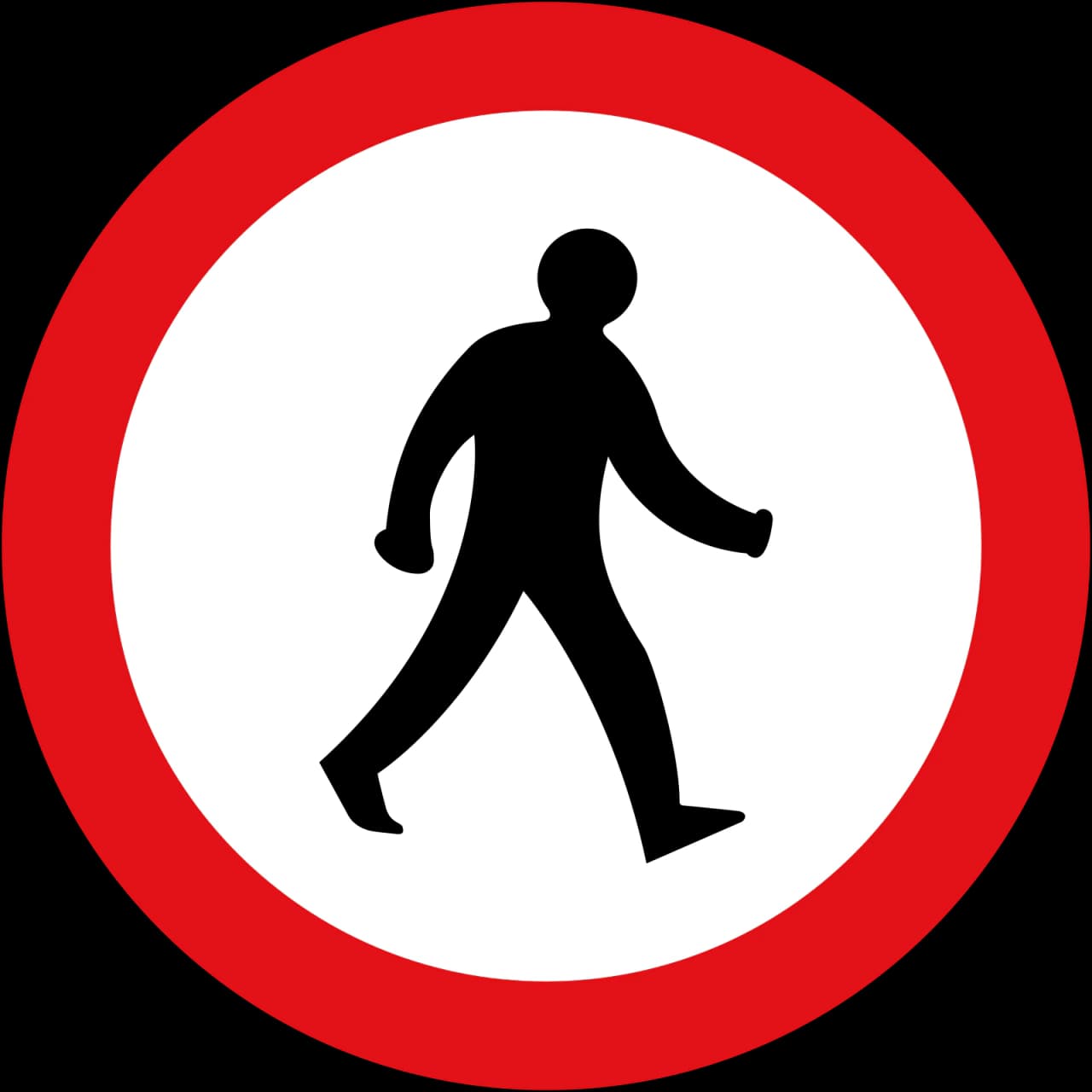
What the 'Pedestrians Prohibited' sign (625.1) means for drivers in Great Britain.

No Horses Allowed: Understanding the Ridden or Accompanied Horses Prohibited Sign

Horse-drawn vehicles are not allowed past this 'Horse-drawn vehicles prohibited' regulatory sign.
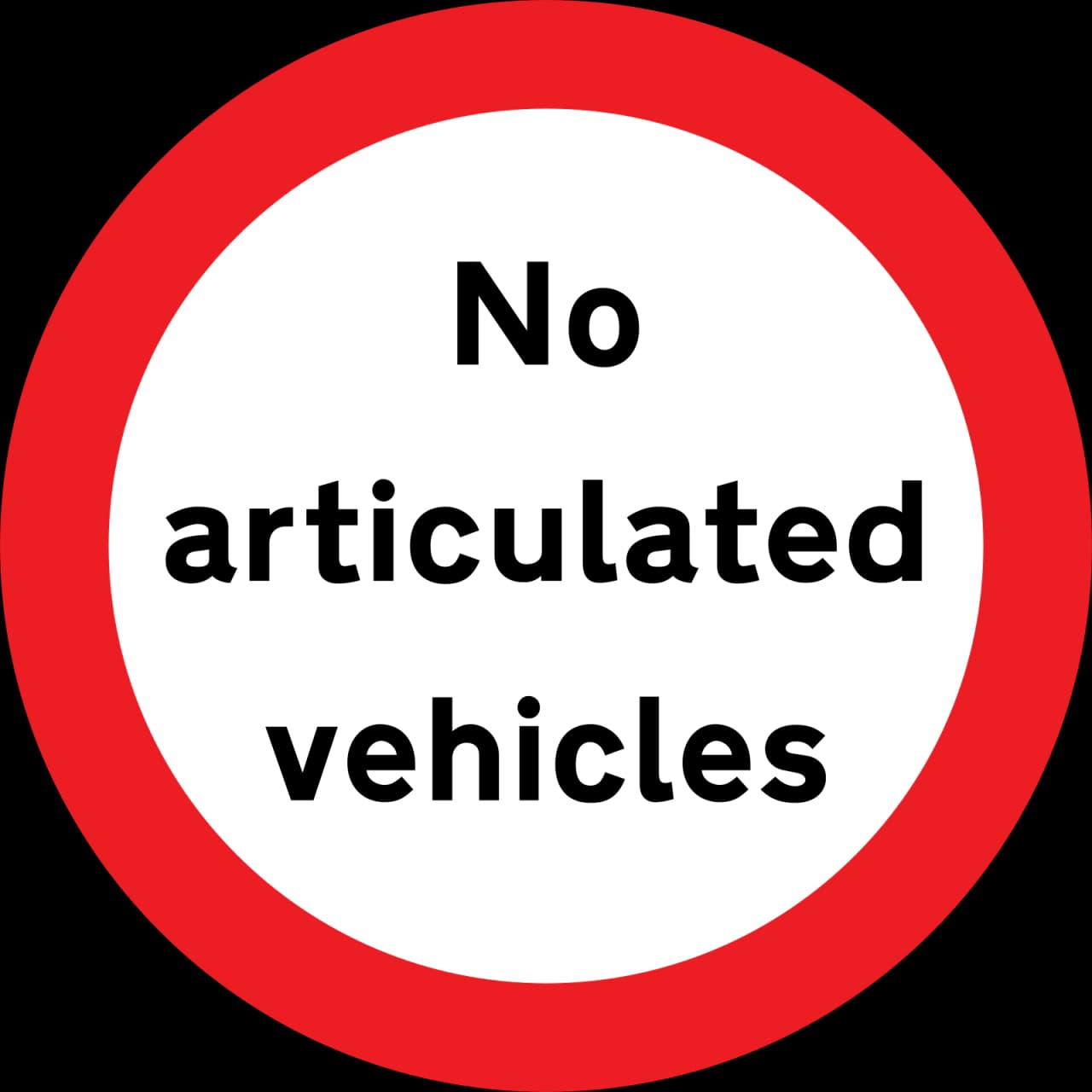
Articulated Vehicles Prohibited Sign: What It Means For Your Drive

Goods vehicles over 7.5 tonnes unladen weight are prohibited from this road.
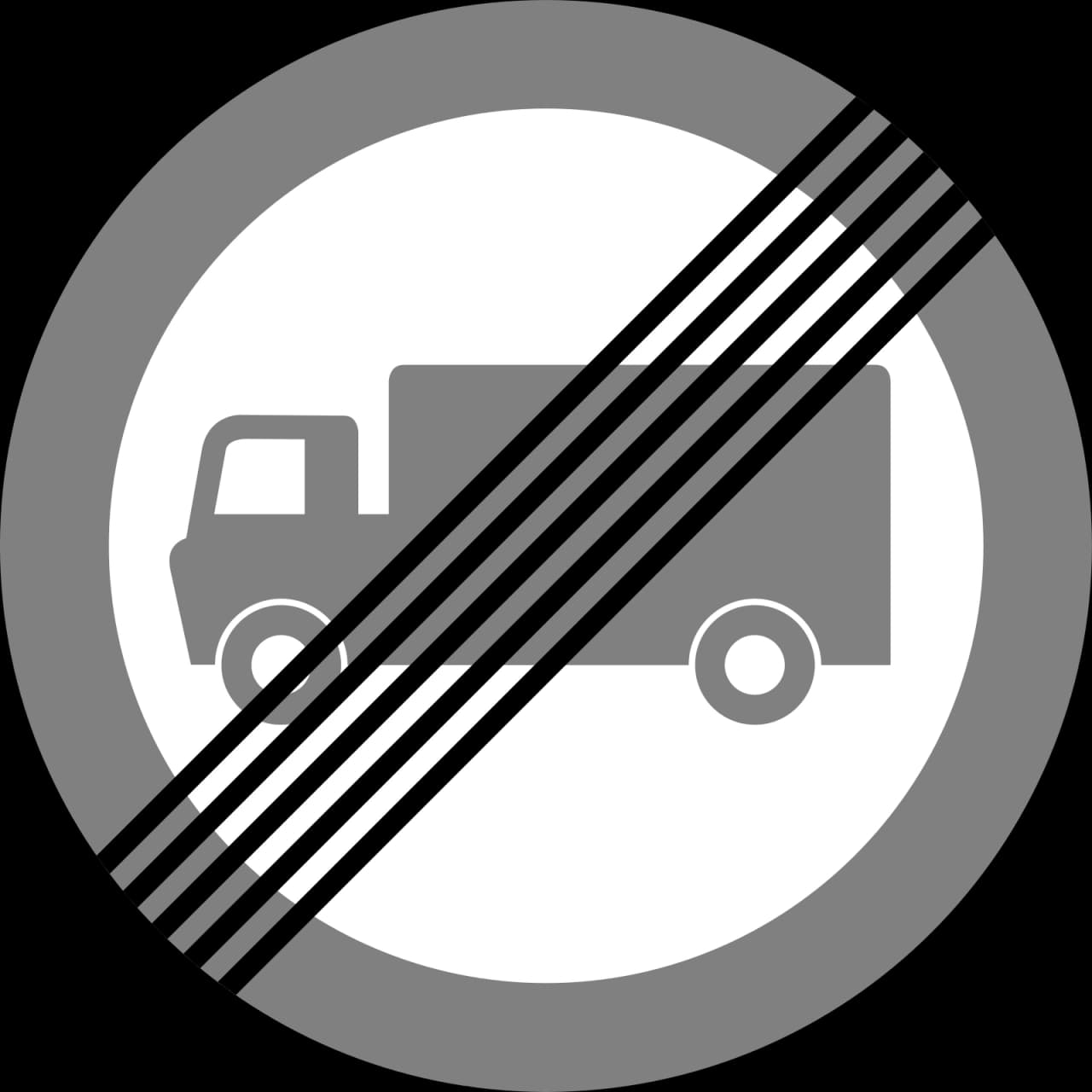
Understand the 'End of Goods Vehicle Weight Prohibition' traffic sign (622.2) in Great Britain.

Vehicles Exceeding Length Prohibited (Metric) Road Sign: Understand the Restriction
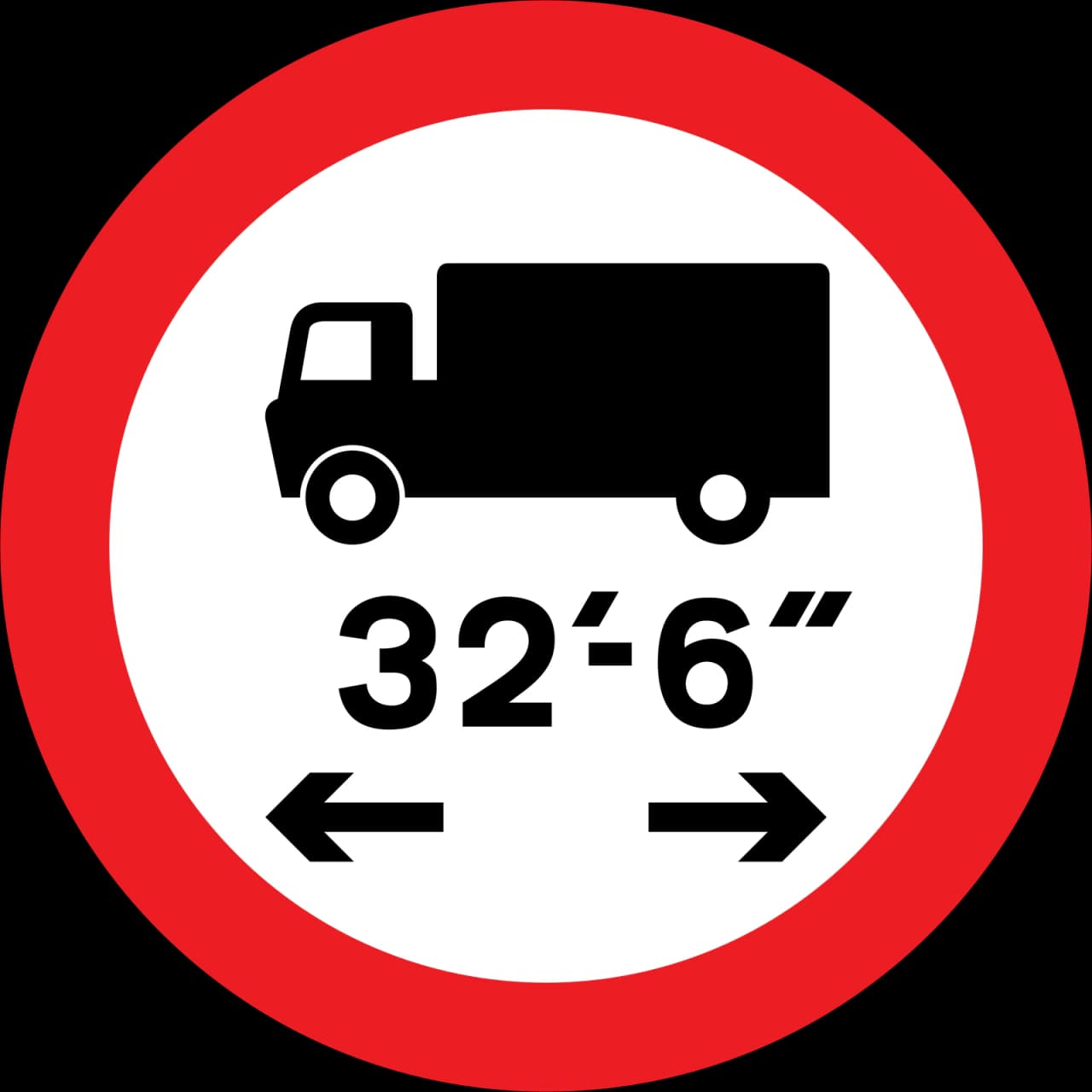
The 'Vehicles Exceeding Length Indicated Prohibited (Imperial)' Sign: Know the Limits!

Vehicles carrying explosives are prohibited on this road by sign 622.8.

What the Explosives Prohibition Supplementary Plate means for drivers.

DG-TUNNEL-BAN: Dangerous Goods Tunnel Restriction Sign Explained

Understand the 'Vehicles exceeding width indicated prohibited' road sign (629A).
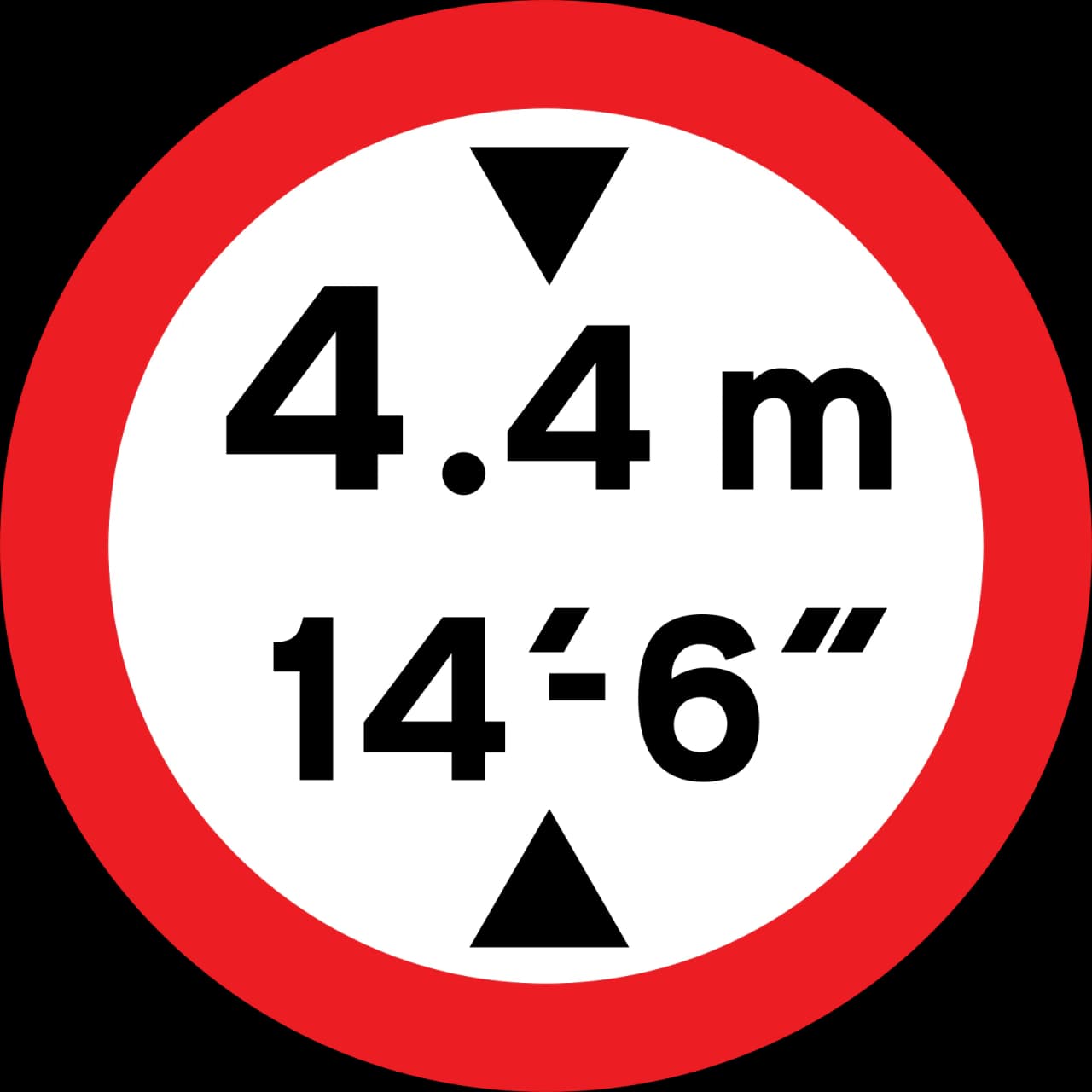
Understand the 'Vehicles exceeding height indicated prohibited' road sign (629.2A).
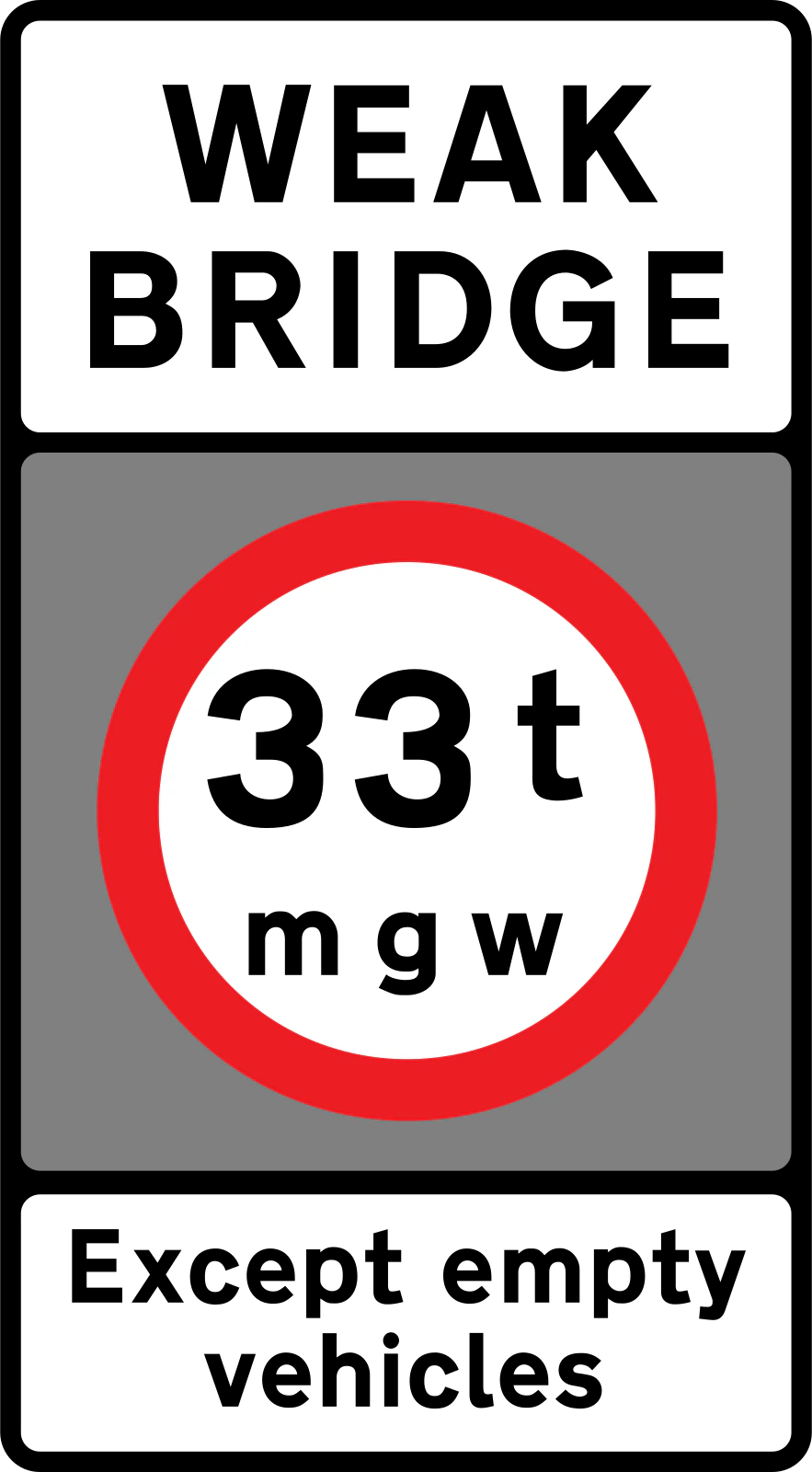
Understand the Gross Weight Bridge Restriction Sign (626.2A)

Understand Sign 620: Exception Plate for Access to Premises on Great Britain Roads

Understand the 'Except for Loading/Unloading by Goods Vehicles' Sign (620.1)
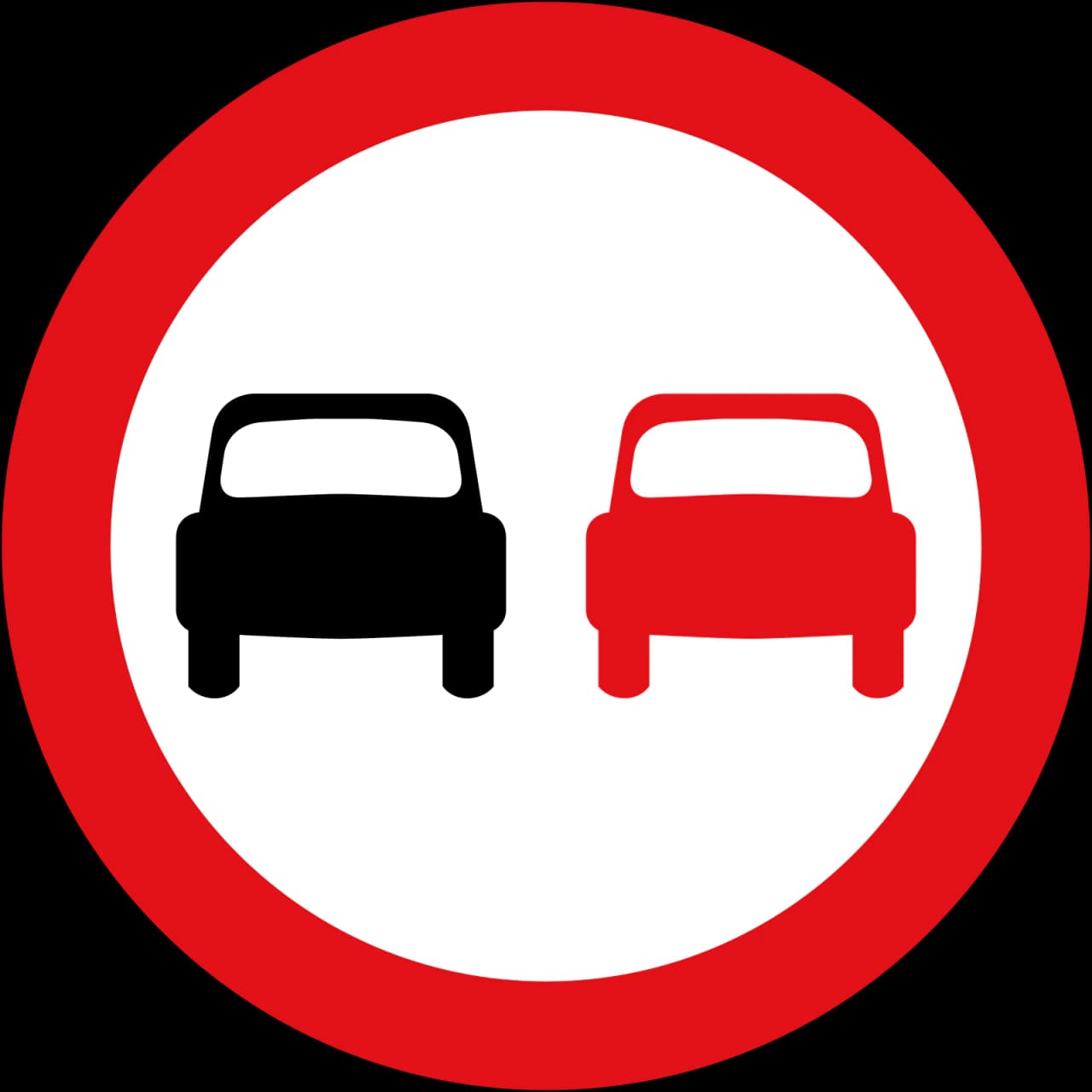
Understand the 'No Overtaking' traffic sign and what it means for your driving.

Sign 615: You Must Give Way to Oncoming Traffic

Understand the Priority to Oncoming Vehicles Road Sign (615.1)
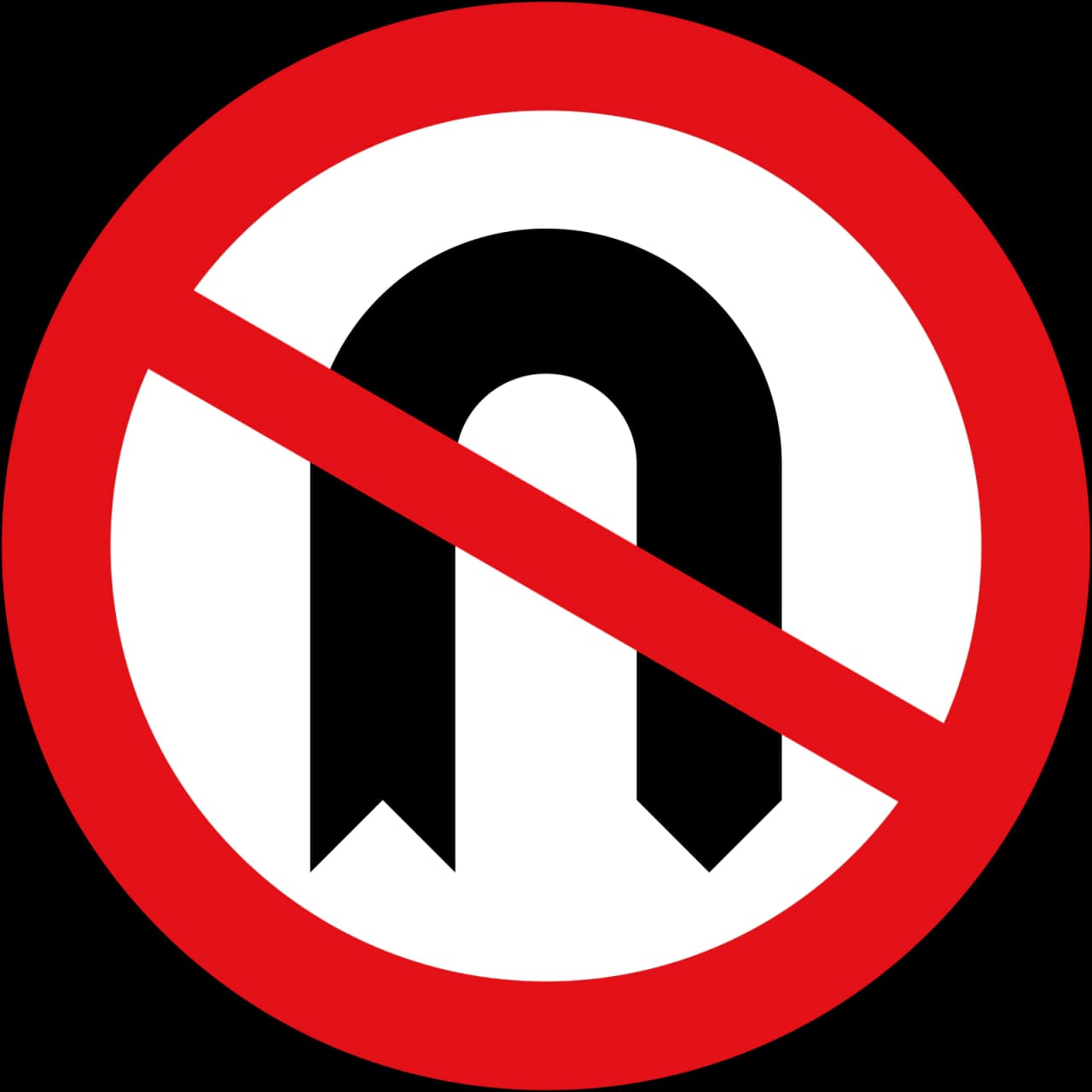
Understand the 'No U-turns for Vehicular Traffic' Sign (614)

Understand the 'No Left Turn for Vehicular Traffic' road sign (613).

Understand the 'Stop, Children Crossing Ahead' Handheld Sign

What the 'Stop before crossing, Police ahead' sign (633) means for your driving

Understand 'Restrictions for Decorative Highway Area' Signs (Code 651)

Mandatory Left Turn: Understand the 606 'Vehicular Traffic Must Turn Left' Sign

Mandatory Turn Ahead: You Must Follow the Arrow's Direction

Mandatory 'Keep Left of Sign' Directive Traffic Sign
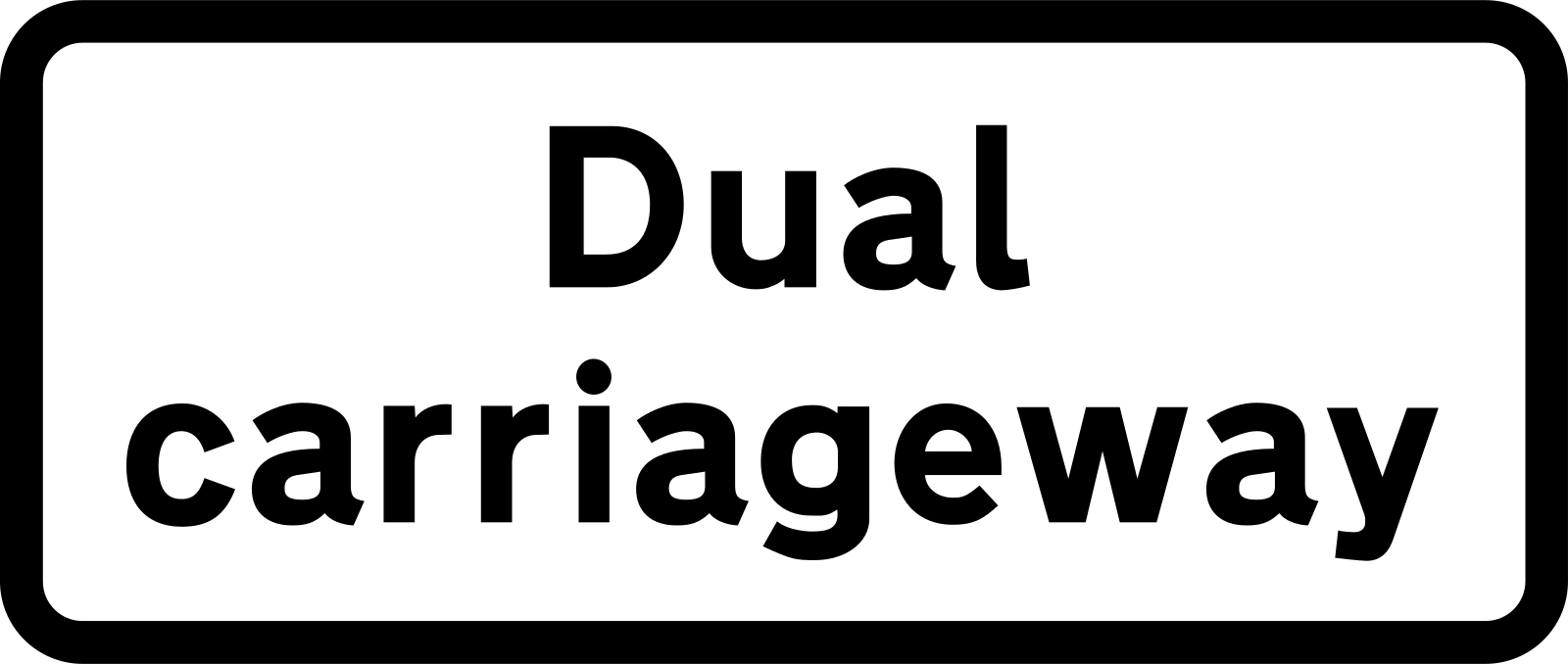
Master the Dual Carriageway Plate (608) Regulatory Sign
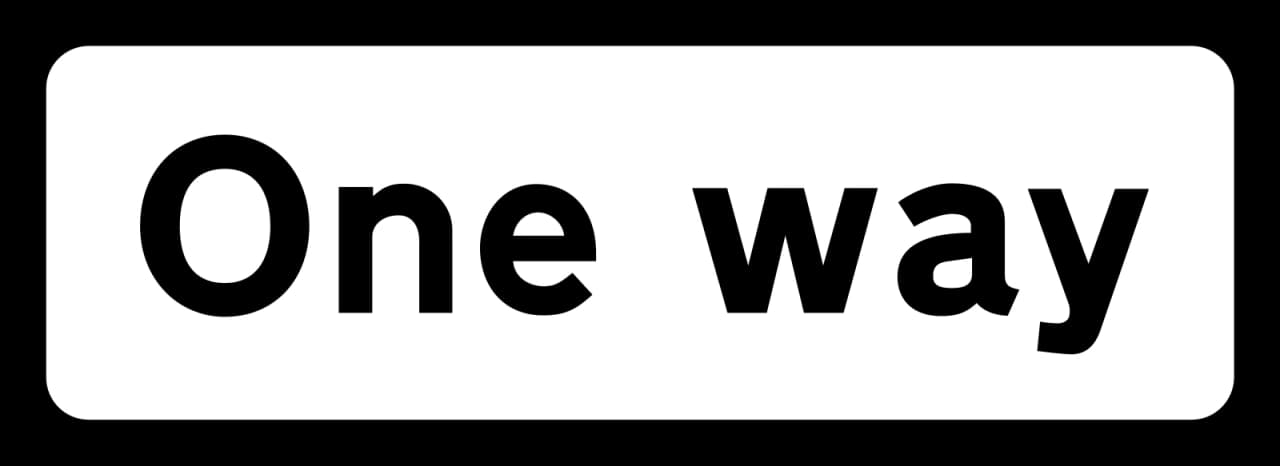
Understand the 607 One-Way Plate: A Binding Regulatory Traffic Sign

Master the Mini-Roundabout Give Way sign (611.1)
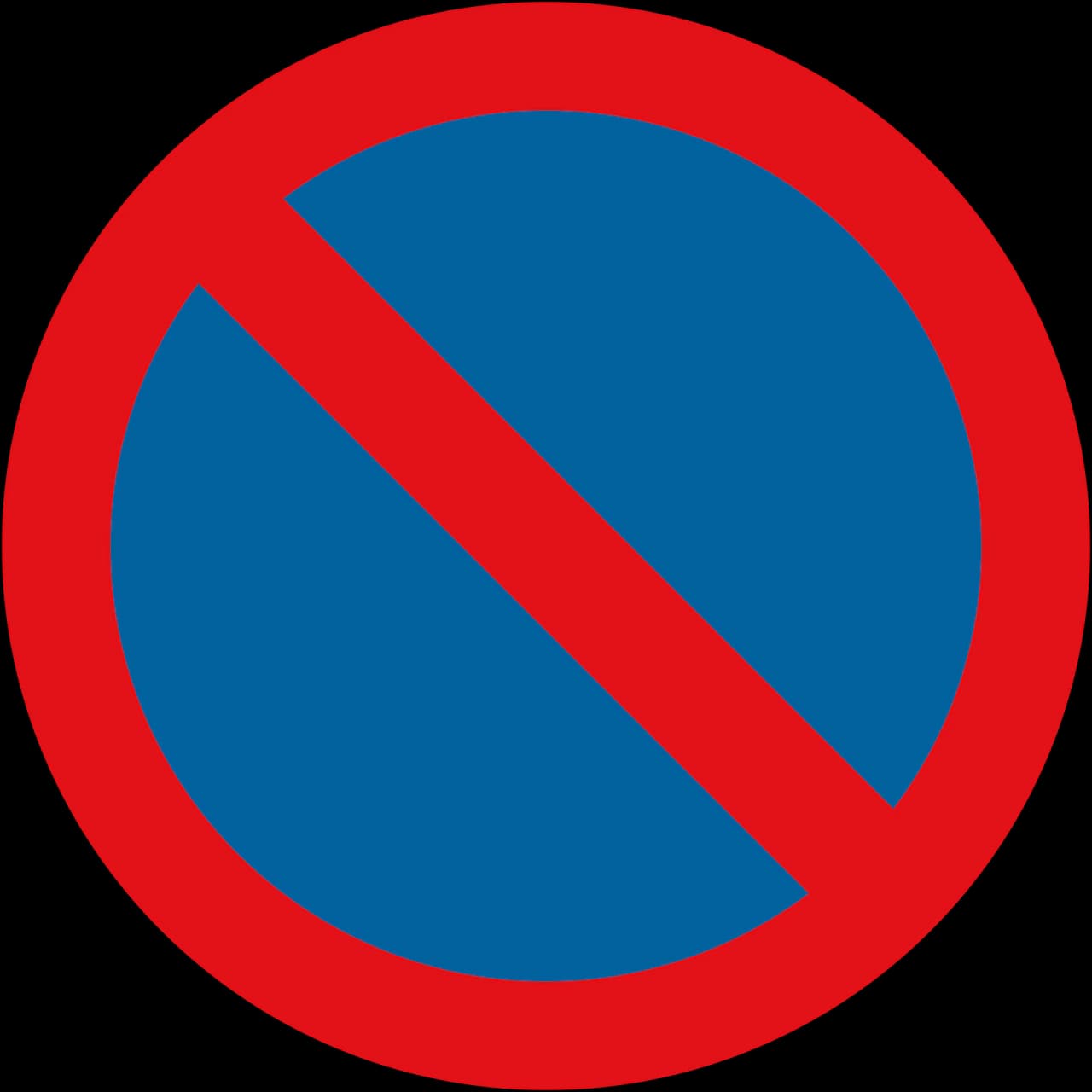
What does the 'No Waiting' road sign mean for drivers in Great Britain?
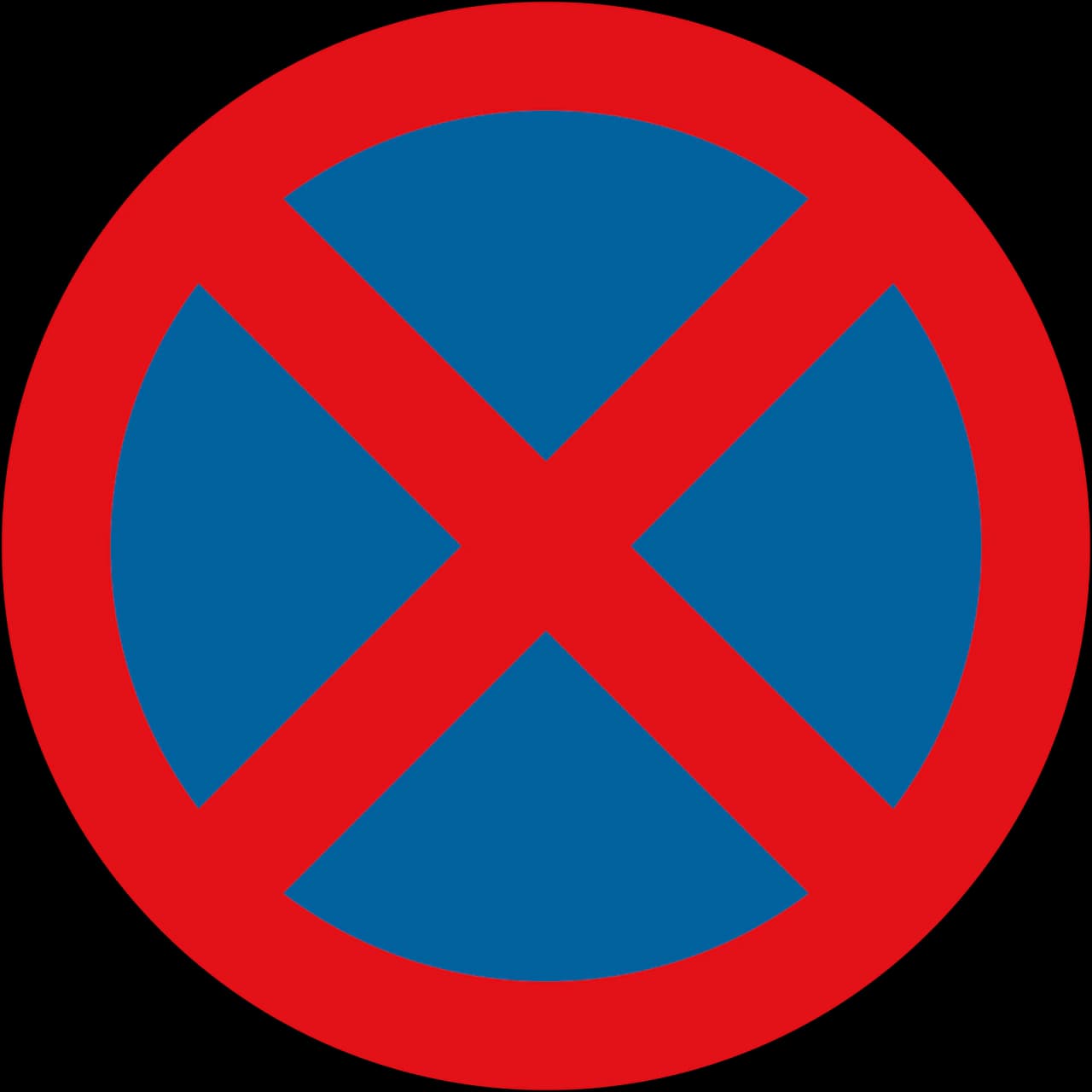
What the Clearway, No Stopping (642) Road Sign Means for You
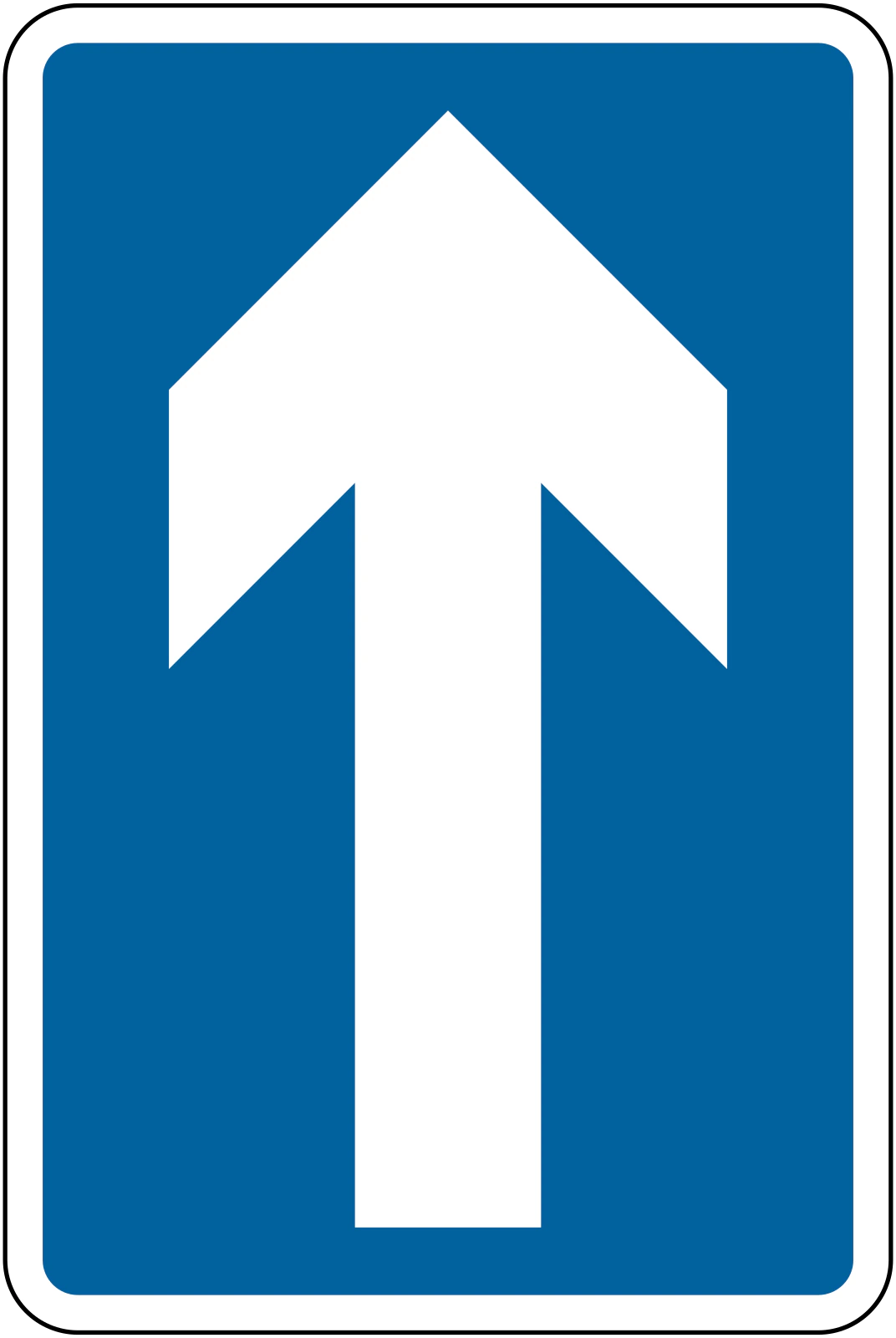
Understand the One-Way Traffic Sign (Code 652)
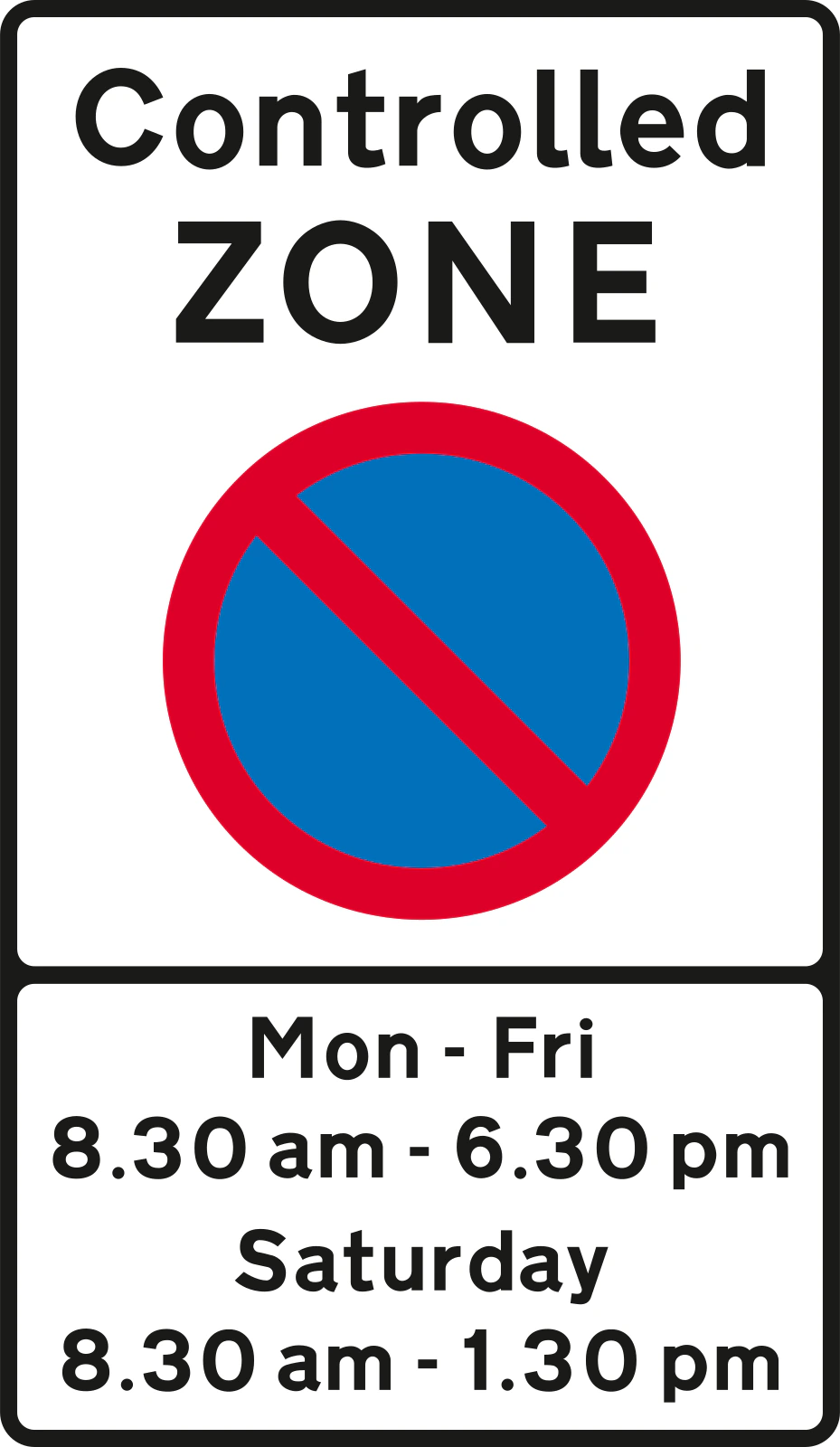
What does the Controlled Parking Zone (CPZ) sign mean?
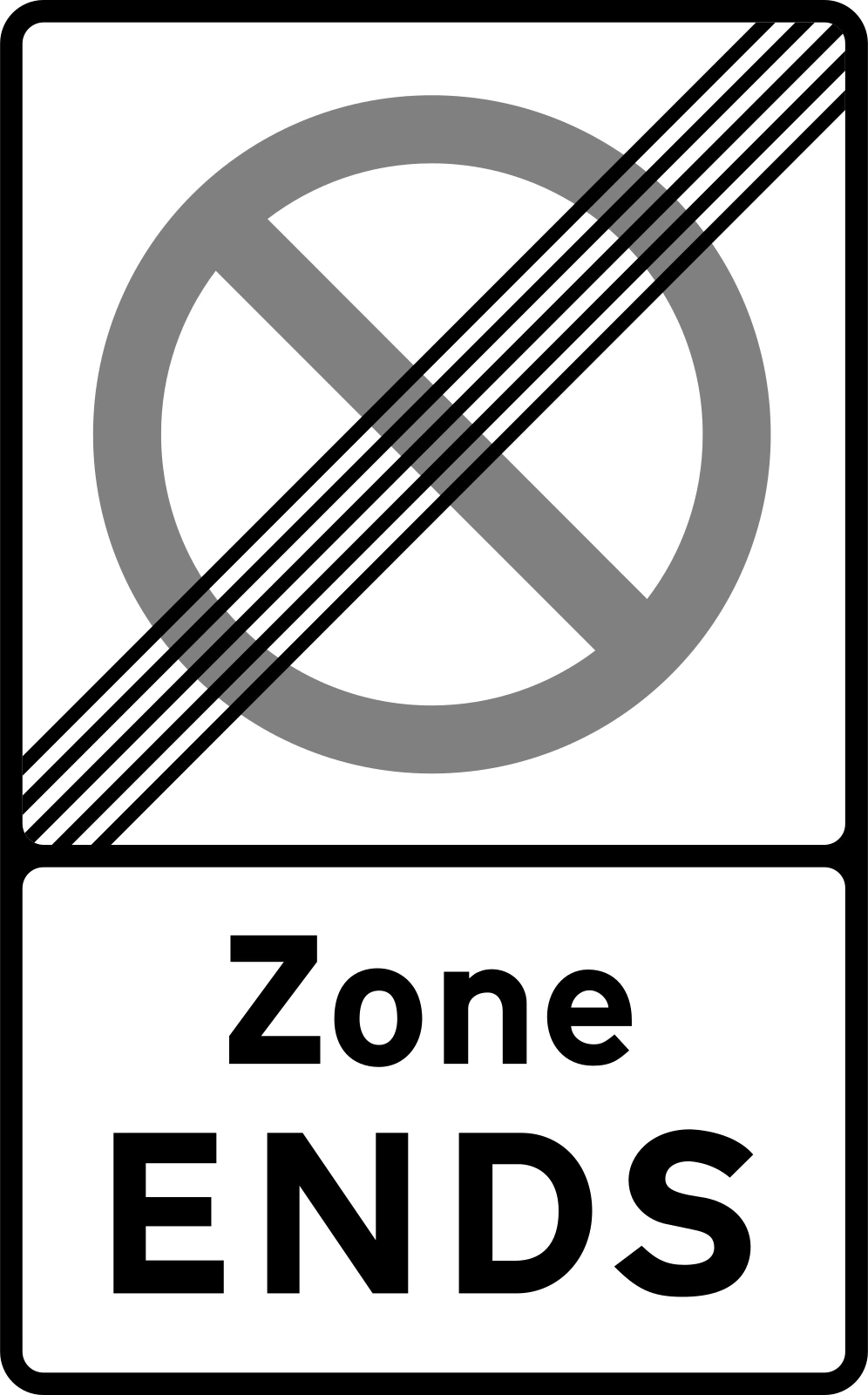
You are now leaving a controlled or voucher parking zone.
Clear answers to common questions about the Great Britain Regulatory Signs road sign category. Use this FAQ to review tricky rules, understand how these signs appear in exam scenarios, and remove confusion that often leads to mistakes in the British driving theory exam in Great Britain.
A 'no waiting' sign (636) means you cannot stop to wait, even for a short time, except to avoid an accident. A 'clearway' or 'no stopping' sign (642) is more strict and means you cannot stop your vehicle at all, not even briefly to pick up or drop off passengers, unless it's an emergency. Always check for associated time plates or other signs that might modify these restrictions.
Yes, a 'stop' sign (601.1) means you must bring your vehicle to a complete halt before the stop line, or if there isn't one, before the edge of the major road or junction. You must then give way to all traffic on the major road before proceeding. This rule applies regardless of whether you see other vehicles present, as traffic conditions can change very quickly.
If you are driving a standard car during your test, most 'prohibited vehicle' signs (like those for goods vehicles, articulated vehicles, or specific weights) will not directly apply to you. However, you must still understand their meaning and anticipate how these restrictions might affect other road users, which could influence traffic flow or lane usage. For example, a 'goods vehicles over 7.5t prohibited' sign might mean you'll encounter larger vehicles using alternative routes, potentially affecting traffic elsewhere.
Exception plates, like 'Except for loading and unloading' (620.1) or 'allowing access to premises where there is no other route' (620), are supplementary signs placed below a primary regulatory sign. They modify the restriction imposed by the main sign. For instance, a 'no waiting' sign with an 'except for loading' plate means goods vehicles are allowed to stop briefly for loading or unloading, while other vehicles still cannot wait. Always read the main sign and any plates together to understand the full rule.
The mini-roundabout sign (611.1) is a circular blue sign with white markings. It indicates a small roundabout where you must give way to traffic from the right, just like a larger roundabout. You should normally pass to the left of the central markings. Failure to give way correctly at a mini-roundabout is a common cause of accidents and a test fault.
Ready to master Great Britain road signs? Explore organized categories and groups for structured learning. Understanding signs by type improves recall and comprehension, ensuring thorough preparation for your DVSA theory test.
Great Britain Road Sign Groups