
The Controlled Parking Zone sign (code 663) is a regulatory traffic sign that indicates the start of an area where parking is controlled by specific rules. As a driver, you must understand that this sign means you are entering a zone with restrictions, and you need to pay close attention to any supplementary plates for details on times, vehicle types, or specific permissions before proceeding. Failing to comply with the instructions within a controlled parking zone can result in penalties.
This sign code 663, the Controlled Parking Zone, requires careful attention to its specific instructions and supplementary plates. Mastering its meaning is crucial for accurate theory test revision and safe driving.
This regulatory sign is part of the legal control of the road. It may require a driver to stop, give way, keep to a direction, avoid a movement, stay out of a restricted area, or respect a vehicle-specific rule. In practice, the sign should be read with the stop line, lane markings, road layout, and any supplementary plates so the instruction is obeyed before the controlled point. It is listed in the catalogue as code 663.
"Controlled Parking Zone" gives a binding instruction, restriction, or prohibition. The driver must understand who it applies to, where it starts, and whether any exception is shown before continuing.
Get clear, practical answers to the most common questions about the 663 - Controlled Parking Zone road sign. Learn how the sign works, what rules it represents, and how it affects real driving situations. This FAQ strengthens your understanding and supports accurate decision making for the British driving theory exam in Great Britain.
The Controlled Parking Zone (CPZ) sign (663) signifies that you are entering an area where parking is regulated. This means you must adhere to specific rules regarding where, when, and how you can park, which are often detailed on additional plates accompanying the main sign. It's a mandatory instruction to manage parking effectively within a particular district.
Upon seeing the CPZ sign (663), you must immediately be aware that parking restrictions are in effect. Look for any supplementary signs that provide details about these restrictions, such as specific times, days, types of vehicles allowed, or permit requirements. If your intended parking or movement is not permitted, you must find an alternative legal parking spot or route.
Yes, exceptions to the Controlled Parking Zone rules are usually indicated on supplementary plates. These can specify times when restrictions don't apply, particular vehicles that are exempt (like residents' vehicles with permits), or specific bays where parking is permitted. Always check these additional signs carefully before assuming you are exempt.
No, seeing the Controlled Parking Zone sign (663) means that parking is controlled throughout the zone unless explicitly permitted. Even if there isn't a specific 'No Parking' sign at your chosen spot, there will be general rules for the zone, often dictating permit requirements, time limits, or specific parking bays. Always check for all signs and markings.
A common mistake is assuming that the CPZ sign (663) simply means parking is allowed, or that restrictions only apply if a 'No Parking' sign is present. Learners may also fail to notice or correctly interpret supplementary plates, leading to incorrect answers about what actions are prohibited or permitted. It's crucial to remember that the CPZ sign indicates controlled parking, not necessarily free parking.
A clear reference image of the 663 - Controlled Parking Zone road sign used in Great Britain.
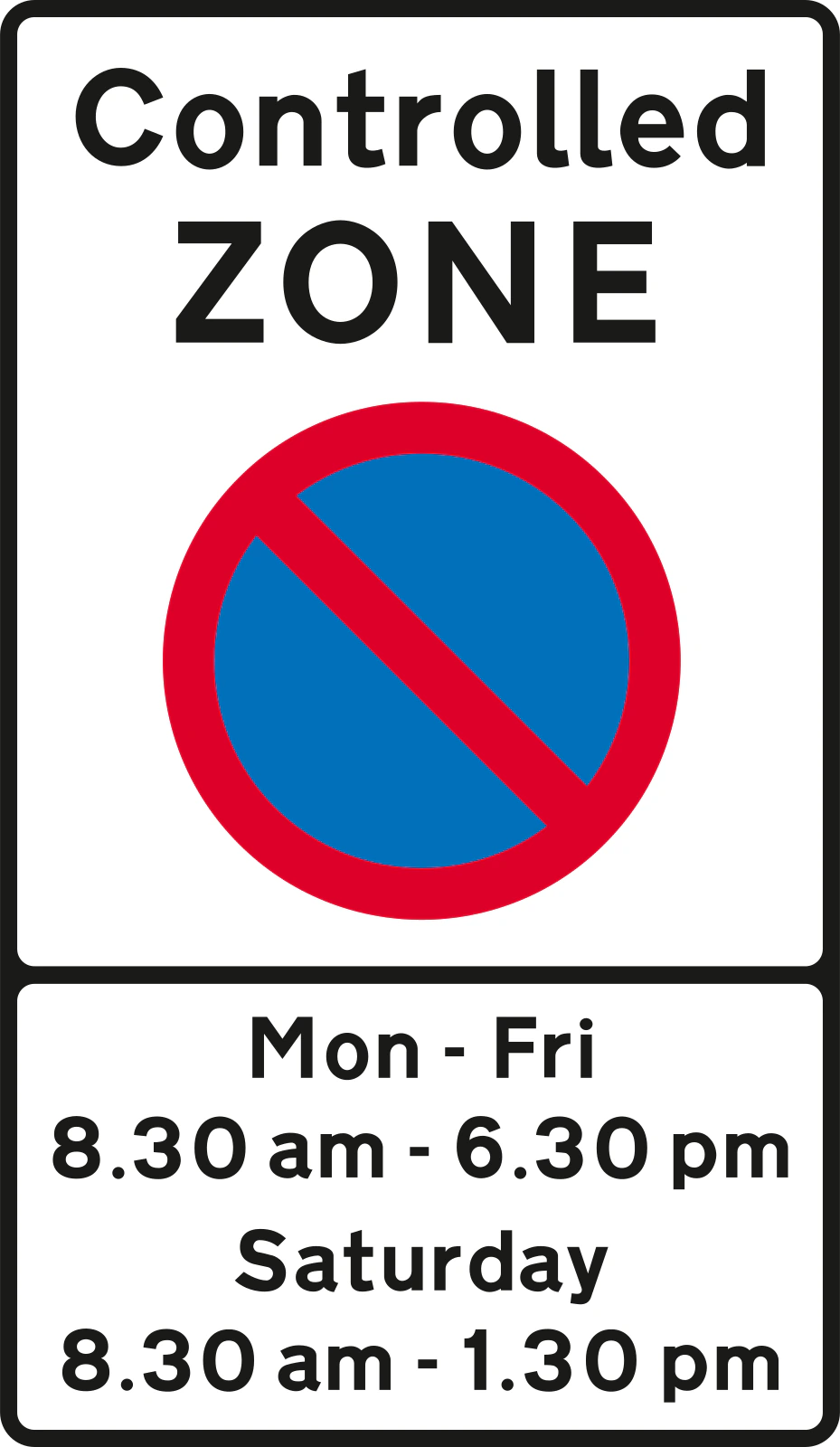
The 663 - Controlled Parking Zone road sign may also be known by these alternative names or terms.
The 663 - Controlled Parking Zone road sign is part of the Great Britain Regulatory Signs category, which groups together signs with similar rules and functions.
Comparing similar road signs aids memory and reduces errors, crucial for your theory test revision. Understanding subtle differences in traffic sign meanings sharpens your recognition skills, ensuring you master this topic for your exam.

Understand the 'Stop at Major Road' sign (601.1) and know when to stop.

You must give way to traffic on the major road ahead.
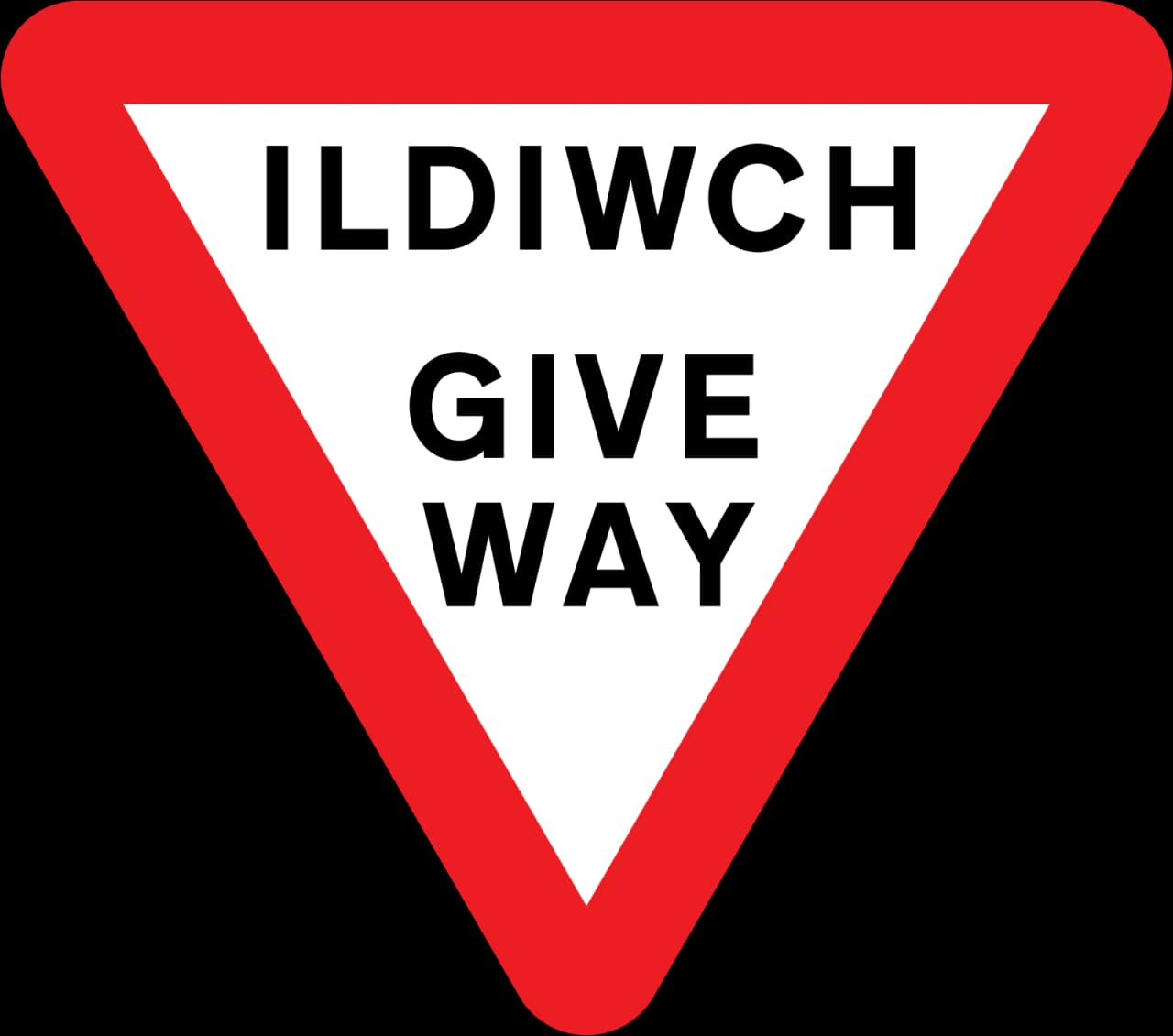
Understand the 'Give Way to Major Road Traffic' sign (602-WLS) and its rules in Great Britain.

Understand the 'Stop, Children Crossing Ahead' Handheld Sign

Mandatory Left Turn: Understand the 606 'Vehicular Traffic Must Turn Left' Sign
Understand the 607 One-Way Plate: A Binding Regulatory Traffic Sign
Master the Dual Carriageway Plate (608) Regulatory Sign

Mandatory Turn Ahead: You Must Follow the Arrow's Direction
After reviewing the full list of road signs, challenge yourself with practice questions focused specifically on sign recognition. Reinforce your learning and ensure you're fully prepared to identify and understand all traffic signs on the DVSA theory test.
Browse All GB Road Signs List