
This group of signs, covering bus and cycle-specific regulations, is crucial for understanding how different road users share our streets. You'll learn to identify signs that indicate dedicated bus lanes, cycle paths, shared pedestrian and cycle routes, and areas where certain vehicles are prohibited. Understanding these signs will not only help you anticipate the movement of vulnerable road users but is also vital for passing your theory test and ensuring safe, efficient driving for everyone.
An explanation of how Great Britain Bus and Cycle Signs road signs apply in real traffic situations in Great Britain. Learn where these signs are typically placed, what drivers are expected to do when they appear, and how correct reactions help you stay safe, avoid fines, and succeed in your British driving theory exam.
You will encounter these signs in a variety of traffic situations, particularly in urban and suburban environments where the needs of buses, cyclists, and pedestrians are often managed separately from general traffic. Signs like 'Buses prohibited' (952) or 'Riding of pedal cycles prohibited' (951) clearly define restricted zones. Others, such as 'Shared route for pedal cycles and pedestrians only' (956) or 'Segregated track and path for pedal cycles and pedestrians only' (957), highlight areas where you must expect and be aware of these more vulnerable road users moving alongside or on separate paths. 'Bus lane' signs (e.g., 960, 964) inform you about specific lanes designated for buses, sometimes with time restrictions, and you must know when you are permitted to use them or when to avoid them. 'With-flow cycle lane' signs (959.1, 958.1) indicate lanes on the carriageway intended for cyclists, requiring drivers to be mindful of their presence. Anticipate these signs before junctions, at the start of specific road sections, or when approaching areas with shared facilities to adjust your driving accordingly and prevent dangerous situations.
An overview of the key learning outcomes when studying the Great Britain Bus and Cycle Signs road sign category. Understand the main concepts, sign meanings, and traffic situations covered here so you can recognise patterns, answer theory questions more confidently, and build a solid foundation for safe driving in Great Britain.
Master Great Britain's bus and cycle signs to understand reserved lanes, shared paths, and contraflow arrangements. Studying these vital traffic signs together helps learners anticipate vulnerable road users and avoid restricted areas, crucial for passing your theory test and driving safely. Learn sign meanings for safe navigation around cyclists and buses.
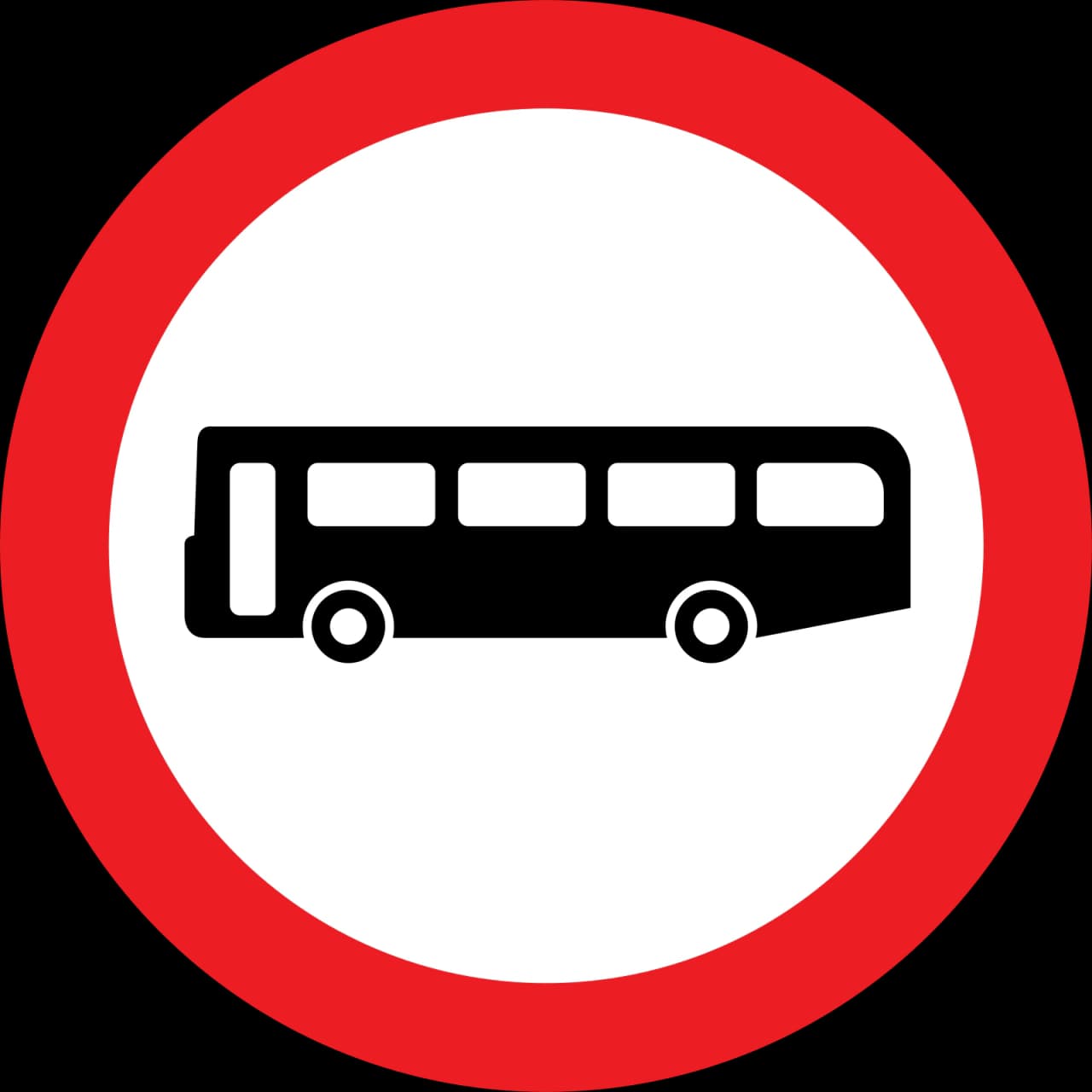
What does the 'Buses Prohibited' road sign mean?

What does the 'Riding of Pedal Cycles Prohibited' sign mean for drivers?

Learn about the 'Cyclists Crossing or Cycle Route Ahead' road sign (950)

Understand the 'Shared Route for Pedal Cycles and Pedestrians Only' Sign (956)

Segregated Track and Path for Pedal Cycles and Pedestrians Only Road Sign (957)

Understand the 'Route for use by pedal cycles only' traffic sign (955)
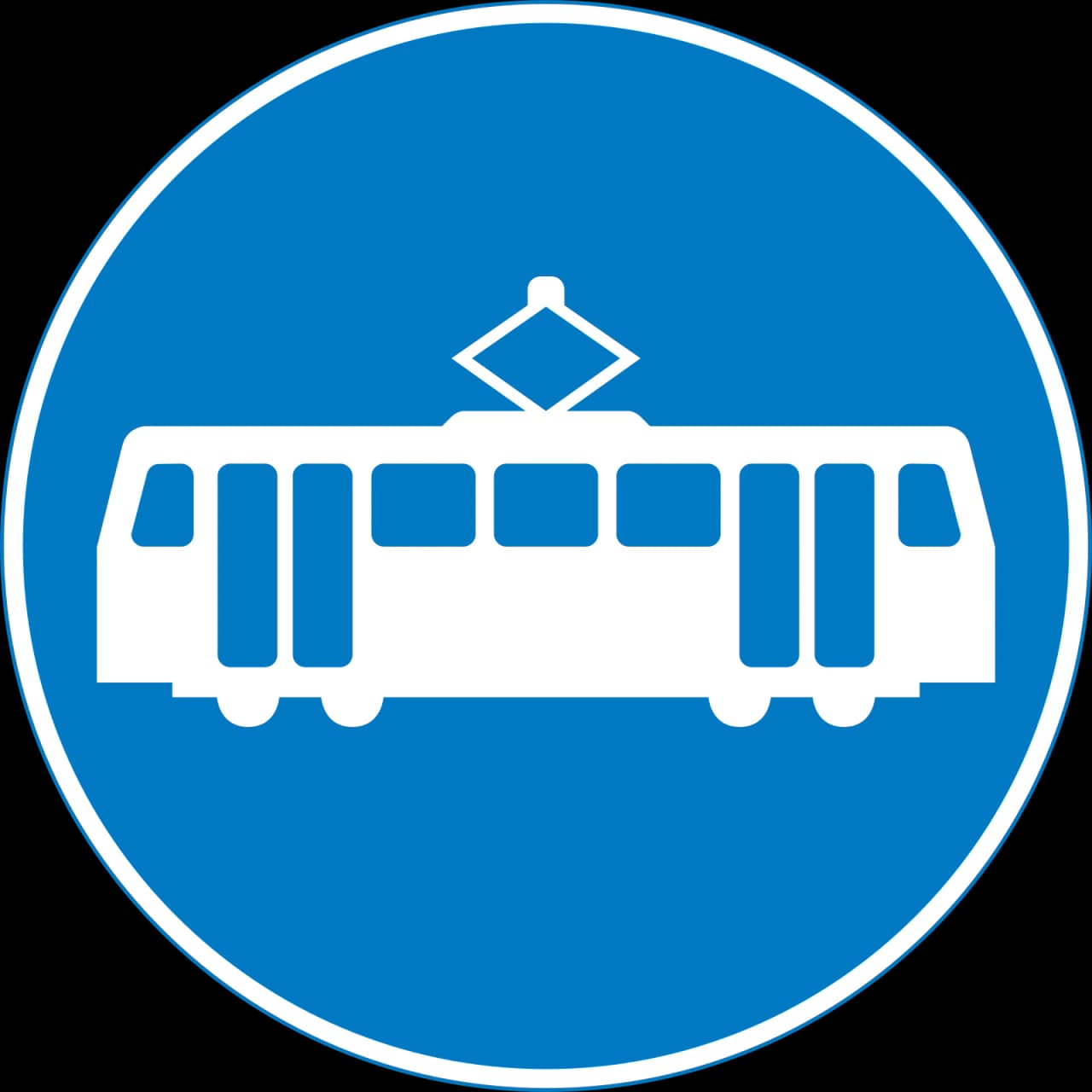
This sign means the route is exclusively for tramcars.

Exclusive Bus and Tramcar Route Sign: Know Where You Can and Cannot Go

Understand the Contra-flow Bus Lane Sign (960) and Shared Road Space

Sign 967: Understand Routes Recommended for Pedal Cycles on the Main Roadway
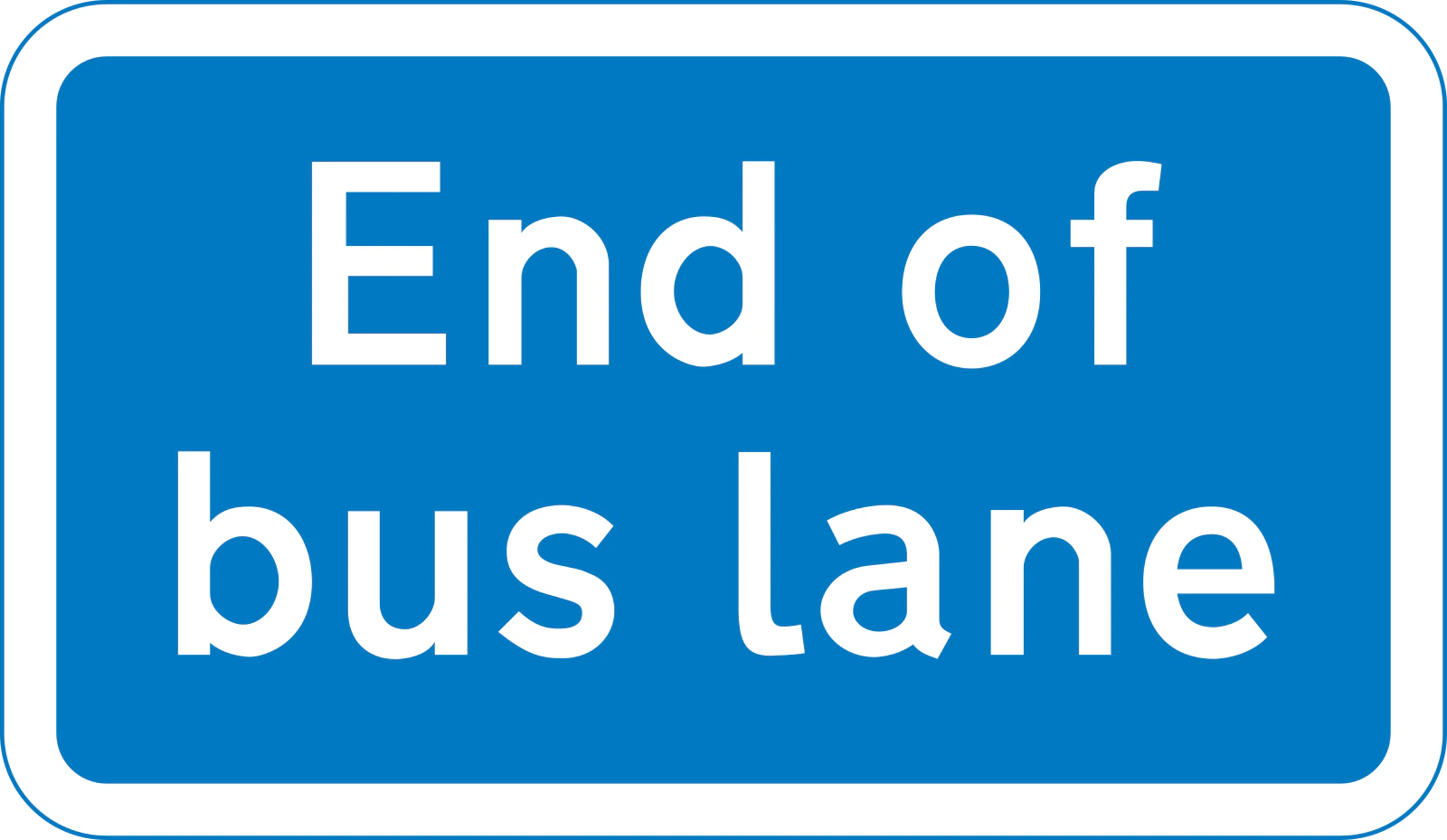
This sign marks the end of a restricted bus or cycle lane.
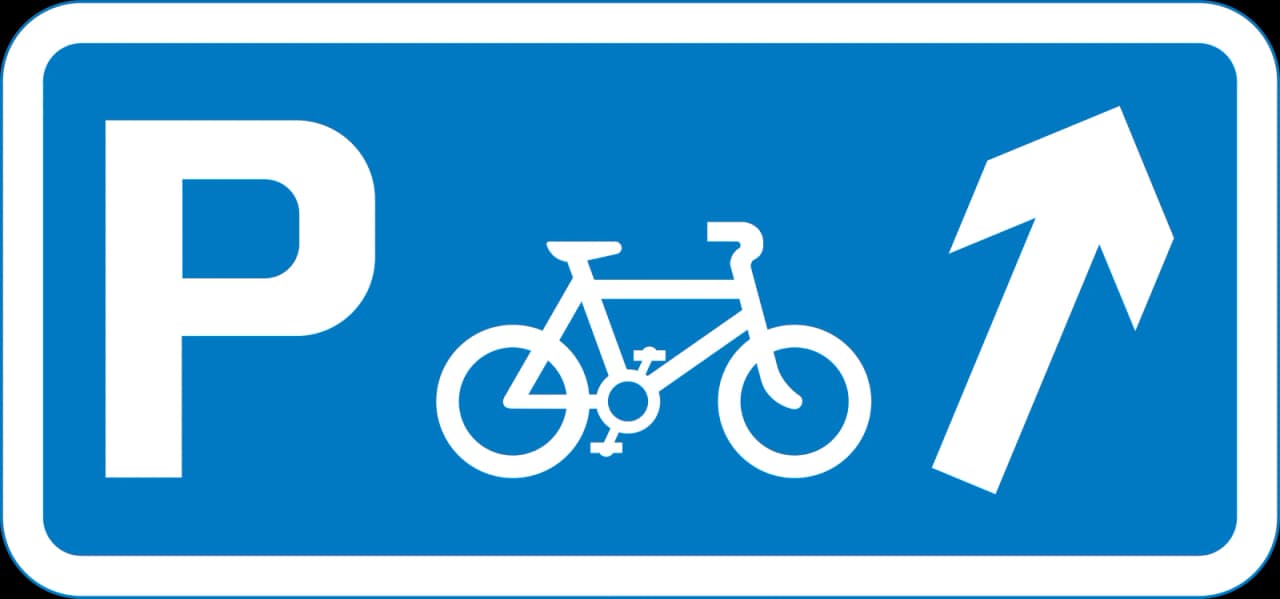
Understand the Junction Ahead Leading to Cycle Parking Road Sign (2603)
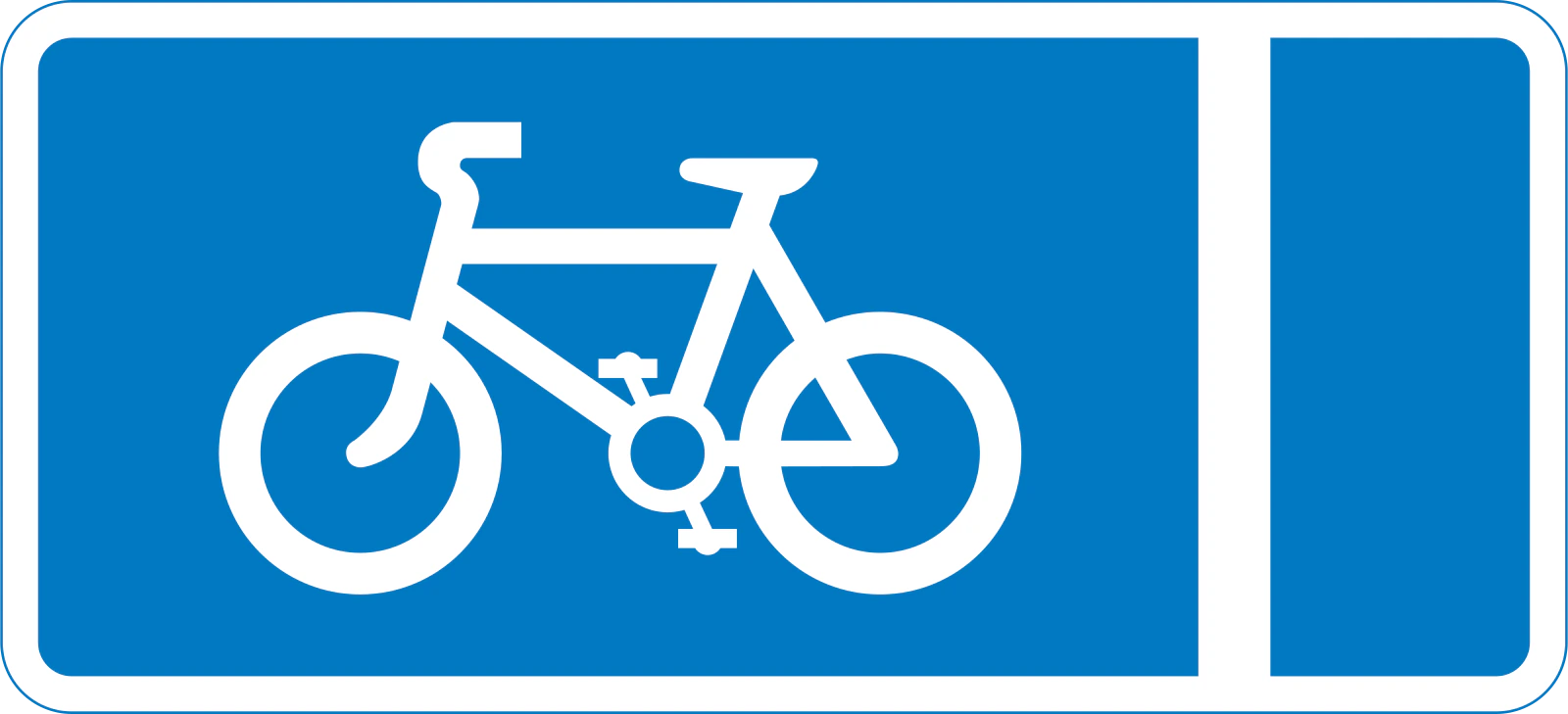
Understand the 'With Flow Cycle Lane' sign to safely share road space.

Understand the 963T Bus Lane Sign: Traffic May Proceed From Both Directions, Pedestrians Take Note!

Understand the With-flow Cycle Lane Ahead Traffic Sign
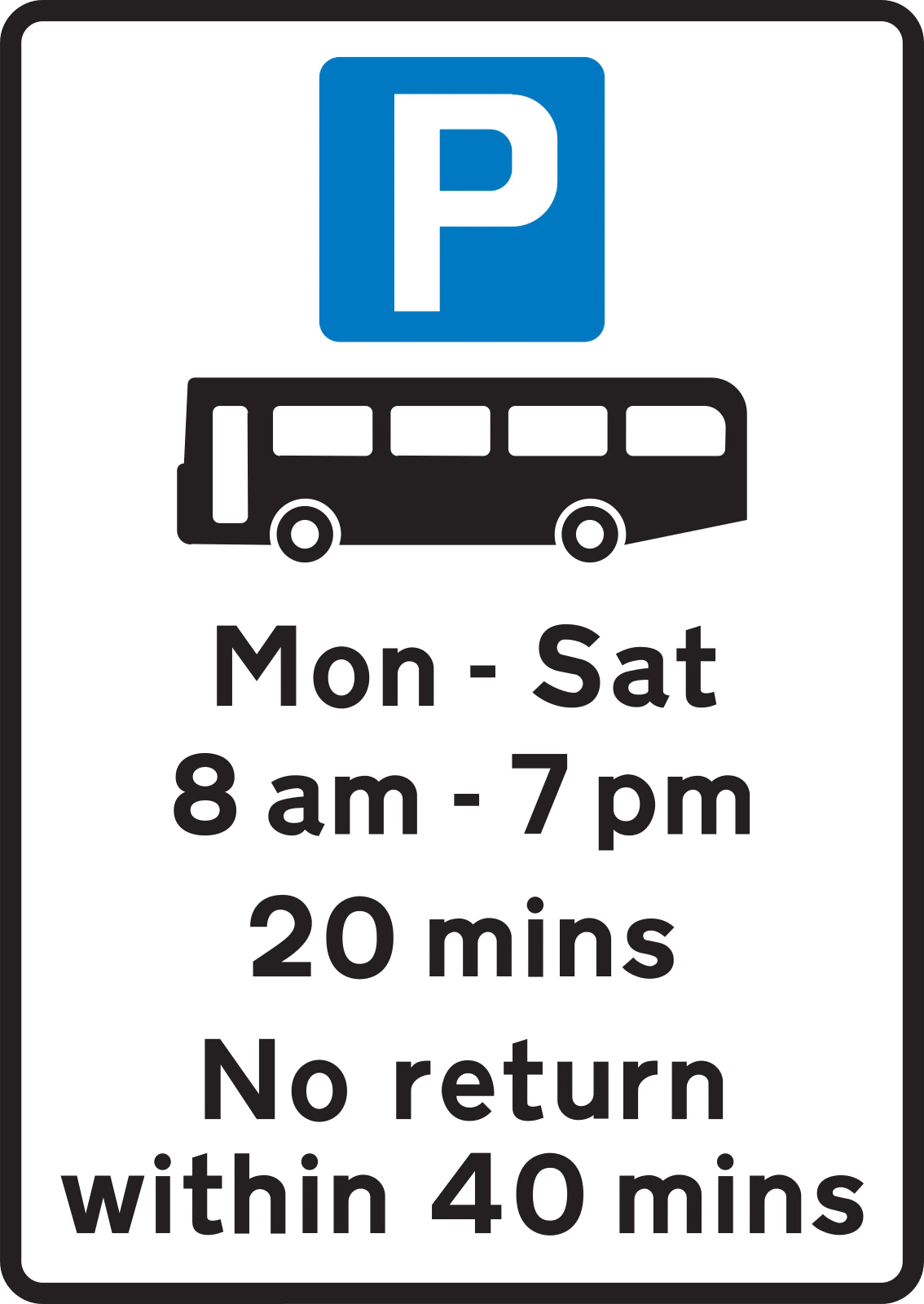
Understand the 'Parking place for buses only during the times shown' road sign (661.1VB).

Understand the Contra-flow Bus and Cycle Lane Reminder Sign (963.2)
Clear answers to common questions about the Great Britain Bus and Cycle Signs road sign category. Use this FAQ to review tricky rules, understand how these signs appear in exam scenarios, and remove confusion that often leads to mistakes in the British driving theory exam in Great Britain.
A shared path (956) means cyclists and pedestrians use the same space, so both parties need to be extra cautious of each other. A segregated path (957) has a physical or clearly marked division, with separate lanes for cyclists and pedestrians. While segregation improves safety, you should still remain aware of cyclists using their designated area.
Generally, bus lanes are exclusively for buses, and driving in them is prohibited unless a sign specifically permits other vehicles or indicates certain times when the lane is open to all traffic (like at the end of the bus lane, sign 964). Always check the signs carefully for any exceptions or time restrictions, such as those for 'Parking place for buses only during the times shown' (661.1VB).
A 'contra-flow bus lane' (960) indicates a bus lane that allows buses to travel in the opposite direction to the normal flow of traffic on that road. As a driver, you must be aware that a bus might be approaching you from the direction you'd normally expect traffic to be moving away from. A reminder for pedestrians (963T) or buses and cycles (963.2) may also be present.
Yes, signs like 'Route recommended for pedal cycles on the main carriageway of a road' (967) suggest that the main road is a suitable route for cyclists. This means you should expect cyclists to be sharing the carriageway with you and give them adequate space and consideration. 'With-flow cycle lane ahead' (958.1) also indicates a lane designated for cyclists on the main road.
Sign 950 warns you that you are approaching an area where cyclists may cross the road or where a cycle route continues. You must be prepared to slow down or stop if necessary to allow cyclists to cross safely. Always be vigilant for cyclists emerging from or crossing the road ahead.
Ready to master Great Britain road signs? Explore organized categories and groups for structured learning. Understanding signs by type improves recall and comprehension, ensuring thorough preparation for your DVSA theory test.
Great Britain Road Sign Groups