
This sign (code 2603) indicates a junction ahead where a parking place for pedal cycles is accessible. It's crucial for drivers to understand how this sign manages shared road space, informing them about who can use specific lanes or paths and how they operate. Drivers should be aware that this sign often works in conjunction with road markings and symbols, and must be prepared to anticipate cyclists, buses, or other permitted users, especially near junctions.
Master the 'Junction ahead leading to a parking place for pedal cycles' sign (2603) to understand shared road space and anticipate cycle users. Crucial for your Great Britain theory test revision, this sign interpretation helps you navigate junctions safely and comply with traffic rules.
This sign manages shared road space by identifying who may use a facility and how that facility operates. It may permit or prohibit buses, cycles, taxis, pedestrians, or other road users, and it often works with lane markings, coloured surfacing, arrows, and time plates. Drivers should read the sign before entering or crossing the area and should check mirrors and blind spots carefully. It is listed in the catalogue as code 2603.
"Junction ahead leading to a parking place for pedal cycles" explains how buses, cycles, taxis, pedestrians, or other permitted users should use the lane, path, crossing, or route. It helps drivers avoid reserved space and anticipate vulnerable road users.
Get clear, practical answers to the most common questions about the 2603 - Junction ahead leading to a parking place for pedal cycles road sign. Learn how the sign works, what rules it represents, and how it affects real driving situations. This FAQ strengthens your understanding and supports accurate decision making for the British driving theory exam in Great Britain.
Sign 2603 signifies that there is an upcoming junction leading to an area designated for parking bicycles. This sign helps manage shared road spaces, clarifying which users, such as cyclists or pedestrians, have priority or access to specific routes or parking facilities.
When you see sign 2603, be prepared for a junction that provides access to cycle parking. You should check your surroundings carefully, especially mirrors and blind spots, as you might encounter cyclists or other permitted users entering or leaving the area. Always be ready to give way to them if necessary and follow any accompanying road markings or signs.
Yes, you should avoid entering any designated cycle lanes or parking areas unless your vehicle is explicitly permitted by the sign or markings. Do not stop in these zones if prohibited, and be particularly careful not to cut across cyclists or buses when turning or changing lanes near these junctions.
In your theory test, understanding sign 2603 is important for demonstrating awareness of vulnerable road users and shared spaces. You'll be tested on your ability to anticipate cyclists and other permitted users, and to react safely and considerately, especially when approaching junctions or turning.
Sign 2603 specifically indicates access to a parking place for pedal cycles. While the associated definition mentions that these signs manage shared spaces for various users like buses, cycles, and taxis, drivers of cars should assume they cannot enter unless the sign or markings clearly permit it. Always check for symbols indicating allowed users.
A clear reference image of the 2603 - Junction ahead leading to a parking place for pedal cycles road sign used in Great Britain.
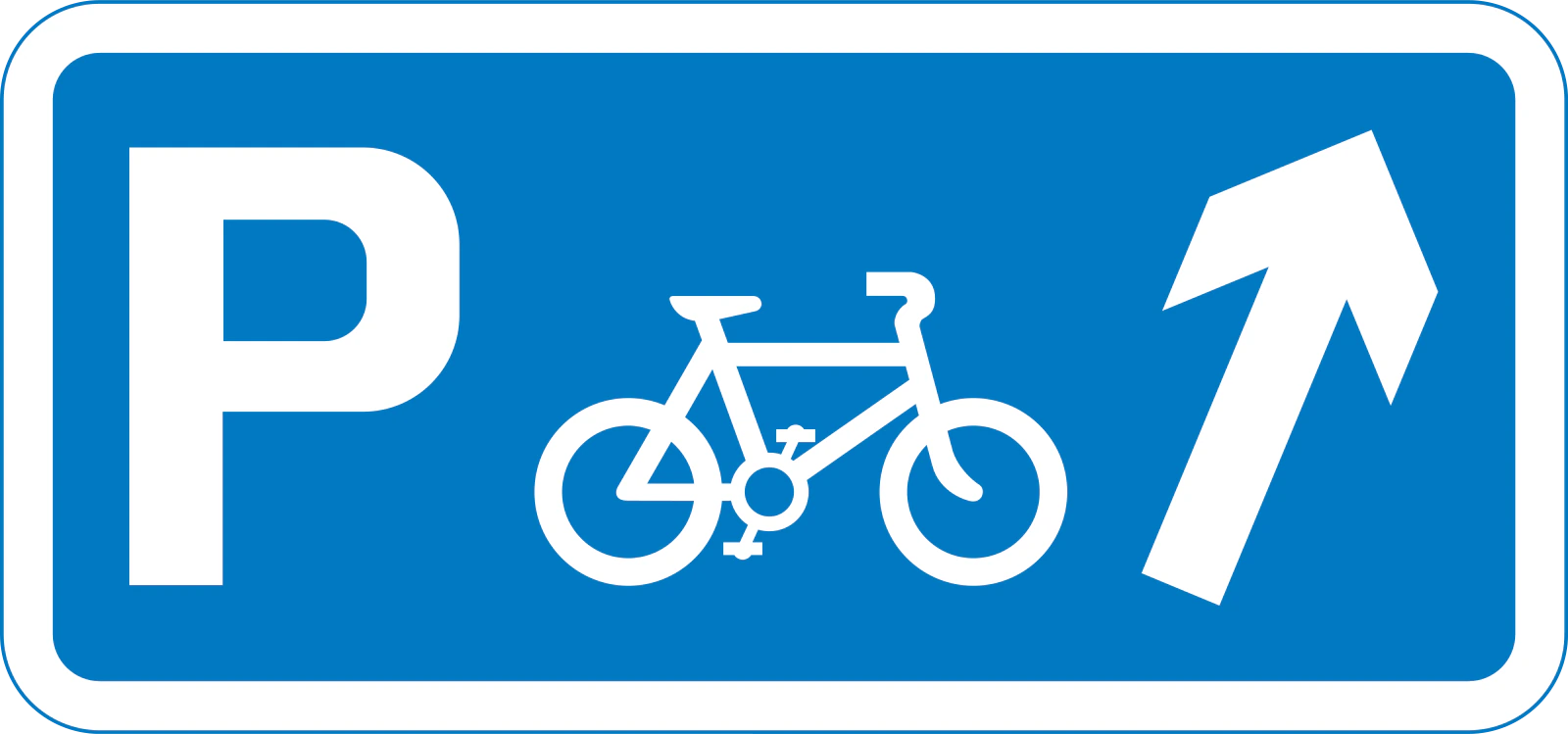
The 2603 - Junction ahead leading to a parking place for pedal cycles road sign may also be known by these alternative names or terms.
The 2603 - Junction ahead leading to a parking place for pedal cycles road sign is part of the Great Britain Bus and Cycle Signs category, which groups together signs with similar rules and functions.
Studying signs that look alike helps build sharp recognition skills, reducing confusion and errors for your theory test revision. Mastering traffic sign comparison and understanding subtle differences is key to accurate sign recognition and exam success.
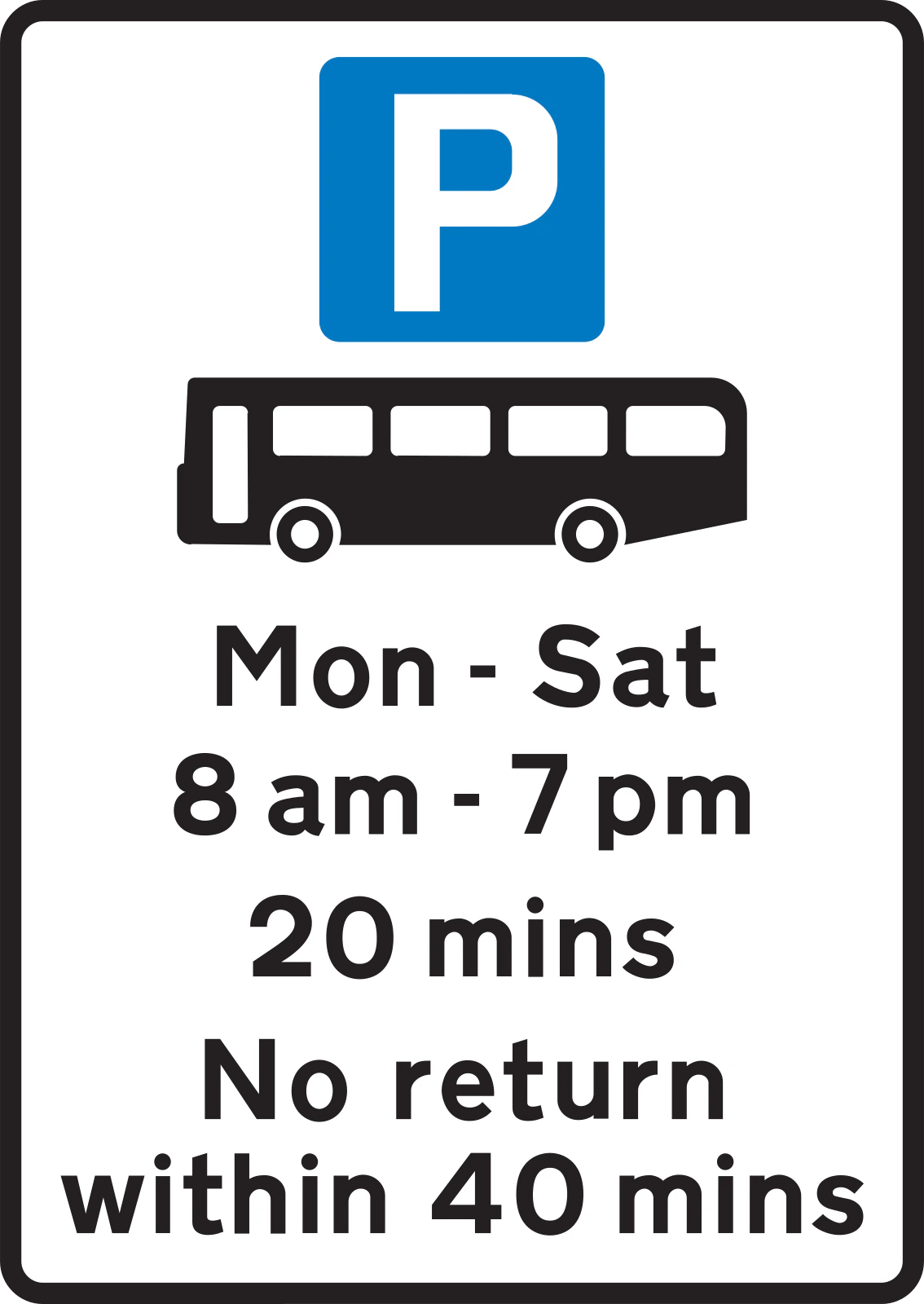
Understand the 'Parking place for buses only during the times shown' road sign (661.1VB).
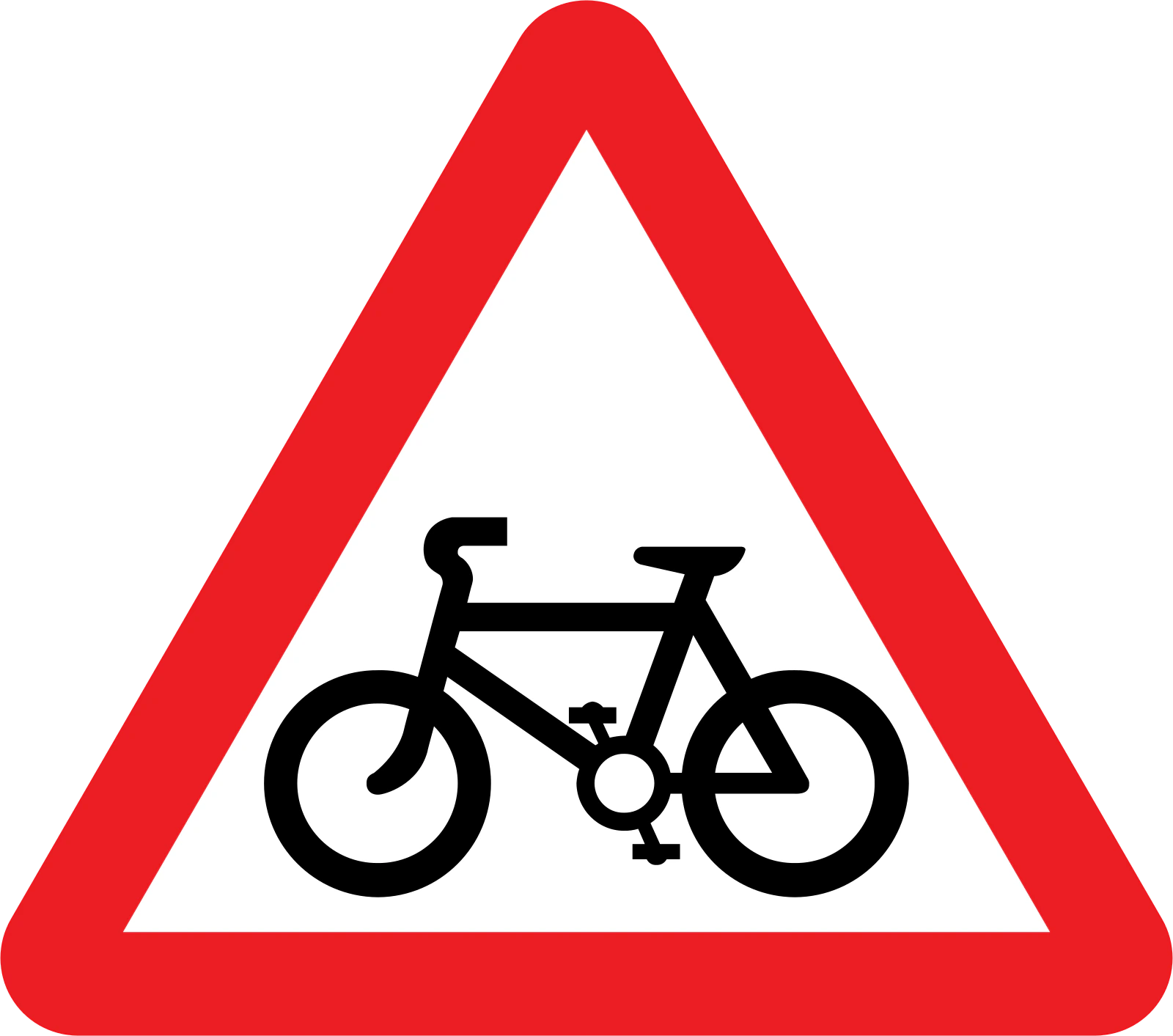
Learn about the 'Cyclists Crossing or Cycle Route Ahead' road sign (950)
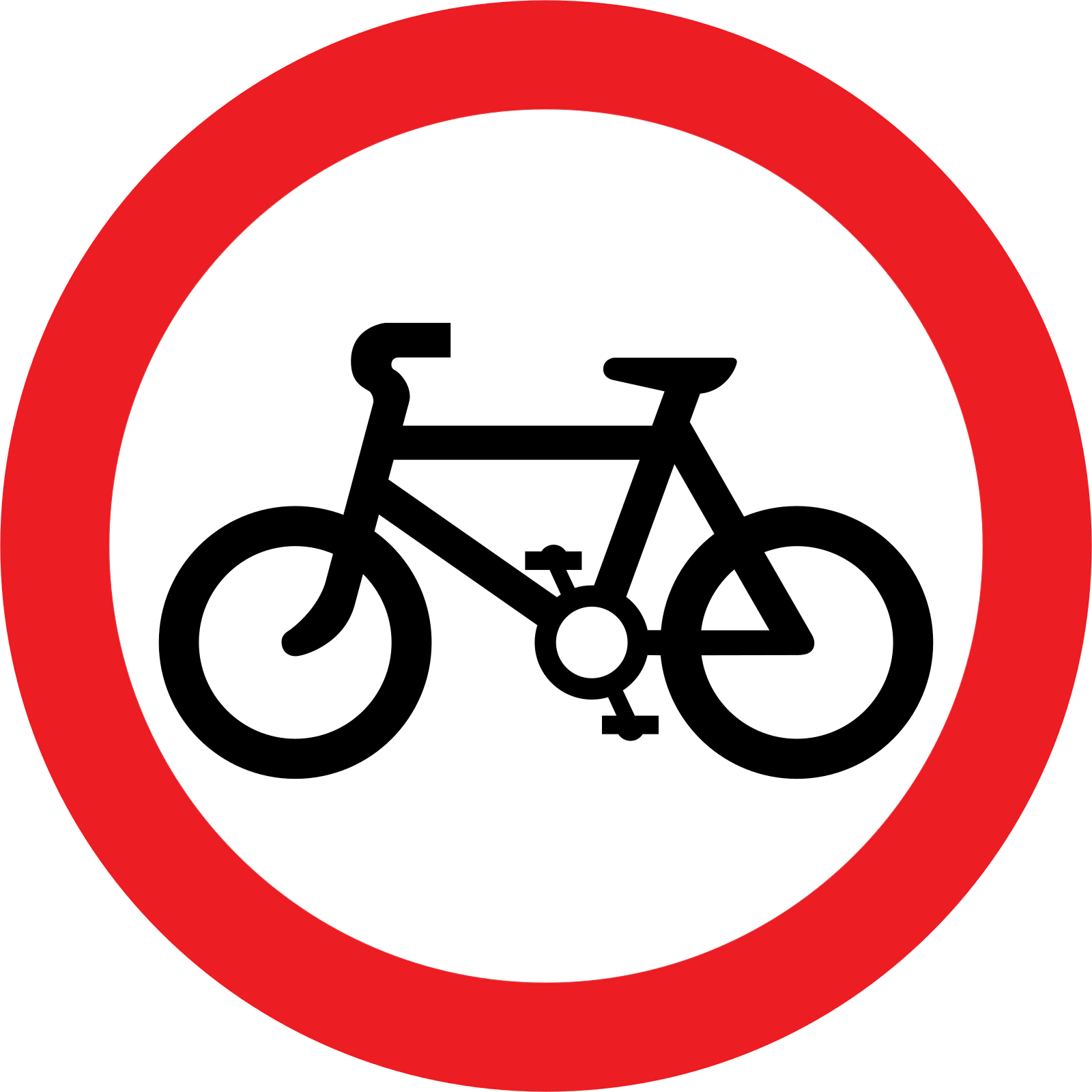
What does the 'Riding of Pedal Cycles Prohibited' sign mean for drivers?
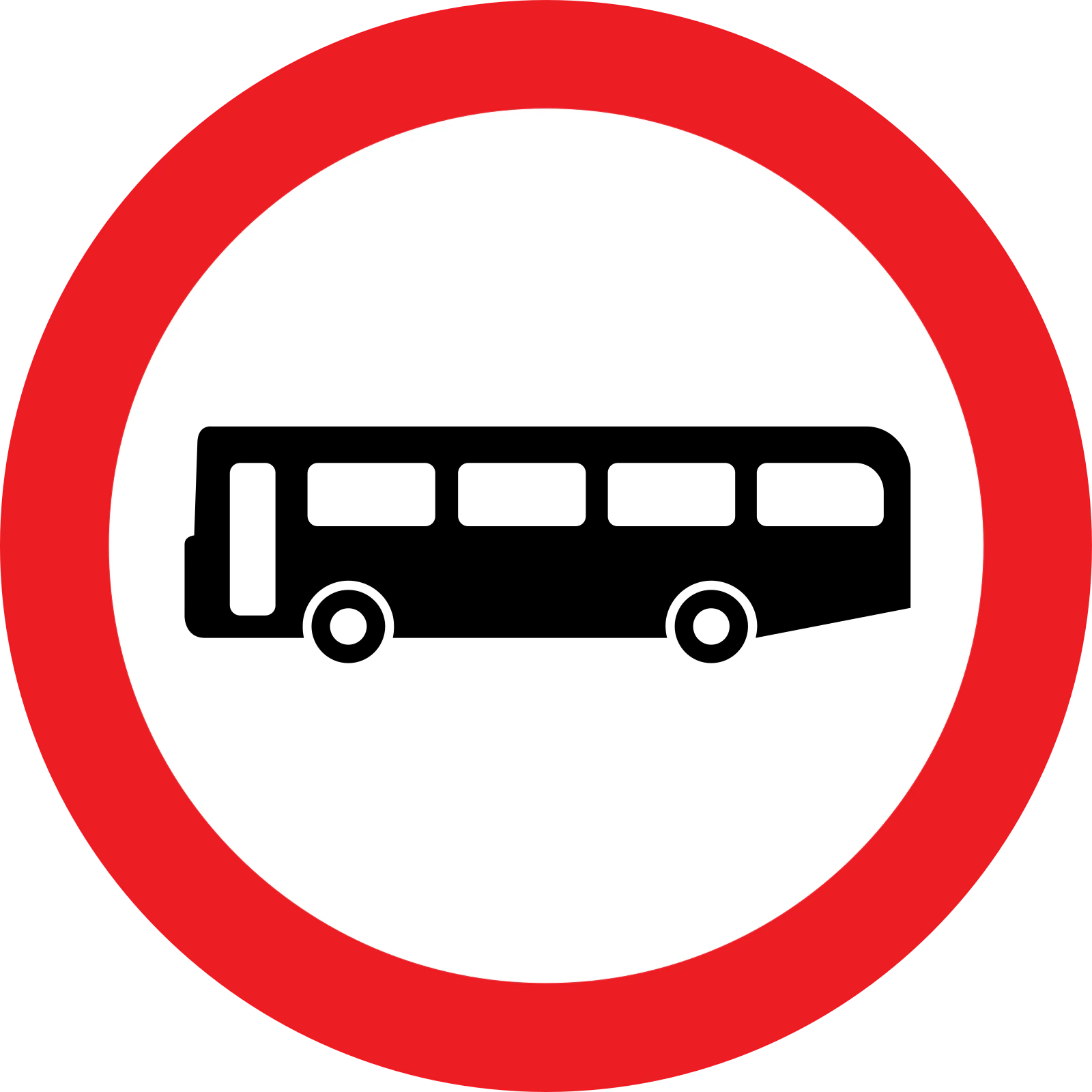
What does the 'Buses Prohibited' road sign mean?
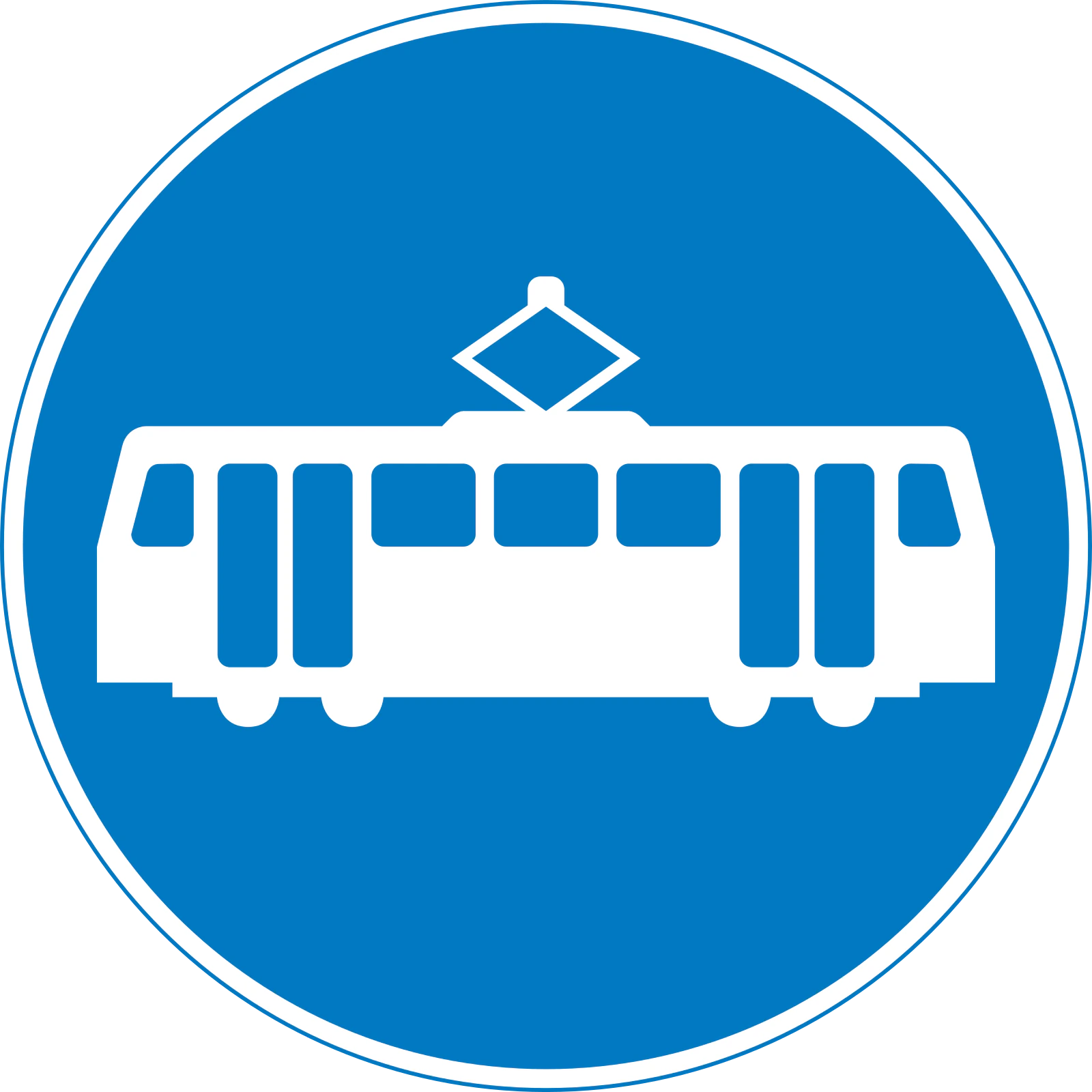
This sign means the route is exclusively for tramcars.
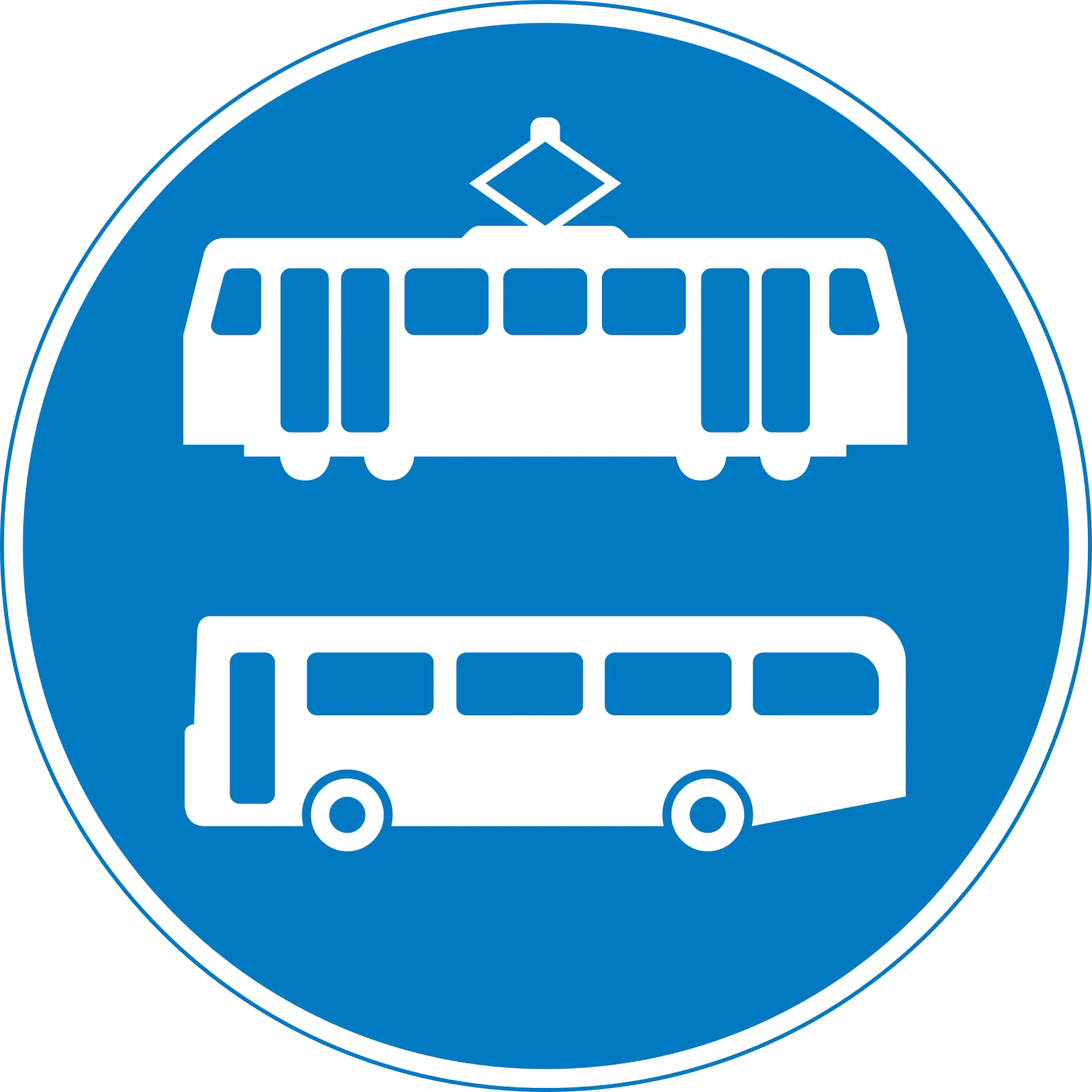
Exclusive Bus and Tramcar Route Sign: Know Where You Can and Cannot Go
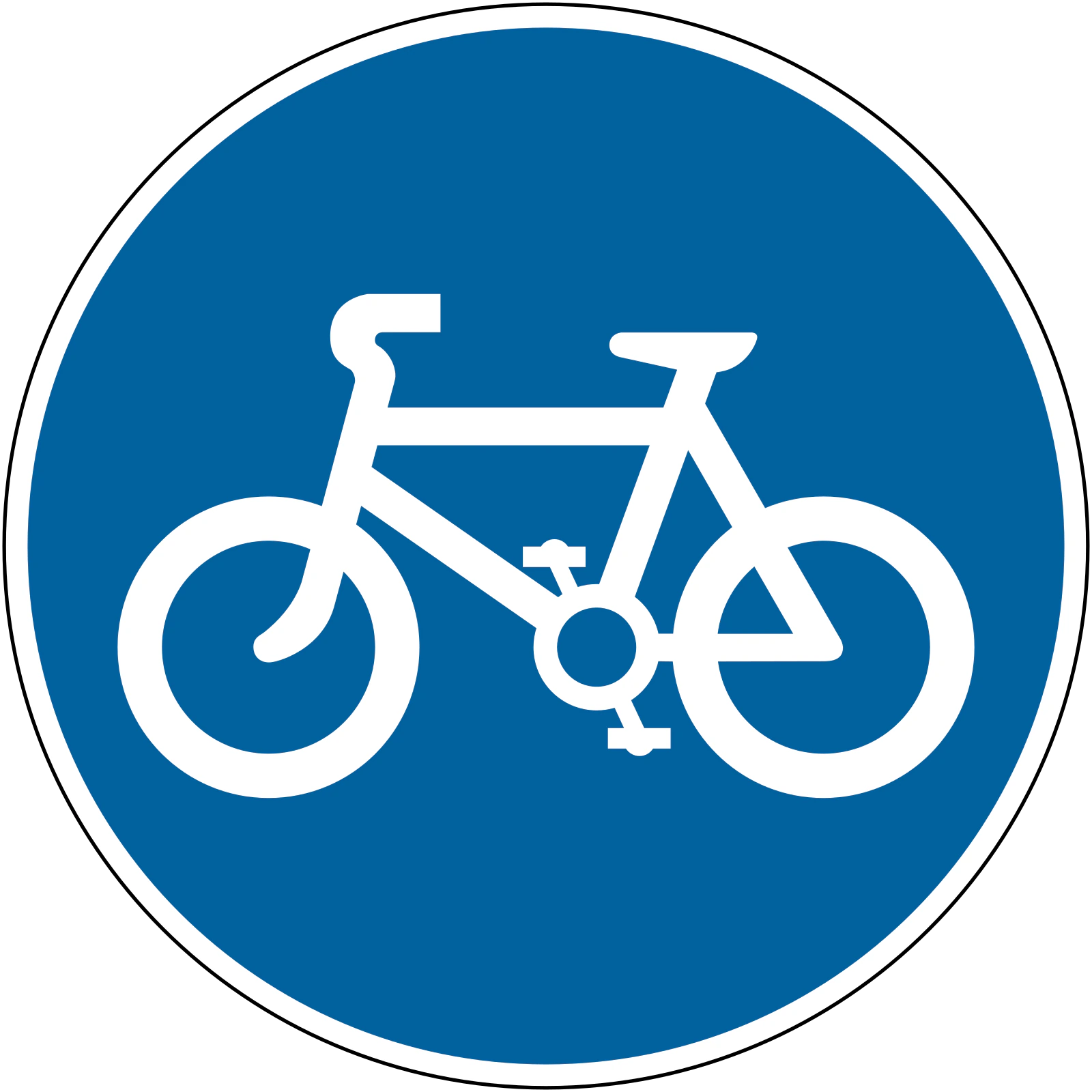
Understand the 'Route for use by pedal cycles only' traffic sign (955)
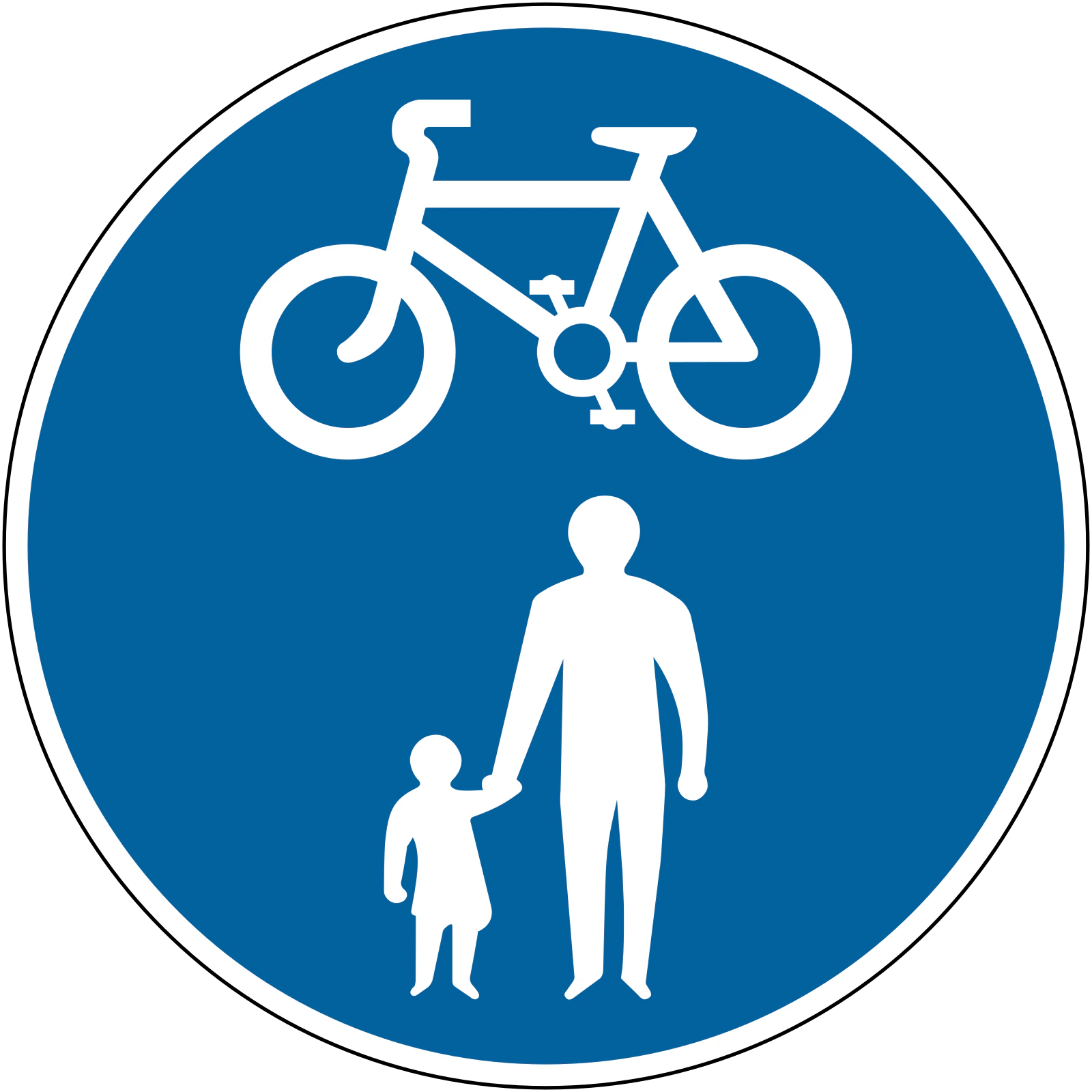
Understand the 'Shared Route for Pedal Cycles and Pedestrians Only' Sign (956)
Explore curated explanations and practical examples to strengthen your visual recognition of essential Great Britain road signs. These supplementary materials provide the context needed to navigate junctions safely and pass your official DVSA theory test.
Learn how to safely share the road with HGVs, avoid blind spots, and anticipate wide turns.
Master Critical Emergency Procedures and Avoid Test Traps on GB Roads.
When you get behind the wheel of another person's car, the law holds you strictly accountable for ensuring the vehicle is safe, taxed, and properly insured. This guide explains the checks you must perform to remain compliant with UK traffic laws and avoid common pitfalls often tested in the DVSA theory exam. Mastery of these rules ensures you are prepared to act as a responsible and legal road user.
Navigate complex urban junctions with confidence by understanding Great Britain's specific traffic light rules. This article clarifies the meaning of amber lights, the function of green filter arrows, and the crucial importance of advanced stop lines for cyclist safety, as governed by the Highway Code. Mastering these rules is essential for passing your theory test and ensuring road safety for all.
This sign manages shared road space by identifying who may use a facility and how that facility operates. It may permit or prohibit buses, cycles, taxis, pedestrians, or other road users, and it often works with lane markings, coloured surfacing, arrows, and time plates. Drivers should read the sign before entering or crossing the area and should check mirrors and blind spots carefully. It is listed in the catalogue as code 950.
This sign manages shared road space by identifying who may use a facility and how that facility operates. It may permit or prohibit buses, cycles, taxis, pedestrians, or other road users, and it often works with lane markings, coloured surfacing, arrows, and time plates. Drivers should read the sign before entering or crossing the area and should check mirrors and blind spots carefully. It is listed in the catalogue as code 958.1.
After reviewing the full list of road signs, challenge yourself with practice questions focused specifically on sign recognition. Reinforce your learning and ensure you're fully prepared to identify and understand all traffic signs on the DVSA theory test.
Browse All GB Road Signs List