
Direction signs are your essential guides on the road, pointing you towards destinations, junctions, and specific routes. Understanding these signs is crucial not only for reaching your destination efficiently but also for maintaining safety, especially around complex areas like roundabouts and upcoming lane changes. This section will help you recognise these signs, understand their meaning well in advance, and prepare effectively for your theory test.
An explanation of how Great Britain Direction Signs road signs apply in real traffic situations in Great Britain. Learn where these signs are typically placed, what drivers are expected to do when they appear, and how correct reactions help you stay safe, avoid fines, and succeed in your British driving theory exam.
You will encounter Great Britain direction signs frequently when driving, especially on approach to junctions, motorways, and roundabouts. Signs indicating distances to roundabouts or route exits, such as those showing 300, 200, or 100 yards, help you anticipate and prepare for upcoming manoeuvres. Other signs, like those for additional lanes joining from the left or right, inform you about traffic merging ahead, requiring you to be extra vigilant and adjust your position if necessary. Properly reading these signs early allows you to choose the correct lane in good time, signal appropriately, and avoid last-minute, potentially dangerous decisions. They are fundamental for both efficient travel and safe navigation through complex road layouts.
An overview of the key learning outcomes when studying the Great Britain Direction Signs road sign category. Understand the main concepts, sign meanings, and traffic situations covered here so you can recognise patterns, answer theory questions more confidently, and build a solid foundation for safe driving in Great Britain.
Study Great Britain's key direction signs to navigate effectively on UK roads. Understanding these signs, from route indicators to lane instructions, is crucial for your theory test revision and safe driving. Learn to recognise patterns and meanings for confident road navigation.
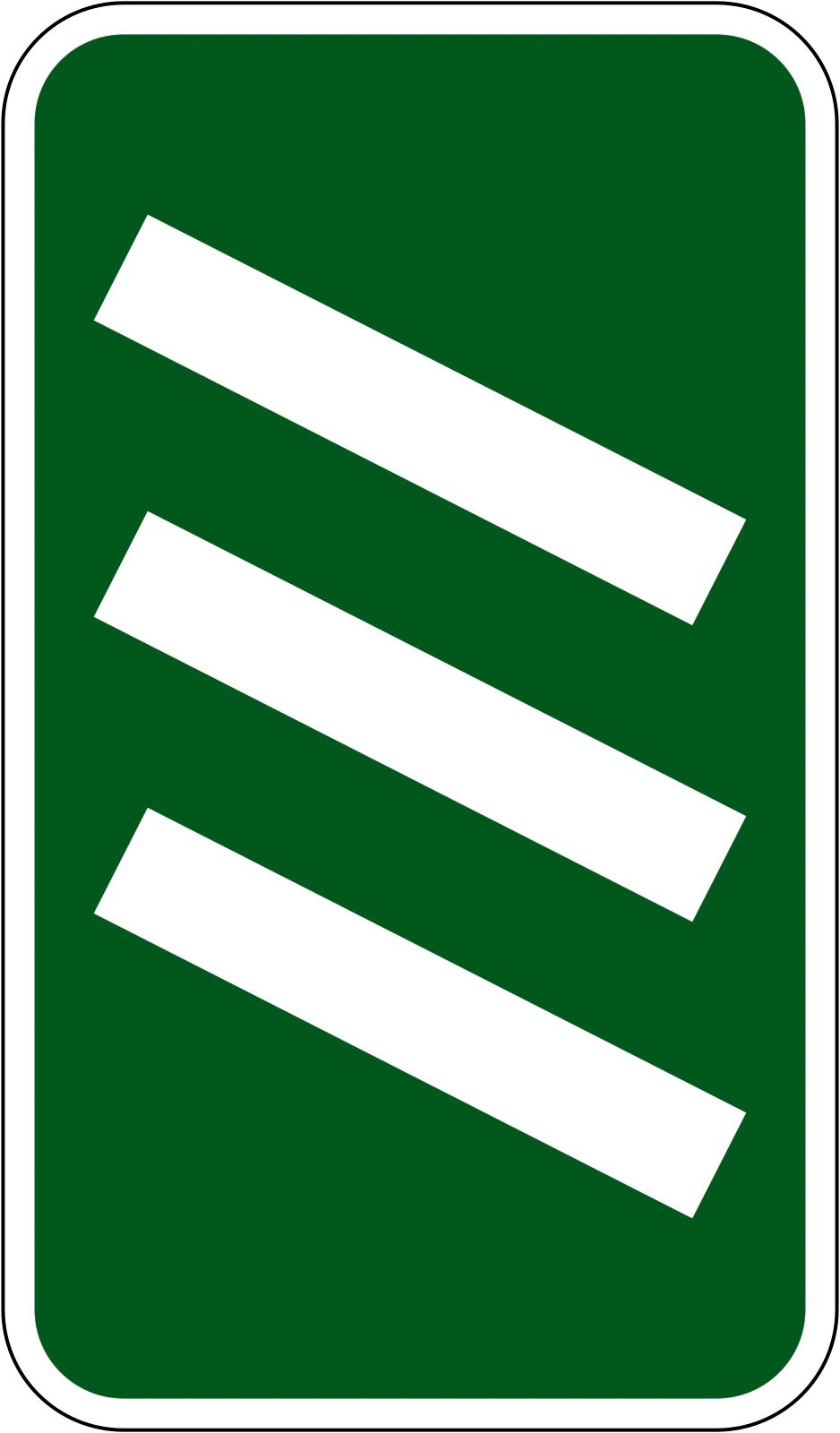
Plan ahead with the 300 yards to roundabout or route exit direction sign

Prepare for roundabouts and route exits with the 200 yd advance direction sign.

Prepare for Roundabouts and Exits with the 100 yd Direction Sign

Navigate junctions near bypassed towns with the Primary Route Junction sign.

Prepare for additional lanes joining from the right ahead with this crucial direction sign.
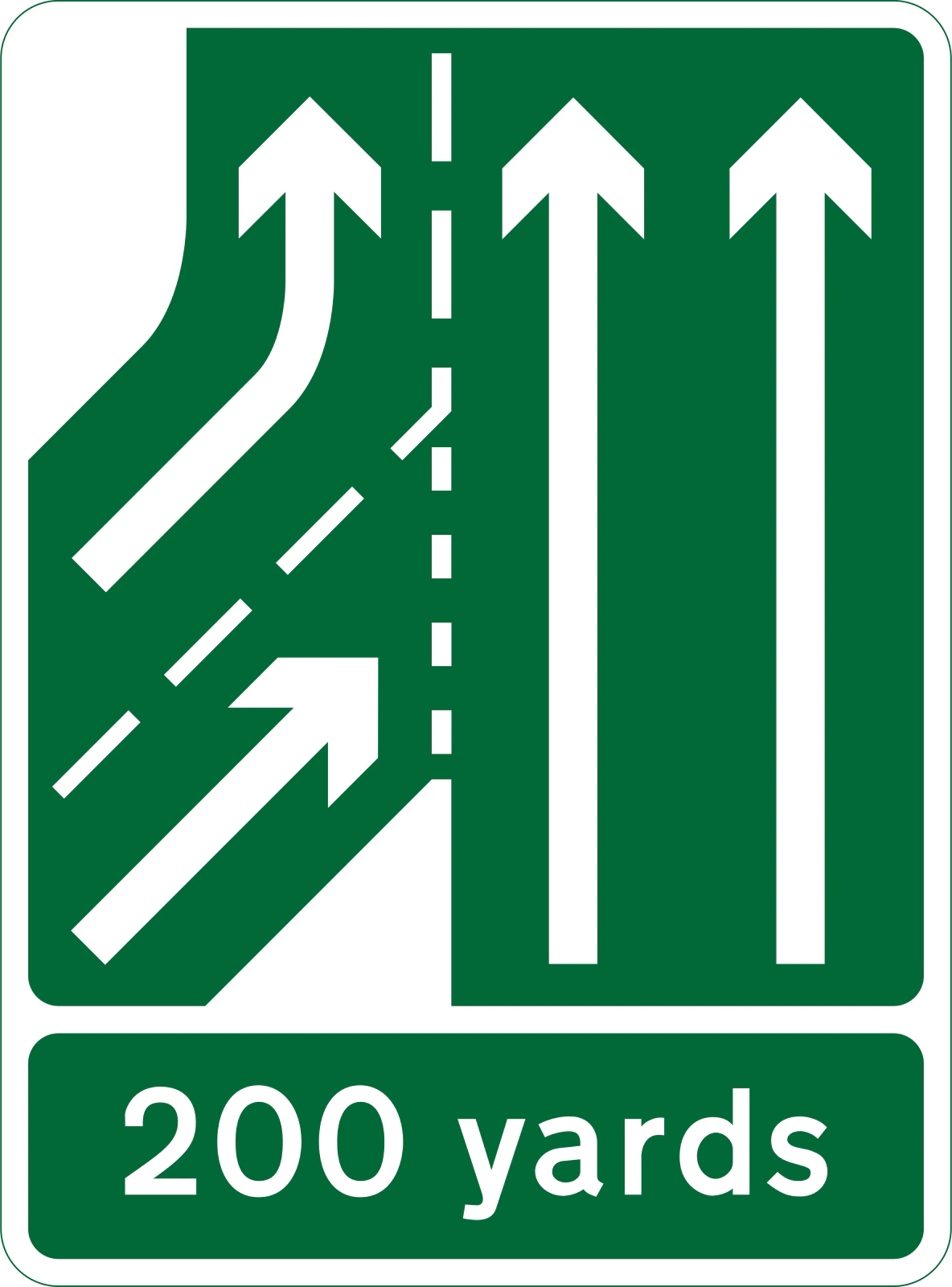
Prepare for an additional lane joining from the left in 200 yards
Clear answers to common questions about the Great Britain Direction Signs road sign category. Use this FAQ to review tricky rules, understand how these signs appear in exam scenarios, and remove confusion that often leads to mistakes in the British driving theory exam in Great Britain.
The primary purpose of Great Britain direction signs is to guide drivers towards their intended routes, destinations, and specific junctions or exits. They provide advance warning and information about upcoming road layouts, lane choices, and distances, helping drivers navigate safely and efficiently.
These distance indicators are crucial for planning your actions. They tell you how much time you have before reaching the roundabout or junction. This allows you to check mirrors, signal your intentions, and position your vehicle correctly well in advance, rather than making sudden movements that could surprise other road users.
Signs like 'Additional lanes joining from left/right ahead' mean other traffic will merge into your current road. You should be aware of vehicles that may be entering your lane, possibly at a different speed. Look for merging vehicles and, if necessary, adjust your speed or position slightly to allow them to join safely, but always prioritise your own safe progress.
The theory test includes questions on identifying and interpreting various road signs. Understanding direction signs, their meanings, and the situations in which they appear is essential for answering these questions correctly and demonstrating your knowledge of road rules and safe driving practices.
While generally aligned, it's important to note that road markings can sometimes provide more immediate guidance, especially at junctions. Always prioritise the most immediate and relevant information. If a sign indicates a lane is for a specific route, and markings confirm this, follow that guidance. In rare cases of conflict, err on the side of caution and ensure you are in the safest possible position.
Ready to master Great Britain road signs? Explore organized categories and groups for structured learning. Understanding signs by type improves recall and comprehension, ensuring thorough preparation for your DVSA theory test.
Great Britain Road Sign Groups