
The 824-G road sign, commonly known as '200 yd to roundabout or route exit', is an important informational sign designed to help you plan your journey in advance. It indicates that a roundabout or a point where you can leave the main route is 200 yards away. This sign is part of a suite of direction signs that help reduce uncertainty before junctions or lane splits, ensuring you can choose the correct lane or exit safely.
This sign confirms you are 200 yards from a roundabout or a route exit, vital information for planning your approach and lane selection. Master this road sign meaning for your theory test revision and ensure confident navigation.
Direction signs are used to reduce uncertainty before junctions, roundabouts, lane splits, and route changes. This sign may show destination names, route numbers, countdown distances, or where traffic can leave a route. The driver should read it early, match it with road markings, and continue safely if the intended movement cannot be made without a sudden manoeuvre. It is listed in the catalogue as code 824-G.
"200 yd to roundabout or route exit" gives route, destination, lane, junction, or distance information. It helps the driver choose a safe lane or route before the decision point is reached.
Get clear, practical answers to the most common questions about the 824-G - 200 yd to roundabout or route exit road sign. Learn how the sign works, what rules it represents, and how it affects real driving situations. This FAQ strengthens your understanding and supports accurate decision making for the British driving theory exam in Great Britain.
The 824-G sign provides advance warning that a roundabout or a route exit is approaching in approximately 200 yards. Its main purpose is to give you time to plan your lane position and manoeuvres well in advance, helping to avoid sudden braking or unsafe lane changes.
Upon seeing the 824-G sign, you should immediately check your mirrors and consider your planned route. Match any destination names or route numbers on the sign with the lane markings ahead and prepare to signal in good time if you need to change lanes or take the indicated exit.
A common trap in the theory test is misunderstanding that this sign is for planning only. Learners might mistakenly think they must force their way into a lane if they miss the sign's instruction, or perform a sudden manoeuvre. Remember, safety comes first; if you cannot safely take the indicated lane or exit, continue on your current path and find another opportunity to re-route.
No, you must not swerve, stop unexpectedly, or reverse simply because you have missed the indicated route or lane. The 824-G sign is for planning. If a safe manoeuvre cannot be made, you should continue safely and find an alternative way to reach your destination later. Forcing an unsafe manoeuvre is dangerous and could lead to an accident.
You should aim to take the indicated exit or lane if it matches your intended route and can be done safely. However, if you cannot safely change lanes or make the exit without causing danger to yourself or others, you should continue on your current path. The sign's purpose is to assist planning, not to mandate risky actions. Always match destinations and route numbers with road markings.
A clear reference image of the 824-G - 200 yd to roundabout or route exit road sign used in Great Britain.
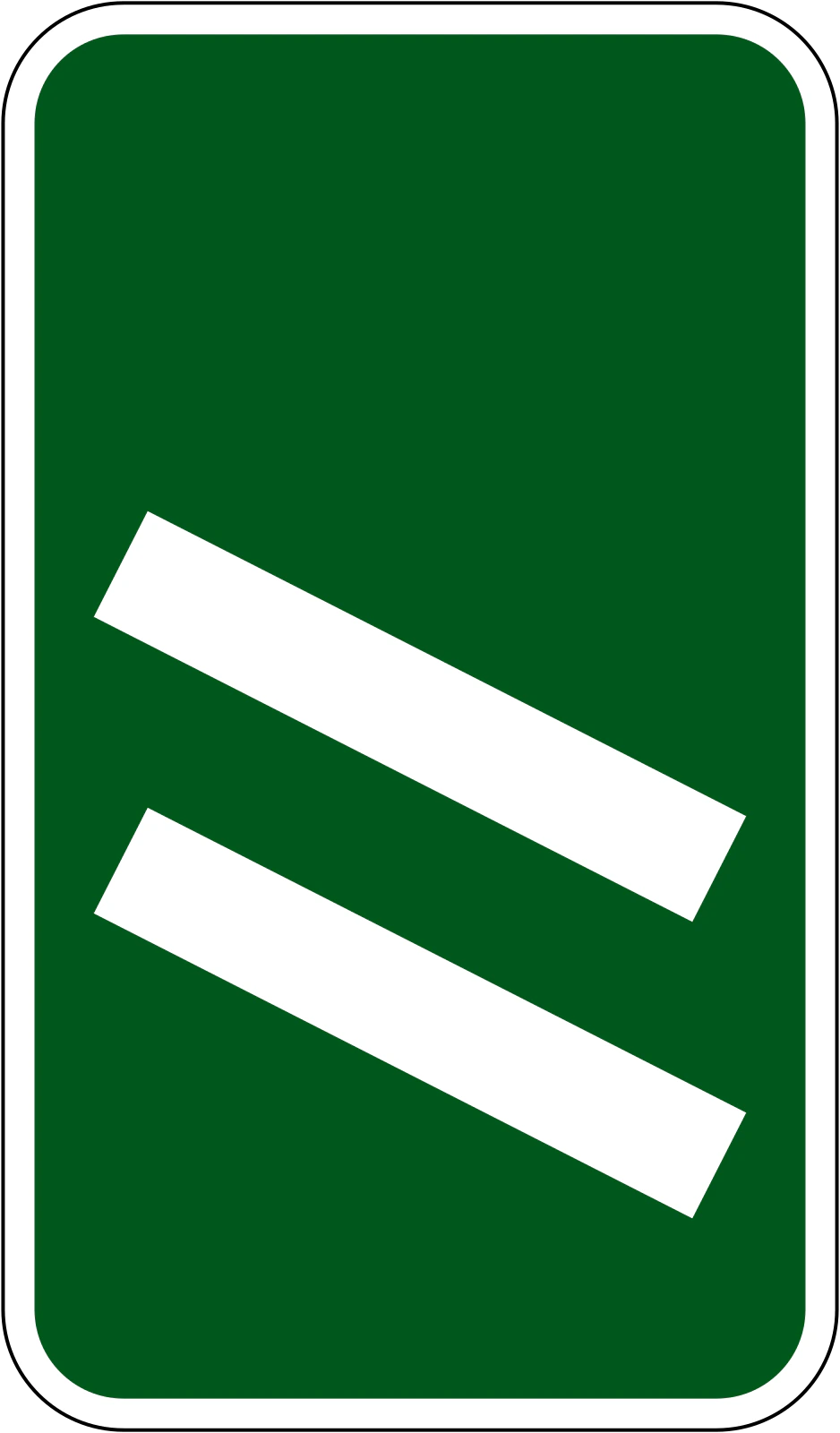
The 824-G - 200 yd to roundabout or route exit road sign may also be known by these alternative names or terms.
The 824-G - 200 yd to roundabout or route exit road sign is part of the Great Britain Direction Signs category, which groups together signs with similar rules and functions.
Strengthen your understanding of traffic signs by comparing this one with similar ones, aiding recognition and reducing errors in your theory test revision. Mastering traffic sign comparison is crucial for effective hazard perception and safe driving.
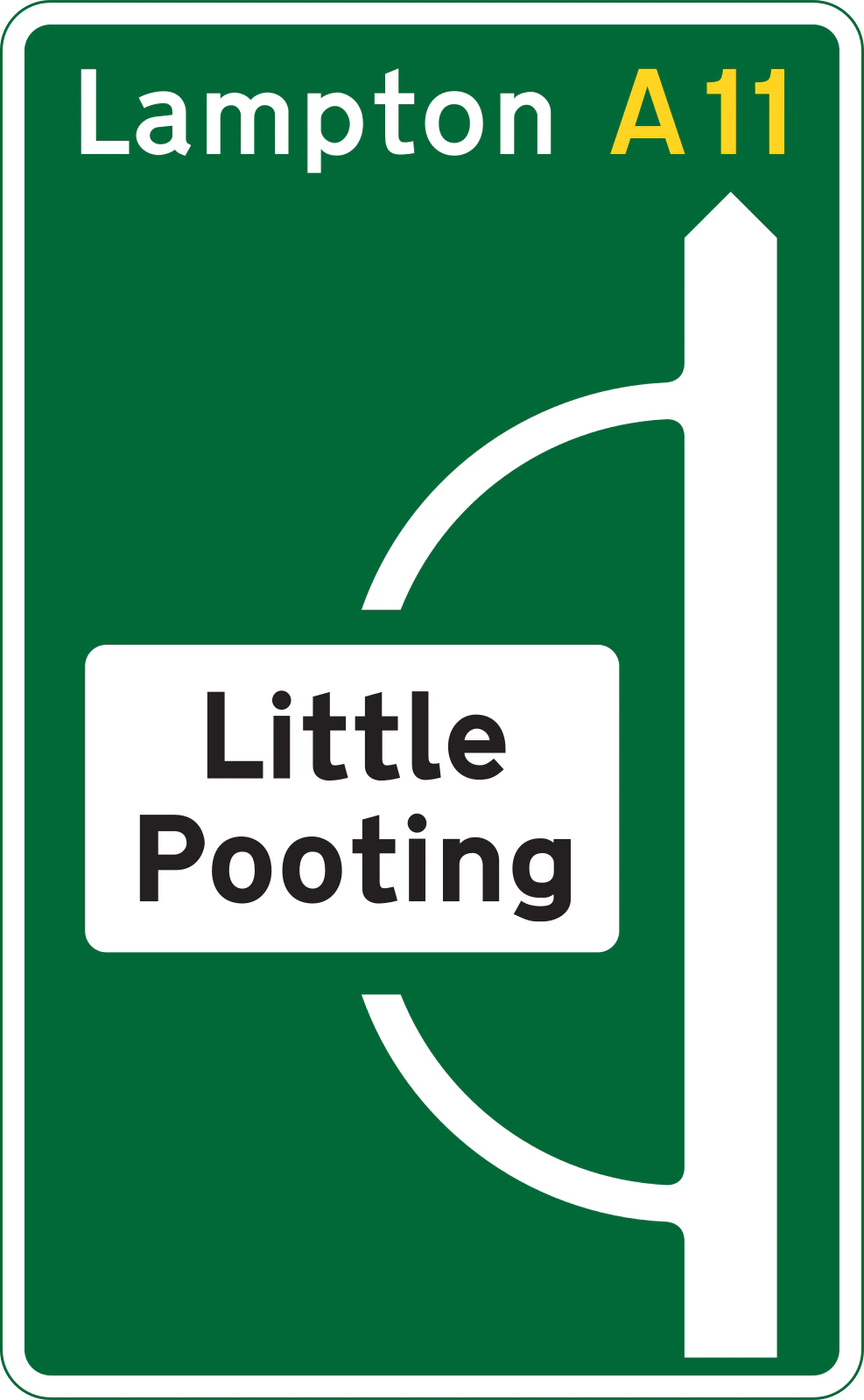
Navigate junctions near bypassed towns with the Primary Route Junction sign.
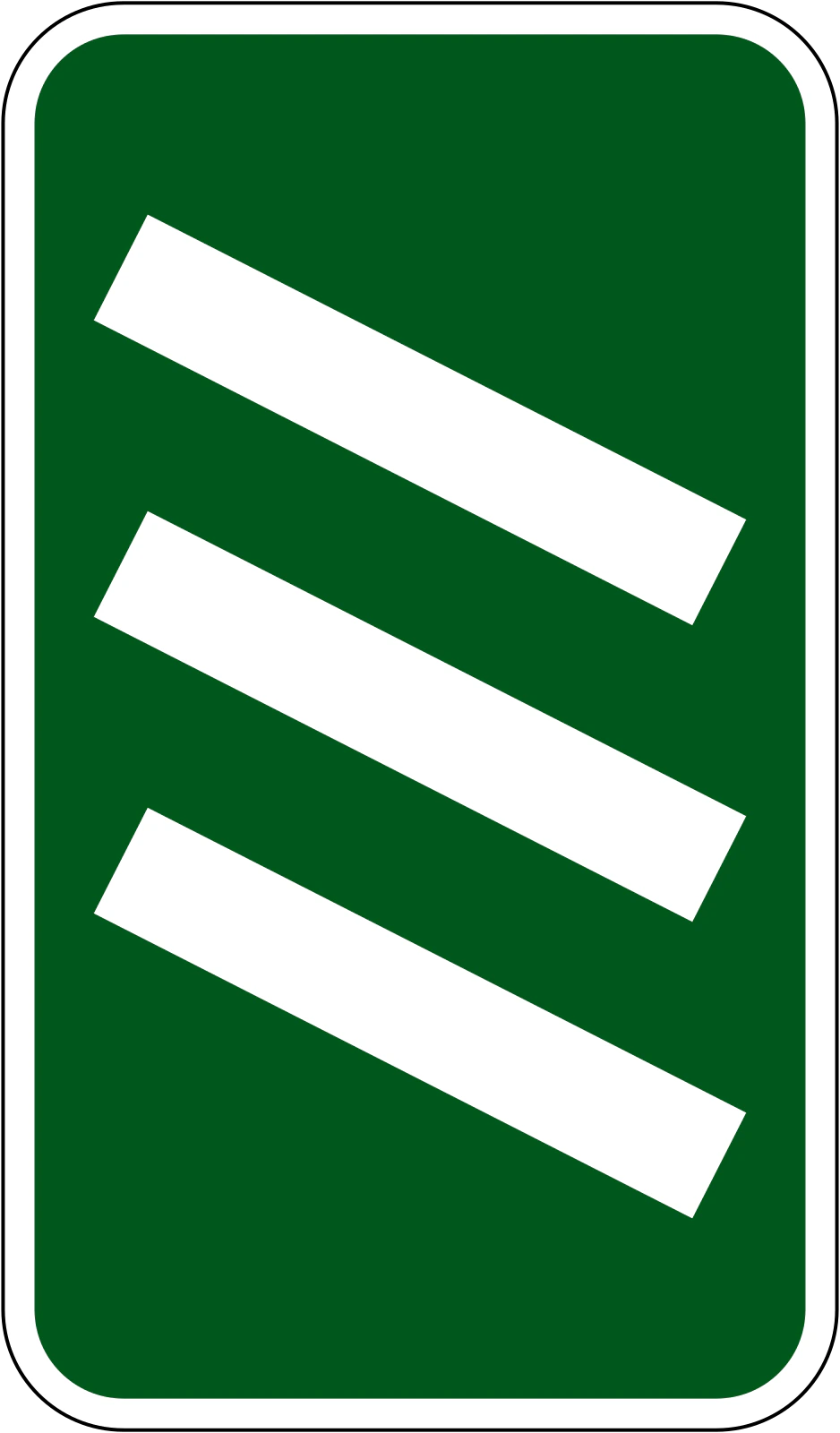
Plan ahead with the 300 yards to roundabout or route exit direction sign
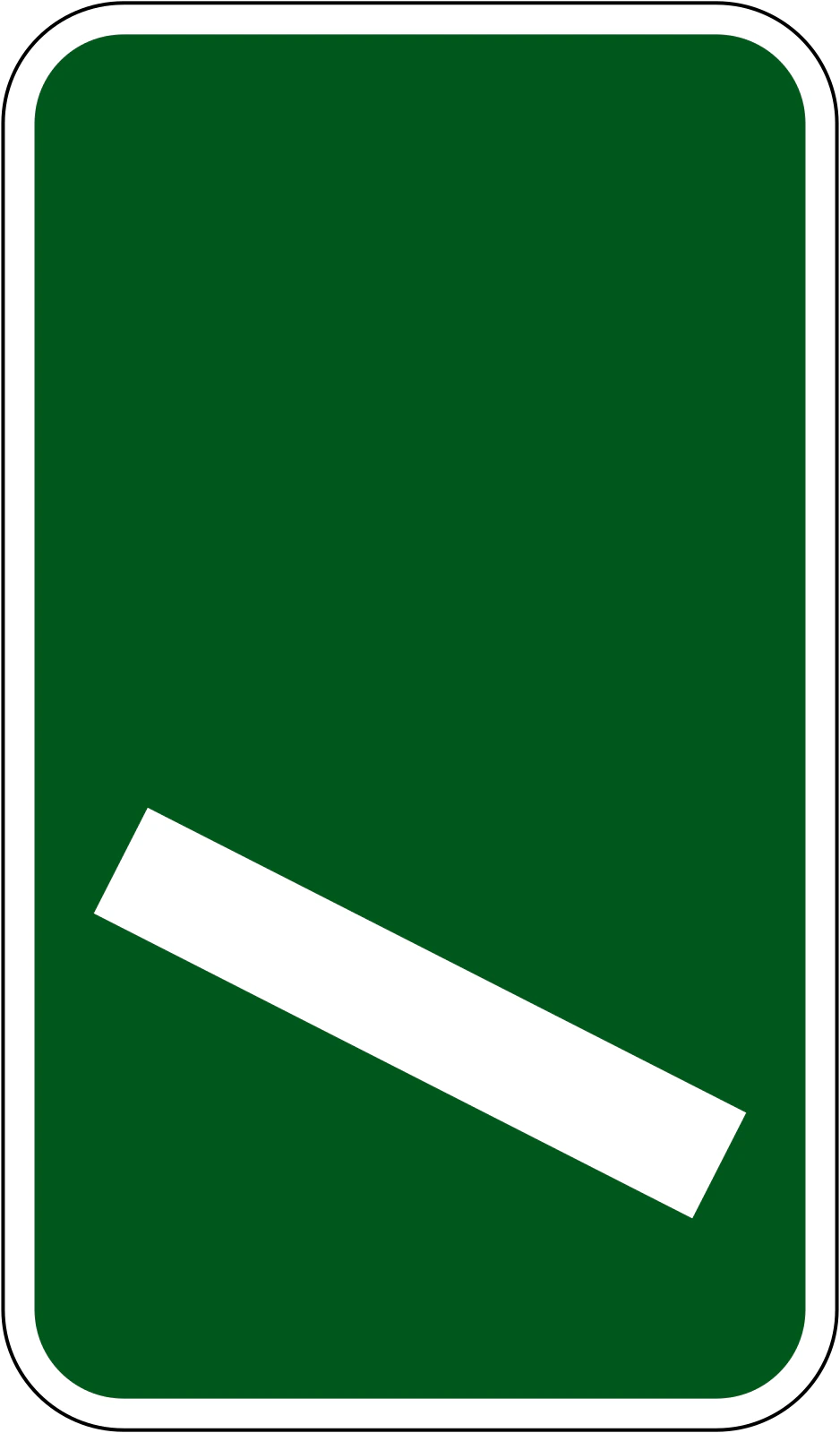
Prepare for Roundabouts and Exits with the 100 yd Direction Sign
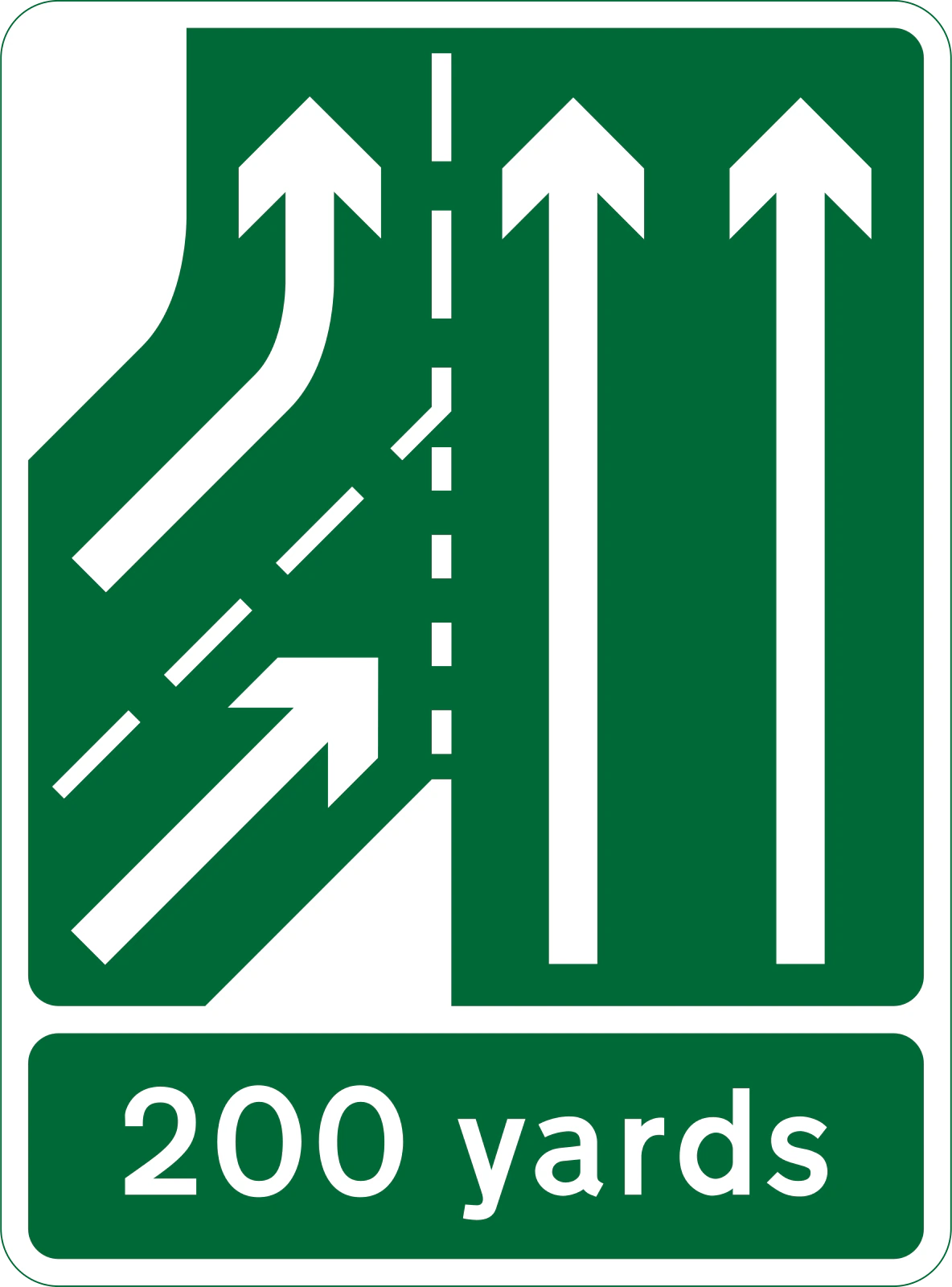
Prepare for an additional lane joining from the left in 200 yards
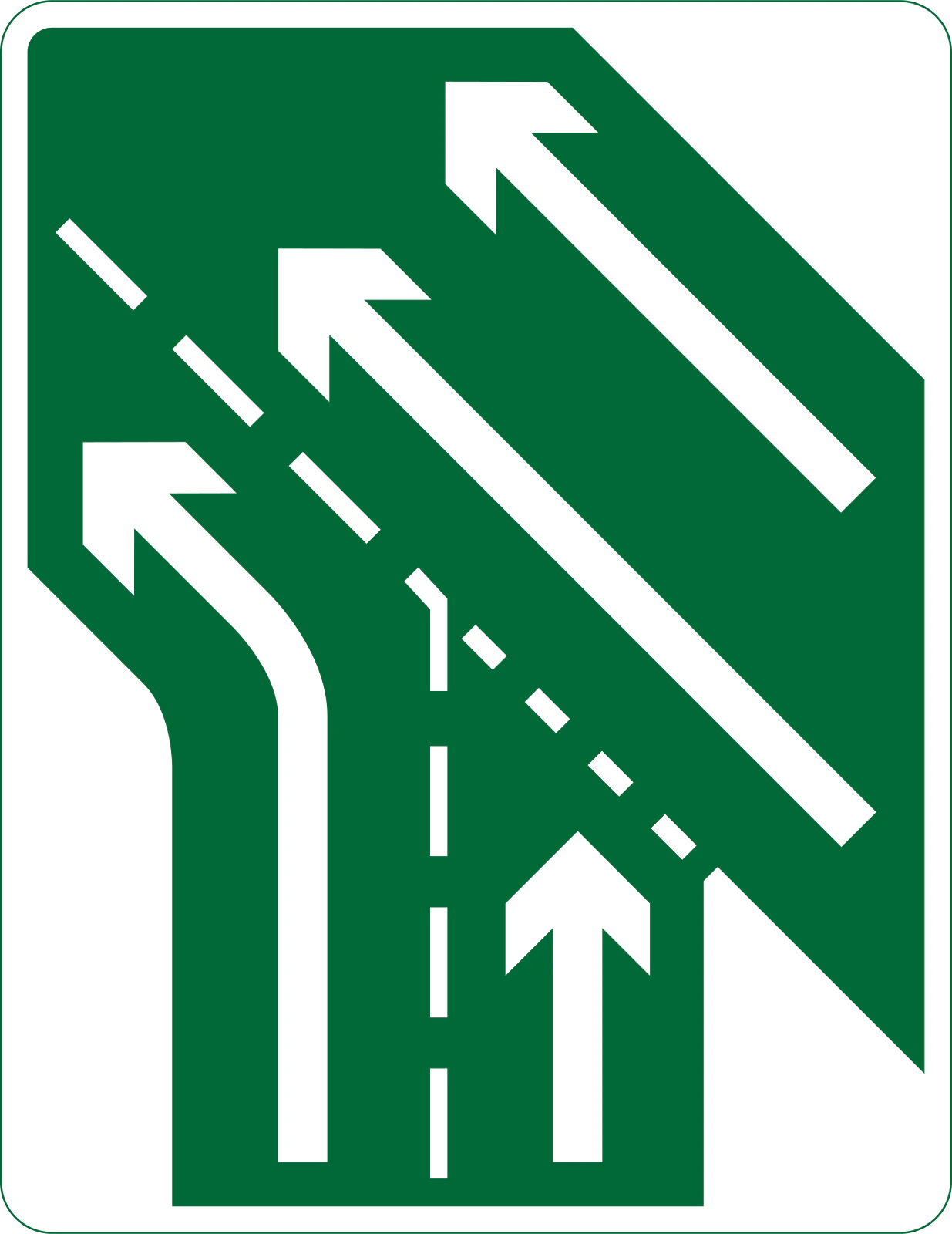
Prepare for additional lanes joining from the right ahead with this crucial direction sign.
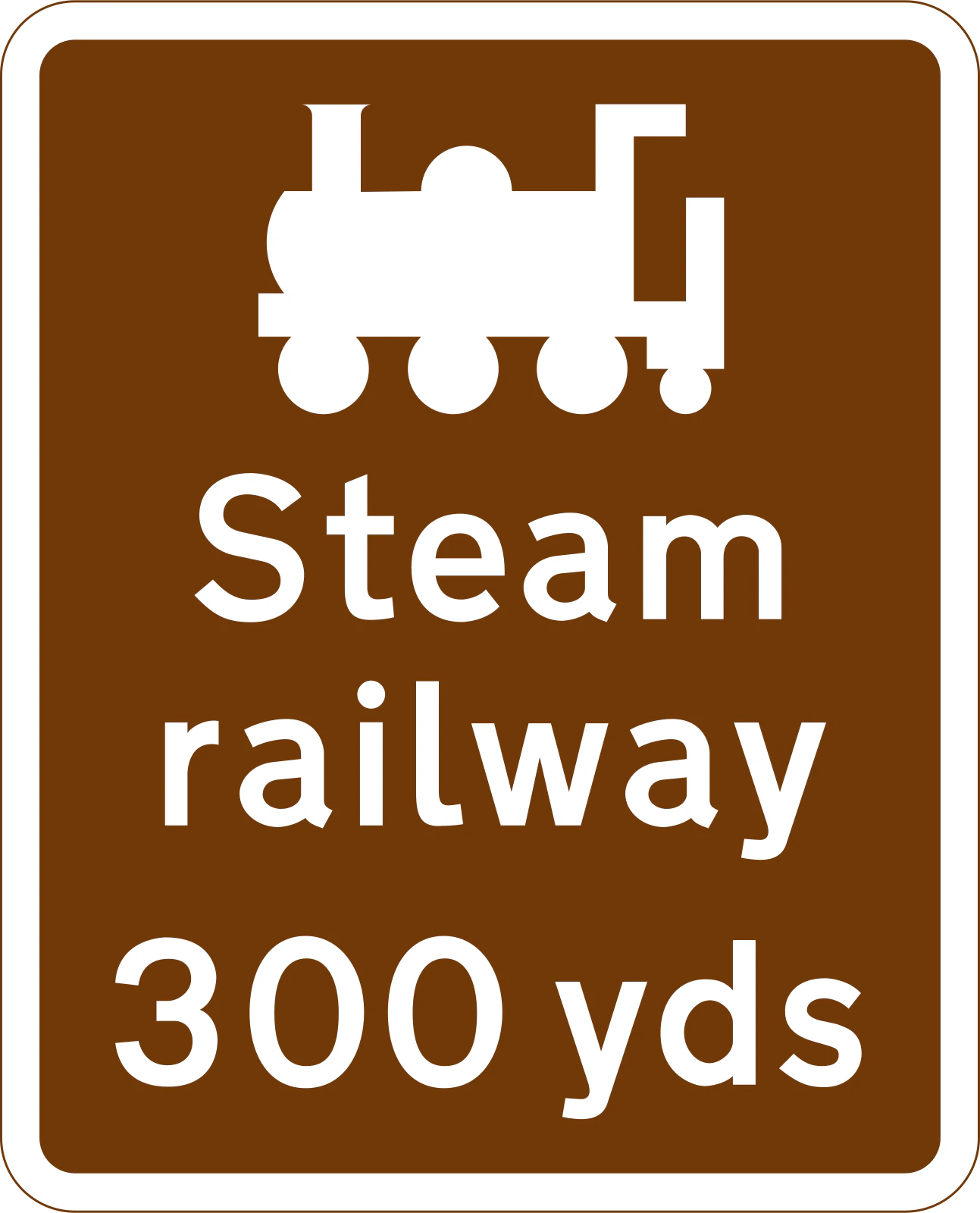
Know the 'Steam Railway Tourist Attraction 300 yd Ahead' Sign
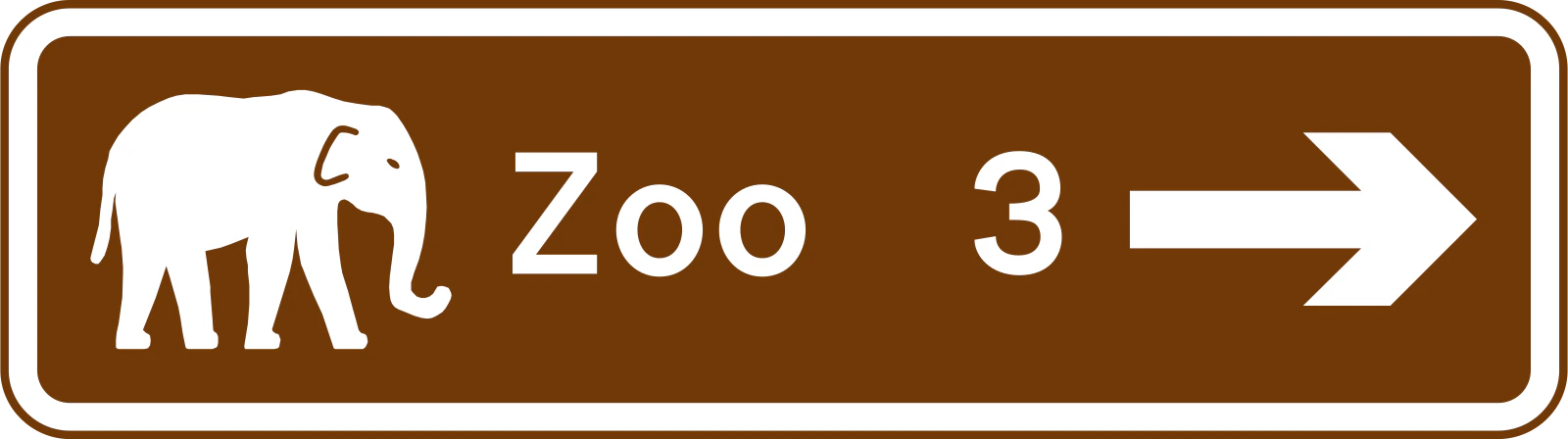
This sign indicates a junction leading to a tourist attraction ahead.
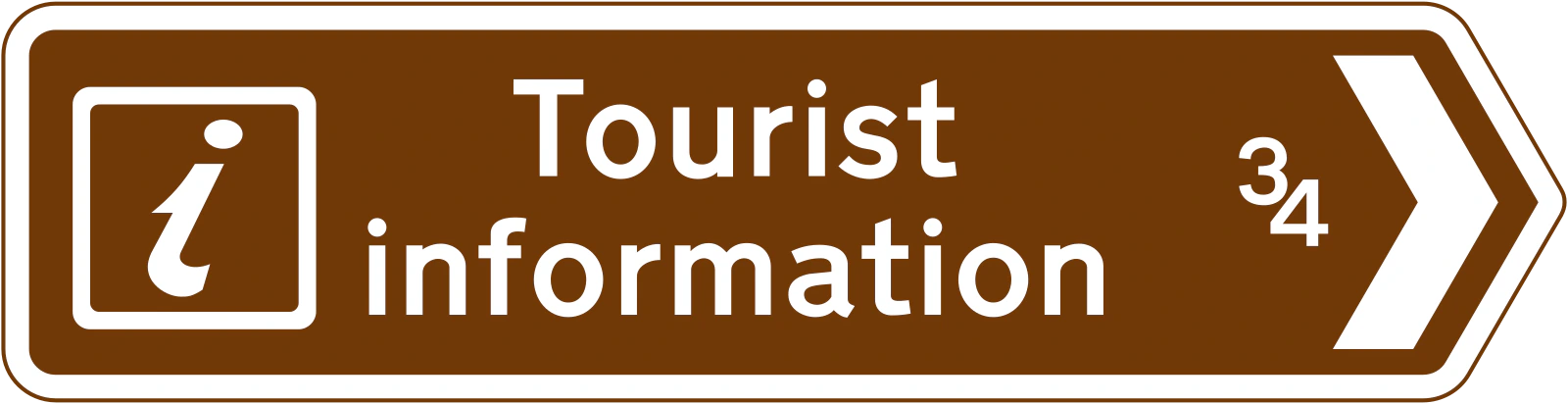
This brown sign indicates the direction and distance to tourist information points.
Explore curated explanations and practical examples to strengthen your visual recognition of essential Great Britain road signs. These supplementary materials provide the context needed to navigate junctions safely and pass your official DVSA theory test.
Navigating junctions in Great Britain can be complex, with priority often dictated by specific road signs and markings rather than simple intuition. This article breaks down the rules for various types of crossroads, explaining how to identify who has right of way and what to do when facing confusing situations. Preparing for your theory test requires a thorough understanding of these critical junction rules to ensure safe driving.
When you get behind the wheel of another person's car, the law holds you strictly accountable for ensuring the vehicle is safe, taxed, and properly insured. This guide explains the checks you must perform to remain compliant with UK traffic laws and avoid common pitfalls often tested in the DVSA theory exam. Mastery of these rules ensures you are prepared to act as a responsible and legal road user.
Understand your responsibility for a safe and legal vehicle on Great Britain's roads.
Navigate Tricky British Weather and Night Driving Scenarios with Confidence.
Direction signs are used to reduce uncertainty before junctions, roundabouts, lane splits, and route changes. This sign may show destination names, route numbers, countdown distances, or where traffic can leave a route. The driver should read it early, match it with road markings, and continue safely if the intended movement cannot be made without a sudden manoeuvre. It is listed in the catalogue as code 873.
Tourist signs are commonly shown on brown panels and help drivers find attractions and visitor services without relying only on local knowledge. This sign may point to information, heritage sites, picnic areas, viewpoints, parking, or tourist routes. Drivers should use it calmly, check for other traffic and pedestrians, and follow separate access or parking restrictions at the destination. It is listed in the catalogue as code 2304.
After reviewing the full list of road signs, challenge yourself with practice questions focused specifically on sign recognition. Reinforce your learning and ensure you're fully prepared to identify and understand all traffic signs on the DVSA theory test.
Browse All GB Road Signs List