
This section covers essential Great Britain information signs, which provide vital details about road layout, directions, facilities, and local arrangements. Understanding these signs is key to making informed decisions on the road, helping you plan your route and lane position effectively. Mastering them will not only boost your confidence while driving but is also crucial for passing your theory test.
An explanation of how Great Britain Information Signs road signs apply in real traffic situations in Great Britain. Learn where these signs are typically placed, what drivers are expected to do when they appear, and how correct reactions help you stay safe, avoid fines, and succeed in your British driving theory exam.
Great Britain information signs are frequently encountered across various road types, from urban streets to rural routes and motorways. You'll see them helping you navigate complex junctions, understand traffic flow, and locate essential facilities. For example, a 'one-way traffic' sign (810-L) clearly indicates the permitted direction of travel on a particular street, helping you avoid illegal turns. Signs like 'pass either side to reach the same destination' (611) or 'traffic has priority over vehicles coming from the opposite direction' (811) are often found on narrower roads or at specific intersections to manage traffic flow smoothly and prevent conflicts. You'll also encounter signs like 'no through road' (816), warning you that the road ahead is a dead end and you'll need to turn back, or signs indicating vehicle suitability, such as those for 'unsuitable for heavy goods vehicles' (820V2) or 'unsuitable for long vehicles' (820V4), which are crucial for larger vehicles to avoid getting stuck or causing obstruction. Furthermore, signs warning of upcoming restrictions, like 'no hard shoulder' (820.1) or 'location of weight restriction ahead' (818.4), help drivers prepare and choose alternative routes if necessary. On single-track roads, a 'passing place' sign (822) indicates where to wait for oncoming traffic to pass.
An overview of the key learning outcomes when studying the Great Britain Information Signs road sign category. Understand the main concepts, sign meanings, and traffic situations covered here so you can recognise patterns, answer theory questions more confidently, and build a solid foundation for safe driving in Great Britain.
Study Great Britain's essential information road signs to understand road layout, traffic direction, and available facilities. Recognising these signs is crucial for planning your route and making safe driving decisions, aiding your theory test revision and overall driving knowledge.

Understand the One-Way Traffic sign (810-L) to navigate safely.

This information sign means you can pass either side to reach the same destination.
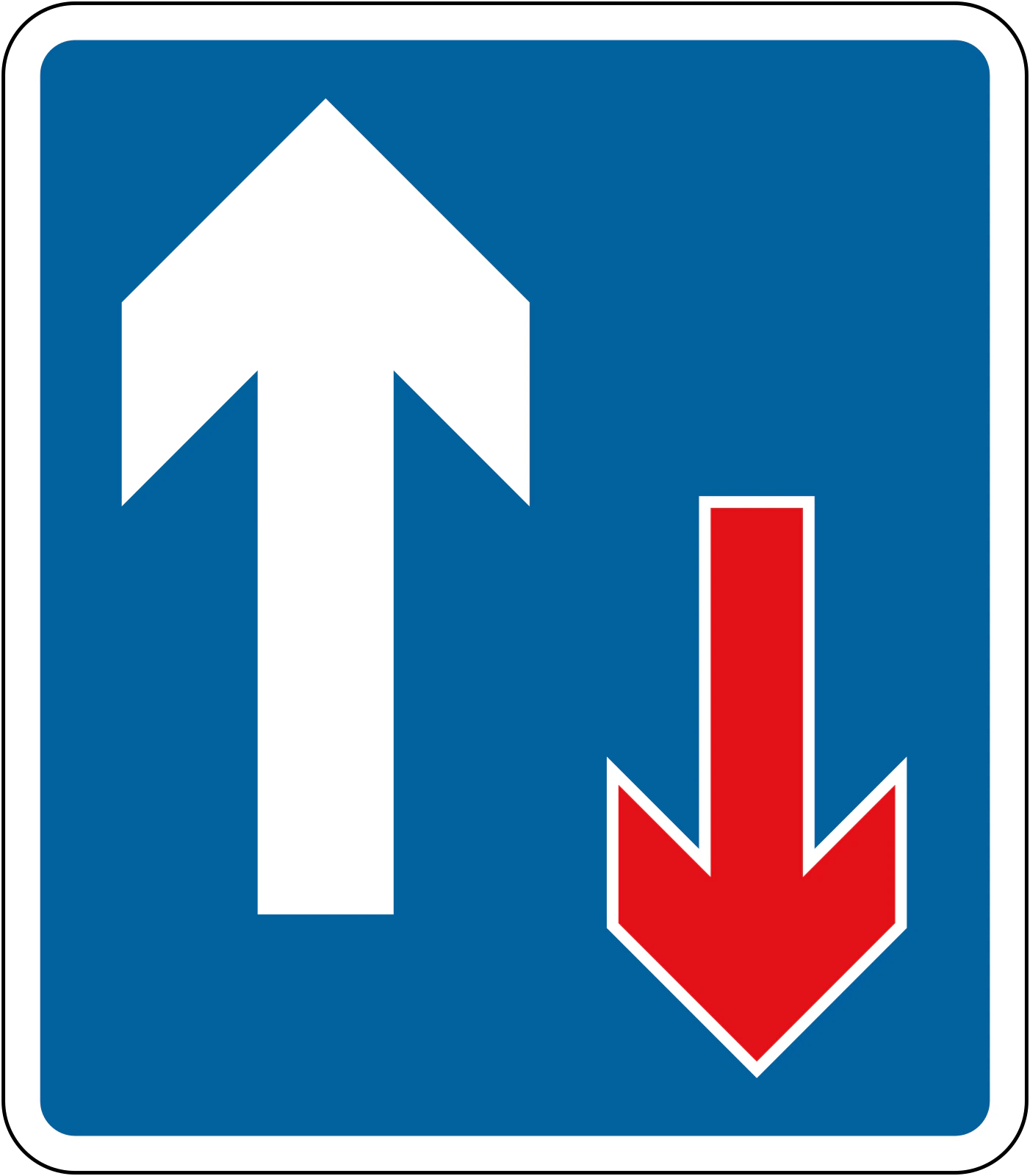
Sign 811 tells you that traffic from the opposite direction has priority.
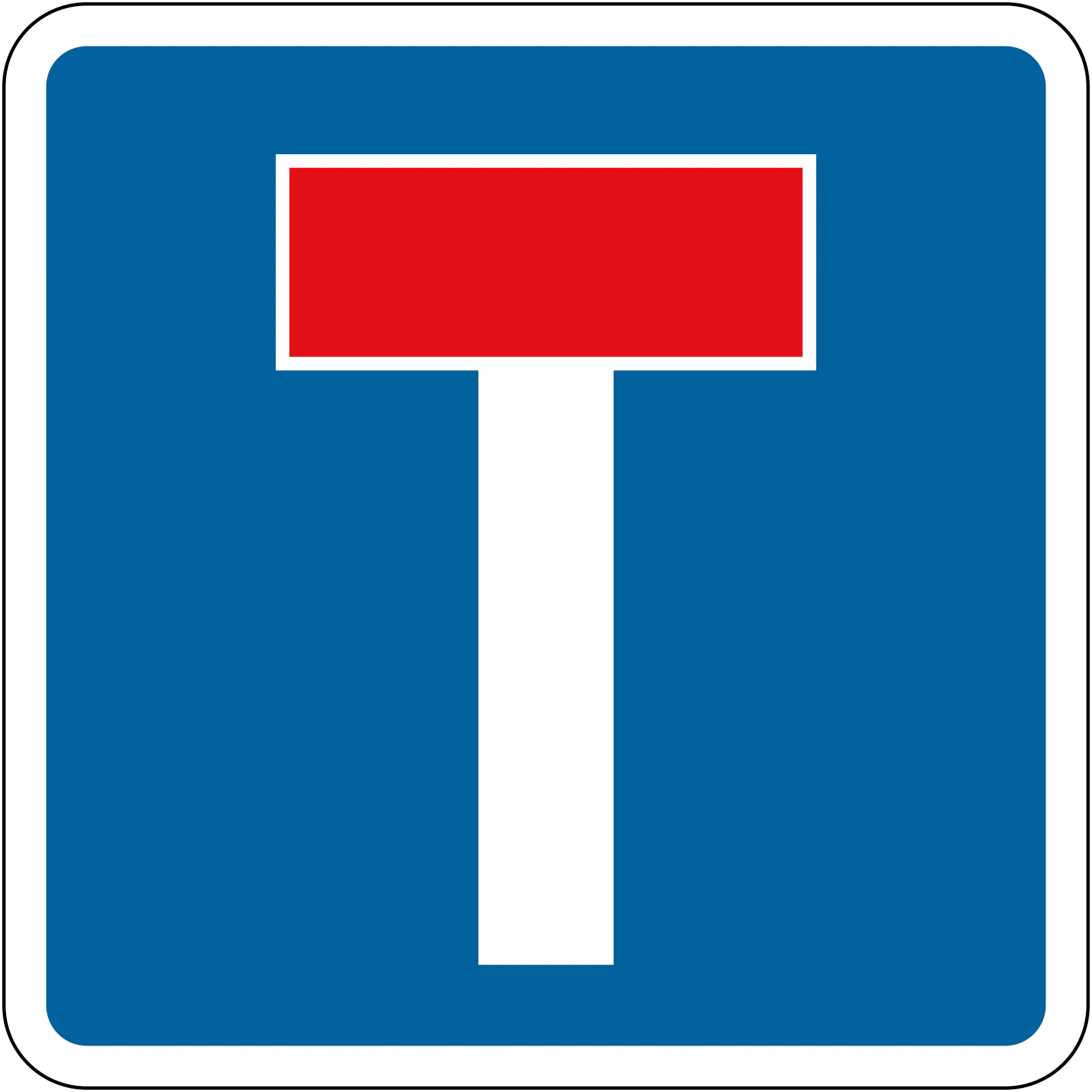
Prepare for the 'No Through Road' sign with this essential Great Britain traffic information.

Understand the 'Unsuitable for Heavy Goods Vehicles' Information Sign
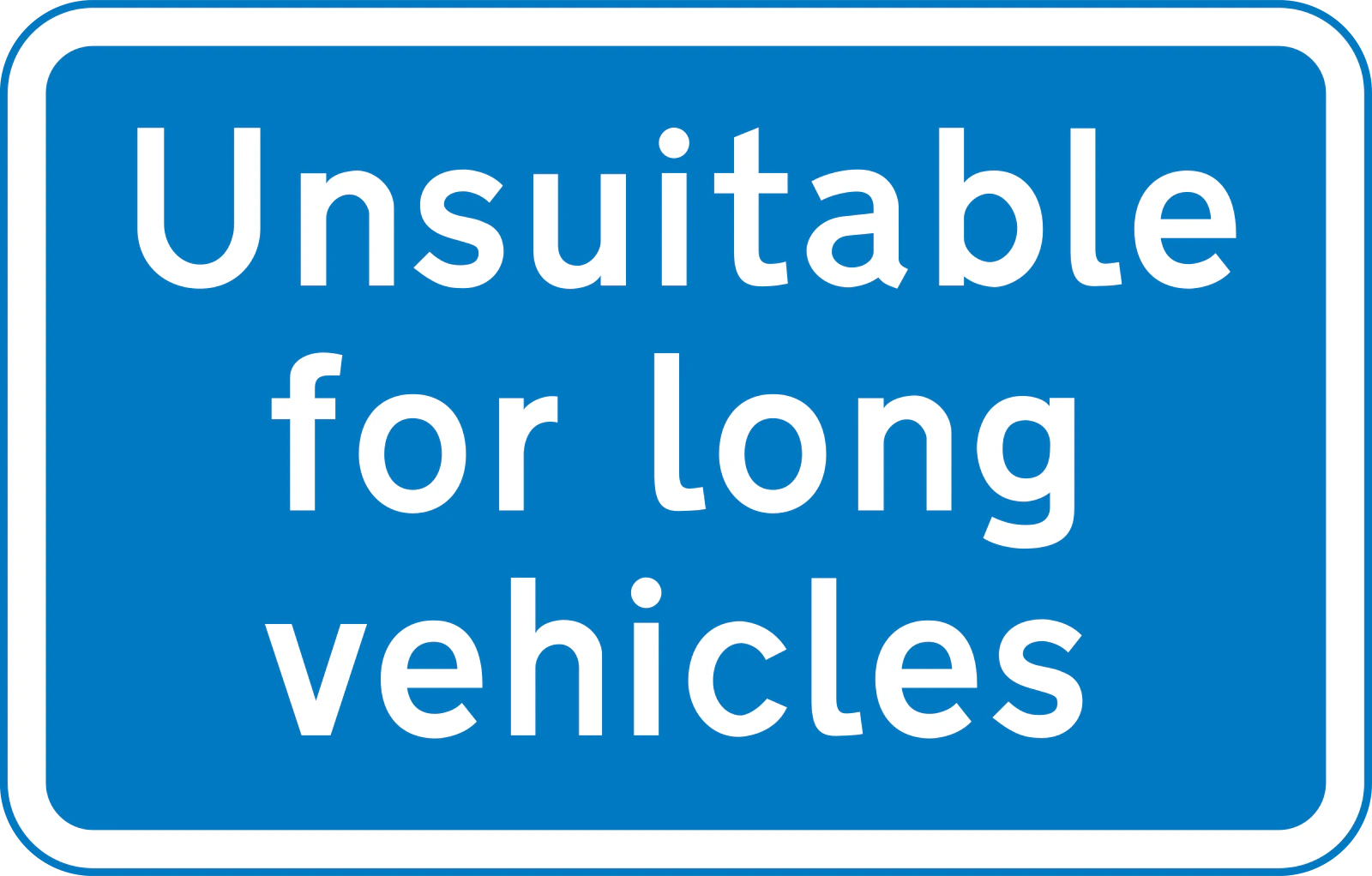
What the 'Unsuitable for Long Vehicles' road sign means for your driving journey.

Understand the 'No Hard Shoulder for 400 yd' Road Sign

Prepare for a weight restriction and find an alternative route with this information sign.
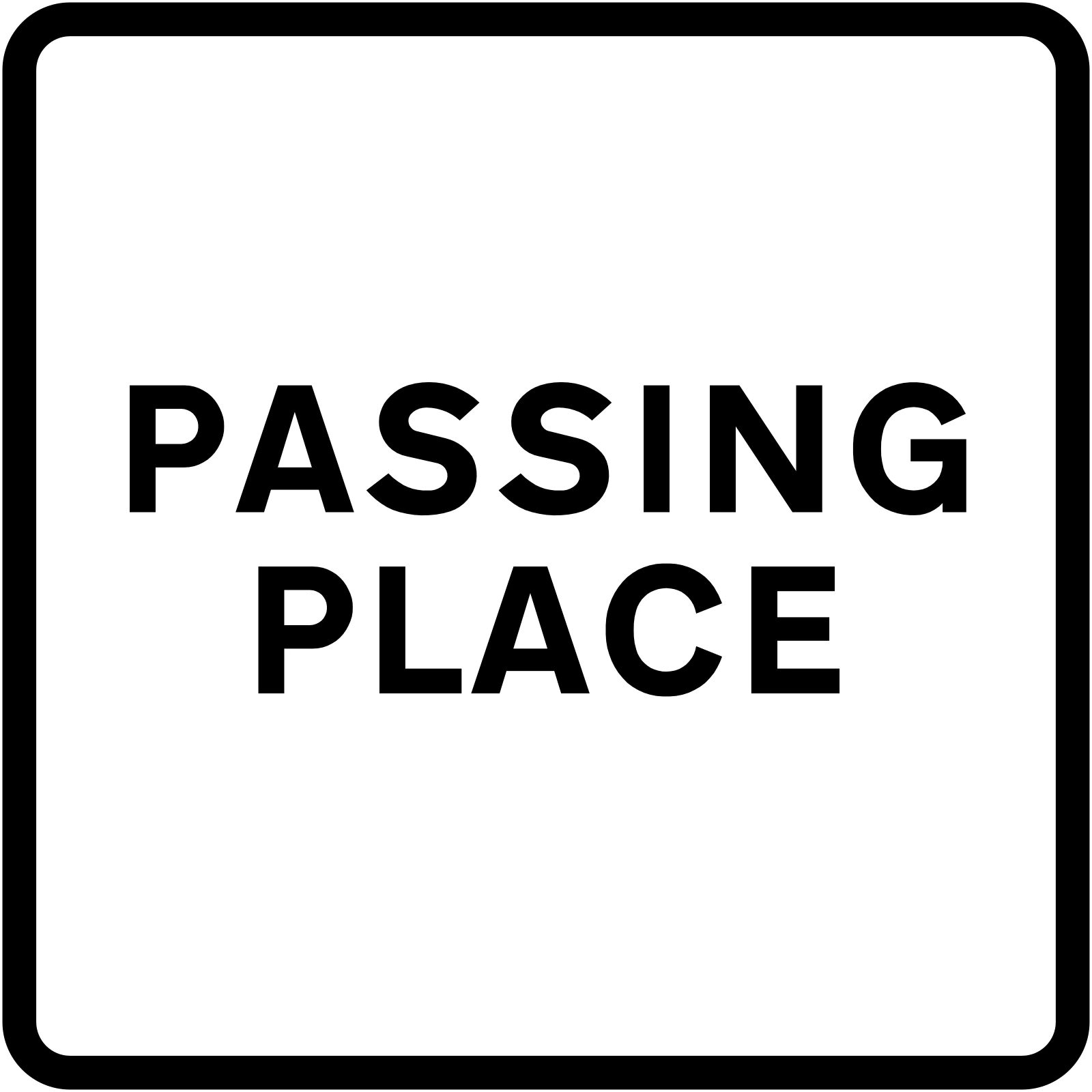
Understand the 'Passing Place on a Narrow Road' Information Sign (822)
Clear answers to common questions about the Great Britain Information Signs road sign category. Use this FAQ to review tricky rules, understand how these signs appear in exam scenarios, and remove confusion that often leads to mistakes in the British driving theory exam in Great Britain.
The main purpose of Great Britain information signs is to provide drivers with essential details about the road ahead. This includes information on traffic flow (like one-way streets), route choices, road conditions, facilities, and specific vehicle restrictions. They help you make informed decisions, navigate safely, and avoid unexpected hazards or illegal manoeuvres.
Regulatory signs, such as speed limits or 'no entry', tell you what you *must* or *must not* do. Information signs, on the other hand, provide guidance and details to help you plan your journey and understand the road environment. While regulatory signs are commands, information signs are advisory or descriptive, helping you navigate more effectively.
You will typically see a 'no through road' sign (816) at the entrance to a road that does not have an exit at the other end, apart from pedestrian or cycle access. It's important to read this sign early to avoid entering a road unnecessarily and then having to turn around, which can be difficult and potentially dangerous in narrow streets.
If you are driving a heavy goods vehicle or a long vehicle, you must pay close attention to signs indicating restrictions (e.g., 820V2, 820V4, 818.4). These signs often appear well in advance of the restriction and may also point towards an alternative route. If you are not driving a restricted vehicle, you can usually proceed, but it's good practice to note these signs as they indicate potentially challenging road sections.
Yes, absolutely. The theory test includes questions on all types of road signs, and information signs are no exception. Understanding their meaning and how they apply to different driving situations is crucial for answering questions correctly and, more importantly, for driving safely in real-world traffic.
Ready to master Great Britain road signs? Explore organized categories and groups for structured learning. Understanding signs by type improves recall and comprehension, ensuring thorough preparation for your DVSA theory test.
Great Britain Road Sign Groups