This section covers crucial road signs related to level crossings, warning you about railway and tramway intersections. Understanding these signs, from barriers and gates to warning lights and overhead cables, is vital for your safety and for passing your driving theory test. You'll learn how to approach, react to, and safely navigate these potentially hazardous areas where trains cannot stop.
An explanation of how Great Britain Level Crossing Signs road signs apply in real traffic situations in Great Britain. Learn where these signs are typically placed, what drivers are expected to do when they appear, and how correct reactions help you stay safe, avoid fines, and succeed in your British driving theory exam.
Signs related to level crossings are encountered when approaching railway lines or tram tracks that intersect the road. You'll see them in both rural and urban environments, often well in advance of the actual crossing. Depending on the type of crossing, these signs can indicate the presence of gates or barriers (signs 770, level-crossing-user-operated-gate), crossings without these physical controls (sign 771), or specific hazards like trams (sign 772), light signals (sign 773), or overhead electrified cables (sign 779, LC-OW). Some signs, like 783 and 784.1, specifically alert drivers of large vehicles to contact the crossing operator. Others, such as the countdown markers (789, 789.1, 789.2), provide a visual indication of your proximity. It is imperative to heed these signs by reducing speed, preparing to stop, obeying all signals and barriers, and never entering the crossing unless you are certain you can clear it completely on the other side. Blocking a level crossing can have catastrophic consequences.
An overview of the key learning outcomes when studying the Great Britain Level Crossing Signs road sign category. Understand the main concepts, sign meanings, and traffic situations covered here so you can recognise patterns, answer theory questions more confidently, and build a solid foundation for safe driving in Great Britain.
Prepare for your theory test by mastering Great Britain's essential level crossing signs. These include warnings for barriers, gates, and signals at railway and tramway crossings. Understanding their meaning ensures safe navigation and avoids dangerous situations on the road. Study these crucial traffic signs to recognise hazards and obey official instructions.

Prepare to stop for level crossings with gates or barriers ahead.

Understand the 'Level Crossing Without Gate or Barrier Ahead' Sign (771)
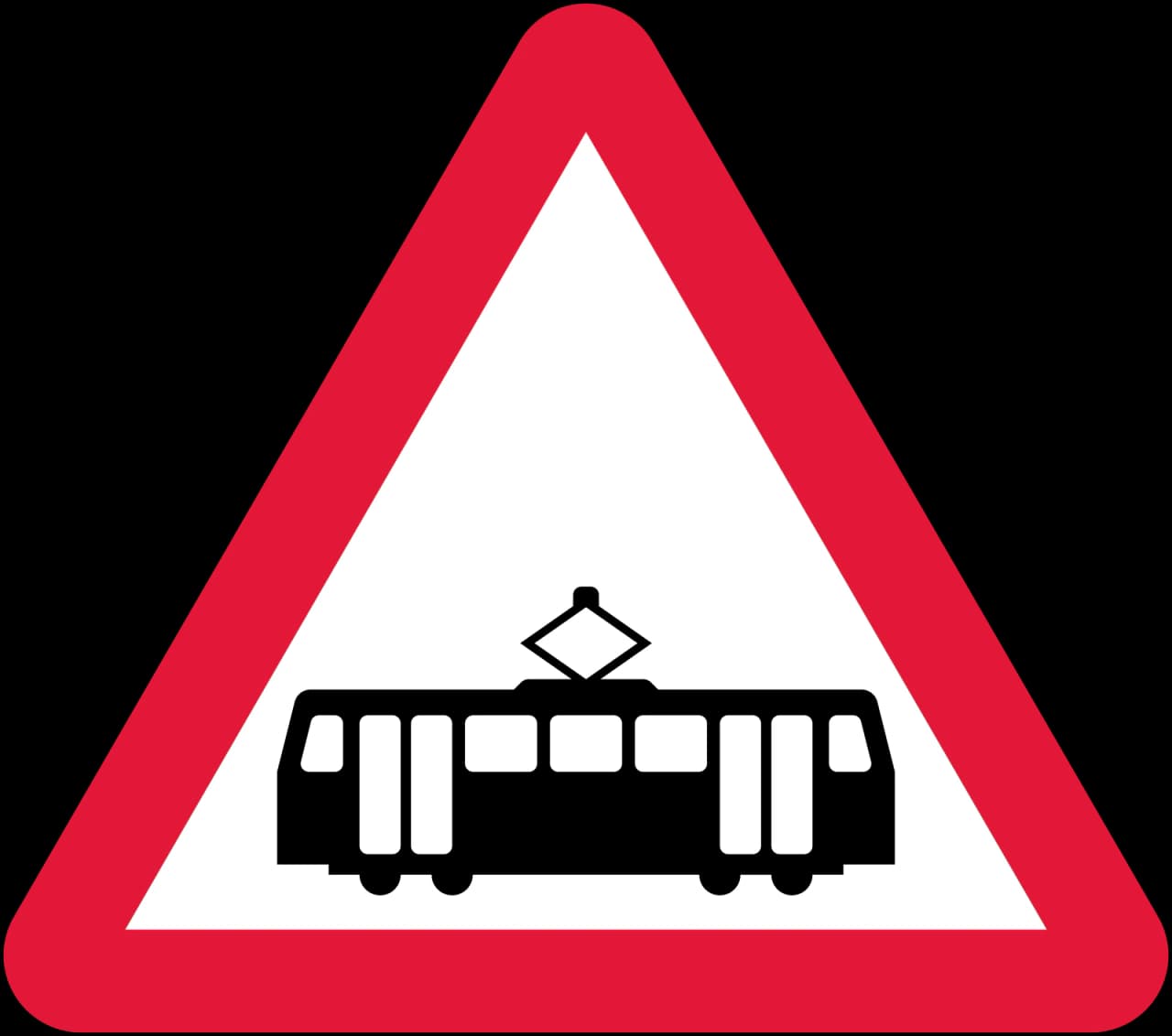
Watch out for trams crossing ahead with this essential warning sign!

Prepare to stop for light signals at railway or tramway crossings ahead.

Electrified Overhead Cable Ahead: What This Sign Means for Railway Crossings

Watch for overhead cable height at level crossings with the 780A supplementary plate.

Understand the 'Risk of Grounding at Level Crossing Ahead' Warning Sign
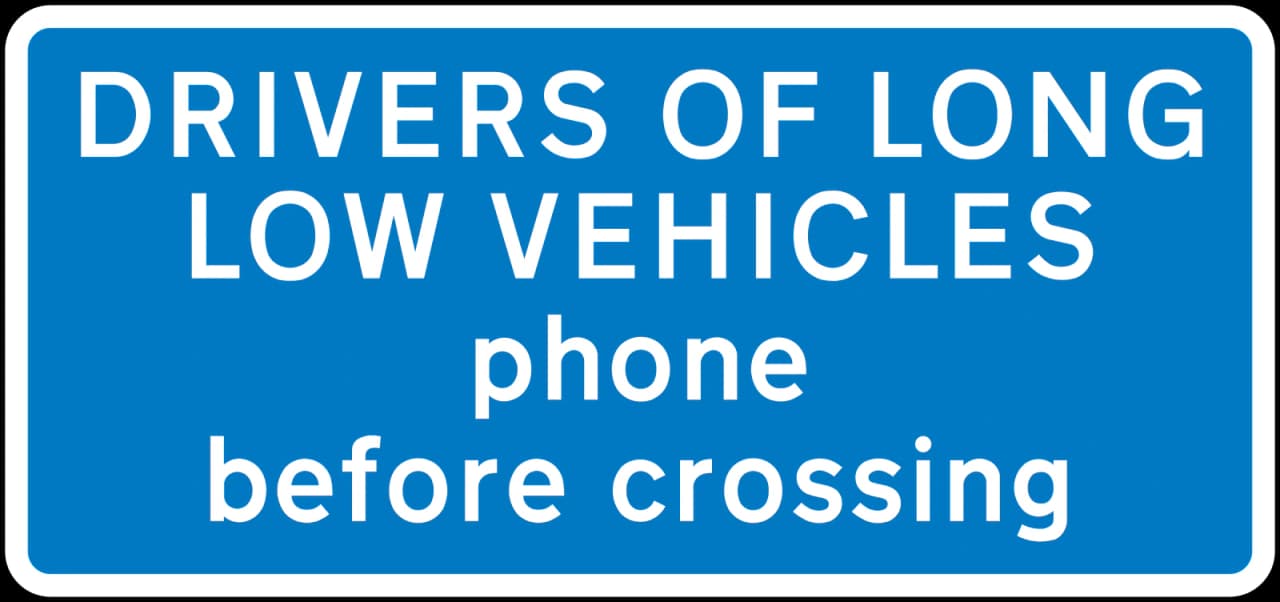
Understand the Large Vehicles Phone Crossing Operator sign (783) before approaching level crossings.
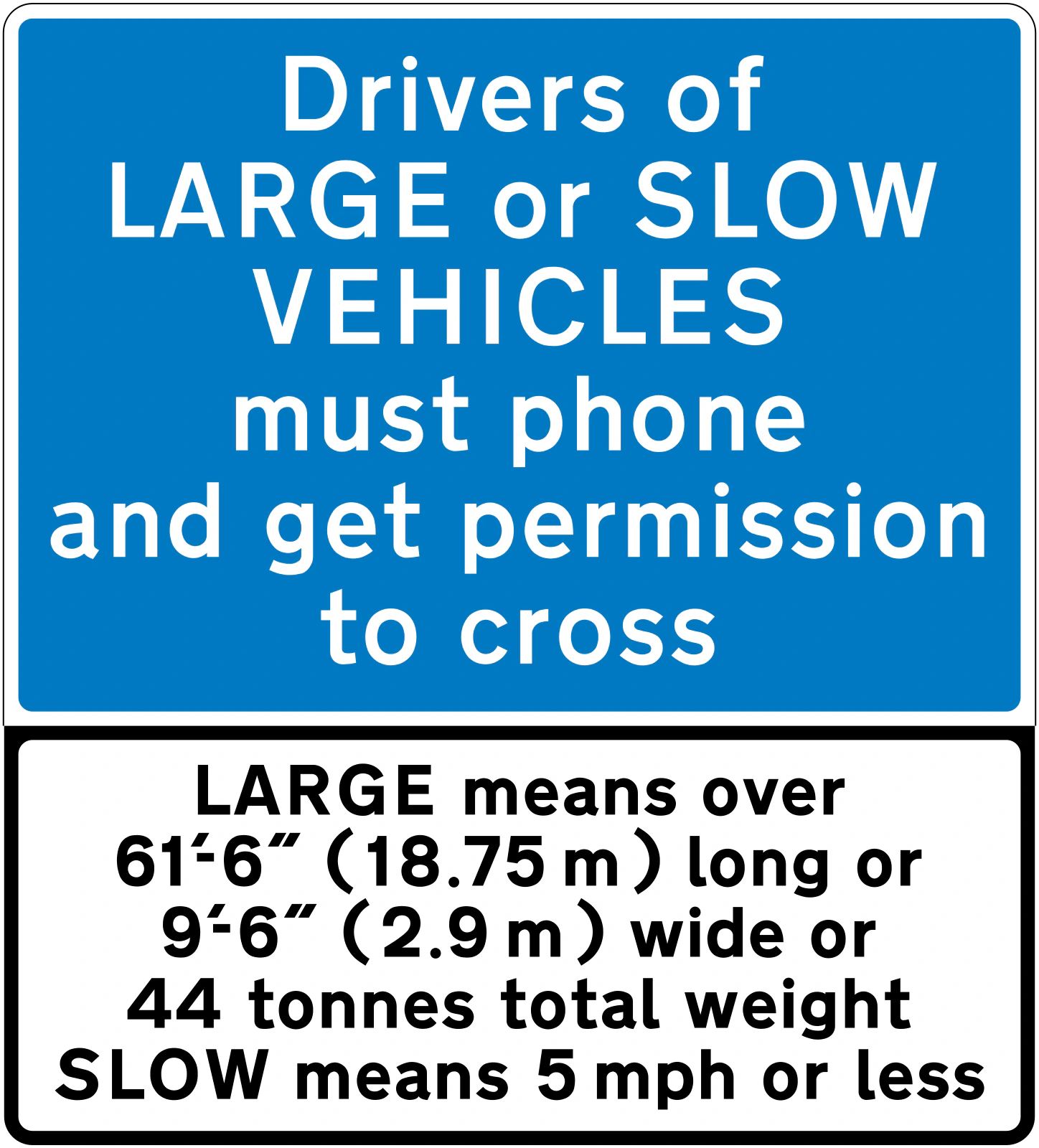
Information Sign: Phone Ahead Before Crossing Railway with Very Large Vehicles
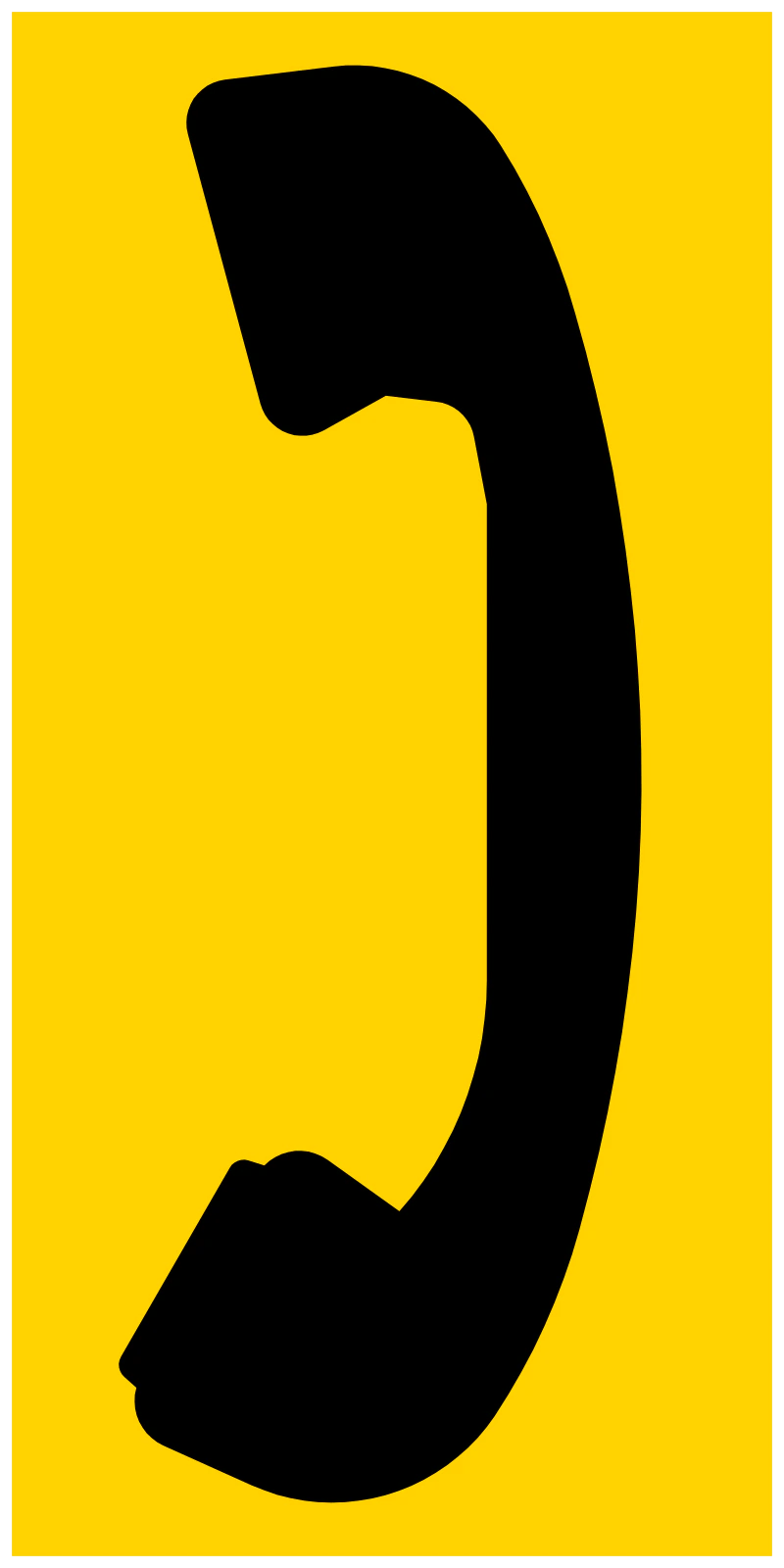
Know the 'Telephone at Level Crossing' sign (787) and how to react safely.

What to do at a Level Crossing with a Telephone Sign (Sign 788)
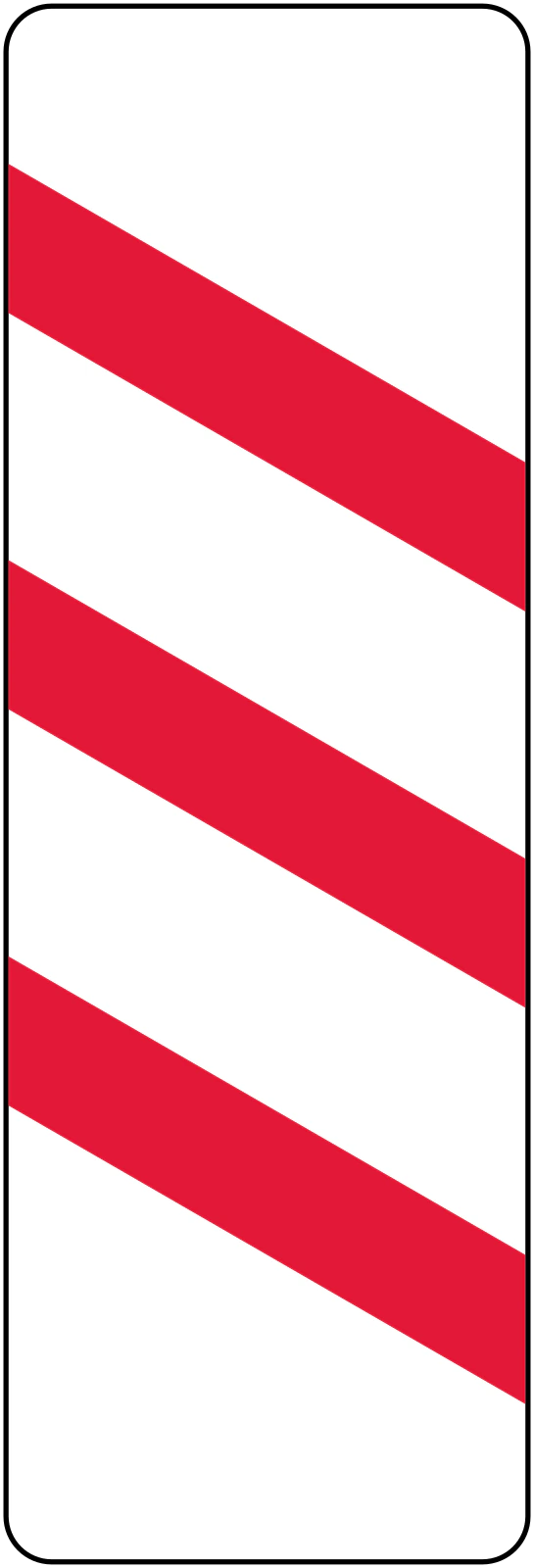
Prepare to stop for railway crossings with the Countdown Marker (3) sign.
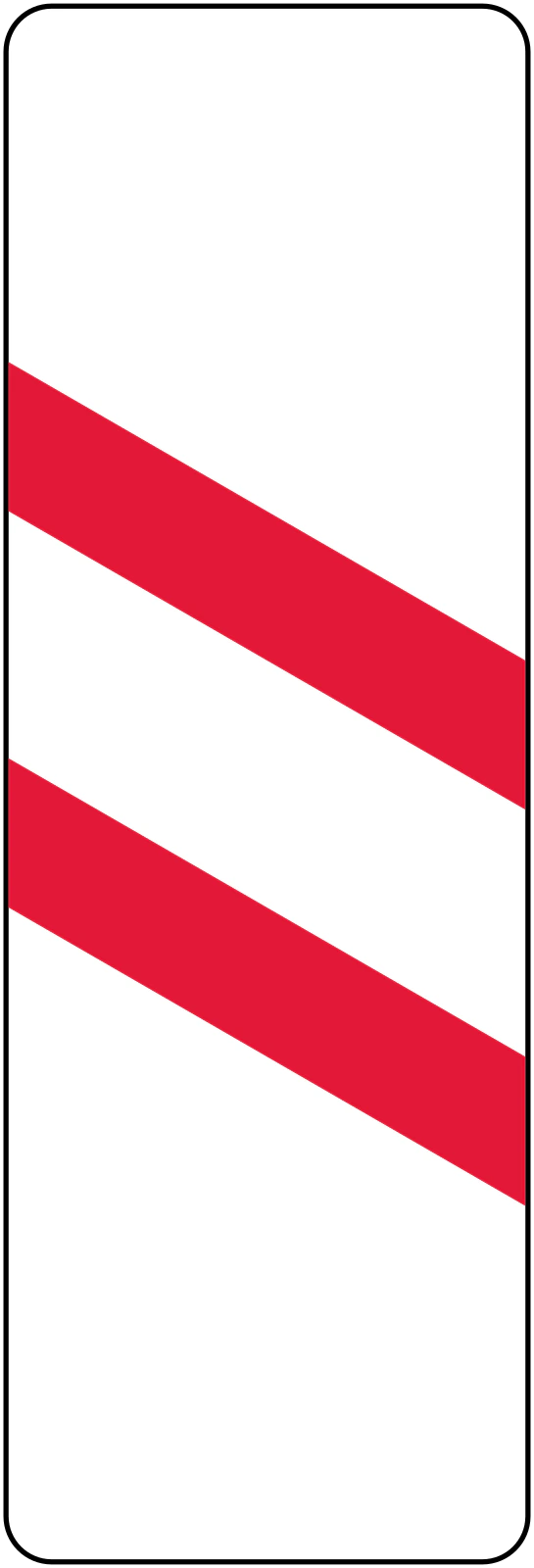
Prepare to stop for level crossings with the Countdown Marker sign.

Understand the Countdown Marker to Level Crossing sign (789.2) and approach with caution.

Sign 775 warns you not to block the level crossing ahead.

Second Train Warning Plate (777): What to do at busy level crossings.
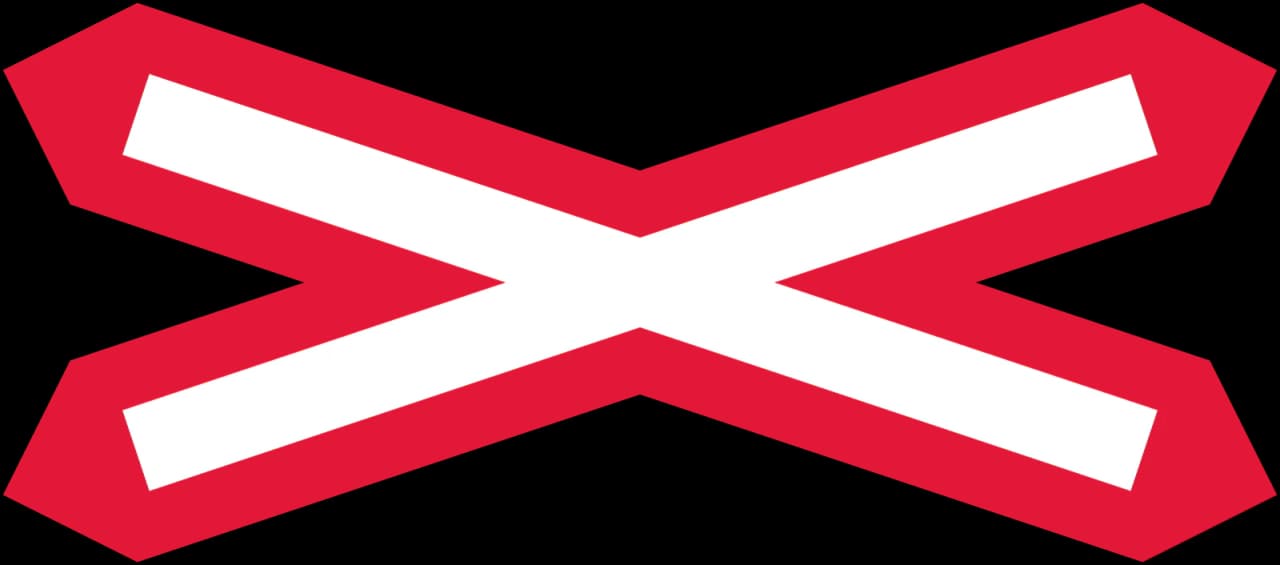
Single Track Level Crossings Ahead: Be Prepared to Stop Safely
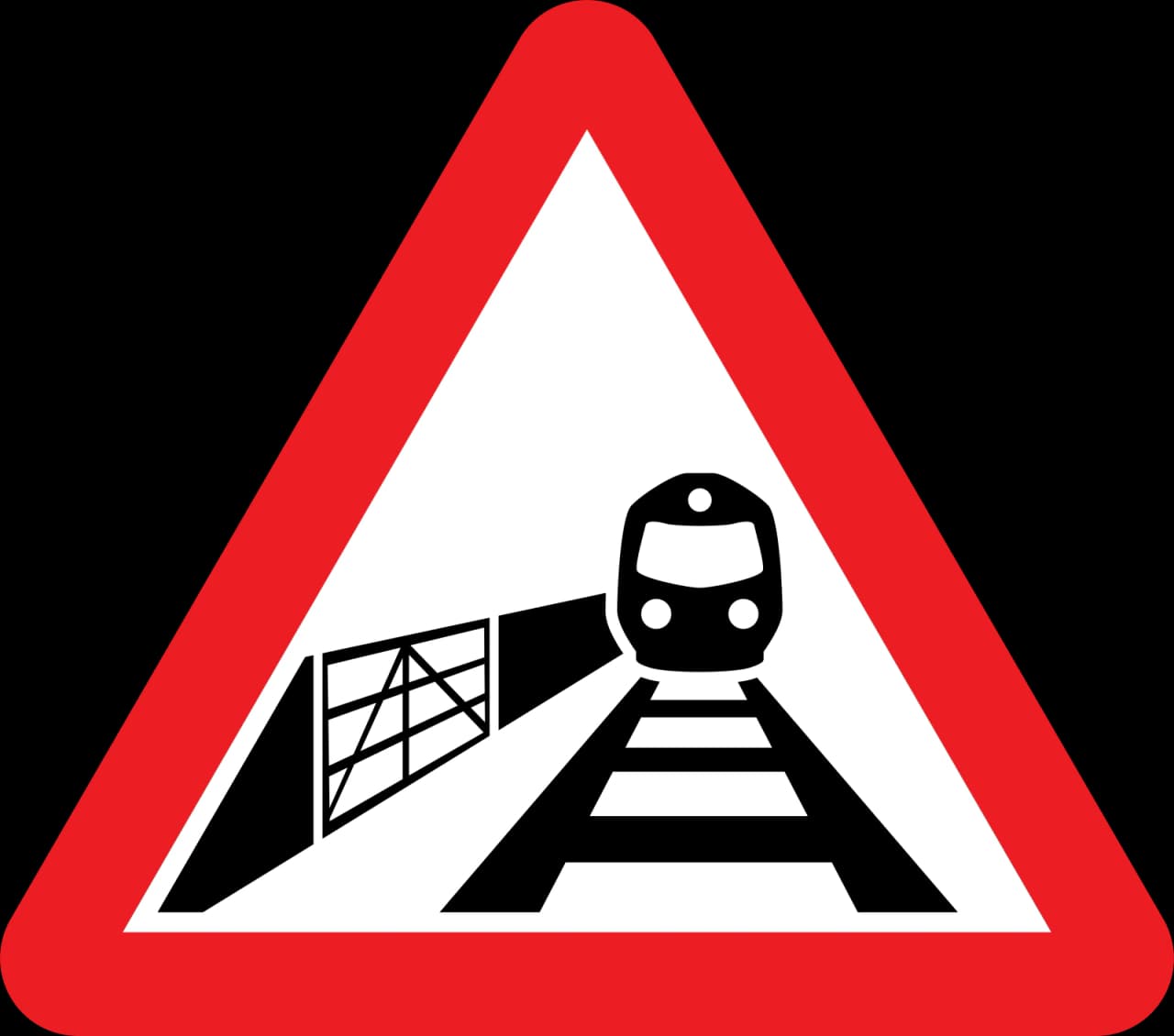
Warning: User Operated Gate Level Crossing Ahead

Prepare to stop, look, and listen at railway crossings with this vital traffic sign.

Understand the Target for Crossing Gate sign and navigate level crossings safely.
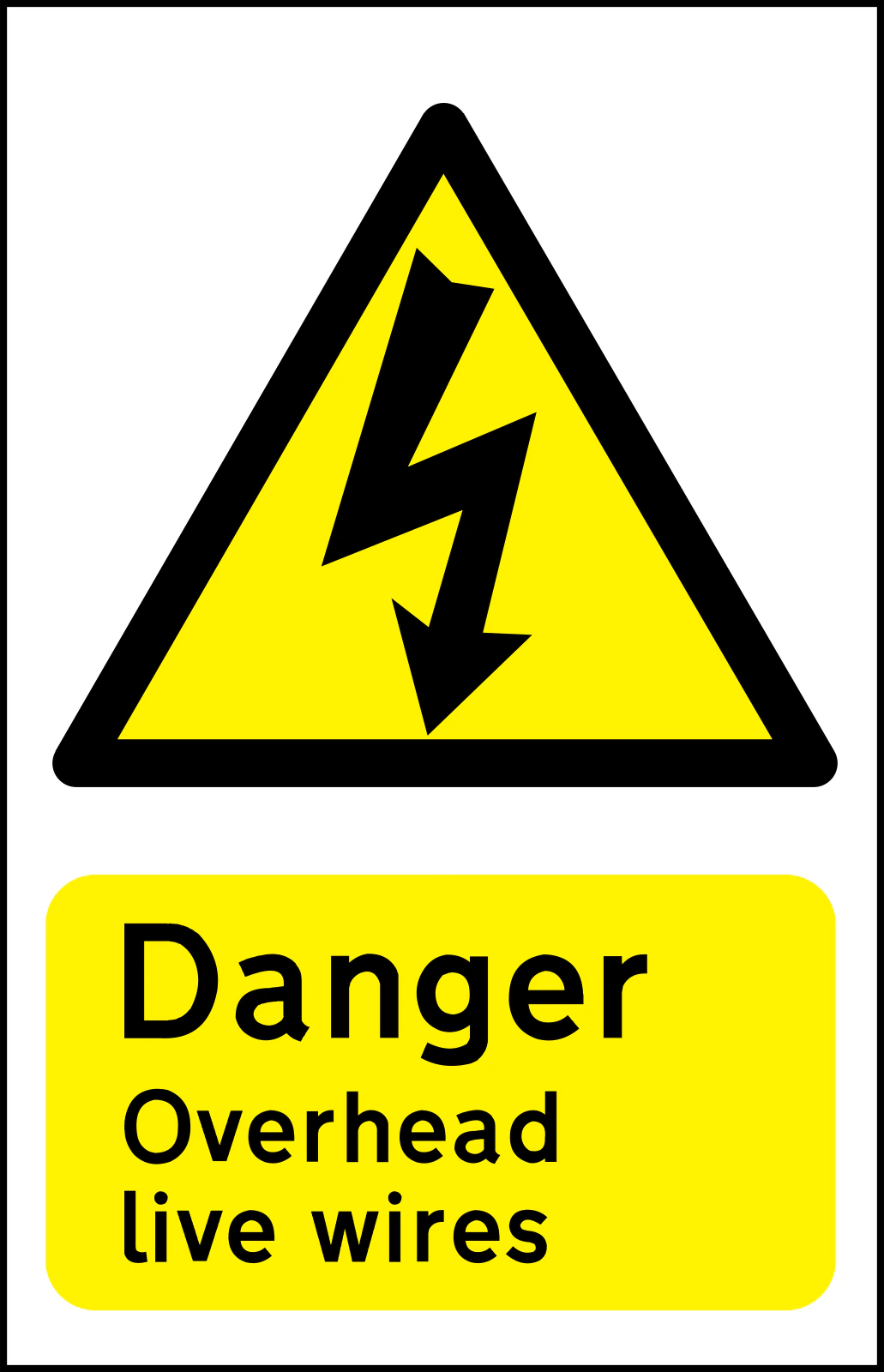
Prepare for overhead electric wires at railway or tram crossings with the LC-OW sign.
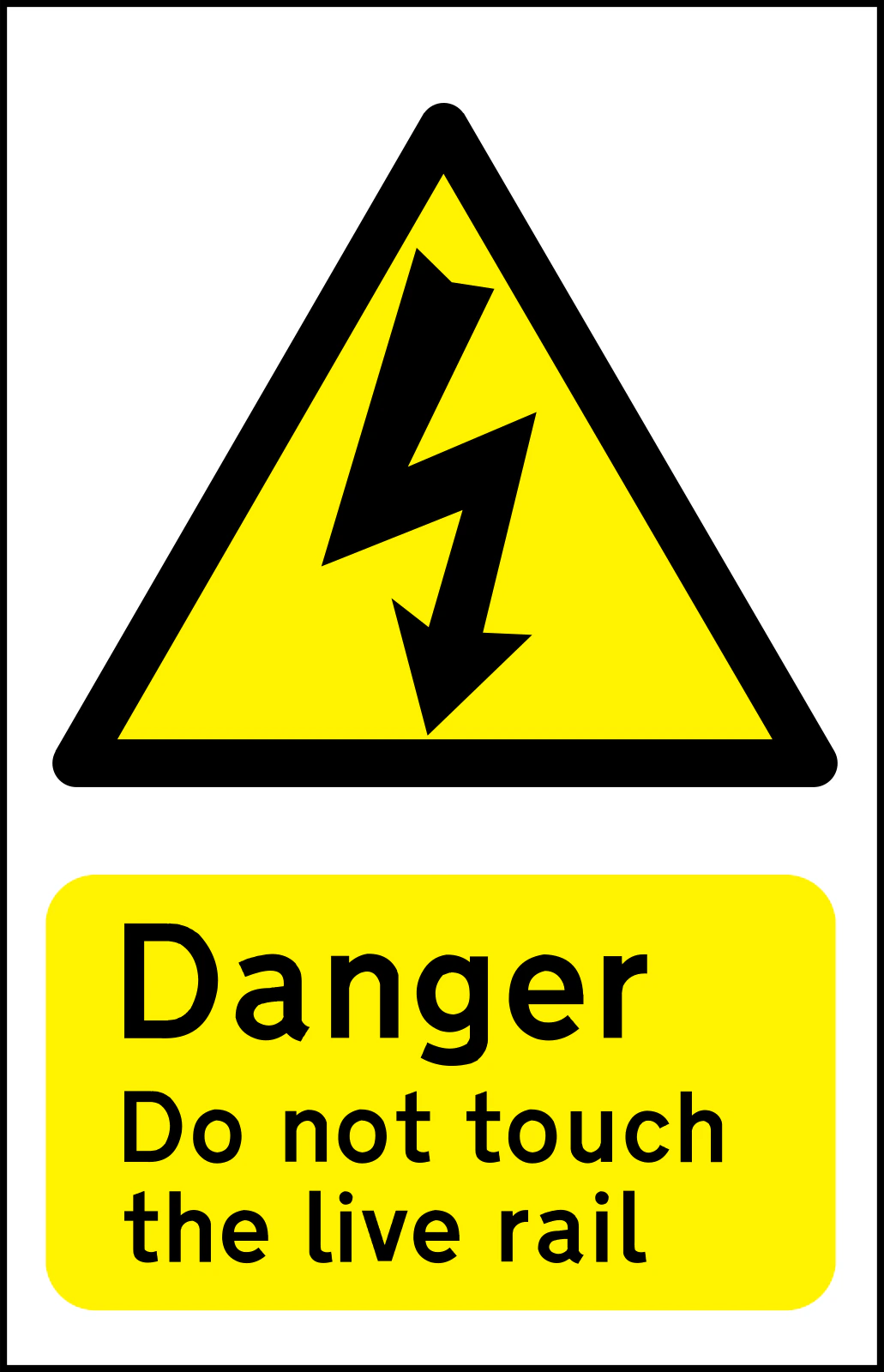
Live Rail at Crossing: Understand This Crucial Level Crossing Sign

Warning of a Non-Vehicular Crossing: Approach with Caution!

Instruction for Vehicular Crossing Without Telephone: Know What to Do

Prepare to Stop: Understand the Target for Crossing Gate Road Sign

What the LC-OW-2 Overhead Electric Wires at Crossing Sign Means for Your Drive

Navigate Railway Crossings Safely with the Live Rail Sign
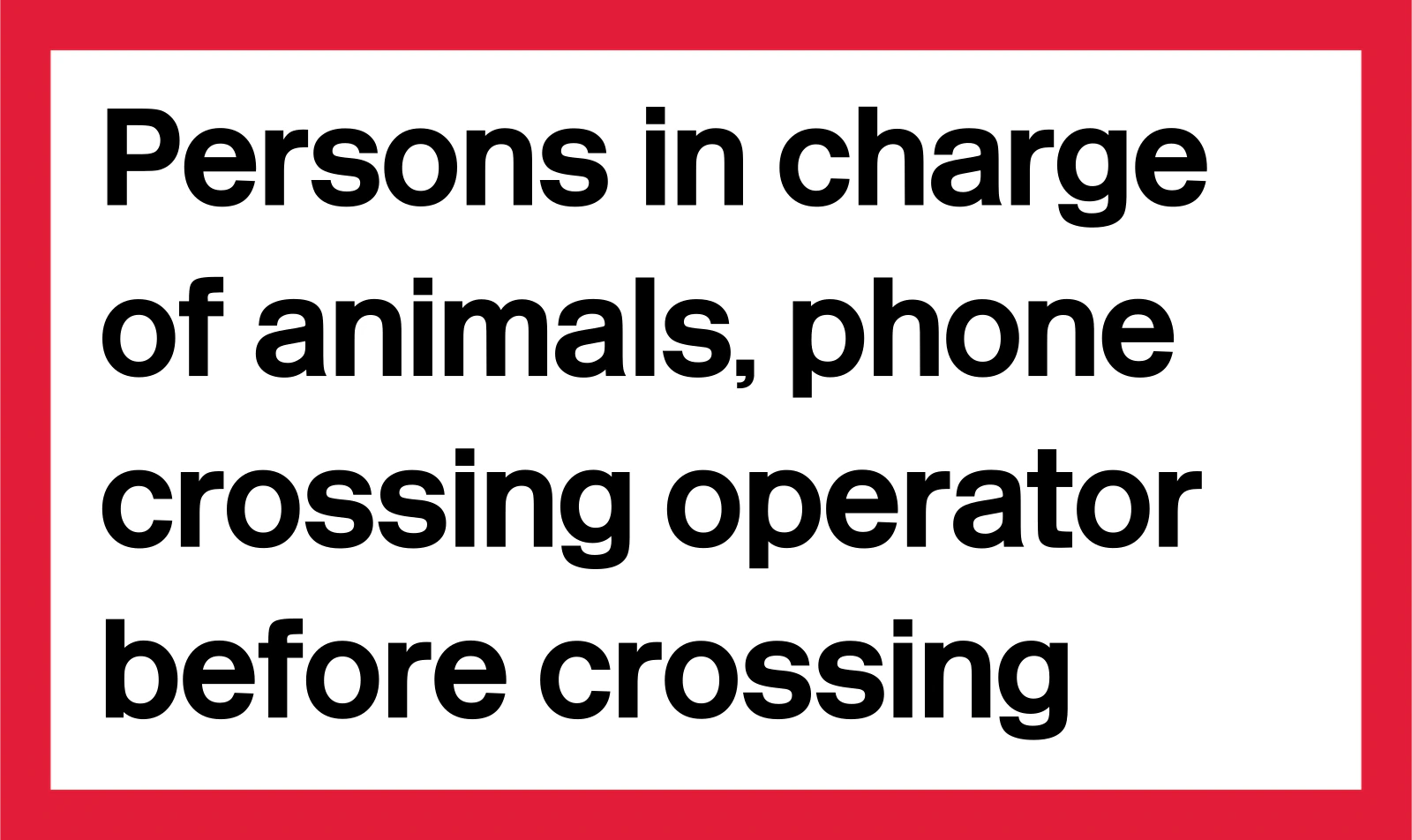
What does the Animal Traffic Crossing Plate (LC-ANIMAL-PLATE) mean for drivers?
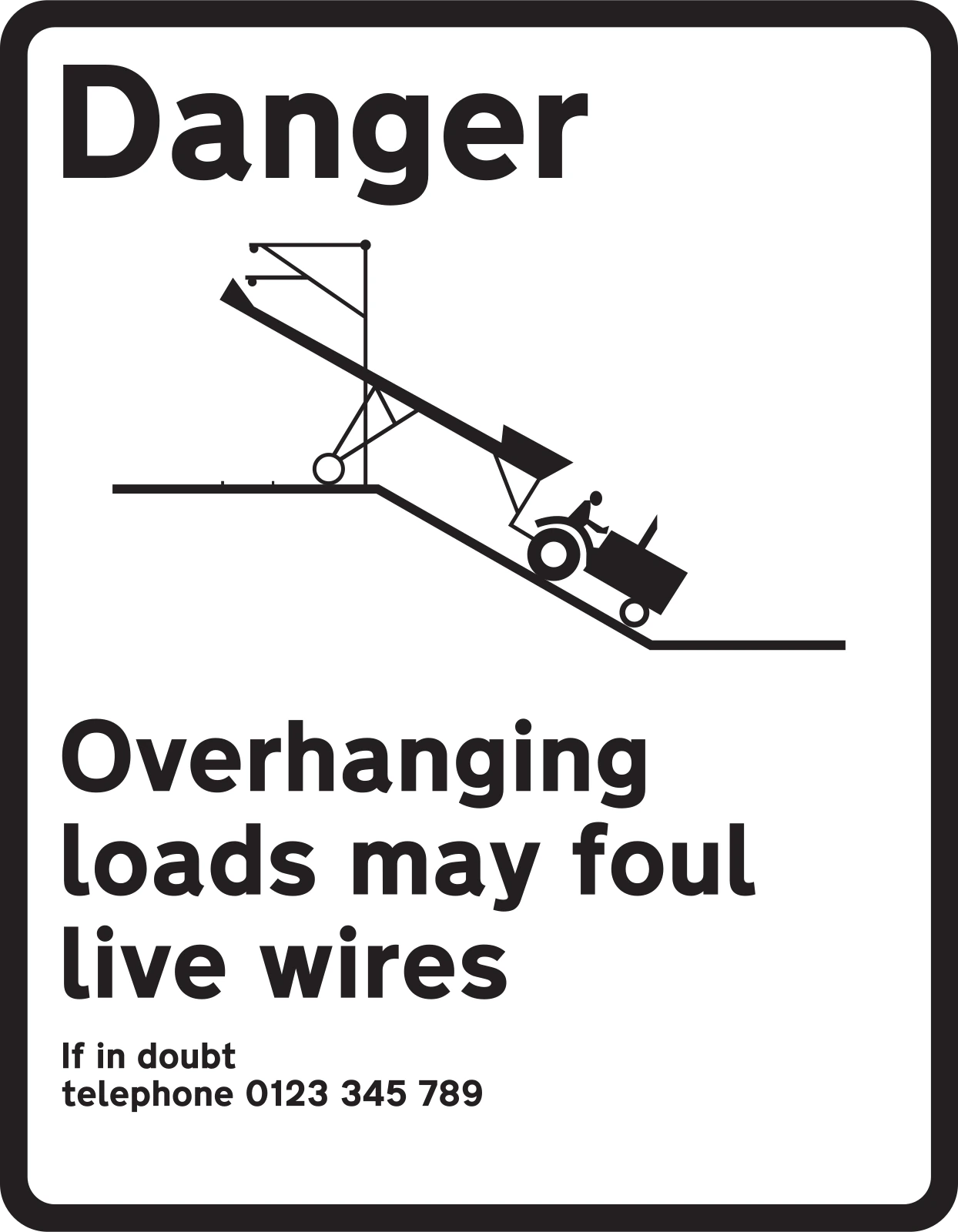
Warning: Overhead Wires Risk for Long Loads at Crossings

Understand Horserider Instructions at Electrified Crossings (LC-HR-OW)
Clear answers to common questions about the Great Britain Level Crossing Signs road sign category. Use this FAQ to review tricky rules, understand how these signs appear in exam scenarios, and remove confusion that often leads to mistakes in the British driving theory exam in Great Britain.
The primary danger at level crossings is that trains and trams operate on fixed tracks and cannot stop or swerve like road vehicles. Drivers must be aware that they are sharing the road with much larger, faster, and less manoeuvrable traffic. Failing to stop or entering the crossing when a train is approaching can lead to a severe accident.
Signs like '770: Level crossing with gate or barrier ahead' or 'level-crossing-user-operated-gate' will warn you in advance. When you reach the crossing, you will typically see physical barriers or gates that lower to stop road traffic. Always obey these physical controls and wait for them to be raised before proceeding.
Signs like '779: Electrified overhead cable ahead' and 'LC-OW' warn you of the danger of high-voltage cables used to power trains or trams. Sign '780A' or 'LC-OW-STEEP' might specify the height restriction, which is critical for tall vehicles. You must ensure your vehicle (and any load) is well below this height. If you are in any doubt, do not proceed or contact the crossing operator if a telephone is provided.
Telephones, indicated by signs like '787: Telephone at level crossing' and '788: Direction to telephone', are provided at certain crossings, especially those without barriers or gates, to allow drivers to contact the crossing operator. This is crucial for large vehicles (signs 783, 784.1) or if you need to check if it's safe to cross, particularly if you can't see down the track clearly.
Countdown markers (signs 789, 789.1, 789.2) are placed along the road as you approach a level crossing, especially one without barriers. They are typically posts with horizontal bars that reduce in number as you get closer to the crossing. Each marker indicates you are getting nearer to the crossing, serving as a visual cue to slow down and be prepared to stop.
Signs like '782: Risk of grounding at level crossing ahead' warn that the underside of your vehicle might make contact with the track, possibly due to uneven surfaces. 'LC-LIVE-RAIL' or 'LC-LIVE-RAIL-2' indicates a live rail, which carries a high electrical current and is extremely dangerous. In both cases, exercise extreme caution, reduce speed, and be prepared to stop if necessary.
Ready to master Great Britain road signs? Explore organized categories and groups for structured learning. Understanding signs by type improves recall and comprehension, ensuring thorough preparation for your DVSA theory test.
Great Britain Road Sign Groups