This supplementary plate, often seen with other level crossing signs, is a crucial reminder for drivers in Great Britain: never enter a railway or tramway crossing unless you can exit it completely. It's vital to approach with caution, be prepared to stop, and ensure the crossing is clear before proceeding, especially if you are in a large or slow-moving vehicle. This sign emphasizes safe behaviour to prevent dangerous obstructions on active tracks.
This supplementary plate warns drivers not to block a level crossing, a critical detail for your theory test revision. Understanding its meaning ensures you maintain clear passage and adhere to traffic rules, preventing dangerous situations on Great Britain's roads.
This level-crossing sign is used where road traffic interacts with rail, tram, or crossing equipment. It may refer to barriers, gates, warning lights, telephones, overhead cables, live rails, or special instructions for certain users. Because rail vehicles cannot stop quickly, the safe response is to slow early, obey signals and barriers, and enter only when there is enough space to clear the crossing completely. It is listed in the catalogue as code 775.
"Supplementary plate warning drivers to not block the level crossing" warns or instructs drivers at a railway, tramway, or private crossing. The driver should approach prepared to stop and must keep the crossing clear.
Get clear, practical answers to the most common questions about the 775 - Supplementary plate warning drivers to not block the level crossing road sign. Learn how the sign works, what rules it represents, and how it affects real driving situations. This FAQ strengthens your understanding and supports accurate decision making for the British driving theory exam in Great Britain.
Sign 775 is a supplementary plate that clearly instructs drivers not to block the level crossing. This means you must ensure there is enough space for your vehicle to completely clear the crossing tracks and the immediate approaches before you decide to enter it.
Blocking a level crossing is extremely dangerous as trains and trams cannot stop quickly. Leaving your vehicle on the tracks can cause a serious accident. This sign reinforces the critical need to only cross when you are certain you can do so safely without stopping on the rails.
If you see sign 775 and traffic ahead is congested, you must be prepared to stop before the crossing. Do not enter the crossing area if you cannot immediately clear it. Wait for the traffic to move sufficiently to allow you to exit the crossing completely on the other side.
Yes, drivers of long, slow-moving, high, or animal-drawn vehicles should be particularly cautious. These vehicles may take longer to cross, so extra planning is needed to ensure they do not stop on the tracks. Always check if you have enough time and space before starting to cross.
A common mistake is assuming it is safe to cross just because other vehicles are doing so, or if there are no immediate visible trains. You must always check that the exit is clear. Another trap is stopping on the tracks, between gates, or inside the crossing area, which sign 775 explicitly warns against.
Sign 775 itself doesn't mean you must stop, but it instructs you not to proceed if you cannot clear the crossing. You should always approach a level crossing at a speed that allows you to stop safely if necessary, and obey any signals, barriers, or gates present. The primary rule is to never block the crossing.
A clear reference image of the 775 - Supplementary plate warning drivers to not block the level crossing road sign used in Great Britain.
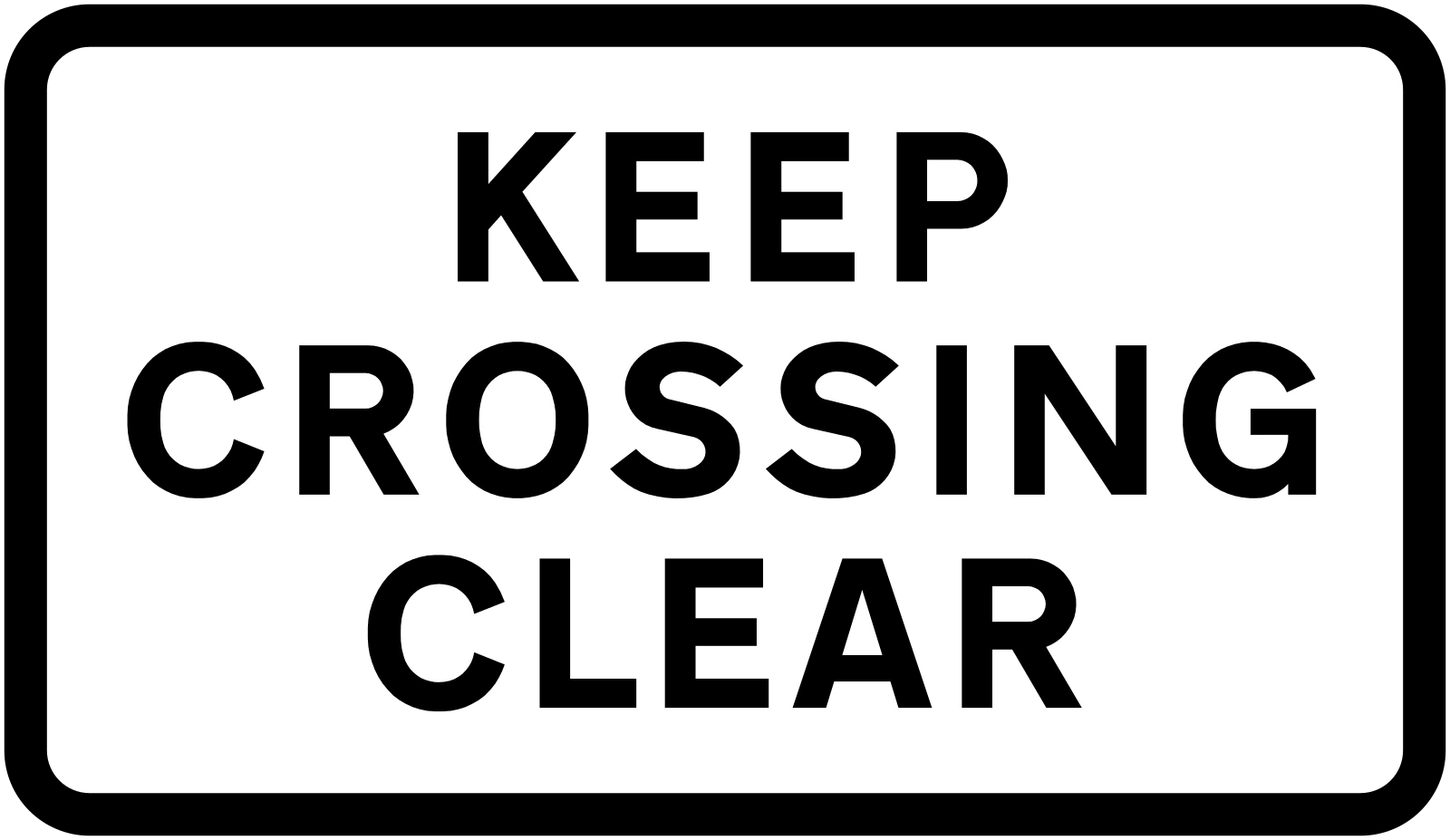
The 775 - Supplementary plate warning drivers to not block the level crossing road sign may also be known by these alternative names or terms.
The 775 - Supplementary plate warning drivers to not block the level crossing road sign is part of the Great Britain Level Crossing Signs category, which groups together signs with similar rules and functions.
Reviewing closely related road signs, like those concerning level crossings, helps cement your understanding and improve recognition accuracy for your theory test revision. Comparing this sign with similar traffic signs aids in distinguishing crucial details, reducing mistakes during your driving licence theory exam preparation.
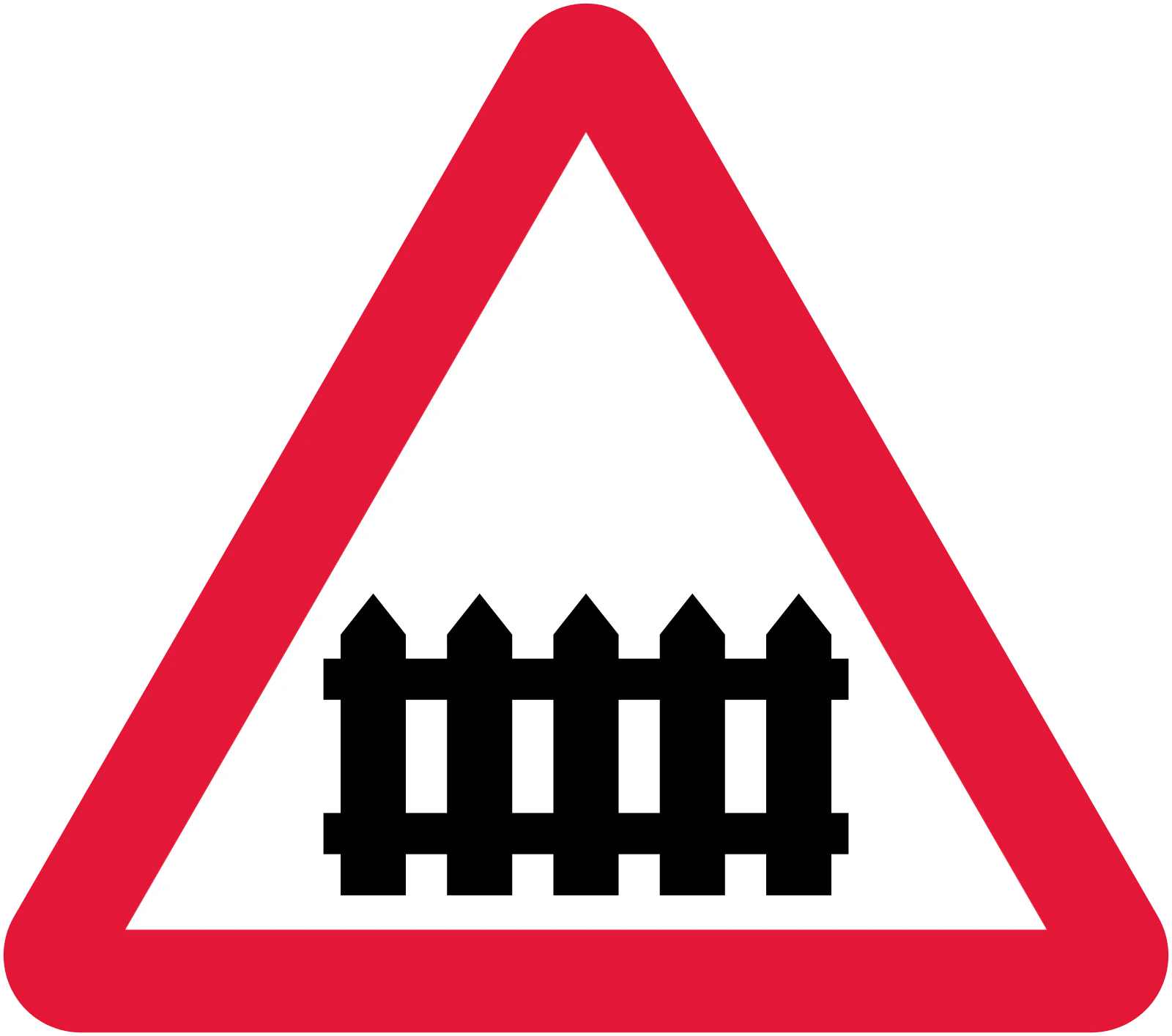
Prepare to stop for level crossings with gates or barriers ahead.
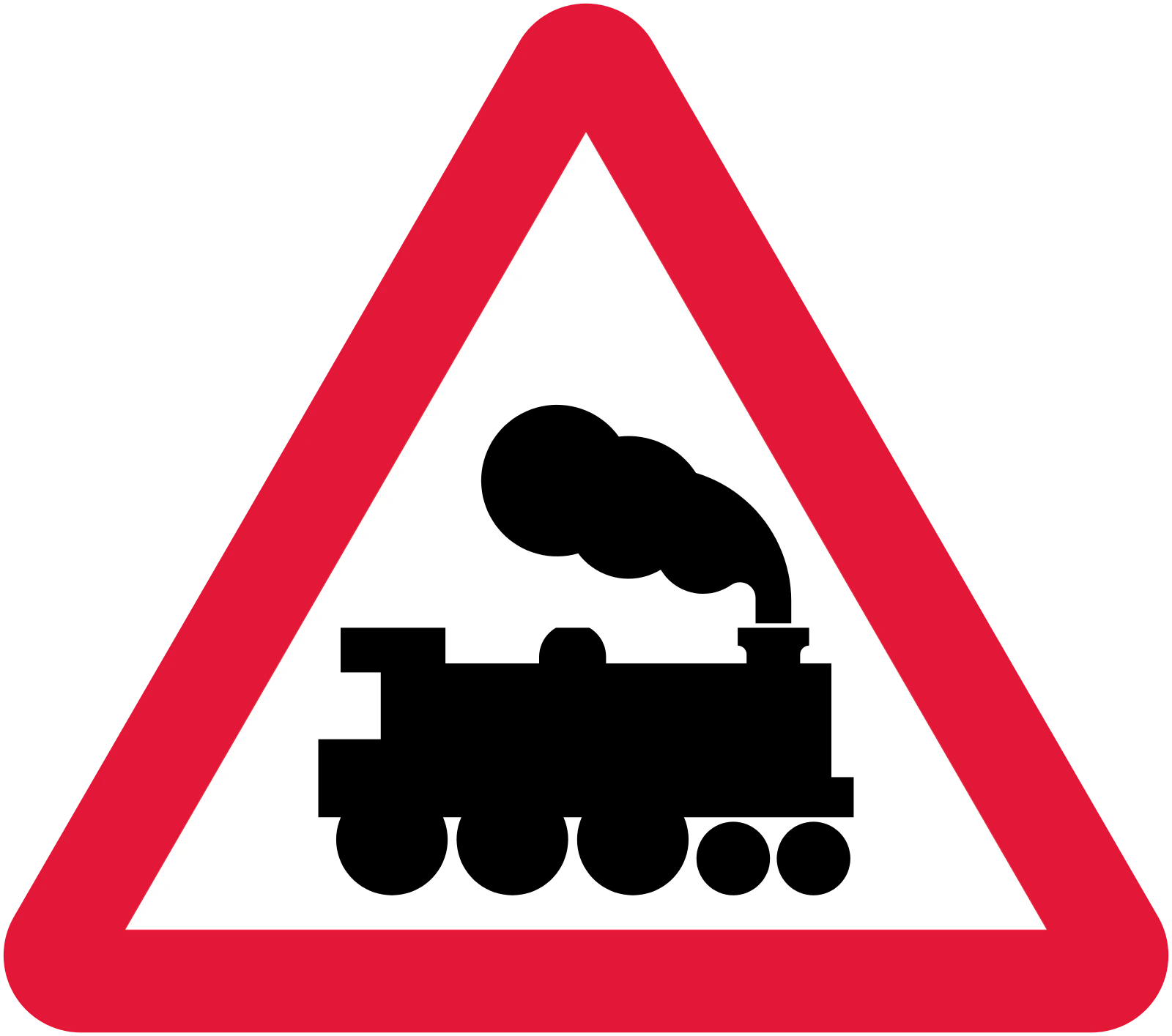
Understand the 'Level Crossing Without Gate or Barrier Ahead' Sign (771)
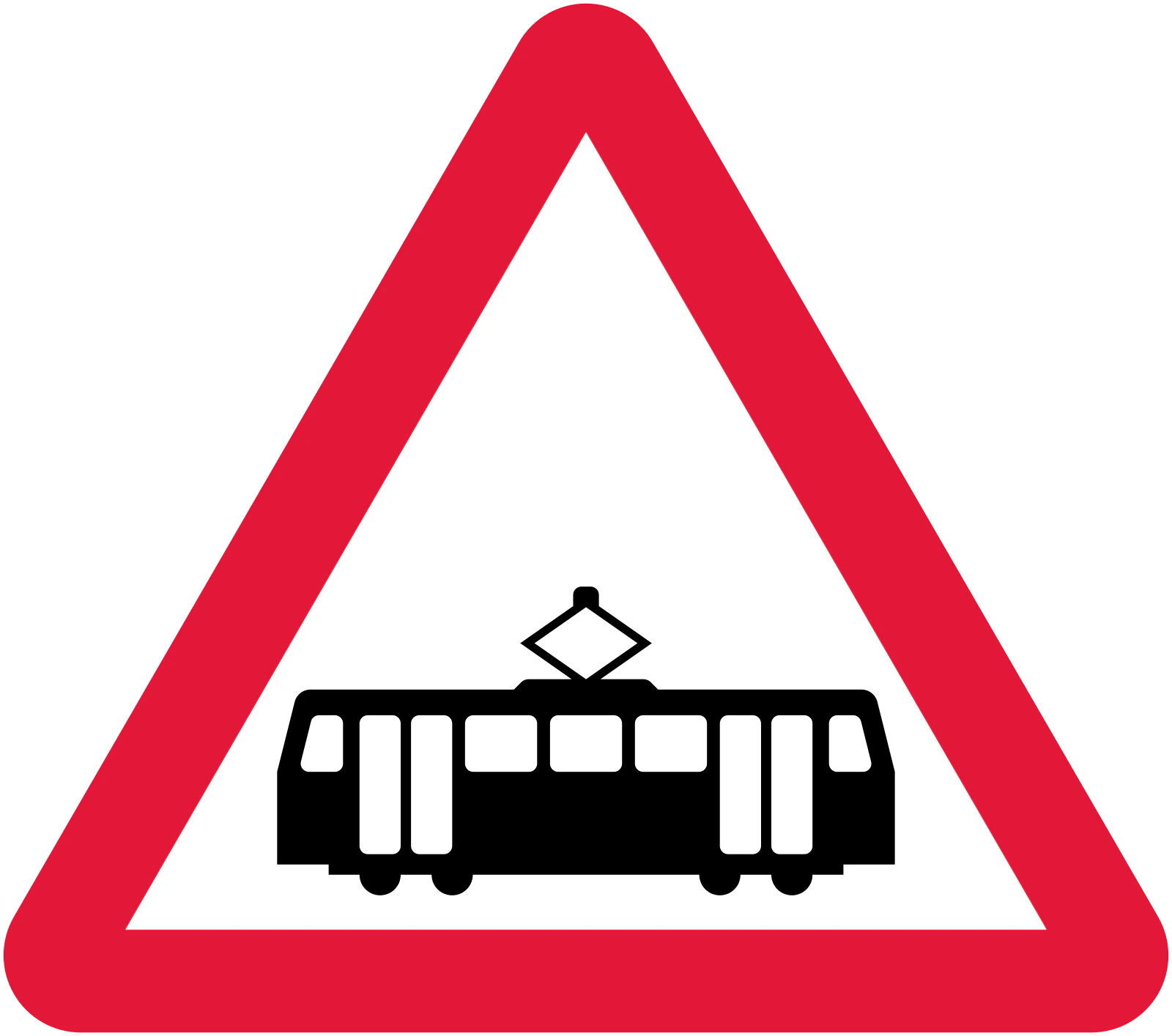
Watch out for trams crossing ahead with this essential warning sign!
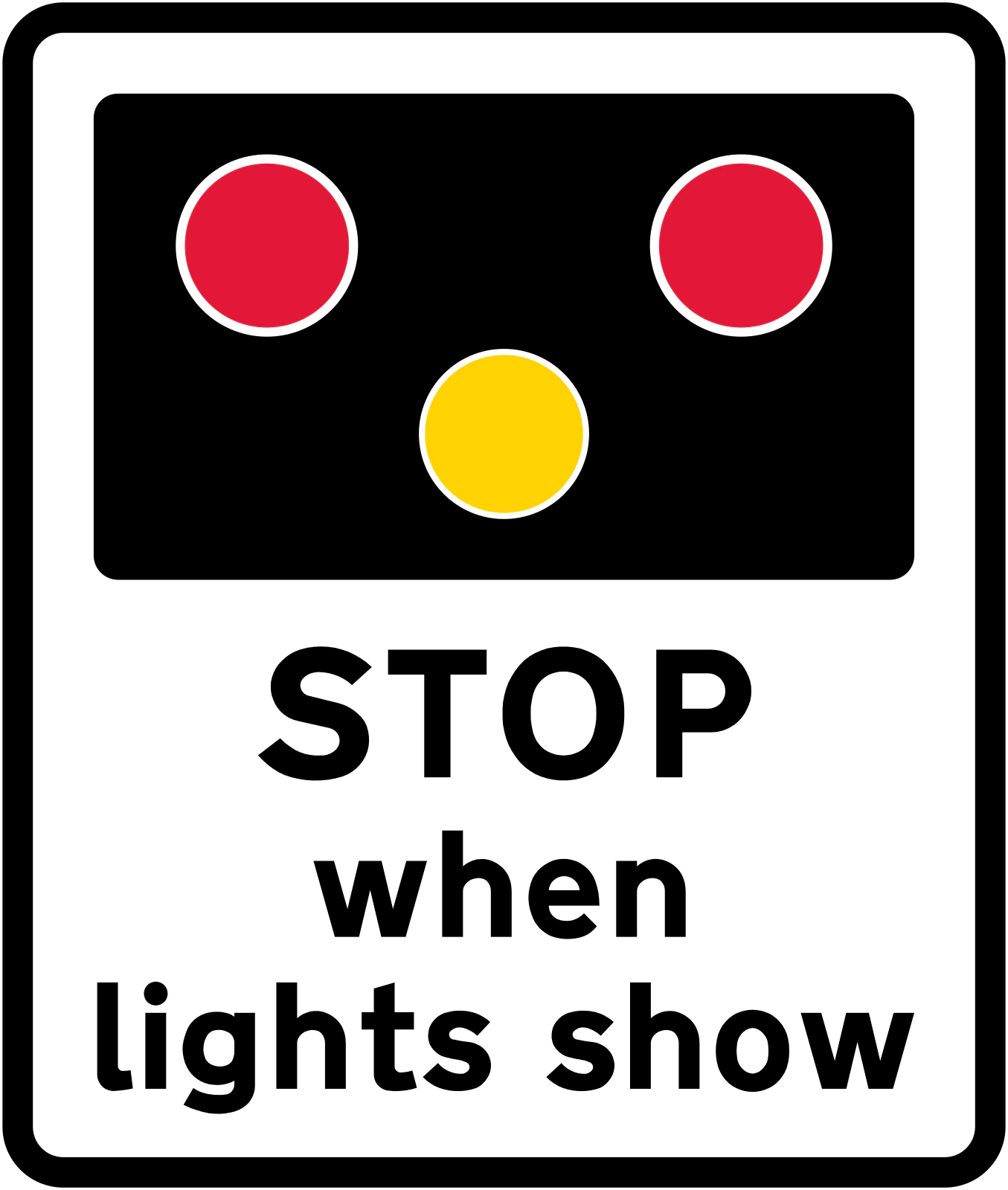
Prepare to stop for light signals at railway or tramway crossings ahead.
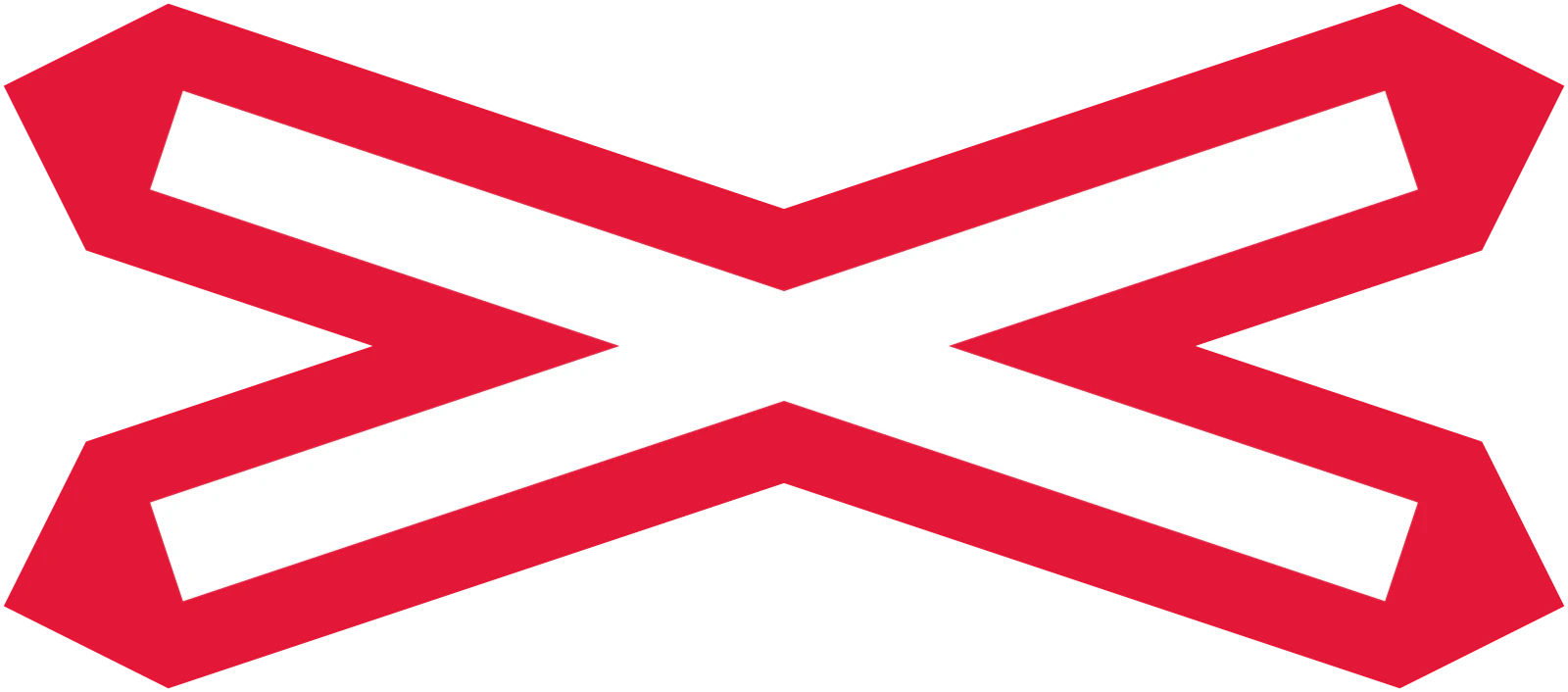
Single Track Level Crossings Ahead: Be Prepared to Stop Safely
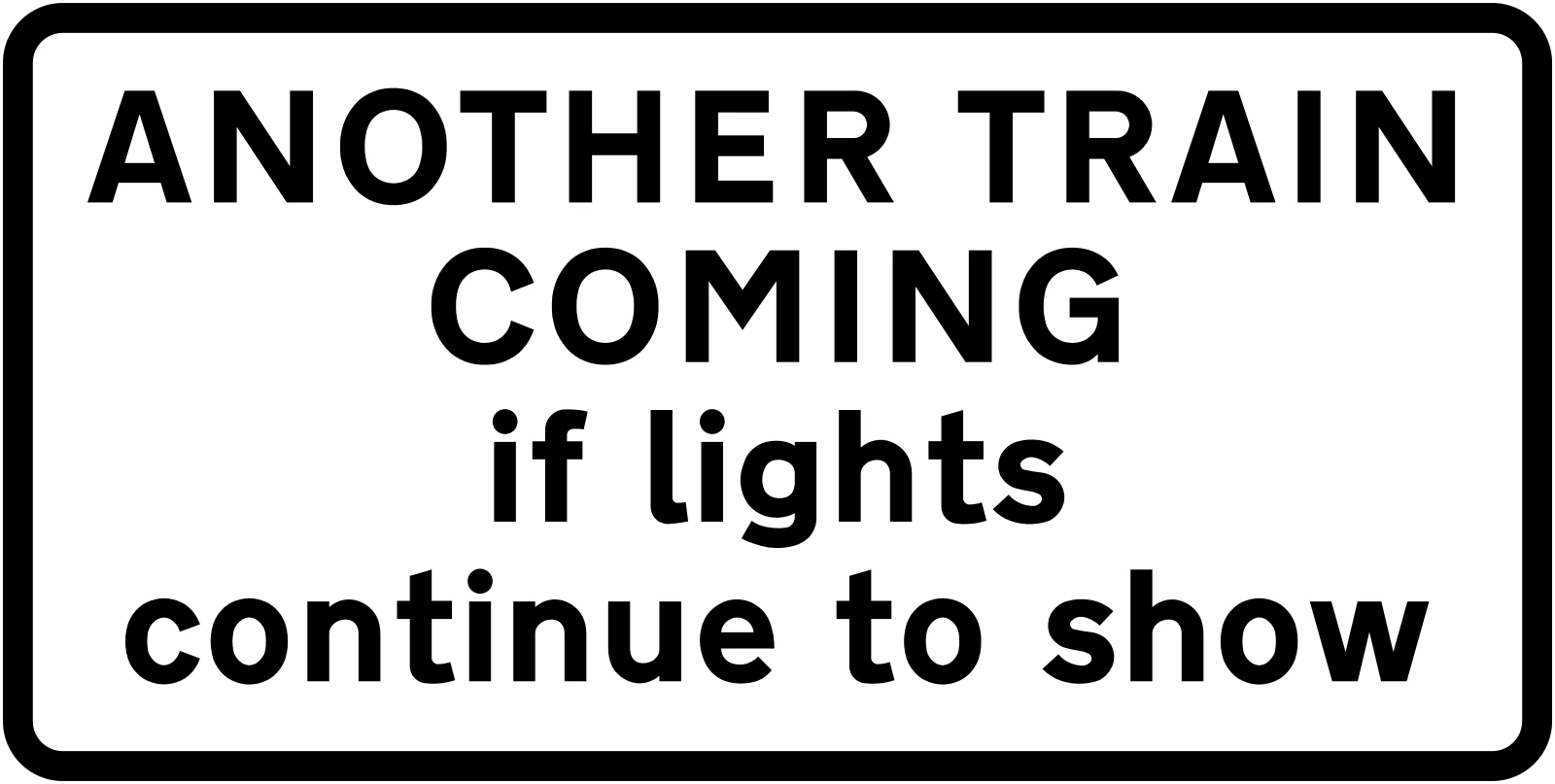
Second Train Warning Plate (777): What to do at busy level crossings.
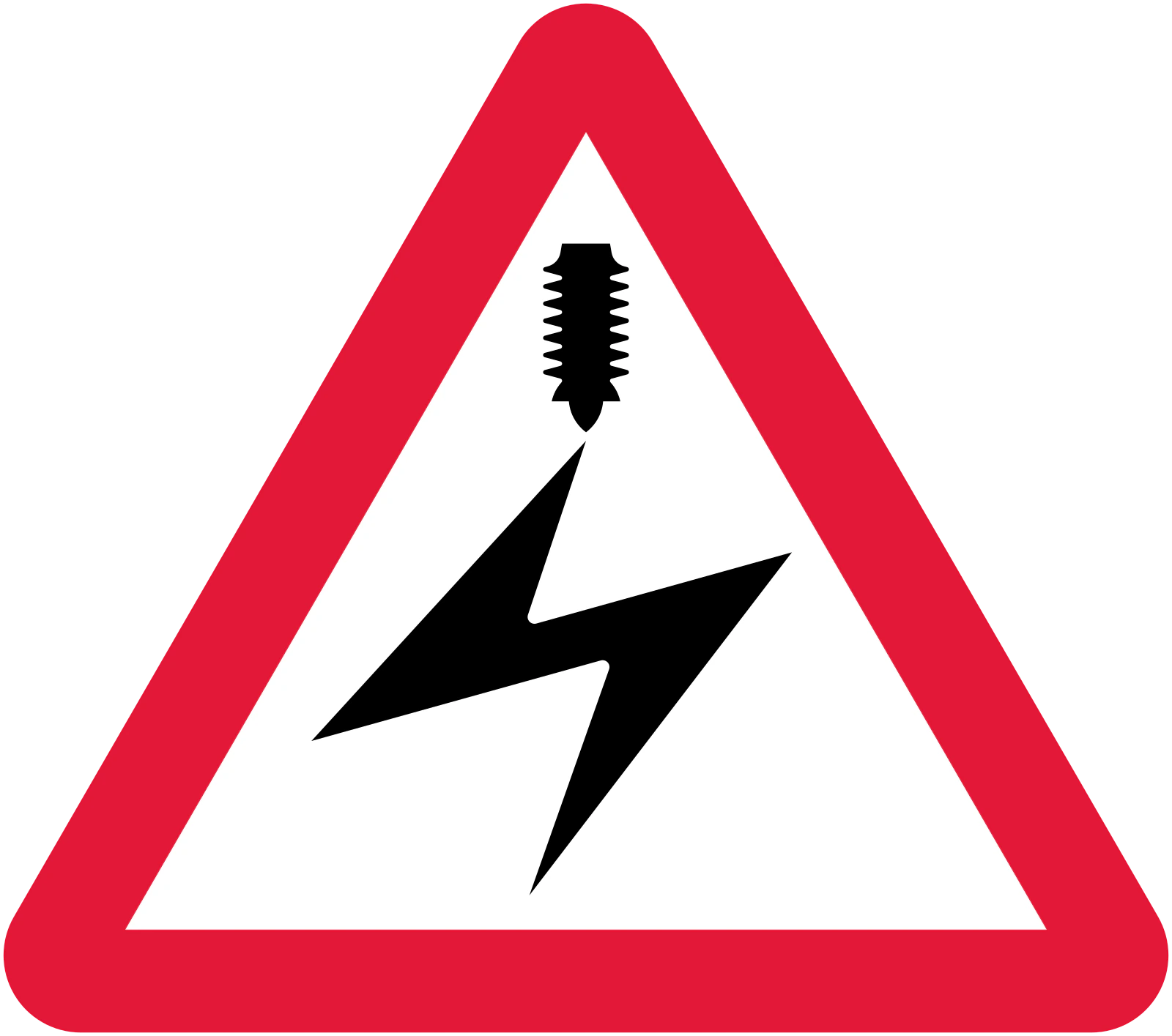
Electrified Overhead Cable Ahead: What This Sign Means for Railway Crossings
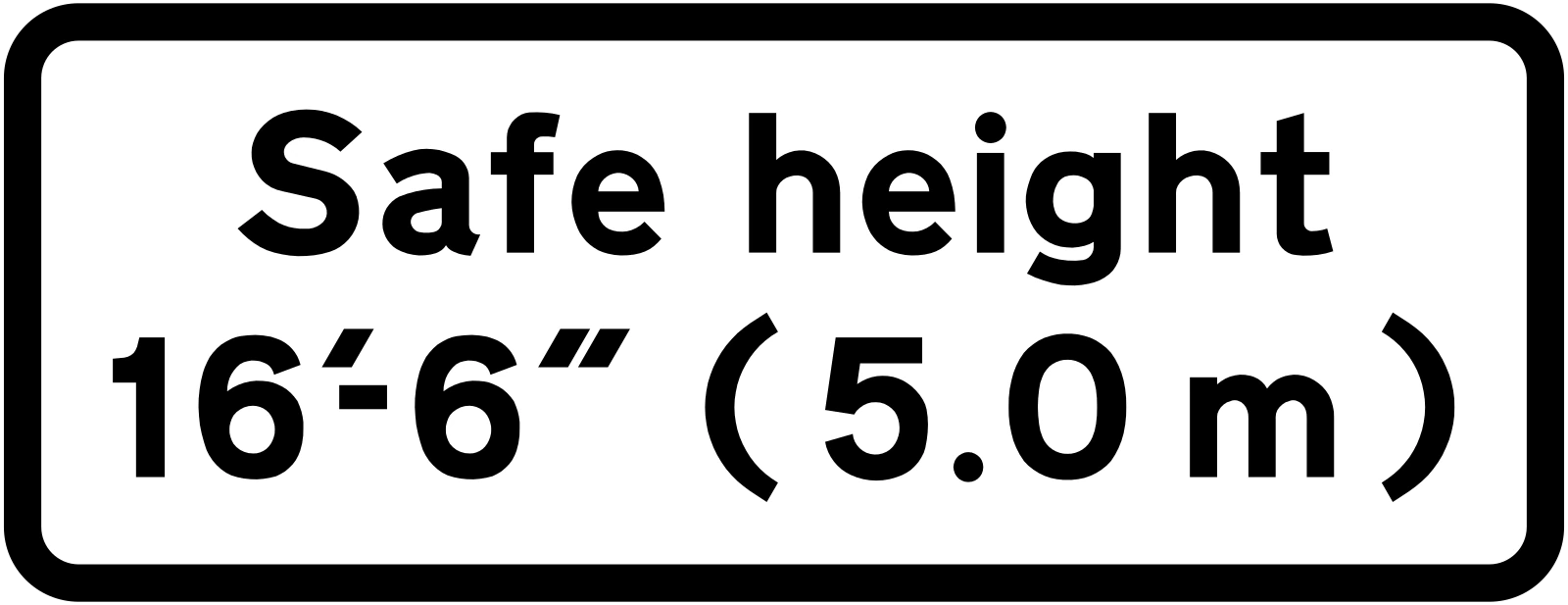
Watch for overhead cable height at level crossings with the 780A supplementary plate.
Explore curated explanations and practical examples to strengthen your visual recognition of essential Great Britain road signs. These supplementary materials provide the context needed to navigate junctions safely and pass your official DVSA theory test.
Prepare for your Great Britain driving theory test by understanding the critical rules for level crossings, as detailed in the Highway Code. This guide covers everything from approaching crossings with flashing lights and lowered barriers to what action to take if your vehicle breaks down. Grasping these safety protocols is vital for preventing accidents and ensuring you meet DVSA requirements.
Navigating junctions in Great Britain can be complex, with priority often dictated by specific road signs and markings rather than simple intuition. This article breaks down the rules for various types of crossroads, explaining how to identify who has right of way and what to do when facing confusing situations. Preparing for your theory test requires a thorough understanding of these critical junction rules to ensure safe driving.
Avoid Common Mistakes and Stay Safe at British Level Crossings
Understand your responsibility for a safe and legal vehicle on Great Britain's roads.
This level-crossing sign is used where road traffic interacts with rail, tram, or crossing equipment. It may refer to barriers, gates, warning lights, telephones, overhead cables, live rails, or special instructions for certain users. Because rail vehicles cannot stop quickly, the safe response is to slow early, obey signals and barriers, and enter only when there is enough space to clear the crossing completely. It is listed in the catalogue as code 780A.
This level-crossing sign is used where road traffic interacts with rail, tram, or crossing equipment. It may refer to barriers, gates, warning lights, telephones, overhead cables, live rails, or special instructions for certain users. Because rail vehicles cannot stop quickly, the safe response is to slow early, obey signals and barriers, and enter only when there is enough space to clear the crossing completely. It is listed in the catalogue as code instruction-vehicular-crossing-telephone.
After reviewing the full list of road signs, challenge yourself with practice questions focused specifically on sign recognition. Reinforce your learning and ensure you're fully prepared to identify and understand all traffic signs on the DVSA theory test.
Browse All GB Road Signs List