
This section covers the crucial Great Britain motorway signals, designed to provide real-time information and instructions. Understanding these signs is vital for anticipating changes in traffic conditions, ensuring your safety, and passing your theory exam. We'll break down what each signal means and how you should react on the road.
An explanation of how Great Britain Motorway Signals road signs apply in real traffic situations in Great Britain. Learn where these signs are typically placed, what drivers are expected to do when they appear, and how correct reactions help you stay safe, avoid fines, and succeed in your British driving theory exam.
Motorway signals are exclusively found on high-speed roads like motorways and some major dual carriageways. You will encounter these overhead electronic signs during various traffic situations: sudden congestion, road works, accidents, adverse weather conditions such as fog or ice, or when lanes need to be temporarily closed for safety. Drivers must constantly monitor these signs as they can change rapidly. For example, a red 'X' over a lane means it is closed and you must not enter it, often requiring you to move to an open lane indicated by arrows. Advisory speed limits displayed on these signals, like 50 mph, are recommendations for safer driving under specific conditions and should be adhered to. It is crucial to check your mirrors and adjust your speed smoothly when a signal instructs a lane change or speed reduction.
An overview of the key learning outcomes when studying the Great Britain Motorway Signals road sign category. Understand the main concepts, sign meanings, and traffic situations covered here so you can recognise patterns, answer theory questions more confidently, and build a solid foundation for safe driving in Great Britain.
Master Great Britain's motorway signals, from lane closures and speed limits to hazard warnings and directions. Understanding these vital traffic signs is crucial for safe driving on high-speed roads and preparing for your theory test. Learn to interpret their meanings and react appropriately to ensure a smoother, safer journey.

Motorway Signal: Prepare to Leave at the Next Exit

Understand the 'Risk of Fog Ahead' Motorway Signal

Motorway Signal: Risk of Ice Ahead - Proceed with Caution

Understand the 'End of Temporary Motorway Restrictions' Signal
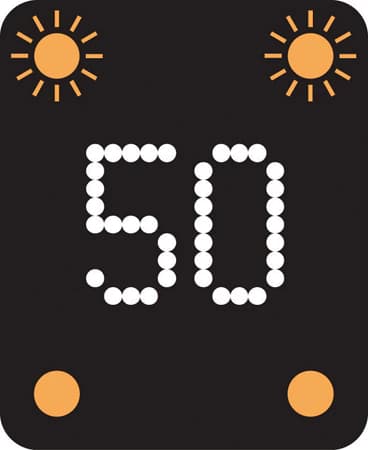
Motorway Advisory Speed 50 mph: What this signal means for you.

Motorway Signal: Lane 2 Closed Ahead, Use Lane 1 With Caution

Motorway Signal: Lanes 2 and 3 Closed Ahead, Use Lane 1 With Caution

Motorway Signal 6006.7: Lane 1 Closed – Obey Instructions and Proceed with Caution
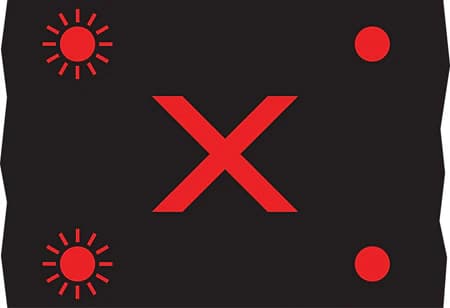
Motorway Signal: Do Not Enter the Traffic Lane Directly Below

Understand the 'Both Lanes Closed' motorway signal (6006.4)

Motorway signals: What to do when all three lanes are closed

What to do when you see the 'All Four Lanes Closed' motorway signal
Clear answers to common questions about the Great Britain Motorway Signals road sign category. Use this FAQ to review tricky rules, understand how these signs appear in exam scenarios, and remove confusion that often leads to mistakes in the British driving theory exam in Great Britain.
The main purpose of Great Britain motorway signals is to provide drivers with real-time, dynamic information and instructions. These signs help manage traffic flow, warn of hazards like fog or ice, indicate lane closures due to incidents or roadworks, and advise on speed limits. They are essential for maintaining safety and smooth traffic progression on high-speed roads.
A red 'X' displayed above a lane means that lane is closed and you must not enter it. You should check your mirrors, signal if necessary, and move to an open lane as quickly and safely as possible. Continuing in a lane marked with a red 'X' is dangerous and illegal.
Advisory speed limits, often displayed as a number like '50' on a black background within a signal, are not legally binding in the same way as permanent speed limit signs. However, they are strong recommendations from traffic authorities based on current conditions such as congestion, weather, or roadworks. It is highly advisable to comply with these speeds for your safety and the safety of others, and ignoring them can be taken into account if an incident occurs.
These signals are warnings of hazardous weather conditions ahead. 'Risk of Fog' means visibility may be significantly reduced, requiring you to slow down, use dipped headlights, and increase your following distance. 'Risk of Ice' indicates that road temperatures are low and there is a danger of slippery surfaces, so you must reduce speed and drive with extreme caution, anticipating potential skids.
This signal typically appears when the motorway ahead is about to close, or when there is a significant diversion route in place due to a major incident, road closure, or planned works further along. It directs you to safely exit the motorway at the upcoming junction, often to join an alternative route. Always be prepared to exit when you see this instruction.
Ready to master Great Britain road signs? Explore organized categories and groups for structured learning. Understanding signs by type improves recall and comprehension, ensuring thorough preparation for your DVSA theory test.
Great Britain Road Sign Groups