
This motorway signal, identified as 6031.1, is a live traffic control message used to manage traffic flow and safety on motorways in Great Britain. It specifically instructs drivers not to enter the lane directly beneath the signal, often indicated by a red X. Always obey these signals promptly by checking your mirrors and slowing down smoothly, preparing for potential hazards like queues, incidents, or lane closures ahead. Understanding and reacting correctly to these dynamic signals is vital for safe motorway driving and passing your theory test.
Mastering the 'Do not enter the traffic lane directly below' motorway signal is crucial for safe Great Britain driving. Understanding this traffic sign explanation is key for your theory test revision and overall road awareness.
Motorway signals are live controls used to manage traffic, incidents, queues, lane closures, weather, and temporary restrictions. This signal applies to the lane, carriageway, or movement indicated by its position and display. Drivers should obey it promptly, check mirrors before slowing or moving lanes, and expect conditions ahead to differ from the normal motorway layout. It is listed in the catalogue as code 6031.1.
"Do not enter the traffic lane directly below" is a motorway signal message or lane-control instruction. It may warn of changing conditions, control speed, close lanes, or direct traffic to leave the motorway.
Get clear, practical answers to the most common questions about the 6031.1 - Do not enter the traffic lane directly below road sign. Learn how the sign works, what rules it represents, and how it affects real driving situations. This FAQ strengthens your understanding and supports accurate decision making for the British driving theory exam in Great Britain.
The 6031.1 signal means that the traffic lane directly beneath it is closed and you must not enter it. This is commonly displayed as a red X. These signals are dynamic and used to manage traffic, close lanes due to incidents, or warn of hazards.
When you see the 6031.1 signal, you must stop using that lane immediately. Check your mirrors, slow down smoothly, and move to an open lane if it's safe to do so. Always obey these signals promptly to maintain safety on the motorway.
No, you must never ignore this signal, especially if it's a red X indicating a lane closure. Motorway signals are live controls designed to keep you safe. Ignoring them can lead to serious accidents, and it's a common reason for failing the practical driving test and a potential examiner intervention.
A common trap is assuming the signal applies to all lanes or not understanding its immediate effect on the specific lane shown. Learners may also be caught out by questions about reacting to changing signals, the importance of checking mirrors before slowing, or the distinction between fixed signs and live signals. Always prioritise obeying live signals on the overhead gantries.
Unlike standard road signs that are permanent, motorway signals are 'live' controls. This means they can change dynamically to reflect real-time traffic conditions, incidents, or temporary speed restrictions. You must react to the signal currently displayed over your lane or carriageway.
A clear reference image of the 6031.1 - Do not enter the traffic lane directly below road sign used in Great Britain.
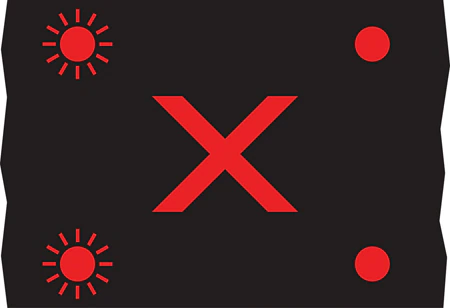
The 6031.1 - Do not enter the traffic lane directly below road sign may also be known by these alternative names or terms.
The 6031.1 - Do not enter the traffic lane directly below road sign is part of the Great Britain Motorway Signals category, which groups together signs with similar rules and functions.
Understanding related road signs helps cement your learning and reduces confusion. Comparing similar traffic signs is a key revision technique for improving sign recognition and passing your theory test.

Motorway Advisory Speed 50 mph: What this signal means for you.

Motorway Signal: Prepare to Leave at the Next Exit

Motorway Signal: Lanes 2 and 3 Closed Ahead, Use Lane 1 With Caution

Understand the 'End of Temporary Motorway Restrictions' Signal

Motorway signals: What to do when all three lanes are closed

Understand the 'Both Lanes Closed' motorway signal (6006.4)

Motorway Signal: Lane 2 Closed Ahead, Use Lane 1 With Caution
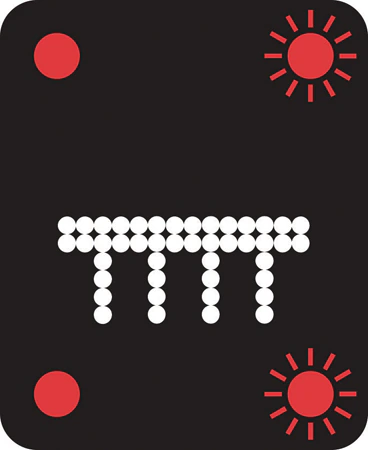
What to do when you see the 'All Four Lanes Closed' motorway signal
Explore curated explanations and practical examples to strengthen your visual recognition of essential Great Britain road signs. These supplementary materials provide the context needed to navigate junctions safely and pass your official DVSA theory test.
When you get behind the wheel of another person's car, the law holds you strictly accountable for ensuring the vehicle is safe, taxed, and properly insured. This guide explains the checks you must perform to remain compliant with UK traffic laws and avoid common pitfalls often tested in the DVSA theory exam. Mastery of these rules ensures you are prepared to act as a responsible and legal road user.
Mastering the shapes and colours of Great Britain's road signs is a key component of passing your driving theory test. This guide breaks down the essential visual language of traffic signs, from urgent warning triangles to commanding circular signs and directional rectangular indicators, empowering you to drive more safely and confidently on UK roads.
Understand your responsibility for a safe and legal vehicle on Great Britain's roads.
Master Safe Stopping Distances and Tackle Tricky Wet Weather Conditions.
Motorway signals are live controls used to manage traffic, incidents, queues, lane closures, weather, and temporary restrictions. This signal applies to the lane, carriageway, or movement indicated by its position and display. Drivers should obey it promptly, check mirrors before slowing or moving lanes, and expect conditions ahead to differ from the normal motorway layout. It is listed in the catalogue as code 6006.1.
Motorway signals are live controls used to manage traffic, incidents, queues, lane closures, weather, and temporary restrictions. This signal applies to the lane, carriageway, or movement indicated by its position and display. Drivers should obey it promptly, check mirrors before slowing or moving lanes, and expect conditions ahead to differ from the normal motorway layout. It is listed in the catalogue as code 6006.5.
After reviewing the full list of road signs, challenge yourself with practice questions focused specifically on sign recognition. Reinforce your learning and ensure you're fully prepared to identify and understand all traffic signs on the DVSA theory test.
Browse All GB Road Signs List