
This section covers a crucial set of traffic signs that regulate where, when, and how you can park, wait, or load and unload your vehicle. Understanding these signs, along with associated markings and times, is vital for avoiding fines and ensuring smooth traffic flow. Mastering this group will not only help you pass your theory exam but also make you a more considerate and safer driver in everyday situations.
An explanation of how Great Britain Parking and Loading Signs road signs apply in real traffic situations in Great Britain. Learn where these signs are typically placed, what drivers are expected to do when they appear, and how correct reactions help you stay safe, avoid fines, and succeed in your British driving theory exam.
You'll encounter parking and loading signs in a wide variety of locations, from busy city streets and residential areas to specific loading zones and business districts. These signs are essential for managing traffic flow and ensuring access for essential services. For example, signs prohibiting waiting (like 639 and 639R) are common on busy roads to keep traffic moving, while dedicated loading bays (like 660.4) are found where goods need to be transferred. Special parking bays, such as those for disabled badge holders (661A) or time-limited parking (661.1), are clearly marked to regulate usage. You might also see signs permitting parking on verges or footways (667, 668) in specific circumstances, often with indicators for the end of these areas (667.2, 668.2). It's crucial to read the entire sign assembly, including any supplementary plates with times or arrows, and check for matching bay or kerb markings before you stop, as even a brief stop might be illegal if the signs prohibit it.
An overview of the key learning outcomes when studying the Great Britain Parking and Loading Signs road sign category. Understand the main concepts, sign meanings, and traffic situations covered here so you can recognise patterns, answer theory questions more confidently, and build a solid foundation for safe driving in Great Britain.
Master Great Britain's parking and loading signs, which regulate waiting, stopping, and vehicle access. Understanding these road signs, including arrow indicators, times, and bay markings, is crucial for your theory test revision and safe driving. Study their specific meanings to avoid penalties and ensure lawful parking.

Understand the 'Waiting Prohibited Except for Loading During the Period Indicated' Sign

Decode the 'No Waiting Except Loading' Sign and Its Directional Arrows

Understand the 'No Waiting in Off-Highway Loading Area' Sign

Understand the Sign 638: Continuous Prohibition on Loading and Unloading

Learn the meaning of the 'Bay reserved for loading and unloading only' road sign (660.4)

Understand the 'No Waiting and No Loading Direction Plate' Sign (640) in Great Britain
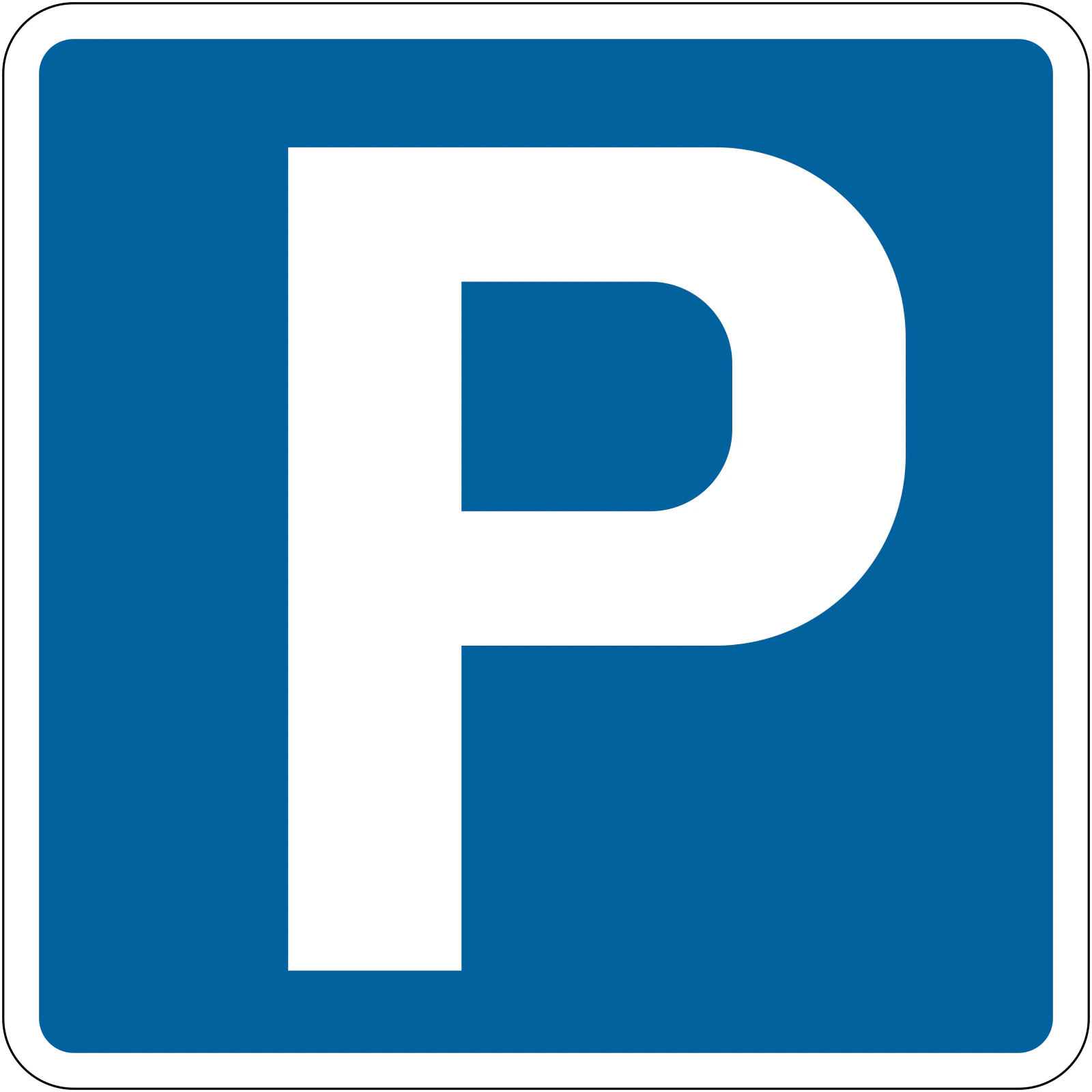
Understand the 'Parking Place' sign (801) and its complex rules

Parking Place Reserved Exclusively for Disabled Badge Holders
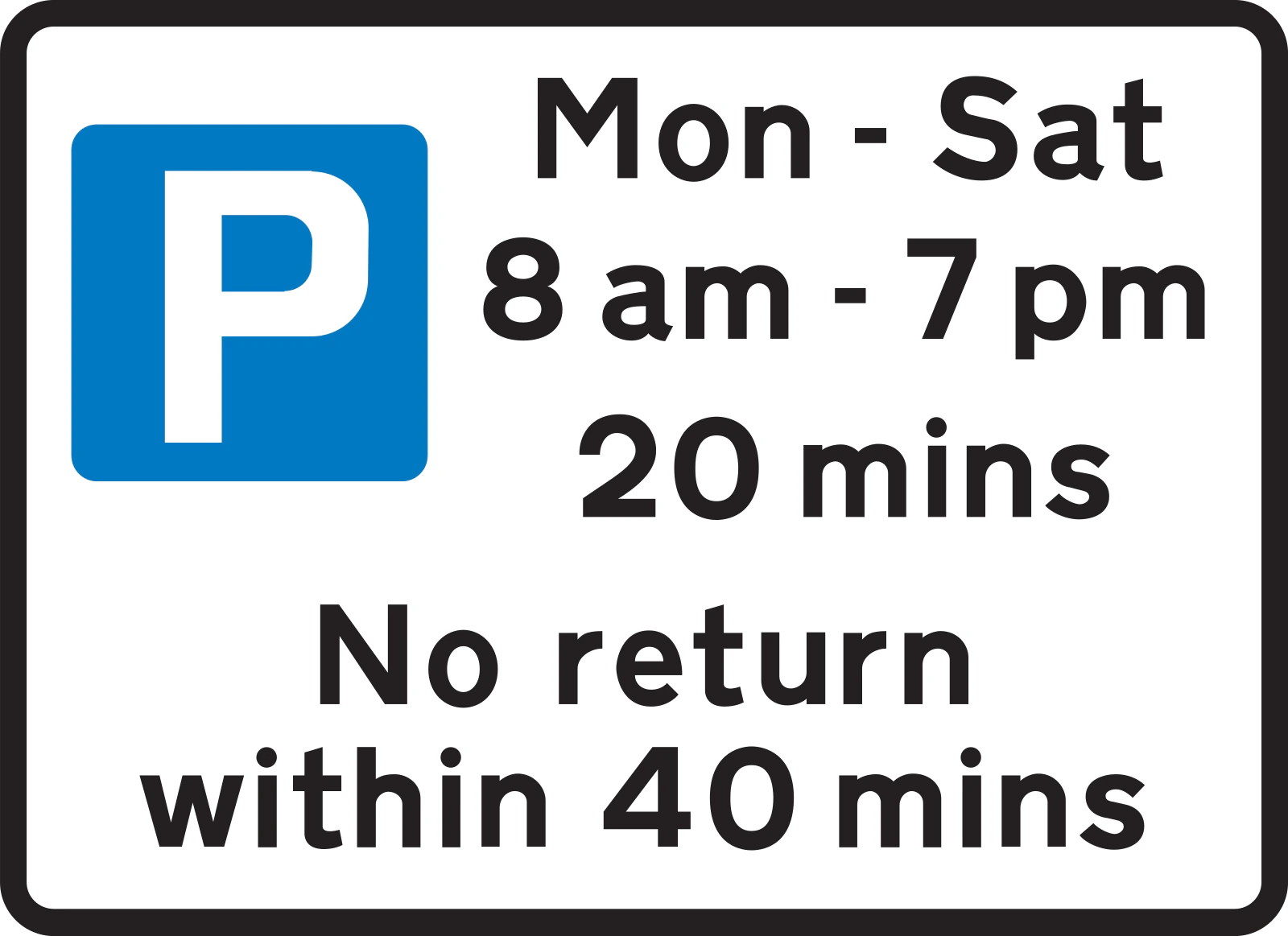
Understand the 'Parking with time limit and return period' sign (661.1)
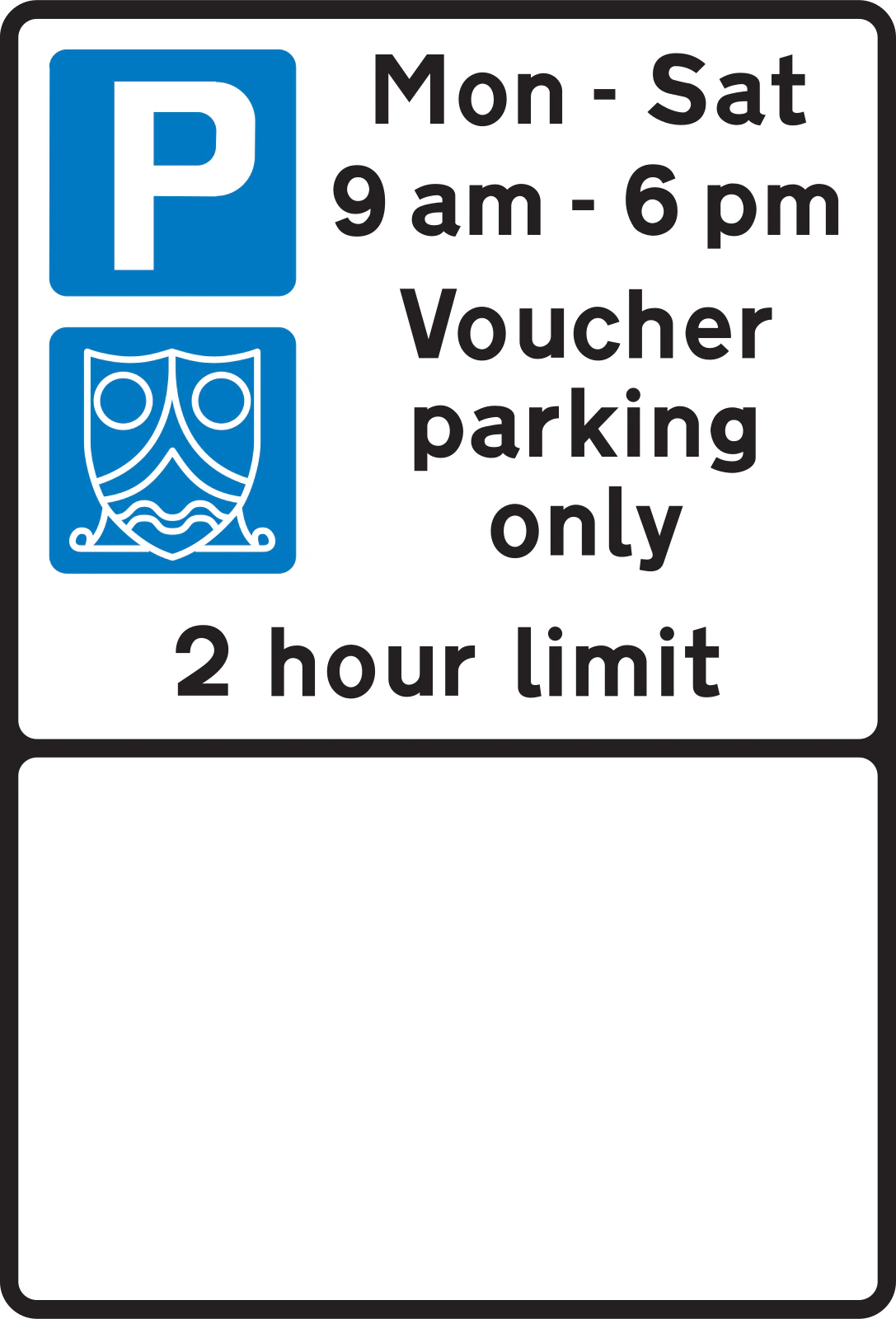
This sign means parking is reserved for voucher payment during specific times.

This sign directs you to a parking place available only on a specific day.

This sign indicates where you can park partially on the verge or footway in Great Britain.
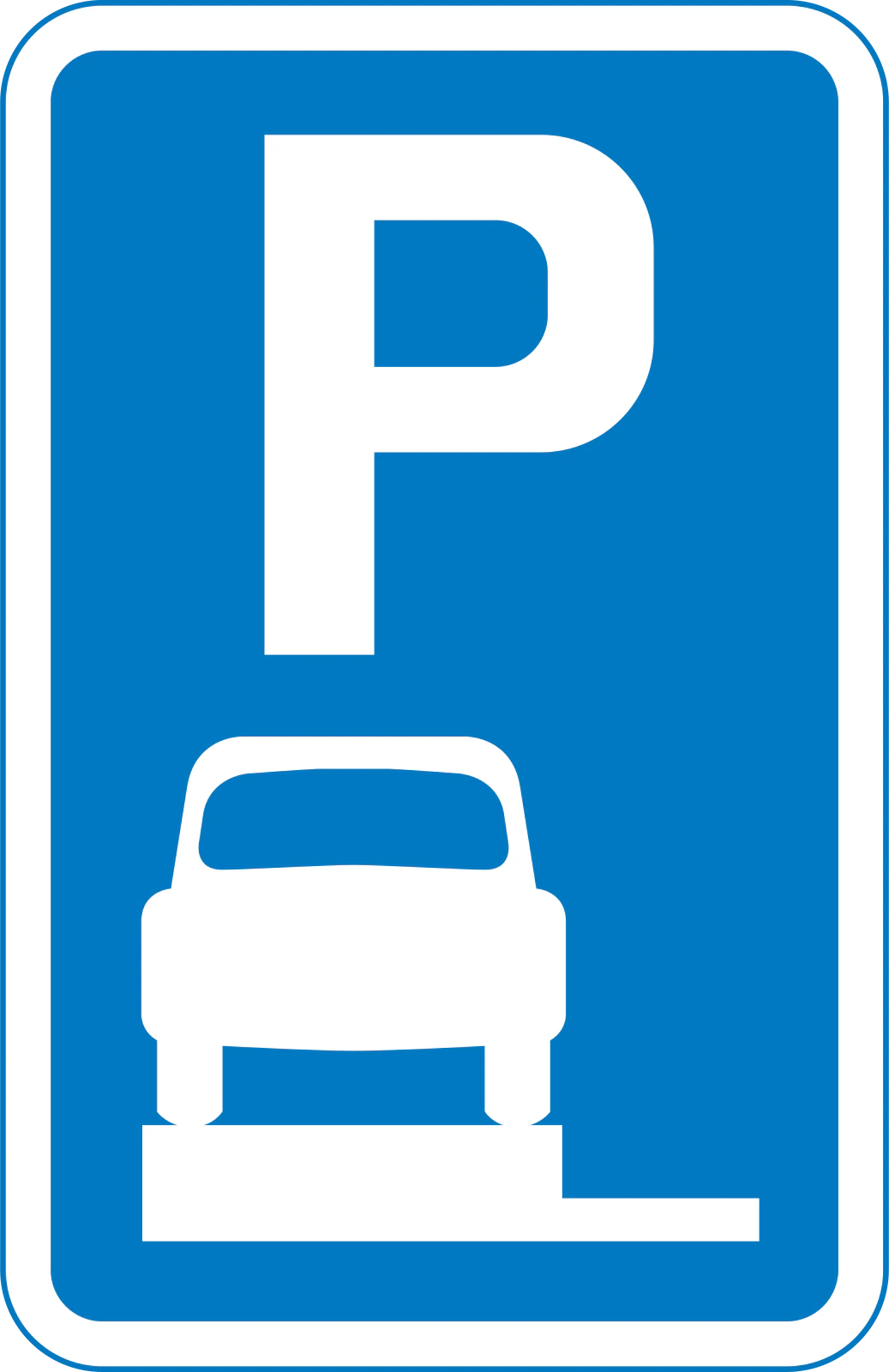
This sign means you might be able to park on the verge or footway.
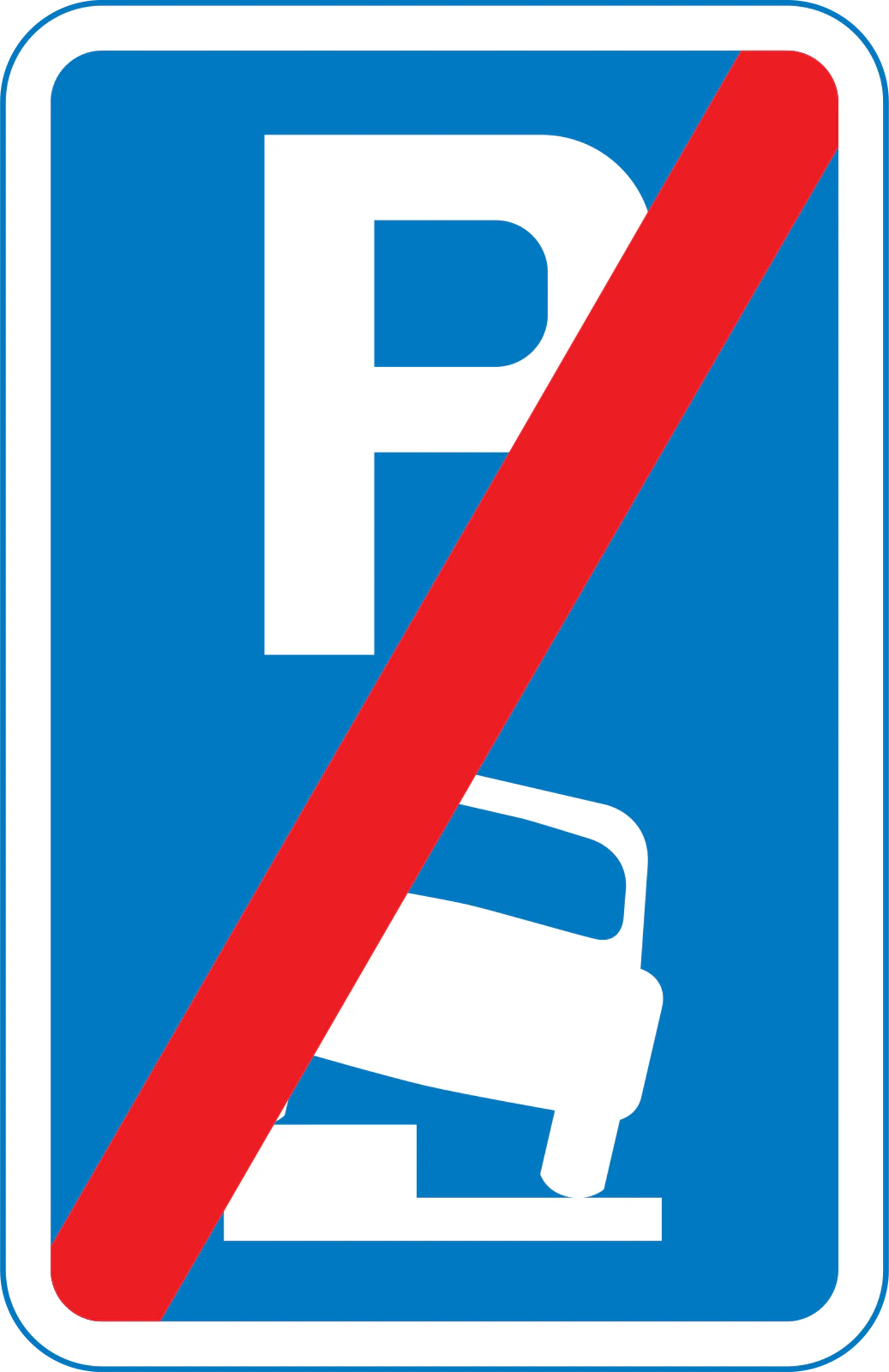
You are leaving a restricted parking area: understand the 667.2 sign.

You've Reached the End of a Designated Verge or Footway Parking Area
Clear answers to common questions about the Great Britain Parking and Loading Signs road sign category. Use this FAQ to review tricky rules, understand how these signs appear in exam scenarios, and remove confusion that often leads to mistakes in the British driving theory exam in Great Britain.
A 'no waiting' sign usually means you cannot stop your vehicle even for a short time, unless you are actively loading or unloading goods, or picking up/dropping off passengers, if permitted. A 'no loading' sign specifically prohibits the loading or unloading of goods, but you might still be able to wait if the sign allows it, for example, to pick up a passenger. Some signs, like the continuous prohibition (638), prohibit both waiting and loading.
You must always check the specific sign associated with the bay. For instance, a sign for a general parking place (801) will have different rules than a bay reserved for disabled badge holders only (661A) or a time-limited bay (661.1). If a sign indicates a time limit and a return period, you must adhere to both – you can’t just move your car to the next bay and immediately return if it’s within the prohibited return period.
Arrows on parking or loading signs usually indicate the direction or extent of the restriction or permitted area. For example, a sign with an arrow pointing forward (639R) means the 'no waiting' restriction applies in that direction. Similarly, an arrow might show the length of a parking bay or the section of the road where a restriction applies.
Generally, 'no waiting' means you cannot stop at all. However, some signs, like 'no waiting except for loading and unloading' (639), imply that stopping for specific purposes like picking up or dropping off passengers might be allowed, as it's akin to unloading. Always look for specific exceptions mentioned on the sign or supplementary plates. If in doubt, it's safer to find a legal place to stop.
A return period, often seen on time-limited parking signs like 661.1, specifies how long you must wait before you can park in the same bay again. For example, if a sign says '1 hour, return within 2 hours', you can park for up to an hour, but you cannot park in that bay again for at least two hours after you leave. This prevents people from repeatedly using short-term parking spots all day.
Ready to master Great Britain road signs? Explore organized categories and groups for structured learning. Understanding signs by type improves recall and comprehension, ensuring thorough preparation for your DVSA theory test.
Great Britain Road Sign Groups